Sorting Worksheets for Ages 5-9 - Page 2
27 filtered results
-
From - To
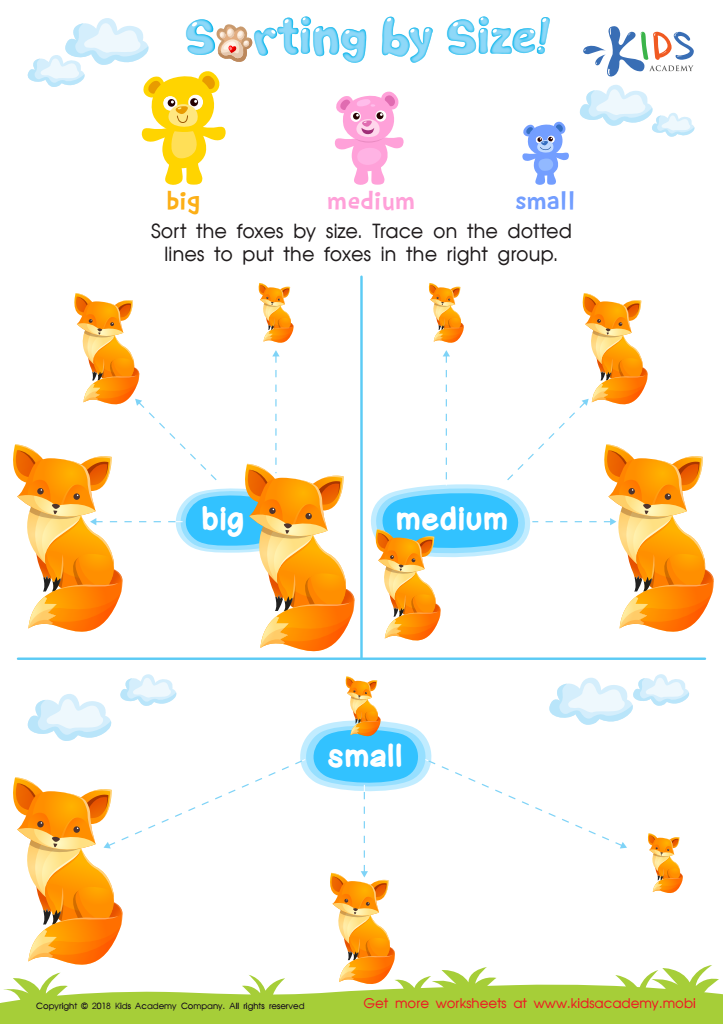
Sorting by Size Worksheet
 Assign to My Students
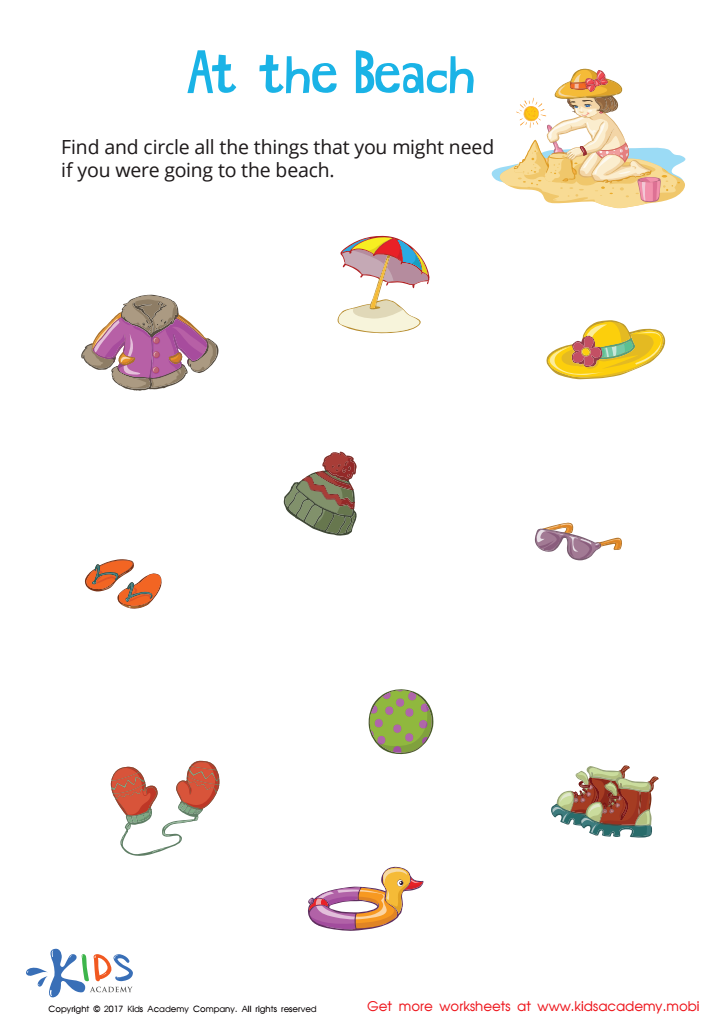
At the Beach Sorting Worksheet
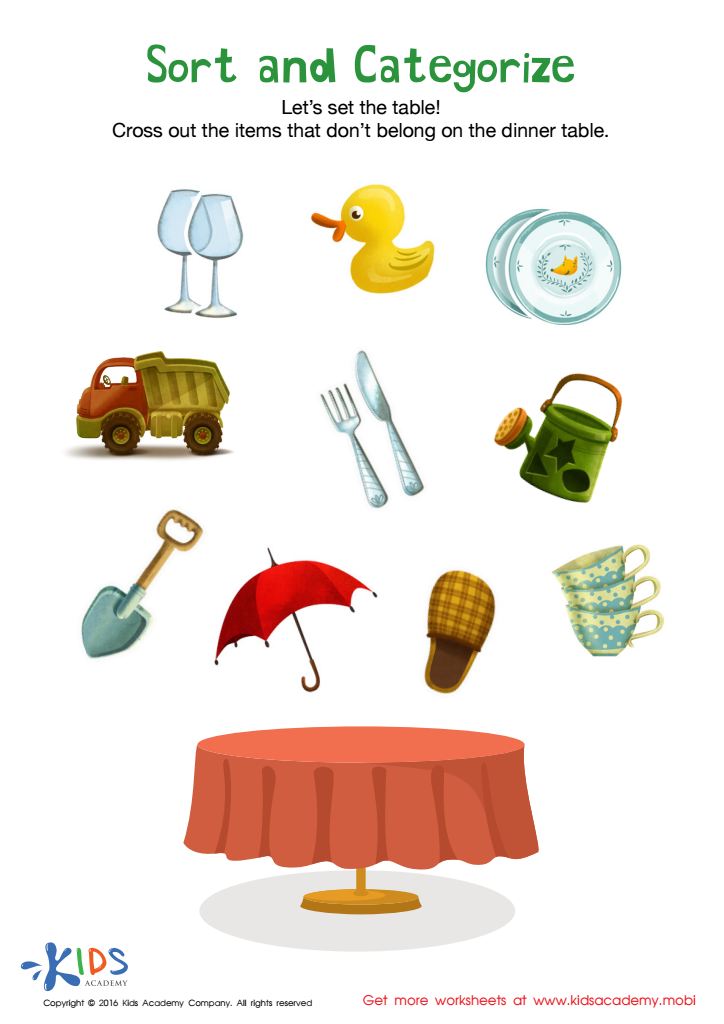








Sorting is a foundational skill for children ages 5-9 and has significant benefits for both cognitive and social development. Parents and teachers should care about this skill because it establishes the basis for logical thinking and problem-solving. When children sort objects into categories based on color, shape, size, or other attributes, they learn to identify similarities and differences, which boosts their observational skills and attention to detail. These skills are critical in early math and science education, setting the stage for more complex concepts such as classification, patterns, and relationships.
Moreover, sorting activities refine fine motor skills through the handling and manipulating of small objects. This strengthens hand-eye coordination and prepares children for writing and other tasks that require dexterity.
Additionally, sorting fosters language development. Describing sorting criteria and outcomes encourages children to use descriptive language and enhances their vocabulary. Engaging in sorting tasks together also promotes cooperative play and improves social interaction skills.
By supporting sorting activities, parents and teachers can provide a nurturing environment that stimulates intellectual growth, language abilities, and physical development. These foundational skills are integral to a child's overall educational journey and well-being.








