Reading Non-Fiction Worksheets for Ages 5-9 - Page 2
97 filtered results
-
From - To
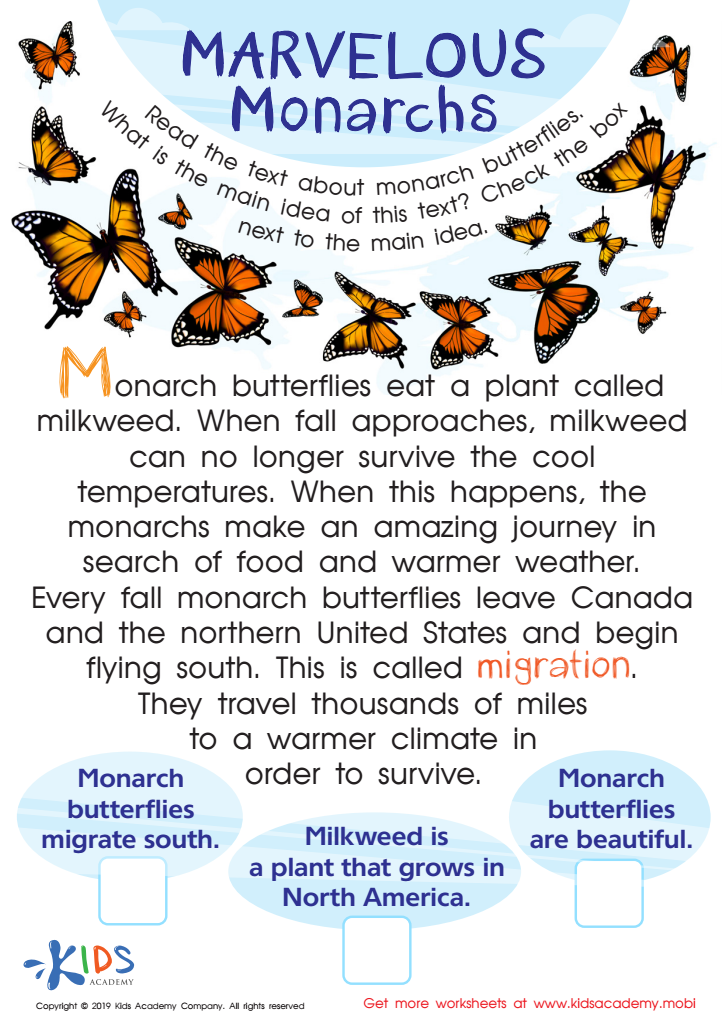
Marvelous Monarchs Worksheet
 Assign to My Students
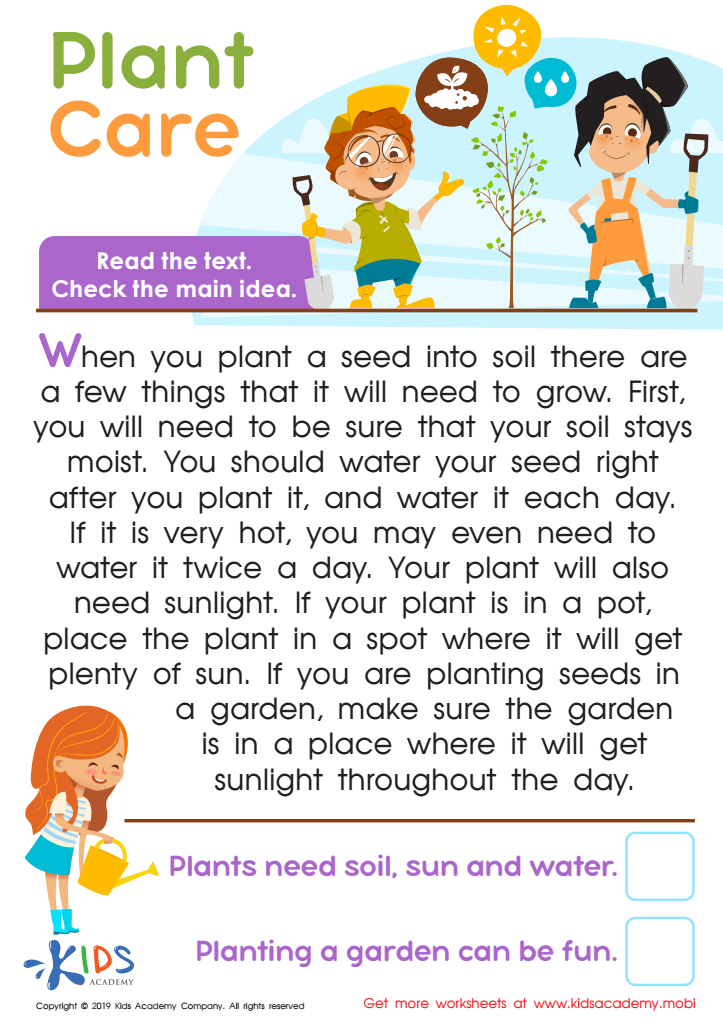
Plant Care Worksheet
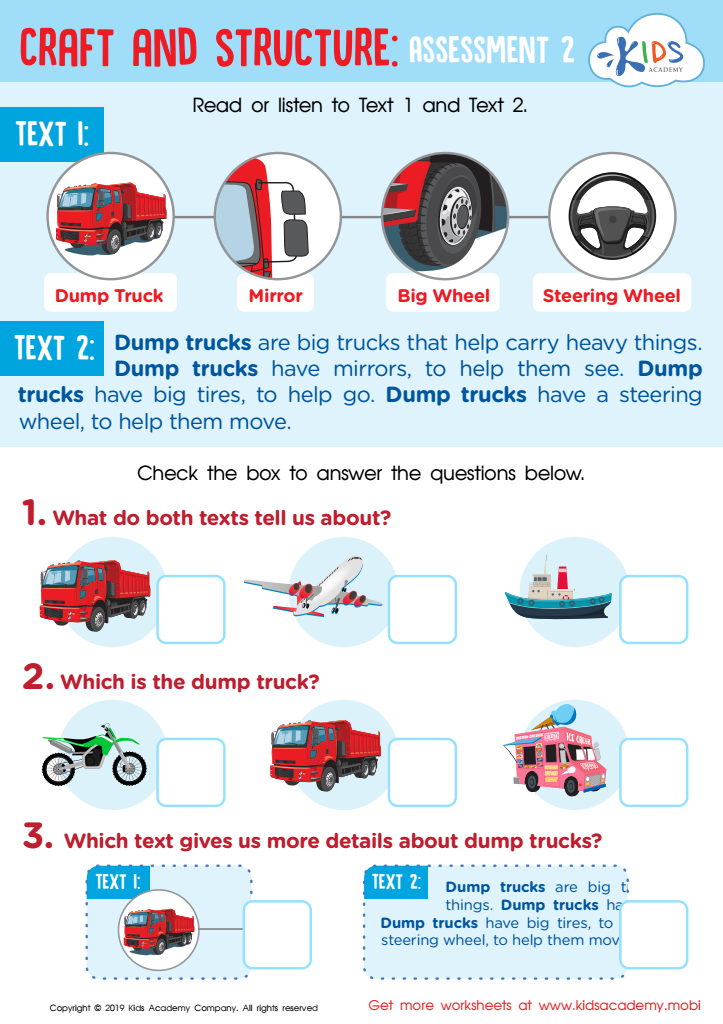
Craft and Structure: Assessment 2 Worksheet
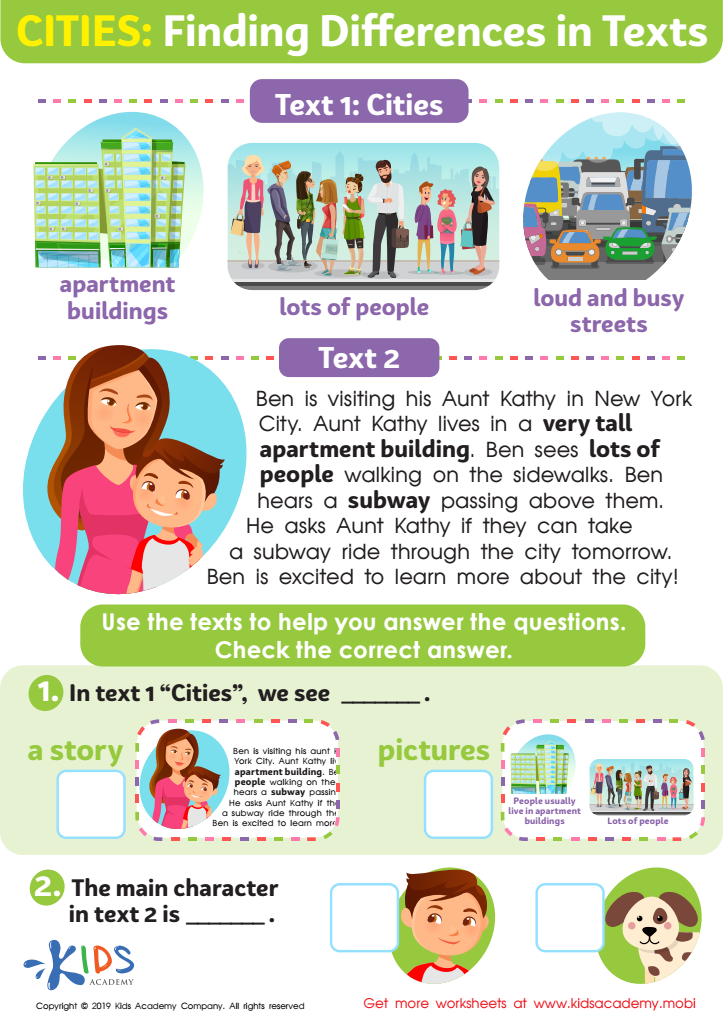
Cities: Finding Differences Worksheet
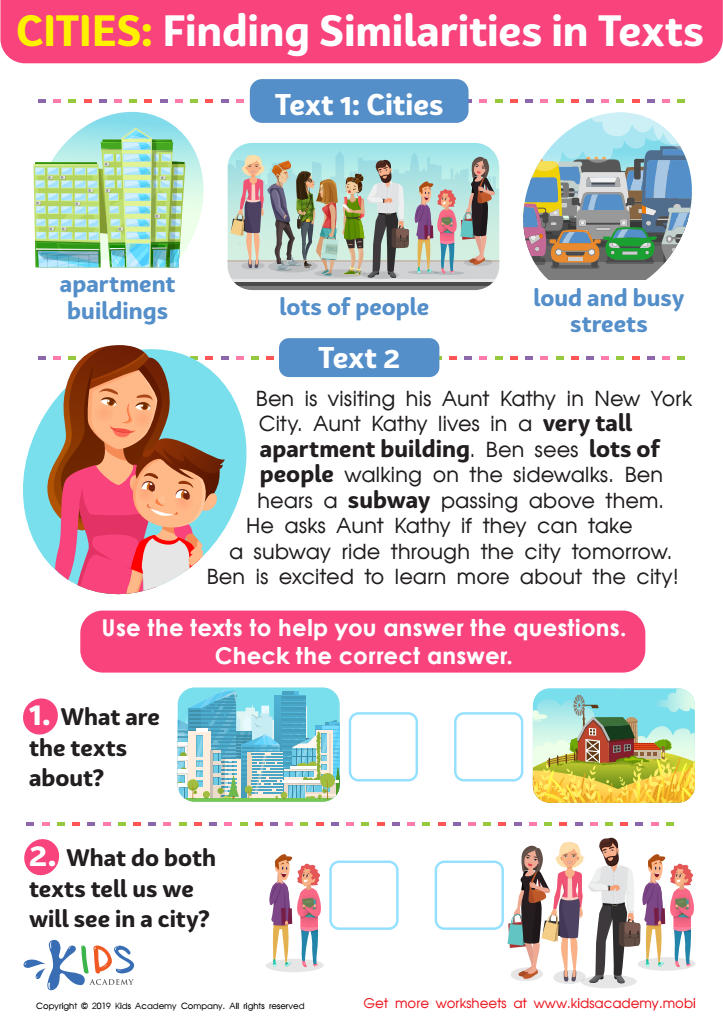
Cities: Finding Similarities Worksheet
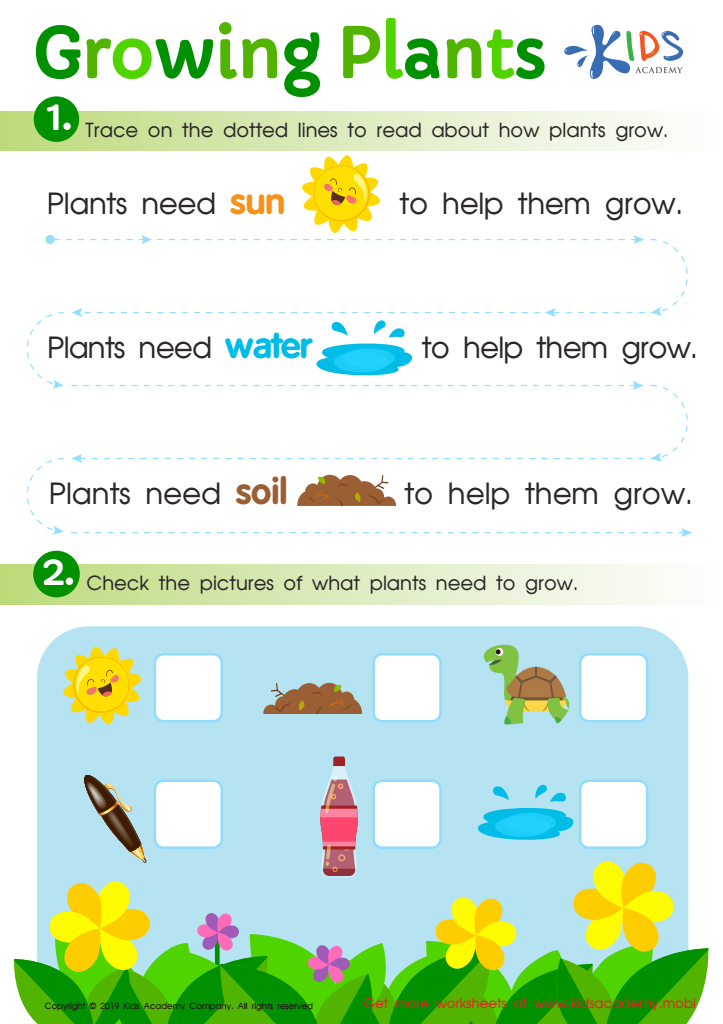
Growing Plants Worksheet
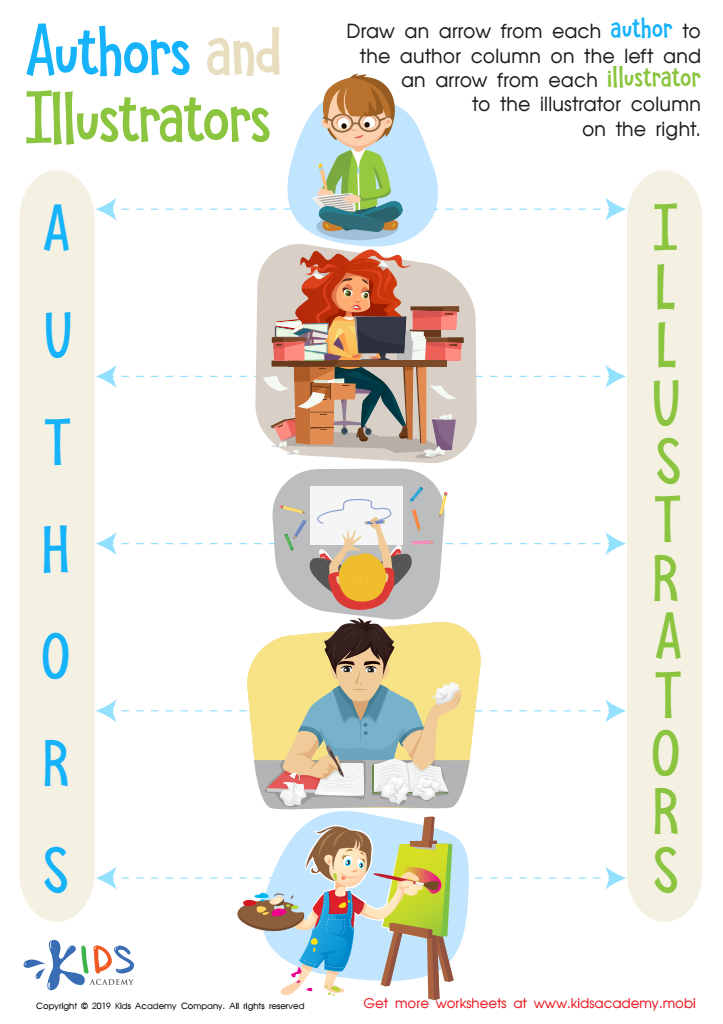
Authors and Illustrators Worksheet
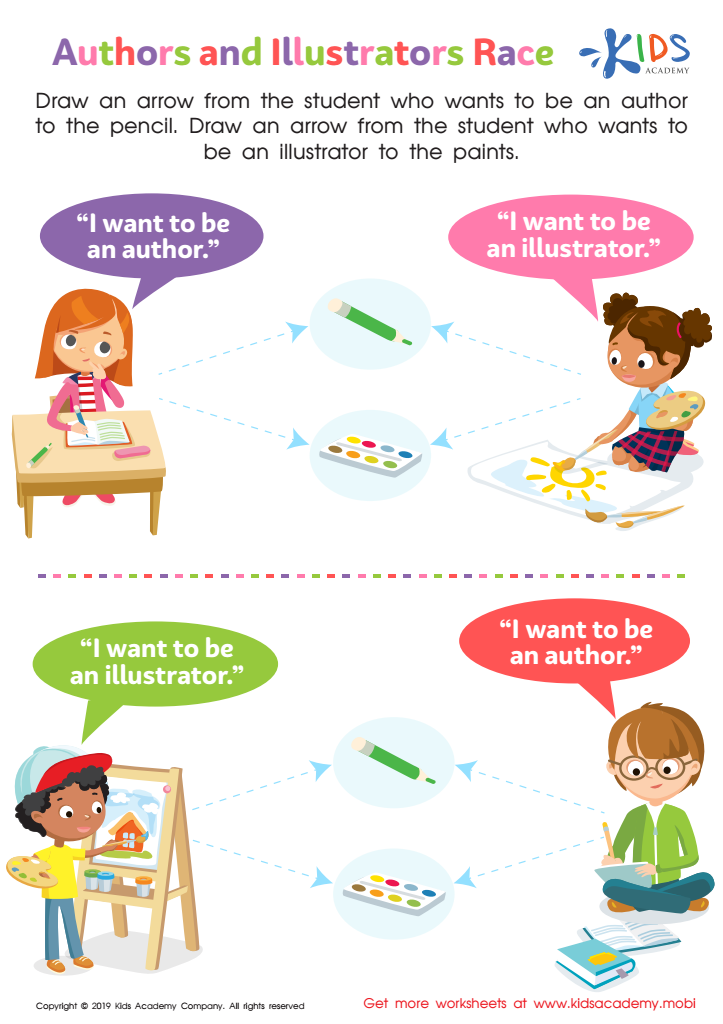
Authors and Illustrators Race Worksheet
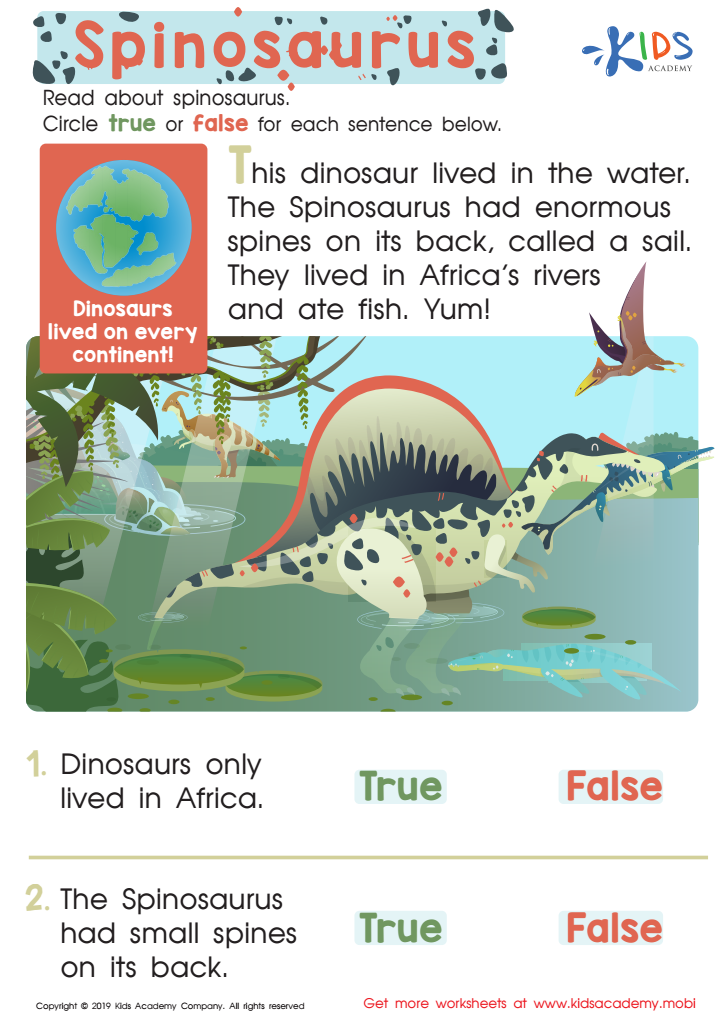
Spinosaurus Assessment Worksheet
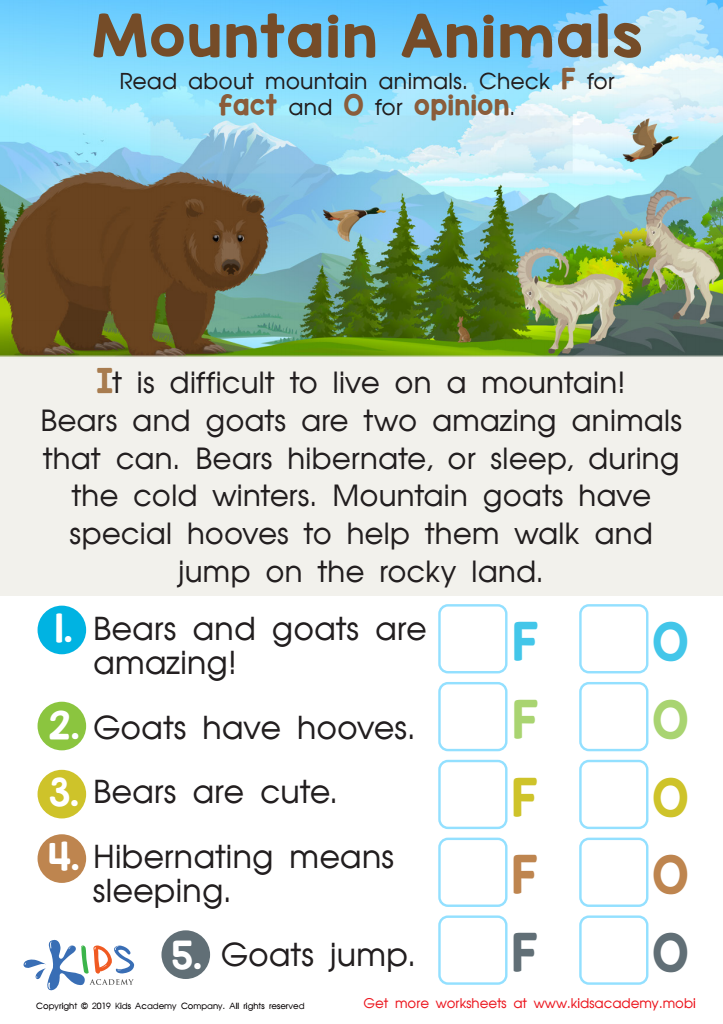
Mountain Animals Worksheet
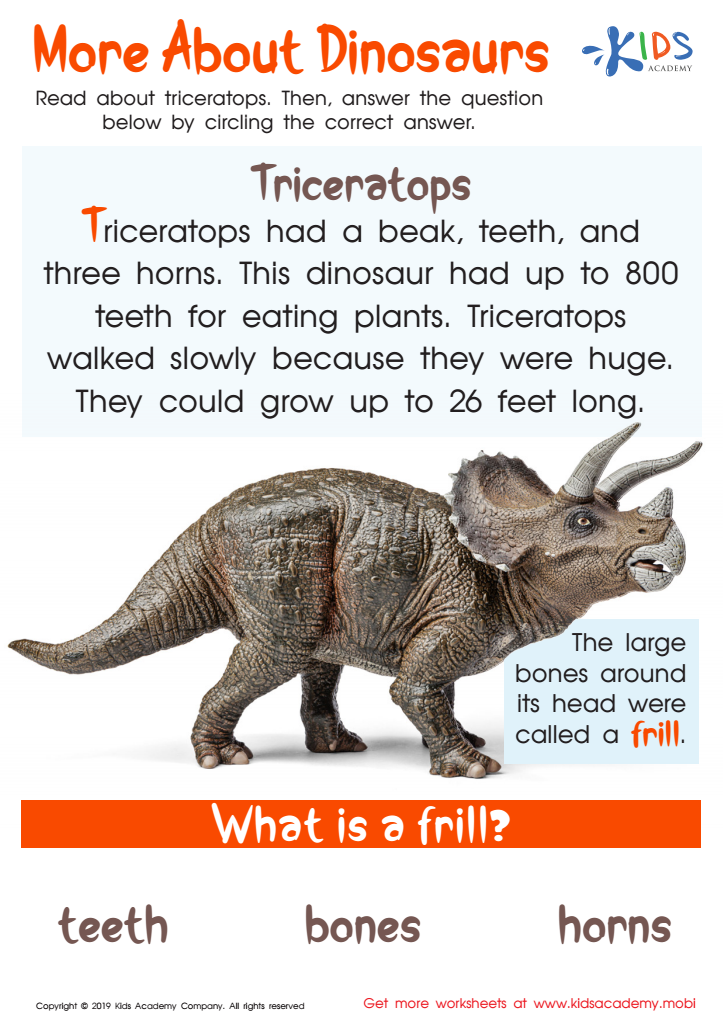
More About Dinosaurs Worksheet
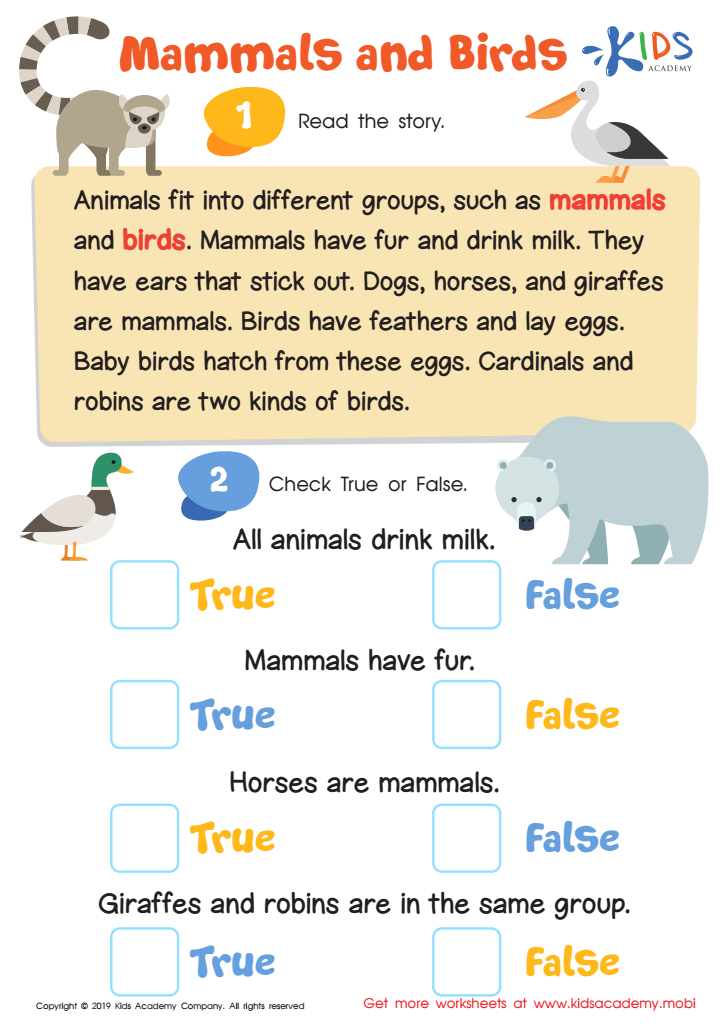
Mammals and Birds Worksheet
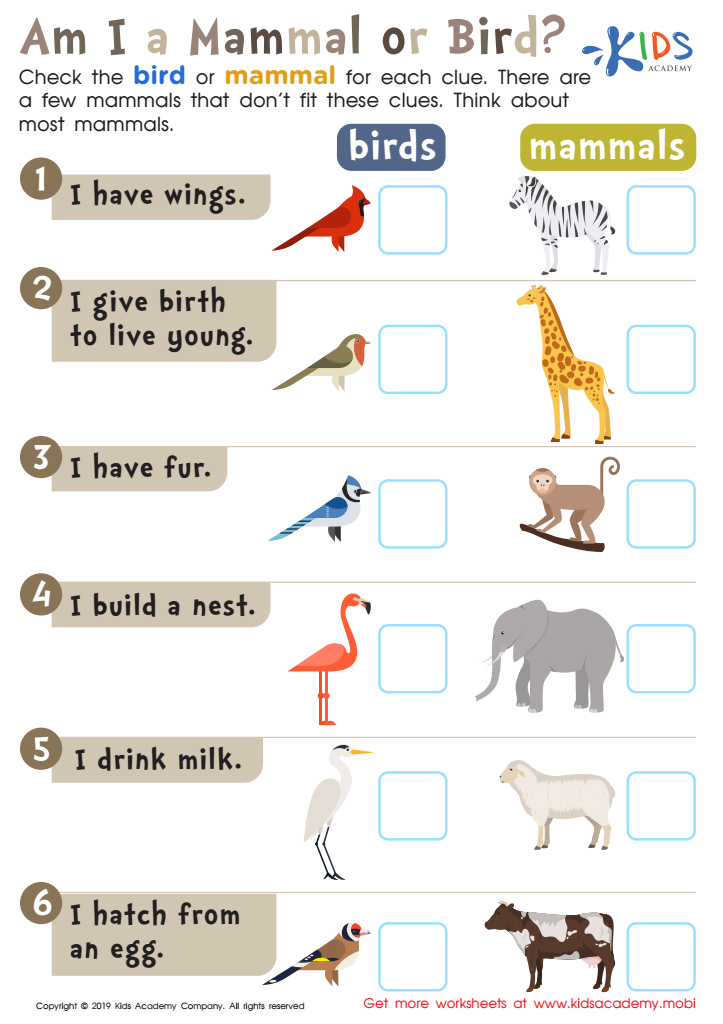
Am I a Mammal or Bird? Worksheet
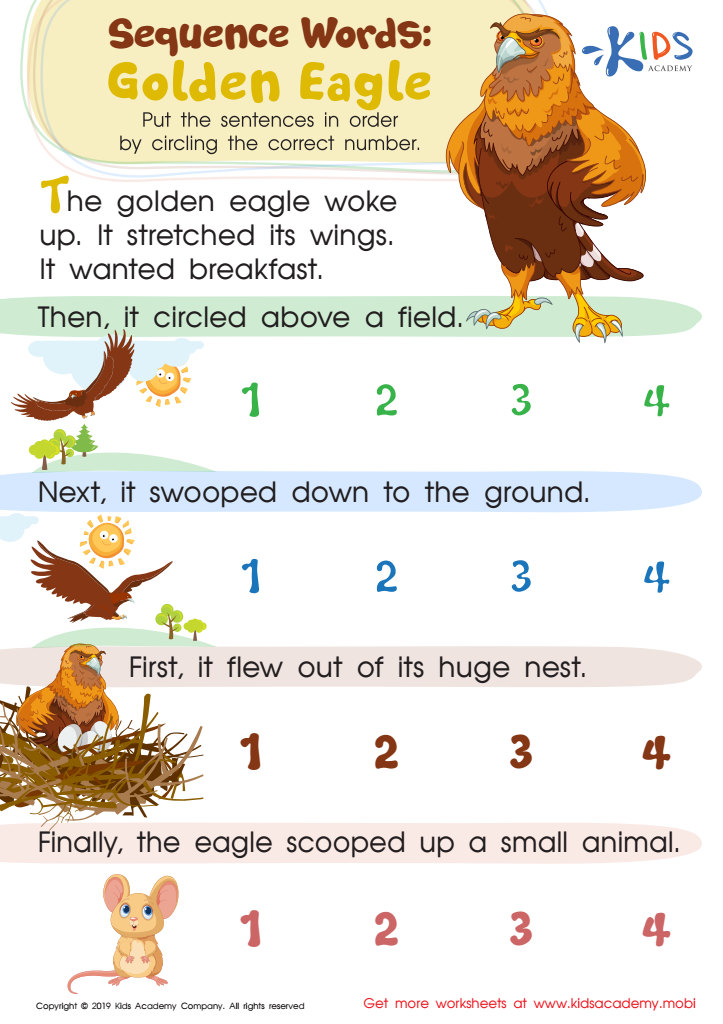
Sequence Word Eagle Worksheet
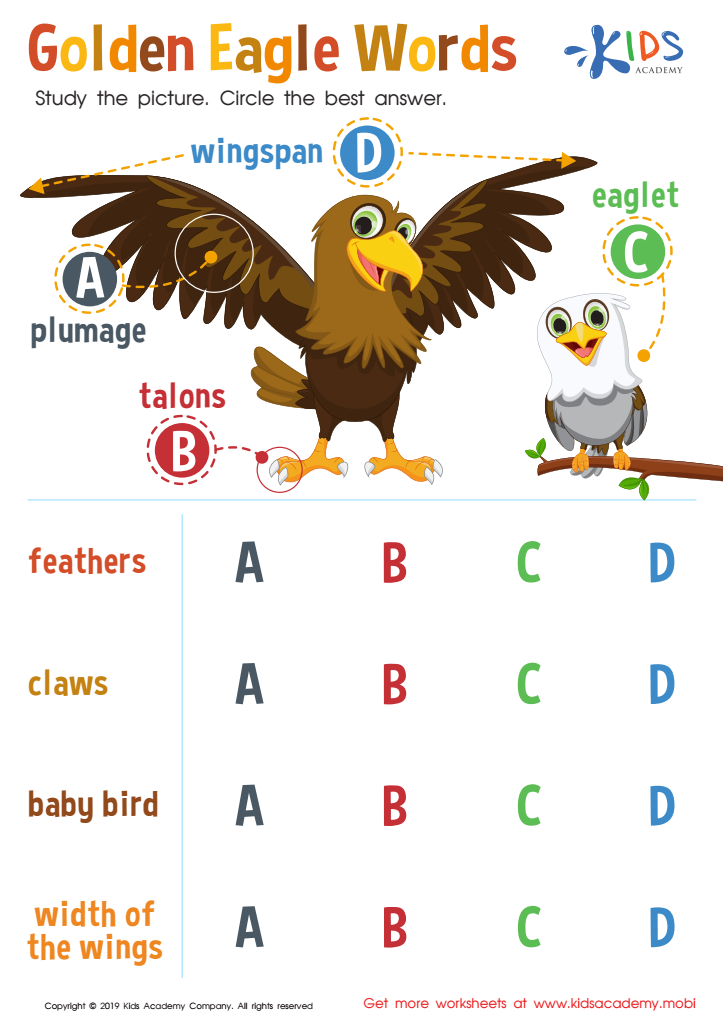
Golden Eagle Words Worksheet
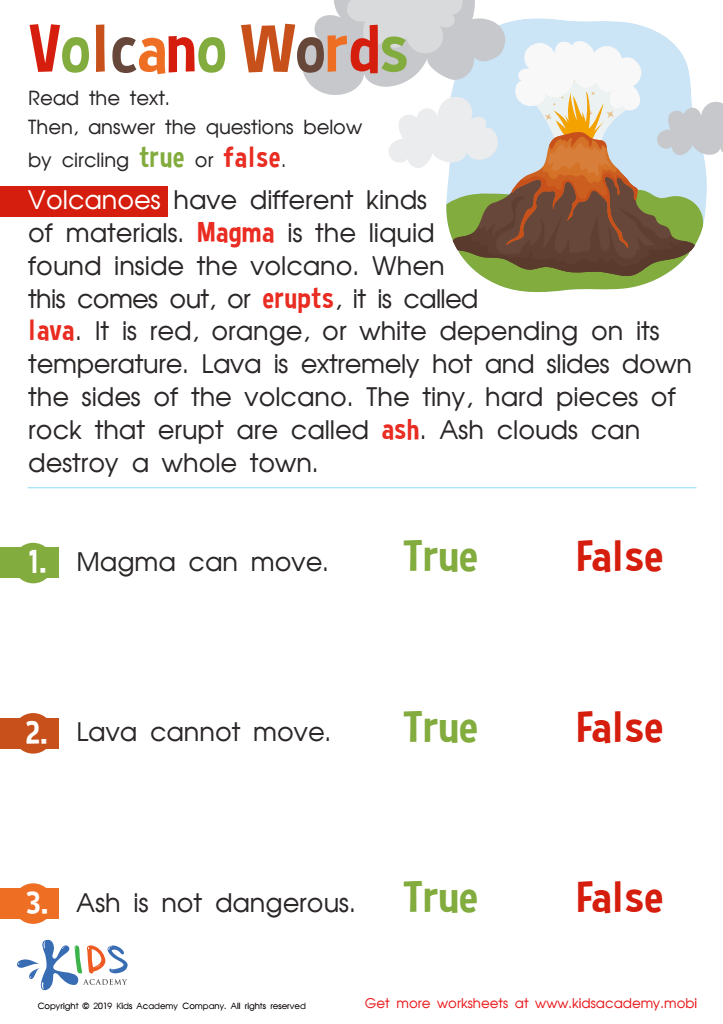
Volcano Words Worksheet
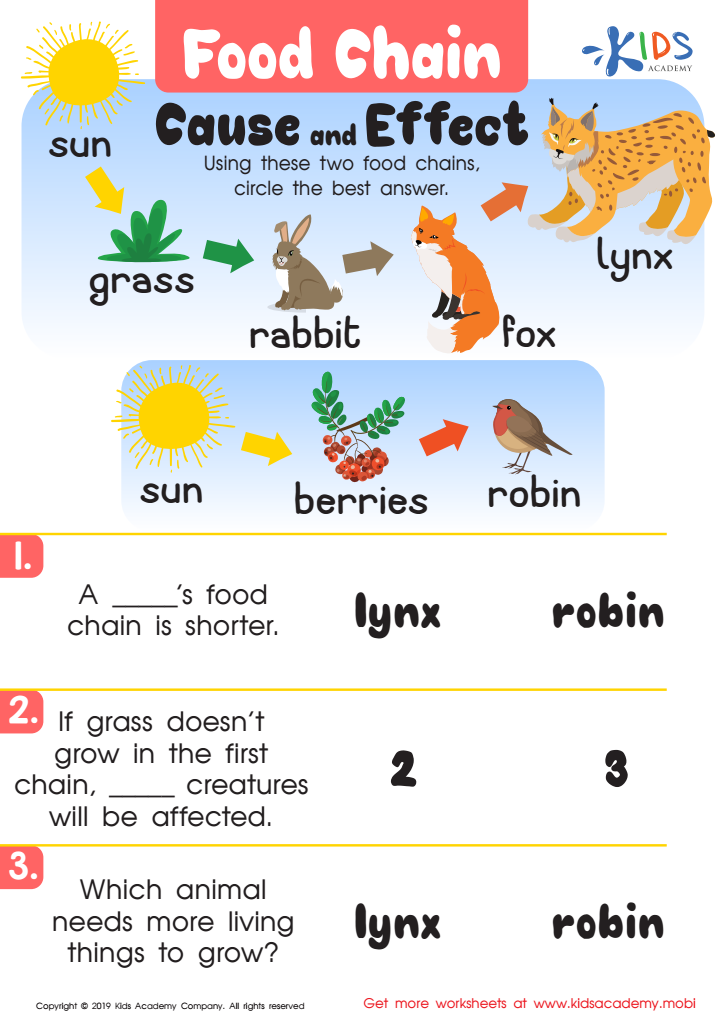
Food Chain Cause Worksheet
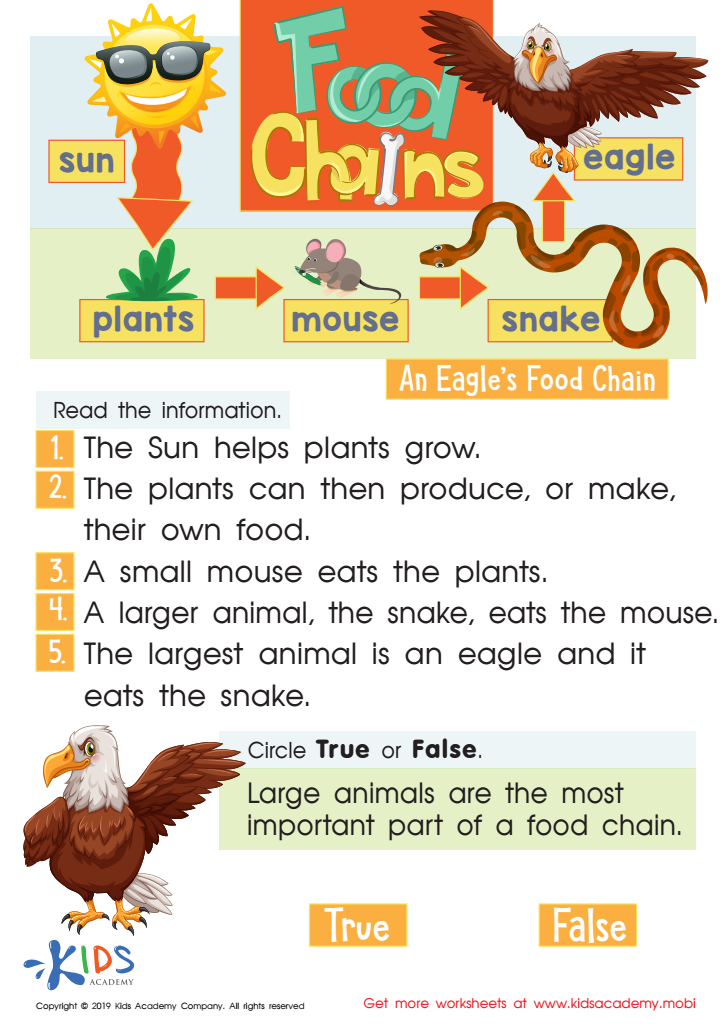
Food Chains Worksheet
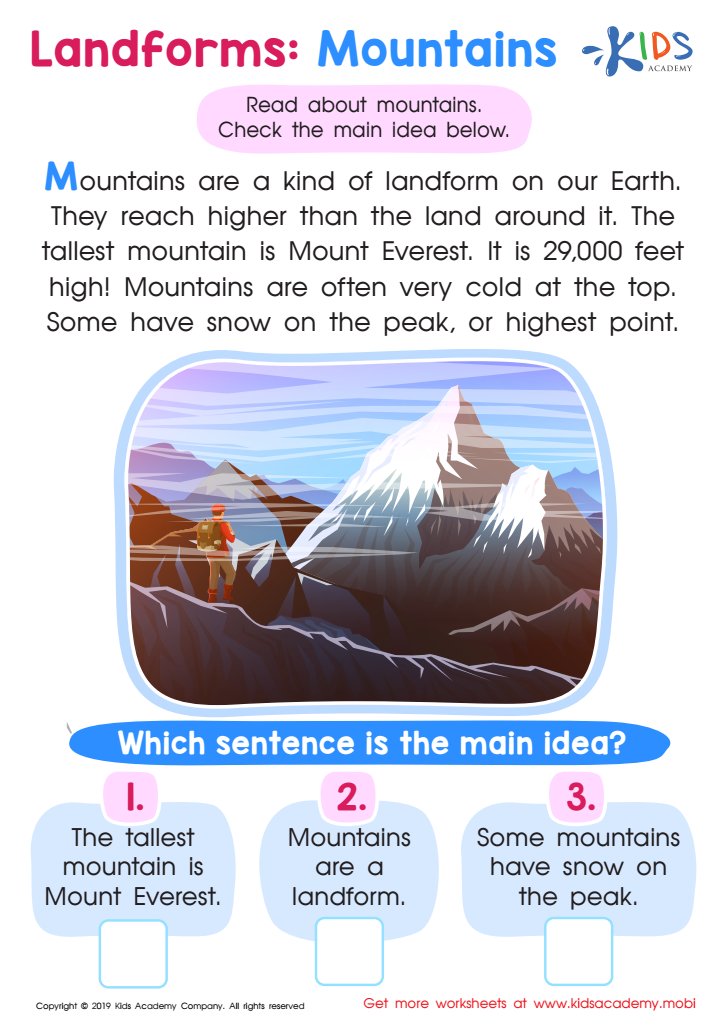
Landforms: Mountains Worksheet
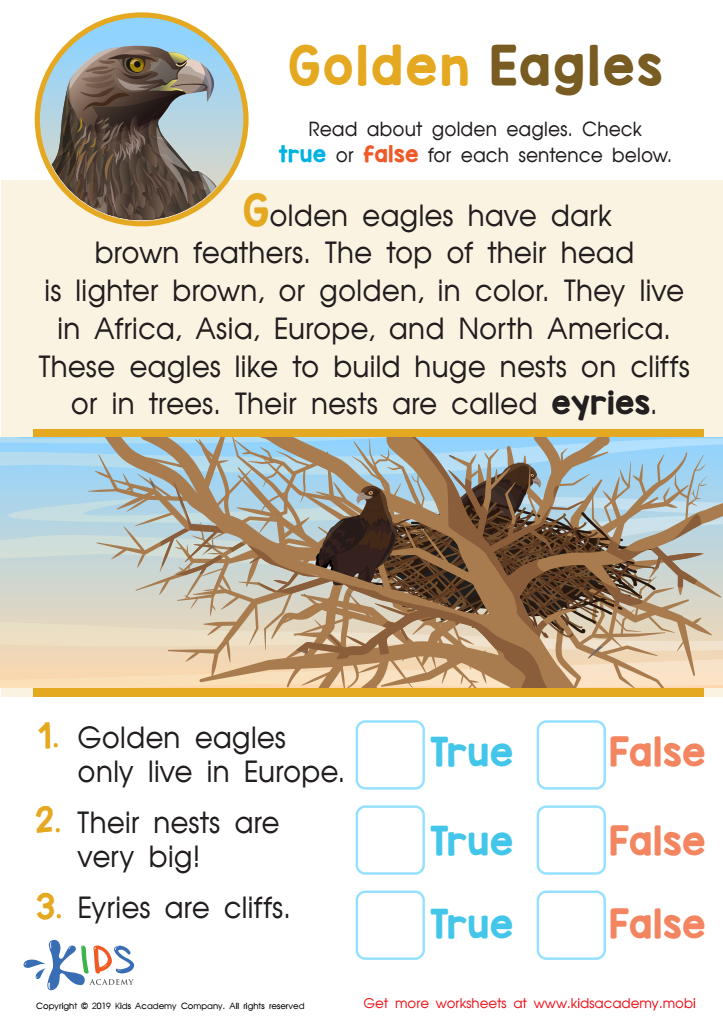
Golden Eagles Worksheet
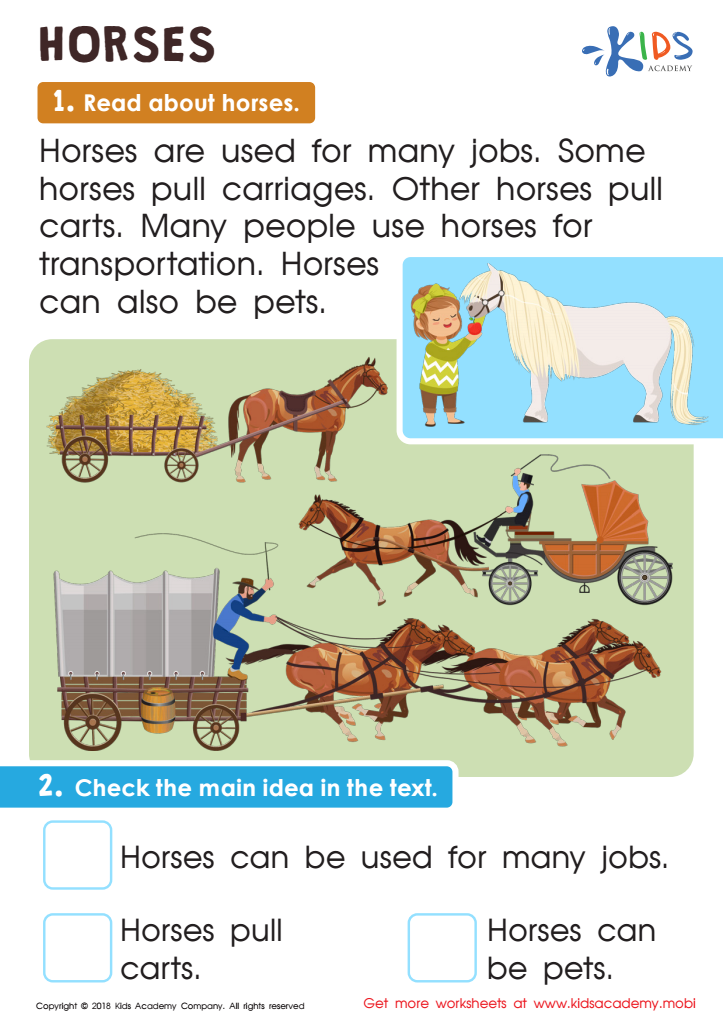
Horses Worksheet
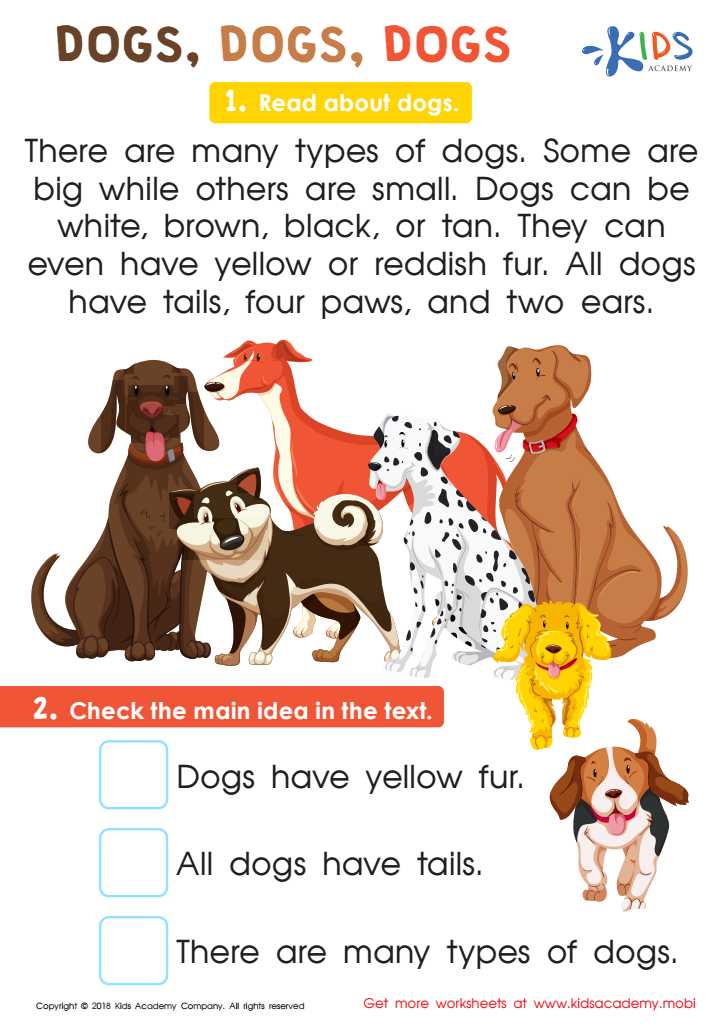
Dogs, Dogs Worksheet
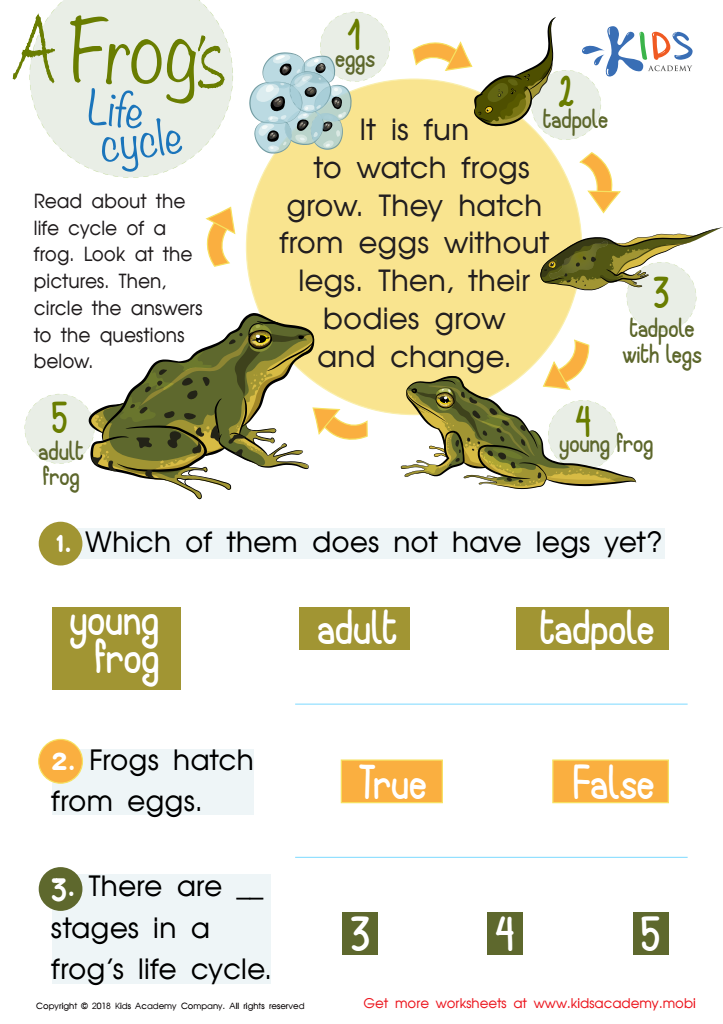
A Frog’s Life Cycle Worksheet
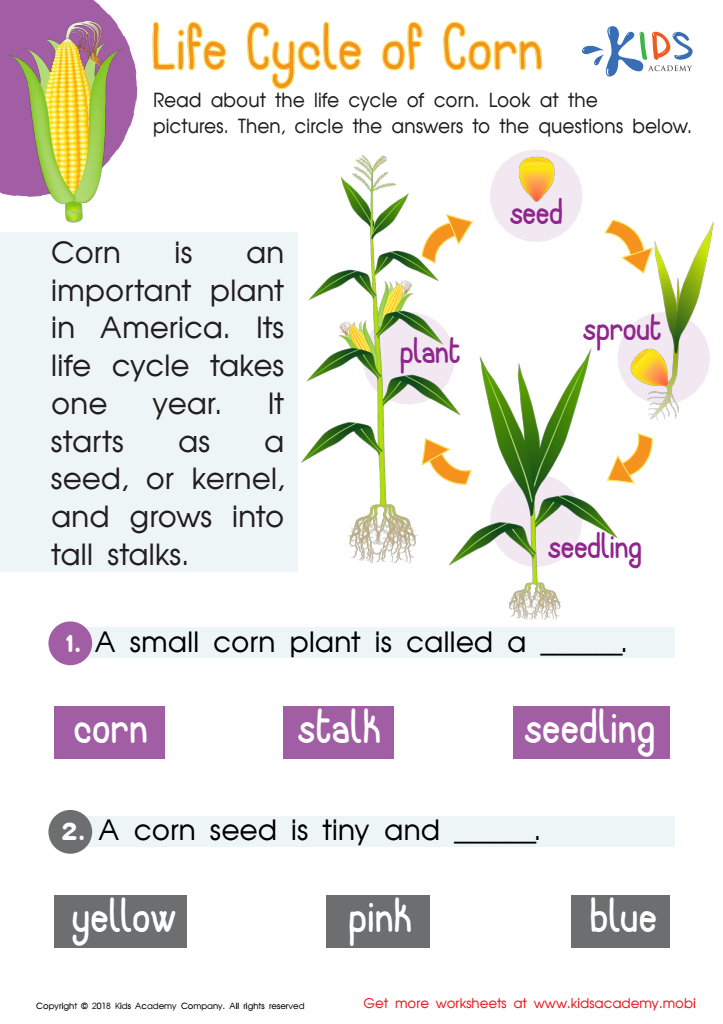
Life Cycle of Corn Worksheet








Parents and teachers should prioritize reading non-fiction for children aged 5-9 for several compelling reasons. Reading non-fiction exposes young readers to real-world concepts, fostering curiosity and a deeper understanding of the environment and society around them. This genre serves as a gateway to diverse topics such as science, history, and cultures, igniting a passion for learning and encouraging kids to ask questions and seek answers beyond the text.
Moreover, early exposure to non-fiction literature helps develop critical thinking skills. As children navigate informational texts, they learn to identify key facts, analyze data, and make connections, which are crucial skills for their academic journey. Additionally, reading non-fiction builds vocabulary and comprehension, equipping children with language relevant to various subjects.
Importantly, non-fiction reading also instills a sense of empathy and global awareness by introducing young readers to different perspectives and experiences. Parents and teachers can use this genre to spark discussions and foster emotional intelligence, crucial for social development.
By emphasizing non-fiction reading, adults play a vital role in shaping informed, compassionate, and well-rounded individuals who are prepared to navigate an increasingly complex world. Fostering an early interest in factual storytelling ultimately lays the foundation for lifelong learning.








