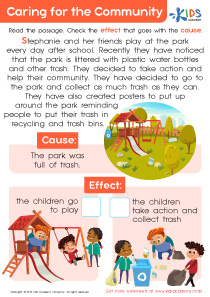
Governance and Civics Worksheets for Ages 5-9 - Page 3
51 filtered results
-
From - To
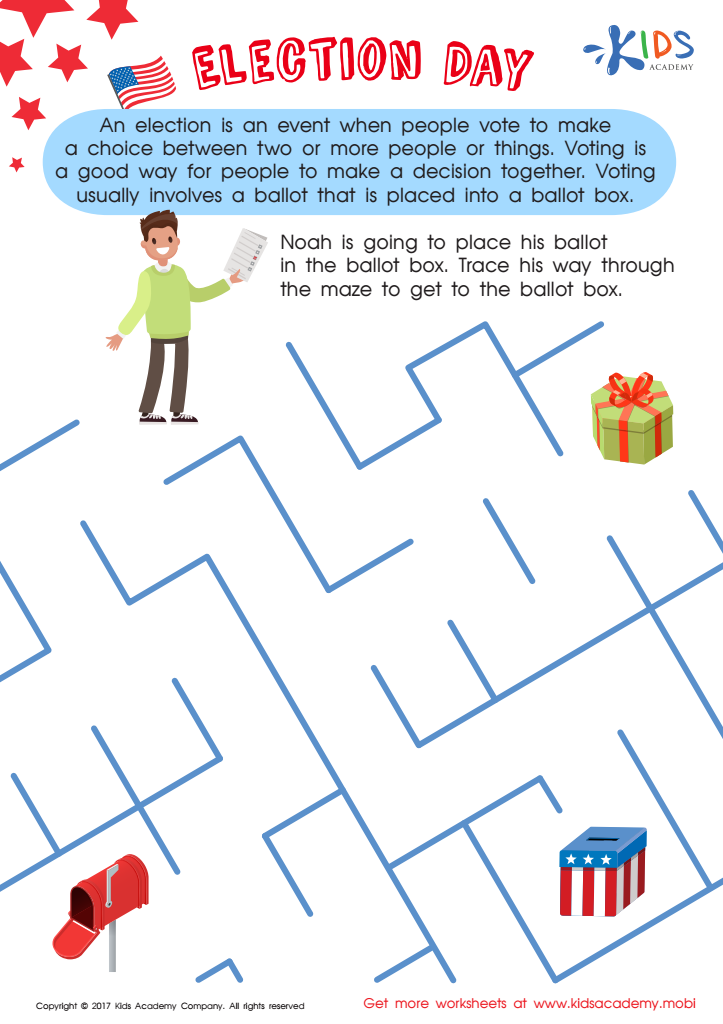
Election Day Worksheet
 Assign to My Students
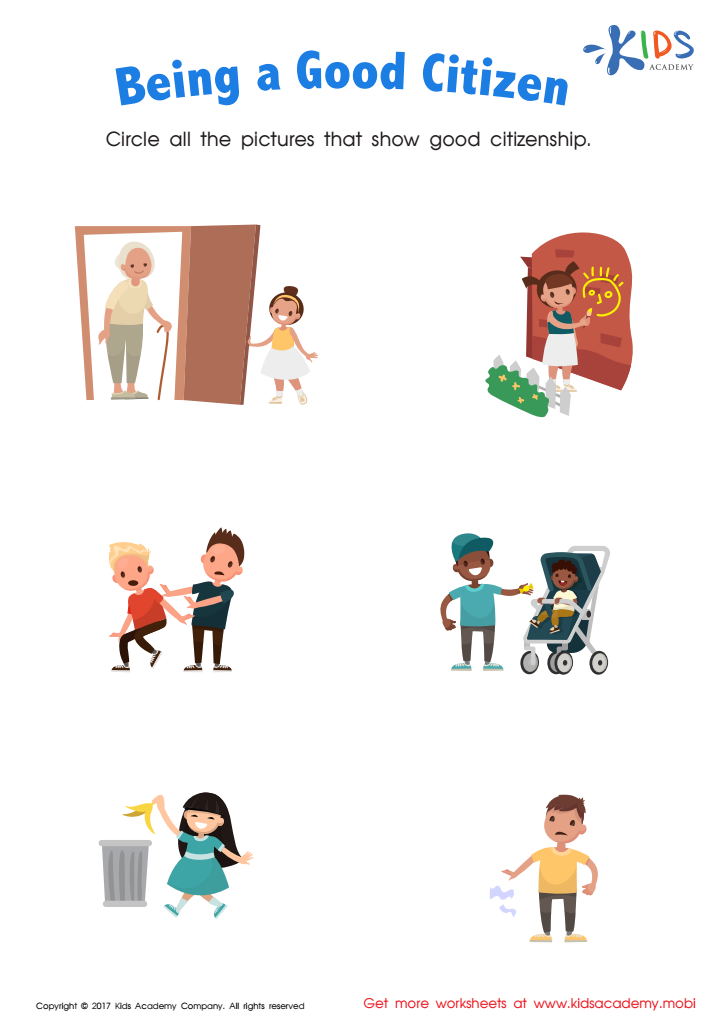
Being a Good Citizen Printable
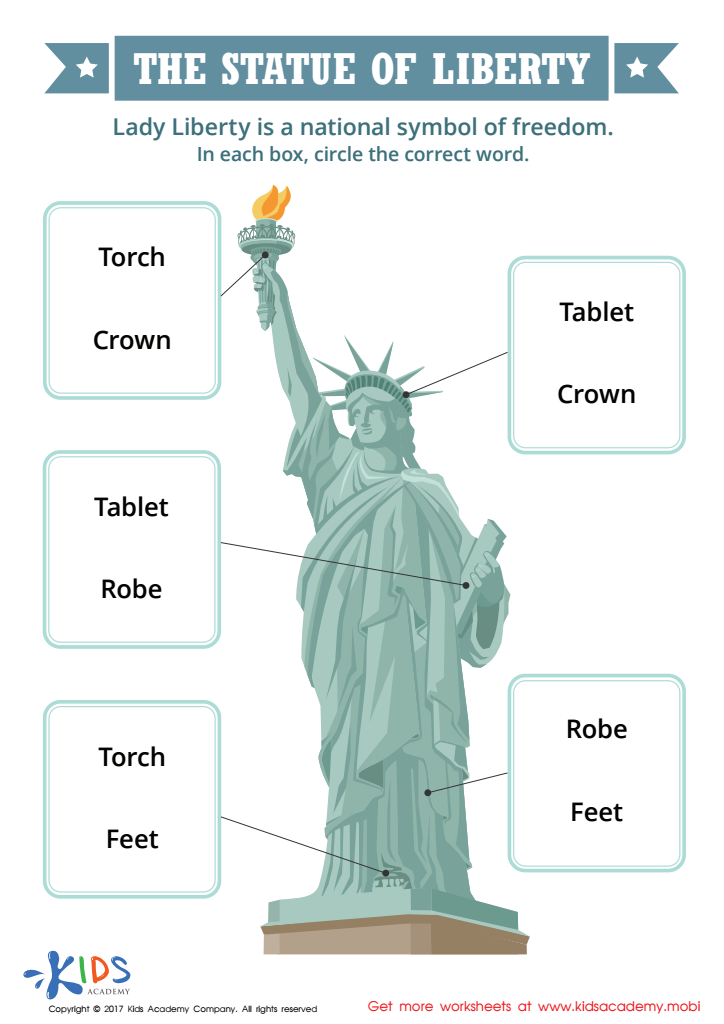
The Statue of Liberty Printable


Parents and teachers should care about governance and civics for ages 5-9 because it lays the foundation for responsible citizenship and an informed future. At this crucial developmental stage, children begin to understand their role in society and the importance of their voice. Introducing governance concepts fosters critical thinking skills and encourages curiosity about how their community operates, promoting active engagement from an early age.
By teaching children about basic civic principles—such as fairness, respect, and community involvement—we help them develop empathy, social skills, and a sense of responsibility towards others. These lessons can instill values of cooperation, listening, and understanding, essential for a harmonious democratic society.
Furthermore, discussing governance at a young age helps dismantle misconceptions and encourages inclusivity. Children learn that everyone’s voice matters, nurturing a generation that values diversity and cooperation. When parents and teachers engage in civics education, they model positive behaviors, showing children that active participation and informed discussions are vital components of community life.
Ultimately, grounding governance and civics education in early childhood not only cultivates future voters and community leaders but also promotes a stronger, more aware society where children feel empowered to contribute meaningfully as they grow.