Community Worksheets for Ages 5-9 - Page 2
30 filtered results
-
From - To
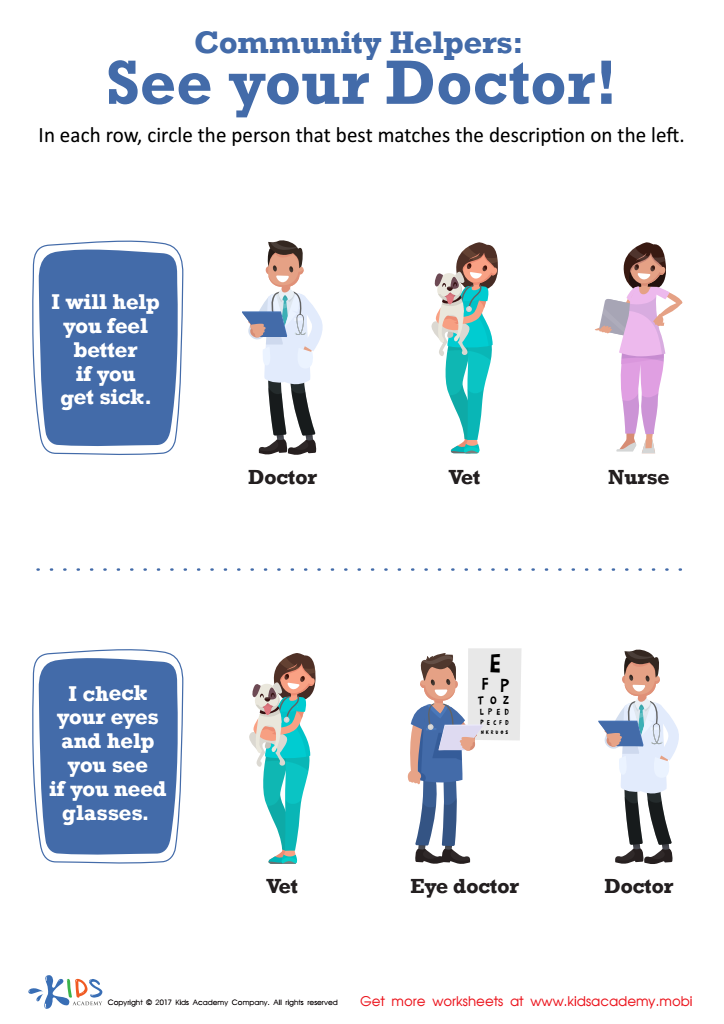
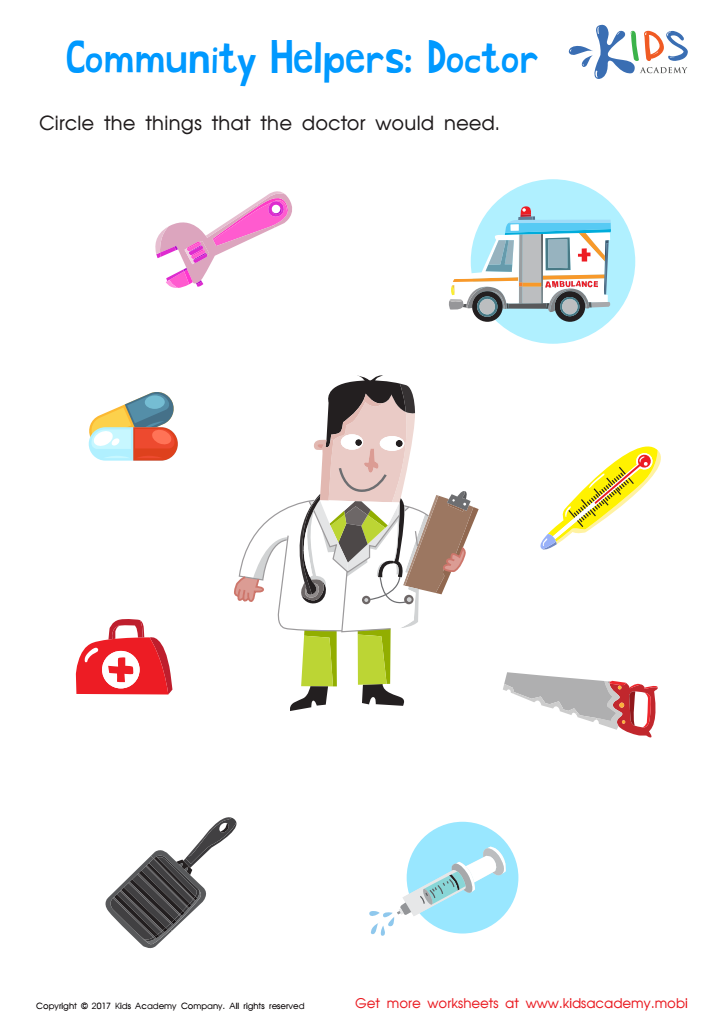
See Your Doctor (Part 1) Printable
 Assign to My Students

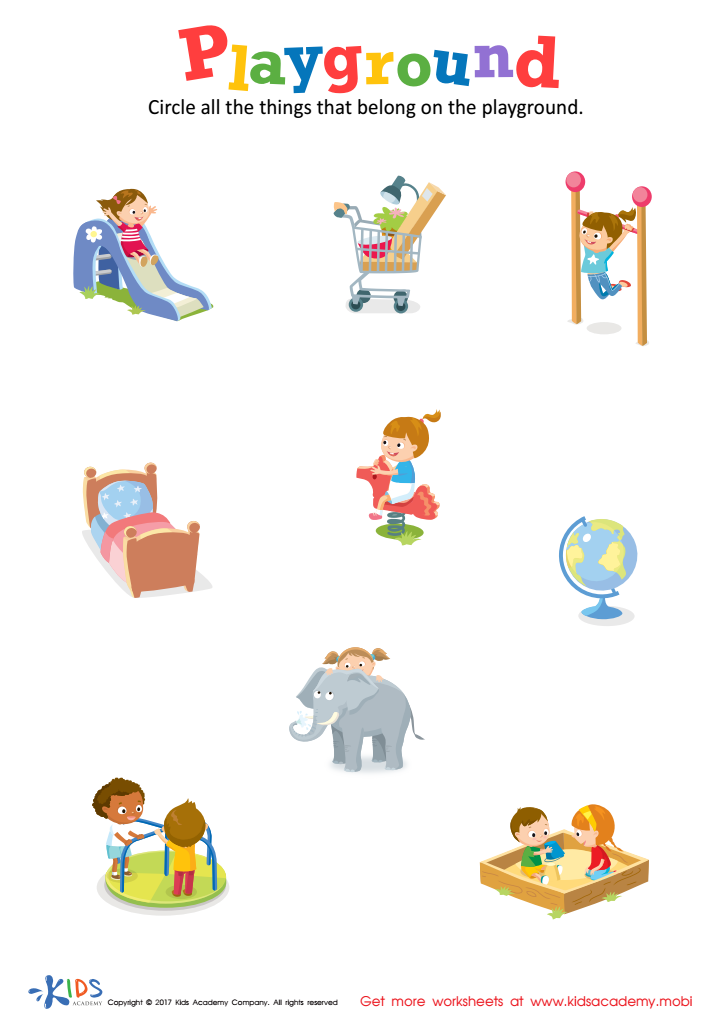
Playground Worksheet

Grocery Store Worksheet
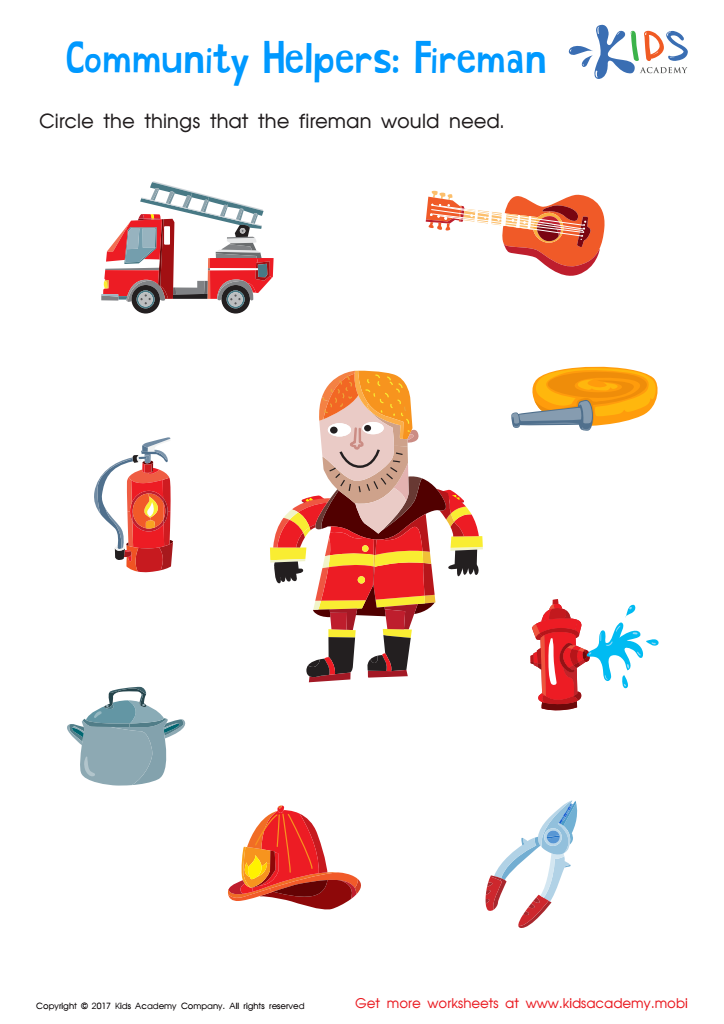
Fireman Worksheet








Parents and teachers should prioritize community for children ages 5-9 because it plays a crucial role in their social, emotional, and cognitive development. At this stage, children are beginning to understand their relationships with peers and adults, and a supportive community fosters these connections. Positive interactions within a community teach children important social skills, such as empathy, cooperation, and communication, which are vital for their overall growth.
Additionally, community involvement helps children develop a sense of belonging and security. When they feel connected to their surroundings and the people within them, they are more likely to engage in learning and exploration. Schools and parents can work together to create a variety of community experiences that encourage teamwork and collaborative problem-solving. This, in turn, helps children build confidence and resilience.
Moreover, a strong community also serves as a support network, providing resources and encouragement for both students and their families. Engaging in community activities teaches children the value of giving back, cultivating a sense of responsibility and active citizenship from an early age. Ultimately, when parents and teachers champion community involvement, they are not just enhancing children's education, but also enriching their lives and shaping them into well-rounded individuals.