Consonants Worksheets for Ages 6-8 - Page 2
34 filtered results
-
From - To
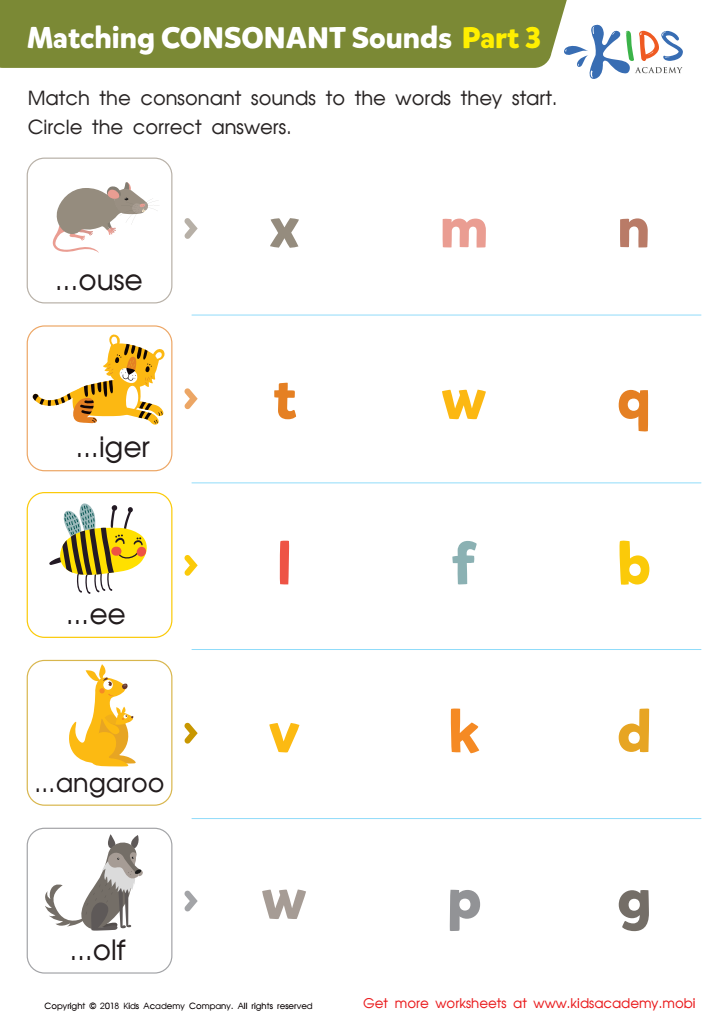
Matching Consonant Sounds: Part 3 Worksheet
 Assign to My Students
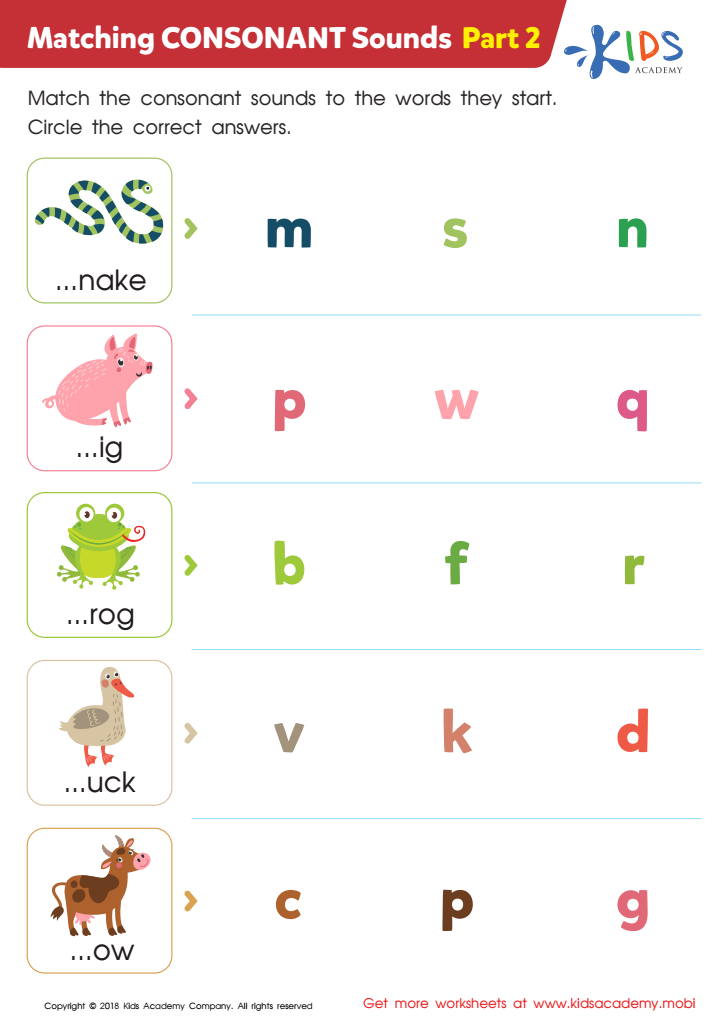
Matching Consonant Sounds: Part 2 Worksheet
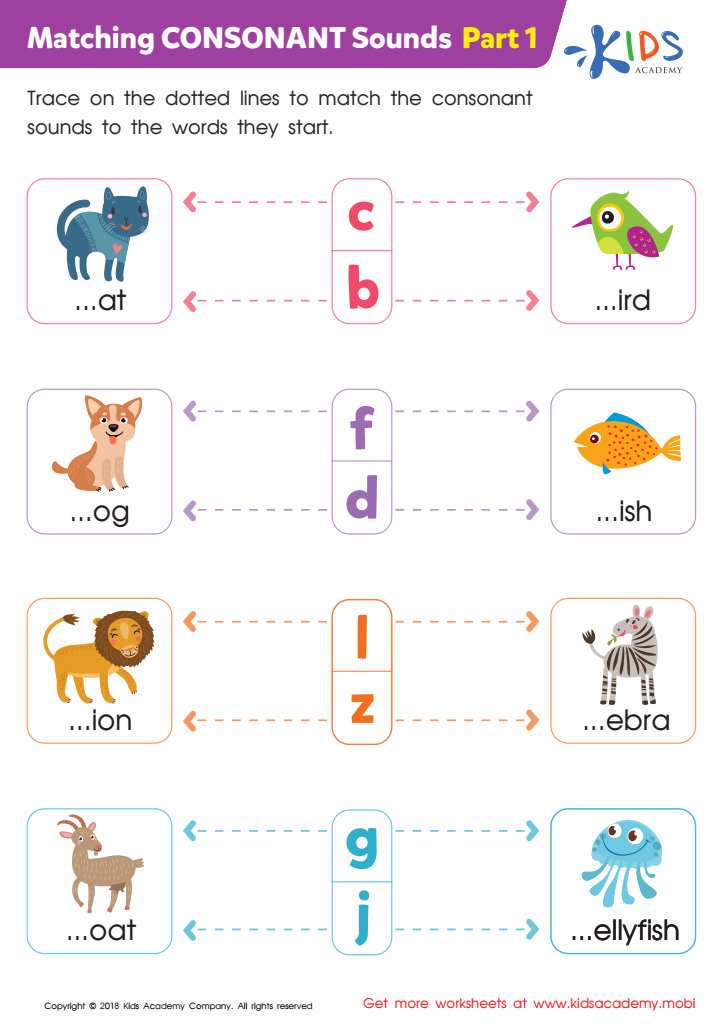
Matching Consonant Sounds: Part 1 Worksheet
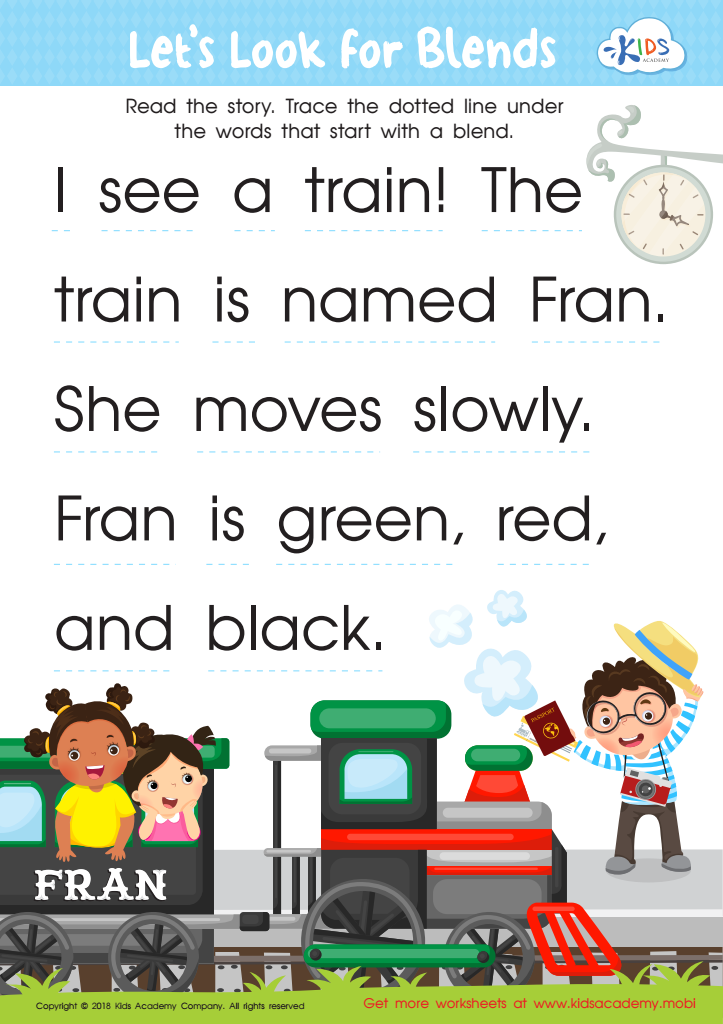
Let's Look for Blends Worksheet
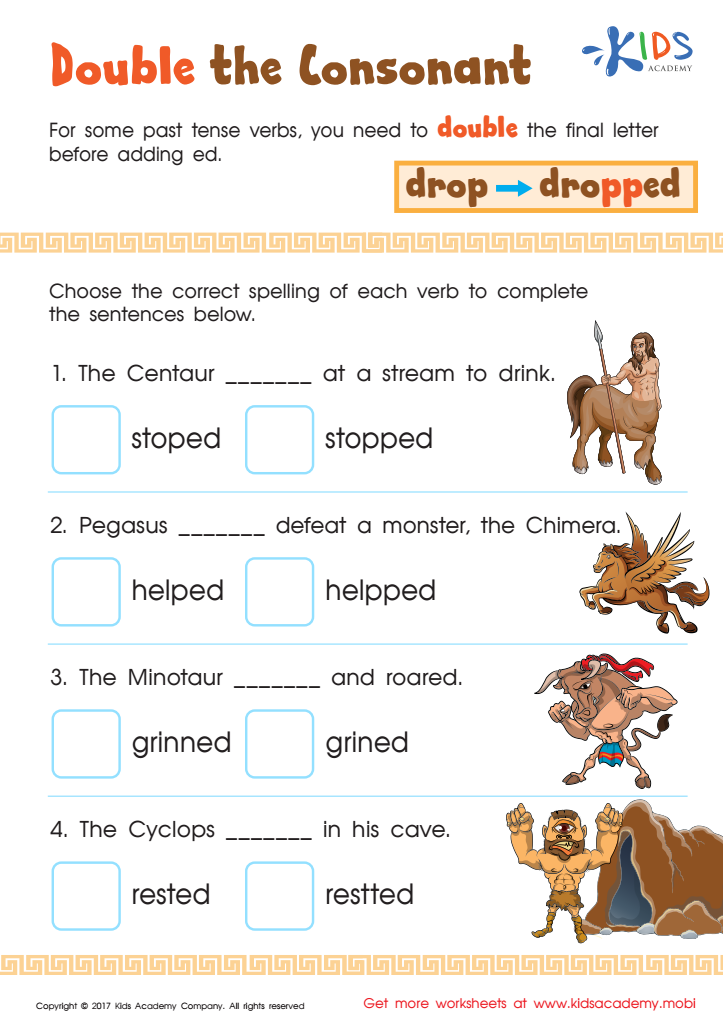
Double Consonant Spelling Worksheet
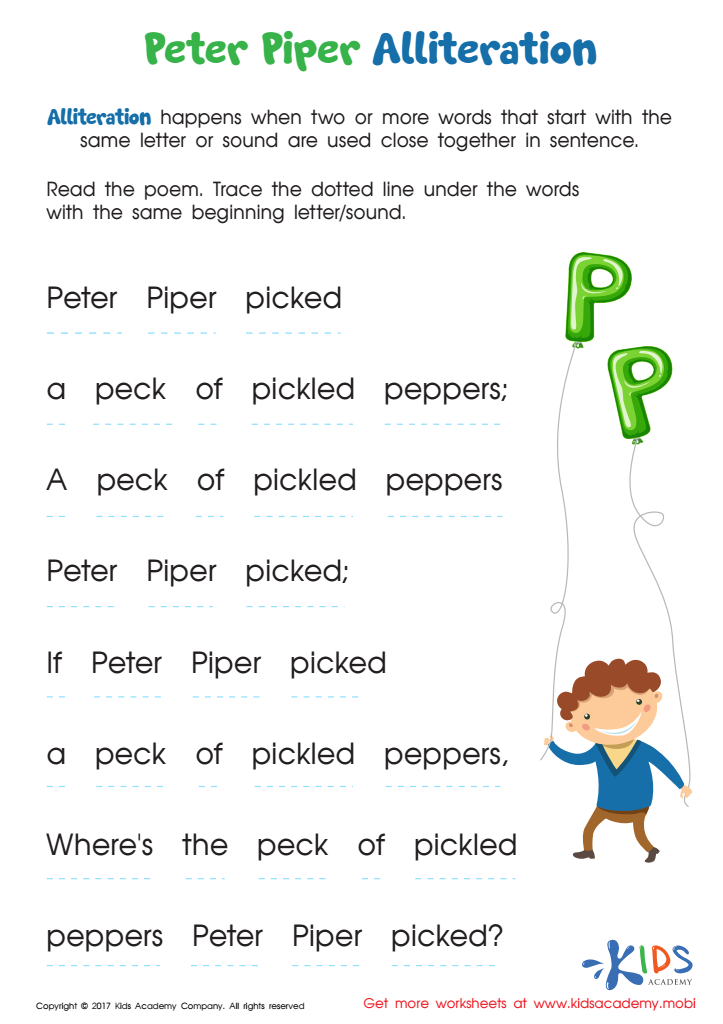
Peter Piper Alliteration Worksheet
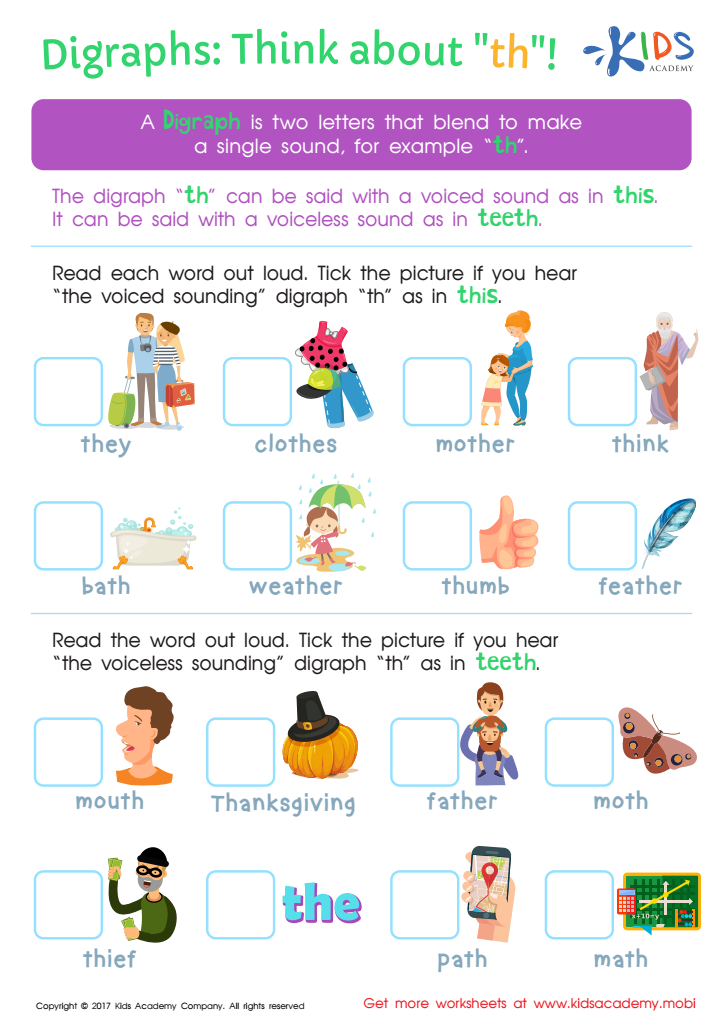
Digraphs: Think About "th" Worksheet
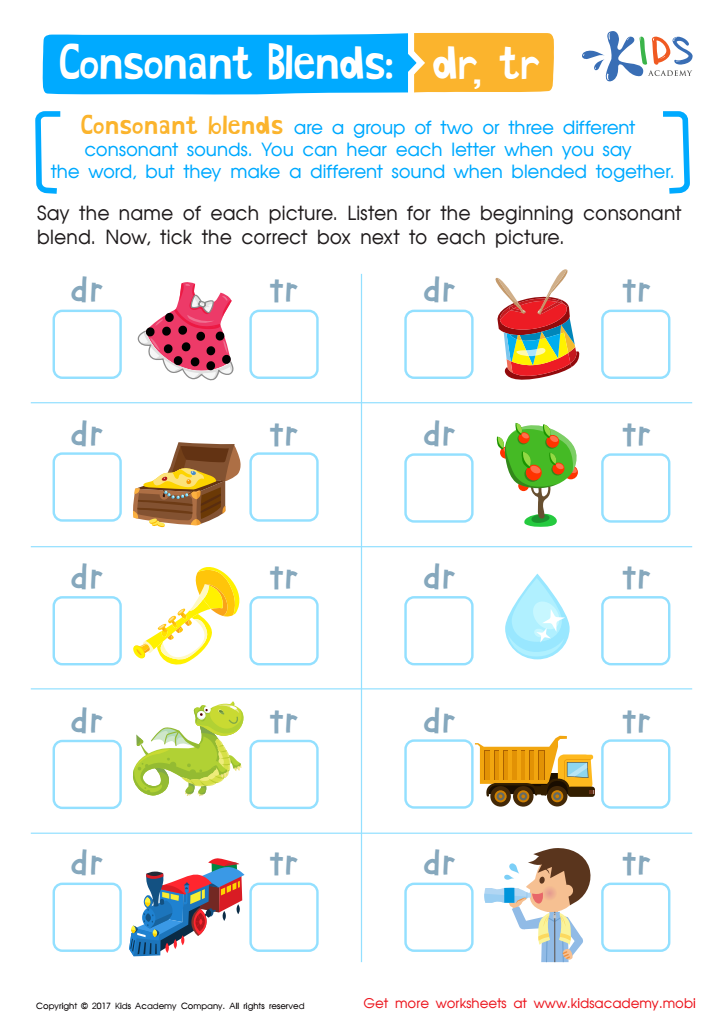
Consonant Blends: "Dr" and "Tr" Printable
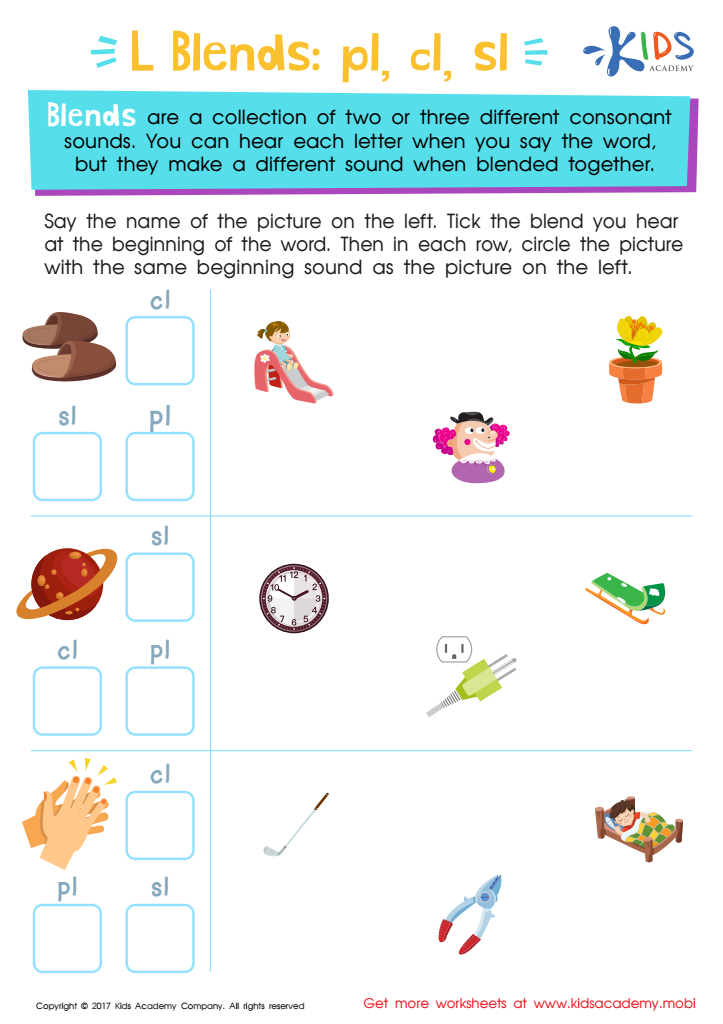
L Blends: "Pl", "Cl" and "Sl" Printable
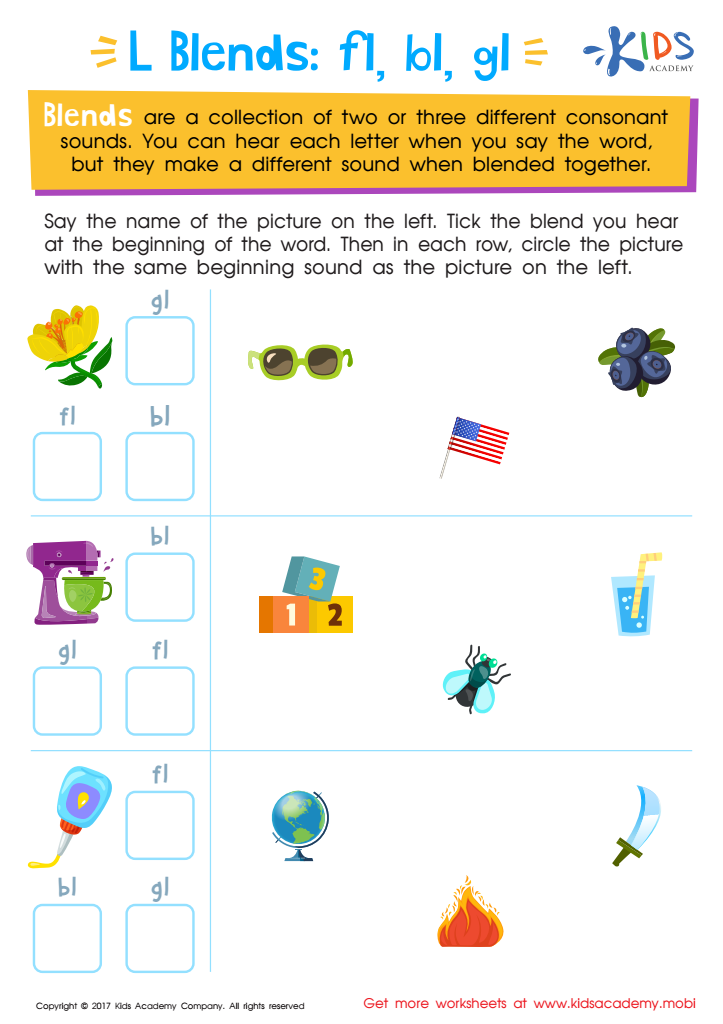
Blending Consonants: "Fl", "Bl" and "Gl" Printable



Understanding consonants is essential for children aged 6-8 as it forms the backbone of their reading and writing skills. At this developmental stage, children are increasingly engaging with phonics—teaching them the relationship between letters and sounds. Recognizing and pronouncing consonants correctly helps children decode words, which boosts their reading fluency and comprehension.
Moreover, mastery of consonants enhances vocabulary acquisition. When children understand the sounds that specific consonants make, they can better identify and articulate new words. This foundational skill supports effective communication, allowing them to express thoughts and ideas more clearly.
In addition to academics, a strong grasp of consonants can improve a child’s confidence. As they start reading and writing independently, proficiency in consonant sounds enables them to tackle more complex texts and assignments without intimidation. This positive experience fosters a love for learning, an important aspect in nurturing lifelong educational growth.
Ultimately, when parents or teachers prioritize the understanding of consonants, they're equipping children with the vital skills they need for both current learning and future literacy success. By focusing on this critical element of language development, they can significantly impact a child's academic journey and overall confidence in communicating.







