Long Vowels Worksheets for Ages 6-8 - Page 2
29 filtered results
-
From - To
 Assign to My Students
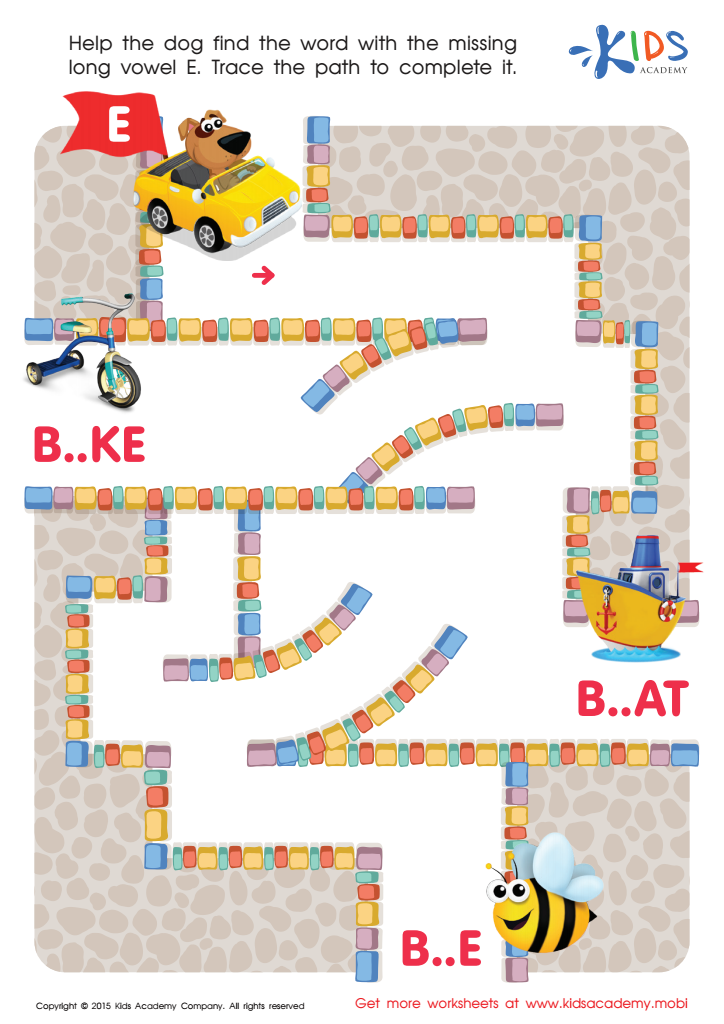
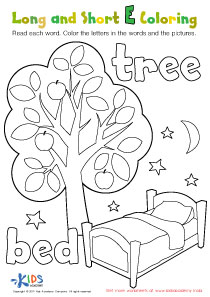
Long Vowel Sound E Worksheet
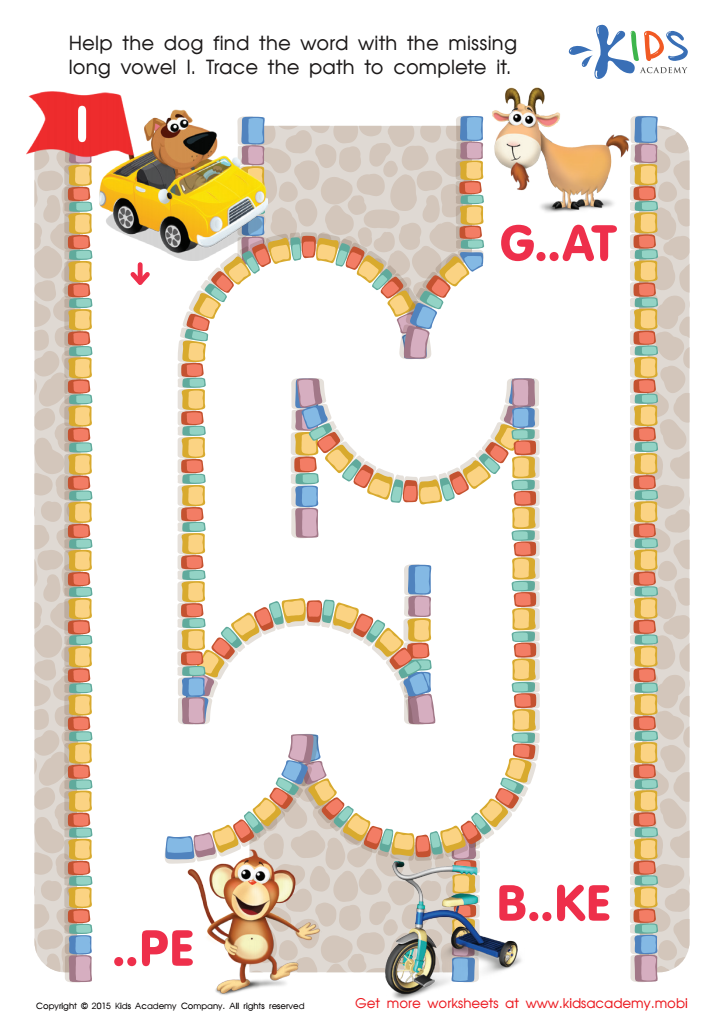
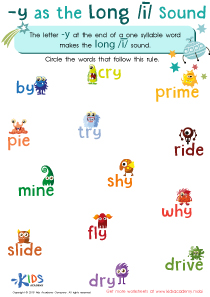
Long Vowel Sound I Worksheet
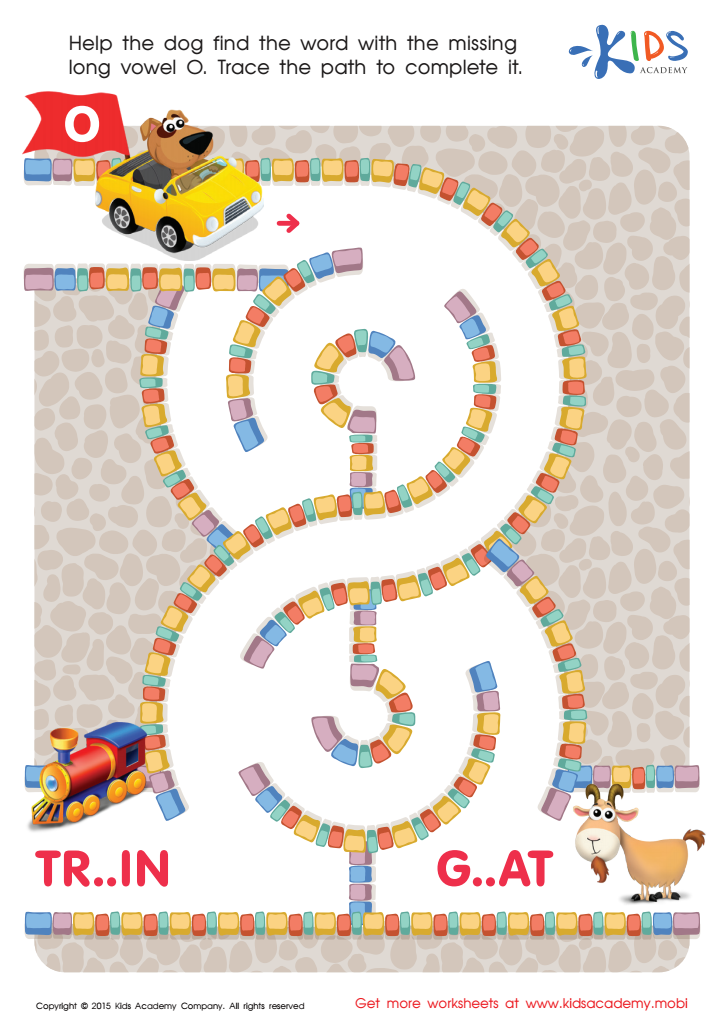
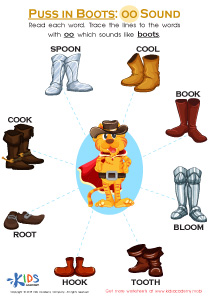
Long Vowel Sound O Worksheet
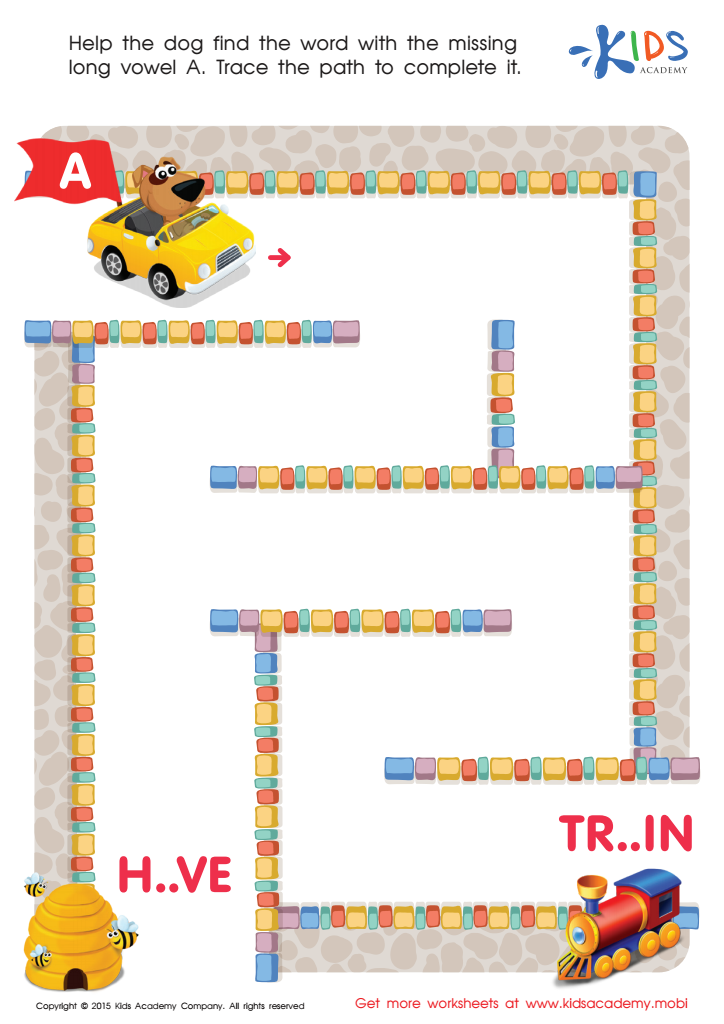
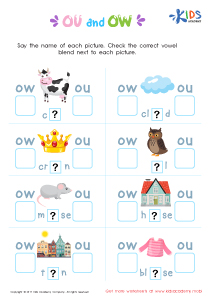
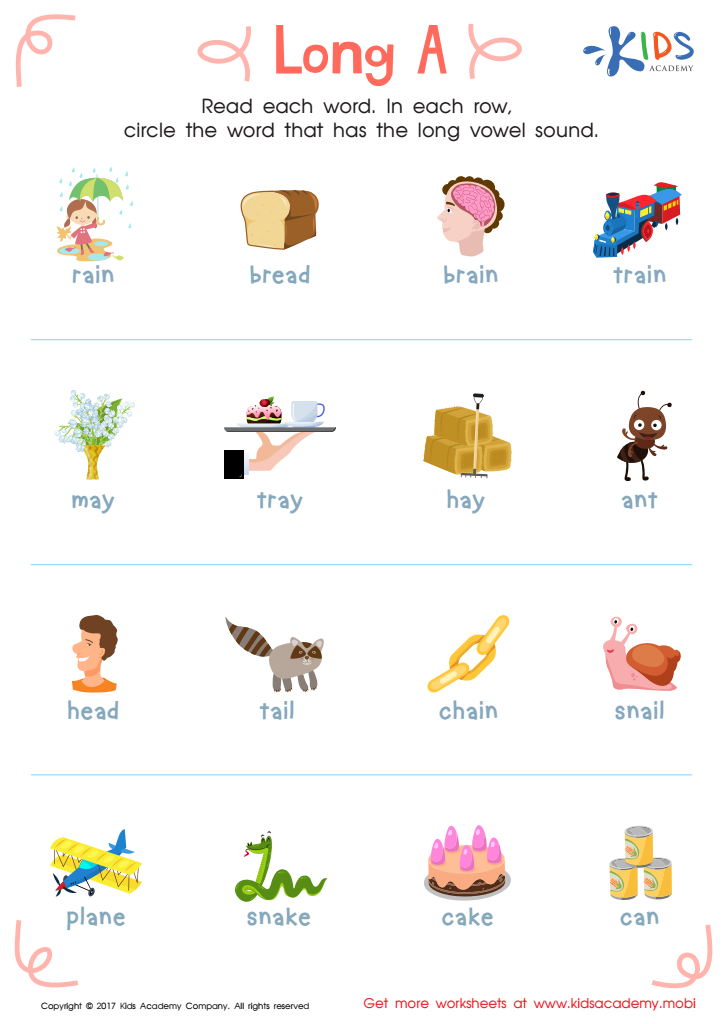
Long Vowel Sound A Worksheet



Long vowels play a crucial role in the literacy development of children aged 6-8, making it essential for parents and teachers to prioritize their understanding and recognition. Long vowels are essential building blocks in the English language, as they greatly impact pronunciation, spelling, and comprehension. When children learn long vowel sounds, they develop strong phonemic awareness, which is the ability to hear, identify, and manipulate phonemes. This skill is foundational for reading fluency and overall literacy.
Furthermore, understanding long vowels enhances early reading experiences, allowing children to decode words more effectively and quickly. This leads to higher confidence in their reading abilities and encourages a love for literature. In writing, recognizing long vowel patterns helps children spell words correctly, reducing frustration when expressing their thoughts on paper.
For parents, fostering an environment where long vowels are practiced through games, reading, and conversation can strengthen their child’s language skills. For teachers, incorporating engaging methods to teach long vowels in classrooms can make learning interactive and enjoyable, facilitating a deeper grasp of language fundamentals. Ultimately, focusing on long vowels empowers children to become proficient, confident readers and communicators, setting a solid foundation for their future academic success.