Governance and Civics Worksheets for Ages 6-8 - Page 3
51 filtered results
-
From - To
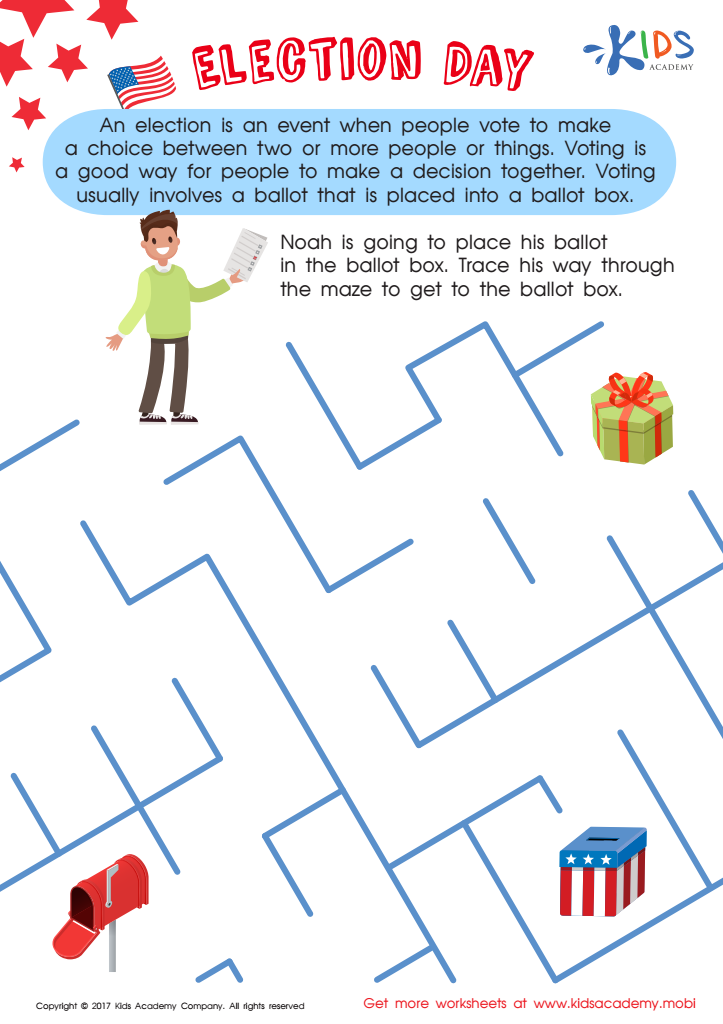
Election Day Worksheet
 Assign to My Students
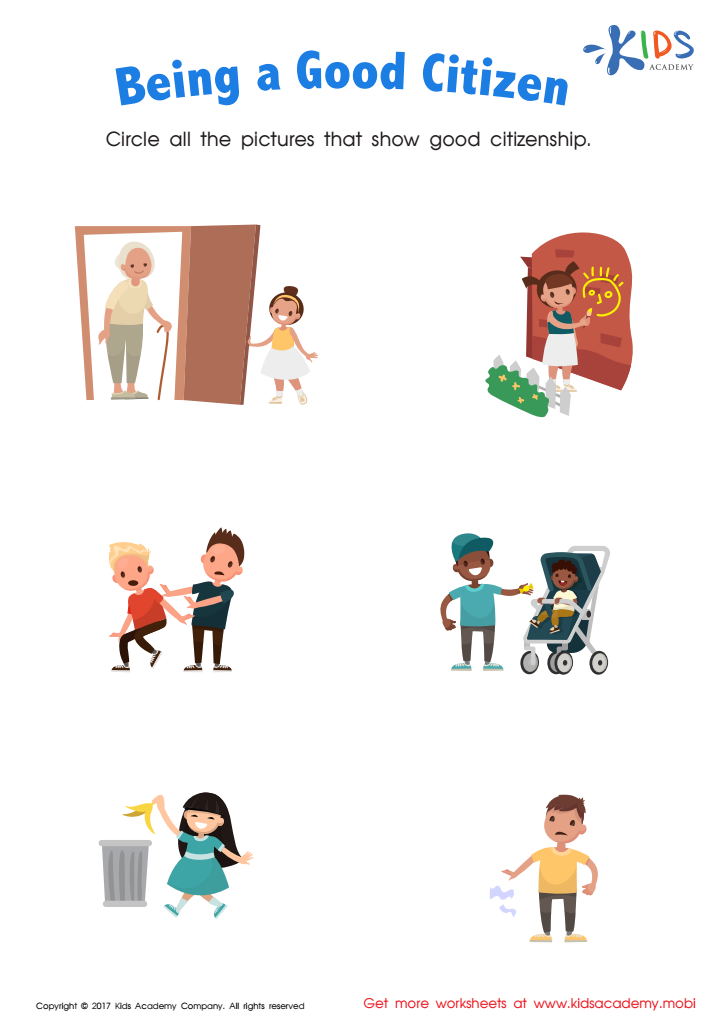
Being a Good Citizen Printable
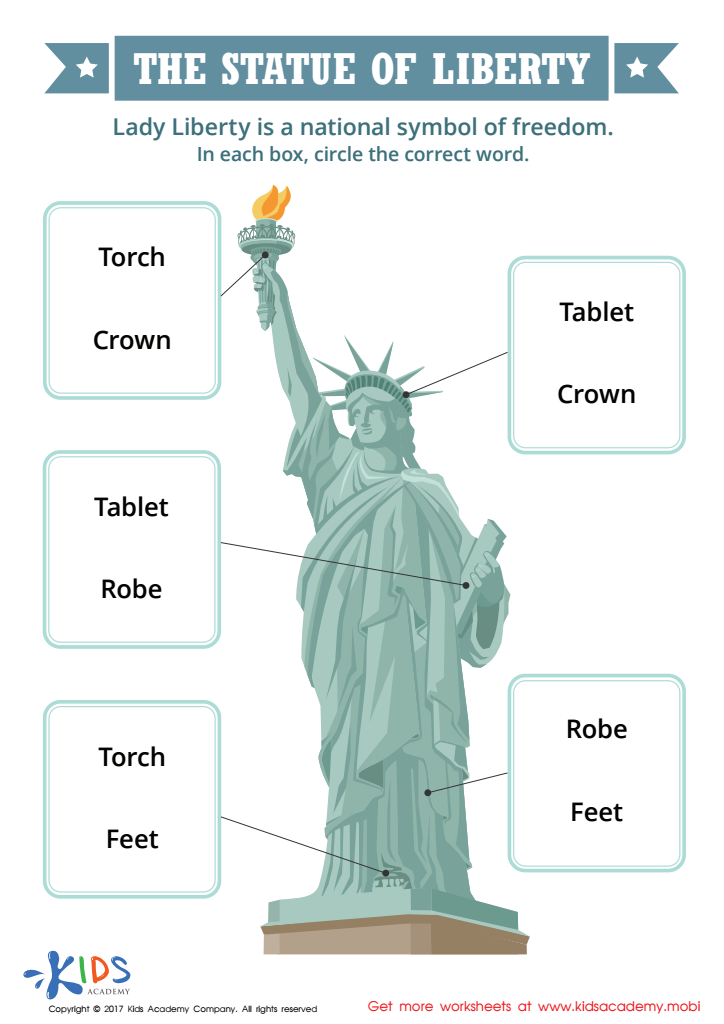
The Statue of Liberty Printable


Parents and teachers should care about governance and civics for children aged 6-8 because early education in these subjects lays the foundation for informed and engaged future citizens. At this age, children are beginning to form their understanding of community, fairness, and justice. Introducing basic concepts of governance, such as rules, roles, and rights, cultivates critical thinking and helps them appreciate the importance of rules in maintaining a fair society.
Moreover, learning about civic responsibilities encourages empathy and social skills. Children develop an understanding of how their actions impact others, fostering a sense of community. Engaging students in simplified discussions about democracy, equality, and the importance of helping others enhances their social awareness and responsibility.
Additionally, when parents and teachers model civic engagement, it reinforces the value of participation in social and political life. Instilling these values early can lead to lifelong habits of volunteerism, community involvement, and respect for diverse perspectives. Ultimately, understanding governance and civics boosts children's confidence to express their views and advocate for themselves and their peers, preparing them to contribute positively to society as they grow.








