Beginning Sounds Worksheets for Ages 6-9
15 filtered results
-
From - To
Discover our engaging Beginning Sounds Worksheets for Ages 6-9 at Kids Academy! Perfectly designed for young learners, these worksheets help children master phonemic awareness by identifying and matching initial sounds in words. Encourage your child's early reading skills with fun activities, colorful illustrations, and interactive tasks that make learning enjoyable. Our expertly crafted resources support your child’s language development, enhancing their ability to recognize letter sounds. Whether for classroom use or at-home practice, these worksheets provide the perfect foundation for budding readers. Join us to ensure your child’s early literacy progress—one sound at a time.
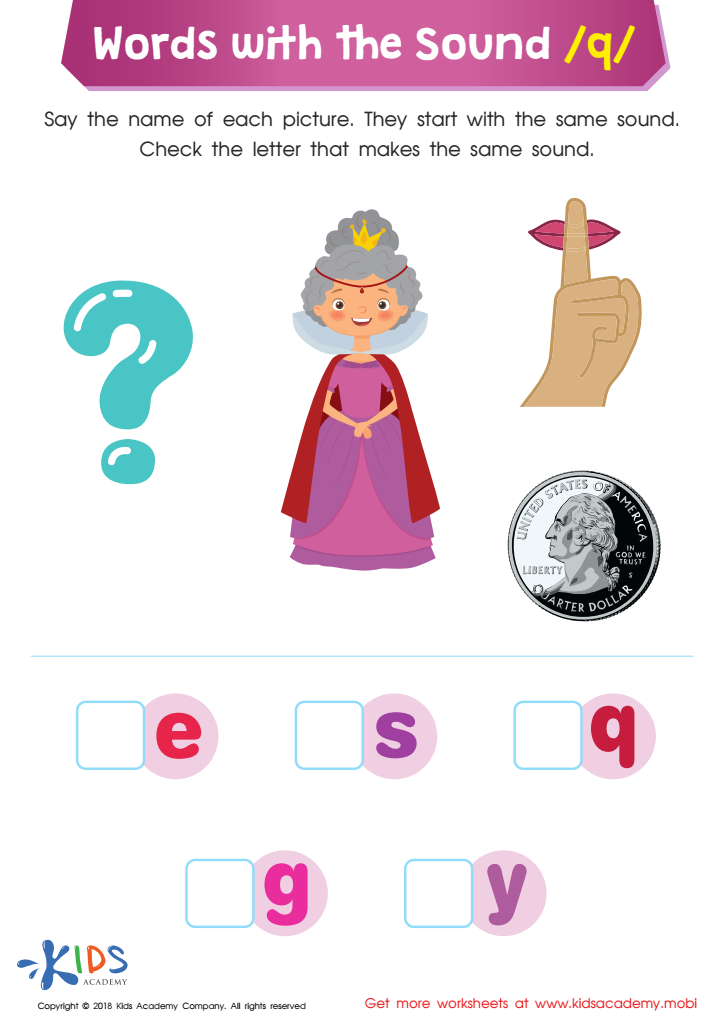
Words with Sound Q Reading Worksheet
 Assign to My Students
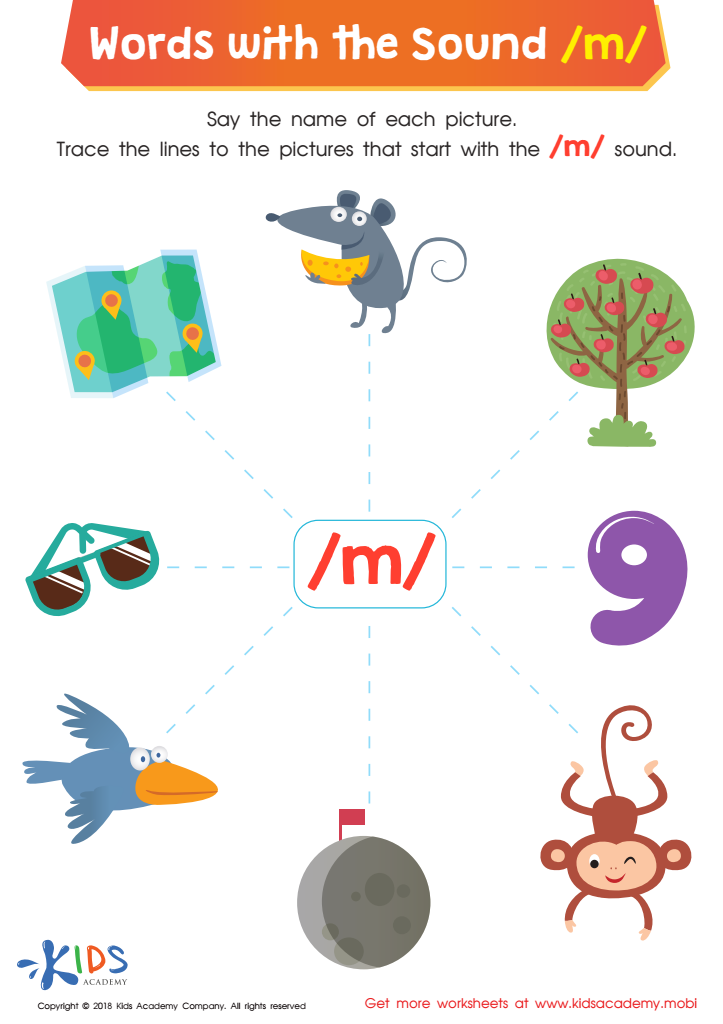
Words with Sound M Reading Worksheet
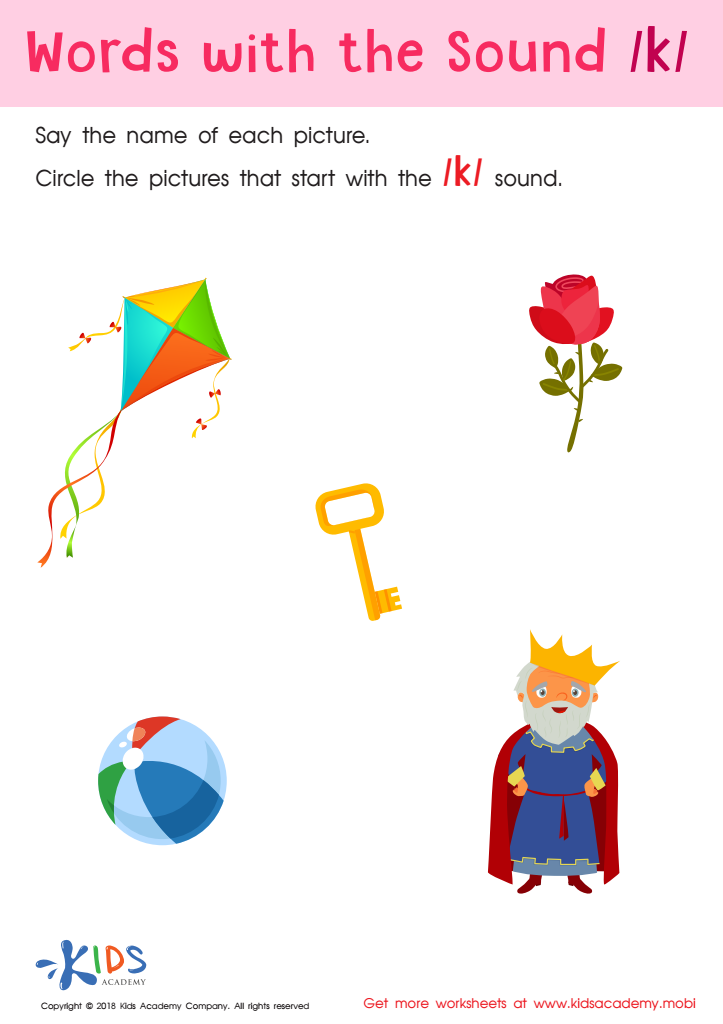
Words with sound k Reading Worksheet
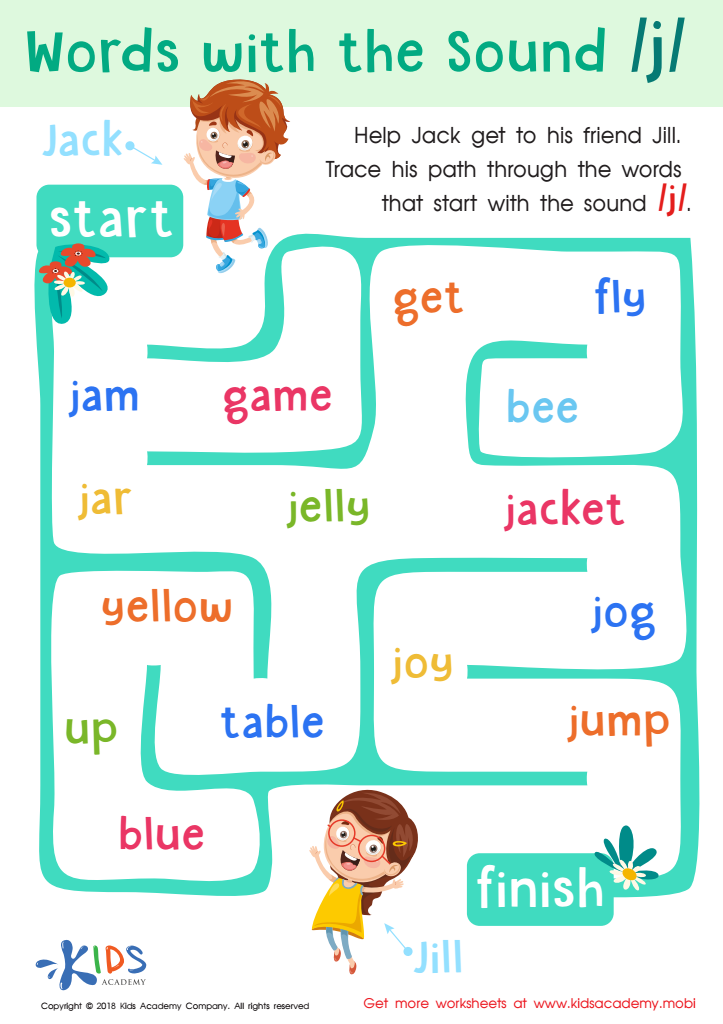
Words with sound j Reading Worksheet
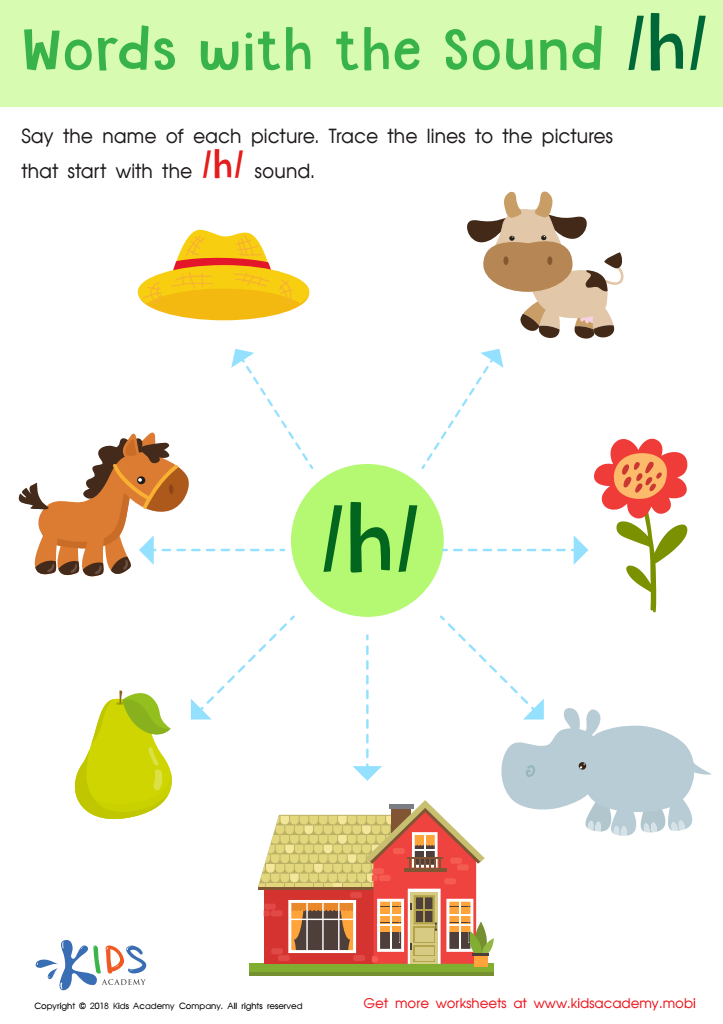
Words with sound h Reading Worksheet
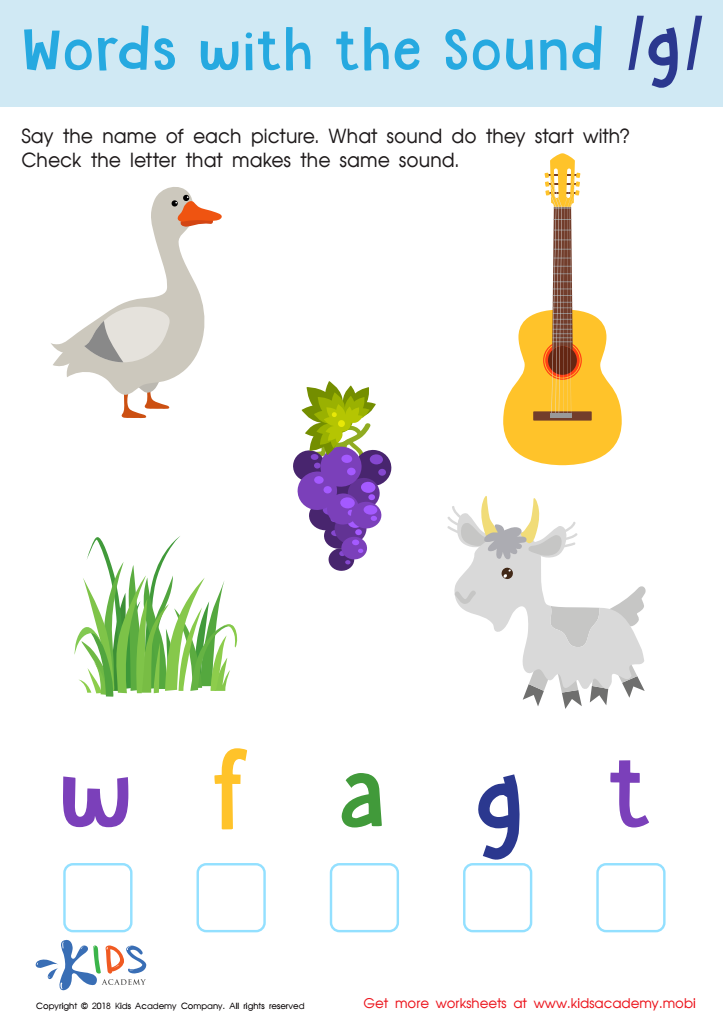
Words with sound g Reading Worksheet
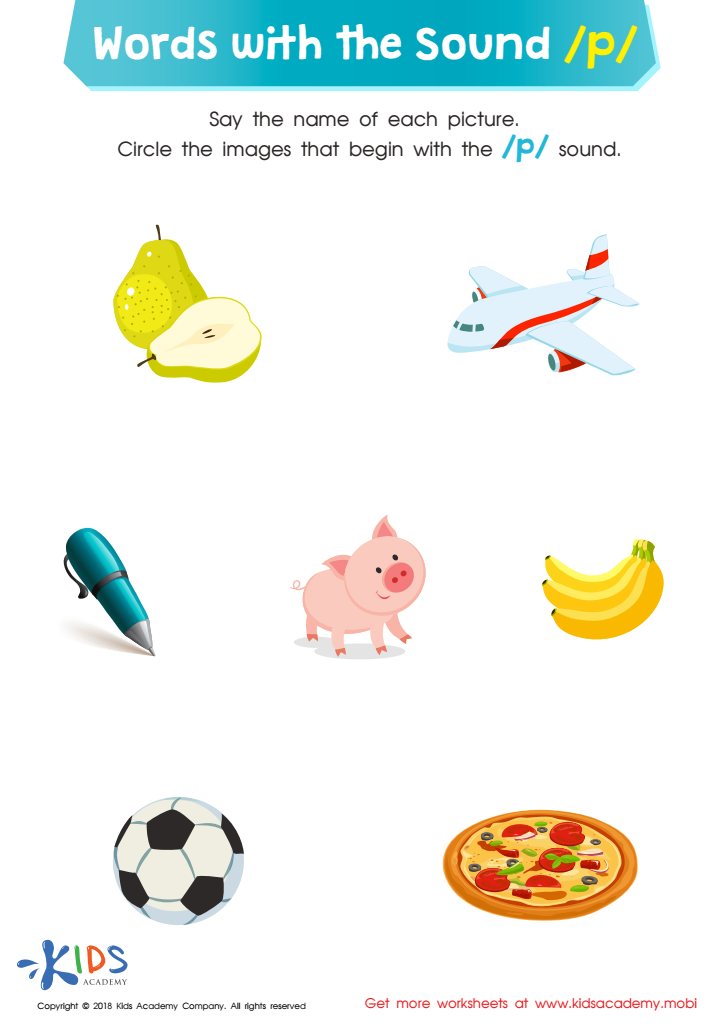
Words with sound p Reading Worksheet
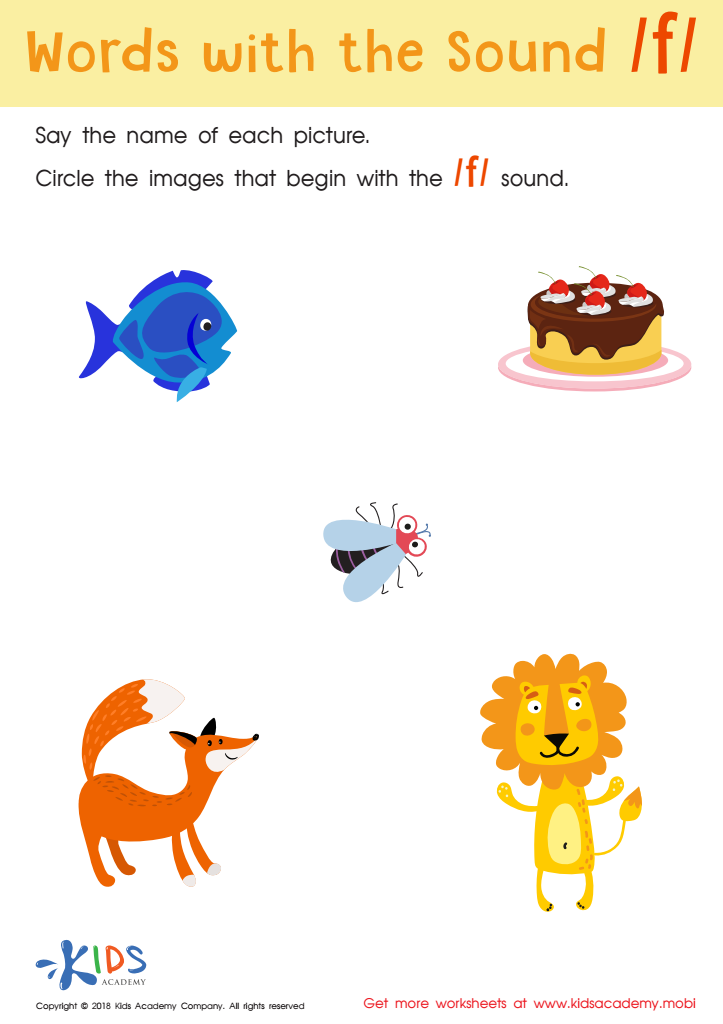
Words with sound f Reading Worksheet
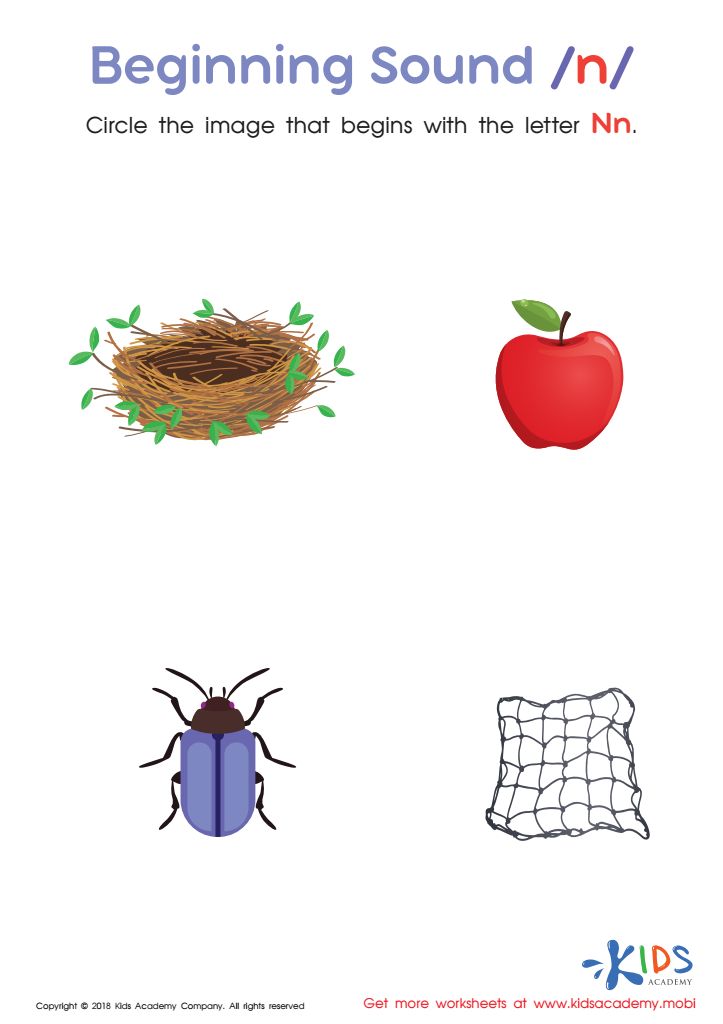
Beginning Sound «n» Worksheet
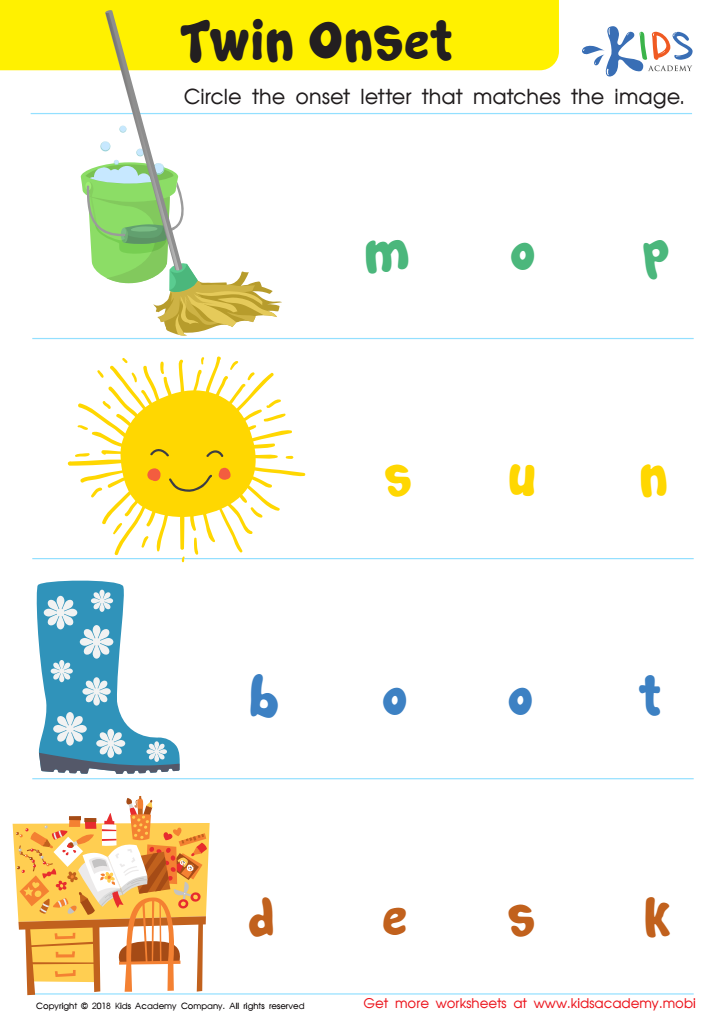
Twin Onset Worksheet
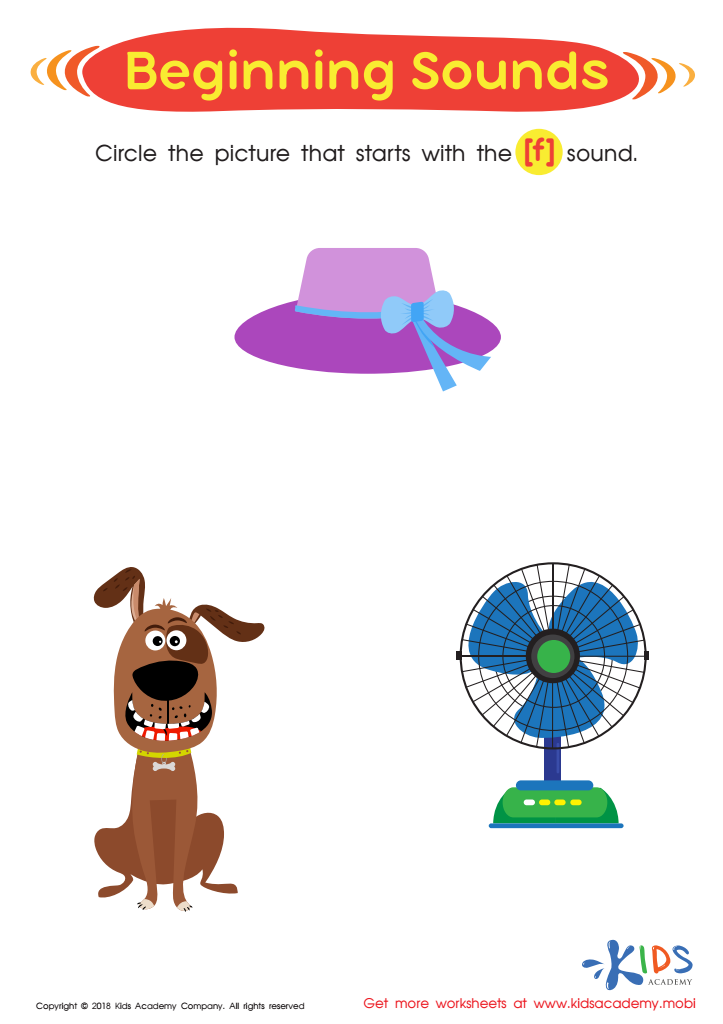
Beginning Sounds Assessment Printable
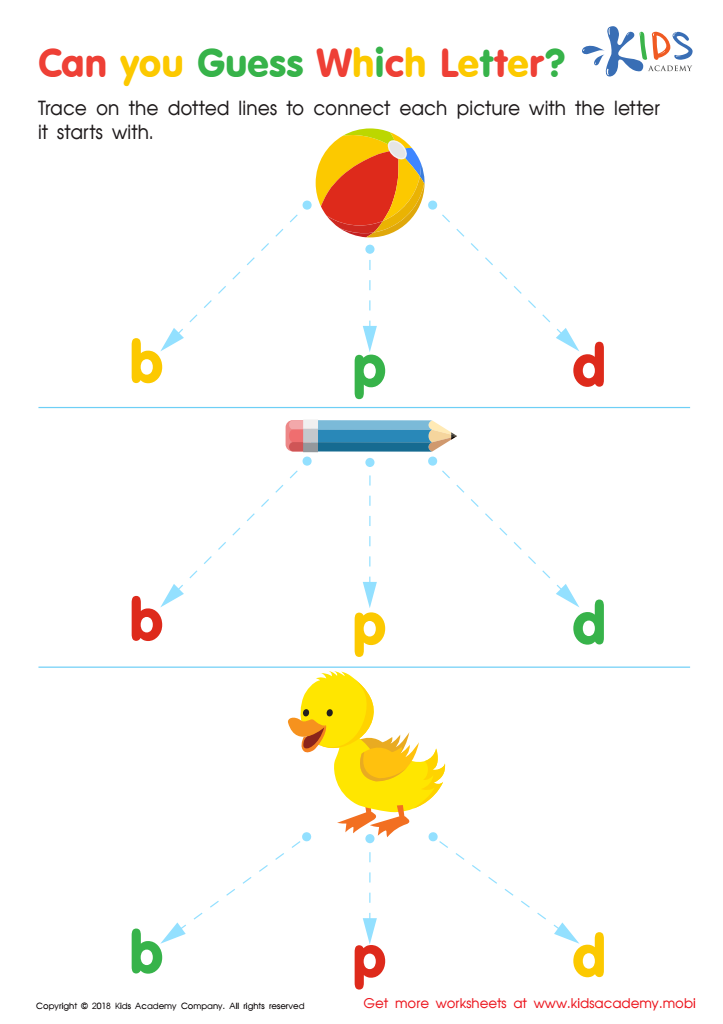
Can you Guess Which Letter? Worksheet
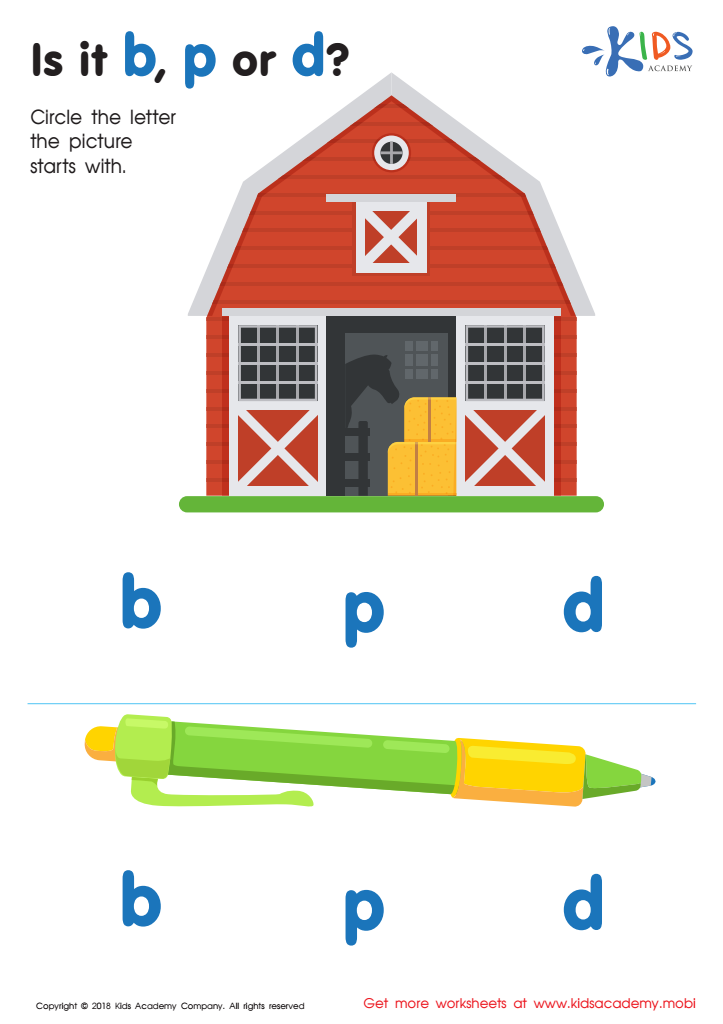
Is it b, p or d? Worksheet
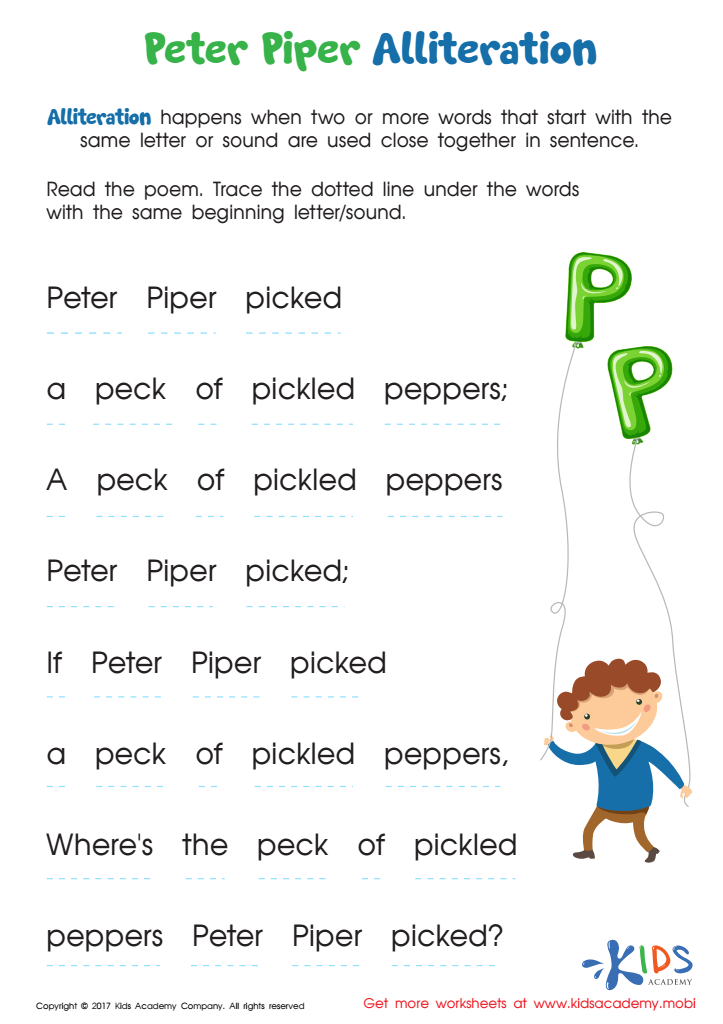
Peter Piper Alliteration Worksheet
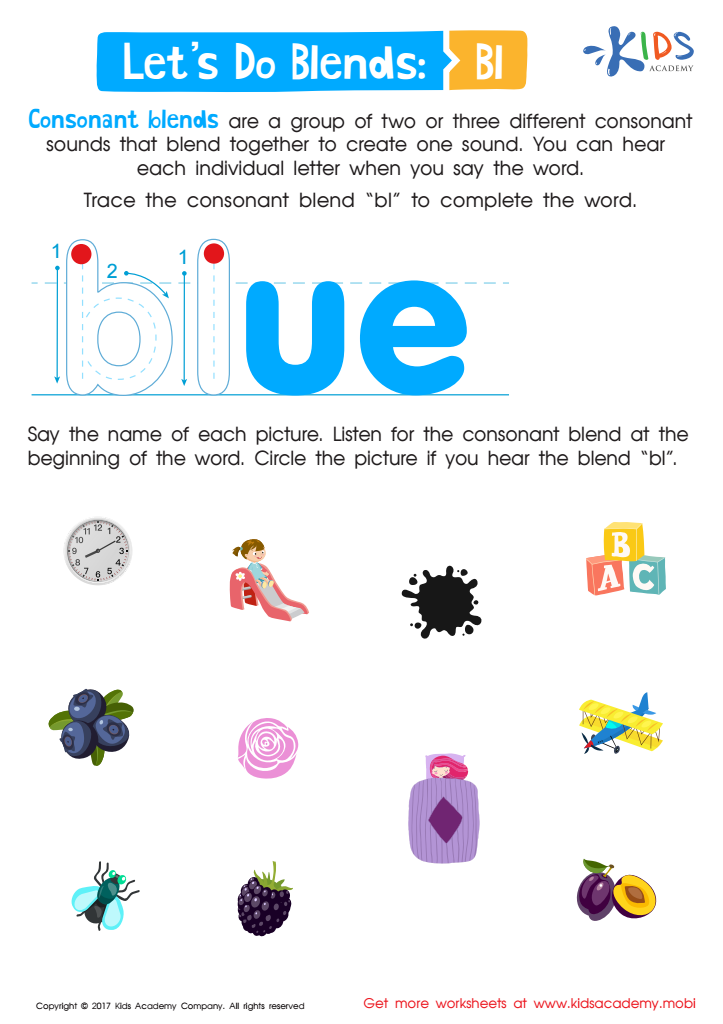
Beginning Blends: "Bl" Words Worksheet








Beginning sounds are the foundational building blocks for early reading and phonemic awareness, pivotal for children aged 6-9. At this developmental stage, children transition from recognizing letters to developing the crucial skills necessary for fluent reading. Understanding beginning sounds helps children decode words, enhancing their ability to match sounds with corresponding letters—fundamental for phonics.
When children can identify and isolate the beginning sounds in words, they start developing literacy skills such as blending sounds to form words and segmenting words into individual sounds. This phonemic awareness is deeply intertwined with spelling and vocabulary development. For example, recognizing that 'cat' starts with the /k/ sound enables children to read new words that share the same beginning sound and facilitates writing.
Furthermore, early mastery of beginning sounds lays a strong framework for comprehending more complex phonetic rules later. As children become more proficient, they grow in confidence, fostering a love for reading and learning. Active parent and teacher involvement at this stage ensures practice consistency, identifying individual learning needs and difficulties early on.
In summary, prioritizing beginning sounds for children aged 6-9 sets the stage for successful reading proficiency. It nurtures their phonetic foundation, making future academic endeavors more rewarding and less challenging. Parents and teachers must therefore emphasize and support this critical learning phase.







