Missing Vowels Worksheets for Ages 6-9
6 filtered results
-
From - To
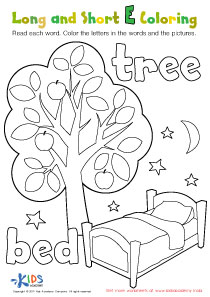
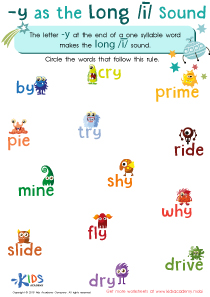
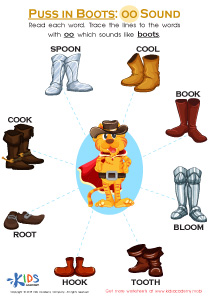
Unlock your child's reading and writing potential with our engaging Missing Vowels Worksheets, designed for ages 6-9! These printable worksheets provide a fun way for young learners to identify and fill in missing vowels, enhancing their literacy skills. Perfect for home or classroom use, our exercises promote phonetic awareness and help strengthen understanding of word structure. With colorful visuals and age-appropriate words, children will enjoy the interactive learning experience. Foster creativity and encourage independent learning as kids develop their spelling and vocabulary skills. Download these informative worksheets today and watch your child's confidence soar! Perfect for parents and educators alike!
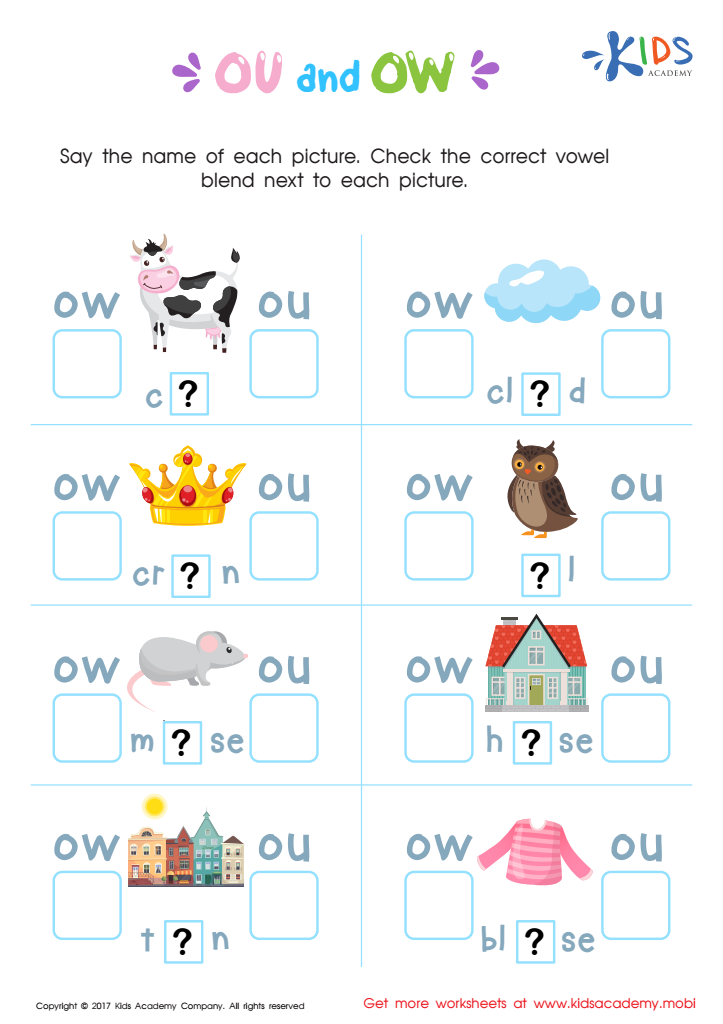
OU and OW Words Worksheet
 Assign to My Students
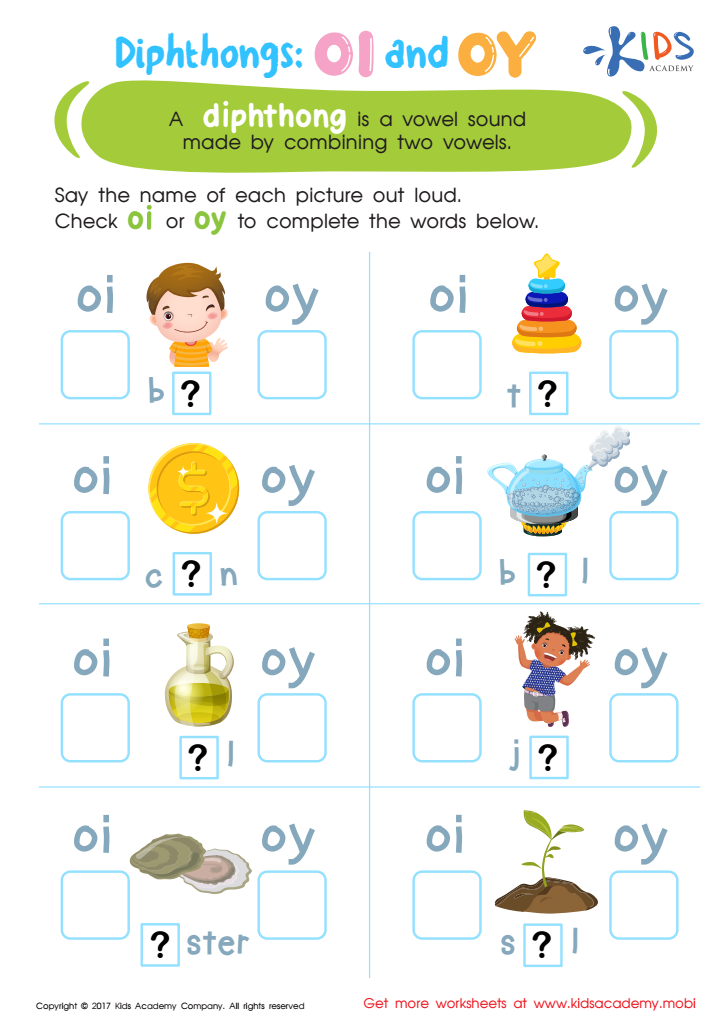
Vowel Diphthongs OI OY Worksheet
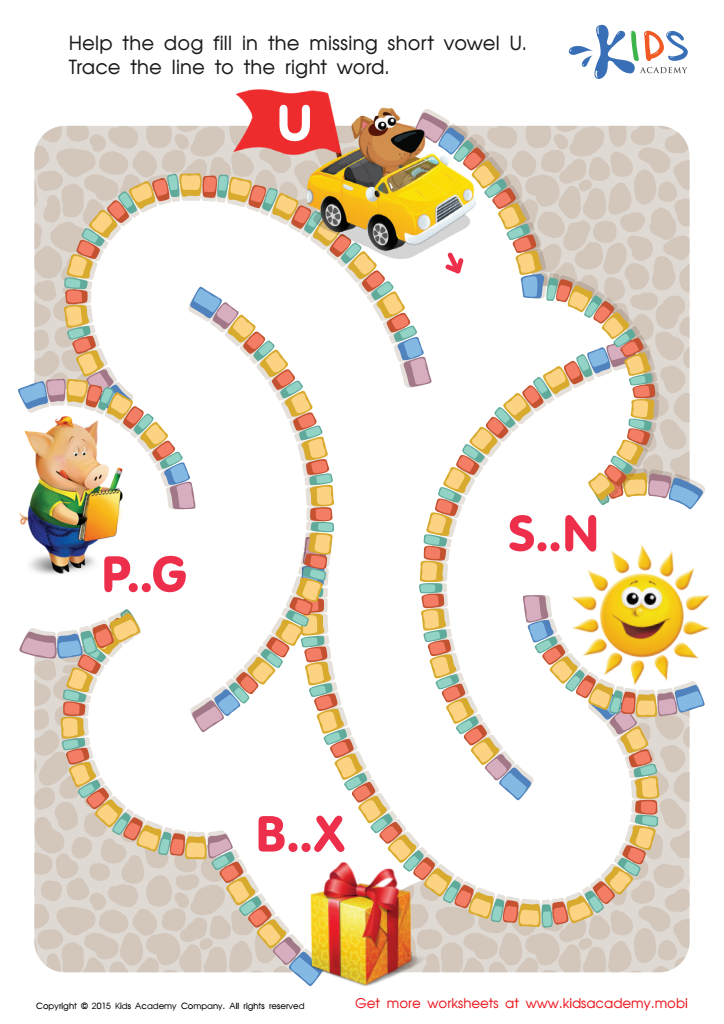
Short Vowel Sound U Worksheet
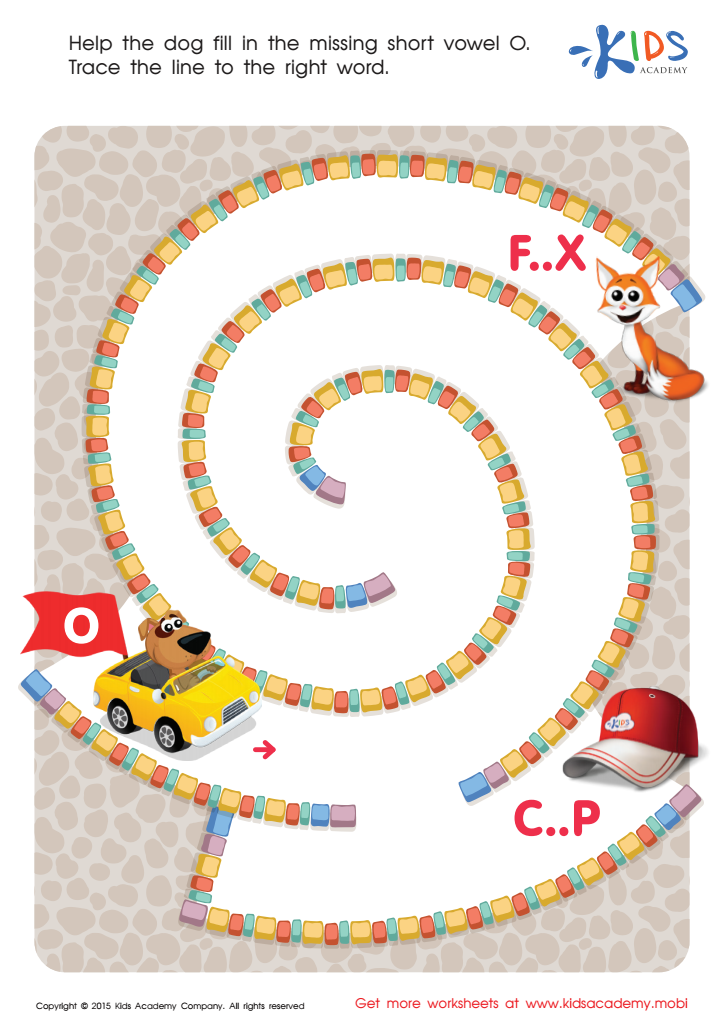
Short Vowel Sound O Worksheet
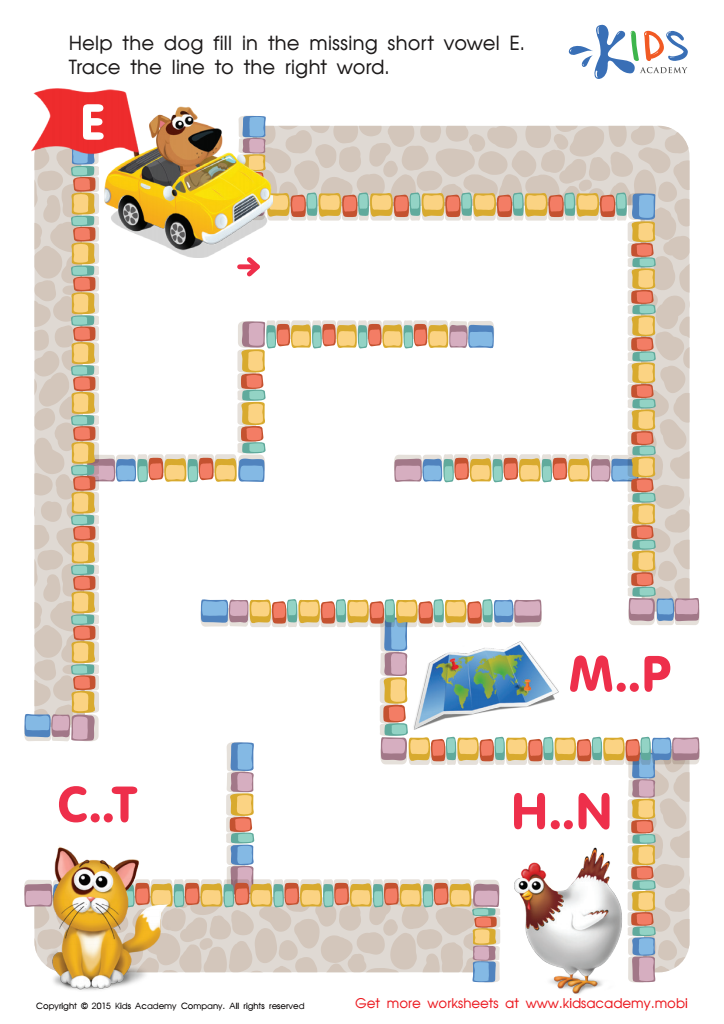
Short Vowel Sound E Worksheet
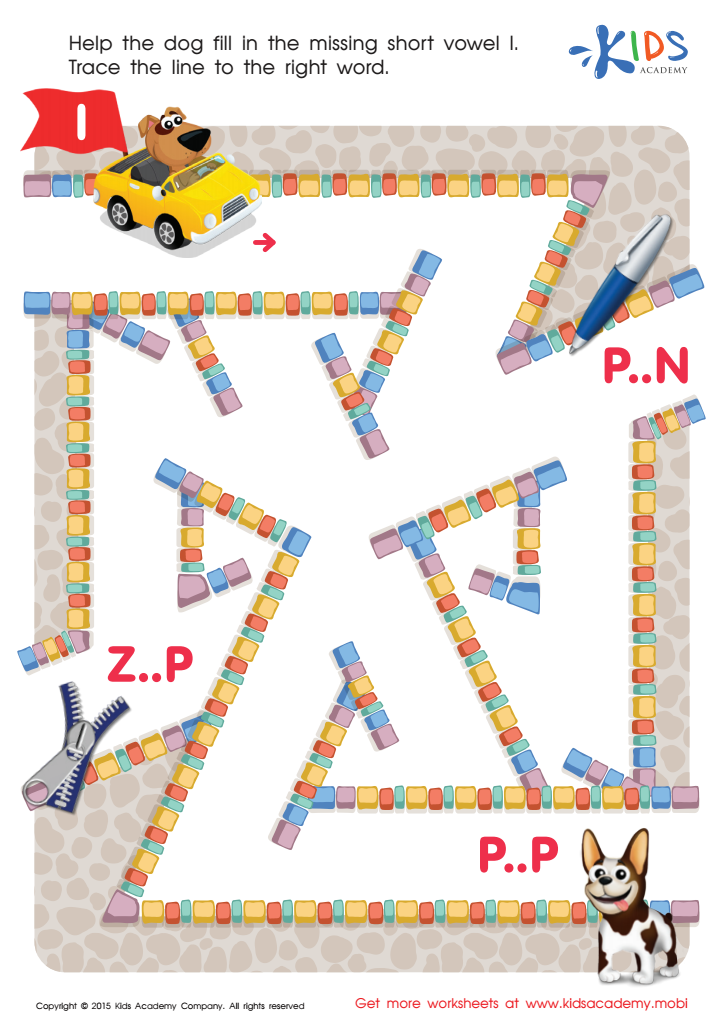
Short Vowel Sound I Worksheet


Missing vowels activities, such as filling in blank spaces in words or identifying vowel sounds, are essential for children aged 6-9 as they develop foundational literacy skills. These exercises foster phonemic awareness, enabling young learners to differentiate between sounds and recognize word structures, which is crucial for reading fluency and comprehension.
By working with missing vowels, children strengthen their decoding skills, allowing them to tackle unfamiliar words confidently. This skill is particularly important as they encounter increasingly complex texts in school. Engaging in these activities also encourages critical thinking and problem-solving, as students learn to infer, predict, and use context clues to discern the meanings of words.
Furthermore, the interactive nature of missing vowels exercises makes learning fun and engaging. Teachers and parents can use games and quizzes to create a positive learning environment, motivating children to practice their skills actively. Overall, incorporating missing vowels into their literacy development equips children with vital tools that play a crucial role in their academic success and love for reading, as they explore language and express their thoughts more effectively. This attention to early literacy ultimately sets the stage for lifelong learning.