Phonics Worksheets for Ages 6-9 - Page 9
198 filtered results
-
From - To
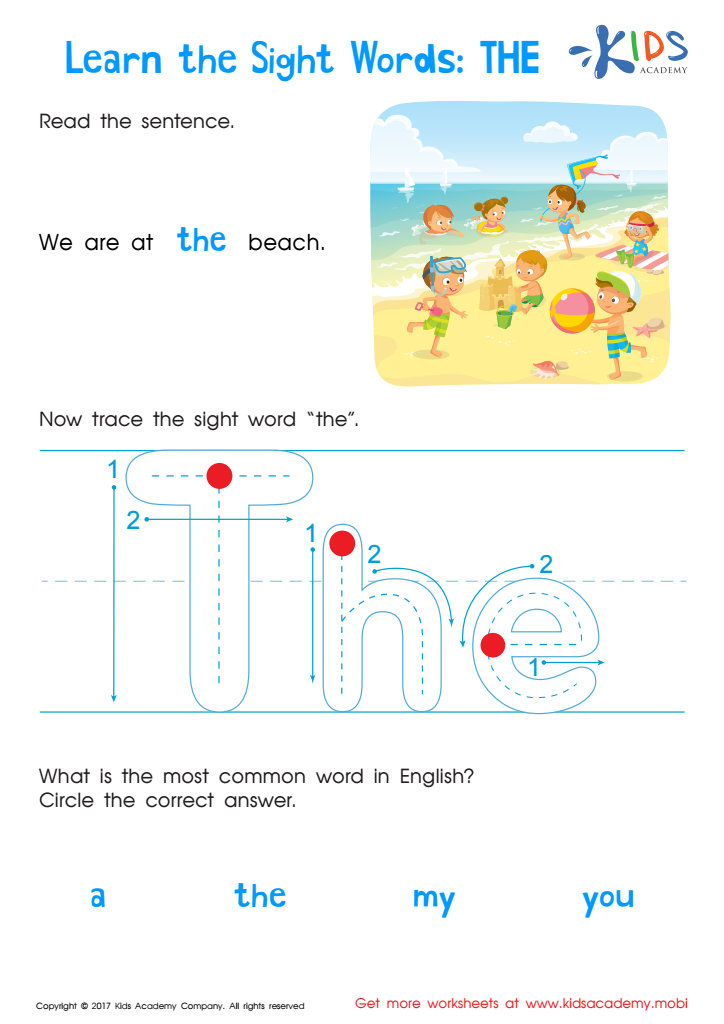
Sight Words: The Worksheet
 Assign to My Students
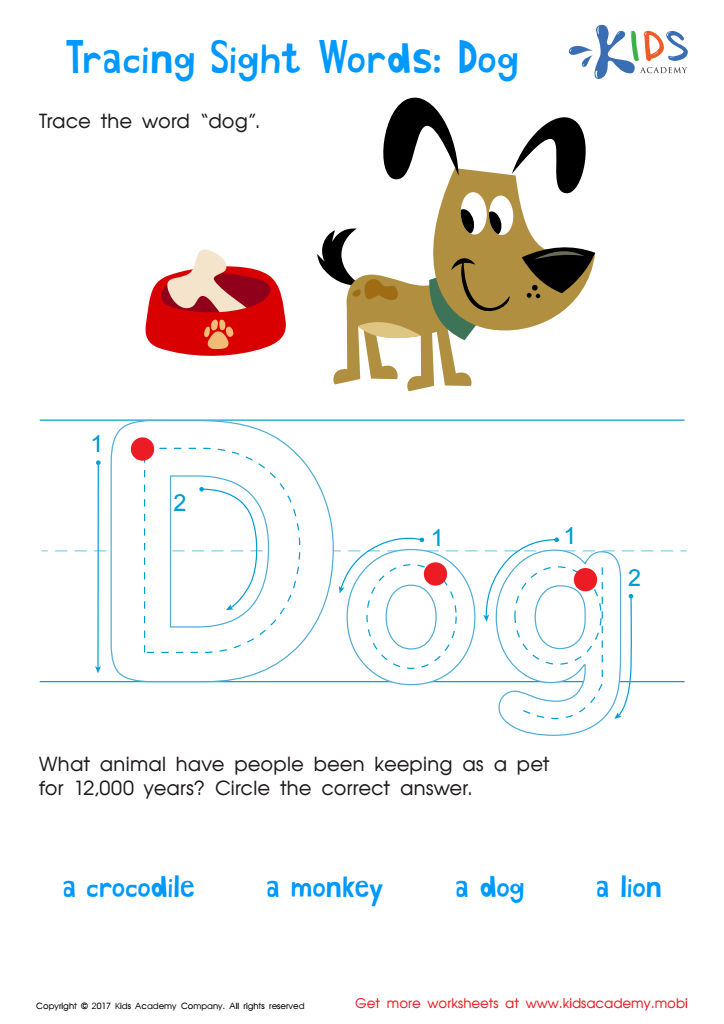
Dog Worksheet Sight Words Worksheet
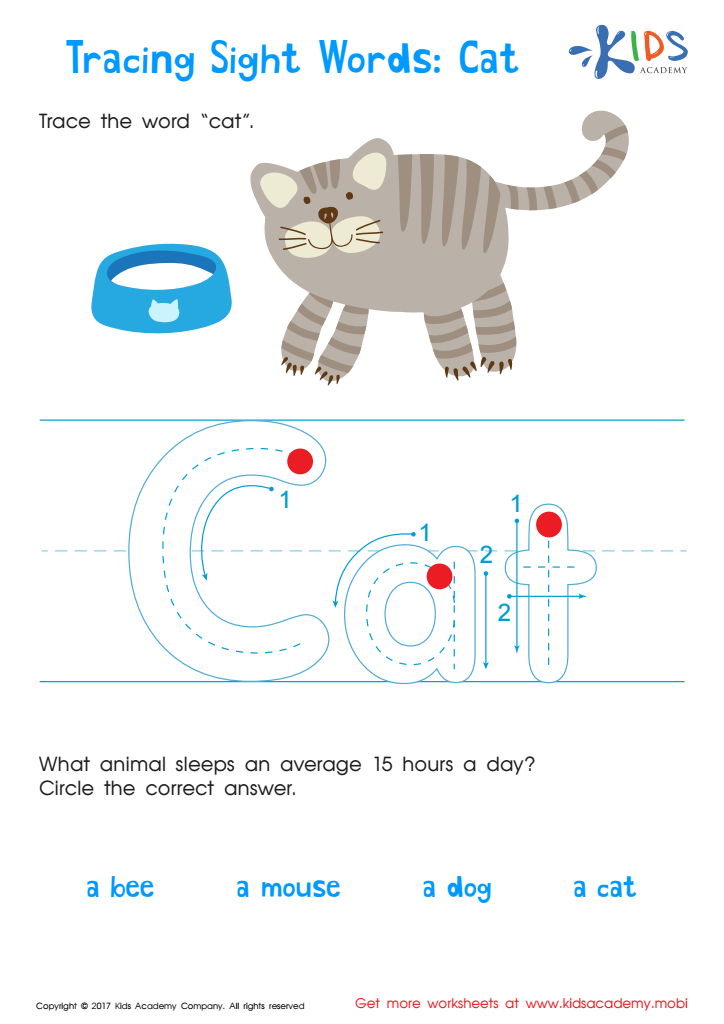
Cat Printable Sight Words Worksheet
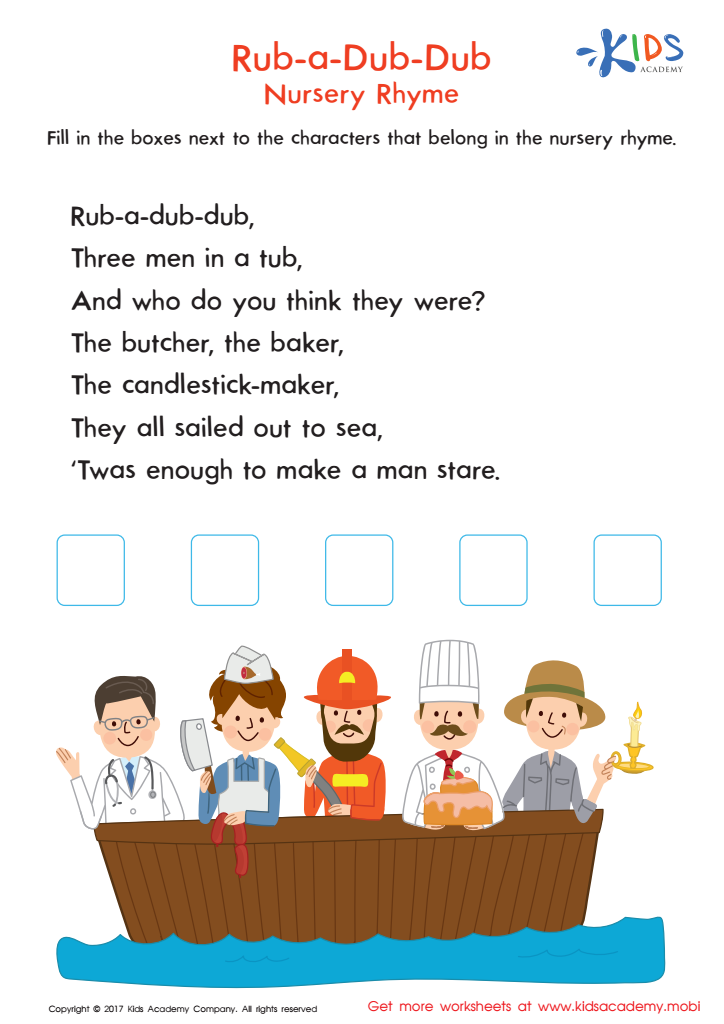
Rub a Dub Dub Printable
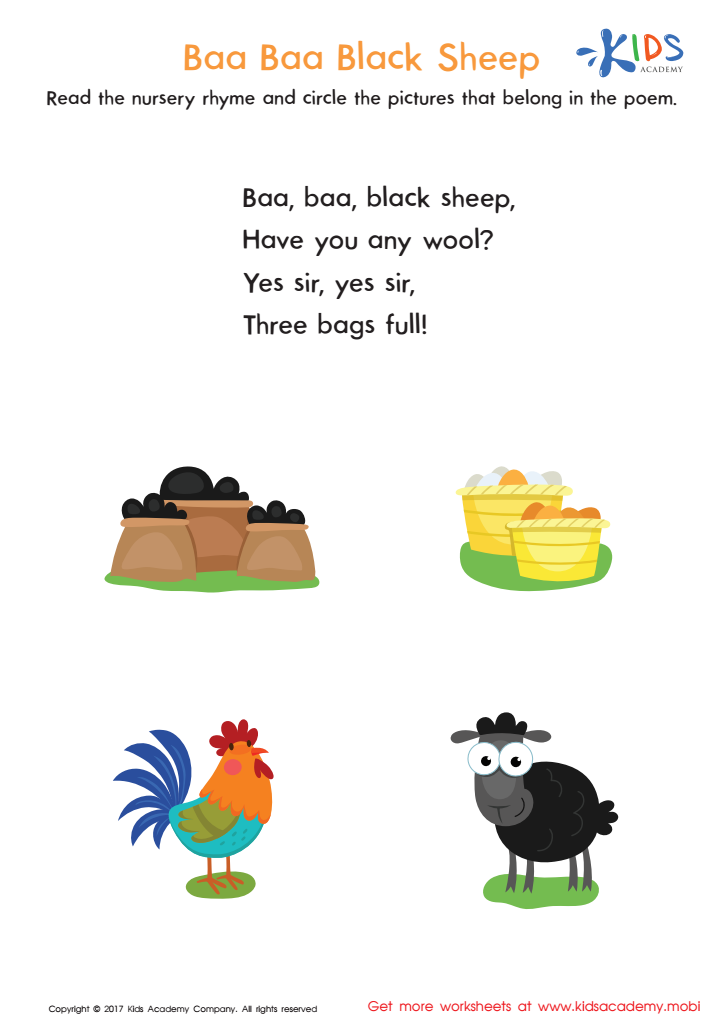
Baa Baa Black Sheep Printable
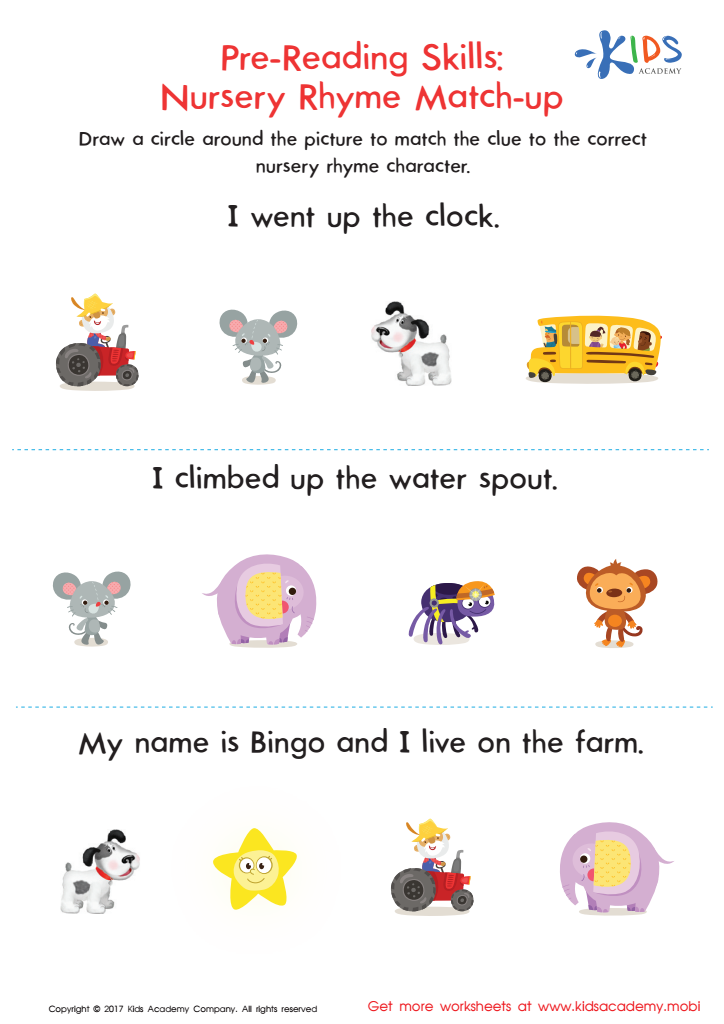
Nursery Rhyme Match–Up Worksheet








Phonics is a crucial aspect of early literacy that parents and teachers should prioritize for children aged 6-9. During these formative years, children transition from recognizing letters to developing the ability to read and write coherently. Phonics systematically teaches the relationship between letters and sounds, enabling children to decode words independently. This skill is foundational for reading fluency, comprehension, and overall academic success.
By learning phonics, children gain the tools to tackle new and unfamiliar words, which builds their confidence and fosters a love for reading. Phonics also supports spelling, as understanding sound-letter correspondence helps children spell words correctly. This dual benefit significantly enhances both their reading and writing abilities.
Moreover, early proficiency in phonics has long-term advantages. It lays the groundwork for more advanced literacy skills, such as critical thinking and effective communication. For children struggling with reading, phonics instruction can be especially effective in addressing and overcoming these difficulties, helping to close any academic gaps early on.
Parents and teachers who invest in phonics instruction provide children with a strong educational foundation. This investment pays off throughout the child's academic journey, increasing the likelihood of future success in all subject areas. Thus, emphasizing phonics during these critical early years is a cornerstone of effective early childhood education.







