Numbers up to 100 Worksheets for Ages 6-9 - Page 3
50 filtered results
-
From - To
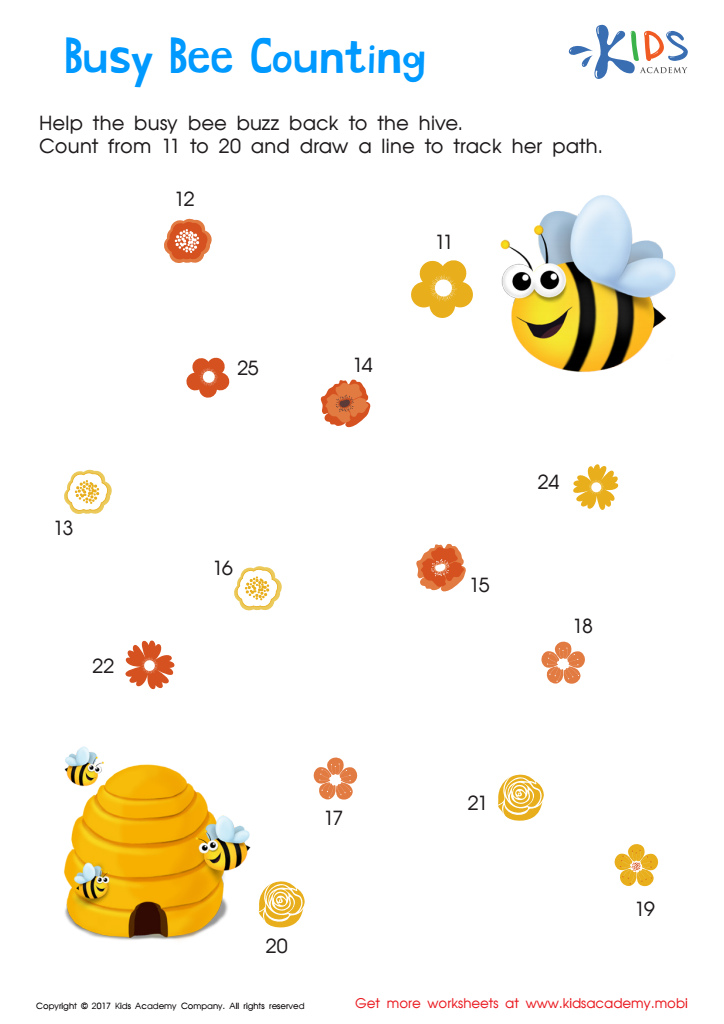
Ordering 11–20: Busy Bee Counting Worksheet
 Assign to My Students
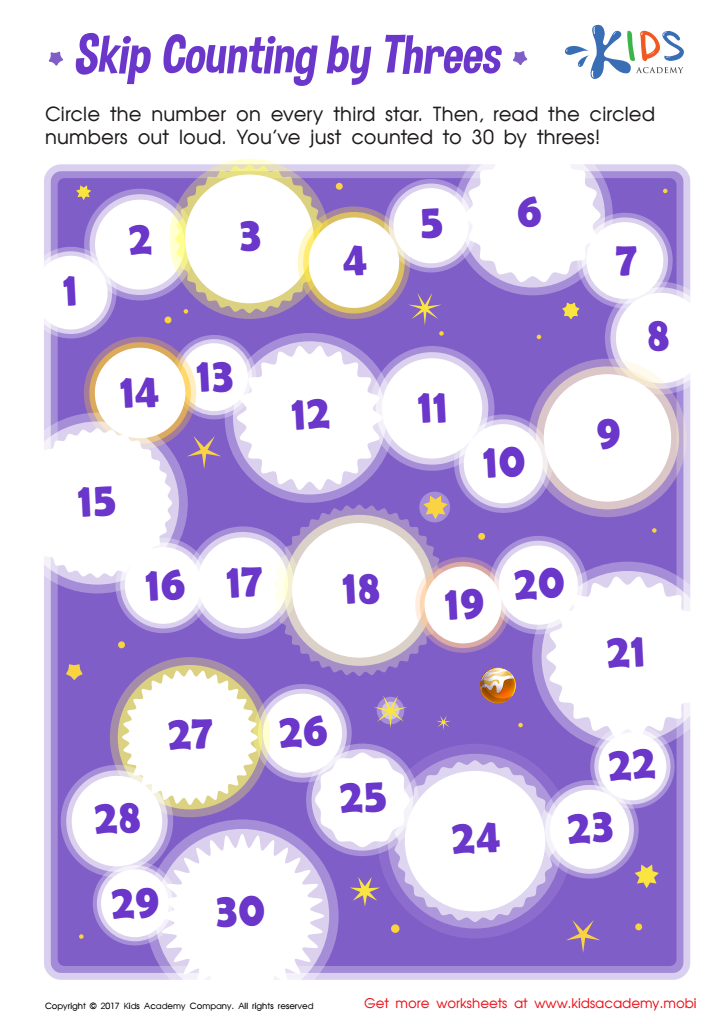
Skip Counting By Three Printable




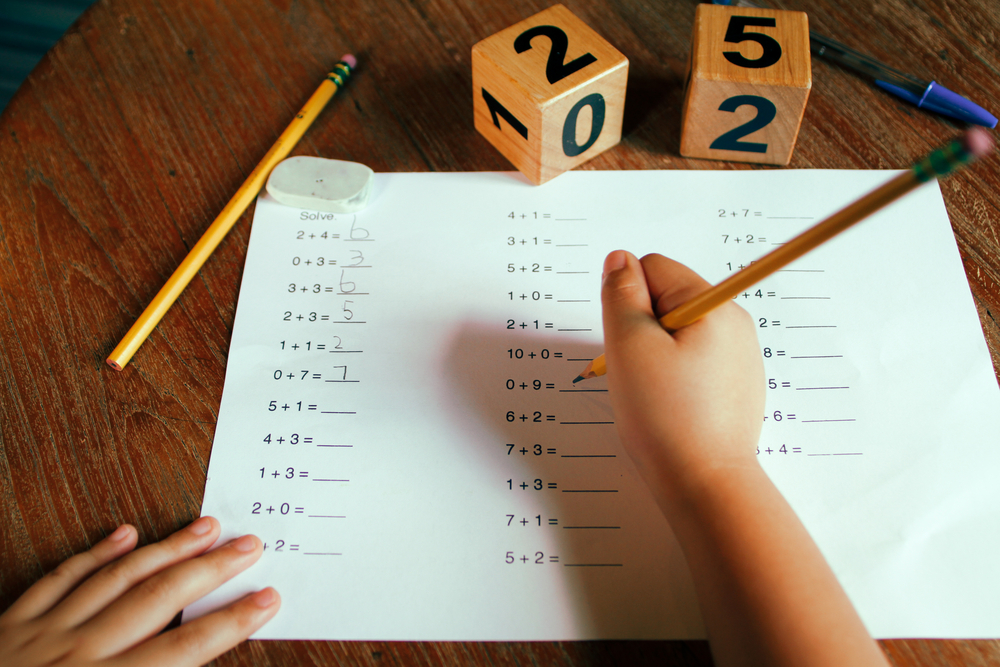


Understanding numbers up to 100 is a crucial foundation for children ages 6-9. At this stage, children are in a critical period of cognitive development where they transition from concrete to more abstract thinking. Learning numbers up to 100 helps them build the essential skills needed for future mathematical concepts, such as addition, subtraction, multiplication, and division. It also develops their ability to recognize numerical patterns, compare quantities, and understand place value, which are fundamental building blocks for more advanced math.
Moreover, proficiency with numbers up to 100 helps children in their daily lives, enhancing their capability to tell time, manage money, and measure objects, which fosters independence and confidence. When children grasp these concepts early, they are better prepared for complex mathematical tasks, reducing anxiety and building a healthy attitude towards math.
Teachers and parents play a key role in making numbers fun and relevant through games, practical activities, and positive reinforcement. Engaging children with numbers through play and real-world applications makes the learning process enjoyable and meaningful. Therefore, focusing on numbers up to 100 provides a solid mathematical foundation, encourages logical thinking, and supports overall cognitive development essential for lifelong learning.








