Governance and Civics Worksheets for Ages 6-9 - Page 3
51 filtered results
-
From - To
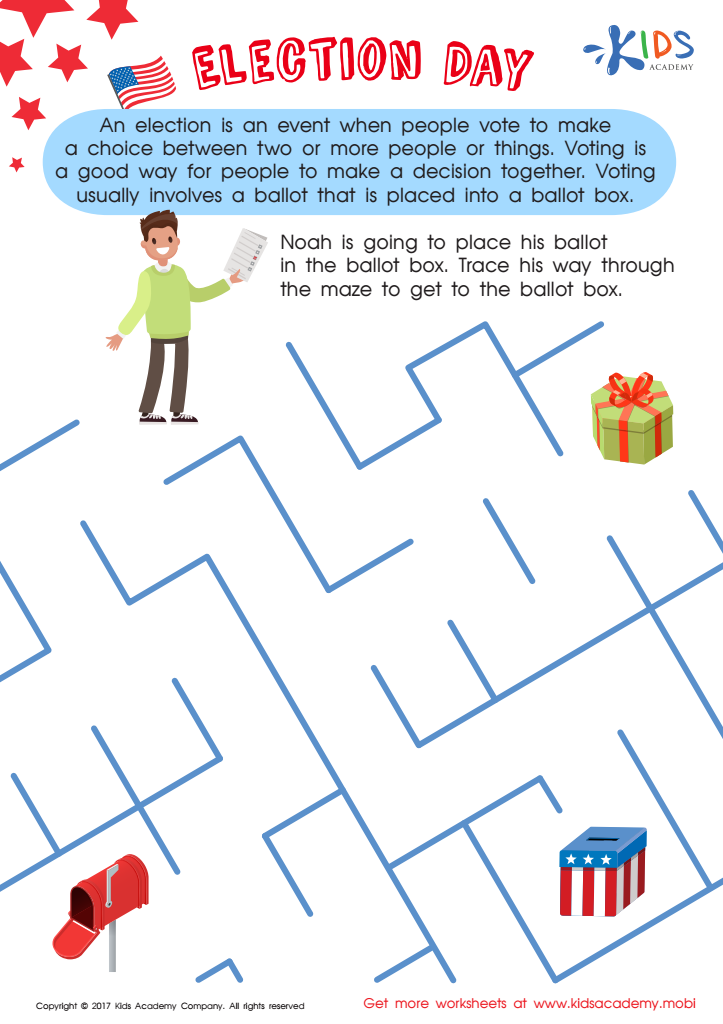
Election Day Worksheet
 Assign to My Students
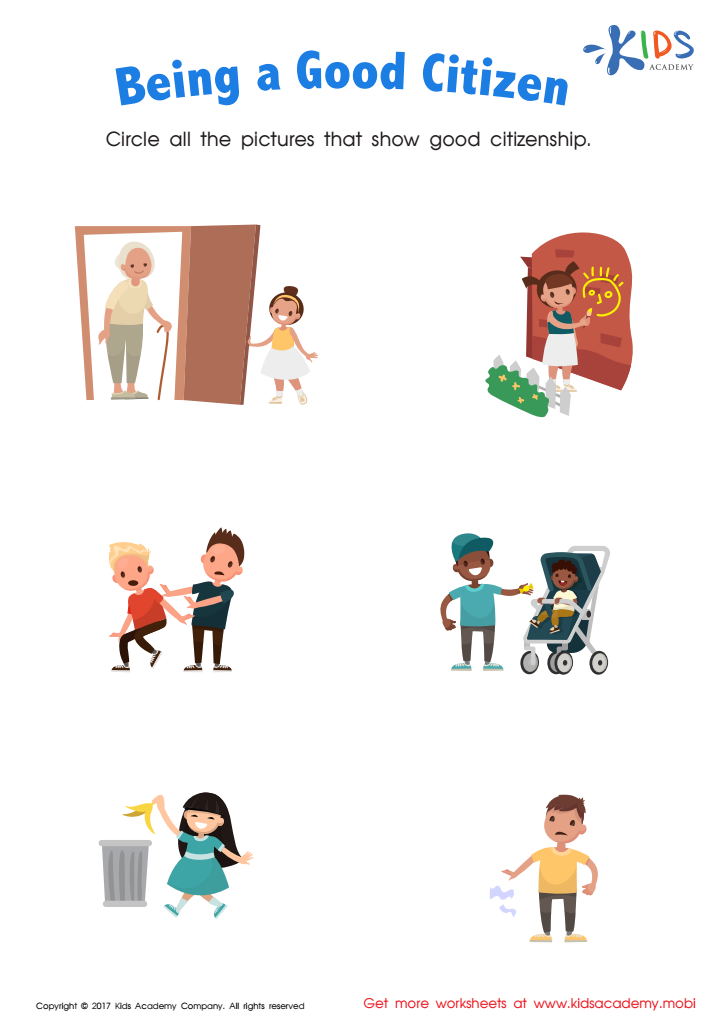
Being a Good Citizen Printable
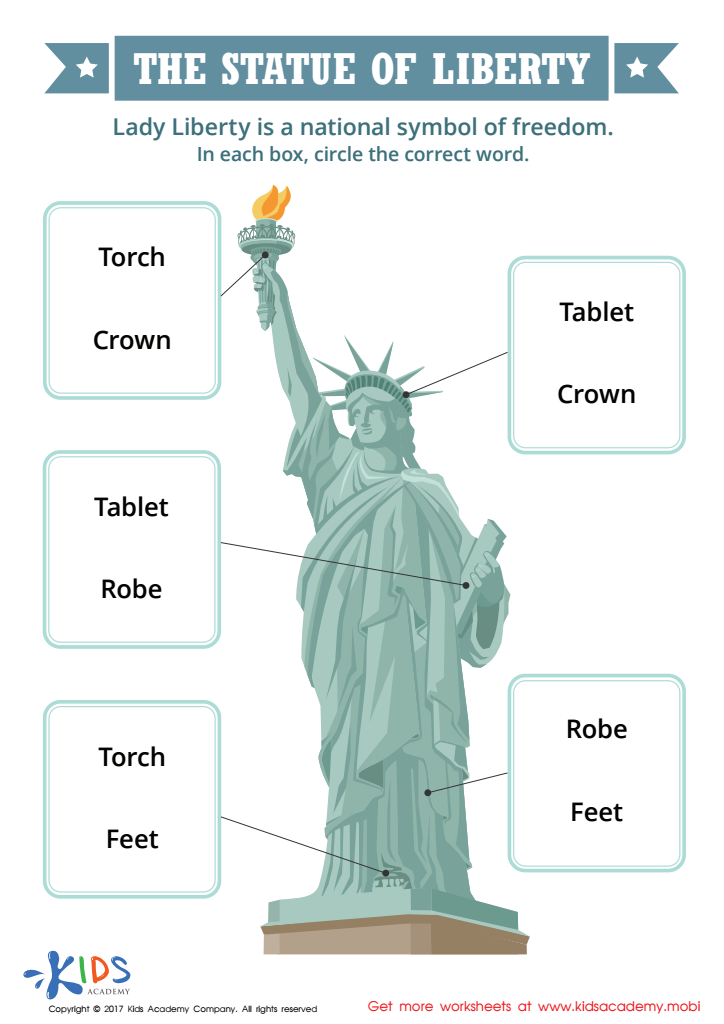
The Statue of Liberty Printable


Governance and Civics education is crucial for children aged 6-9 as it lays the foundation for informed and responsible citizenship. At this age, children are beginning to understand social structures, including the importance of rules and community involvement. Teaching them about governance helps them recognize the roles of leaders, the significance of fairness, and the impact their actions can have on peers and their environment.
Introducing civics at an early age encourages children to develop values such as respect, responsibility, and empathy, fostering a sense of community and belonging. By understanding how decisions are made and the importance of participating in democratic processes, children learn that their voices matter. Activities like classroom elections, discussions about rules, and community projects not only engage students but also teach them cooperation and critical thinking skills.
Moreover, an early focus on governance and civics can spark a lifelong interest in public service and social justice, empowering the next generation to become active, informed citizens. Encouraging these values and understandings from a young age ensures that children grow up to appreciate diversity and engage thoughtfully in their communities, contributing positively to society as they mature.








