Physical Science Worksheets for Ages 6-9
3 filtered results
-
From - To
Discover our engaging Physical Science Worksheets designed specifically for children aged 6 to 9! These interactive resources inspire young learners to explore the wonders of the natural world. With a variety of themes, including matter, energy, and simple machines, our worksheets provide hands-on activities that make science fun and accessible. Each worksheet encourages critical thinking and enhances knowledge retention through colorful illustrations and relatable examples. Perfect for home or classroom use, our Physical Science Worksheets not only support curriculum learning but also spark curiosity about the world around us. Start your child's scientific journey today with our thoughtfully crafted materials!
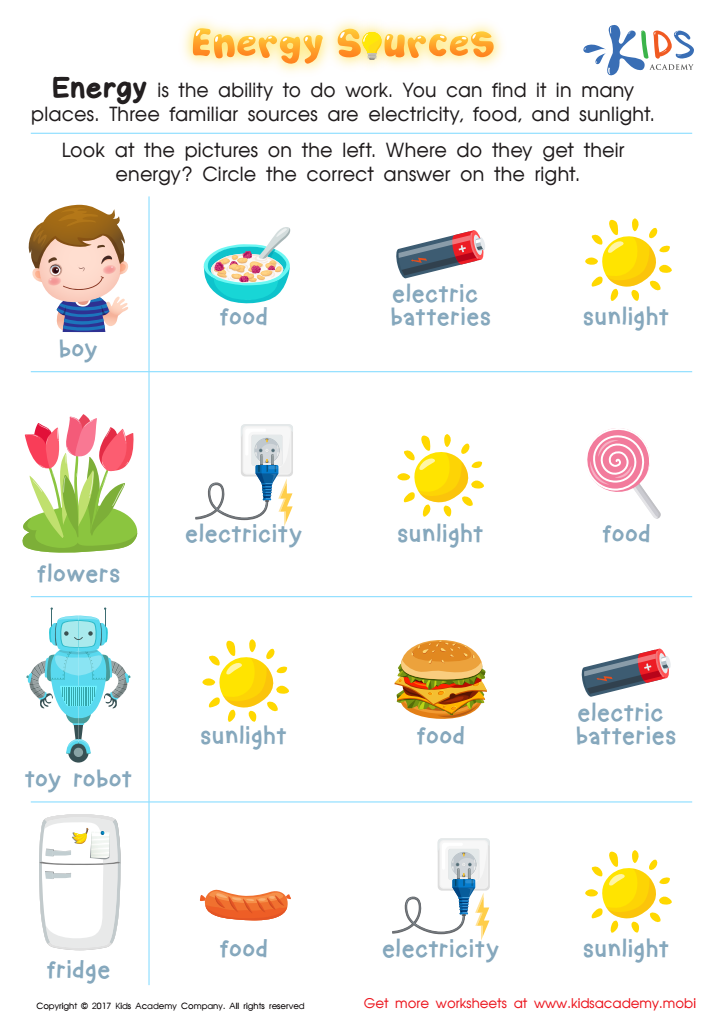
Energy Sources Printable
 Assign to My Students
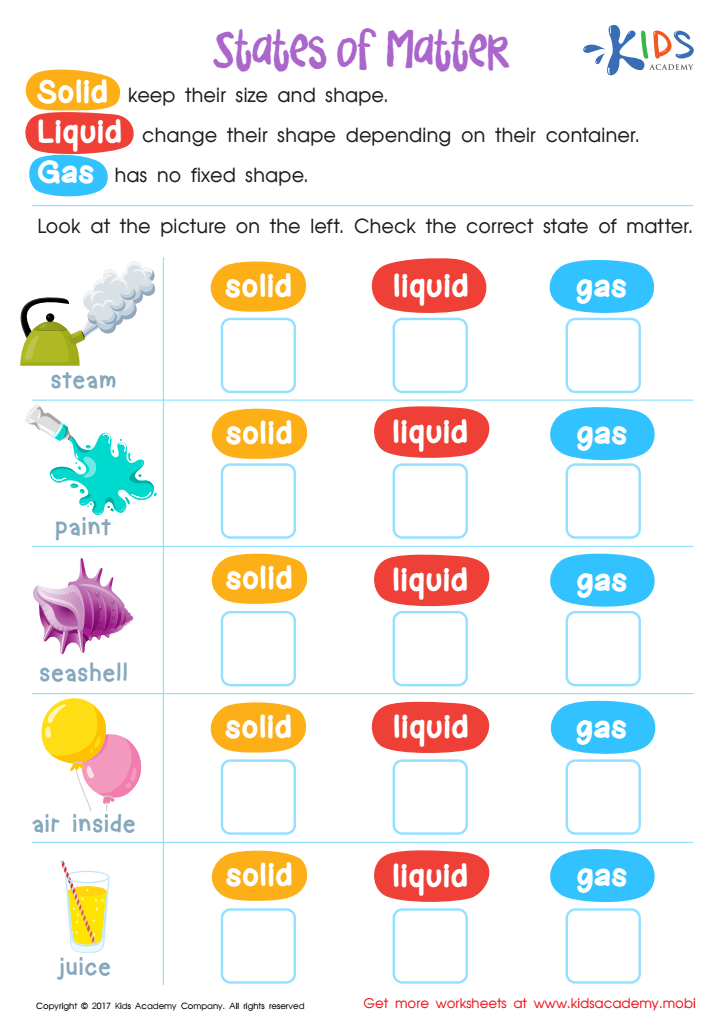
Physical Science: States of Matter Worksheet
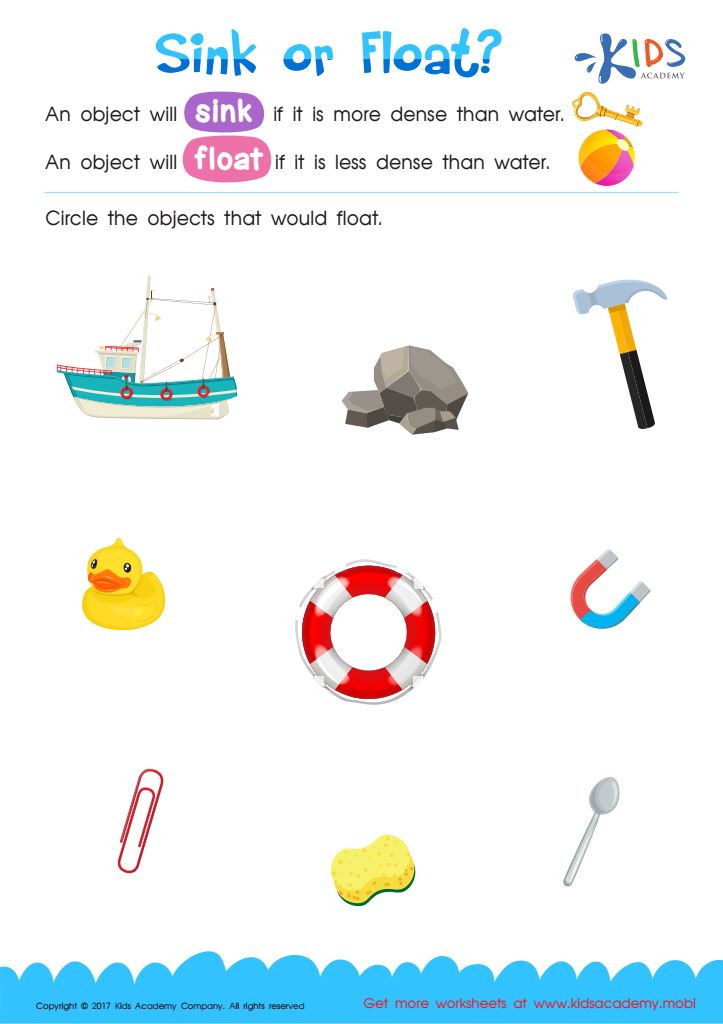
Sink or Float Printable






Physical Science is a vital part of a child's education, especially for those aged 6-9 years, as it fosters curiosity and understanding of the world around them. At this young age, children naturally question how things work—why the sky is blue, how cars move, or why ice melts. Engaging them in physical science helps nurture their inquiry and encourages critical thinking.
Moreover, learning fundamental concepts in physics and chemistry lays a great foundation for future academic success. As children grasp basic ideas about matter, energy, forces, and motion, they develop reasoning skills that are crucial in mathematics and other disciplines.
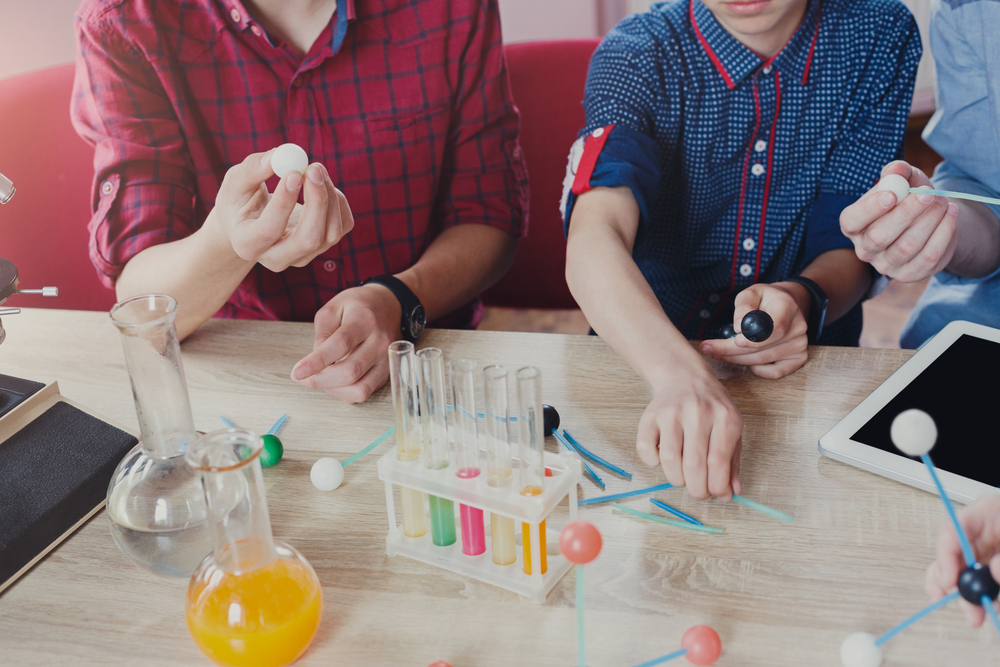
Physical Science education also incorporates hands-on experiments, which enhance fine motor skills and promote teamwork when conducted in groups. This experiential learning fosters creativity and resilience, as children learn to hypothesize, test, and revise their ideas based on outcomes.
Lastly, an understanding of Physical Science is essential in an increasingly technological world. By understanding scientific principles early, children are better prepared to engage with innovations and environmental issues they will face in their lives. Thus, parents and teachers should actively support and promote Physical Science experiences for young learners.