Reading comprehension History Worksheets for Ages 7-9 - Page 2
37 filtered results
-
From - To
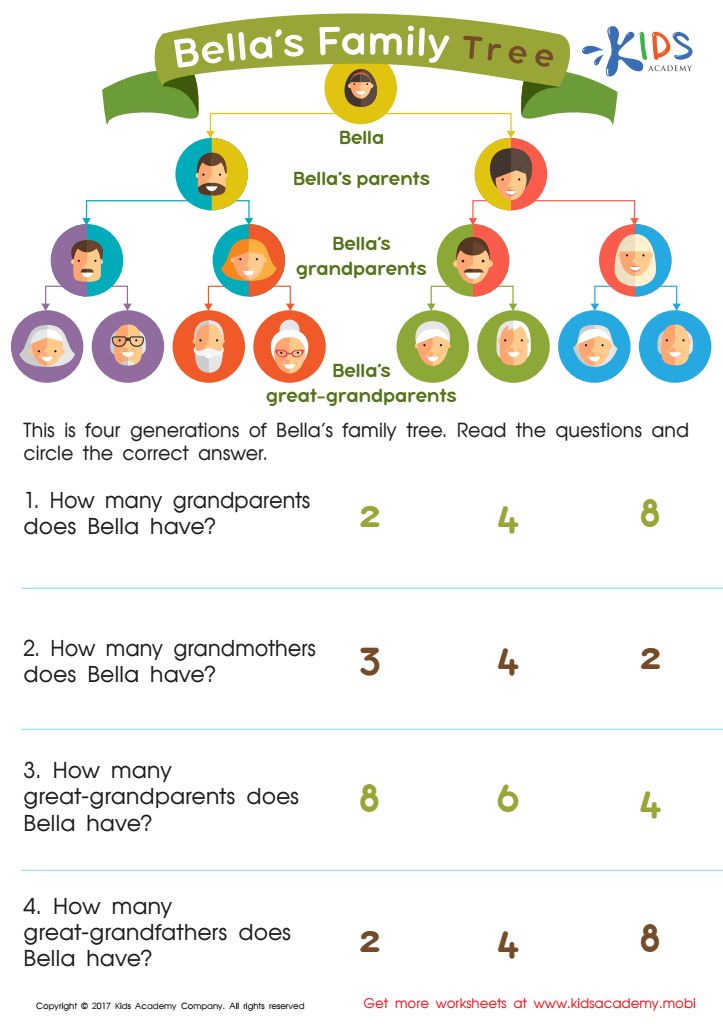
Bella's Family Tree Worksheet
 Assign to My Students
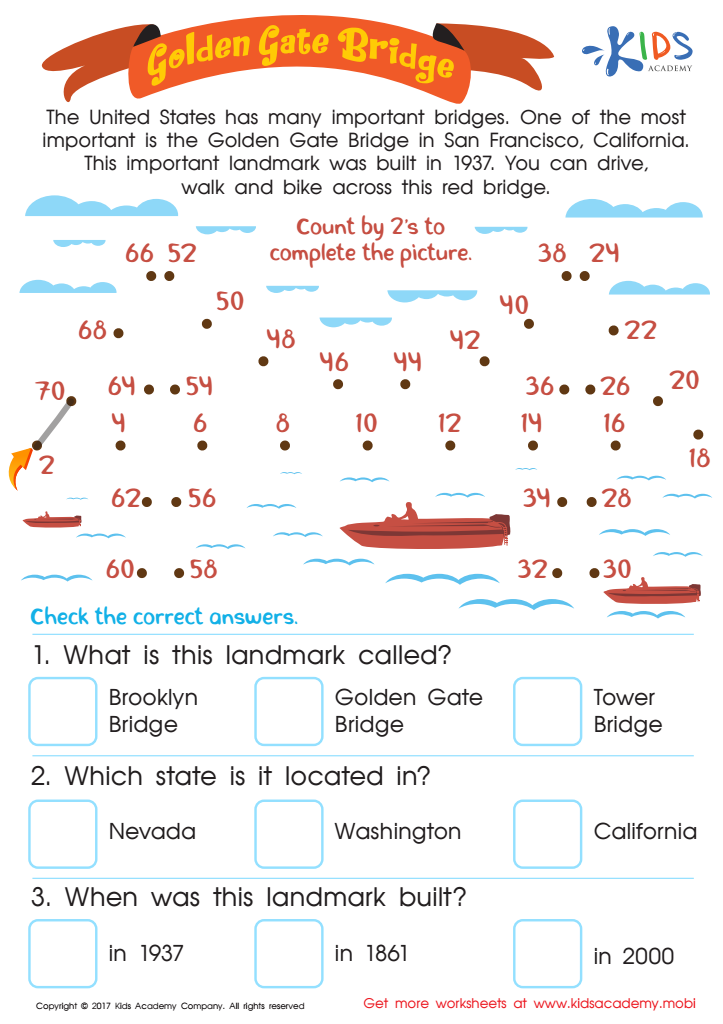
Golden Gate Bridge Worksheet
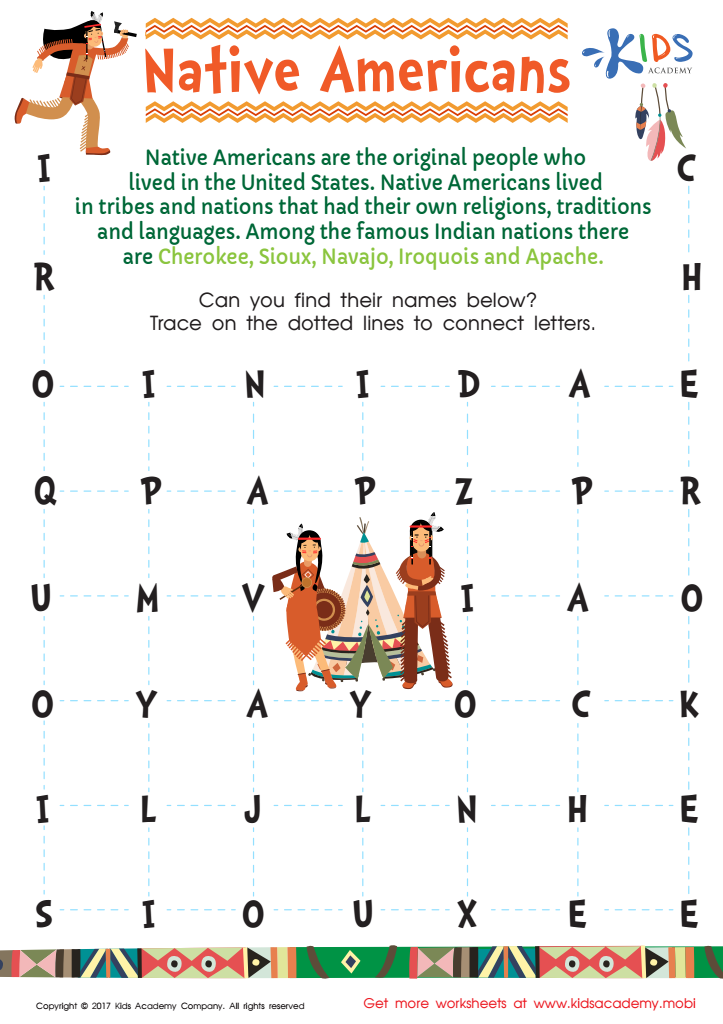
Native American Word Search Printable
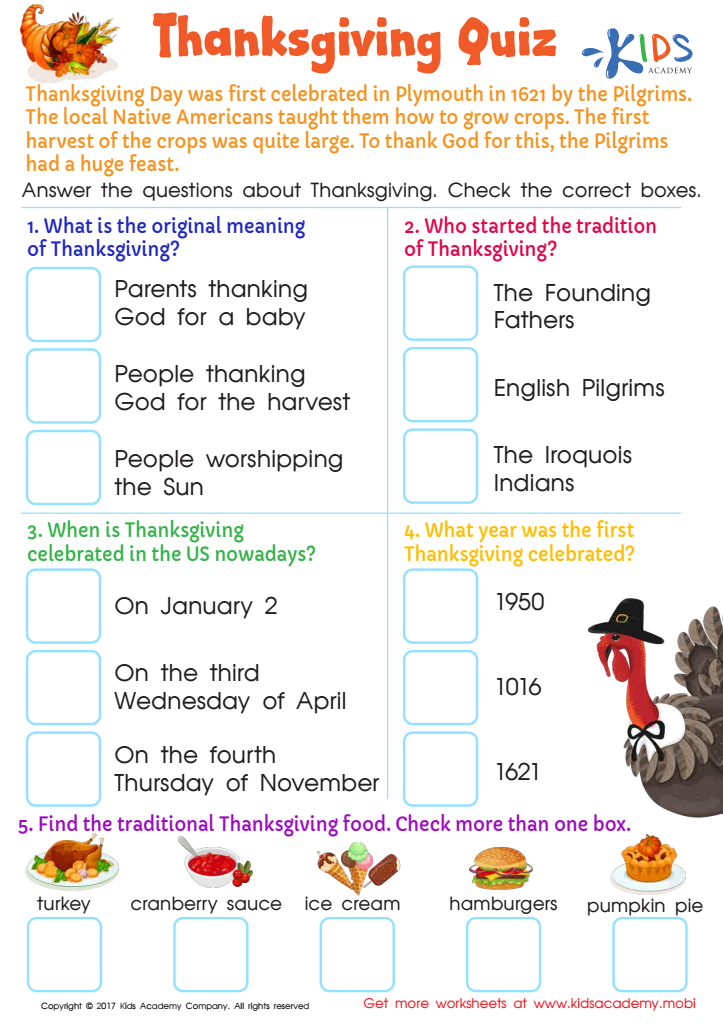
Thanksgiving Quiz Worksheet
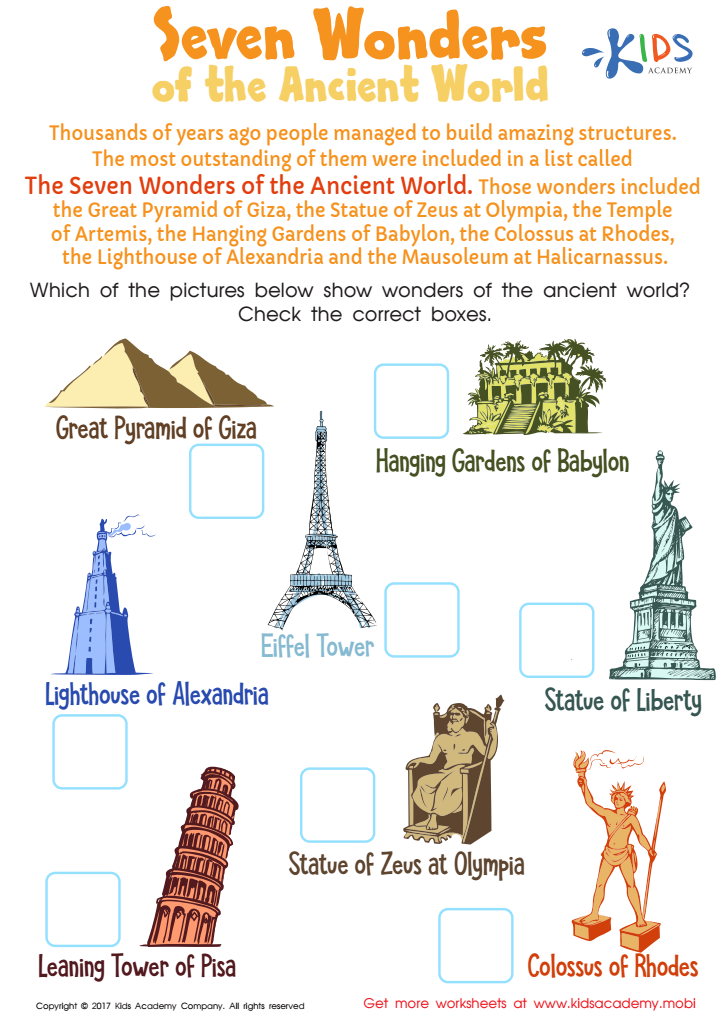
Seven Wonders of the Ancient World Worksheet
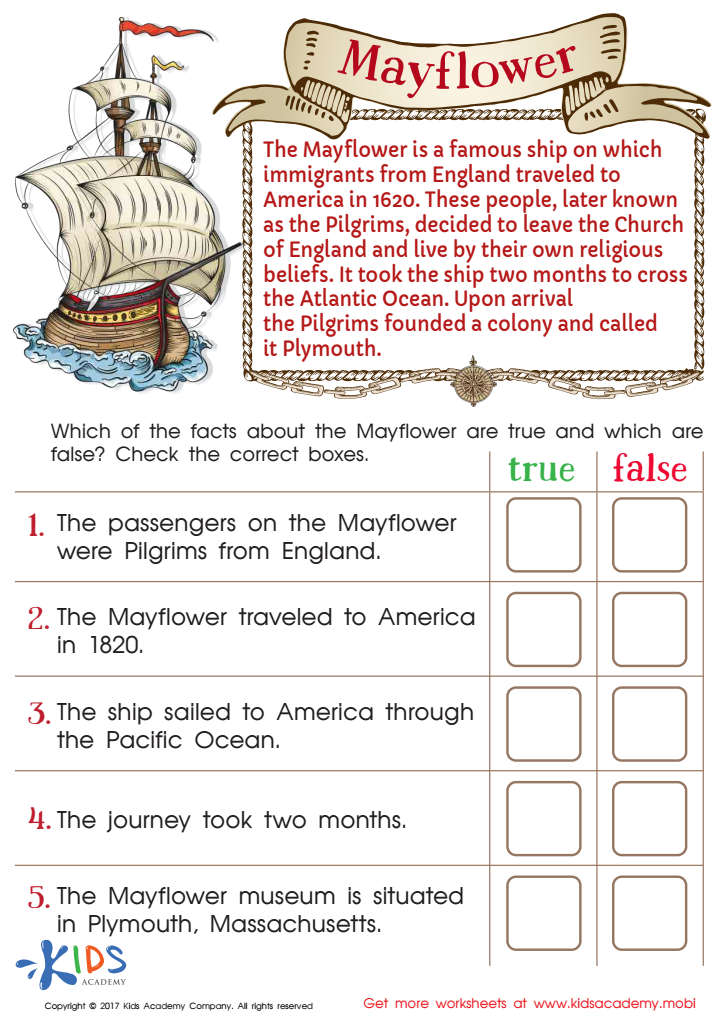
Free Mayflower Worksheet
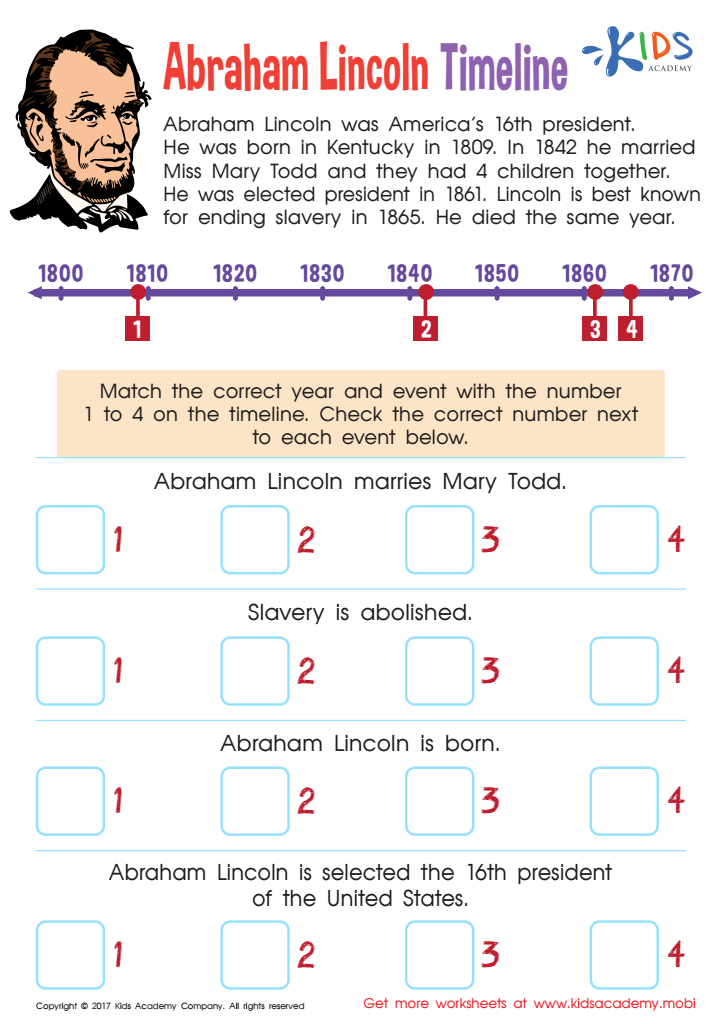
Abraham Lincoln Timeline Worksheet
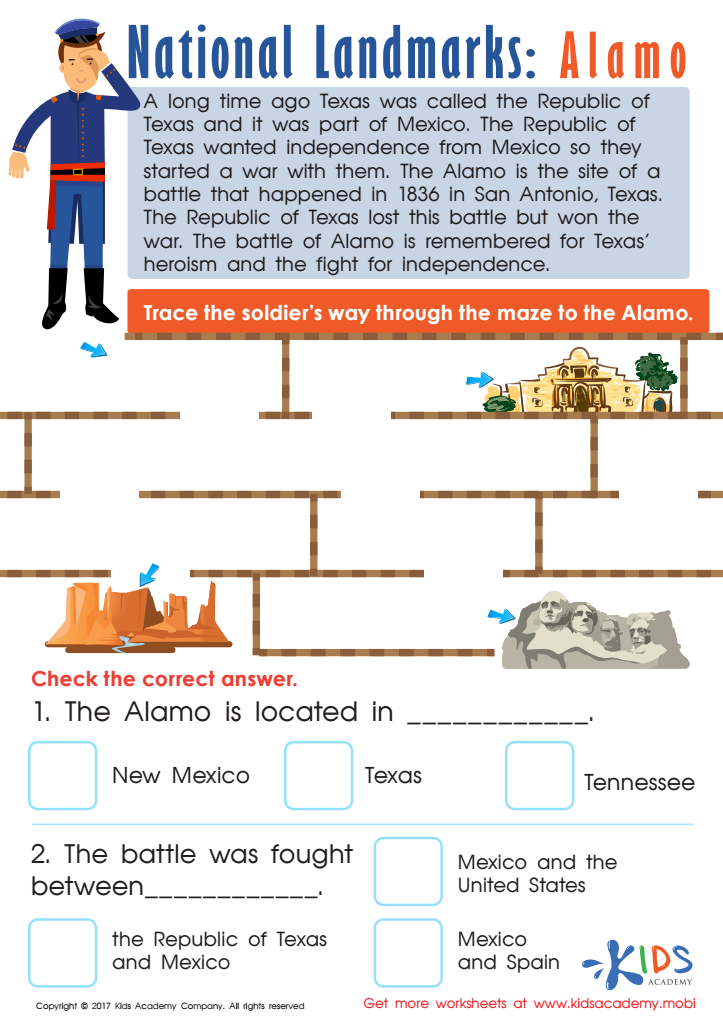
Alamo Printable Worksheet
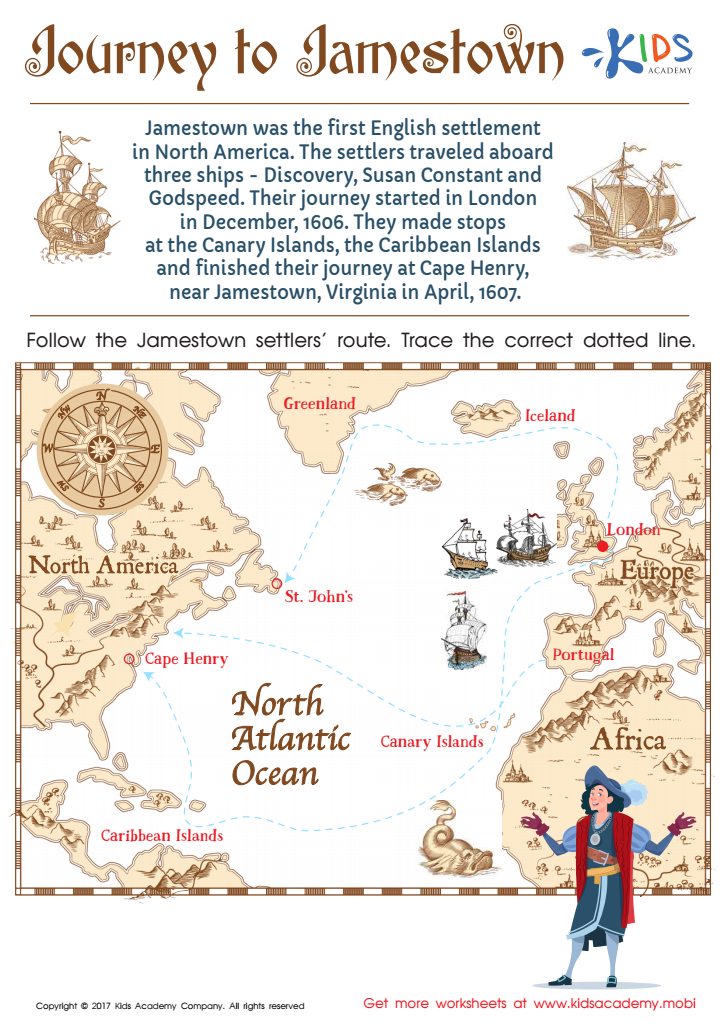
Journey to Jamestown Worksheet
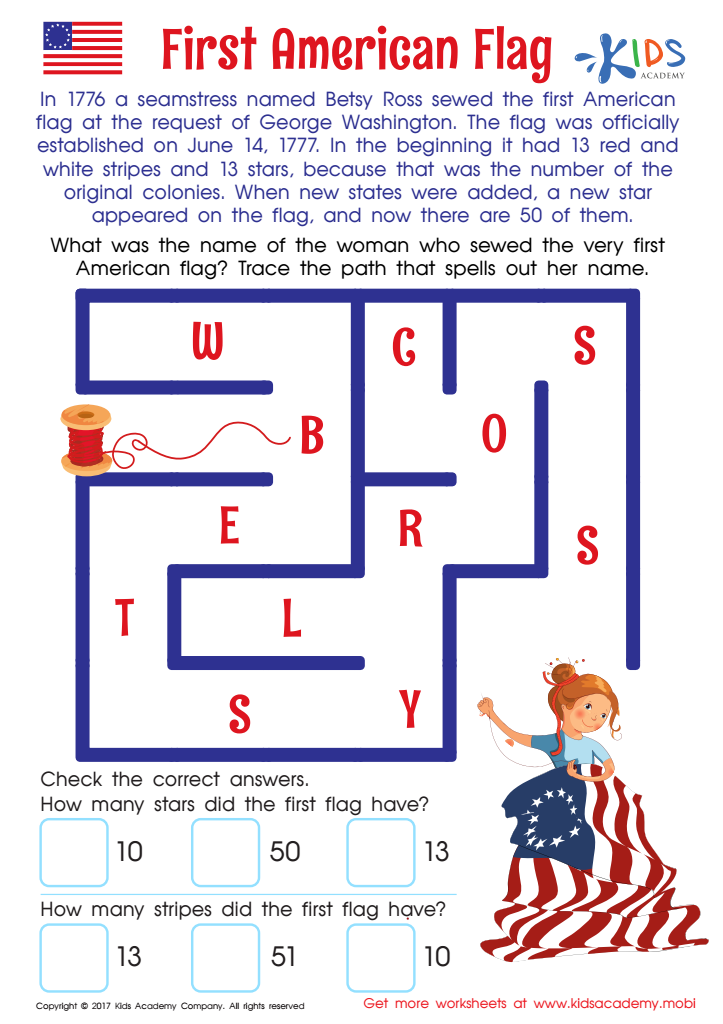
First American Flag Worksheet
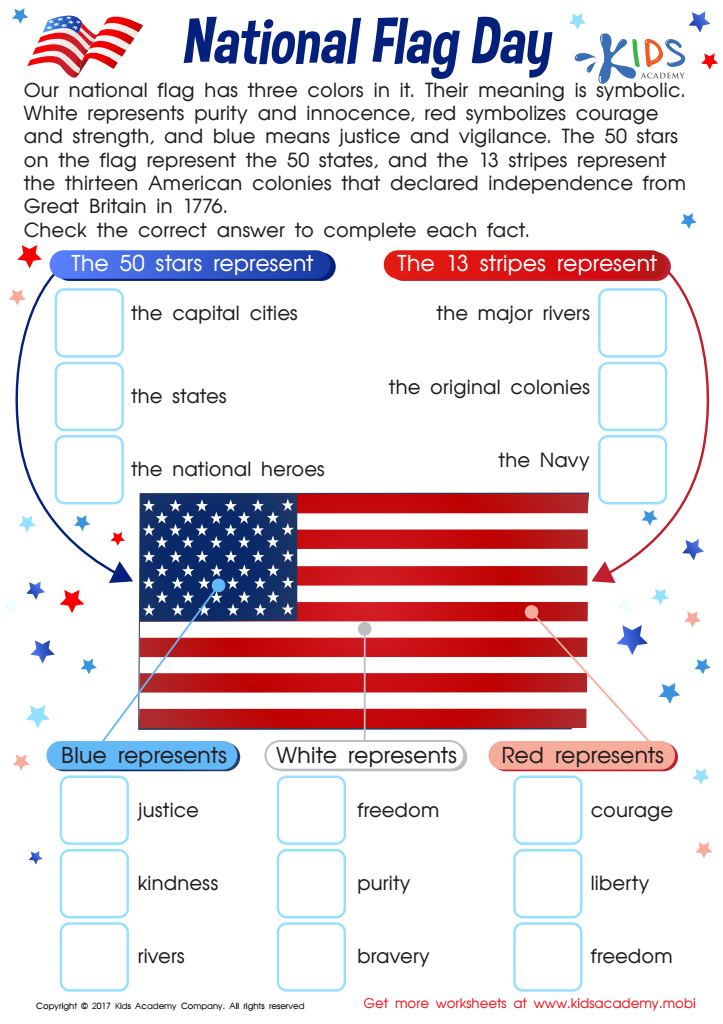
US National Flag Day Worksheet
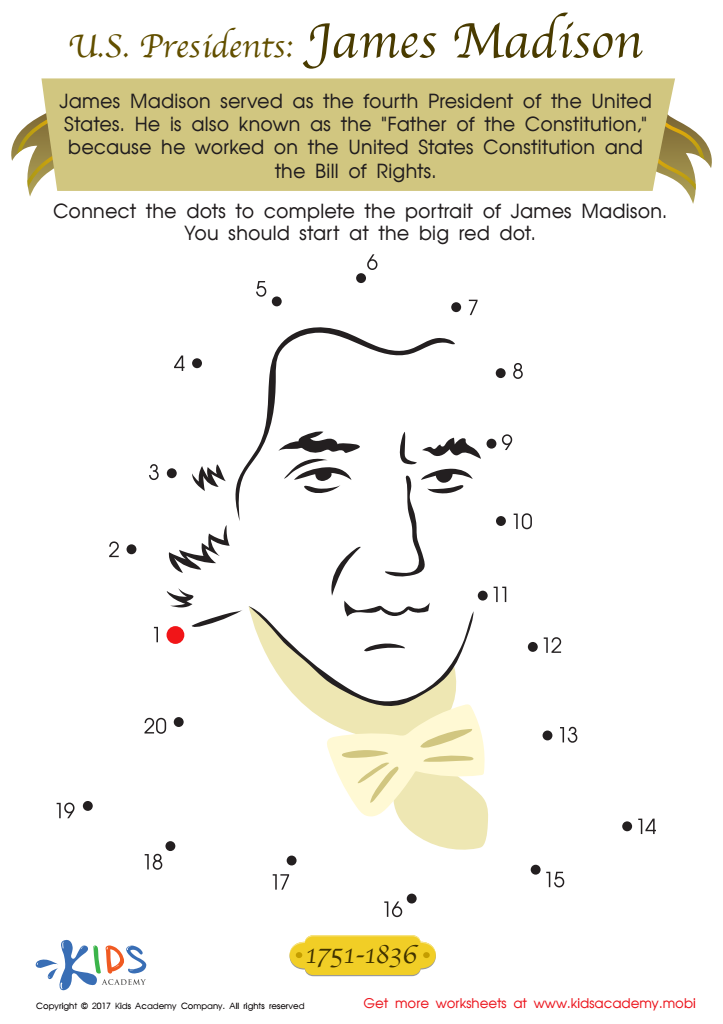
President Madison Printable
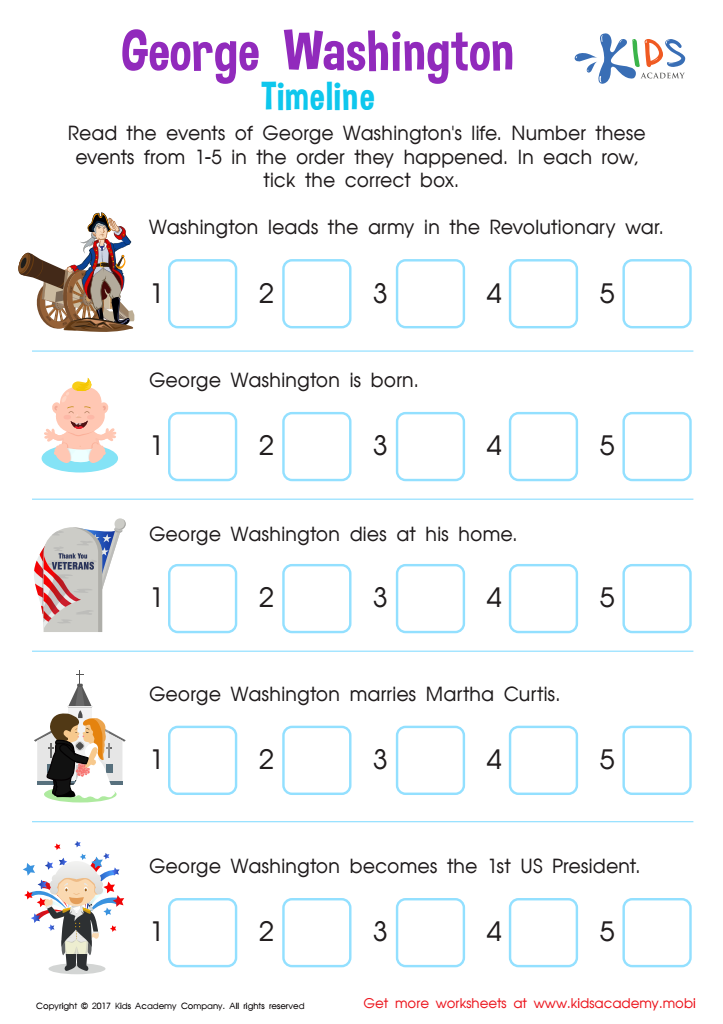
George Washington Timeline Worksheet






.jpg)

Reading comprehension at ages 7-9 is foundational for a child's academic success and personal growth. First and foremost, it allows children to understand and retain information from their textbooks, facilitating learning across all subjects, including science, math, and social studies. A strong grasp of reading comprehension skills helps children follow complex instructions, engage with word problems, and develop critical thinking.
From a developmental perspective, children in this age group are transitioning from learning to read to reading to learn. This shift is crucial, as it equips them with the tools to seek knowledge independently. A broad vocabulary and the ability to decode and interpret text contextualize new information, enhancing their ability to make connections between different areas of knowledge.
Moreover, effective reading comprehension fosters a love of reading, which brings long-term educational benefits. Engaged readers often demonstrate greater empathy, as literary experiences expose them to diverse perspectives and life experiences.
For these reasons, parents and teachers should prioritize reading comprehension during these formative years, employing strategies such as interactive read-alouds, discussions, and targeted questioning. Such engagement not only nurtures academic achievement but also supports children in becoming thoughtful, inquisitive, and well-rounded individuals.








