Comparing Numbers Worksheets for 9-Year-Olds
13 filtered results
-
From - To
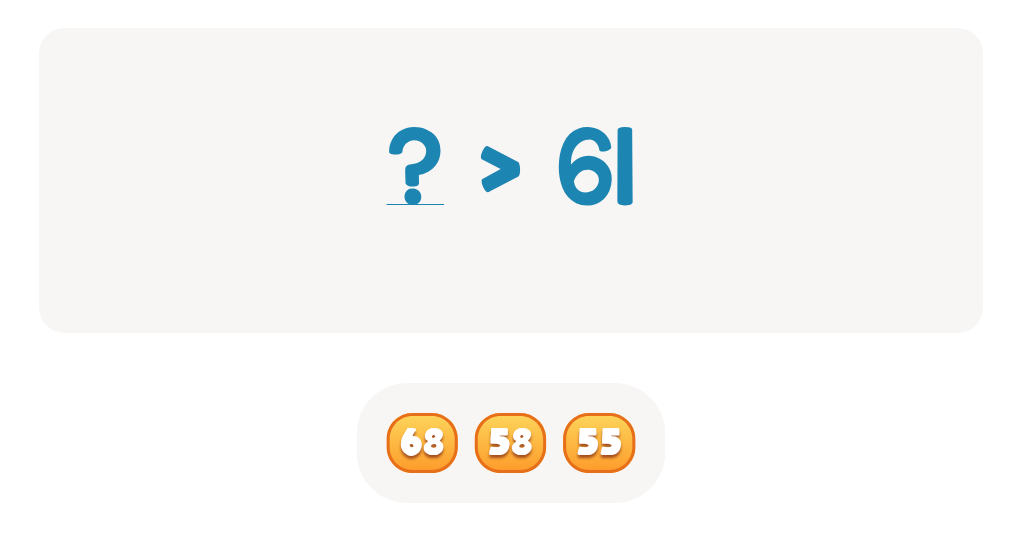
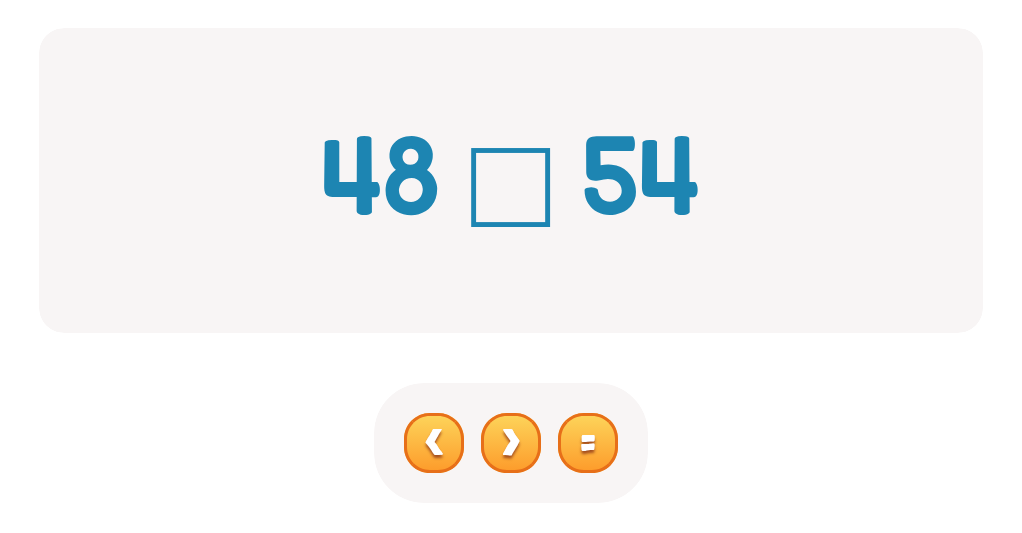
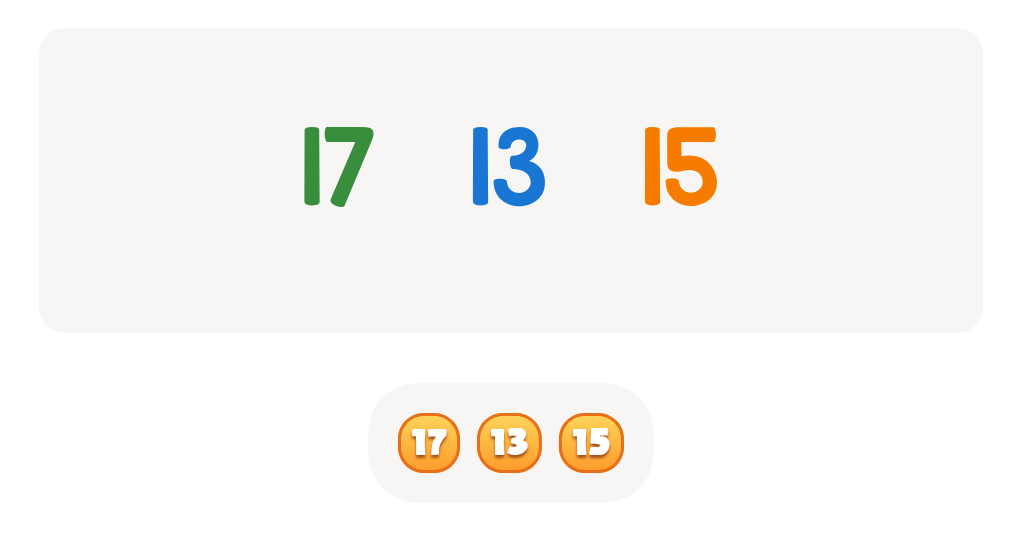
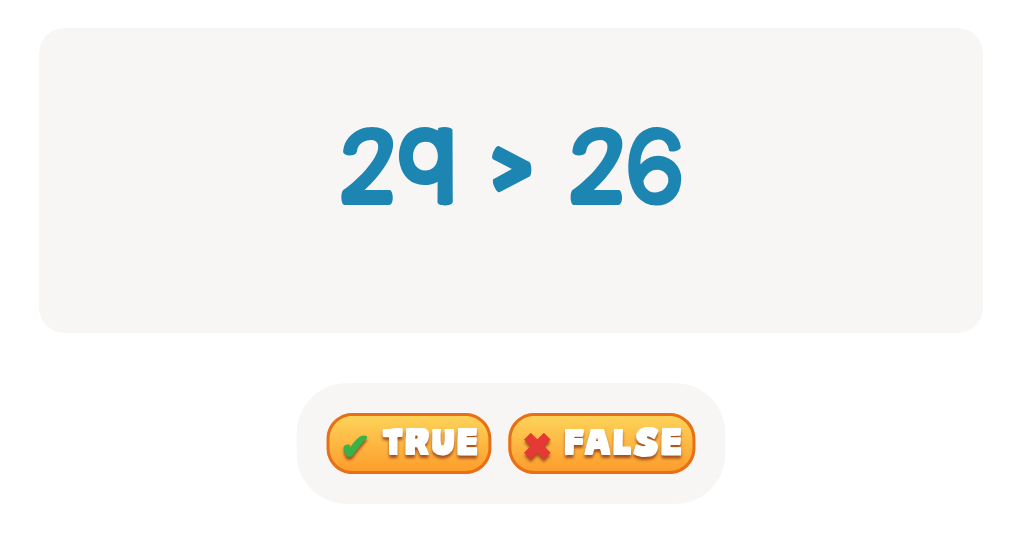
Introducing our dynamic "Comparing Numbers for 9-Year-Olds" worksheets, specifically designed to engage young minds in the fascinating world of mathematics! Tailored for children at a crucial stage of their numerical understanding, these worksheets offer a variety of exercises that will polish their ability to compare and contrast numbers with confidence and ease. Through interactive tasks and thought-provoking challenges, your 9-year-old will master the art of determining greater than, less than, and equal to scenarios, building a solid foundation for future mathematical concepts. Dive into our "Comparing Numbers for 9-Year-Olds" collection and watch your child's numerical fluency and reasoning skills soar to new heights!
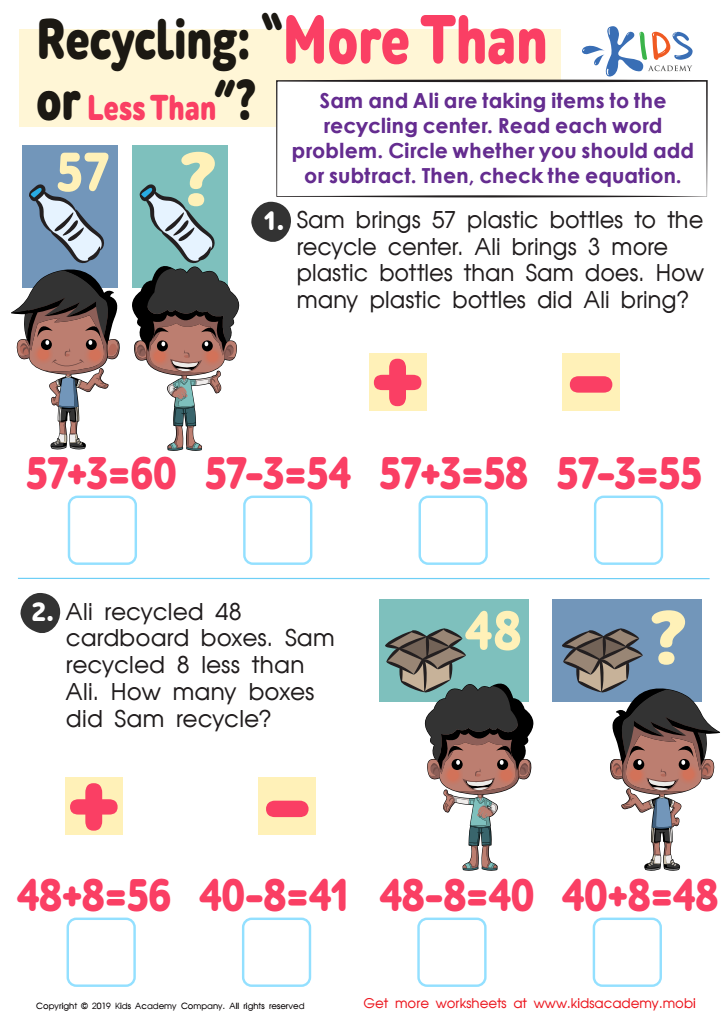
Recycling - More or Less Worksheet
 Assign to My Students

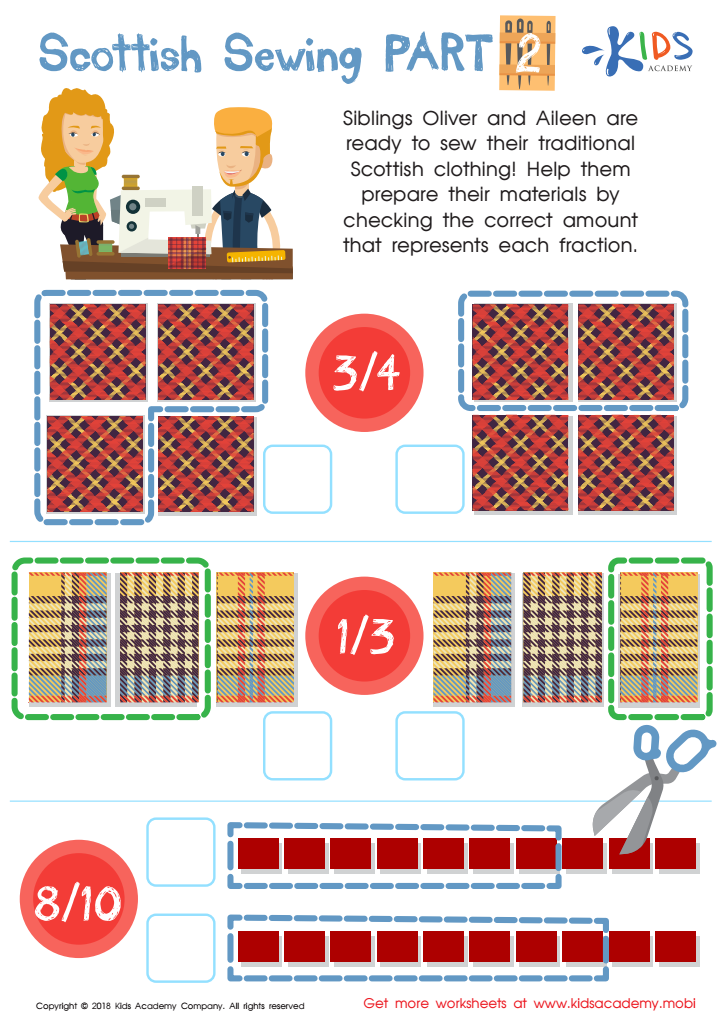
Scottish Sewing Part 2 Worksheet
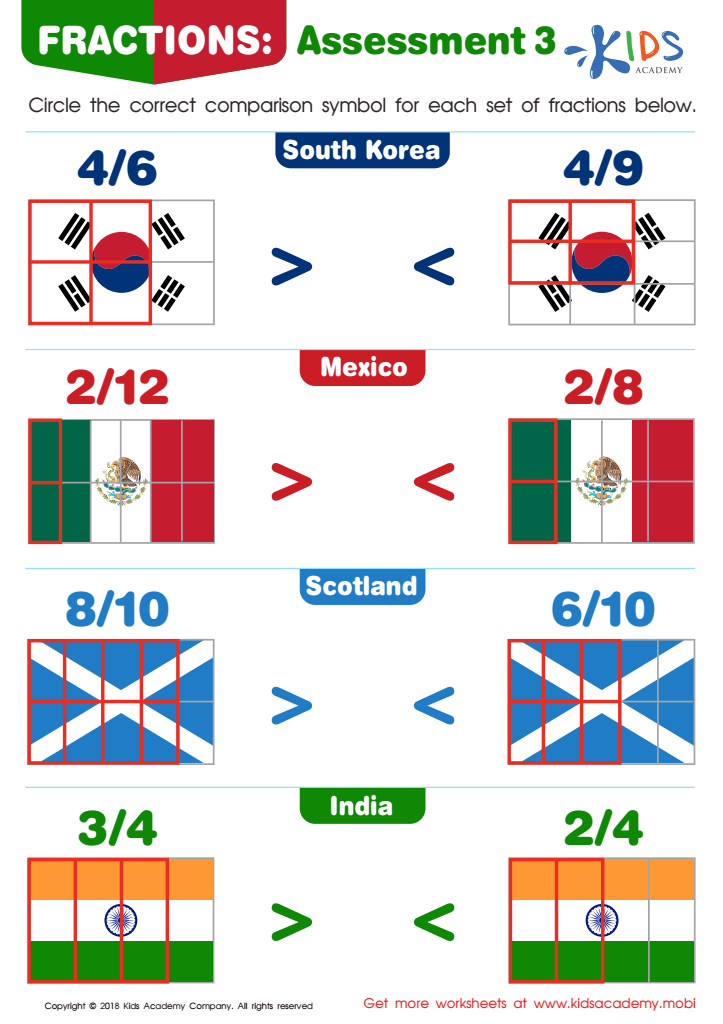
Fractions: Assessment 3 Worksheet
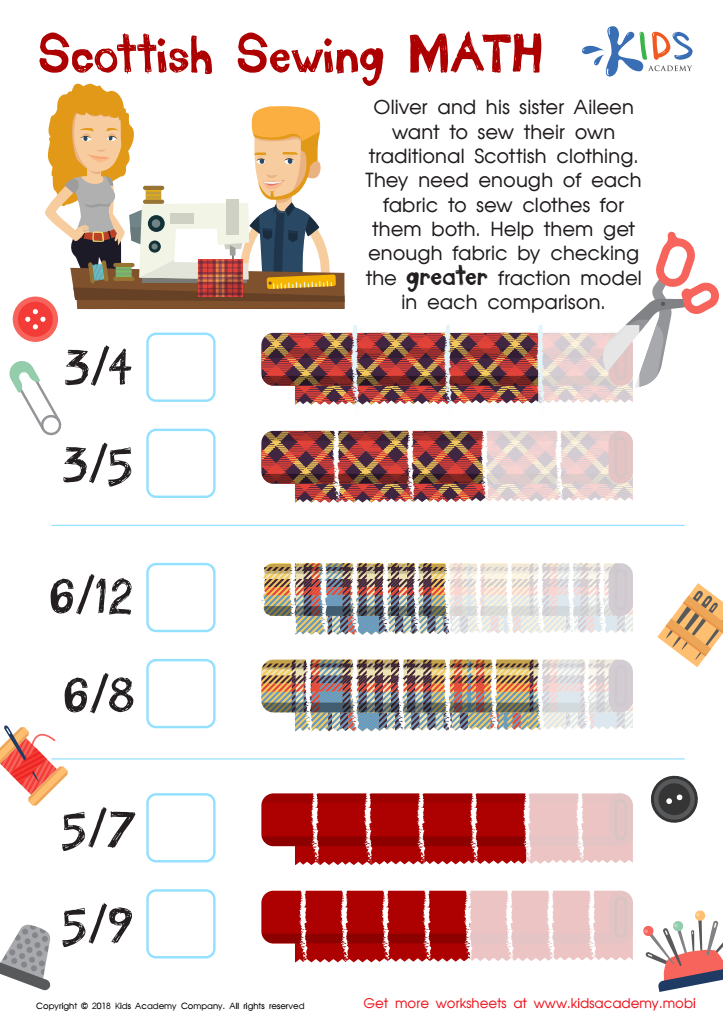
Scottish Sewing Math Worksheet
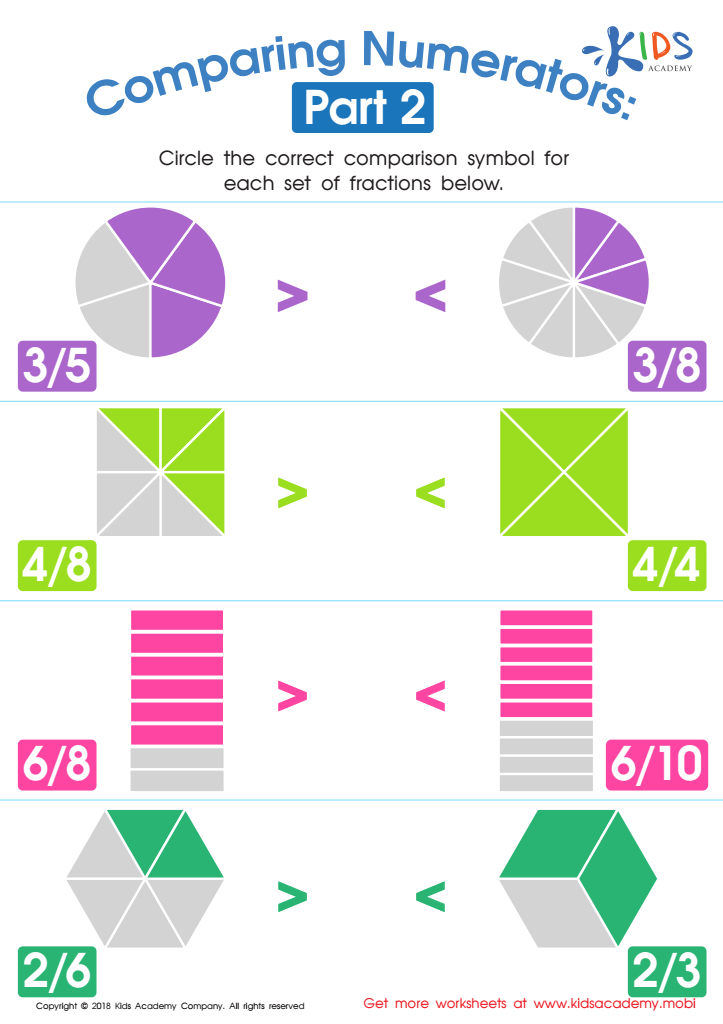
Comparing Numerators Part 2 Worksheet
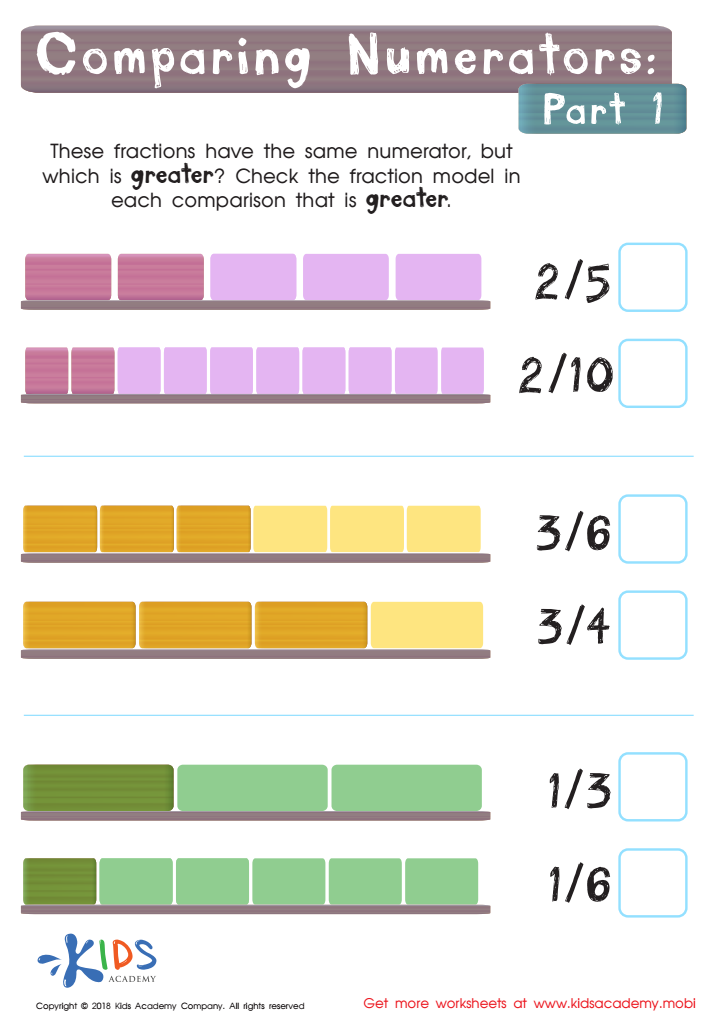
Comparing Numerators Part 1 Worksheet
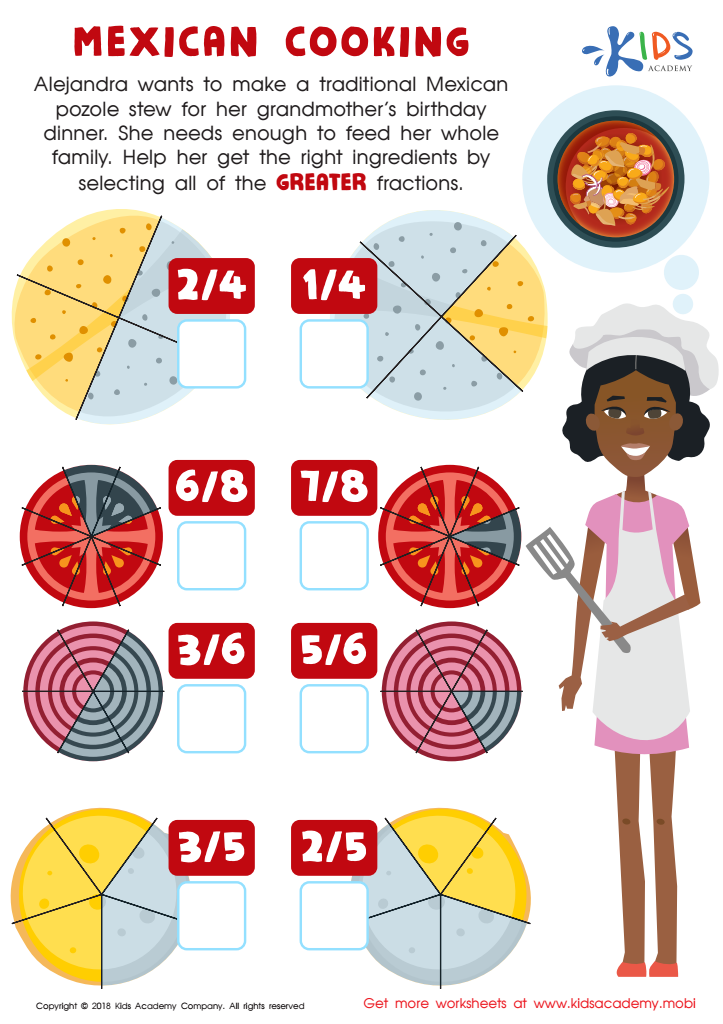
Mexican Cooking Worksheet
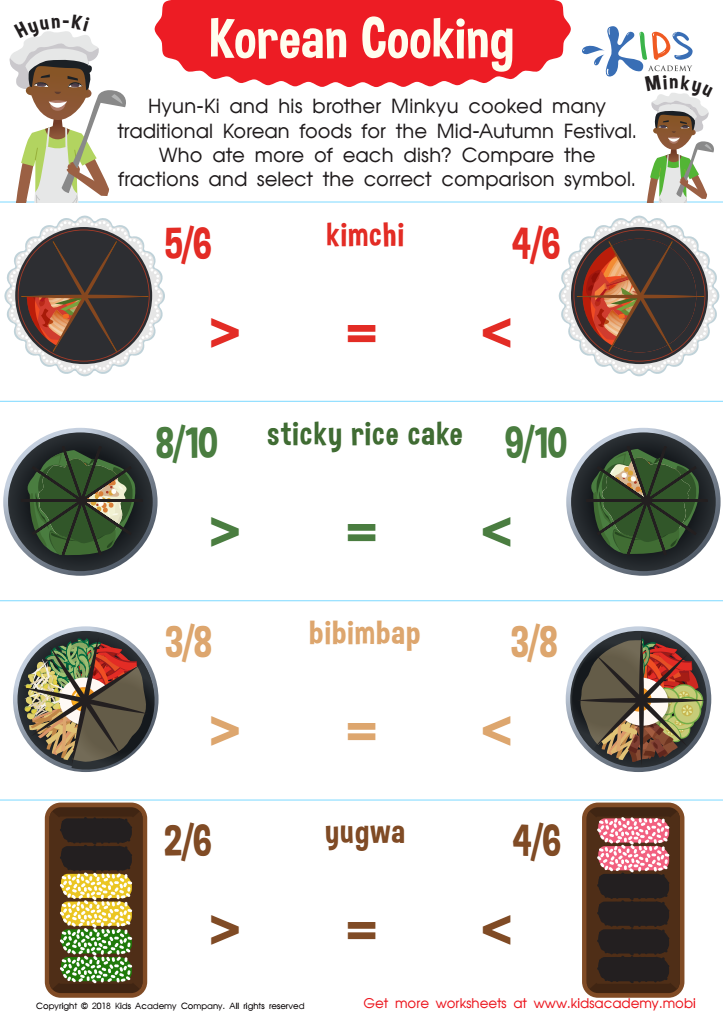
Korean Cooking Worksheet
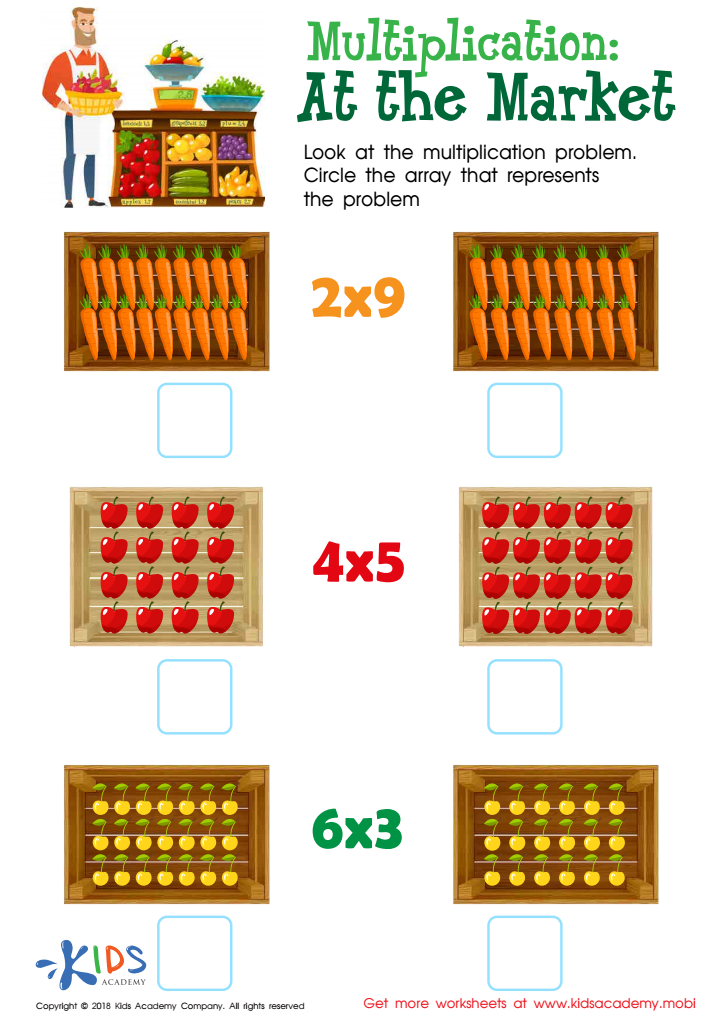
At the Market Worksheet
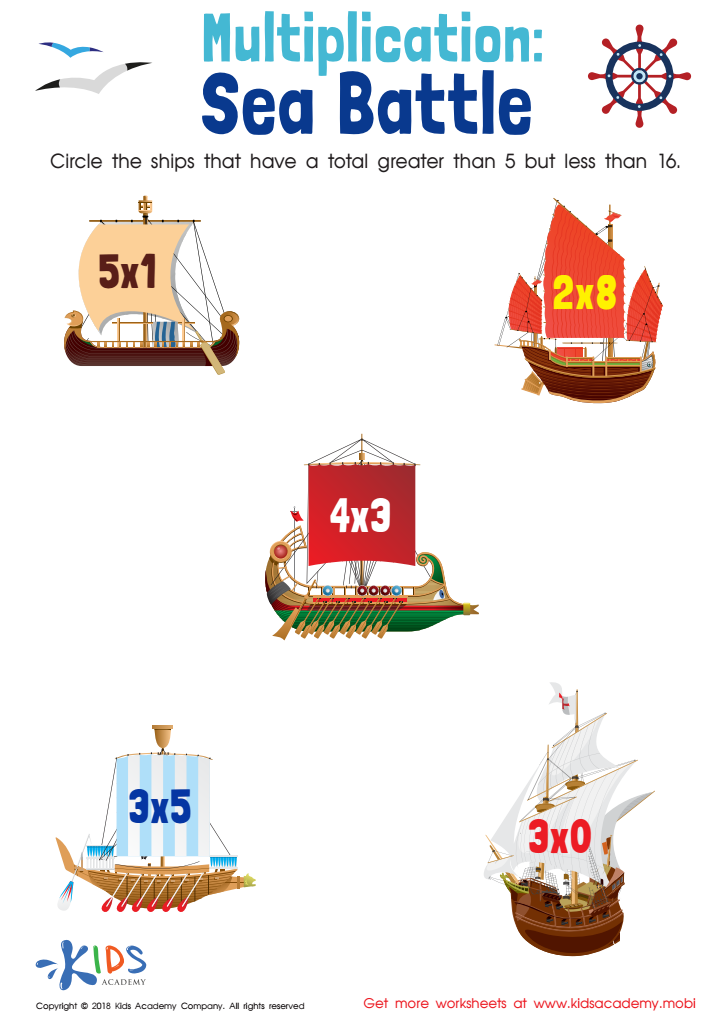
Sea Battle: Multiplication Worksheet
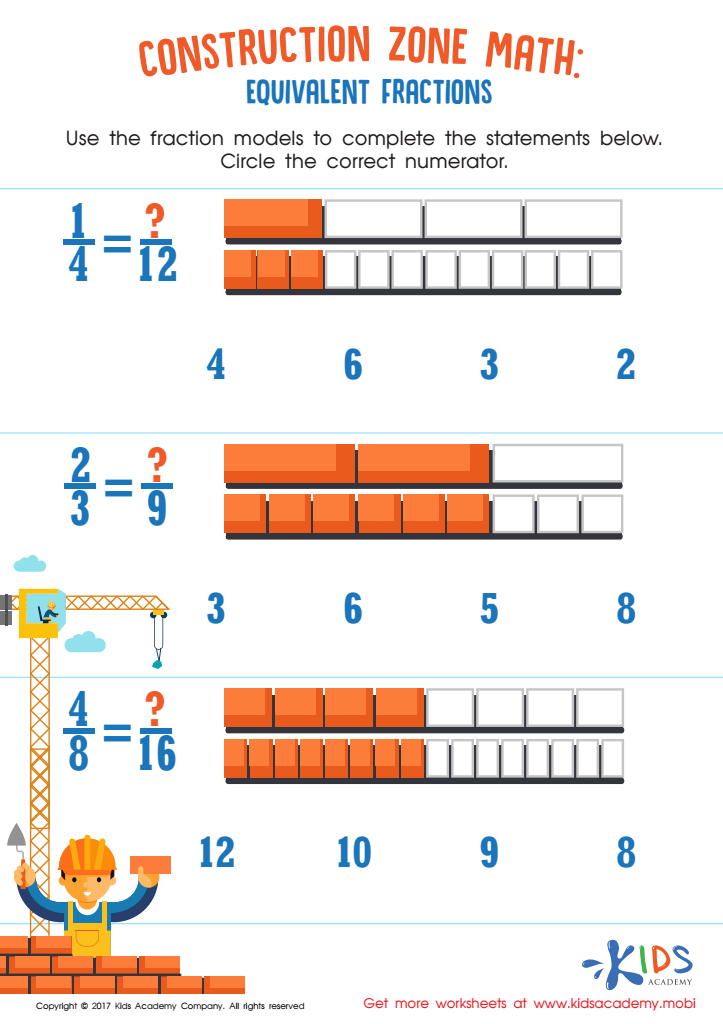
Equivalent Fractions Worksheet
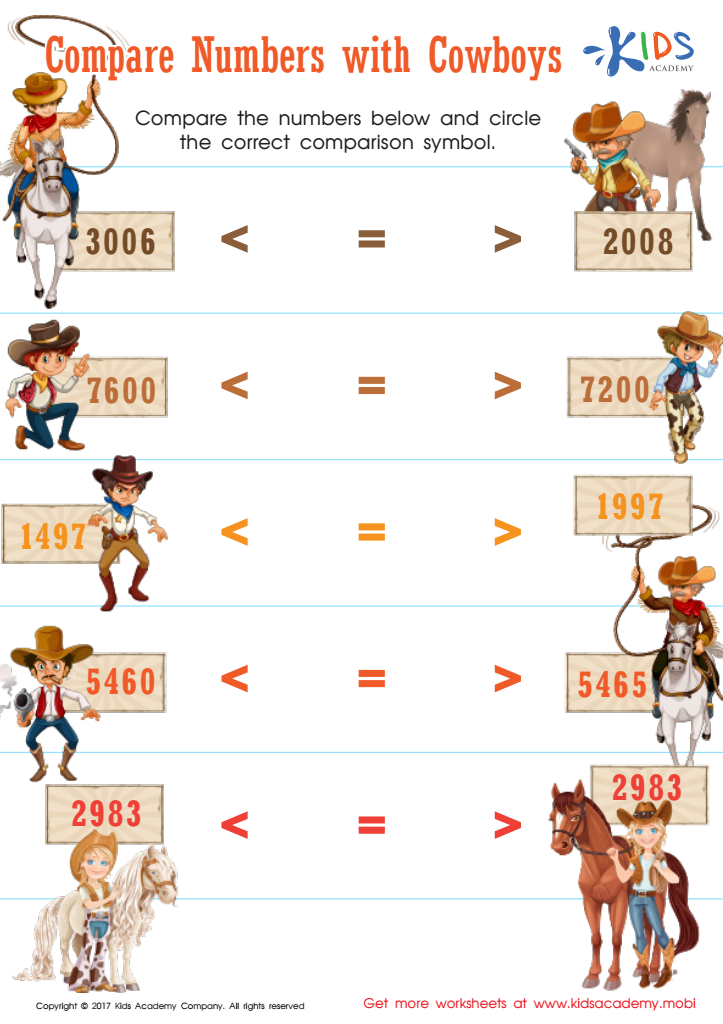
Compare Numbers Worksheet for 3rd Grade
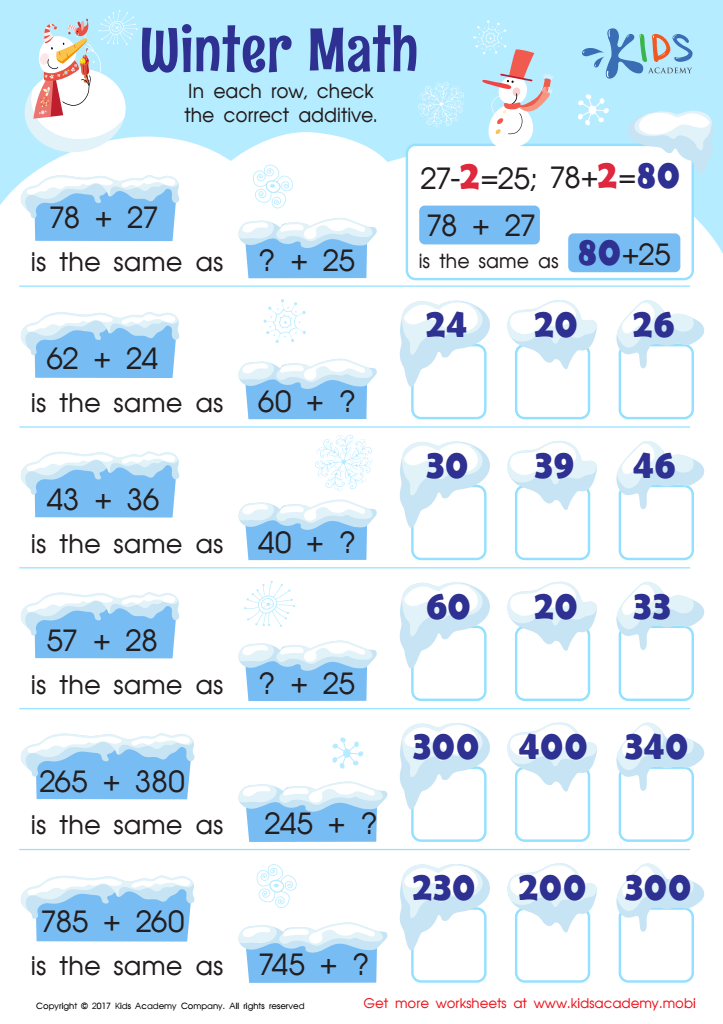
Free Addition Worksheet








Worksheets on Comparing Numbers for 9-Year-Olds are an invaluable tool in the mathematical development of children. At this age, children are expanding their understanding of numbers, including how to identify, compare, and order them based on their values. These specific worksheets are designed to cater to the unique learning needs of 9-year-olds, making complex concepts more accessible and engaging.
The use of Comparing Numbers worksheets helps 9-year-olds develop critical thinking and analytical skills. As children work through these exercises, they learn to discern not just the difference between numbers, but also the reasoning behind why one number is greater, lesser, or equal to another. This process is fundamental in building a strong mathematical foundation, fostering a deeper understanding of number sense, which is crucial for tackling more advanced math topics in the future.
Moreover, Comparing Numbers worksheets for 9-Year-Olds are crafted to be fun and interactive, keeping children engaged and motivated. By incorporating a variety of formats, such as number lines, place value comparisons, and real-life word problems, these worksheets ensure that learning is not monotonous but rather a stimulating experience that children look forward to. Consequently, they not only enhance their mathematical skills but also grow to develop a positive attitude towards learning and problem-solving.