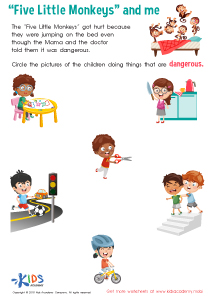
Easy Building Vocabulary Worksheets for Ages 3-8 - Page 2
37 filtered results
-
From - To
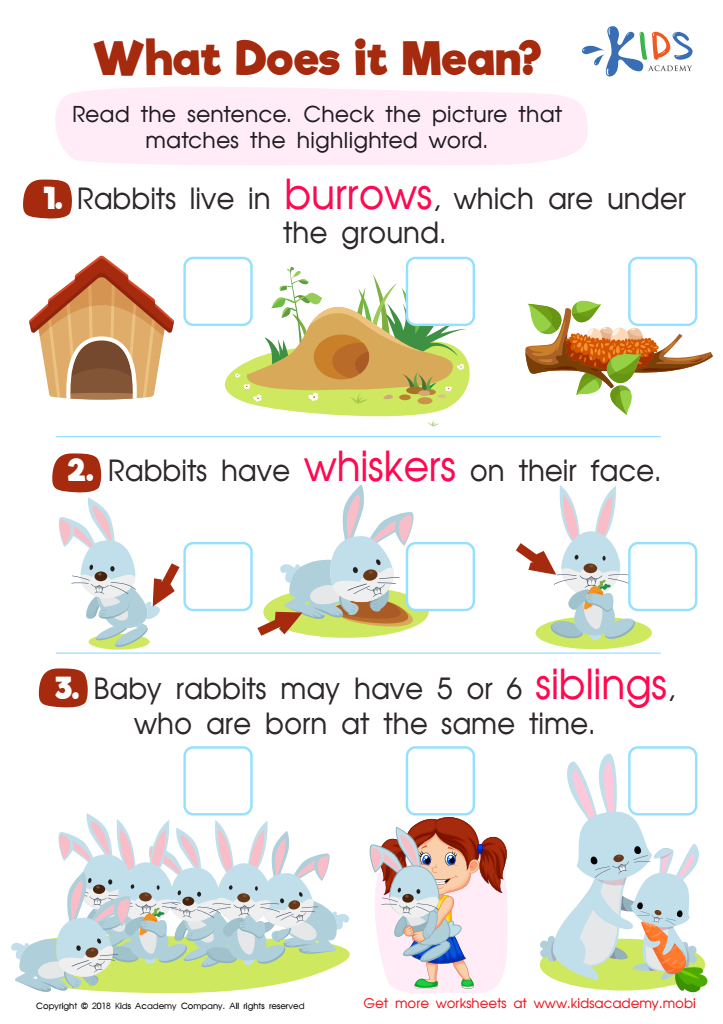
What Does It Mean? Worksheet
 Assign to My Students











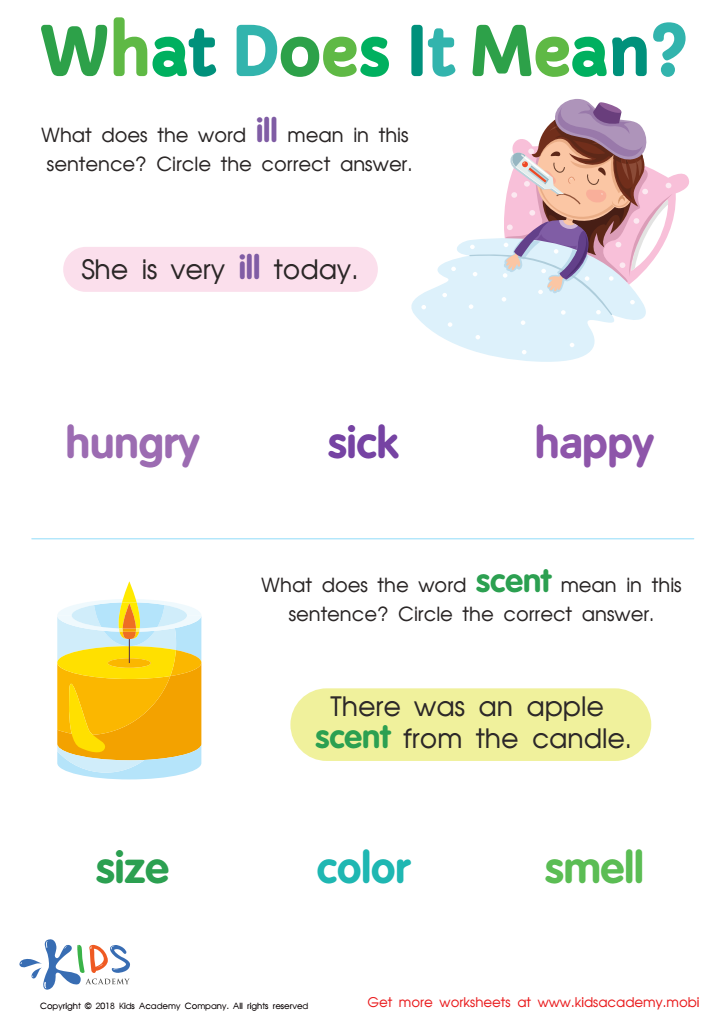
What Does It Mean? Worksheet
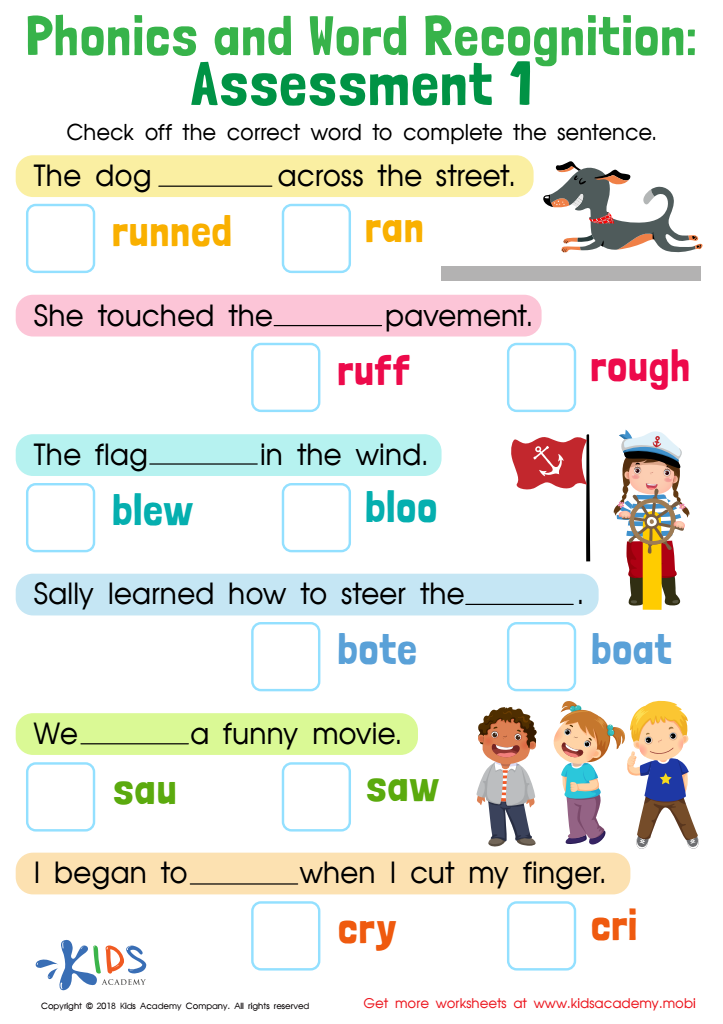
Phonics and Word Recognition: Assessment 1 Worksheet
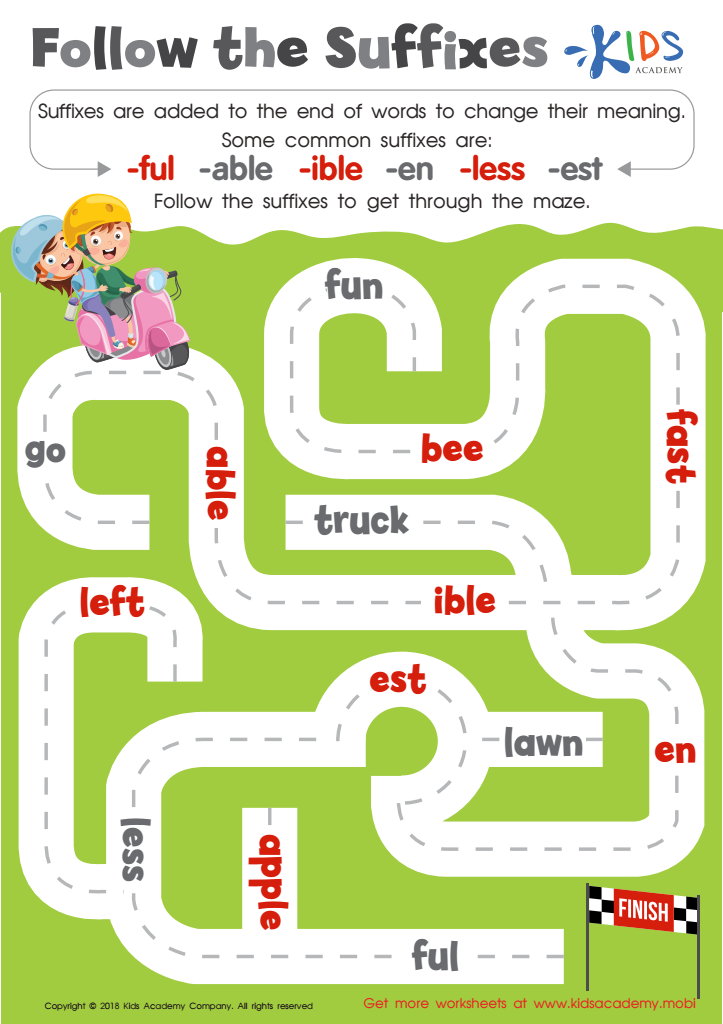
Reading: Follow the Suffixes Worksheet
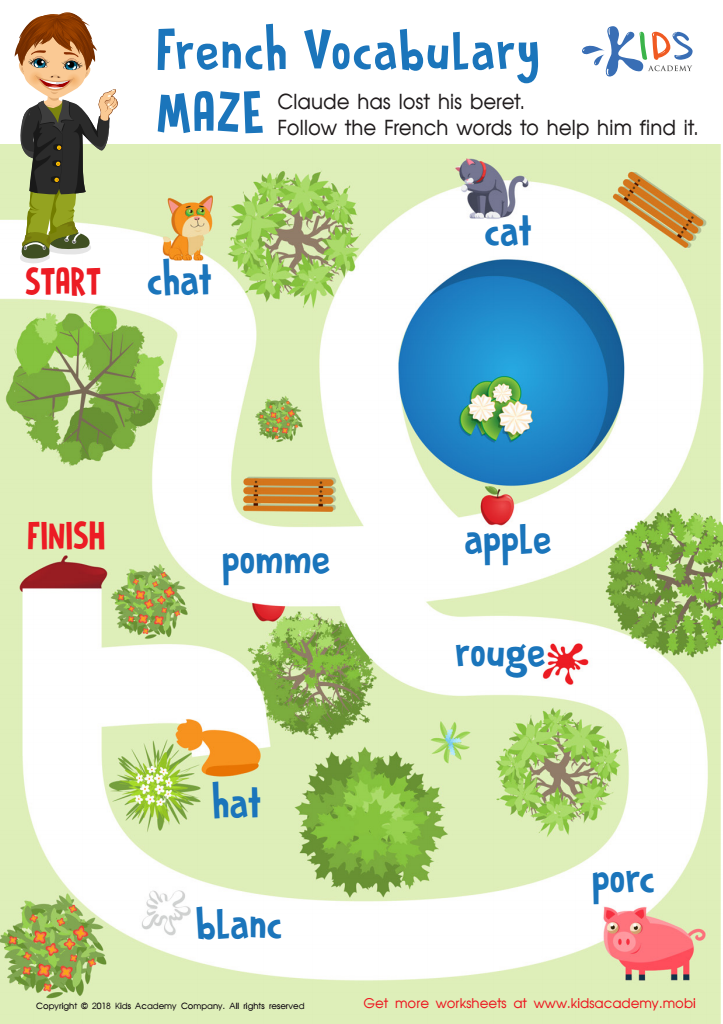
French Vocabulary Maze Worksheet
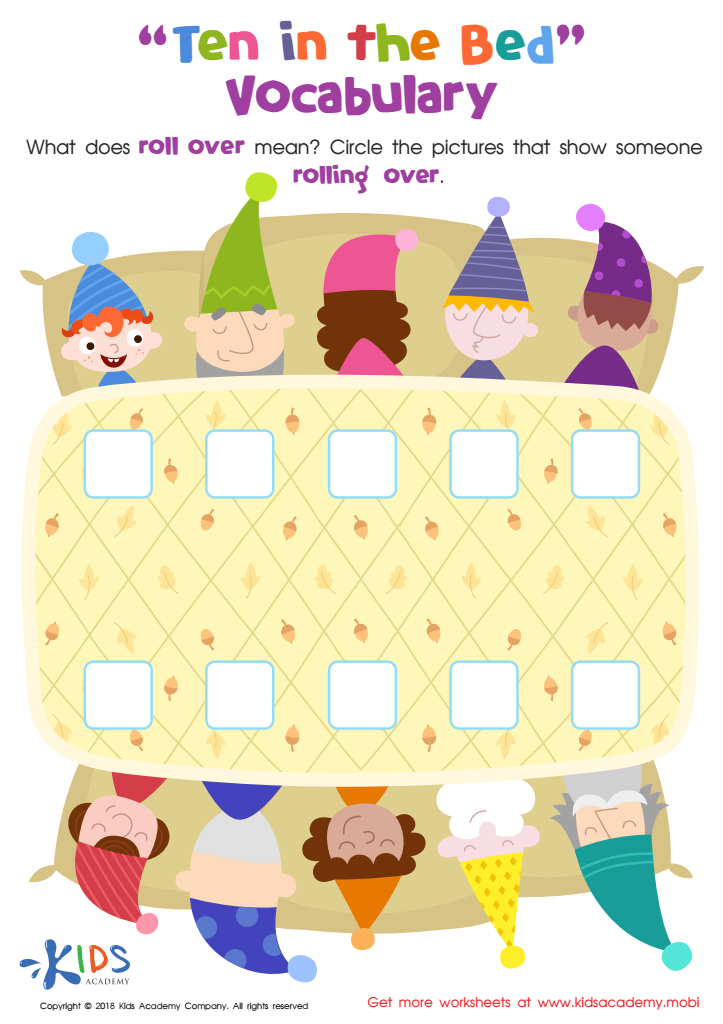
Ten in the Bed: Vocabulary Worksheet
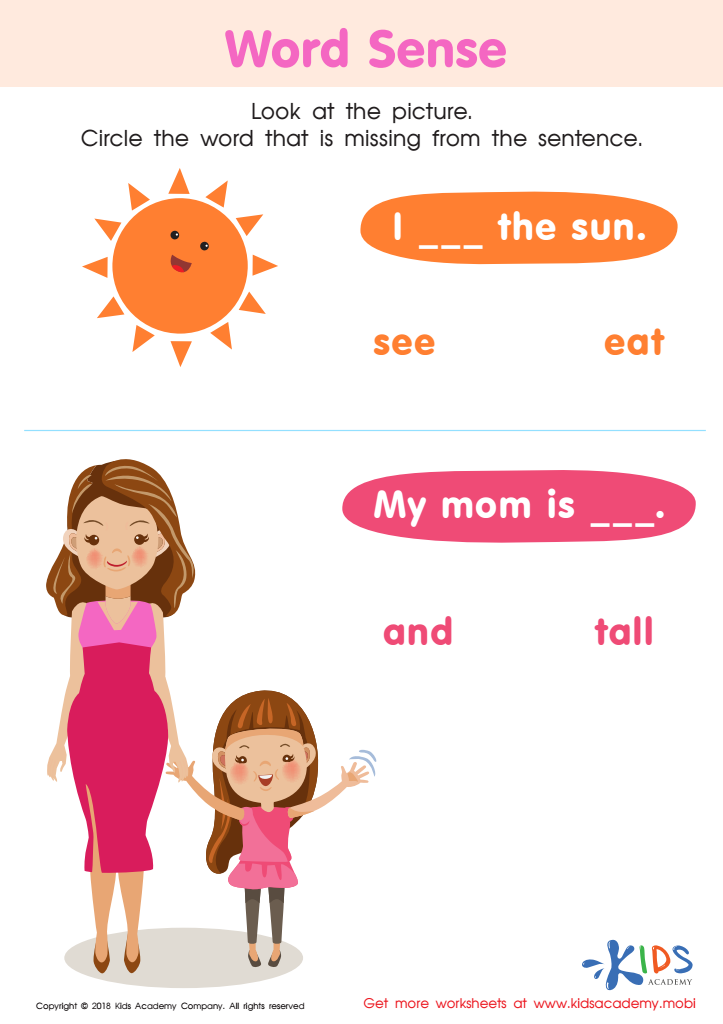
Word Sense Worksheet
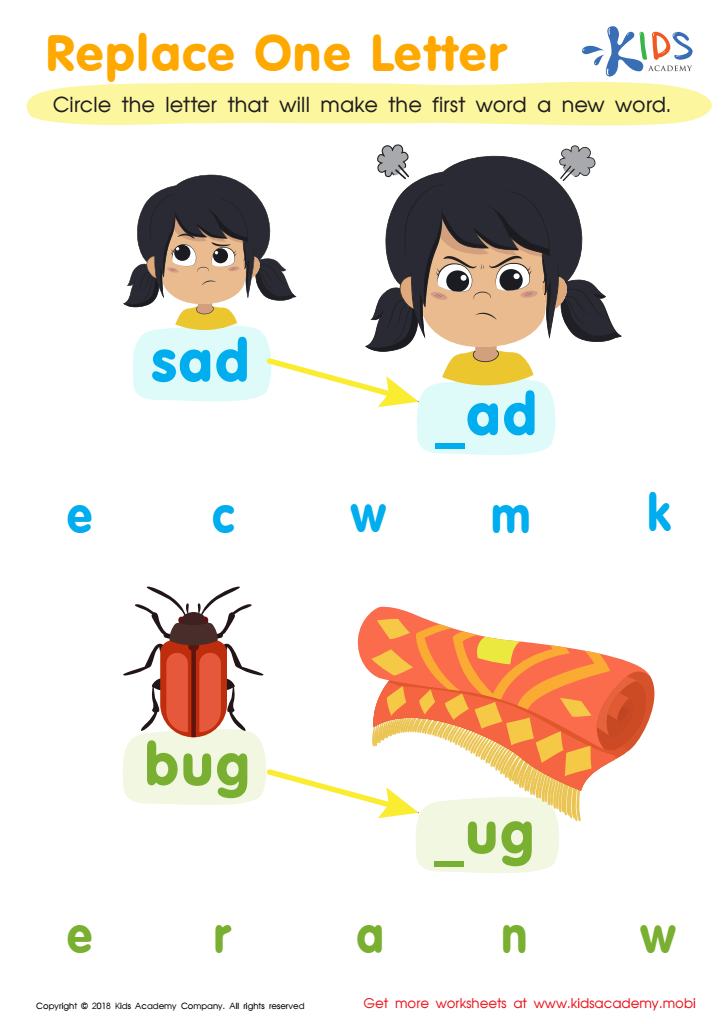
Replace One Letter Worksheet
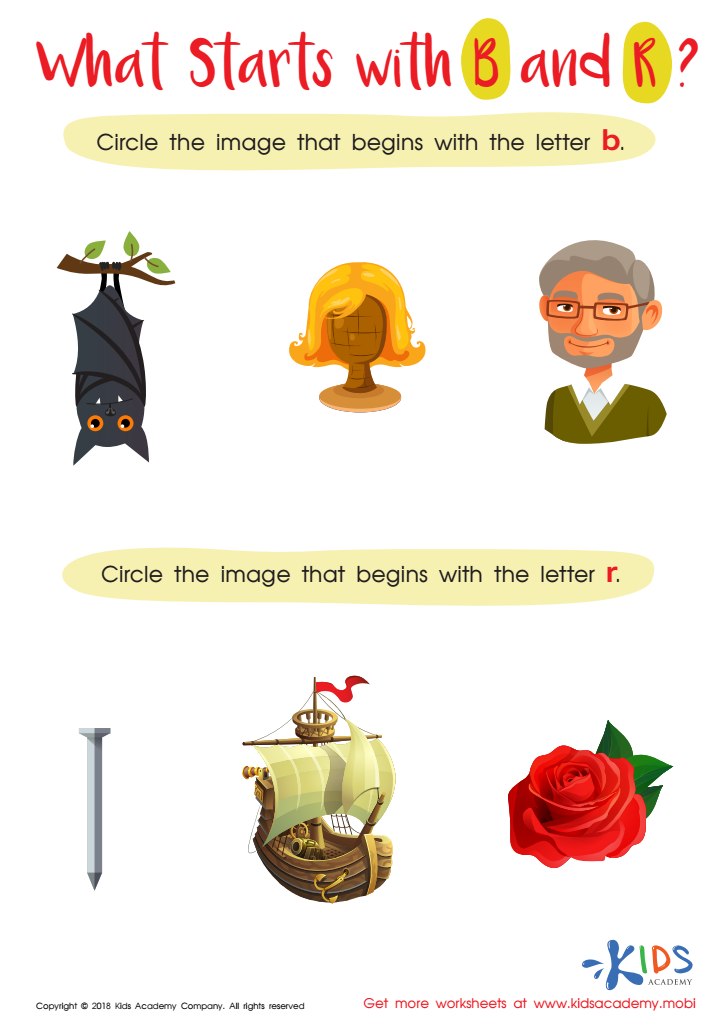
What Starts with B and R? Worksheet
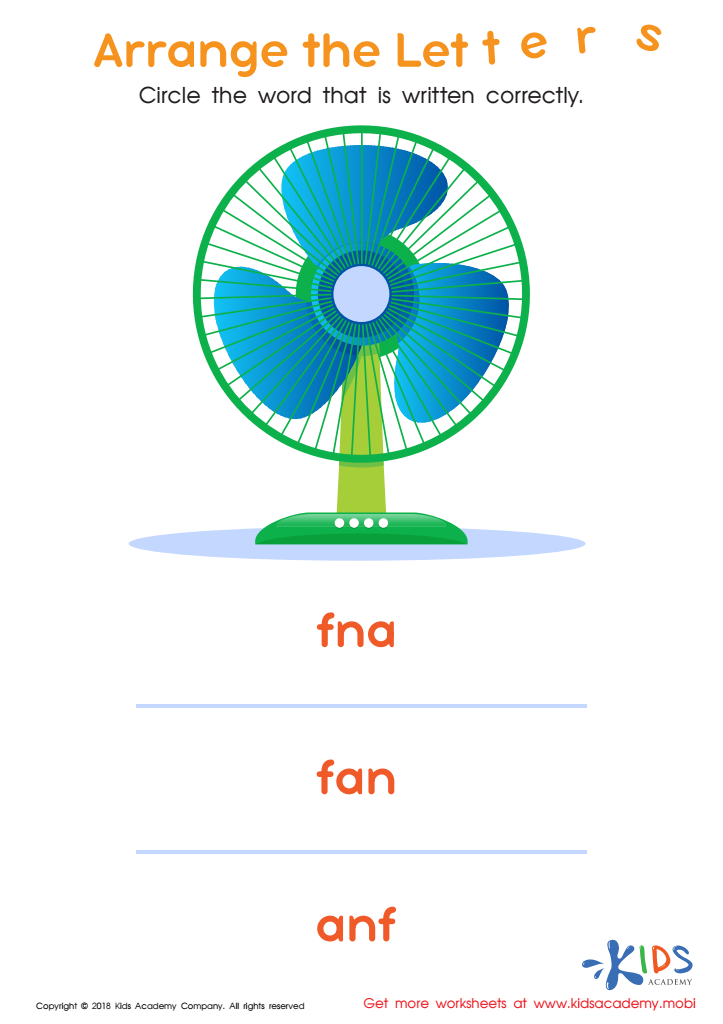
Arrange the Letters Worksheet
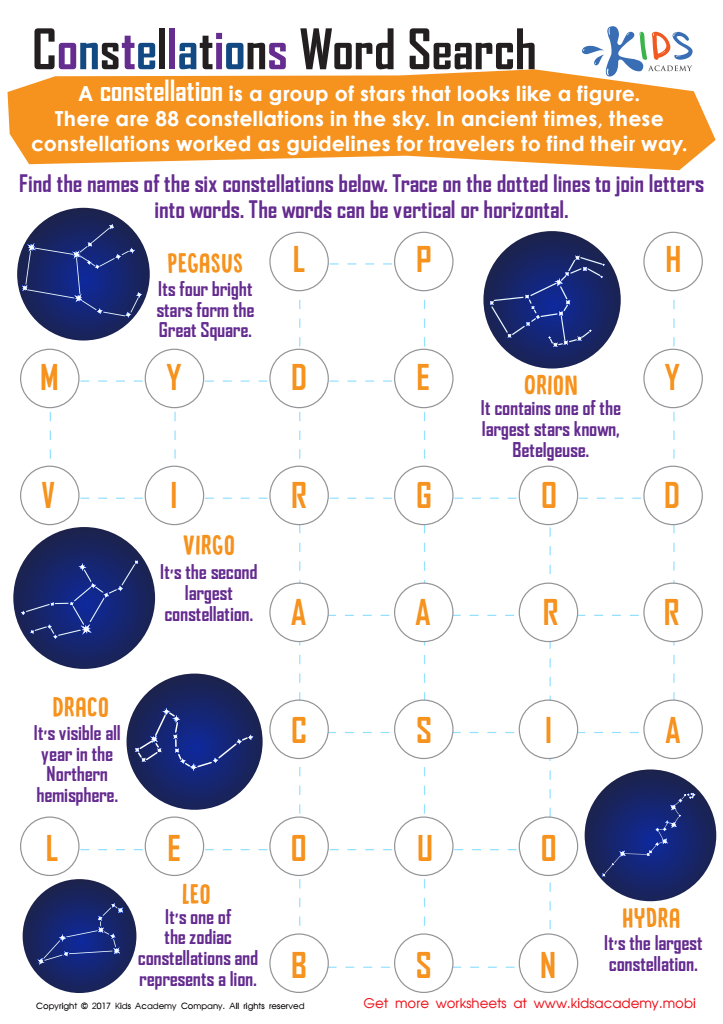
Constellations Word Search Printable
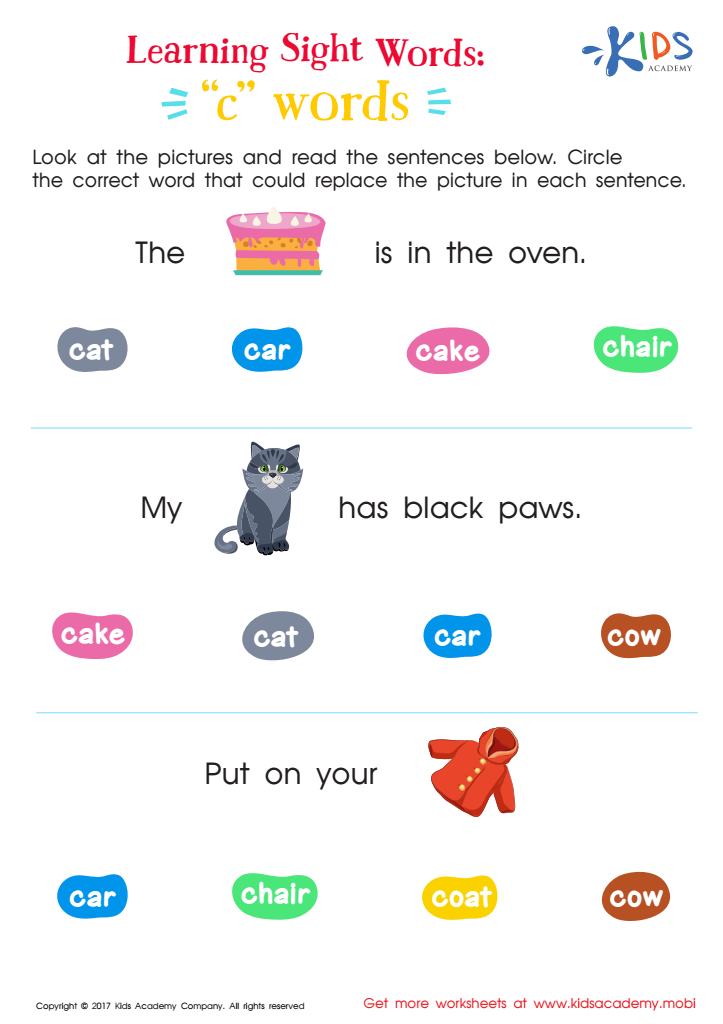
"C" Words Printable Sight Words Worksheet
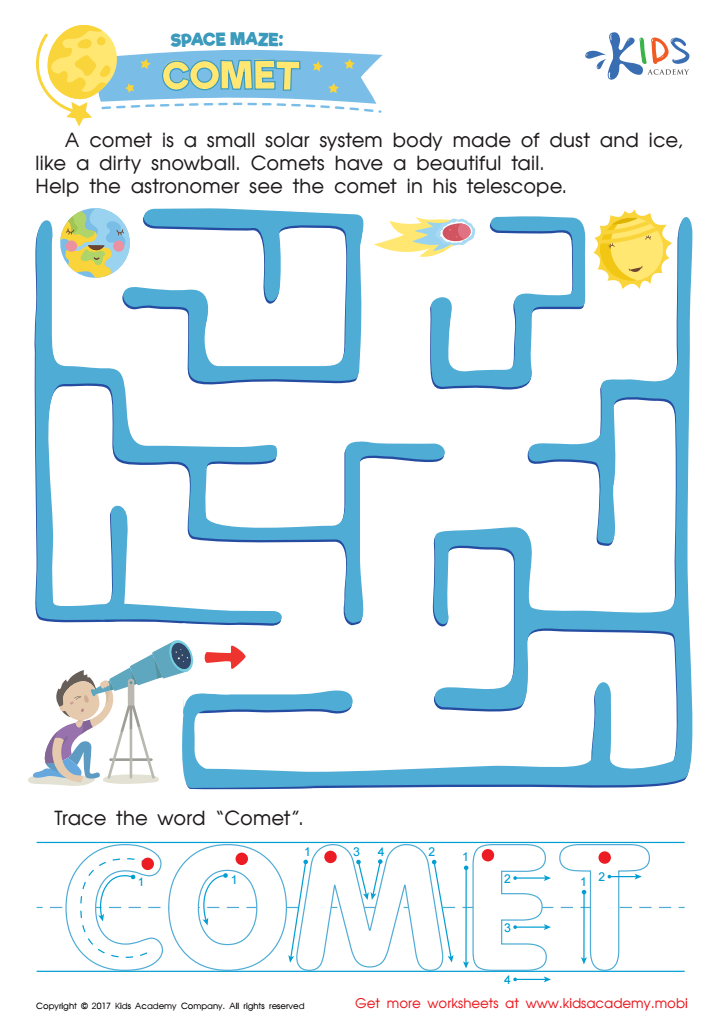




.jpg)



Building vocabulary for children aged 3-8 is crucial because it's a pivotal period for language development, with long-lasting impacts on reading, communication, and cognitive skills. Parents and teachers should care about enhancing young children's vocabulary because it forms the foundation for future learning and academic success. A rich vocabulary enables children to express themselves more clearly and effectively, enhancing their ability to engage in complex thoughts and ideas.
Early vocabulary development is closely linked to reading comprehension; children who know more words can understand what they read better. Moreover, a well-developed vocabulary supports better writing skills, critical thinking, and overall academic achievement. Socially, children with strong vocabulary skills are better at forming friendships and communicating their needs, leading to increased confidence and emotional well-being.
Introducing vocabulary-building activities and a language-rich environment early helps bridge potential educational gaps and mitigates later learning difficulties. Children with a limited vocabulary might struggle through school, reducing their opportunities for advancing to higher education and successful careers.
In summary, investing time and effort into building vocabulary for young children sets them up for academic, social, and emotional success. It’s a gift that keeps on giving as they grow, fostering lifelong learning and communication skills.