Easy Geometry Worksheets for 3-Year-Olds
4 filtered results
-
From - To
Introducing our Easy Geometry for 3-Year-Olds, a delightful collection of worksheets designed to introduce your little ones to the fascinating world of shapes and geometry. Perfectly tailored for the curious minds of toddlers, this set offers a fun and engaging way to explore basic geometric concepts through vibrant illustrations and simple activities. Whether it's recognizing circles, squares, or triangles, our worksheets make learning easy and enjoyable. Crafted with care, these worksheets are the perfect stepping stone for your 3-year-old's journey into the world of geometry, setting a strong foundation for future mathematical learning. Start this exciting educational adventure today!
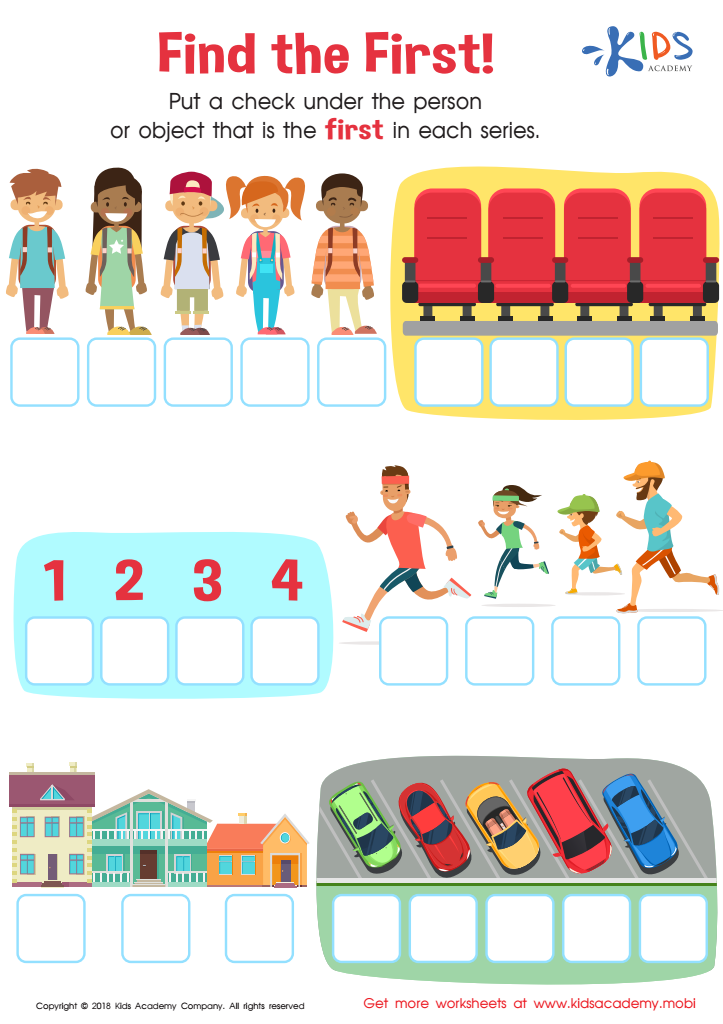
Find the First! Worksheet
 Assign to My Students











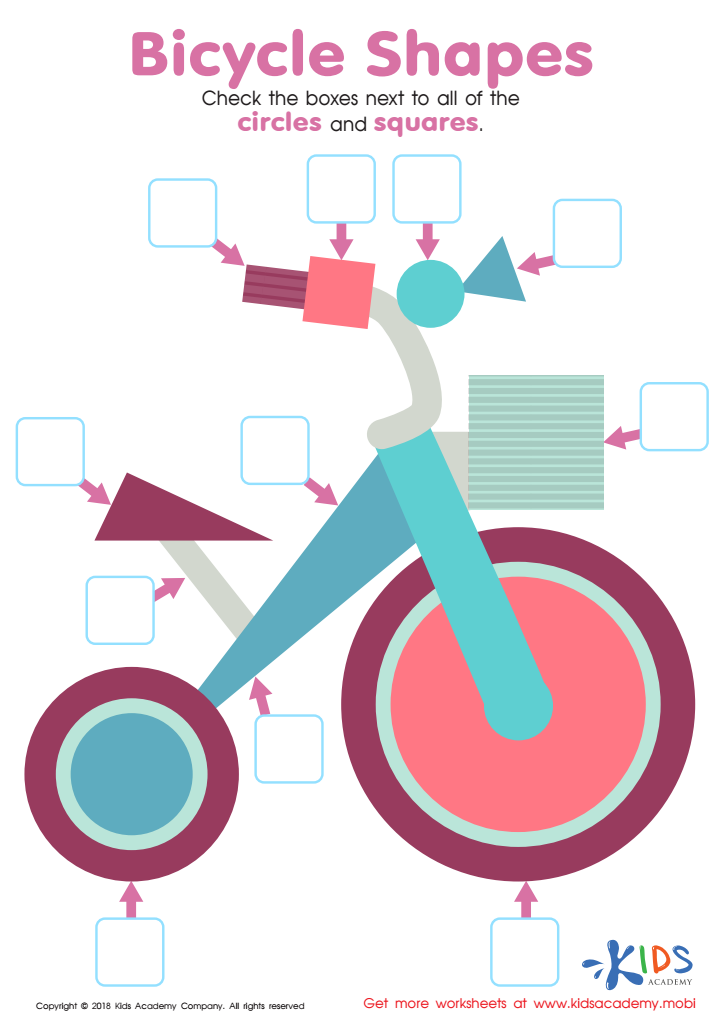
Bicycle Shapes Worksheet
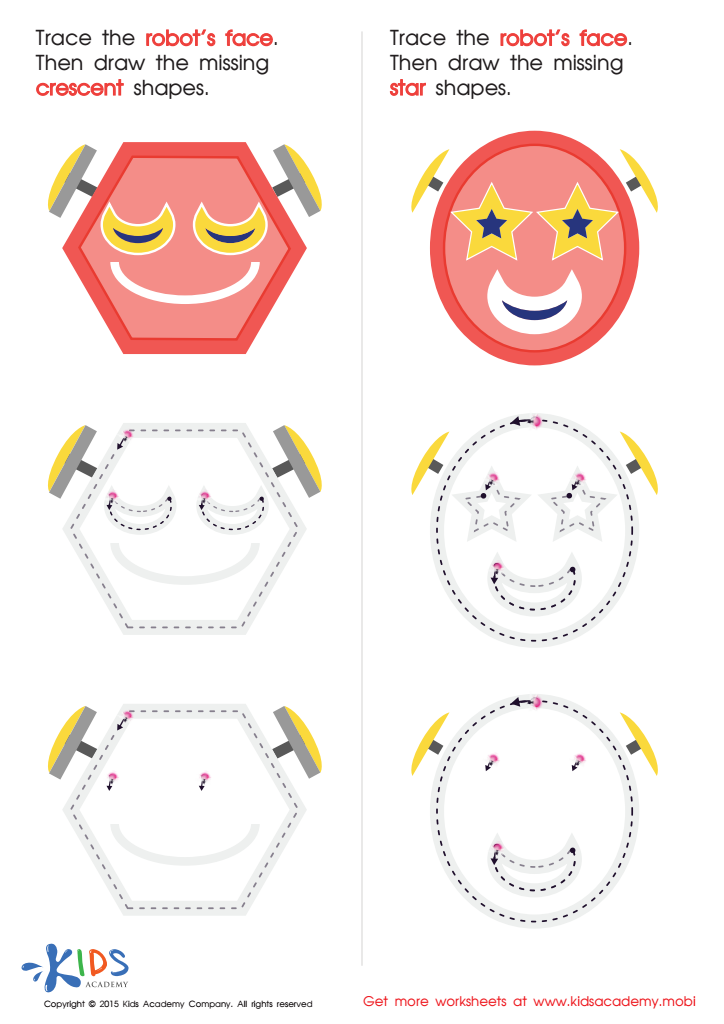
Composing a Robot's Face of Crescents And Stars Worksheet
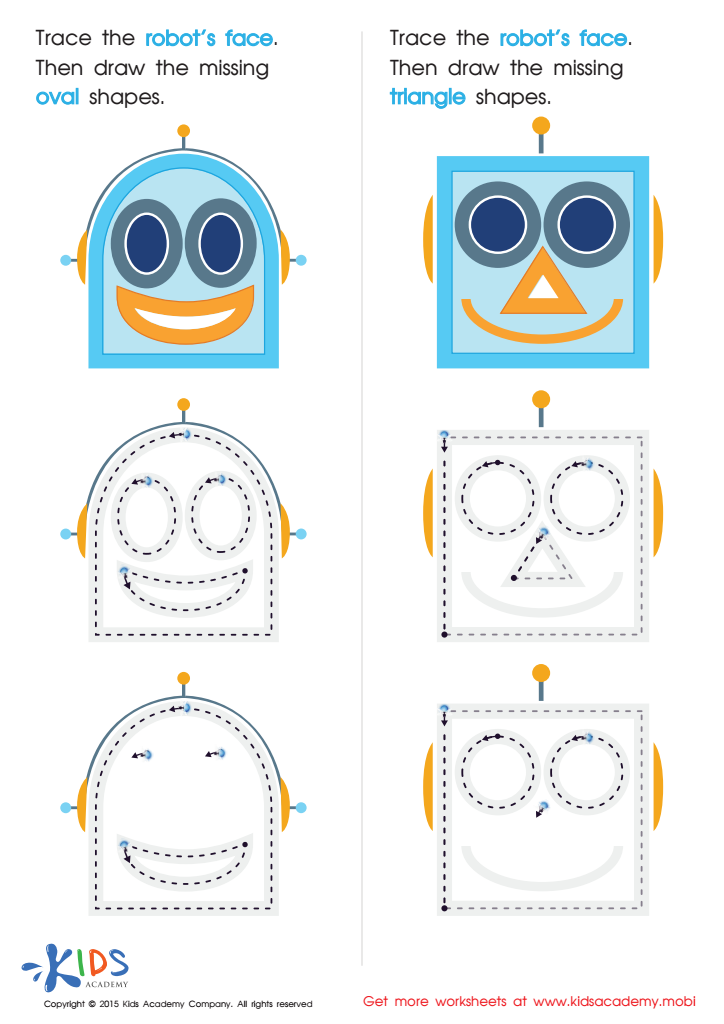
Drawing Ovals And Triangles with Fun Printable








Easy Geometry for 3-Year-Olds through engaging worksheets is a fantastic way to introduce young learners to the fascinating world of shapes and spatial reasoning. At such a formative age, children are naturally curious and eager to explore the environment around them. These worksheets are designed specifically to cater to their developmental needs, making learning both fun and accessible.
Incorporating Easy Geometry for 3-Year-Olds into early education has several benefits. Firstly, it helps children recognize and name basic shapes, a fundamental skill that forms the foundation for more complex geometrical concepts in the future. Through playful activities, toddlers start to understand the properties of different shapes, such as the number of sides or corners, enhancing their observational skills.
Moreover, these worksheets promote critical thinking and problem-solving abilities from a young age. As children engage with the activities, they are encouraged to compare, sort, and match shapes, which boosts their logical reasoning skills. This early exposure to geometry also supports the development of fine motor skills as children trace, draw, and color shapes.
In summary, Easy Geometry for 3-Year-Olds through worksheets is an invaluable tool in early childhood education. It not only lays a solid groundwork for future mathematical learning but also nurtures a child’s natural curiosity and desire to learn, making it a pivotal addition to their learning journey.








