Easy Measurement Worksheets for Ages 4-9 - Page 2
43 filtered results
-
From - To
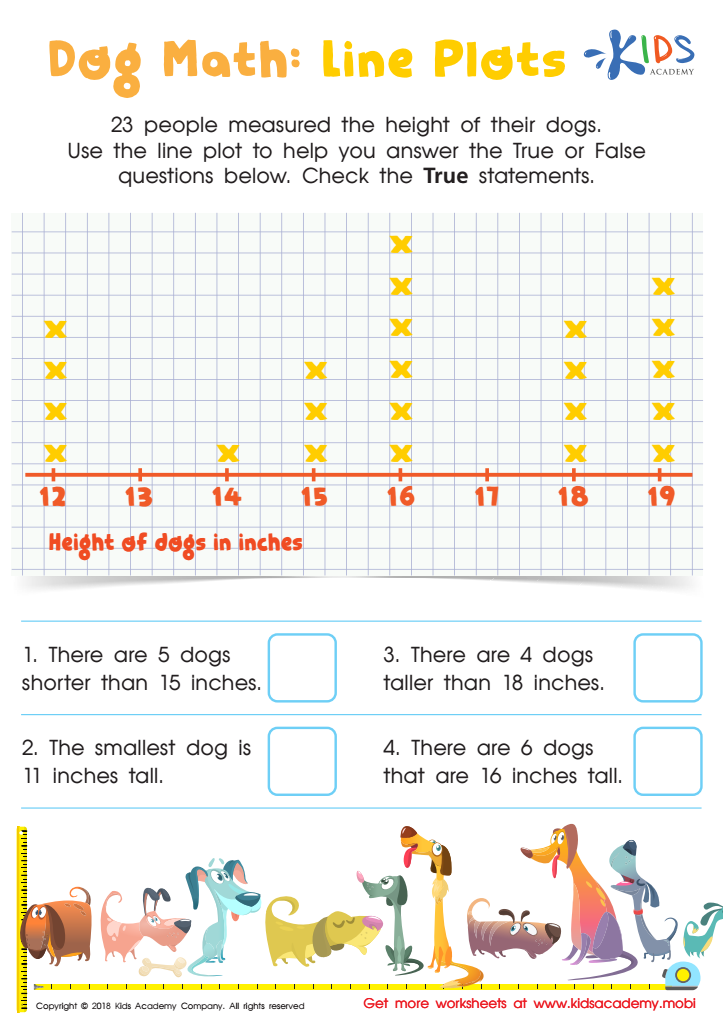
Dog Math: Line Plots Worksheet
 Assign to My Students
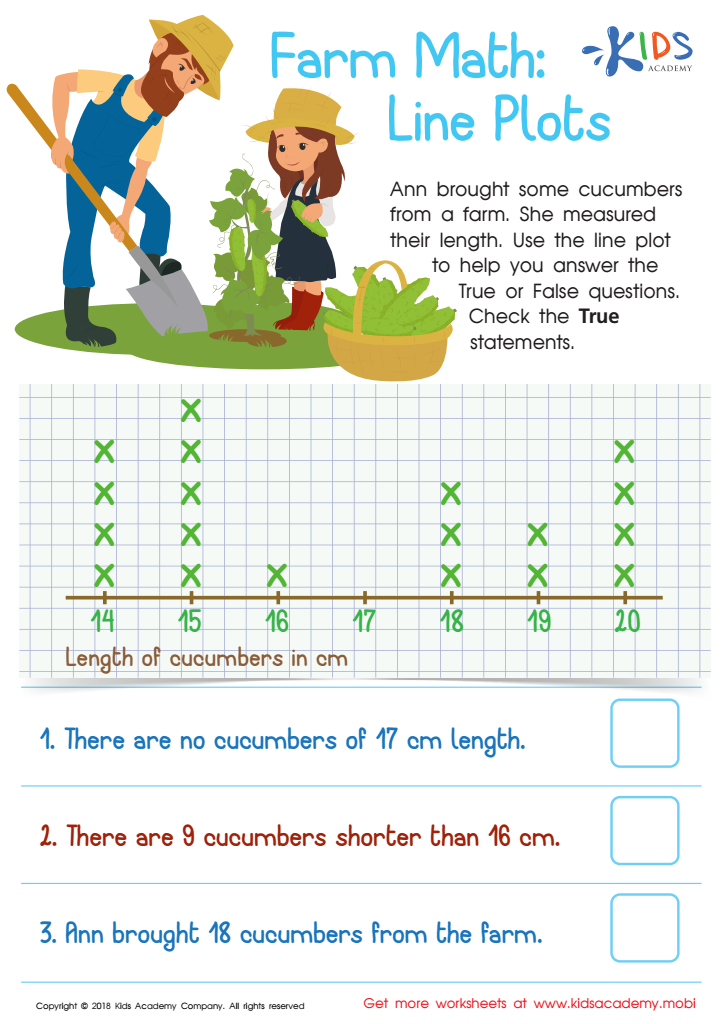
Farm Math: Line Plots Worksheet
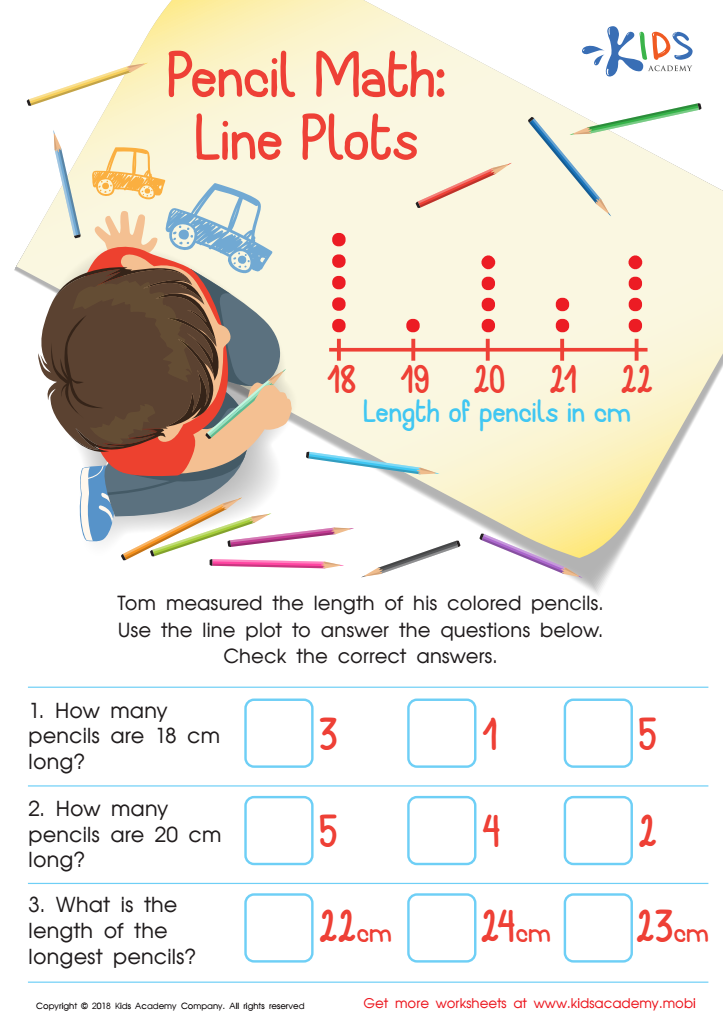
Pencil Math: Line Plots Worksheet
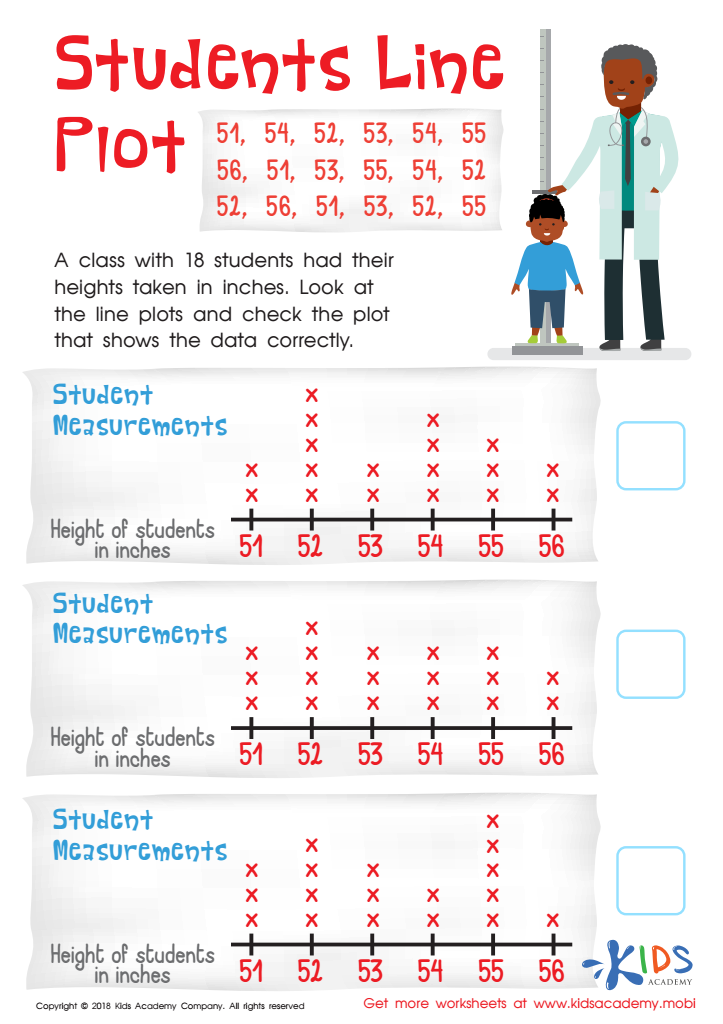
Students Line Plot Worksheet
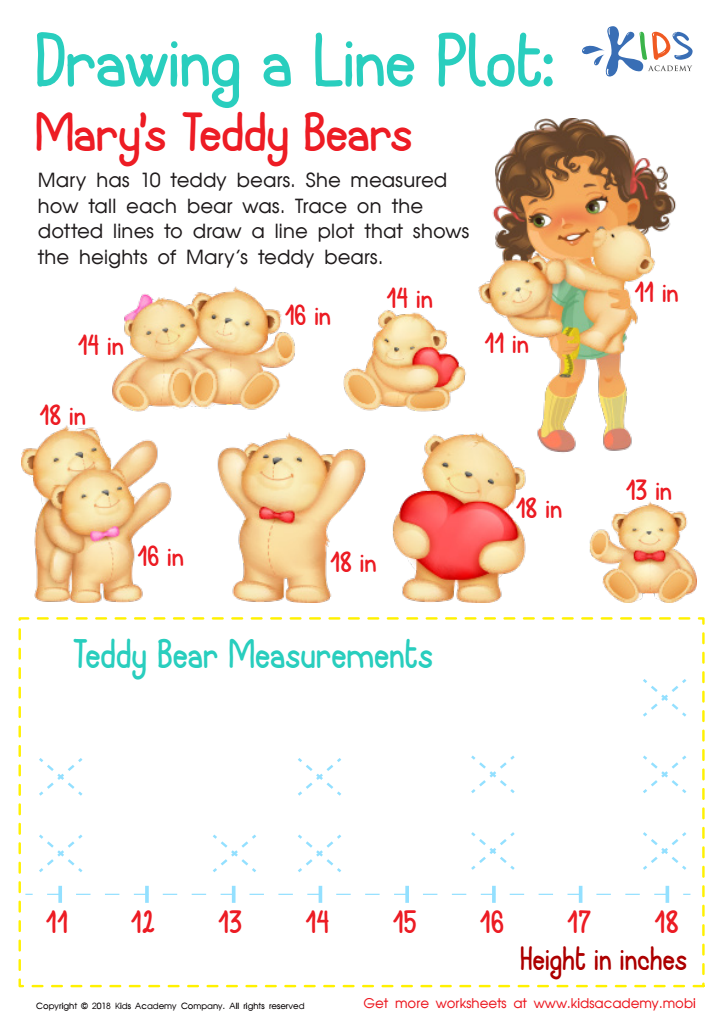
Drawing and Line Plot: Mary's Teddy Bears Worksheet
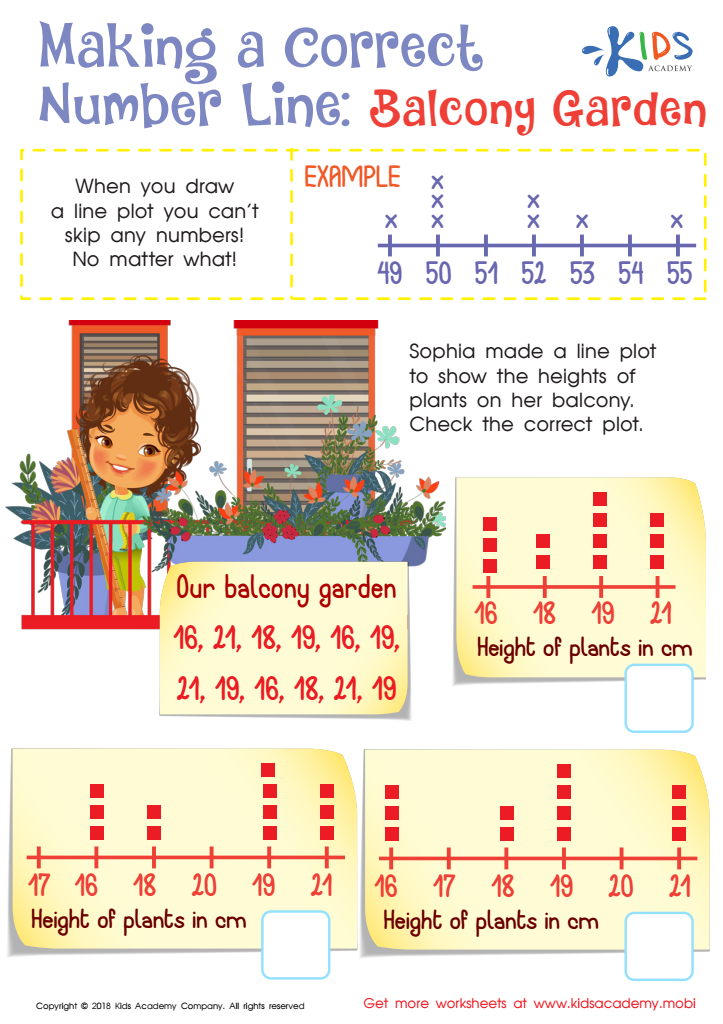
Making a Correct Number Line: Balcony Garden Worksheet
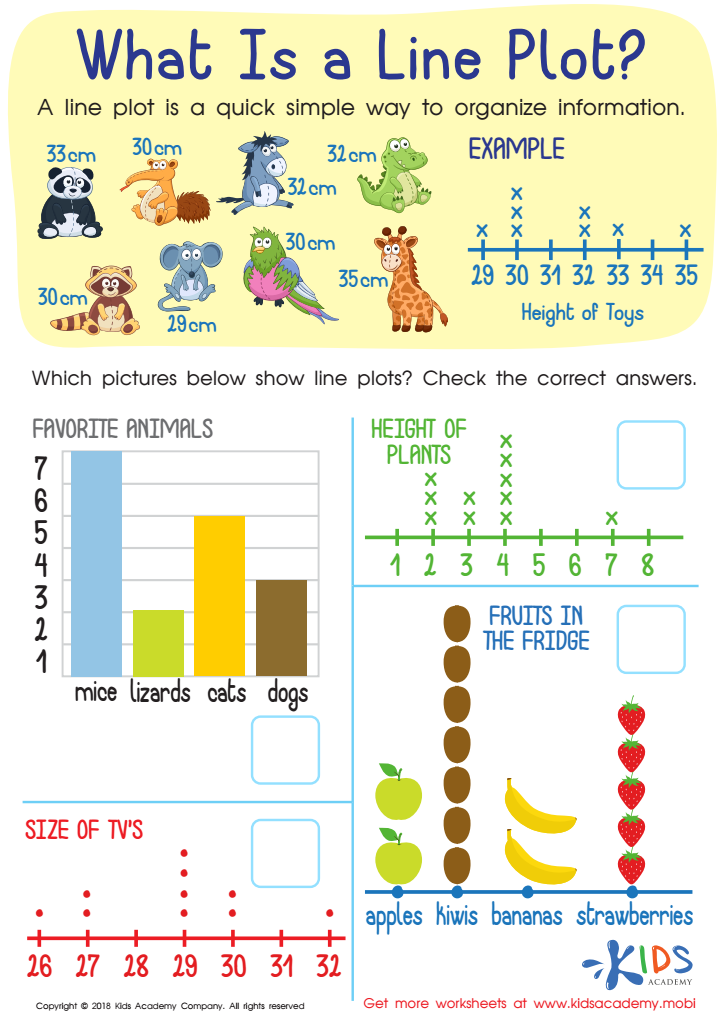
What Is a Line Plot? Worksheet
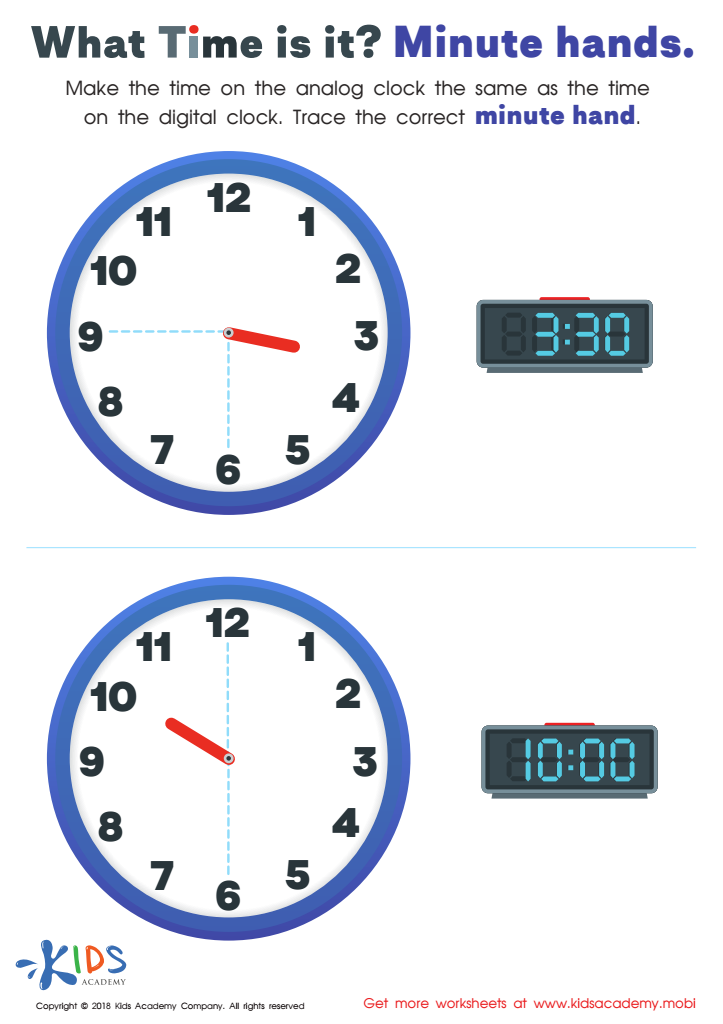
What Time Is it? Minute Hands Worksheet
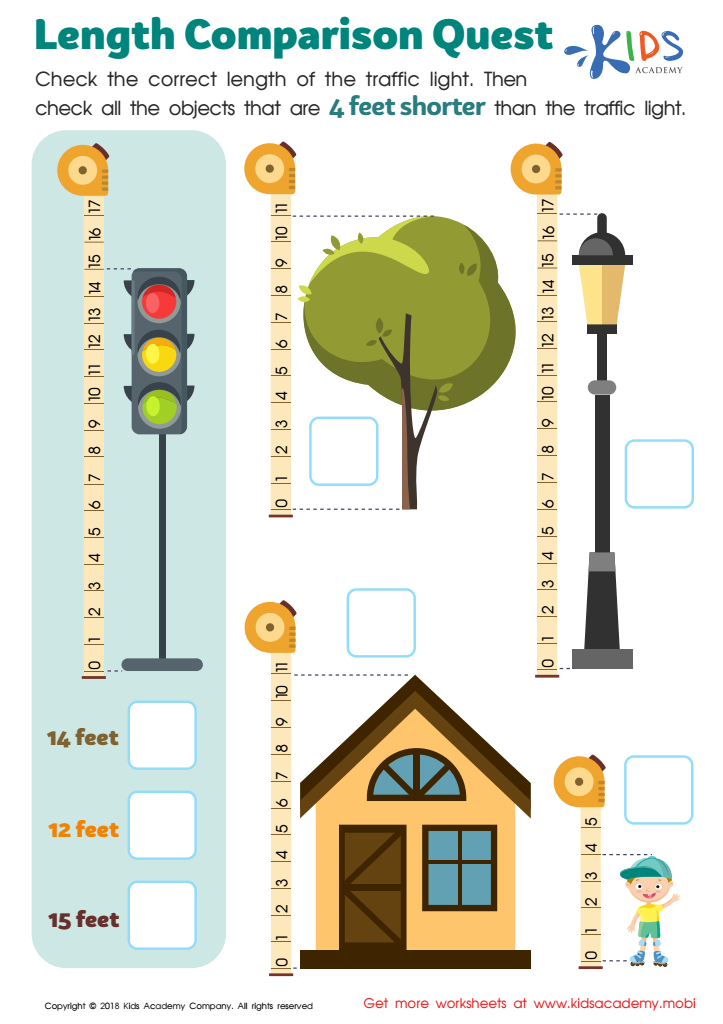
Length Comparison Quest Worksheet
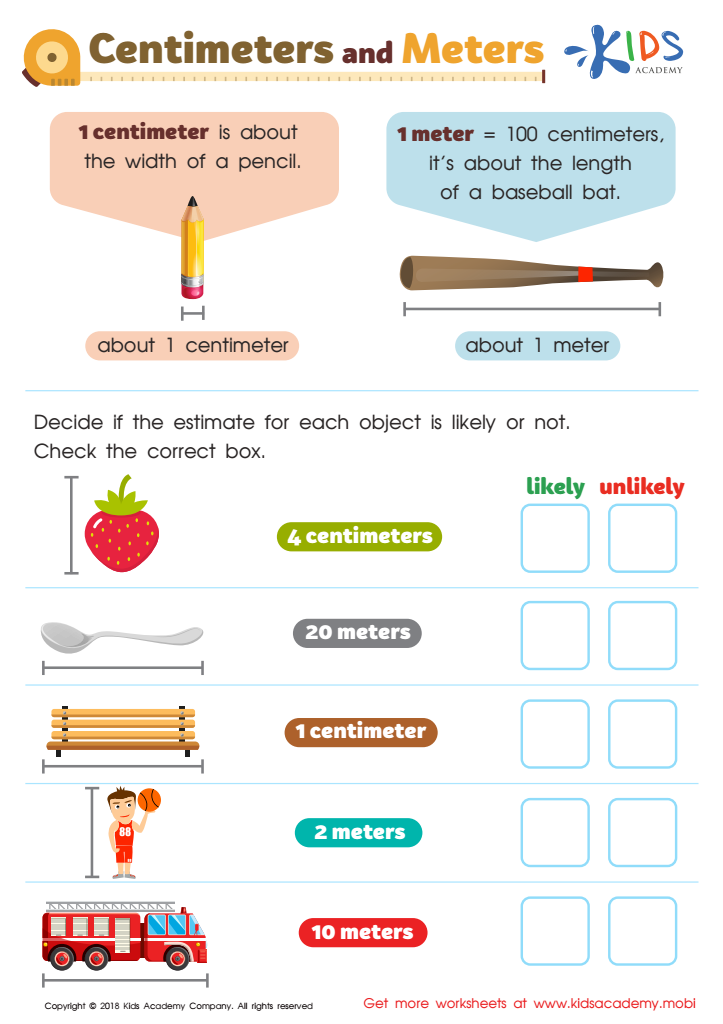
Centimeters and Meters Worksheet
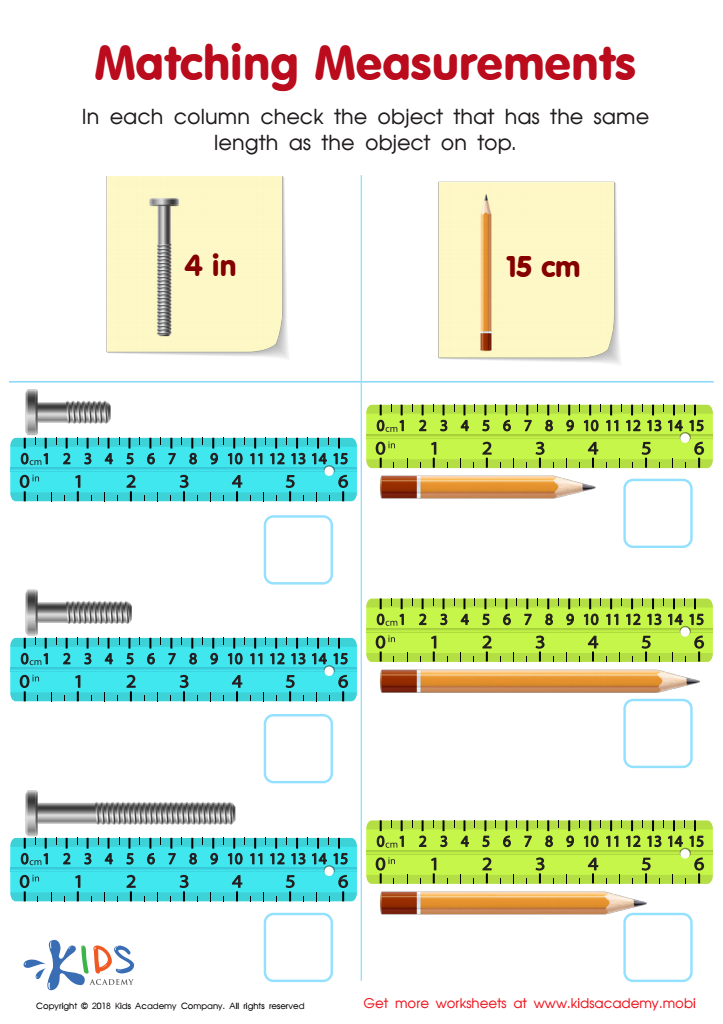
Matching Measurements Worksheet
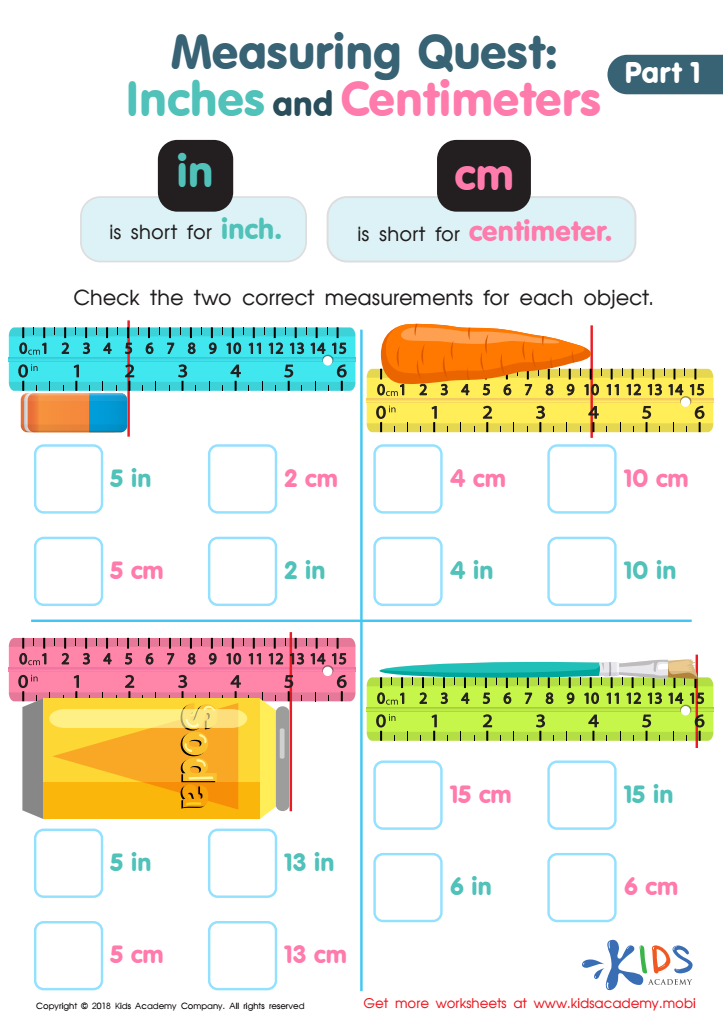
Measuring Quest: Inches and Centimeters Worksheet
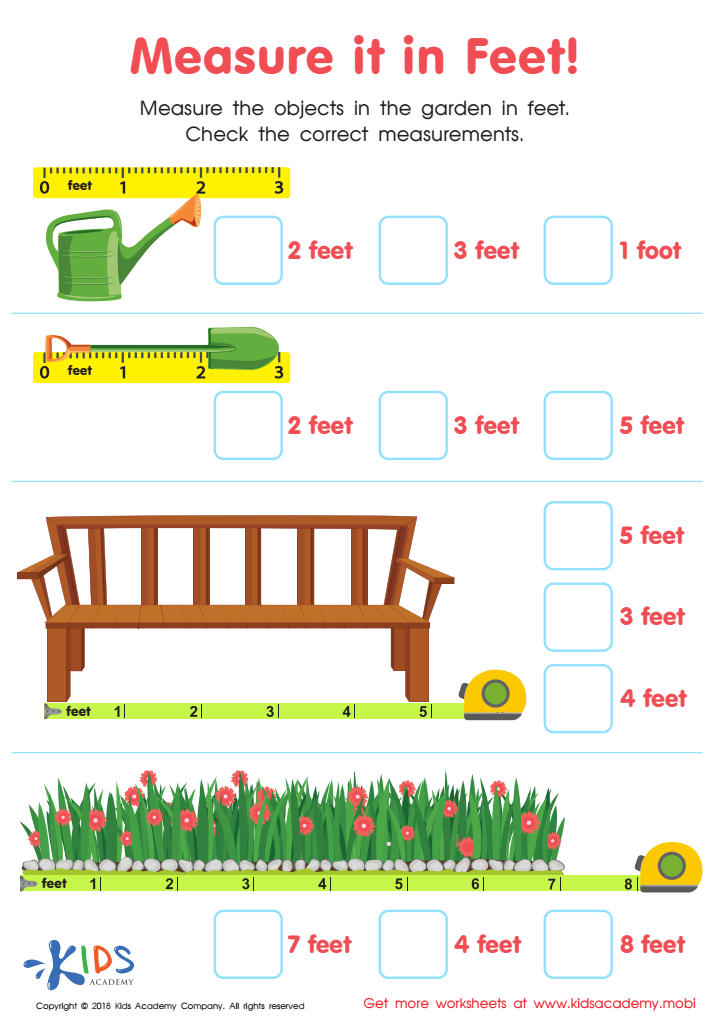
Measure it in Feet Worksheet
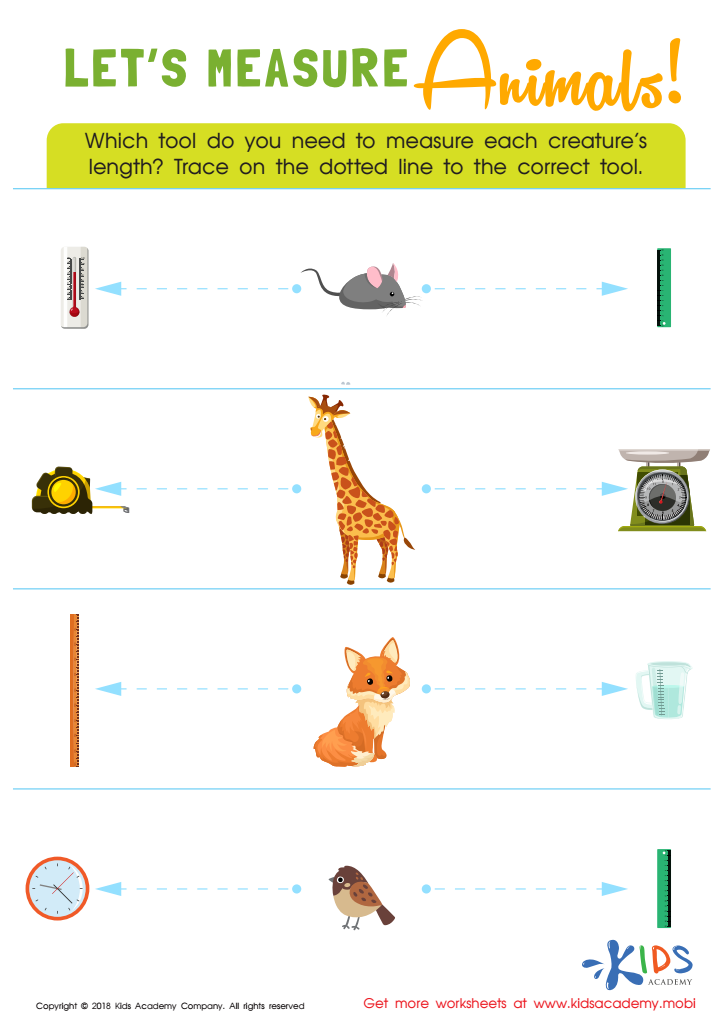
Let's Measure Animals! Worksheet
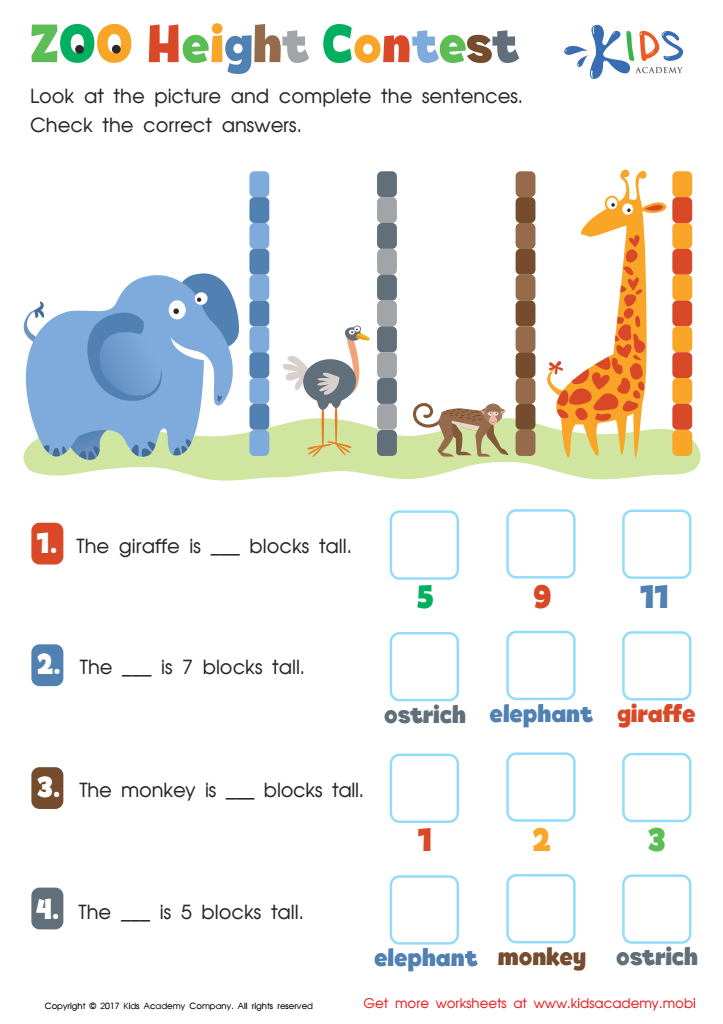
Zoo Height Contest Worksheet
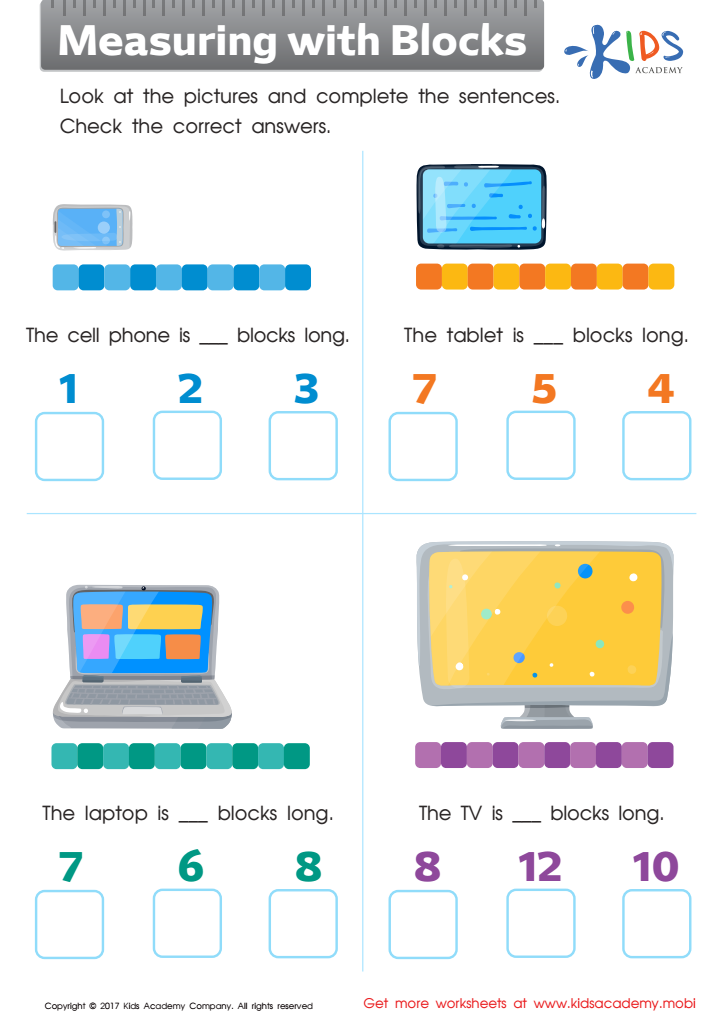
Measuring with Blocks Worksheet
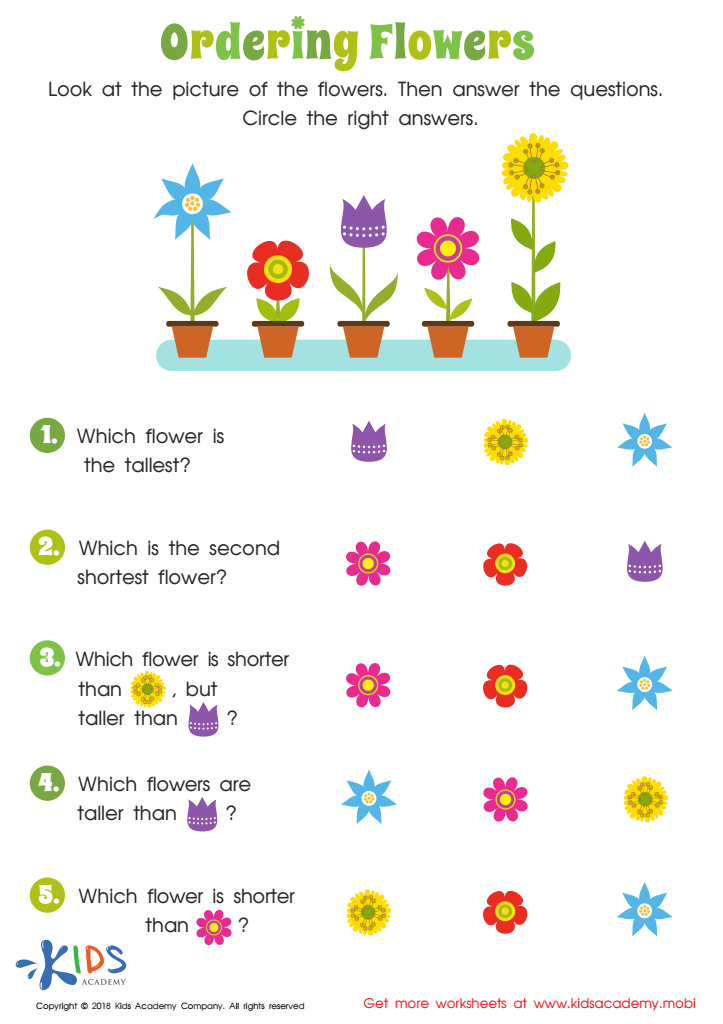
Ordering Flowers Worksheet
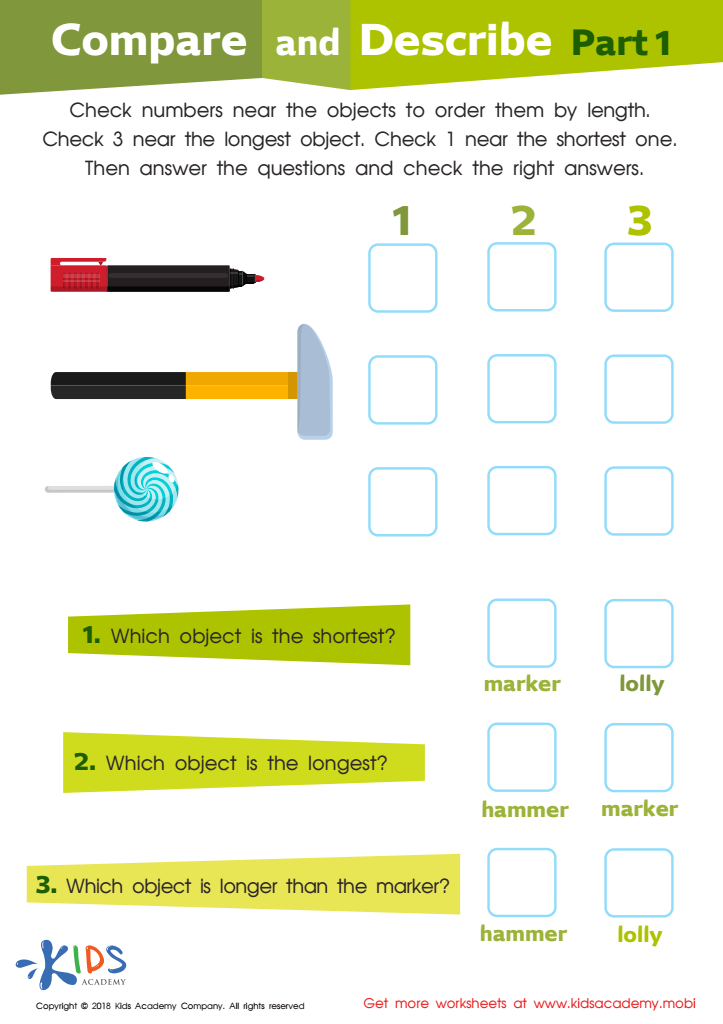
Compare and Describe: Part 1 Worksheet
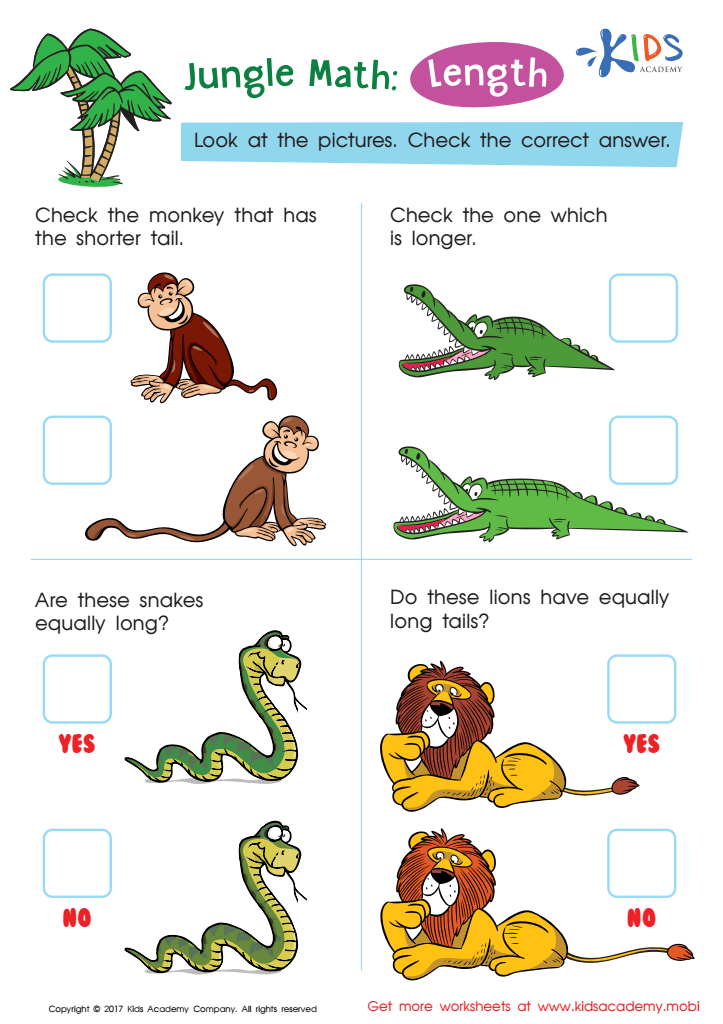
Which One Is Longer - Length Worksheet








Parents and teachers should care about easy measurement for ages 4 to 9 because it lays a crucial foundation for early math skills and overall cognitive development. Measurement activities enhance young children's understanding of various physical quantities—length, weight, volume, and time—which are fundamental concepts in both academic and everyday contexts.
First, measurement connects abstract mathematical ideas with tangible real-world scenarios, making learning relevant and engaging. By using relatable objects like toys, food items, and household items, children can better grasp concepts such as big versus small, heavy versus light, and longer versus shorter in a fun and interactive manner.
Second, measurement tasks foster critical problem-solving and reasoning skills. As children compare, estimate, and quantify objects, they develop analytical thinking and improve their ability to make informed decisions. These skills are not just academic; they are life skills that will benefit children throughout their lives.
Additionally, measurement activities support the development of fine motor skills and hand-eye coordination. Handling rulers, measuring cups, and scales helps improve manual dexterity, which is crucial for other daily tasks and writing skills.
Finally, early exposure to measurement concepts sets a strong groundwork for future STEM learning. Appreciating and understanding measurements can spark a lifelong interest in science, technology, engineering, and mathematics, areas essential for the evolving job market. By fostering these skills early on, parents and teachers equip children with the tools needed for academic success and beyond.