Engaging Science Worksheets for Kids Aged 5-6: Discovering Plants and Animals Through Fun Activities
11 filtered results
-
From - To
Introducing our Easy Plants and Animals Worksheets, specially designed for curious young minds aged 5-6! Spark your child's fascination with the natural world through our engaging, age-appropriate activities. These worksheets blend fun and learning, covering basic concepts about plants and animals in an easy-to-understand format. Perfect for kindergarten and first-grade students, our worksheets encourage exploration and discovery, helping children build a strong foundation in science. With colorful illustrations and simple instructions, our Easy Plants and Animals Worksheets for Ages 5-6 are the ideal resource for nurturing your child's early learning journey. Join us in fostering a love for nature in the hearts of young learners!
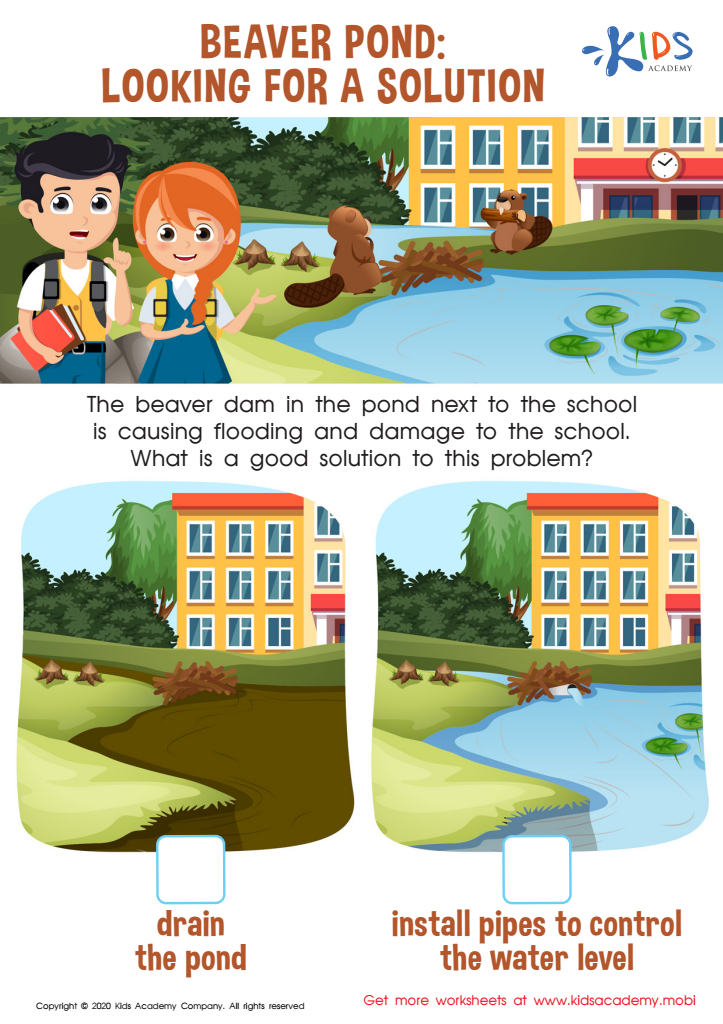
Beaver Pond: Looking for a Solution Worksheet
 Assign to My Students











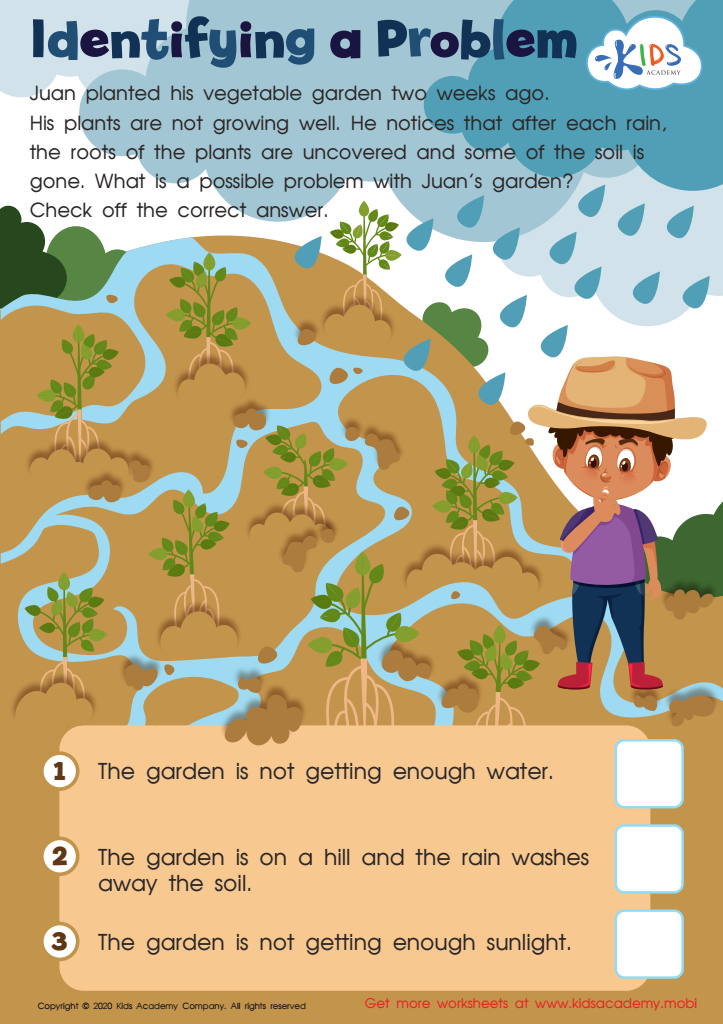
Identifying a Problem Worksheet
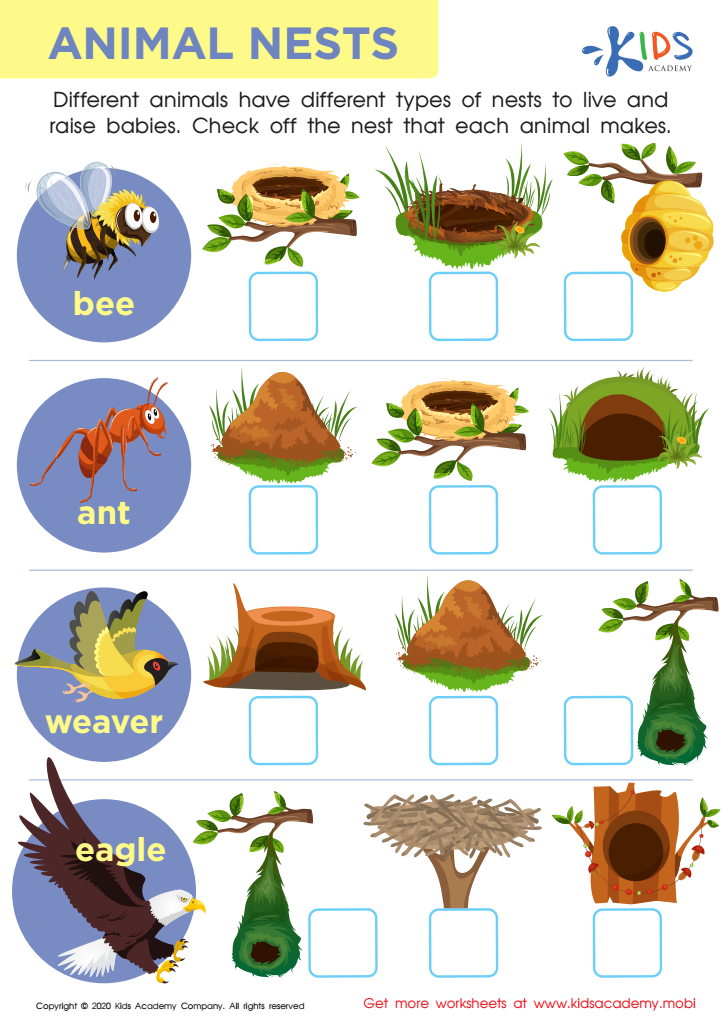
Animal Nests Worksheet
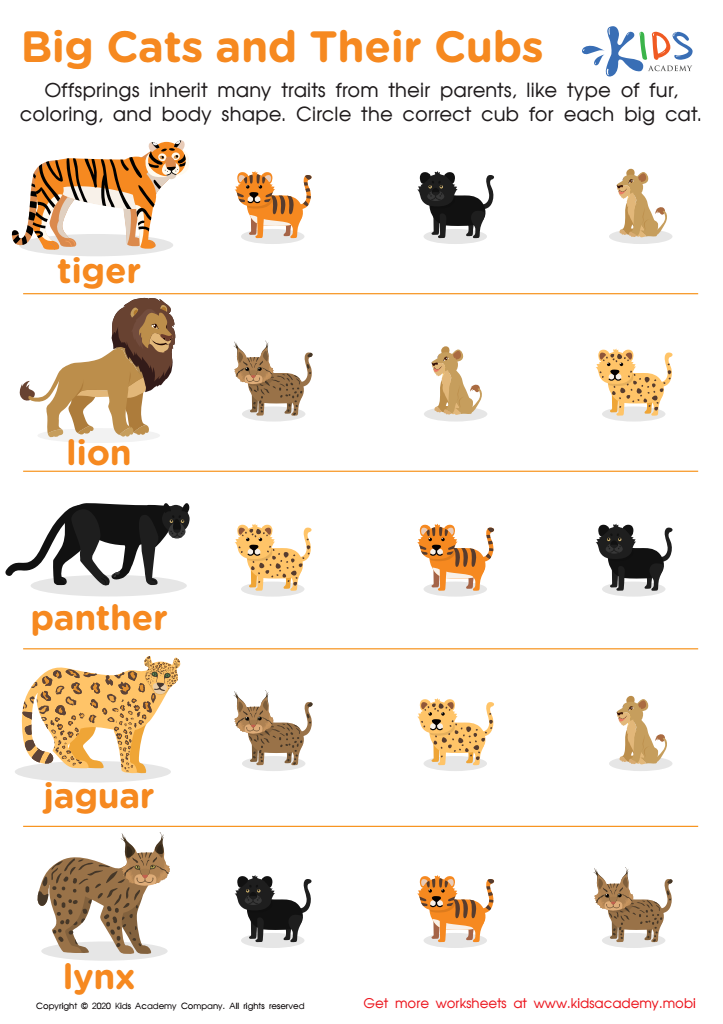
Big Cats and Their Cubs Worksheet
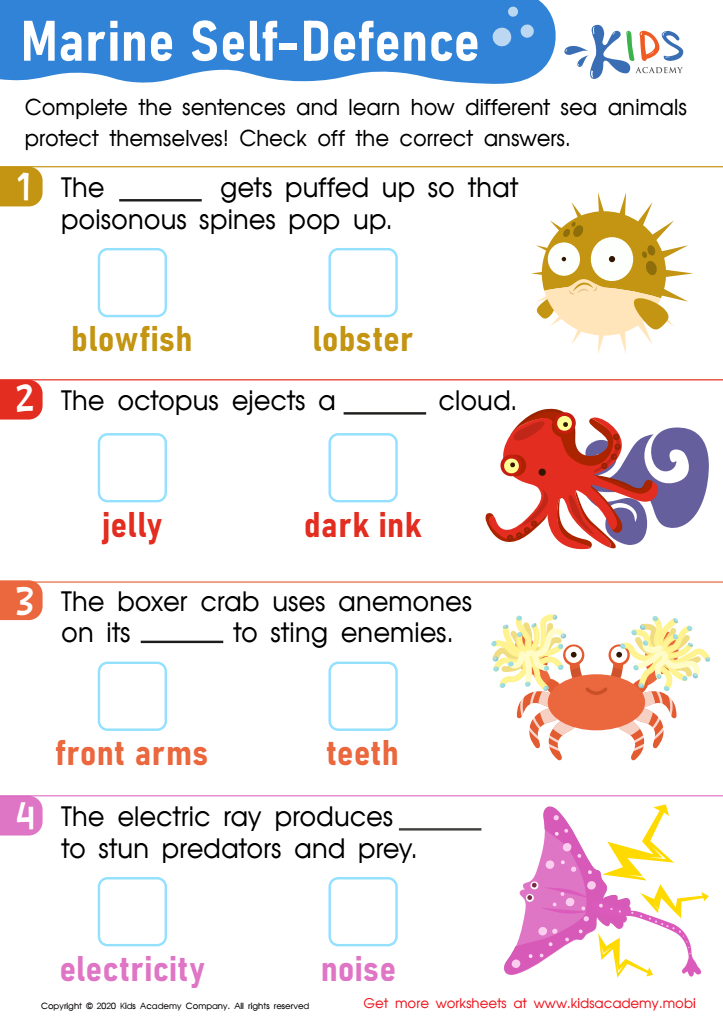
Marine Self-Defence Worksheet
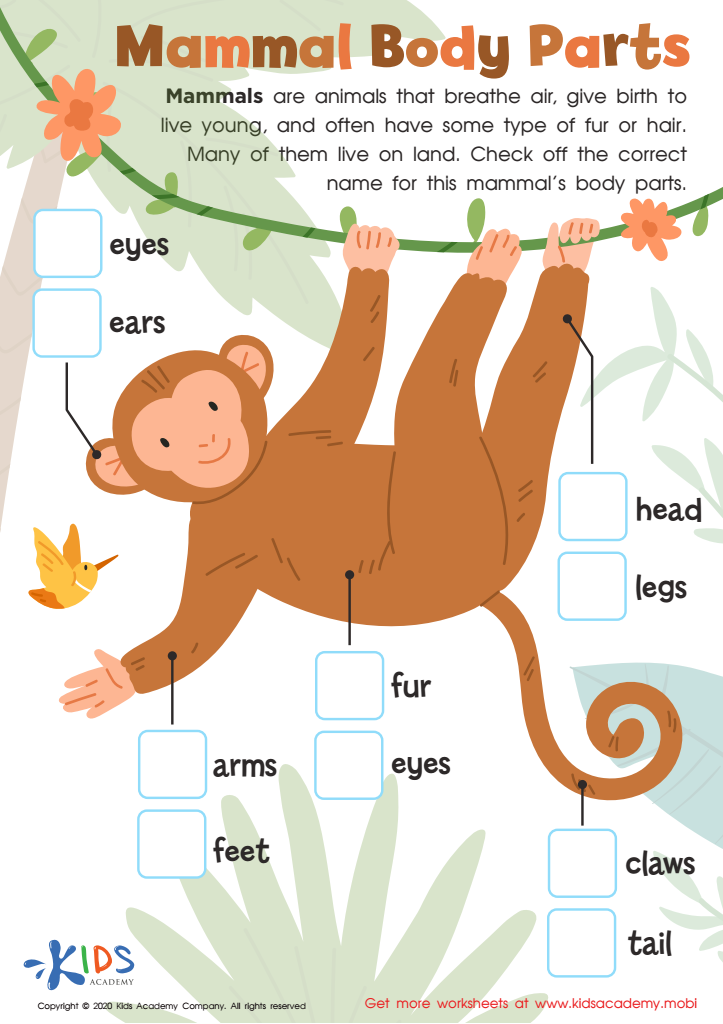
Mammal Body Parts Worksheet
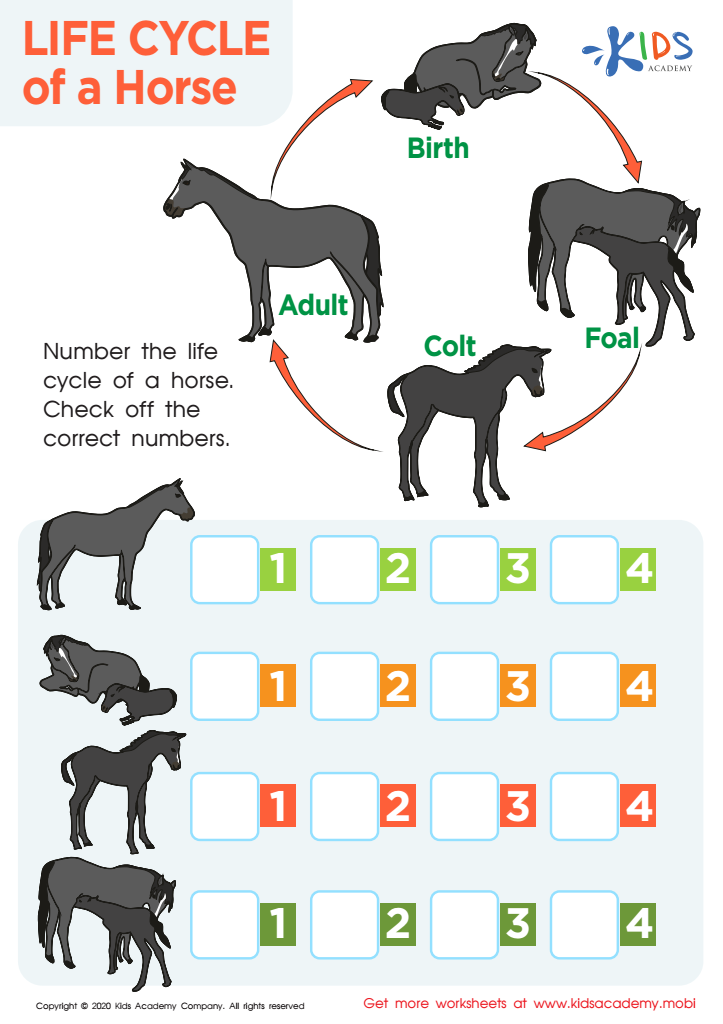
Life Cycle of a Horse Worksheet
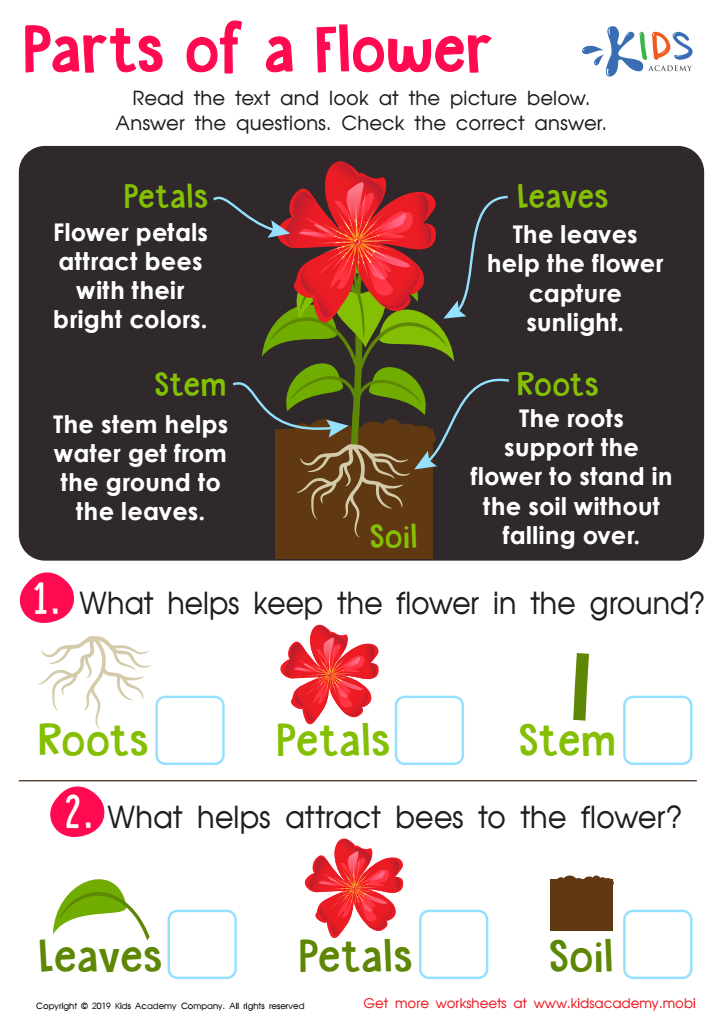
Parts of Flower Worksheet
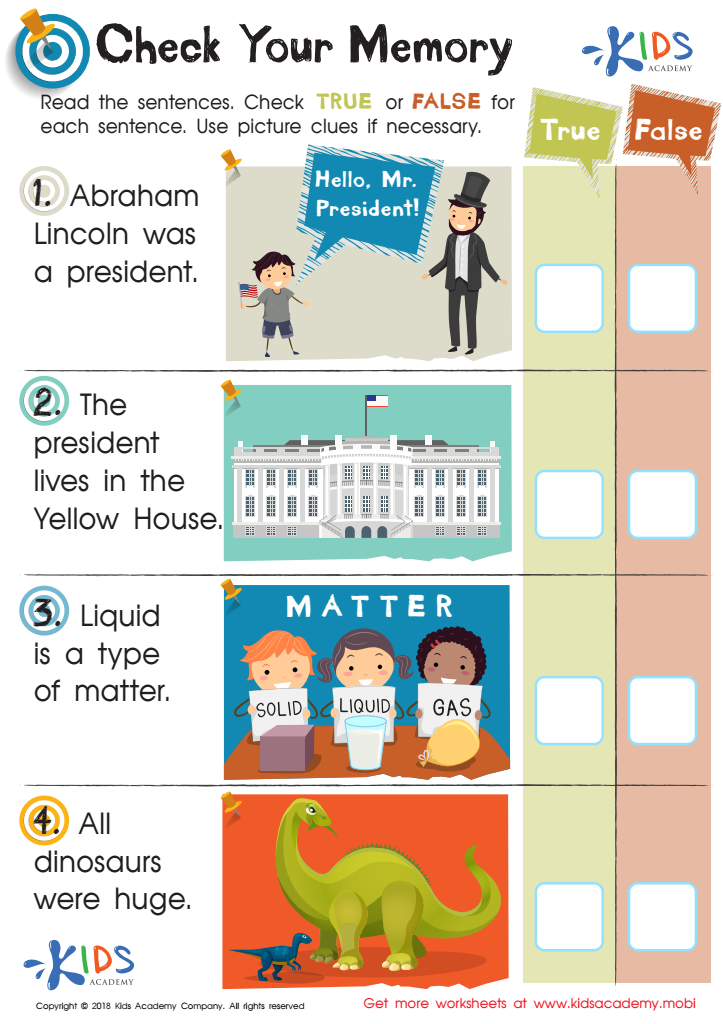
Check Memory Worksheet
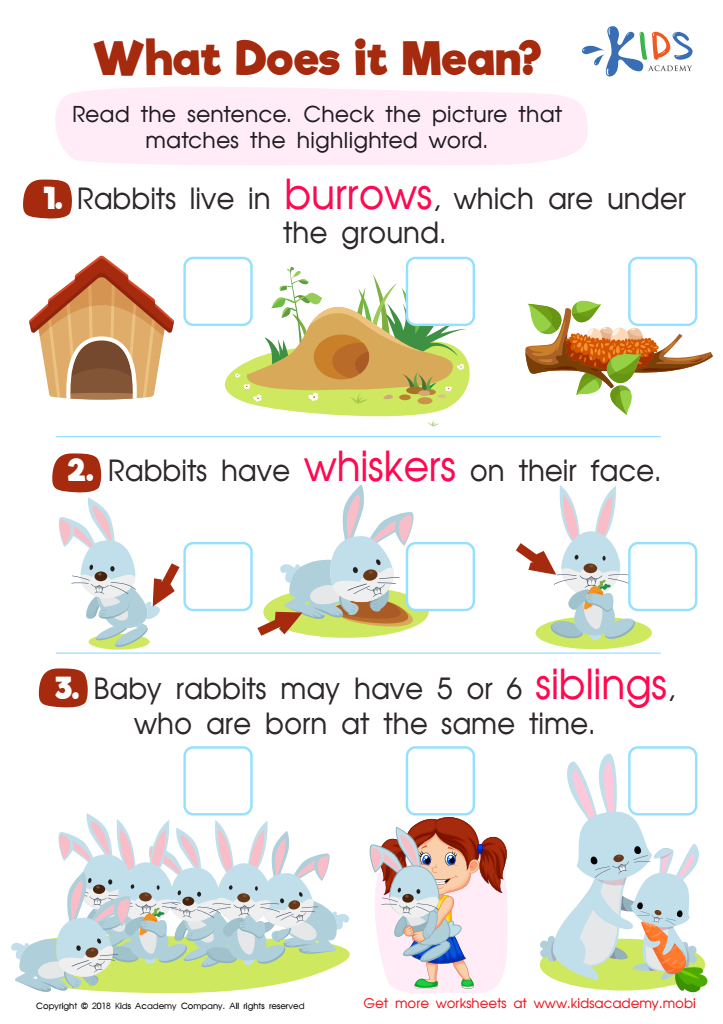
What Does It Mean? Worksheet
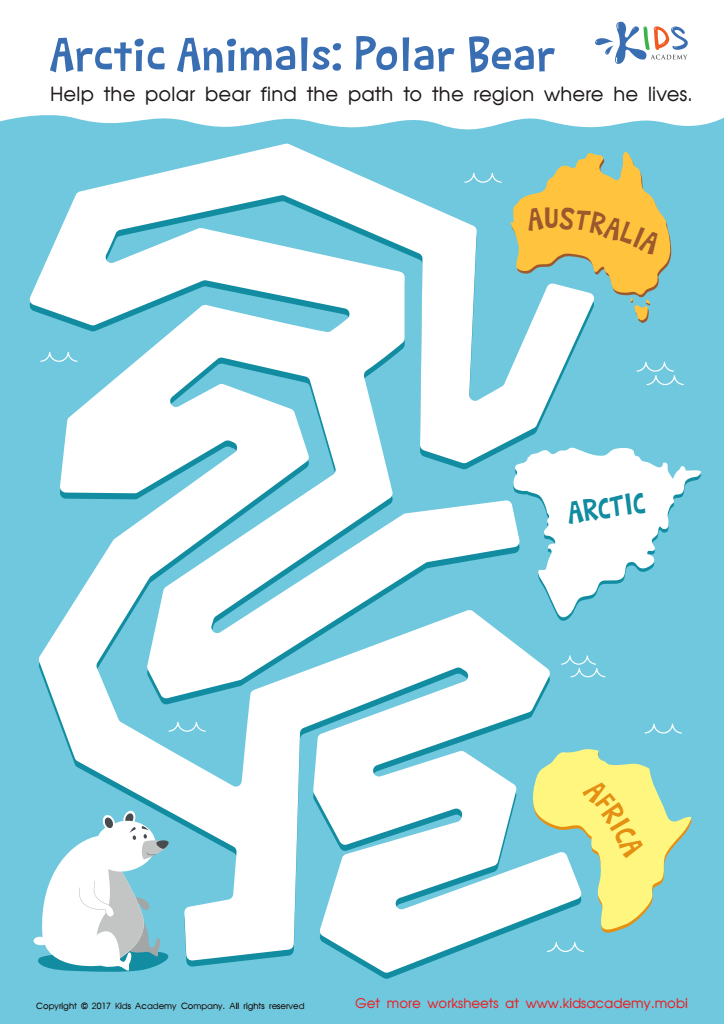
Arctic Animals: Polar Bear Worksheet








Easy Plants and Animals worksheets designed for Ages 5-6 serve as an essential educational tool that introduces young learners to the wonders of the natural world. These worksheets, tailored specifically for kindergarten and first-grade students, provide a foundational understanding of basic biological concepts in a fun and engaging way.
By focusing on Easy Plants and Animals, children at Ages 5-6 are able to grasp fundamental concepts about the environment around them. These worksheets are not just about learning facts; they also encourage observation, curiosity, and a love for nature. Through interactive activities, children learn to identify different plants and animals, understand their basic needs, and the roles they play in our ecosystem.
The simplicity of these worksheets ensures that young learners are not overwhelmed with information. Instead, they are presented with age-appropriate content that piques their interest and fits their learning capabilities. This approach fosters a positive learning environment, where children feel confident and excited to explore more about biology.
Moreover, Easy Plants and Animals worksheets for Ages 5-6 help in developing critical thinking and analytical skills at an early age. By engaging with the content, children learn to make connections between what they see in their environment and what they learn on paper, laying a strong foundation for future scientific learning and environmental stewardship.