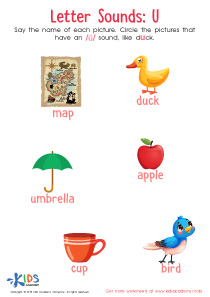
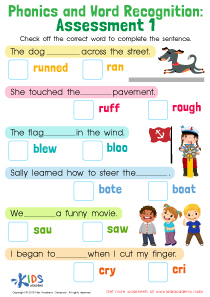
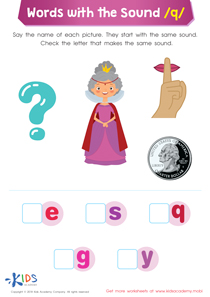
Easy Elementary Phonics Worksheets for Ages 6-8
5 filtered results
-
From - To
Discover "Easy Elementary Phonics Worksheets" tailored for children ages 6-8! These engaging activities are designed to make learning letters, sounds, and basic reading skills a fun and effective experience. With vibrant illustrations and interactive exercises, young learners can enhance their phonetic awareness and build a strong foundation in literacy. Ideal for classroom use or home practice, these worksheets cover essential skills like letter recognition, initial sounds, and word formation. Foster confident and enthusiastic readers with easy-to-use, printable resources that make mastering phonics an enjoyable journey for your child.
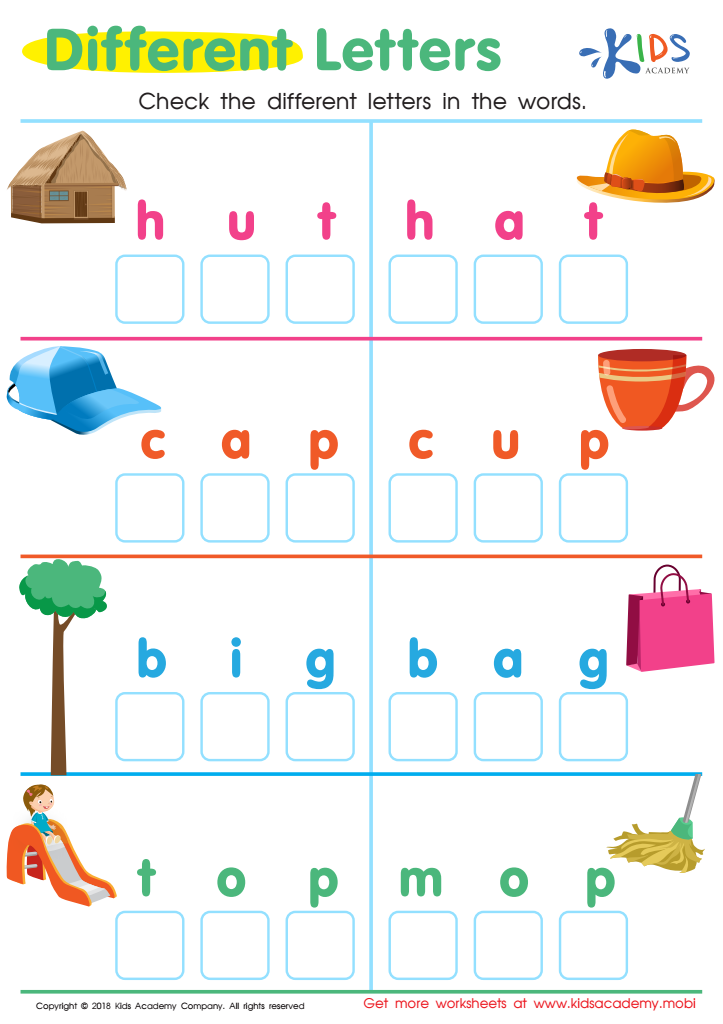
Different Letters Reading Worksheet
 Assign to My Students
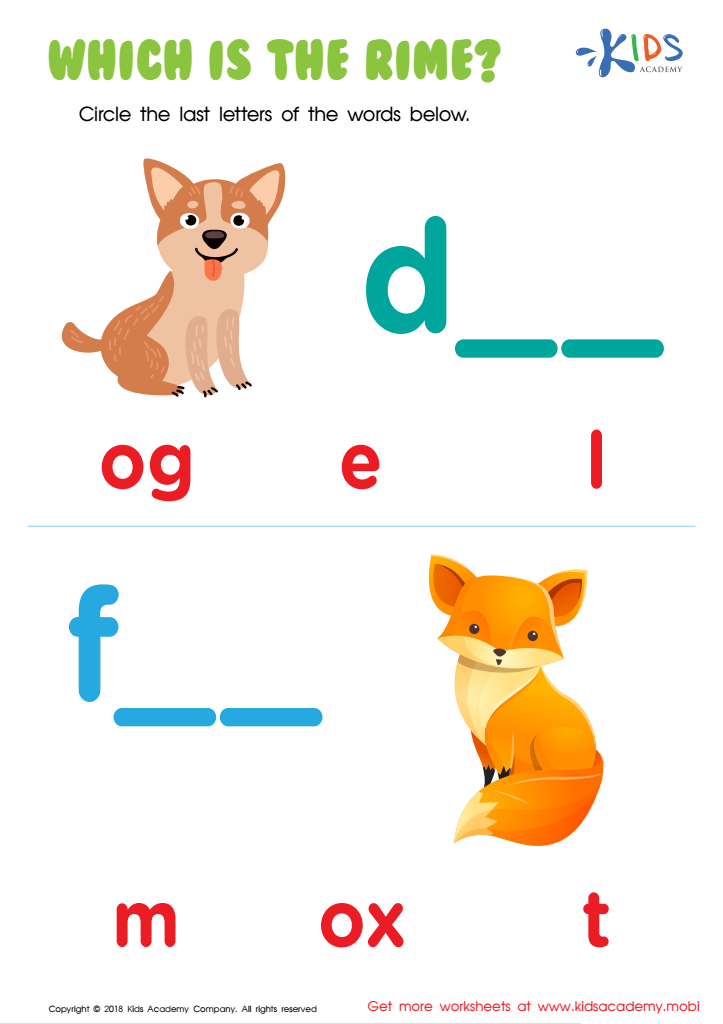
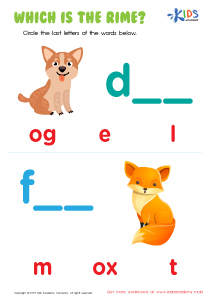
Which Is the Rime? Worksheet
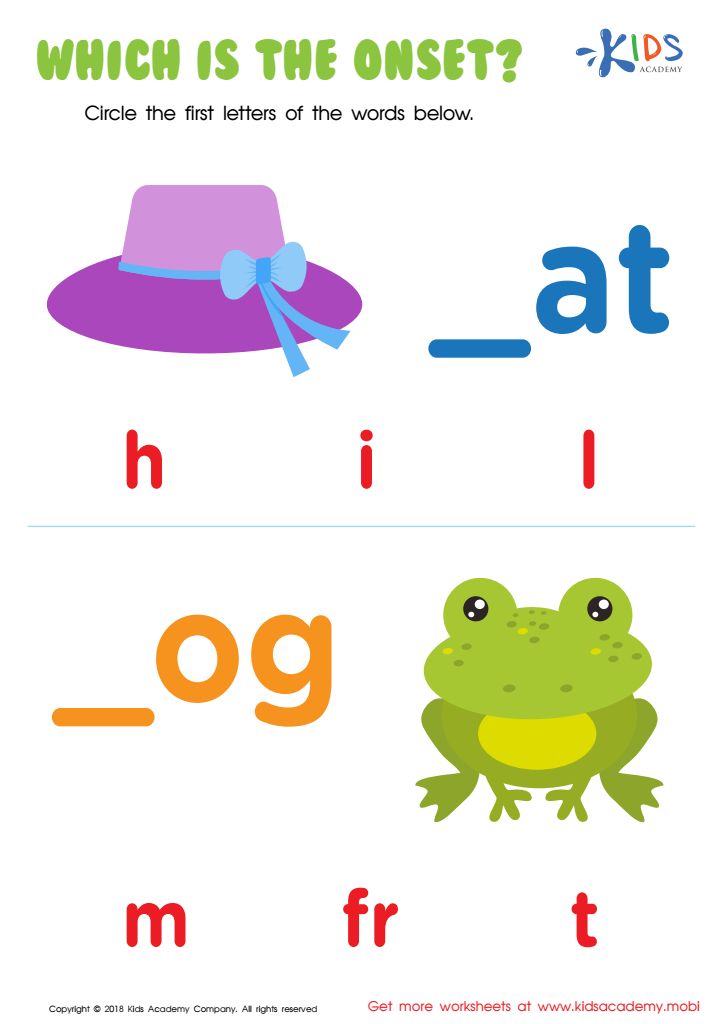
Which Is the Onset? Worksheet
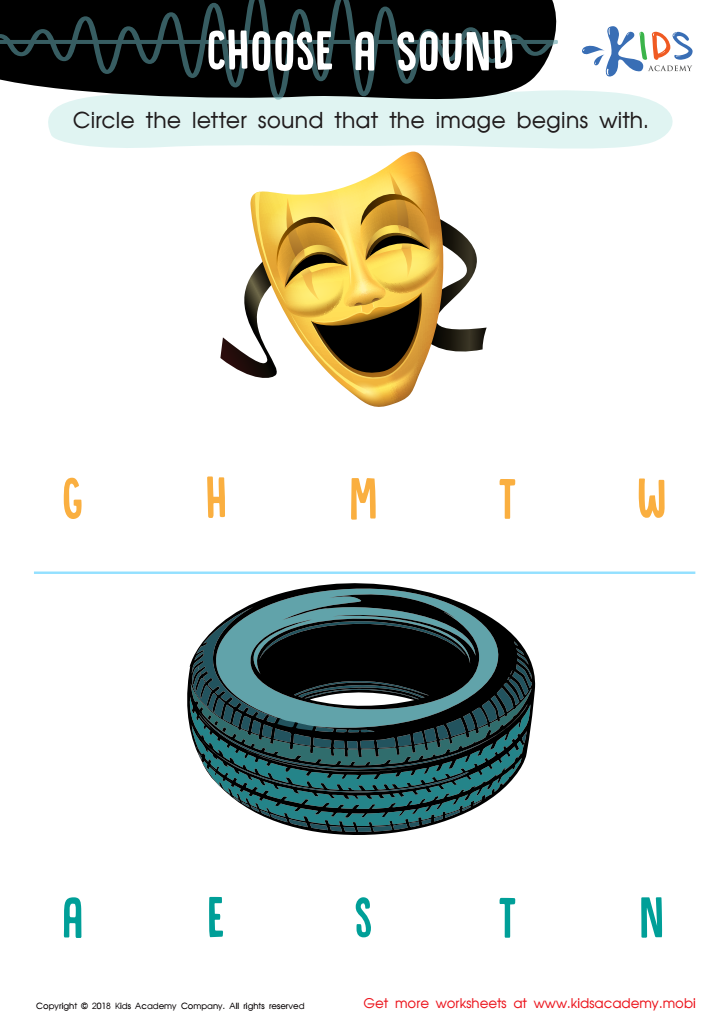
Choose a Sound Worksheet
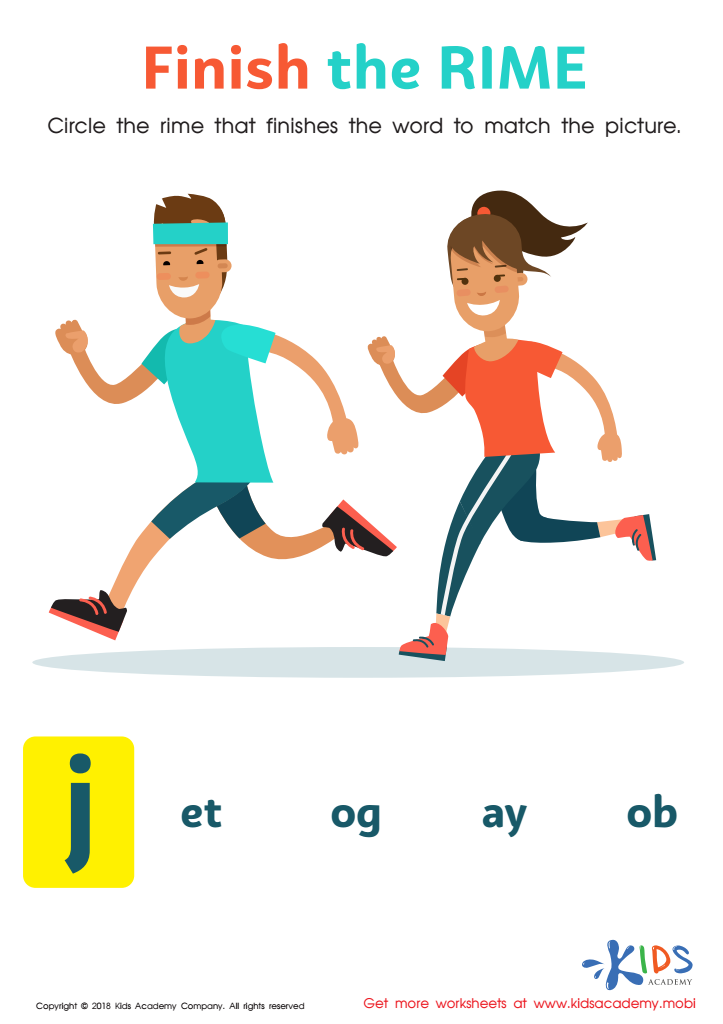
Finish the Rime Worksheet




Easy Elementary Phonics for Ages 6-8 is a vital learning tool that both parents and teachers should prioritize. During these early years, children develop the foundational reading skills necessary for academic success and future learning endeavors. Phonics instruction serves as a bridge that connects the letters of the alphabet to their respective sounds, aiding in the development of essential reading skills.
By utilizing a structured phonics program, children become more proficient in decoding words, enhancing their reading fluency and comprehension. This proficiency not only boosts self-esteem but also instills a lifelong love for reading. Phonics-based education has been shown to reduce the risk of future reading difficulties, including dyslexia, by providing systematic and explicit instruction on letter-sound relationships.
In the classroom, a strong phonics foundation enables teachers to maximize instructional time as students more efficiently tackle complex texts. At home, parents can support and reinforce what is learned at school, creating a cohesive learning environment. Moreover, engaging phonics activities tend to be interactive and enjoyable, maintaining children's interest in the learning process.
Thus, investing in Easy Elementary Phonics for Ages 6-8 offers both immediate benefits in reading proficiency and long-term advantages in overall academic achievement. Its importance cannot be overstated, making it an essential component of early childhood education.