Easy Numbers 0–10 Worksheets for Ages 6-8
65 filtered results
-
From - To
Explore our "Easy Numbers 0–10 Worksheets" designed specifically for children ages 6 to 8. These engaging, printable worksheets offer a fun way for young learners to practice essential math skills, including counting, number recognition, and basic addition and subtraction. With colorful illustrations and interactive activities, children will enjoy mastering numbers while enhancing their problem-solving abilities. Perfect for teachers and parents alike, our worksheets are ideal for classroom instruction or at-home learning, promoting confidence and proficiency in math. Download your free worksheets today and watch your child develop a love for numbers! Learning math has never been this easy and enjoyable!
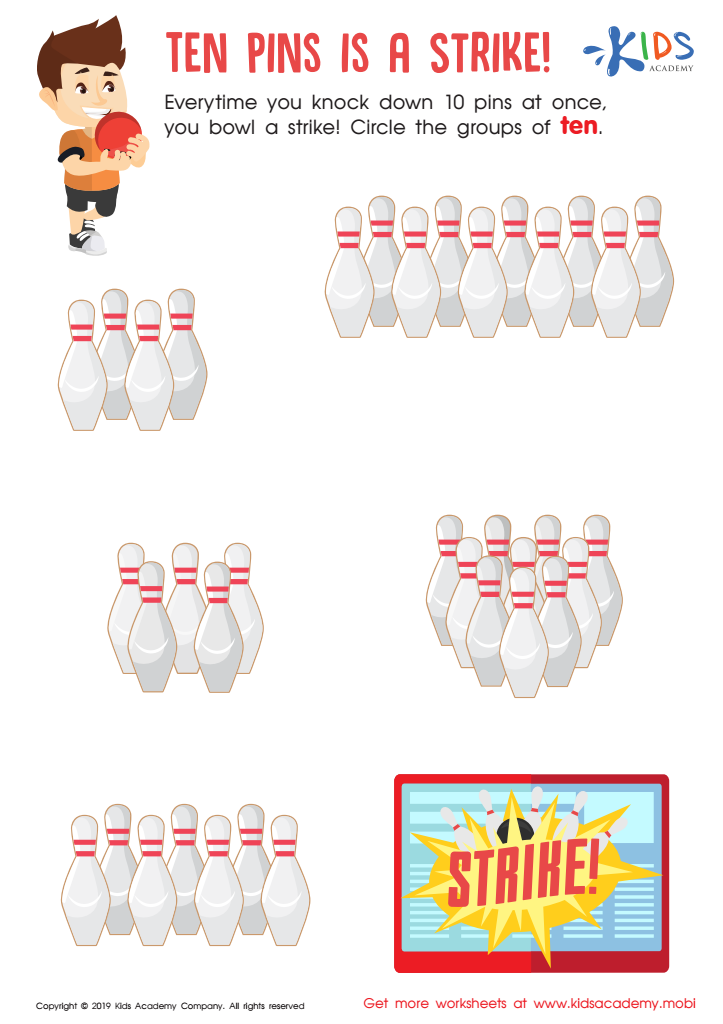
Ten Pins is a Strike Worksheet
 Assign to My Students
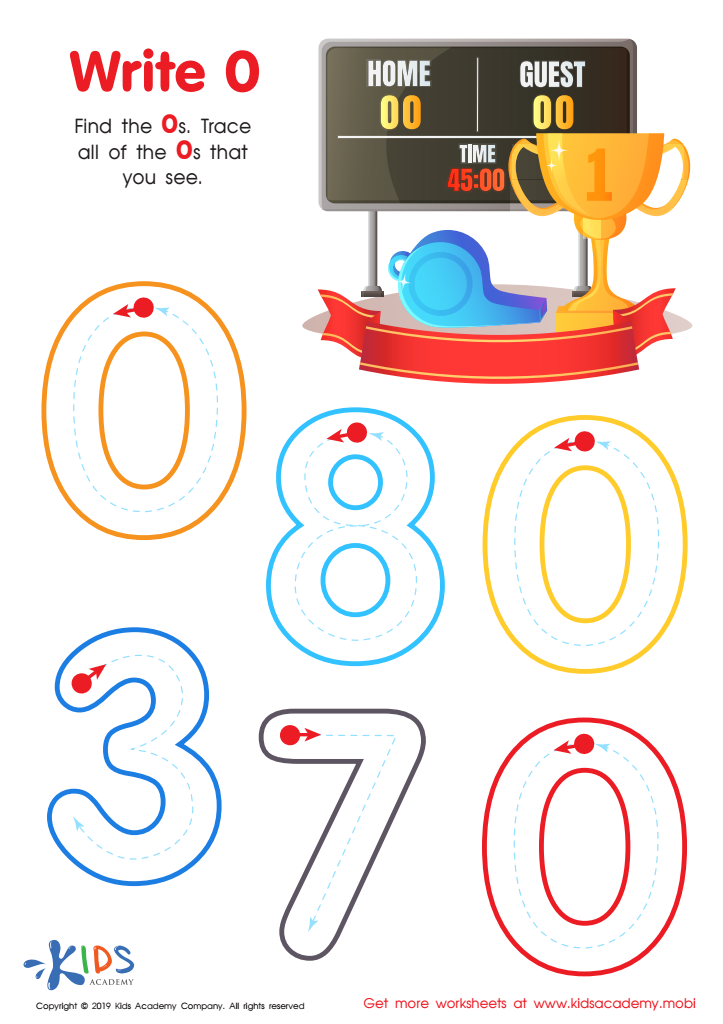
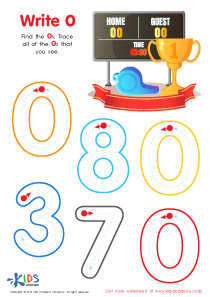
Write 0 Worksheet
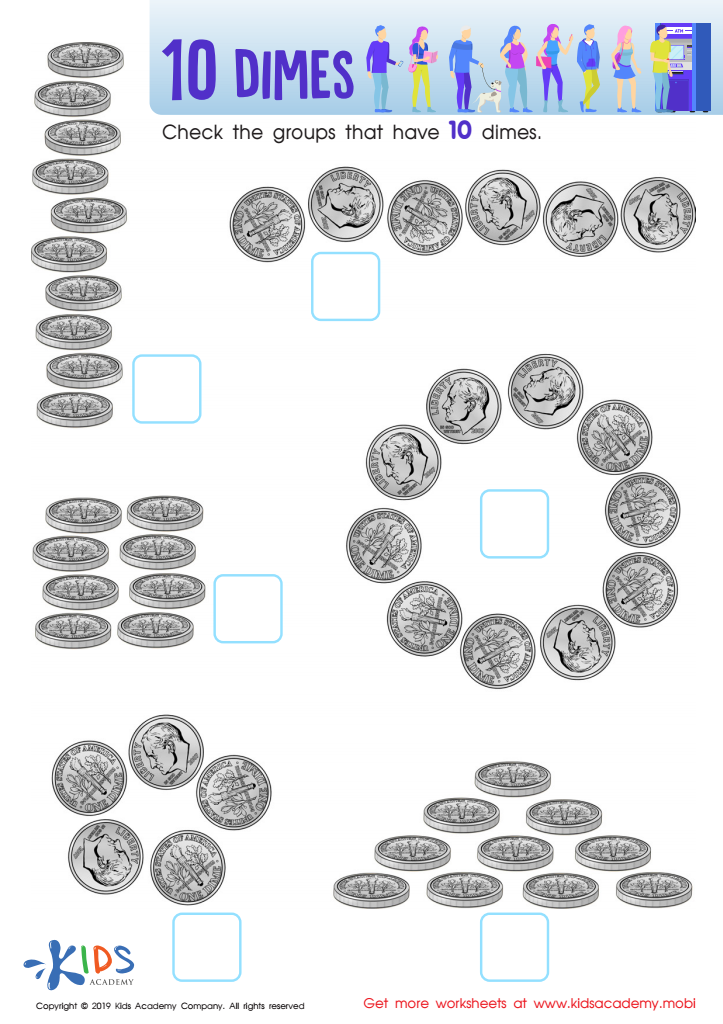
10 Dimes Worksheet
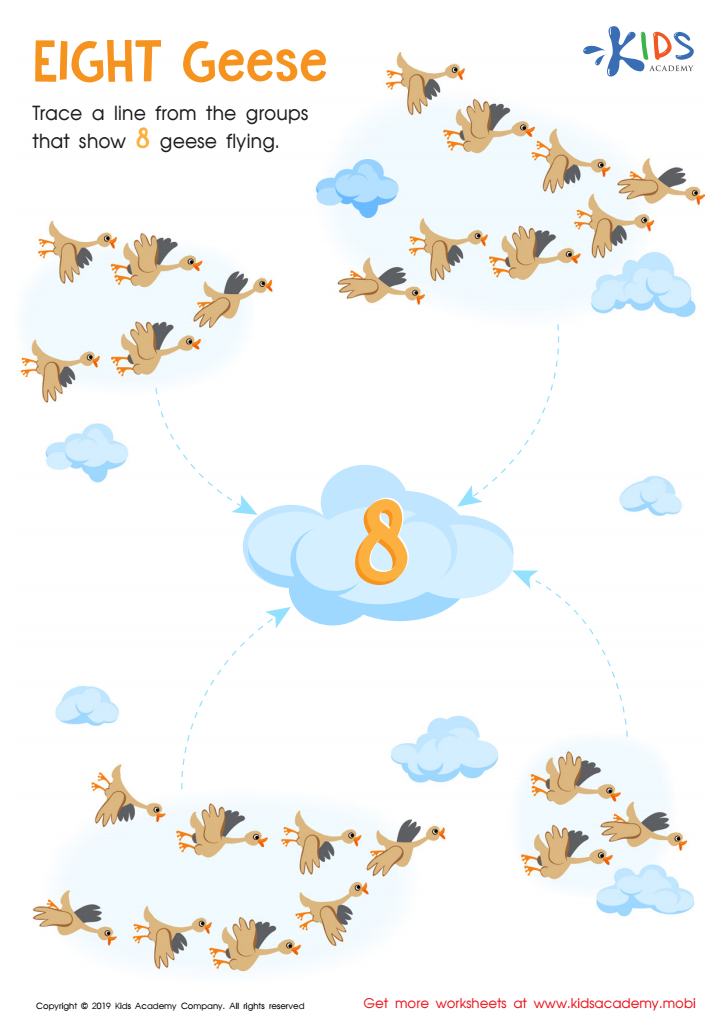
Eight Geese Worksheet
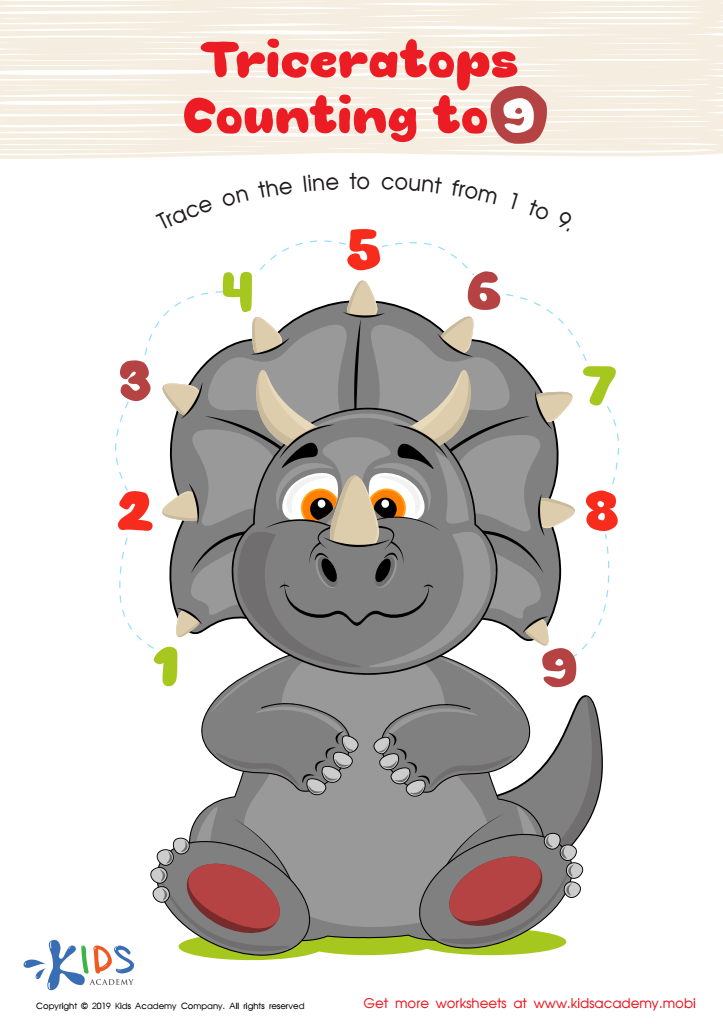
Triceratops Counting to 9 Worksheet
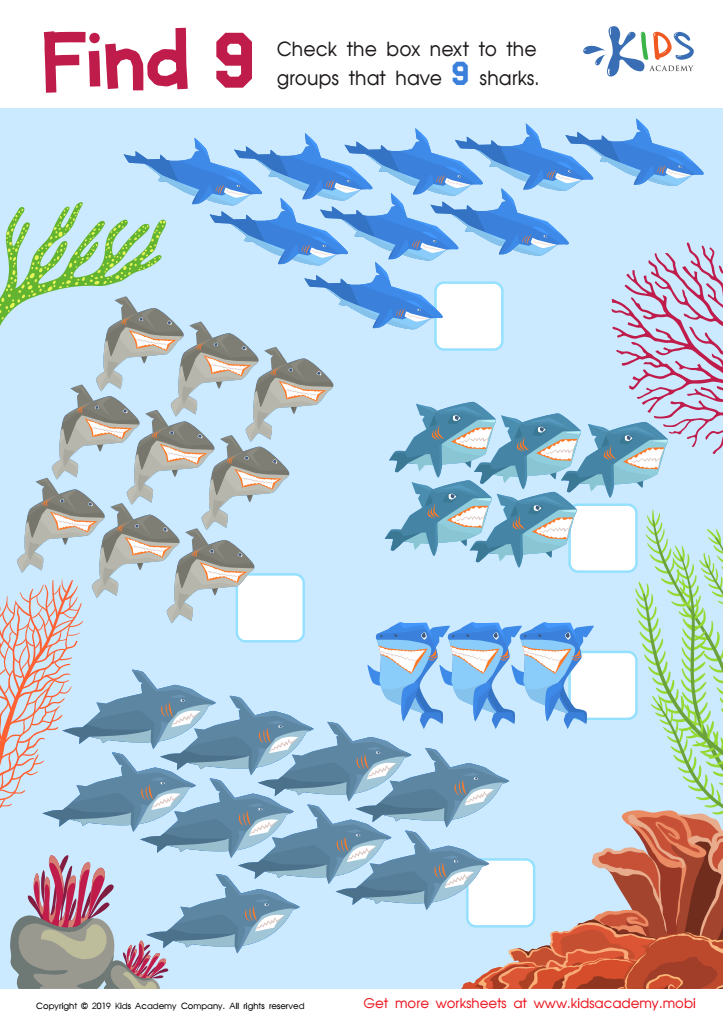
Find 9 Worksheet
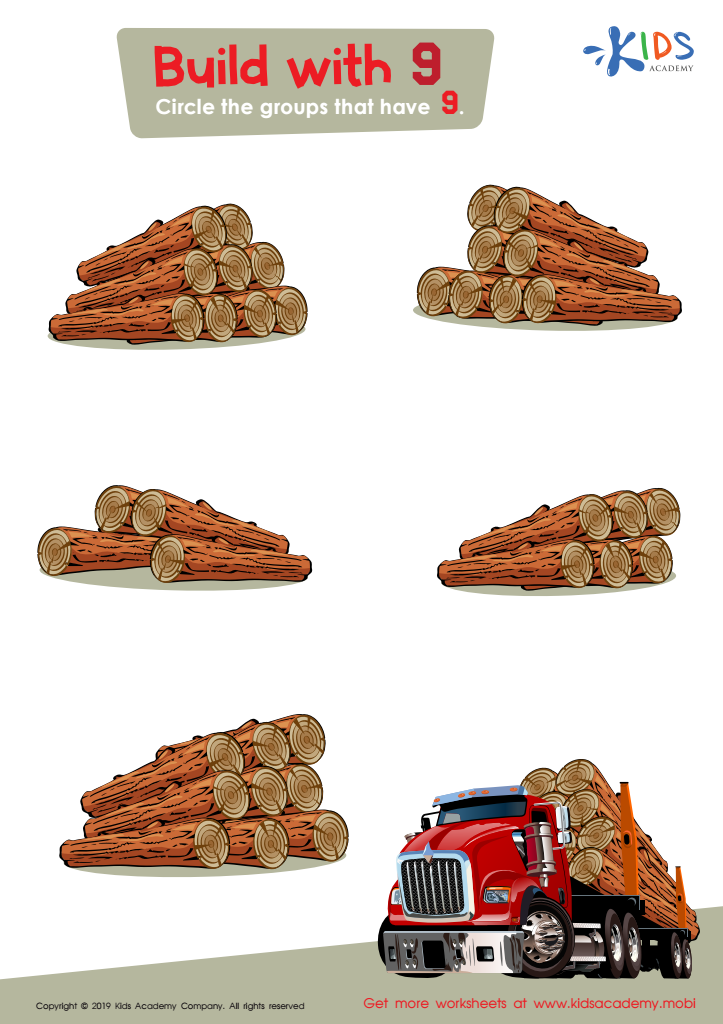
Build with 9 Worksheet
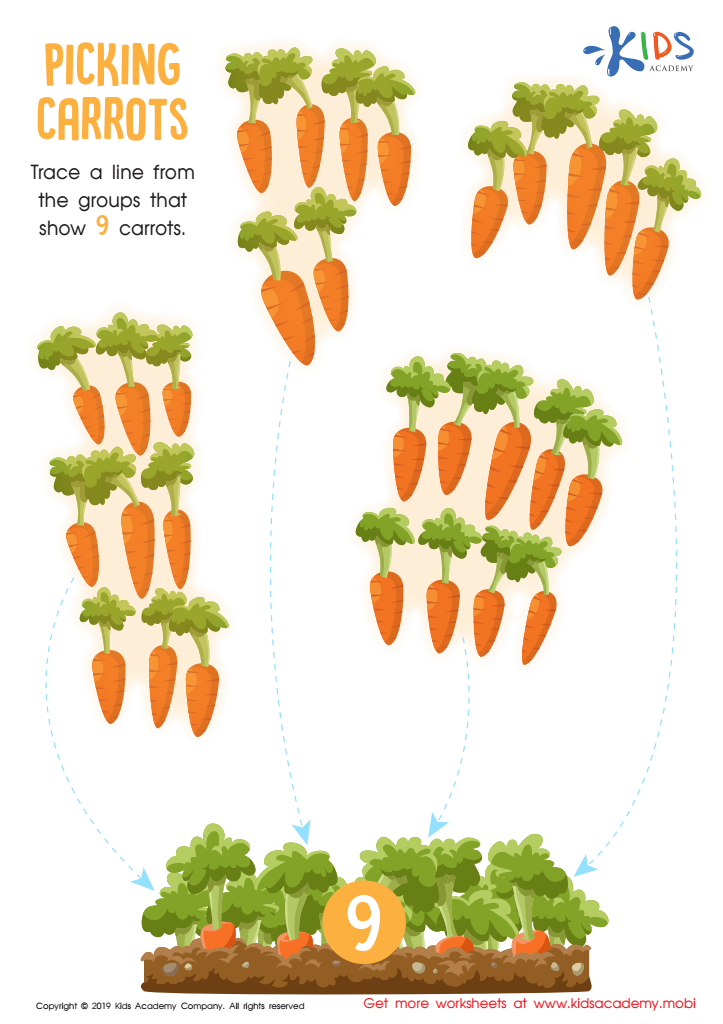
Picking Carrots Worksheet
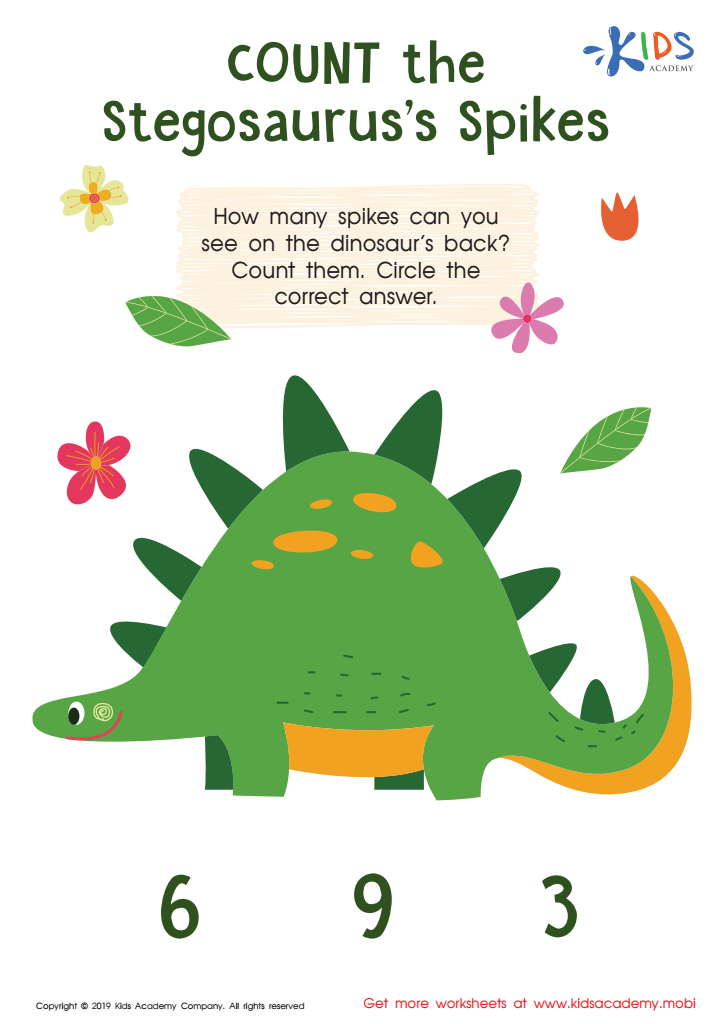
Count the Stegosaurus's Spikes Worksheet
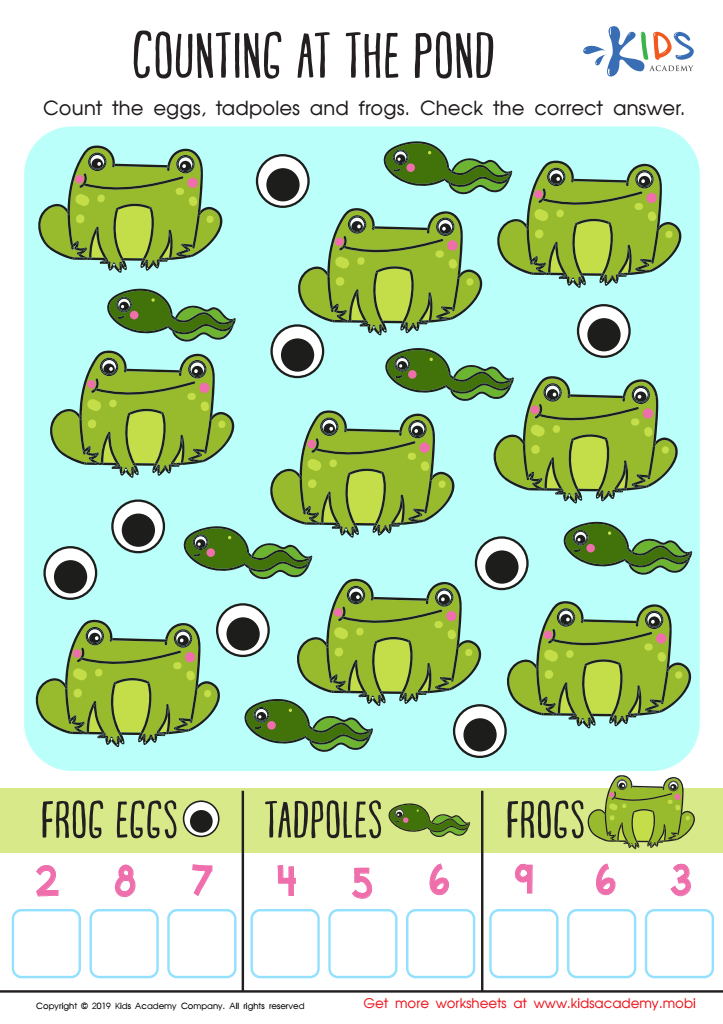
Counting at the Pond Worksheet
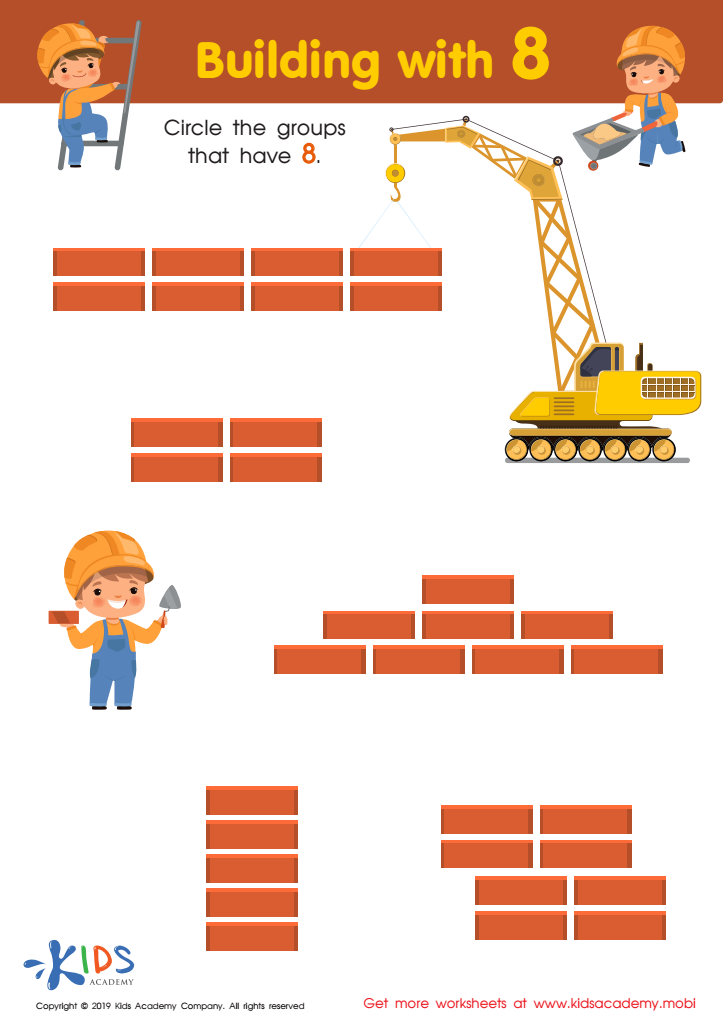
Building with 8 Worksheet
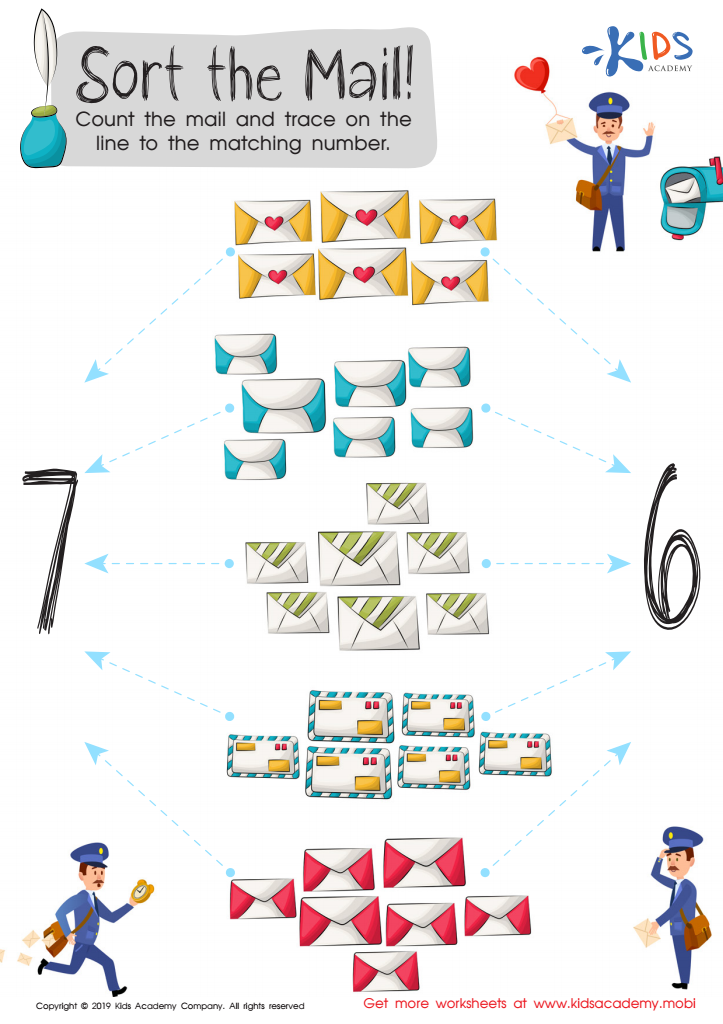
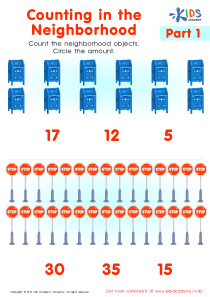
Sort the Mail Worksheet
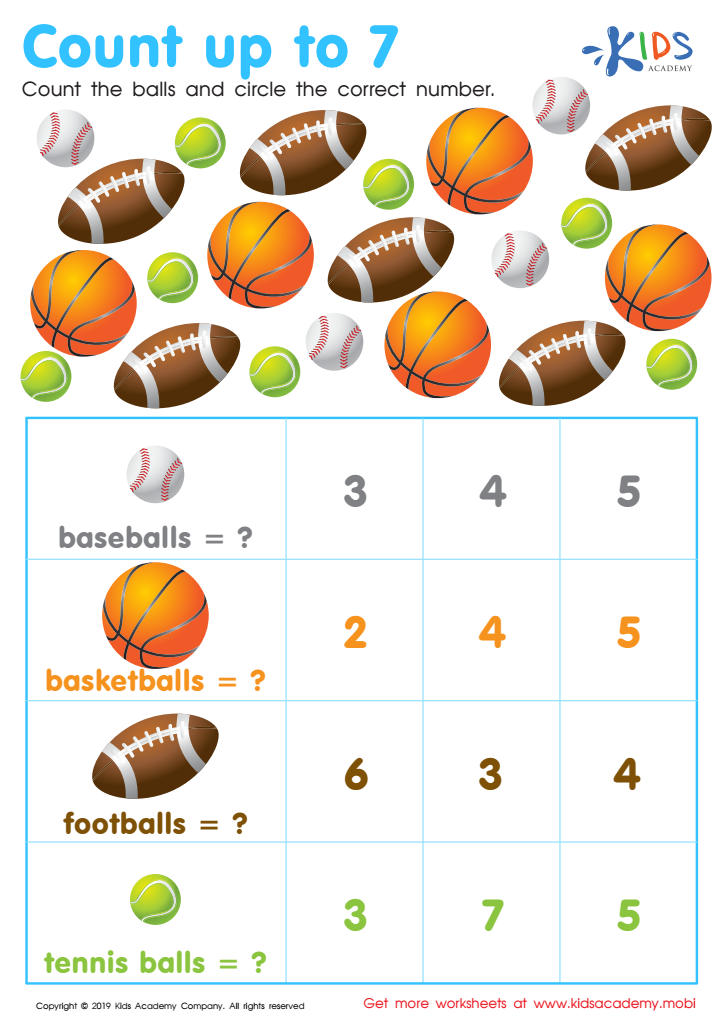
Count up to 7 Worksheet
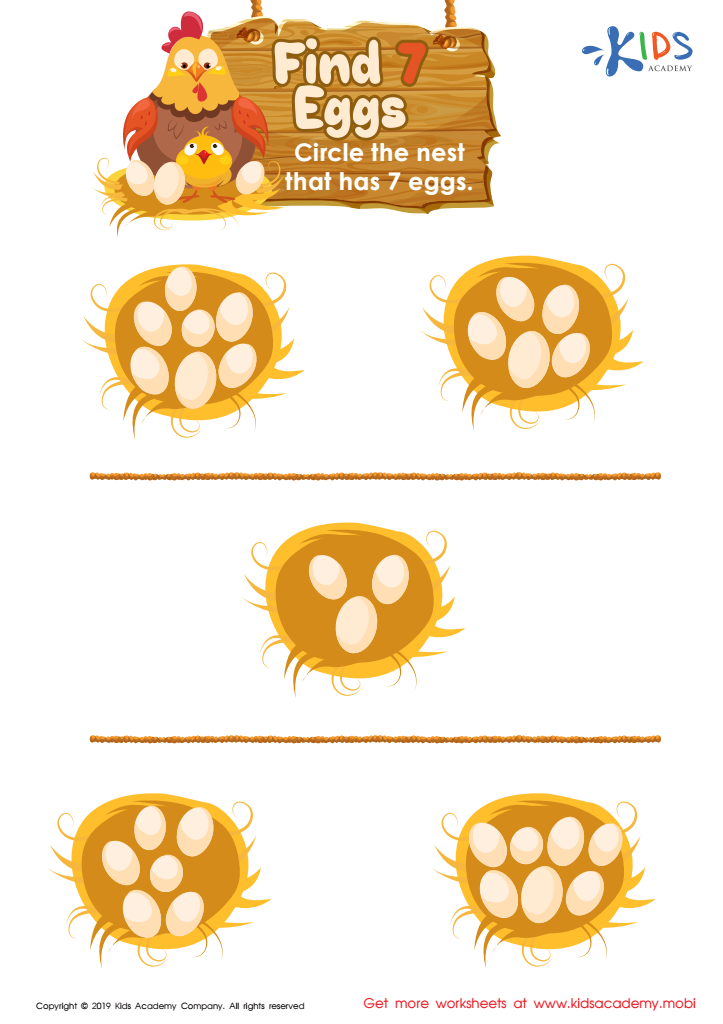
Find 7 Eggs Worksheet
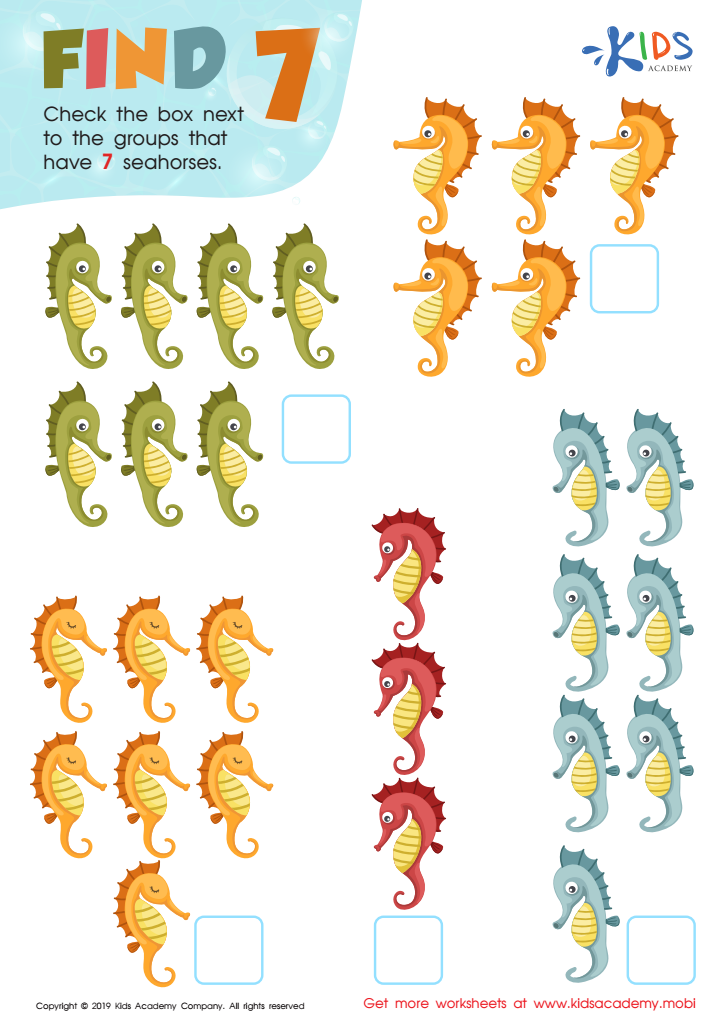
Find 7 Worksheet
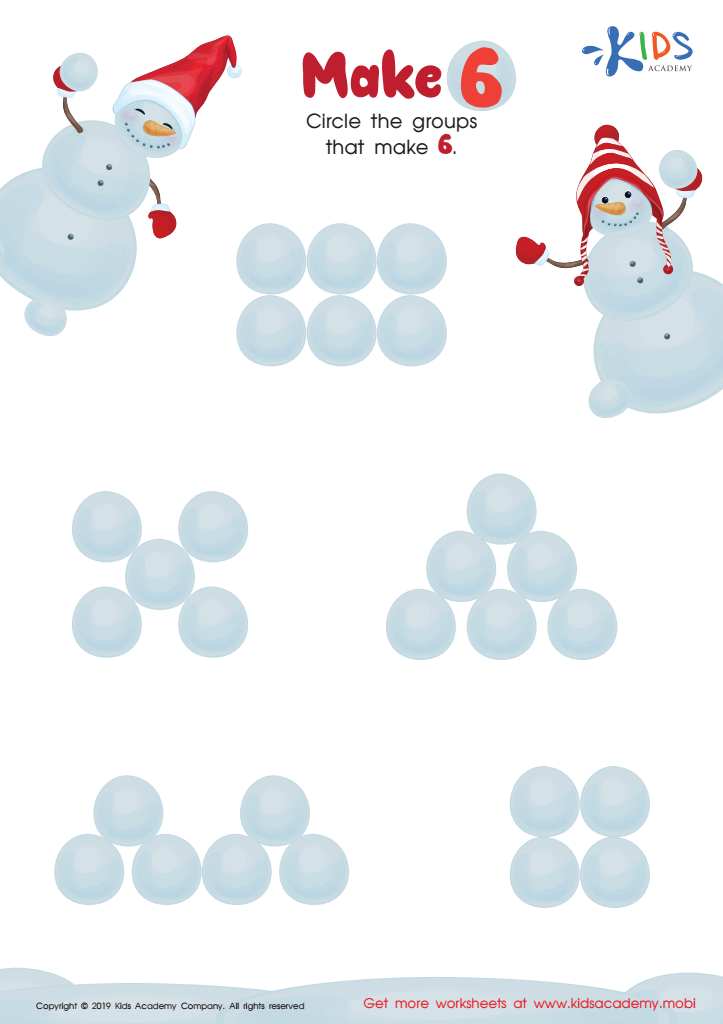
Make 6 Worksheet
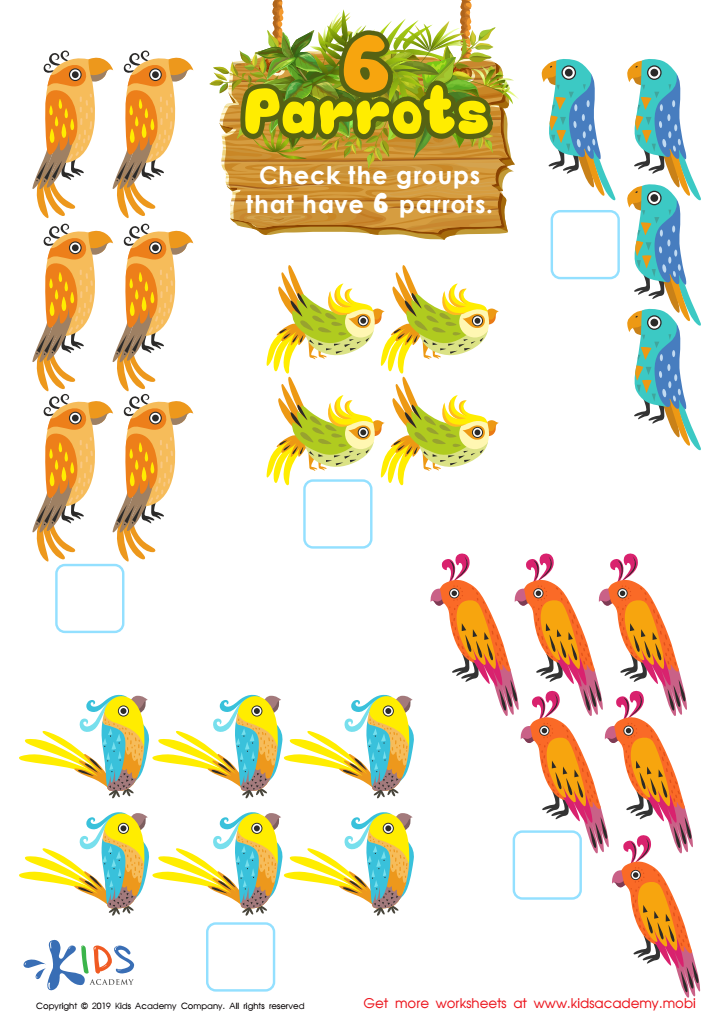
6 Parrots Worksheet
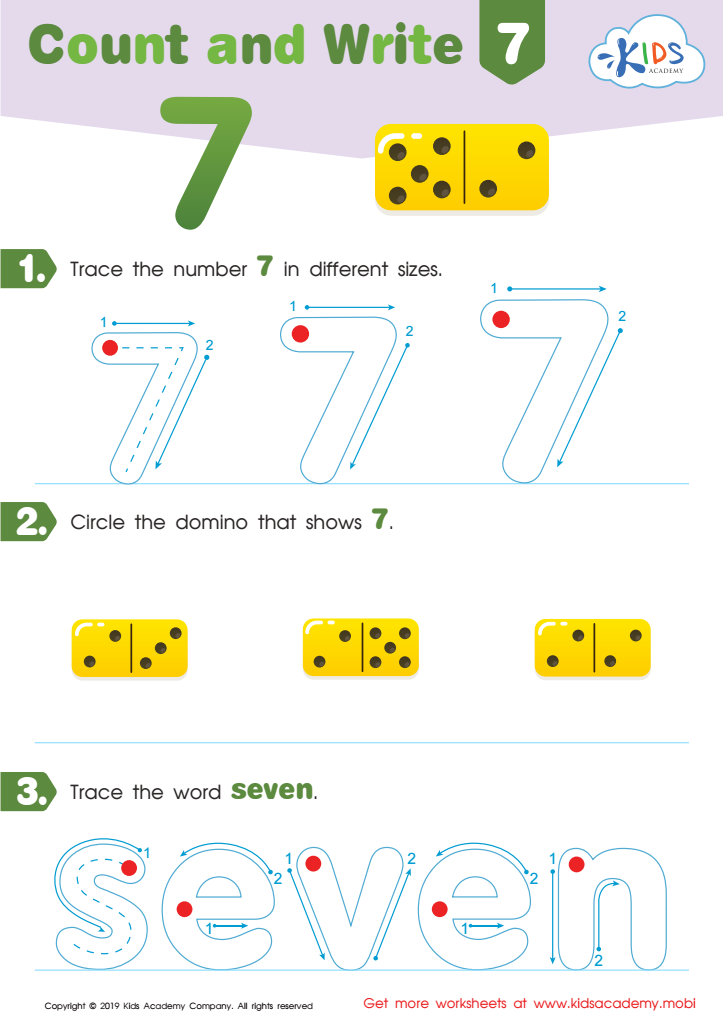
Count and Write 7 Worksheet
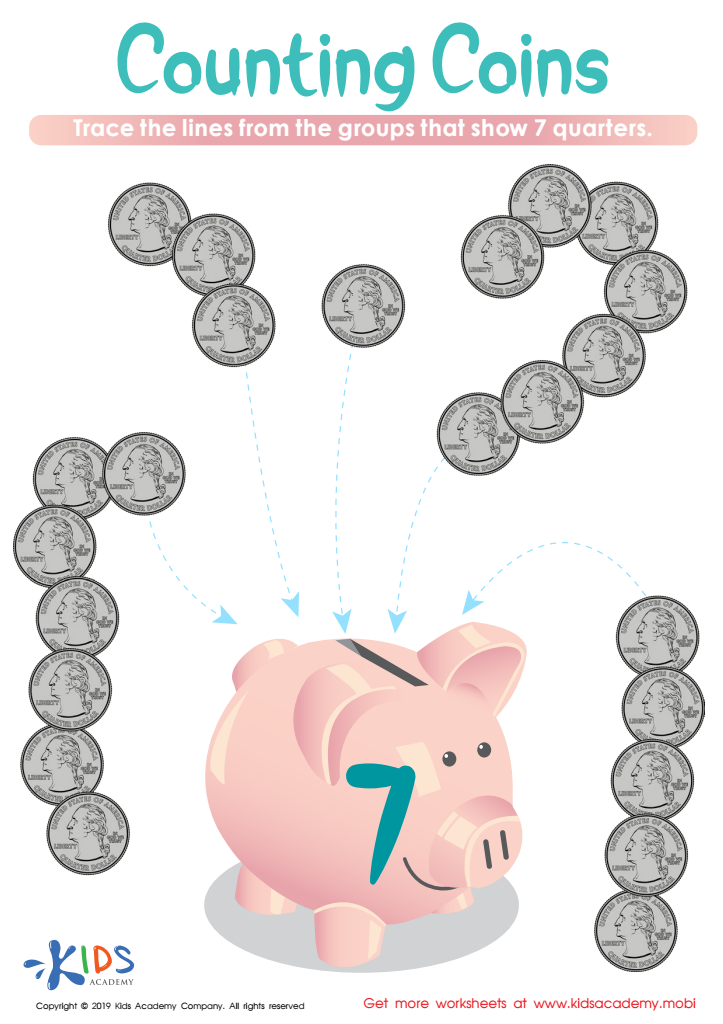
Counting Coins Worksheet
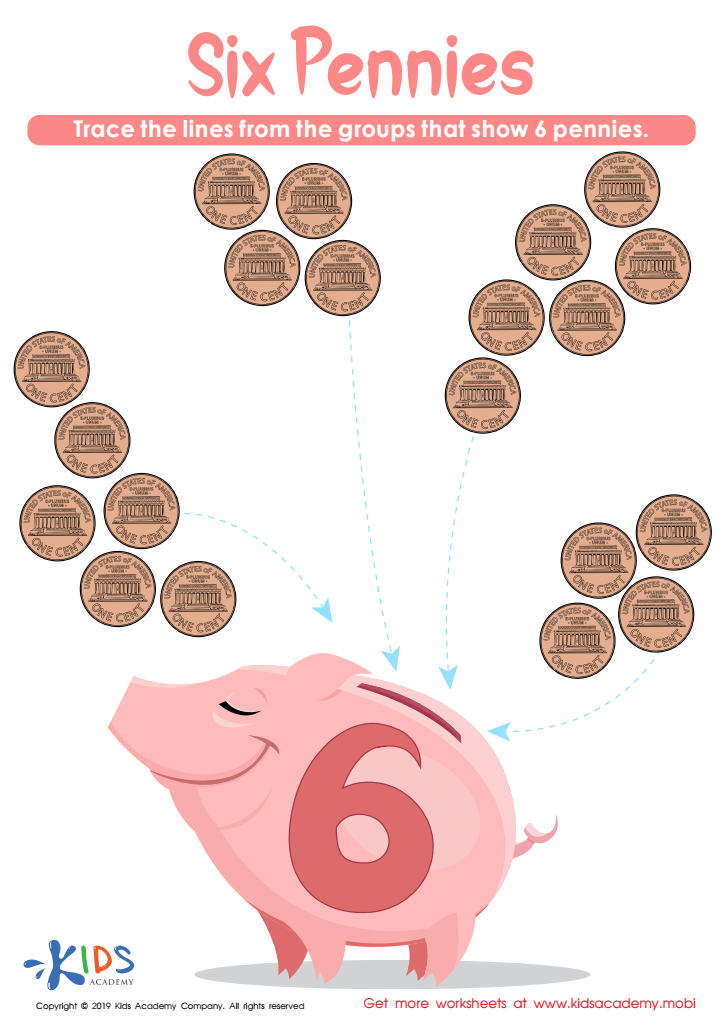
Six Pennies Worksheet
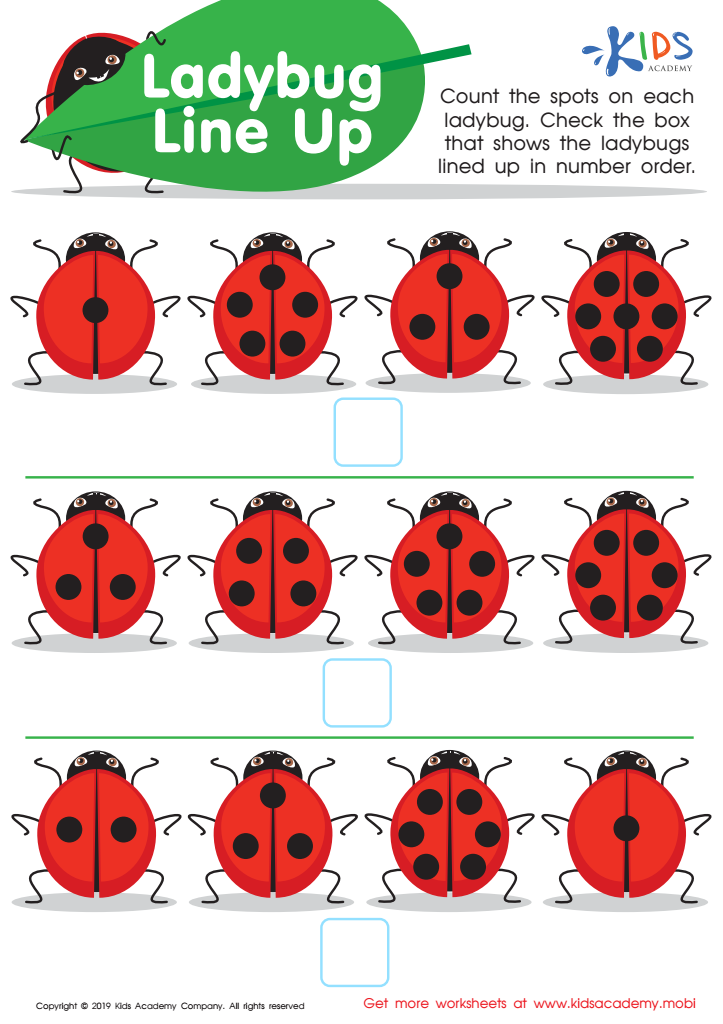
Ladybug Line Up Worksheet
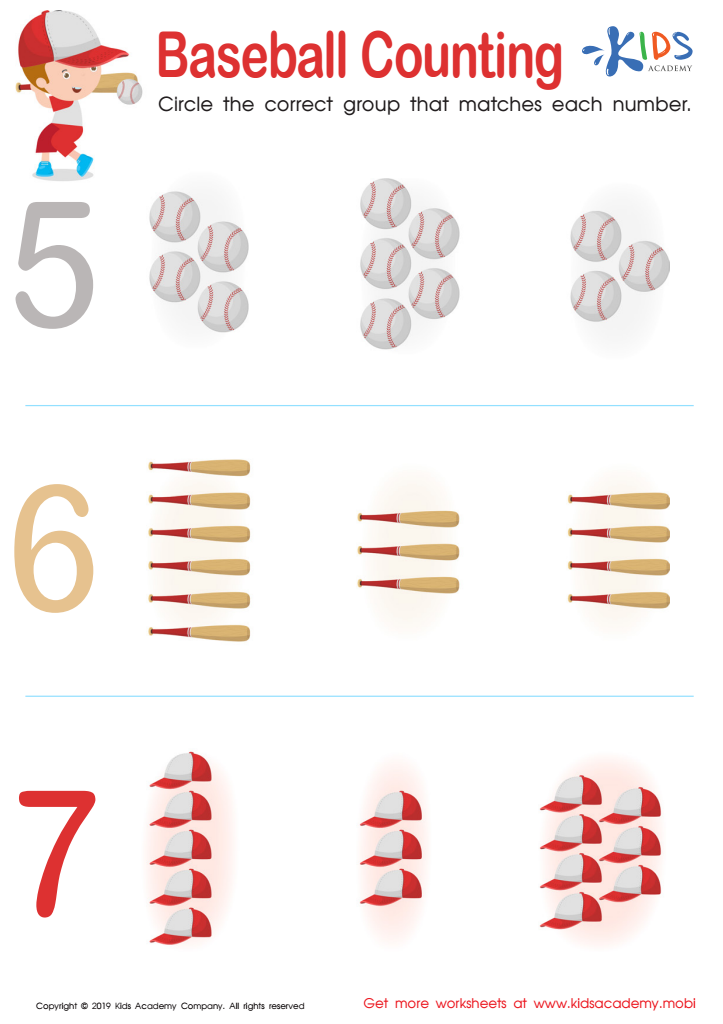
Baseball Counting Worksheet
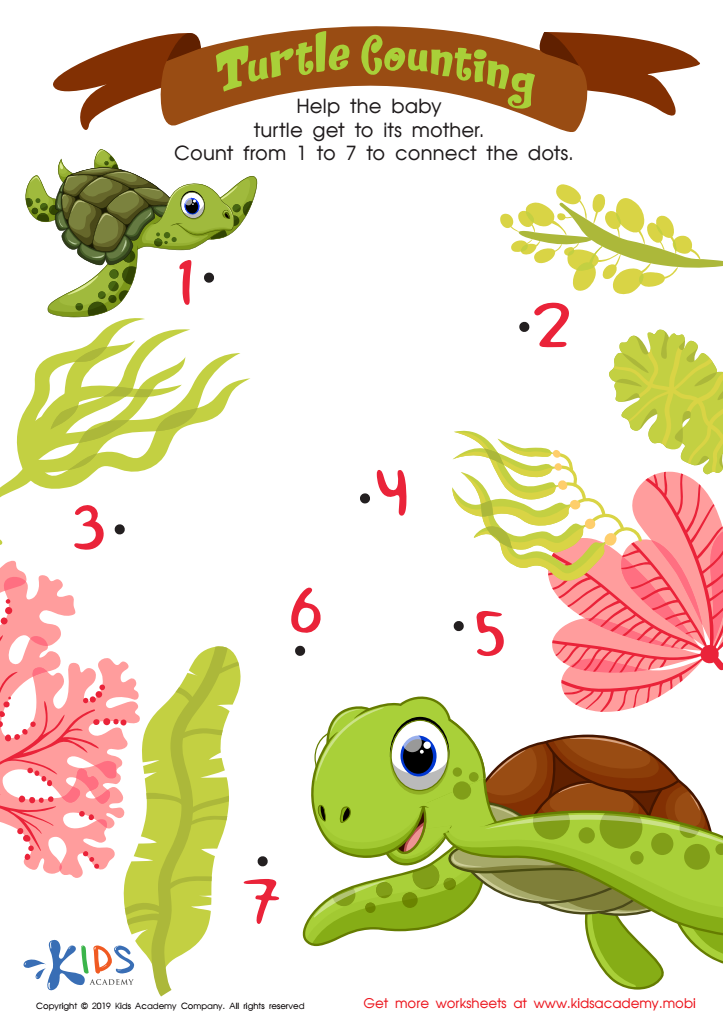
Turtle Counting Worksheet
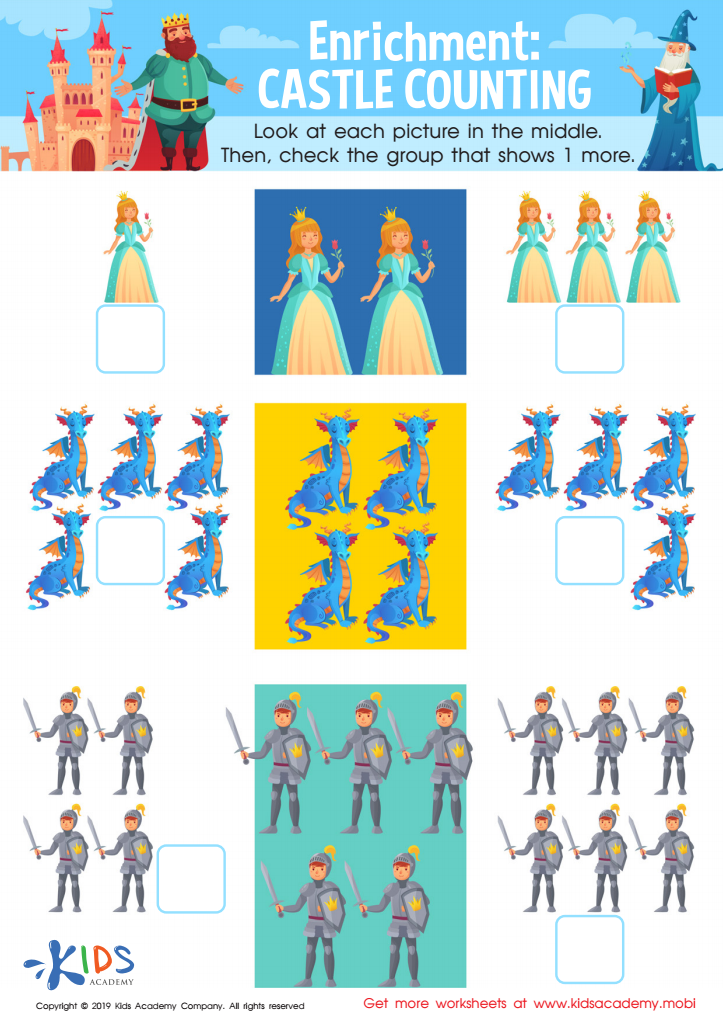
Enrichment: Castle Counting Worksheet








Understanding Easy Numbers 0–10 is crucial for children aged 6 to 8, as it lays the foundation for essential mathematical skills. At this age, children are typically transitioning from simple counting to more complex concepts such as addition and subtraction. Familiarity with numbers in this range allows them to develop stronger number recognition and counting abilities, essential skills for their academic growth.
Teachers and parents should prioritize this learning because it enhances cognitive development. Engaging with Easy Numbers encourages critical thinking, problem-solving, and the ability to recognize patterns—all foundational components of math literacy. These skills extend beyond math; they help in cognitive functions such as logical reasoning and analytical thinking.
Additionally, mastering numbers 0-10 fosters confidence and a positive attitude toward learning. When children grasp these basic concepts, they feel empowered to tackle more challenging mathematical problems in the future.
Furthermore, this stage prepares children for real-life applications. Basic math is vital in everyday tasks like shopping, cooking, and managing time. Overall, caring about Easy Numbers ensures children are well-equipped for future mathematical endeavors and instills a lifelong love of learning. Teachers and parents play indispensable roles in guiding this important developmental phase.