Easy Space Worksheets for Ages 6-9
3 filtered results
-
From - To
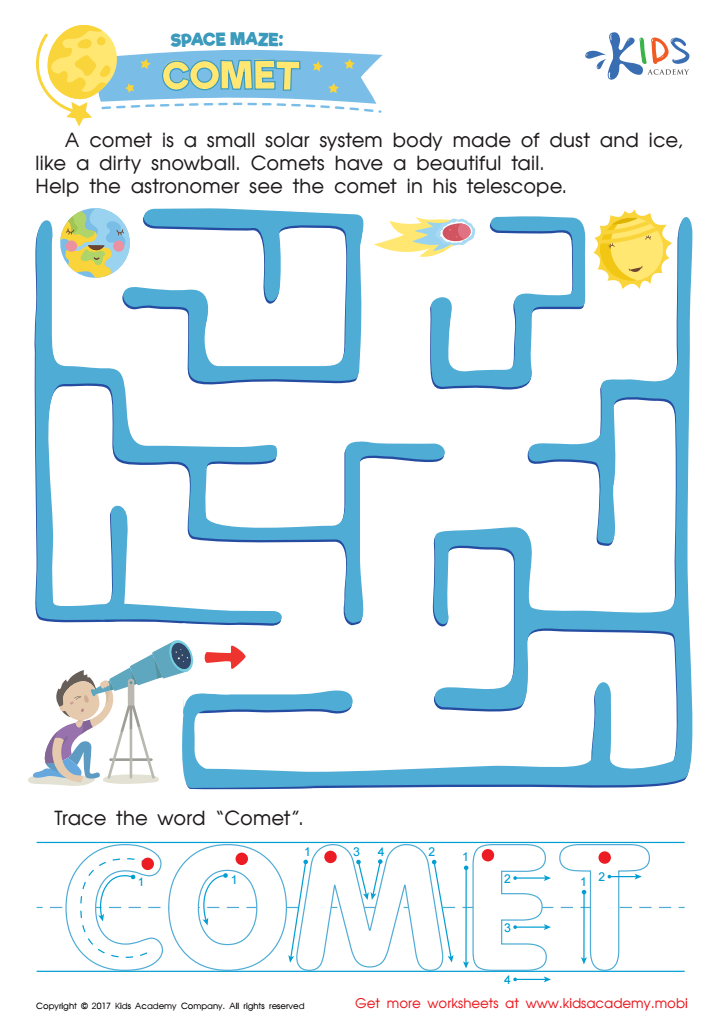
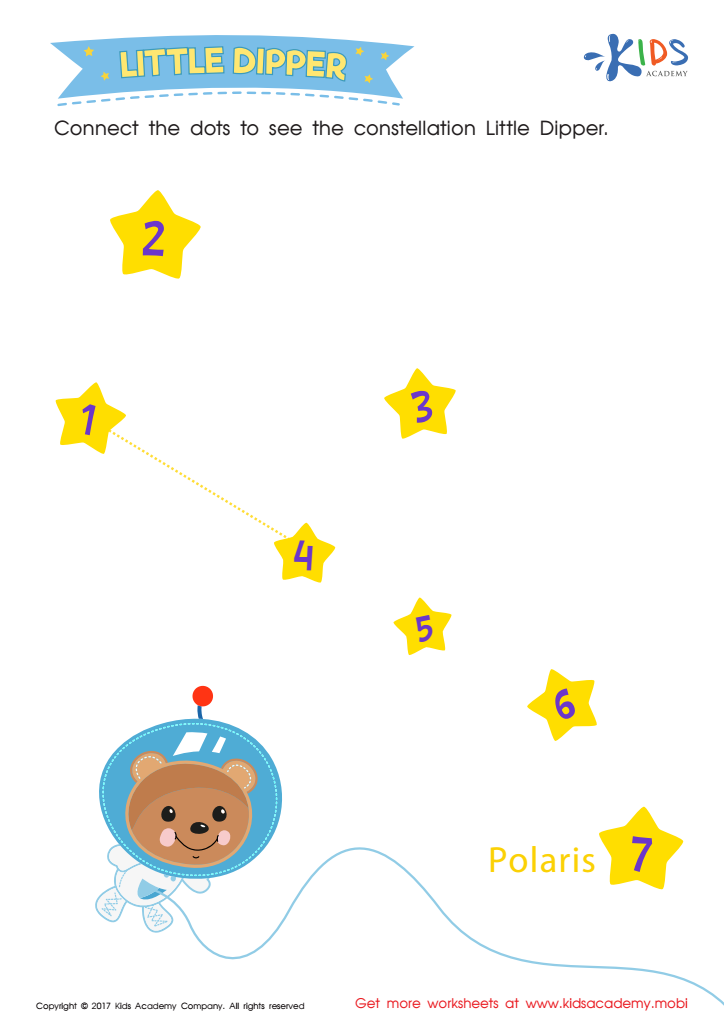
Discover an exciting way to introduce young learners to the wonders of the universe with our Easy Space Worksheets for Ages 6-9. Perfect for children in early grades, these engaging worksheets are filled with fun activities about planets, stars, and the solar system. Designed to ignite curiosity and foster a love for space exploration, our printables will help kids learn key concepts through colorful illustrations and interactive tasks. Ideal for both classroom and home use, these educational resources make complex space topics accessible and enjoyable for young minds. Start your child’s space adventure today!
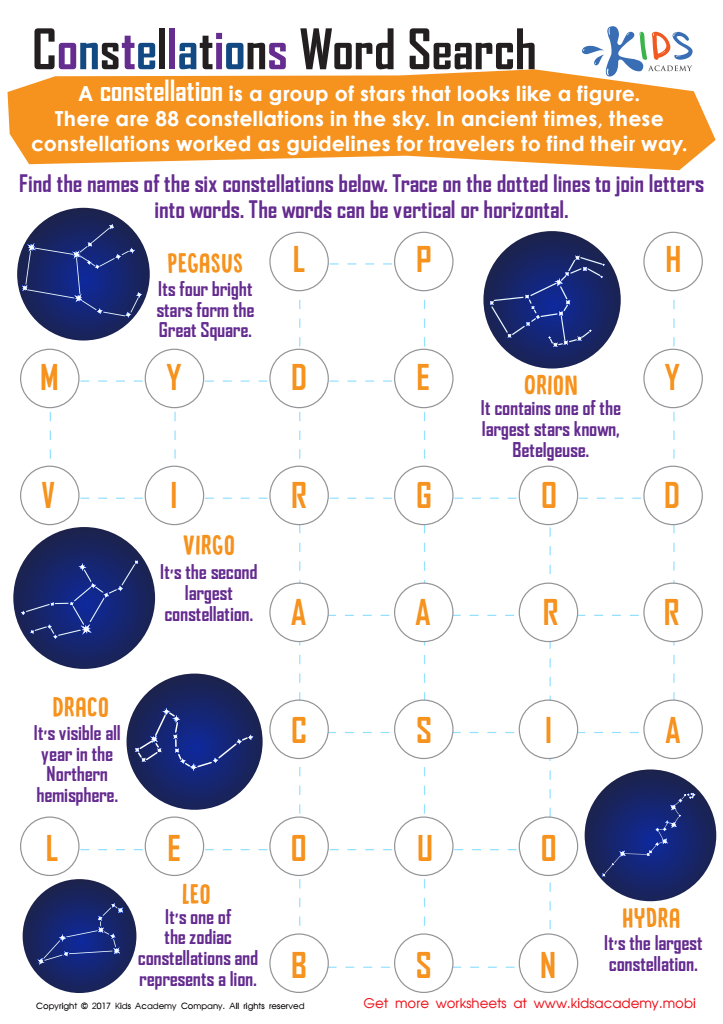
Constellations Word Search Printable
 Assign to My Students






.jpg)

Easy Space is a pivotal resource for children aged 6-9 for numerous reasons that parents and teachers should consider. At this developmental stage, children are natural explorers, brimming with curiosity about the world—and beyond. Introducing them to the basics of space can ignite a lifelong passion for learning and discovery.
Firstly, understanding space cultivates scientific thinking. When children marvel at the stars, the moon, and planets, they begin to ask important questions, fostering critical thinking and problem-solving skills. Secondly, space education integrates various subjects seamlessly—math becomes more engaging with rocket flight trajectories, and creative writing flourishes when imagining intergalactic adventures.
Resources like Easy Space present complex topics in accessible and memorable ways, making it easier for young minds to grasp fundamental concepts like gravity, orbital patterns, and even the basics of how astronauts live and work in space. Including interactive activities can also enhance fine motor skills and cooperative play when done in groups.
Moreover, early exposure to space science promotes resilience and curiosity about the unknown. Children learn that failure is part of discovery, an essential life lesson. By advocating for learning tools like Easy Space, parents and teachers open up boundless possibilities for children to explore, dream, and perhaps one day contribute significantly to scientific advancements.