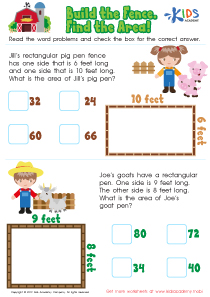
Extra Challenge Matching Worksheets for Ages 3-6 - Page 2
28 filtered results
-
From - To
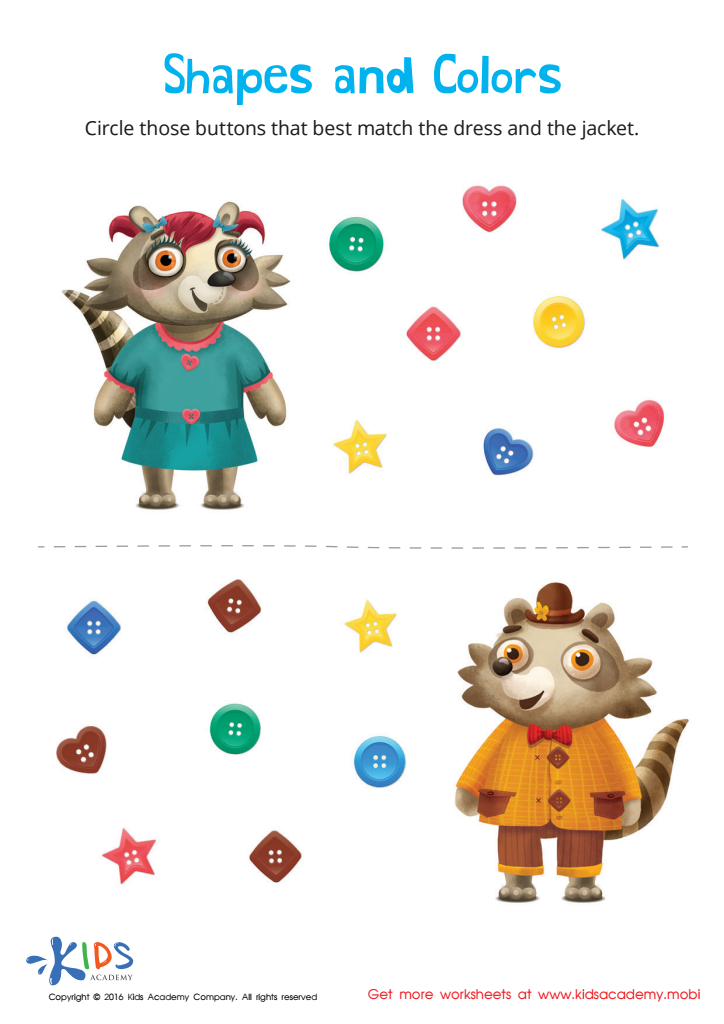
Matching: Shapes and Colors Worksheet
 Assign to My Students
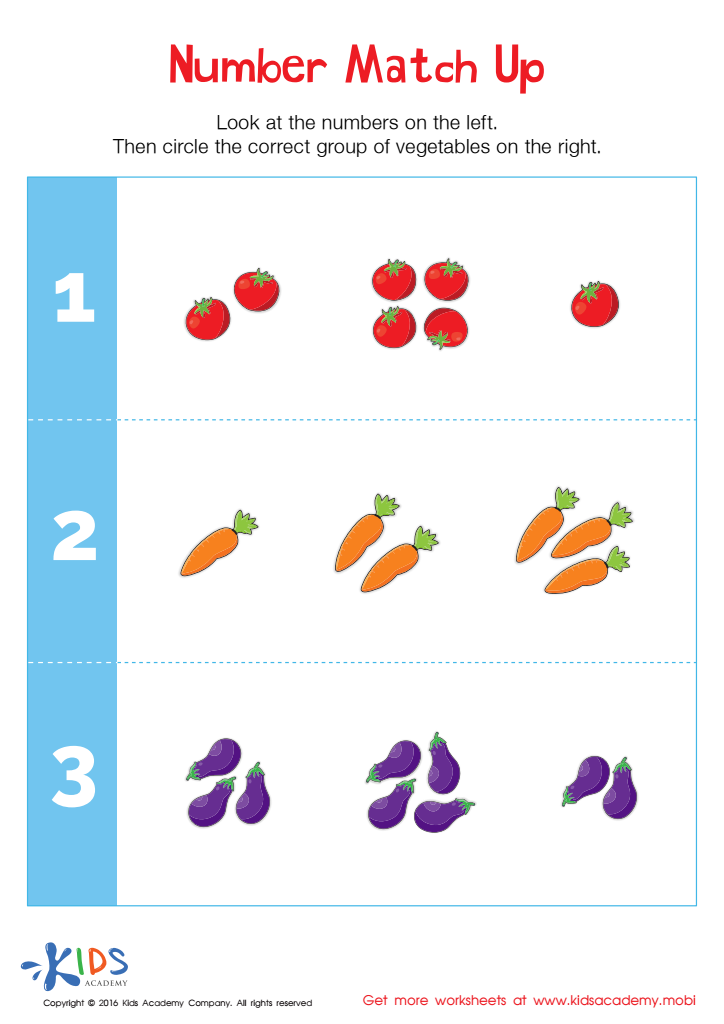
Number Match Up Worksheet
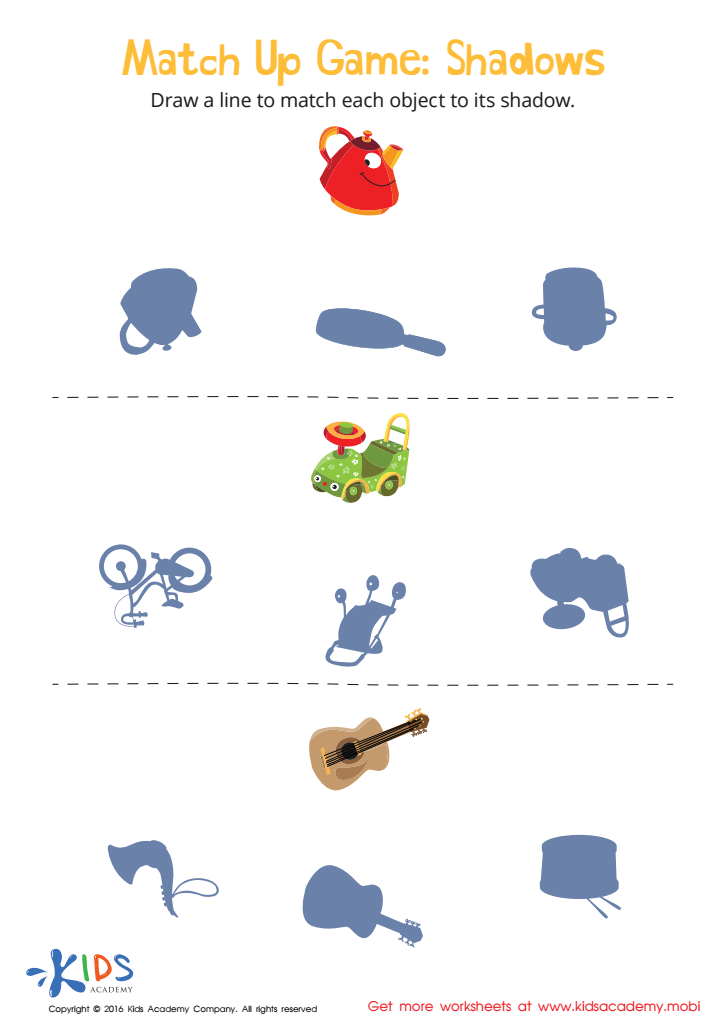
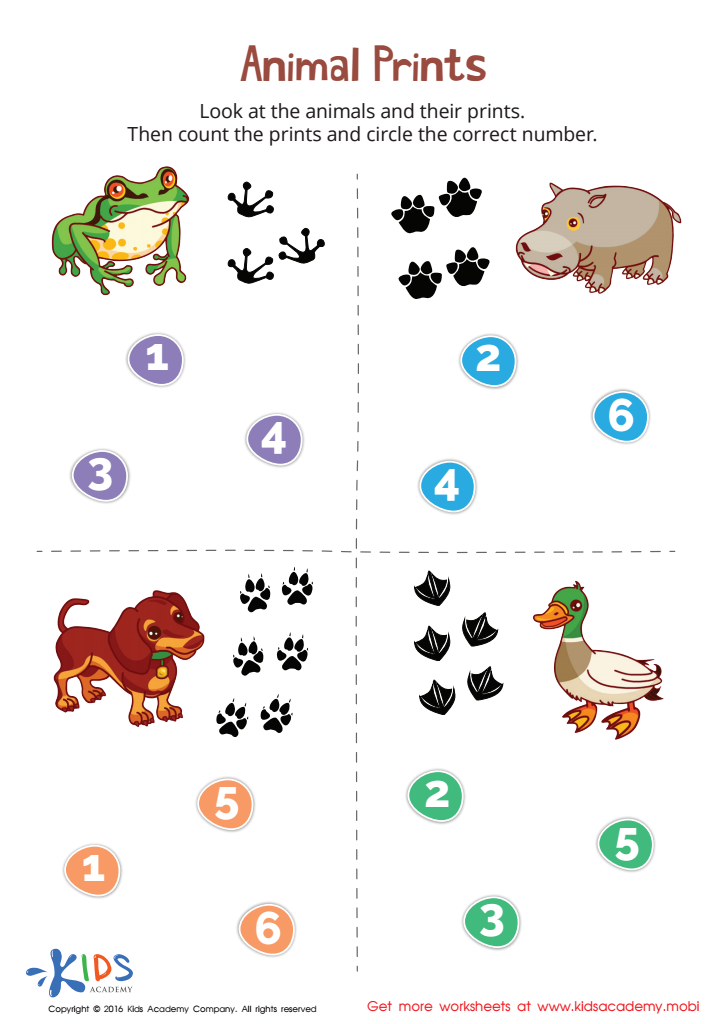
Animal Prints Match-Up Worksheet







Parents and teachers should care about Extra Challenge Matching activities for children aged 3-6 because they play a vital role in early childhood development. During these formative years, children's brains are highly receptive to learning and cognitive development. Extra Challenge Matching games provide essential stimulation that promotes various aspects of cognitive growth, such as memory, attention to detail, and problem-solving skills.
Matching activities encourage young learners to identify similarities and differences, which is fundamental for critical thinking. These exercises also enhance fine motor skills and hand-eye coordination, increasing dexterity as children manipulate cards or objects during play. Additionally, Extra Challenge Matching fosters language development; as children describe matches, they enhance their vocabulary and communication skills.
Furthermore, these activities can offer social benefits. When played in group settings, they teach important social skills like cooperation, taking turns, and patience. Engaging in matching games can also boost a child's confidence and self-esteem, as successfully completing challenges gives a sense of accomplishment.
Lastly, these activities can provide valuable bonding time between parents, teachers, and children, building closer relationships through shared learning experiences. Overall, Extra Challenge Matching games are a multifaceted tool that supports a range of developmental milestones in young children, making them an indispensable part of early education.