Extra Challenge Worksheets for Ages 3-9 - Page 22
507 filtered results
-
From - To
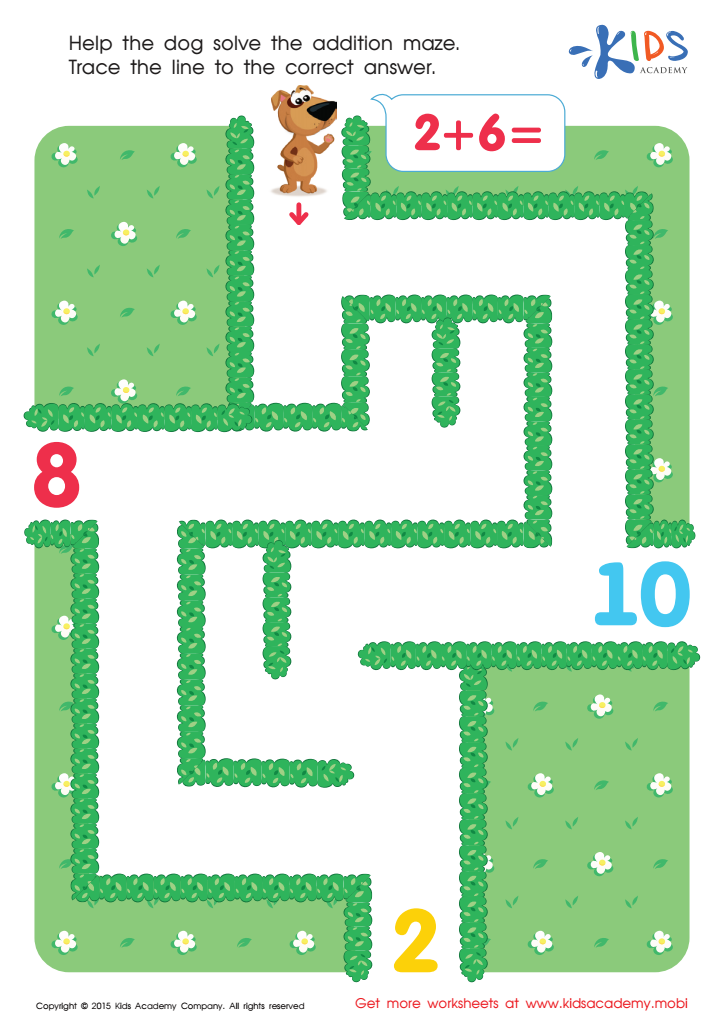
Two Plus Six Addition Worksheet
 Assign to My Students
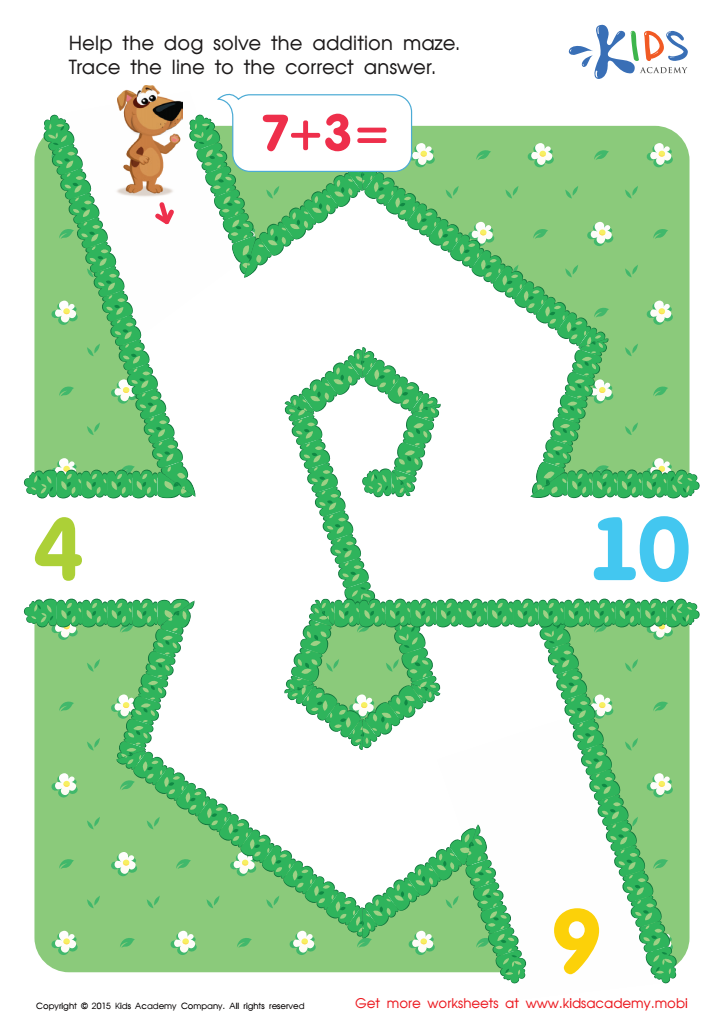
Seven Plus Three Worksheet
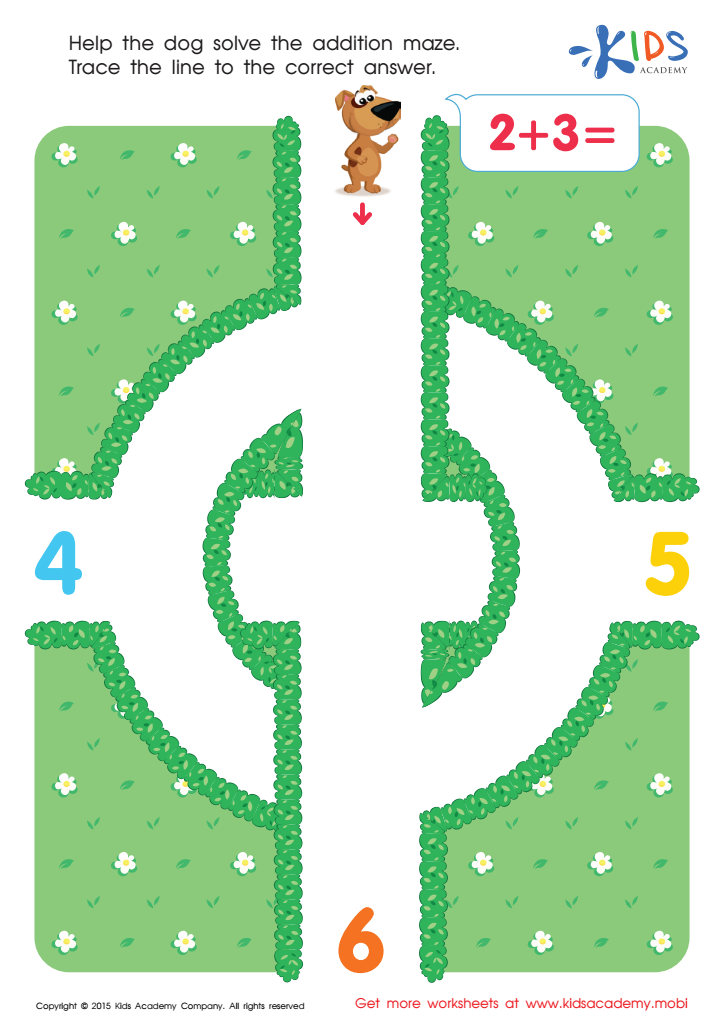
Two And Three Addition Worksheet








Extra challenges for children aged 3-9 are crucial for their developmental growth and learning. At this stage, children's brains are highly adaptable and they can absorb information rapidly. Introducing extra challenges taps into their natural curiosity and eagerness to learn. For parents and teachers, providing these challenges can accelerate cognitive, emotional, and social development.
Intellectual growth is significantly enhanced when kids tackle new tasks, solve problems, and think critically. These activities encourage neural connections that lay the groundwork for future learning. Emotional benefits are equally important, as overcoming challenges builds resilience, self-esteem, and the ability to cope with failure—key life skills.
Socially, extra challenges often involve teamwork, communication, and negotiation skills. When children engage in group activities that require problem-solving, they learn to collaborate, share ideas, and respect different viewpoints. This prepares them for future academic and social environments where cooperation and interaction are essential.
For parents and teachers, observing kids confronting and mastering new tasks provides insight into their strengths and areas needing support. It opens opportunities for meaningful engagement and deeper understanding of each child's unique abilities. By incorporating extra challenges, parents and teachers lay a robust foundation for the child's lifelong learning journey, fostering both skill development and self-confidence.








