Extra Challenge Worksheets for Ages 4-8 - Page 22
507 filtered results
-
From - To
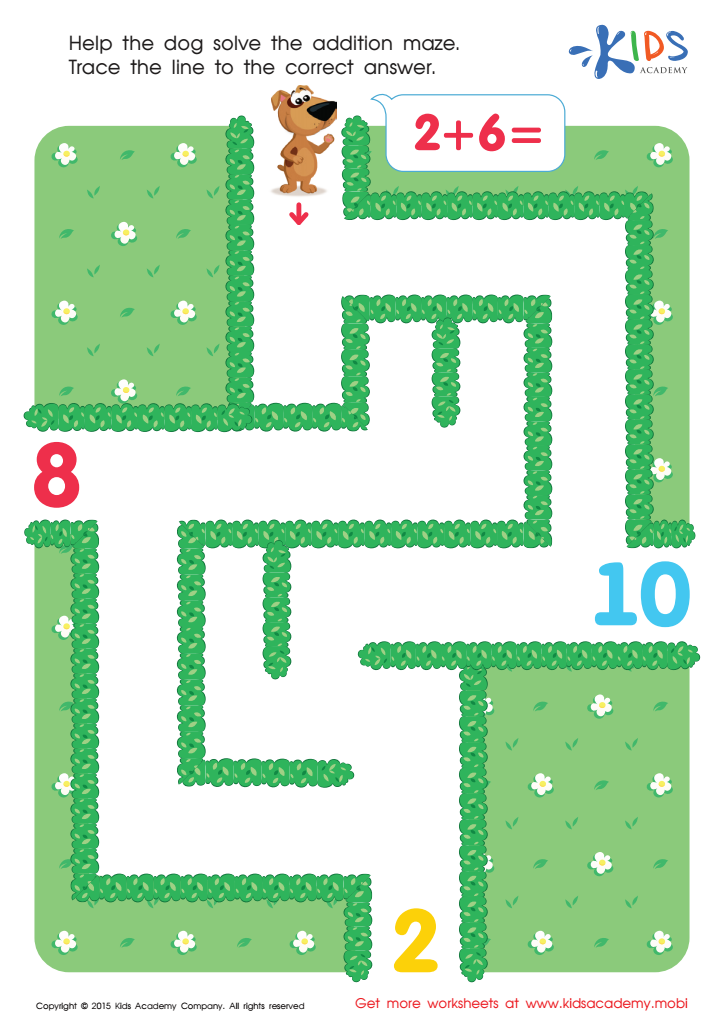
Two Plus Six Addition Worksheet
 Assign to My Students
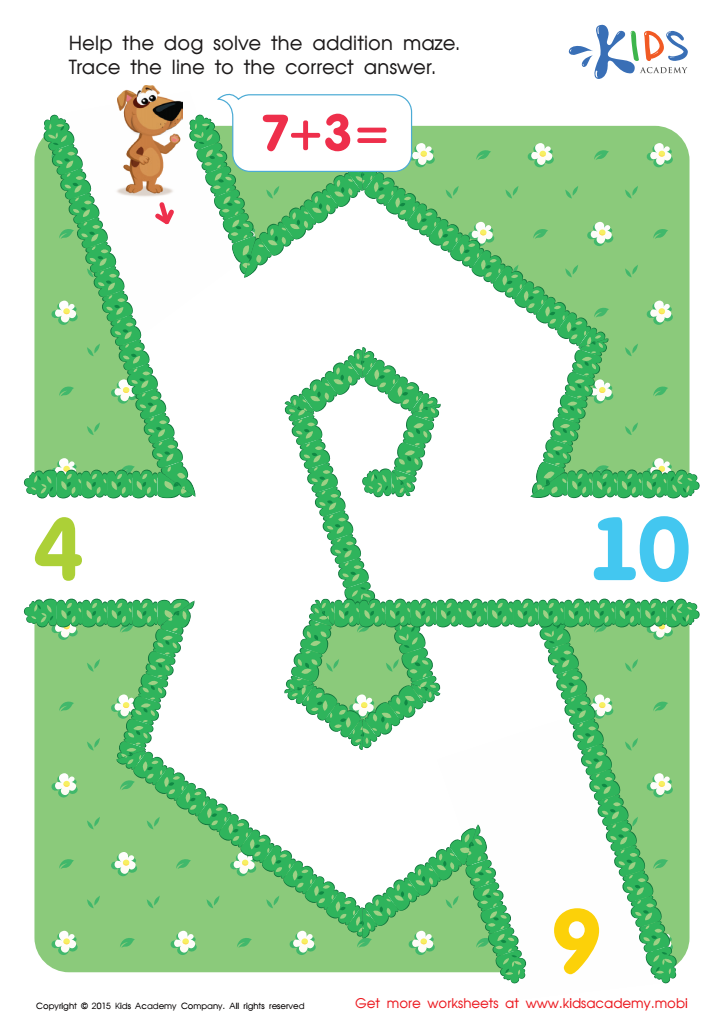
Seven Plus Three Worksheet
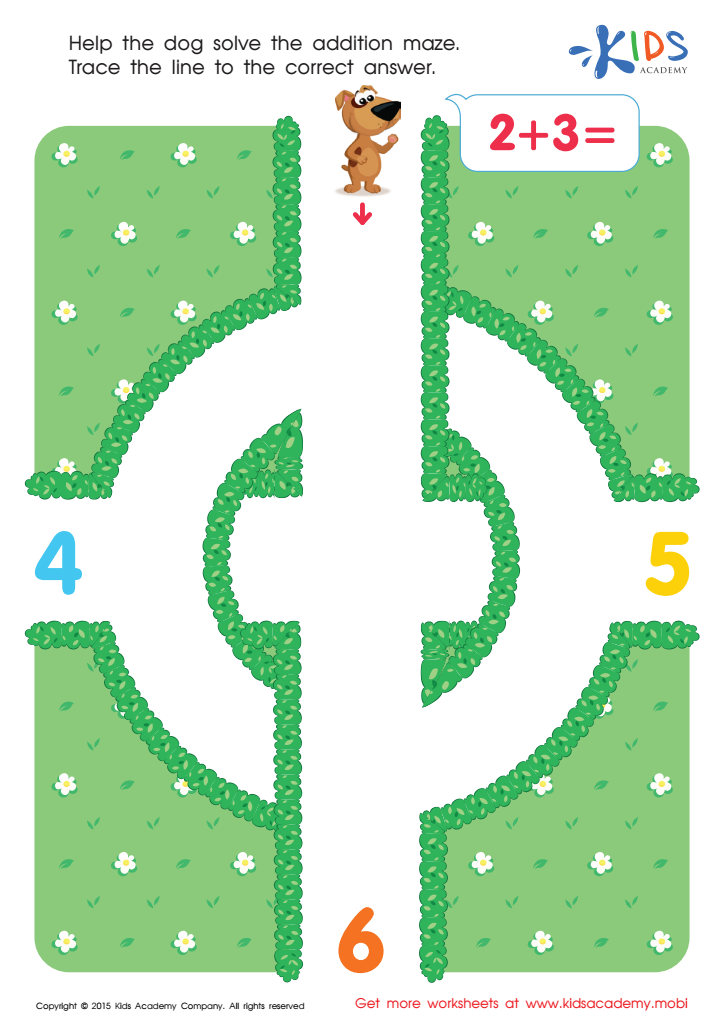
Two And Three Addition Worksheet




.jpg)



Extra challenges for children aged 4-8 are crucial as they play a significant role in their development. During these formative years, children experience what's known as a critical period of cognitive and social development. Extra challenges can stimulate intellectual growth, improve problem-solving skills, and foster creativity.
For parents and teachers, offering additional challenging activities helps identify a child's strengths and areas that need support, allowing for a more personalized educational approach. These challenges are not just academic; they can include puzzles, art projects, games, and physical activities, all designed to build confidence, patience, and resilience.
Moreover, extra challenges nurture a growth mindset, letting children understand that effort and persistence lead to improvement. This attitude becomes ingrained early, aiding lifelong learning and adaptability in various situations.
From a parent's perspective, extra challenges can reveal hidden talents and interests, making it easier to support outside-of-school activities that align with the child's passion. For teachers, they offer an opportunity to enrich the standard curriculum, making learning more engaging and comprehensive.
In essence, providing extra challenges for young children cultivates a well-rounded, self-motivated, and adaptable individual, setting a solid foundation for future academic and life success.








