Extra Challenge Reading Comprehension Worksheets for Ages 4-8
20 filtered results
-
From - To
Elevate your child’s reading skills with our "Extra Challenge Reading Comprehension Worksheets for Ages 4-8." Designed to stimulate young minds, these worksheets offer engaging and age-appropriate content that moves beyond basic understanding, aiming to enhance critical thinking and interpretation skills. With a variety of enchanting stories and thought-provoking questions, each activity helps foster a love for reading while building essential comprehension abilities. Perfect for both classroom and home use, these exercises are an excellent addition to any learning routine, ensuring your child is well on their way to becoming a confident, capable reader. Explore now and watch them thrive!
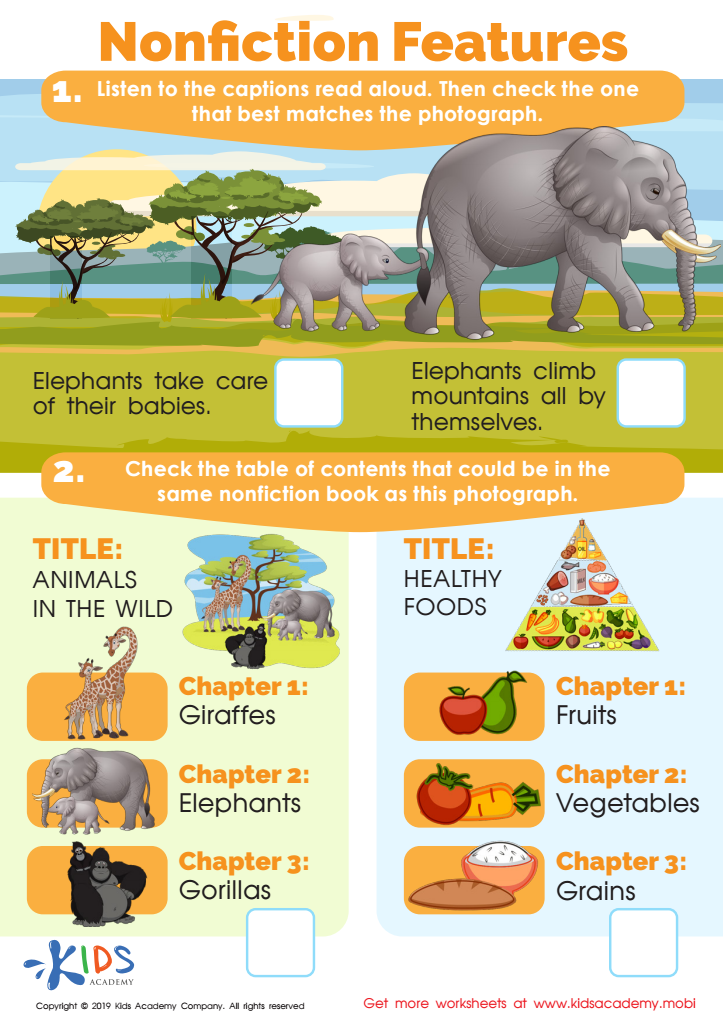
Nonfiction Features Worksheet
 Assign to My Students
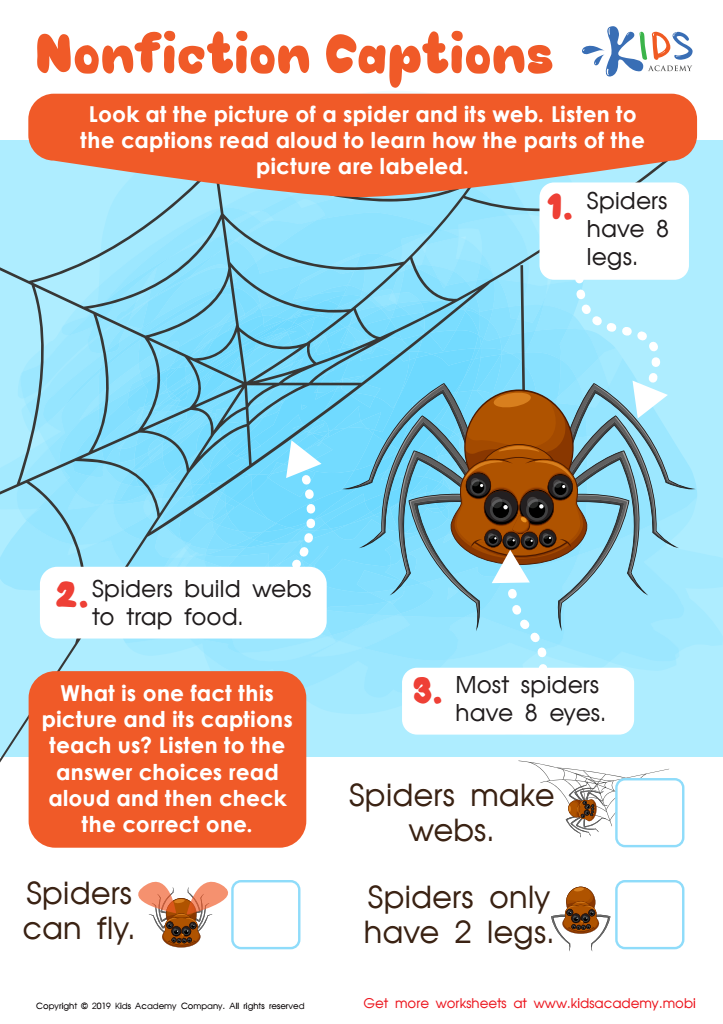
Nonfiction Captions Worksheet
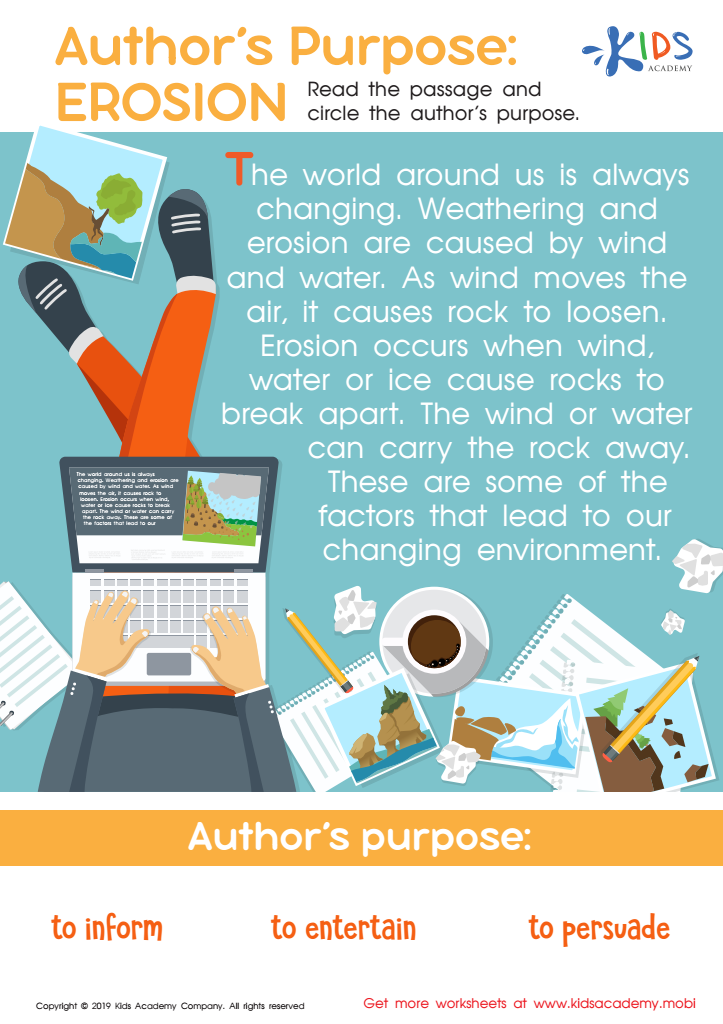
Author’s Purpose: Erosion Worksheet
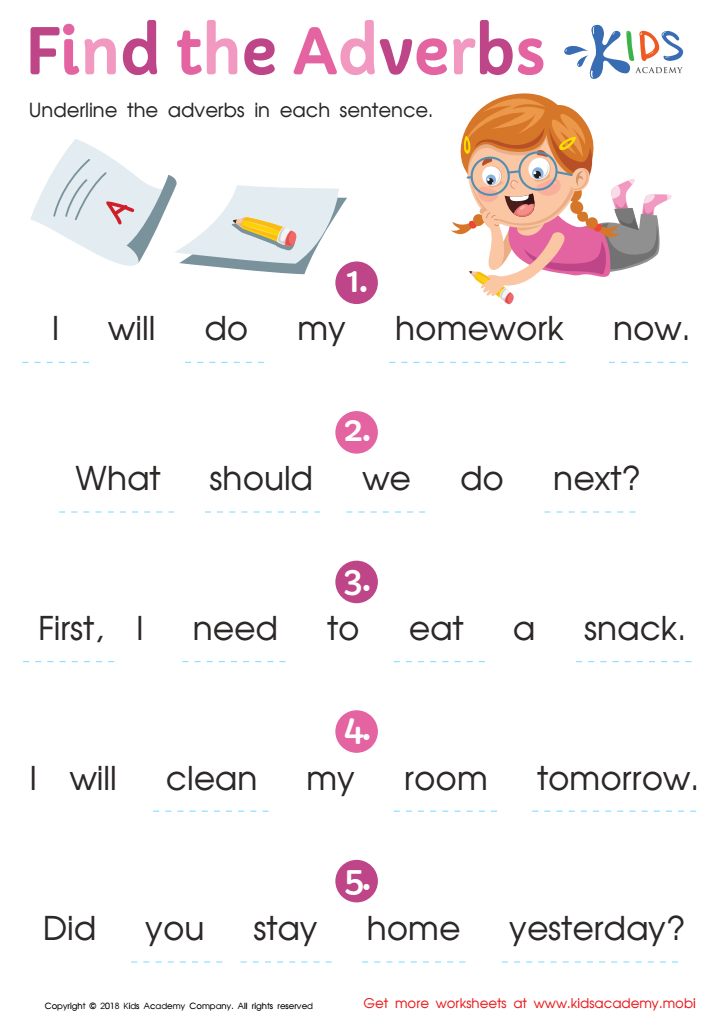
Finding the Adverbs Worksheet
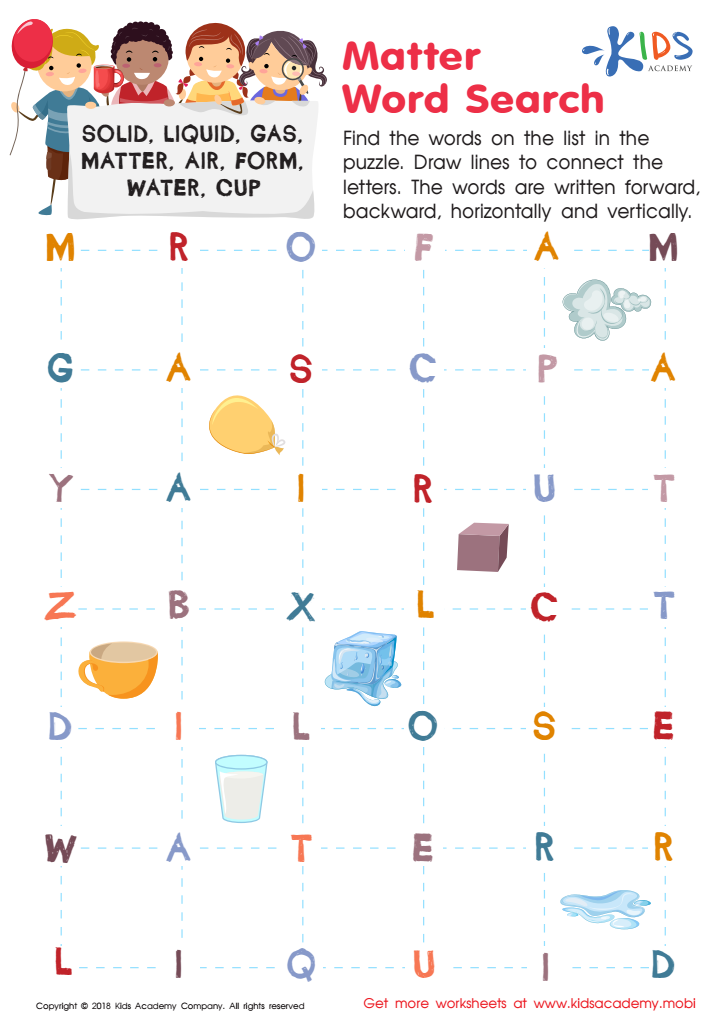
Matter Word Search Worksheet
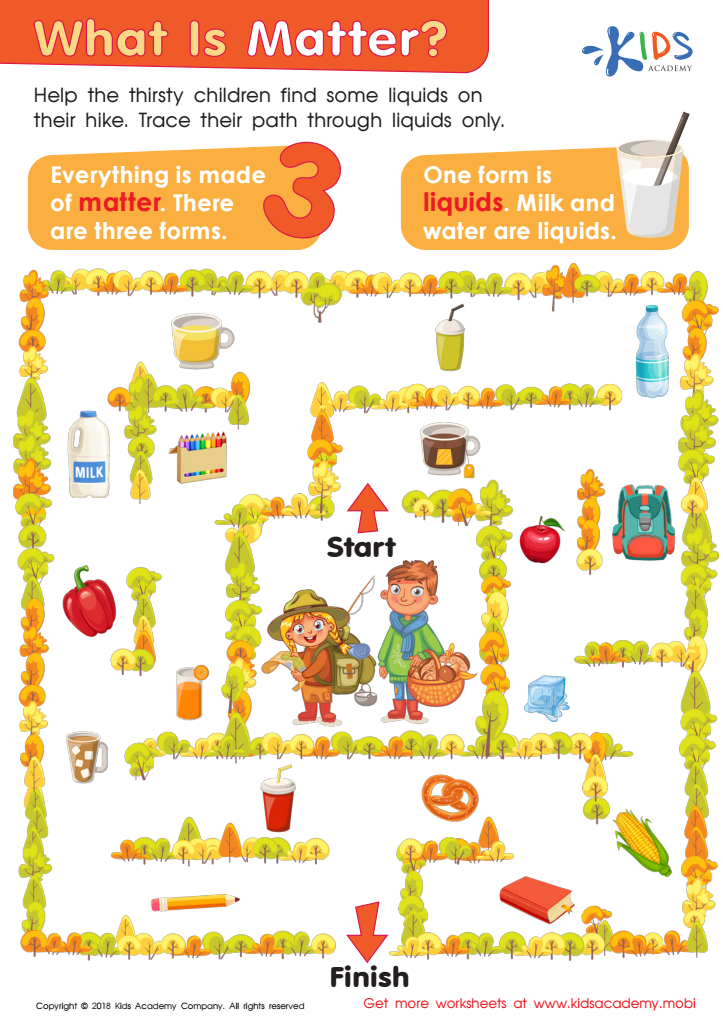
What Is Matter? Worksheet
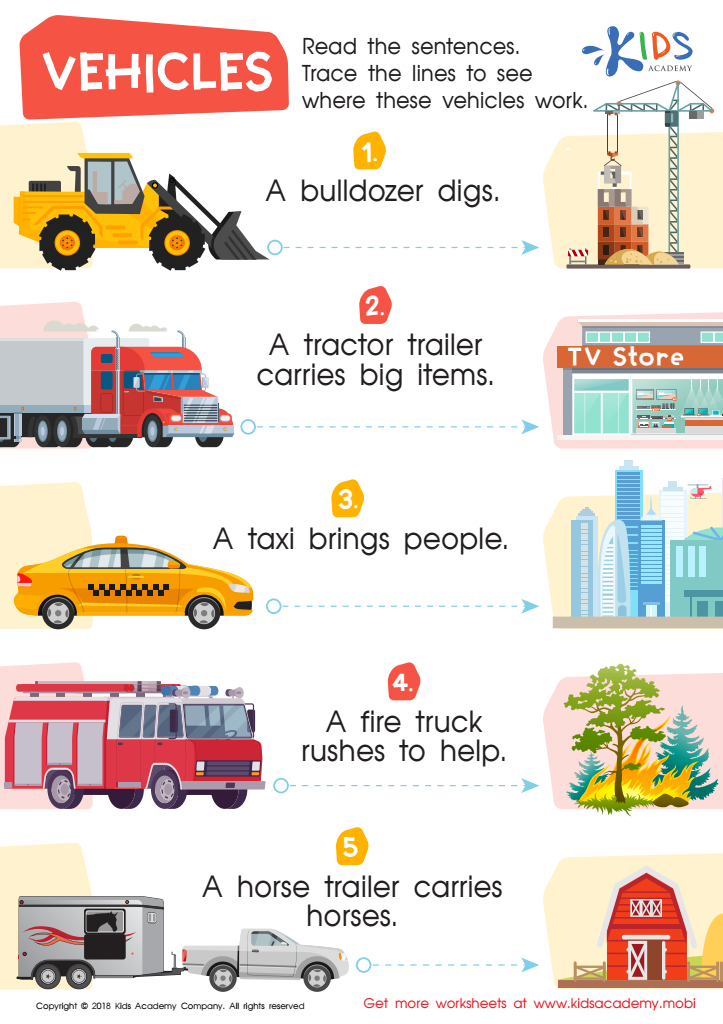
Vehicles Worksheet
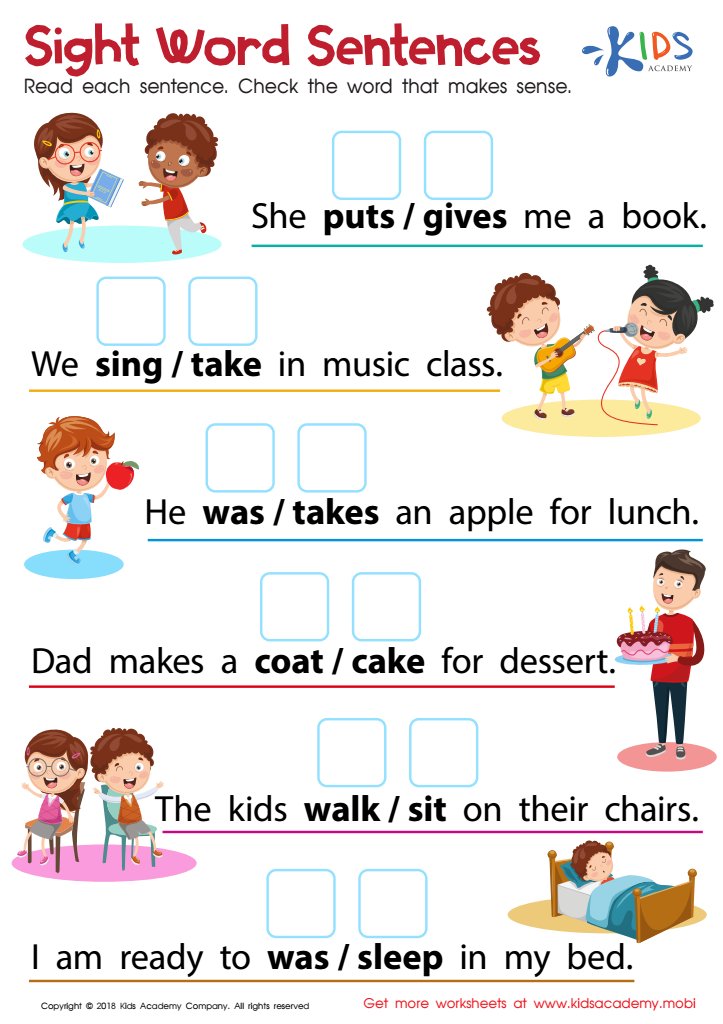
Sight Words Sentences Worksheet
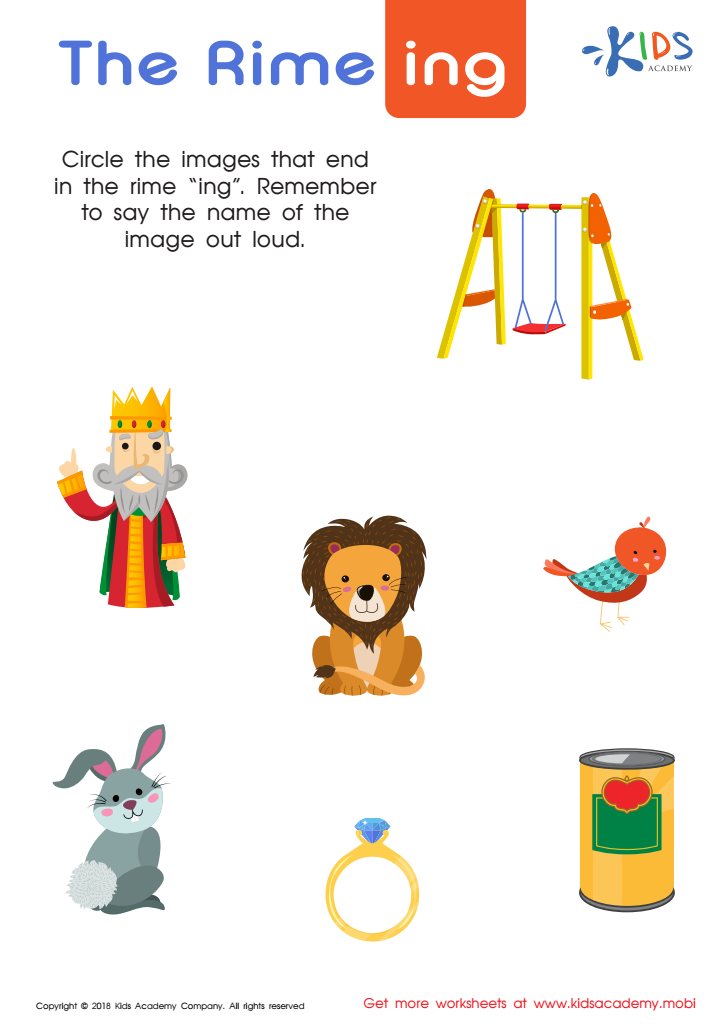
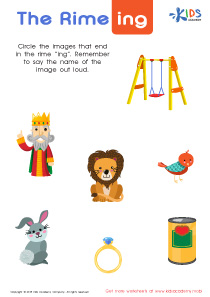
The Rime "ing" Worksheet
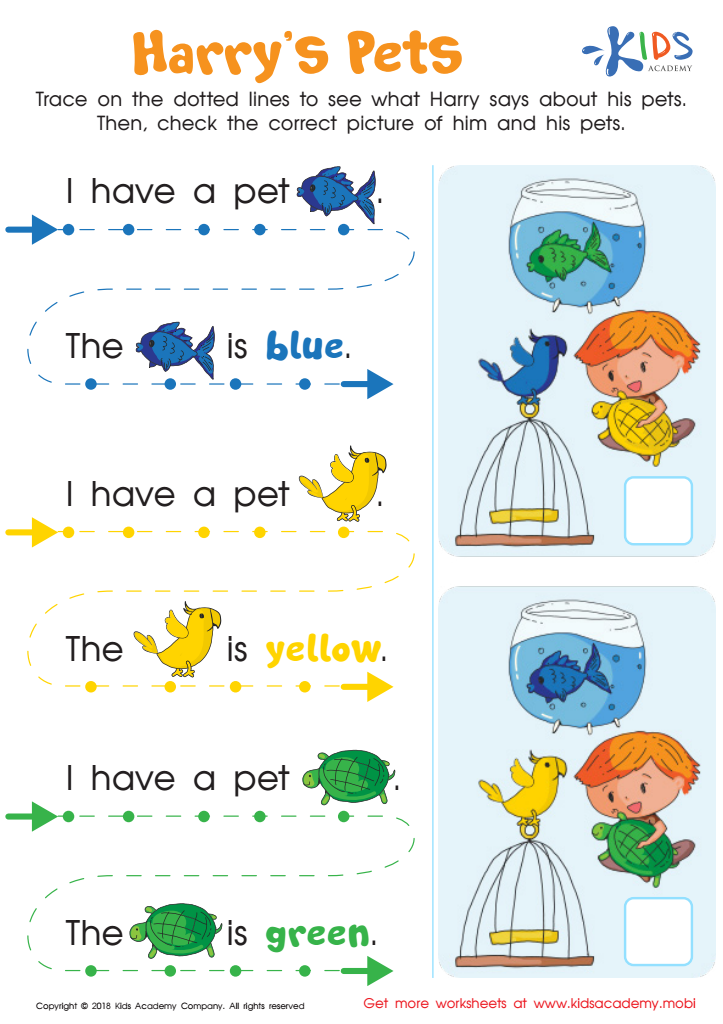
Read from Left to Right: Harry's Pets Worksheet
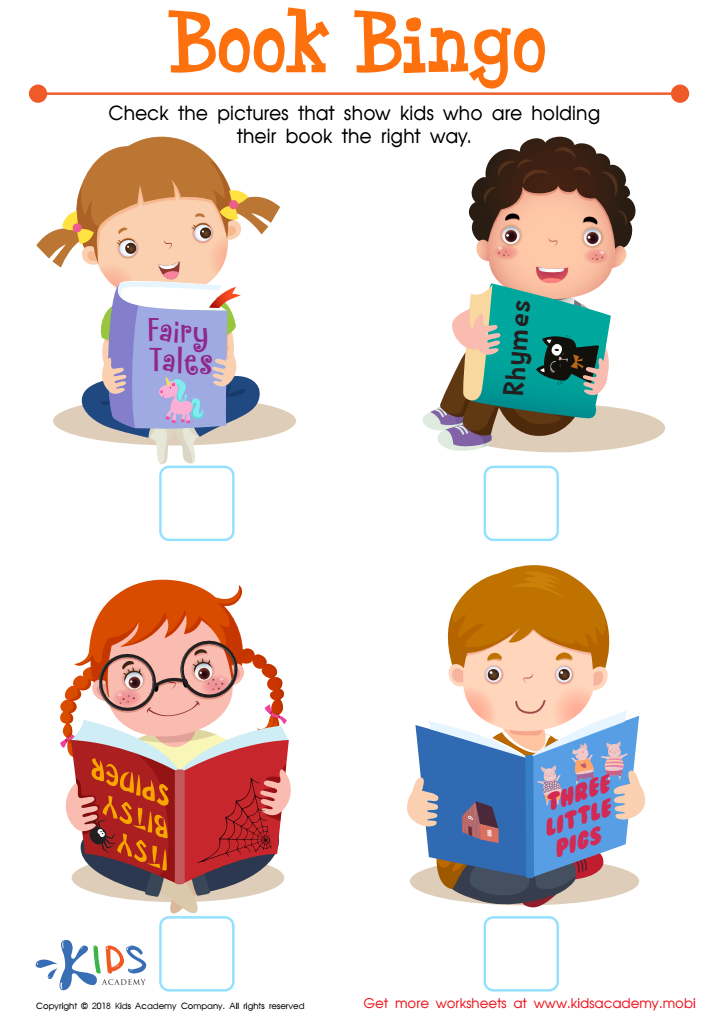
Book Bingo Worksheet
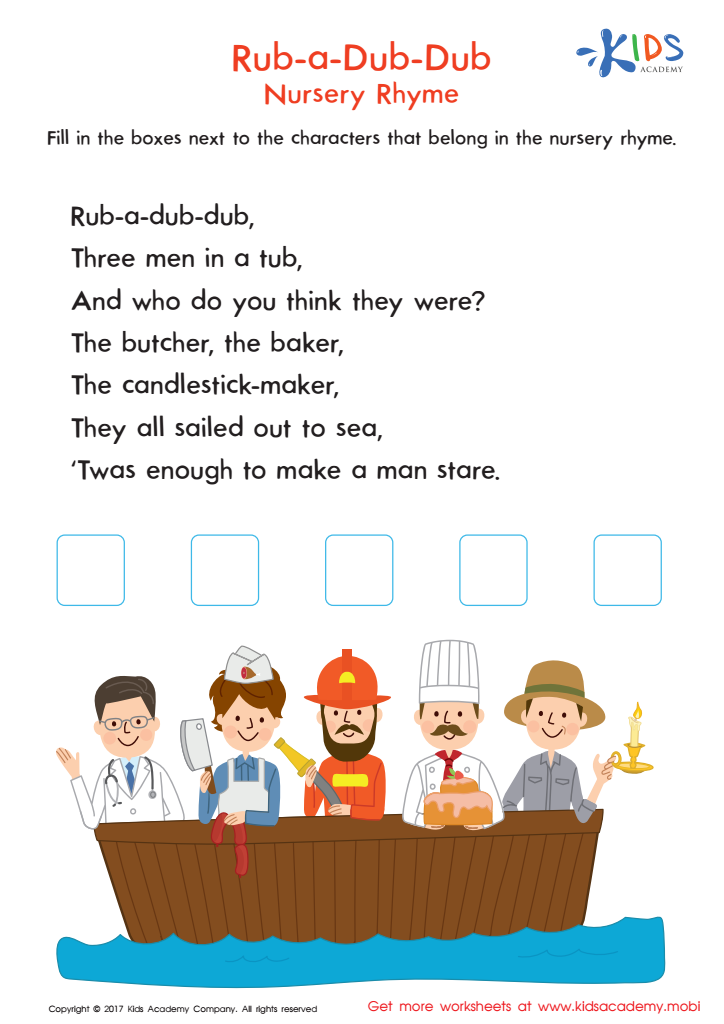
Rub a Dub Dub Printable
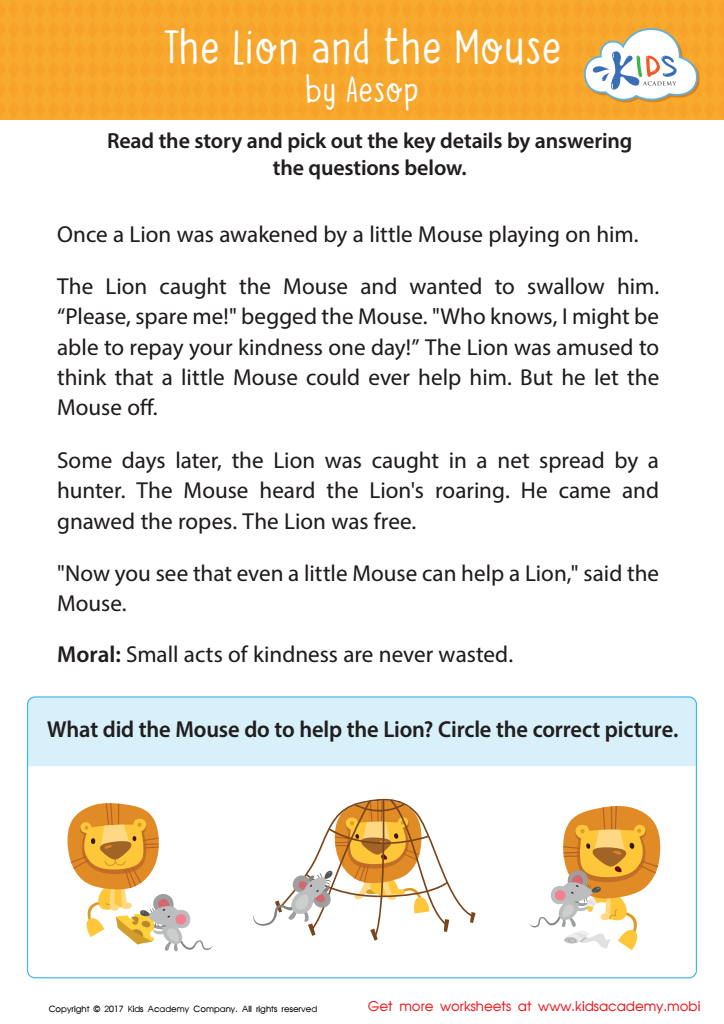
The Lion and The Mouse Sequencing Worksheet
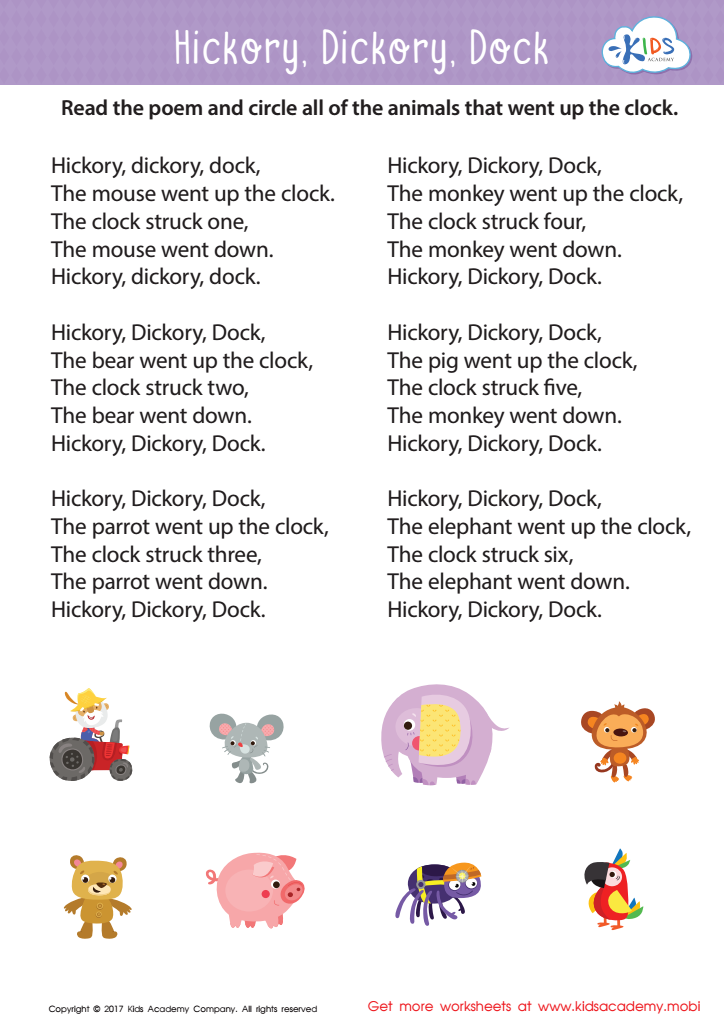
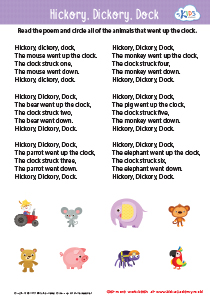
Hickory Dickory Dock Sequencing Worksheet
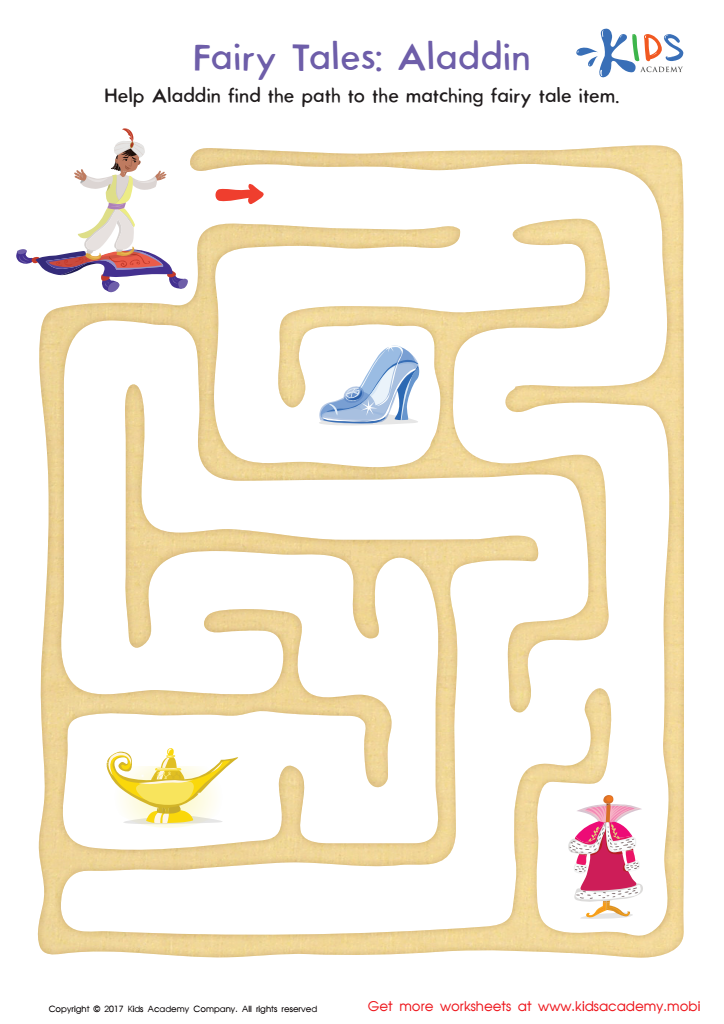
Fairy Tales Aladdin Printable
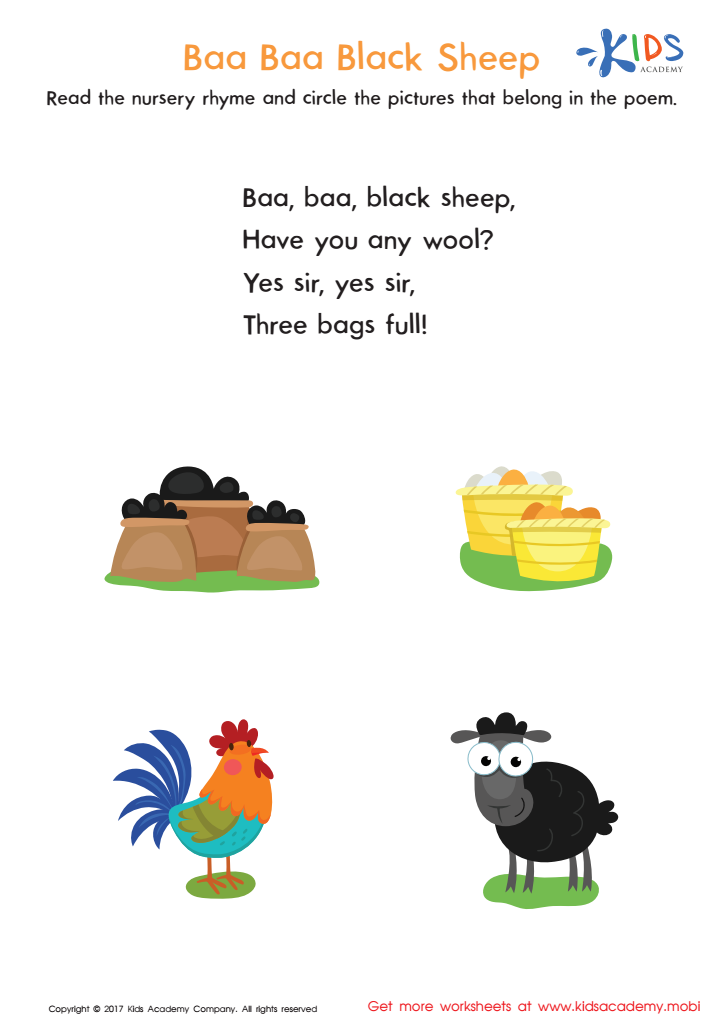
Baa Baa Black Sheep Printable
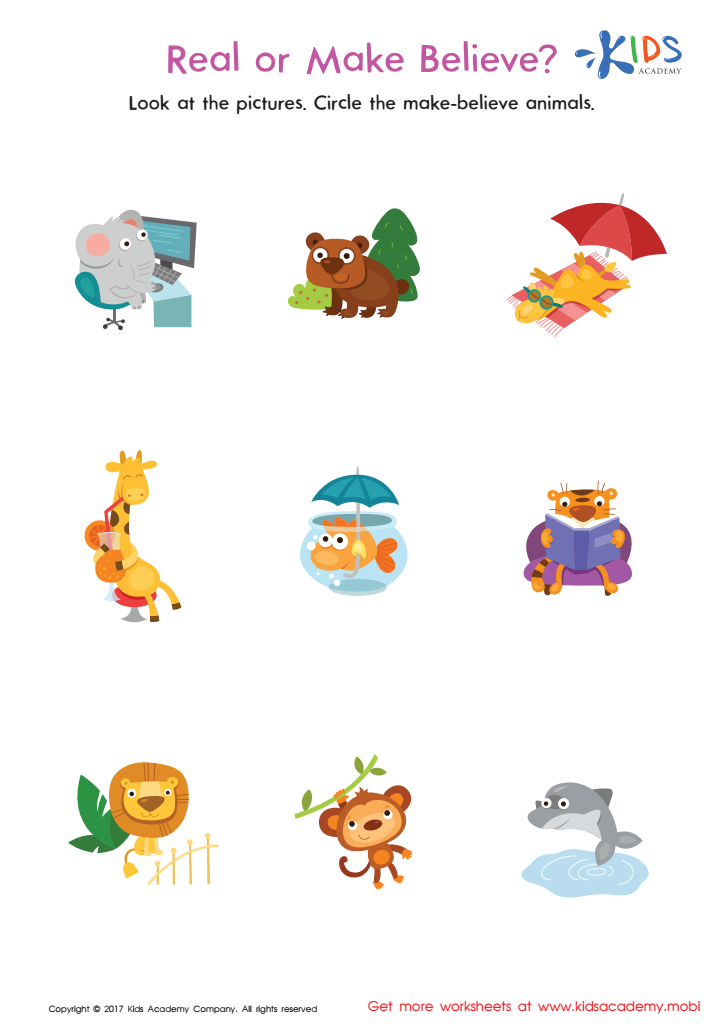
Fact or Make Believe Worksheet
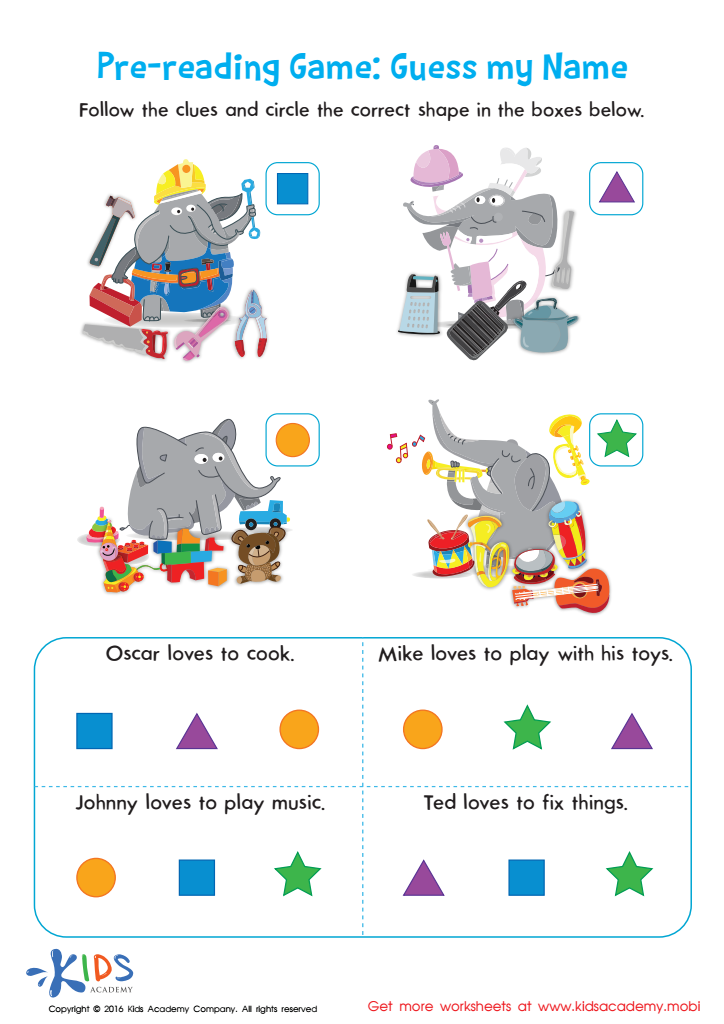
Pre Reading Worksheet Guess My Name
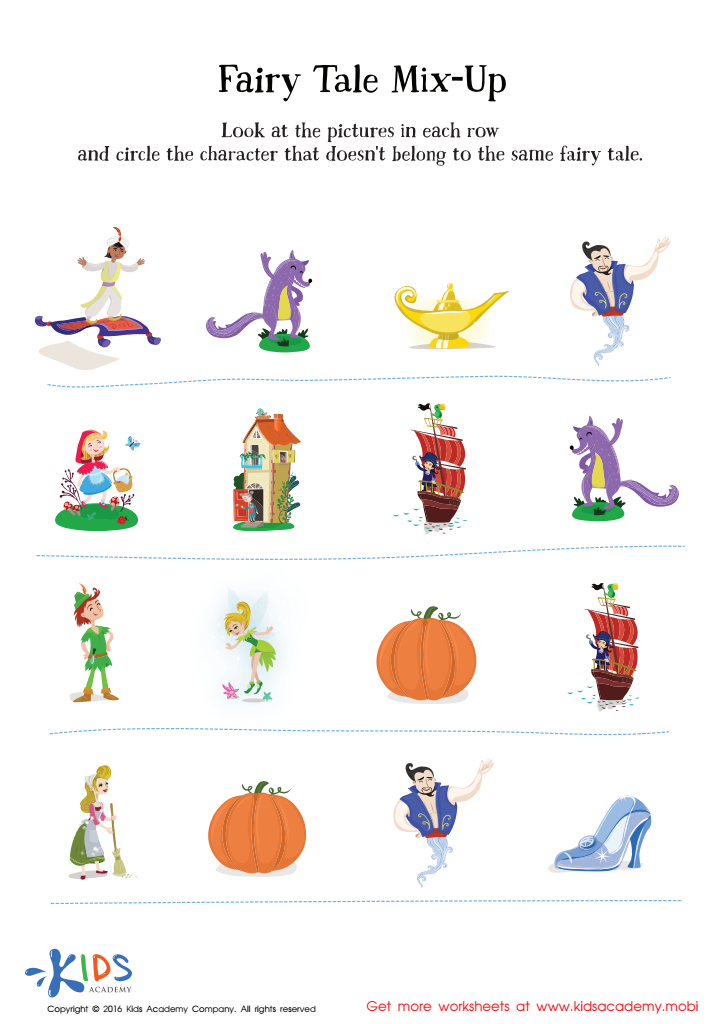
Fairy Tale Worksheet: Story Mix Up
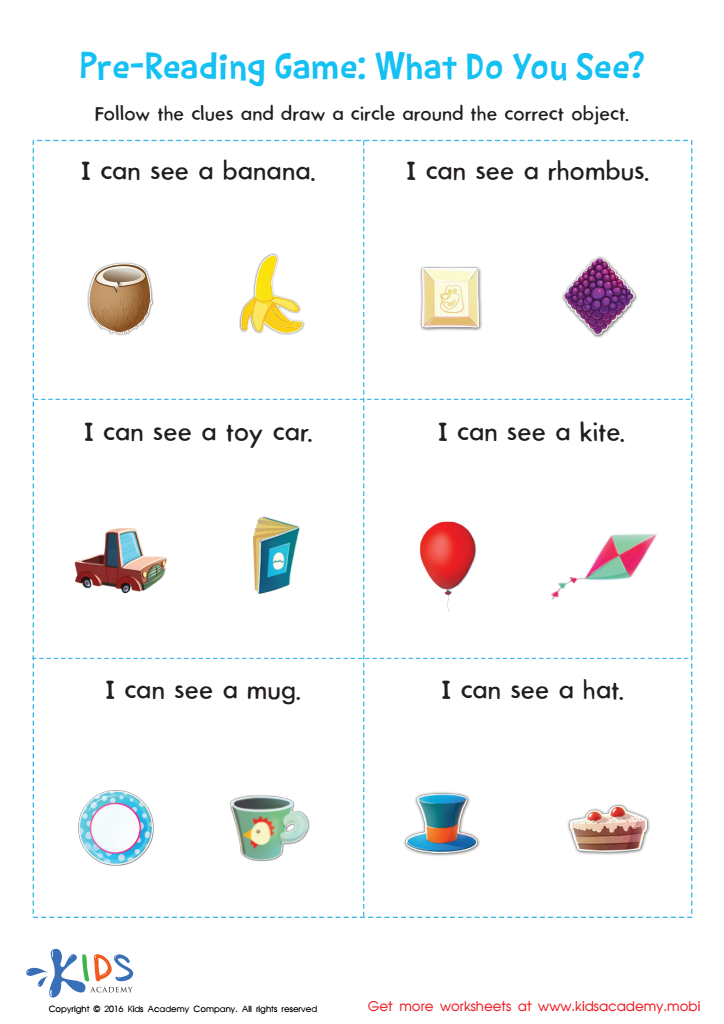
Pre–reading Worksheet: What Do You See?








Extra Challenge Reading Comprehension for ages 4-8 is critically important for several reasons. Reading comprehension is foundational to all academic learning and provides the basis for future educational success. When children develop strong reading skills early, they’re better equipped to understand complex subjects later in life.
For parents and teachers, fostering reading comprehension at an early age can significantly impact a child's cognitive development. It helps enhance vocabulary, language skills, and the ability to process written information efficiently. Challenging reading activities encourage children to think critically and analytically, skills that are fundamental not just in academics but in everyday problem-solving.
Interactive comprehension activities also engage young readers and make learning enjoyable. This not only instills a love for reading but also improves attention span and concentration. Furthermore, reading comprehension activities can serve as an early indicator if a child is struggling, allowing parents and teachers to address potential reading difficulties before they become bigger issues.
Incorporating extra challenges can make the learning process dynamic and adaptive, addressing each child's individual needs and pacing. By investing time and effort into reading comprehension at this formative stage, parents and teachers contribute to a strong educational foundation, promoting lifelong learning habits and academic success.