Filters

31 filtered results

Clear all filters
Favorites
With answer key
Interactive

31 filtered results

Difficulty Level

Grade


Check out this FREE Trial Lesson on Building Vocabulary for age 4-9!

Adjectives and Adverbs

Favorites
With answer key
Interactive
  • 4-9
  • Interactive
  • Building Vocabulary
  • Extra Challenge
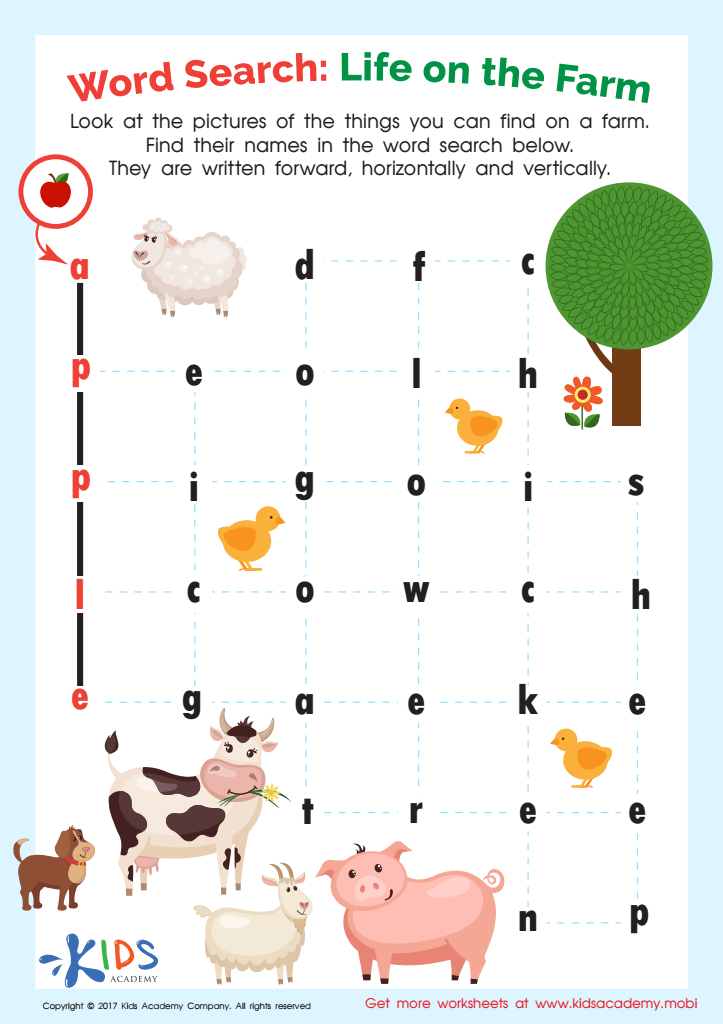
2nd grade word search puzzles

Word Search Puzzles Worksheet

2nd grade word search puzzles are great fun, helping kids flex their knowledge of words and spellings. Kids can use the pictures to find farm-themed words hidden on the page. It's a great way to learn!
Word Search Puzzles Worksheet
Worksheet
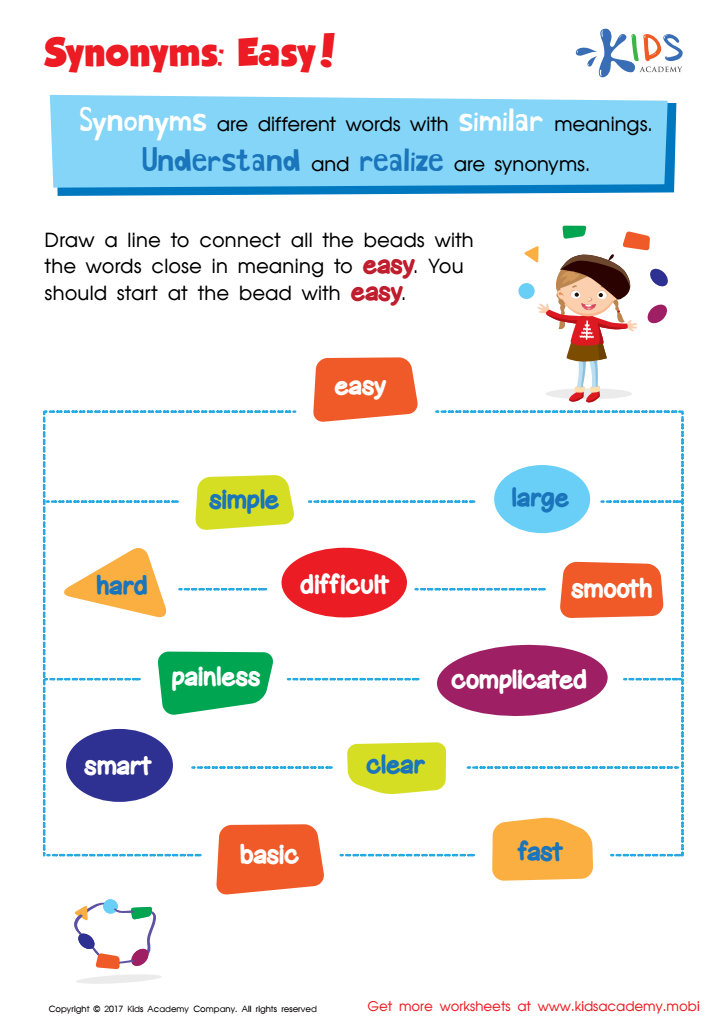
Free synonym worksheets for grade 3

Free Synonym Worksheet

Grade 3s can build their vocabulary with free synonym worksheets. Unlocking the door to better communication, these worksheets help children identify new and interesting words. A great example is finding synonyms for the word easy. Give your kid a boost today!
Free Synonym Worksheet
Worksheet
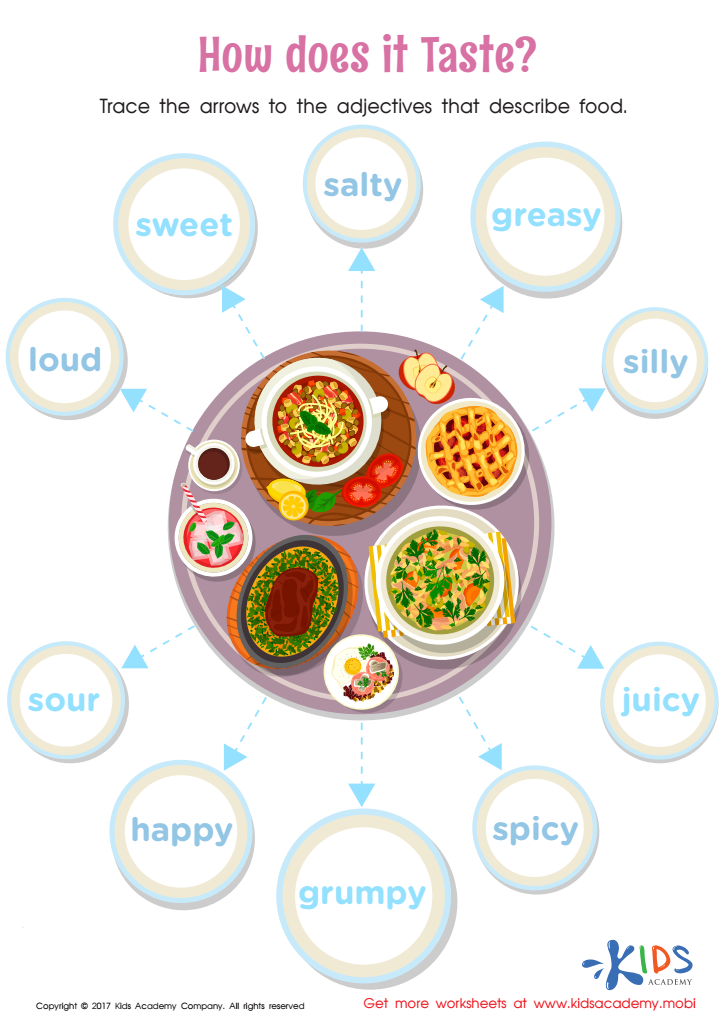
Food adjectives worksheet PDF

Food Adjectives Worksheet

Here’s a fun PDF worksheet to get your child’s taste buds tingling and help build descriptive language skills!
Food Adjectives Worksheet
Worksheet
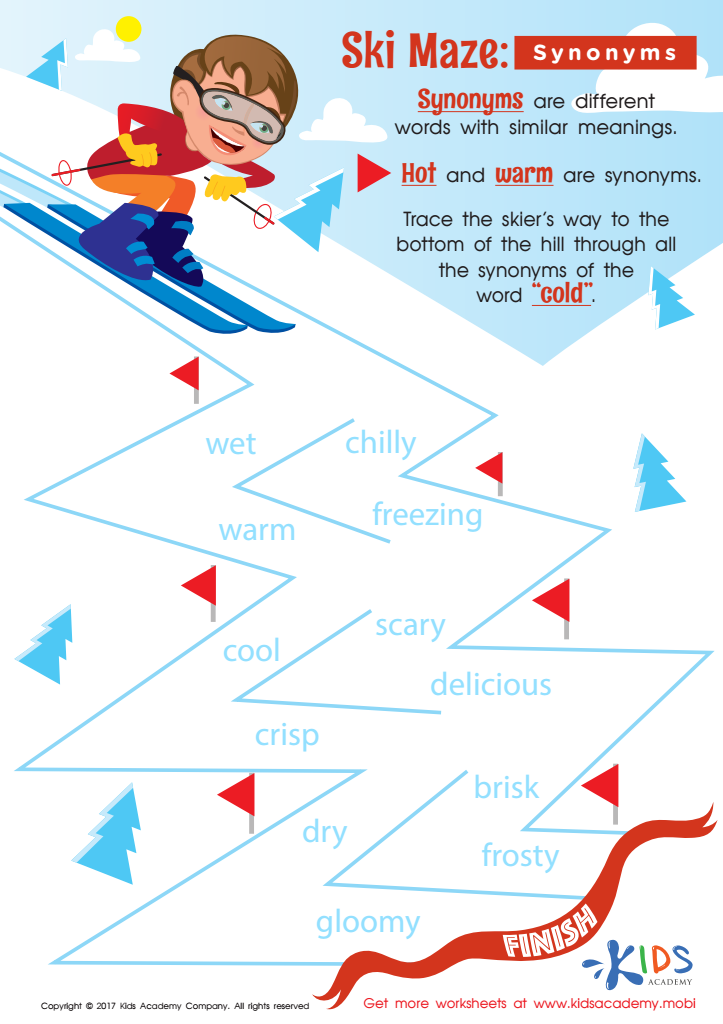
Free printable synonym worksheets for 2nd grade

Free Printable Synonym Worksheet

Our free printable synonym worksheet for 2nd grade will help kids learn similar words to expand their vocabulary. Kids will have fun challenging themselves to find all the words that are synonyms for “cold”. Enhance their language and writing with this joyful worksheet!
Free Printable Synonym Worksheet
Worksheet
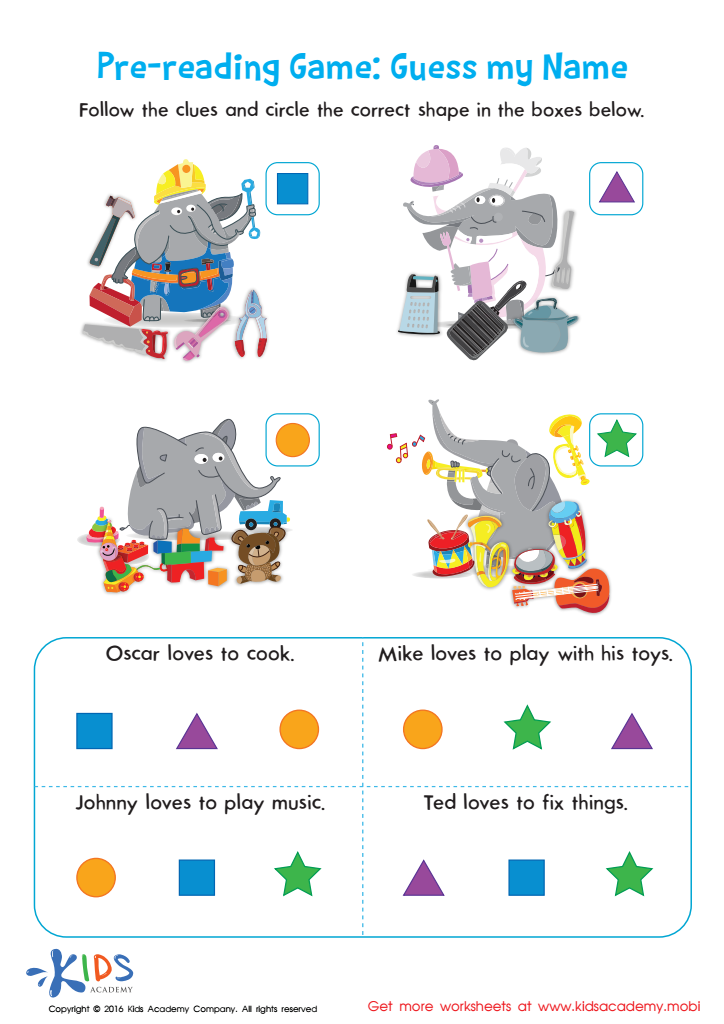
Pre reading worksheet guess my name

Pre Reading Worksheet Guess My Name

Guess My Name is a fun way to practice inference skills. Guess My Name is a fun pre-reading game to help your child practice drawing inferences from clues. With colorful illustrations, they'll use clues to match each elephant with its sentence and sharpen their inference skills.
Pre Reading Worksheet Guess My Name
Worksheet
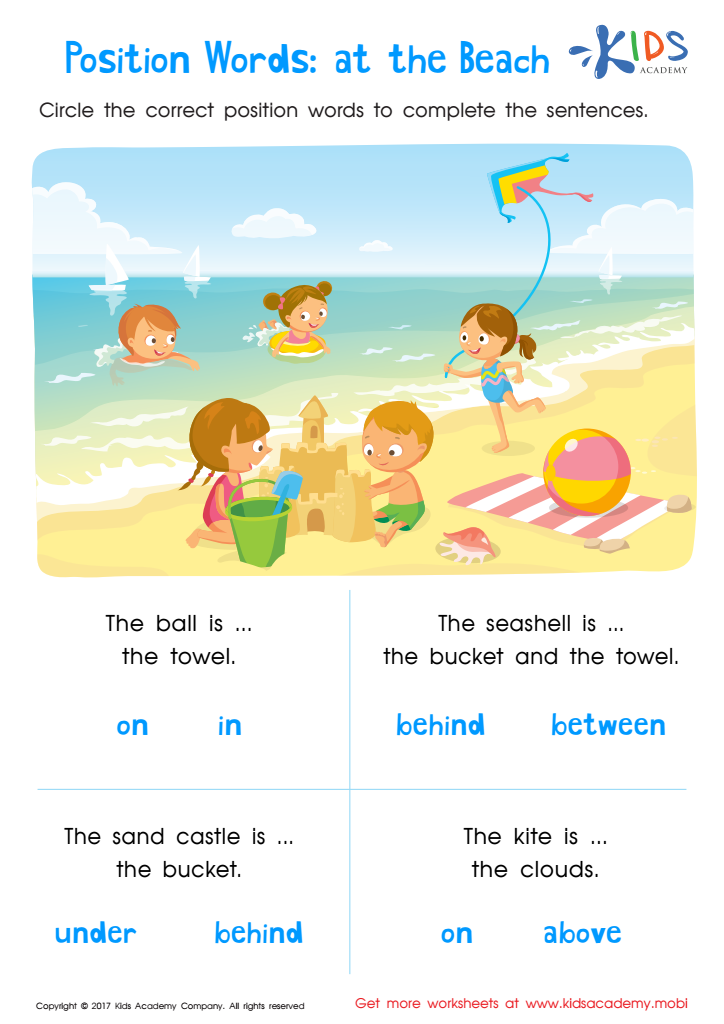
Positional Words Worksheet

At the Beach Printable Sight Words Worksheet

At the Beach Printable Sight Words Worksheet
Worksheet
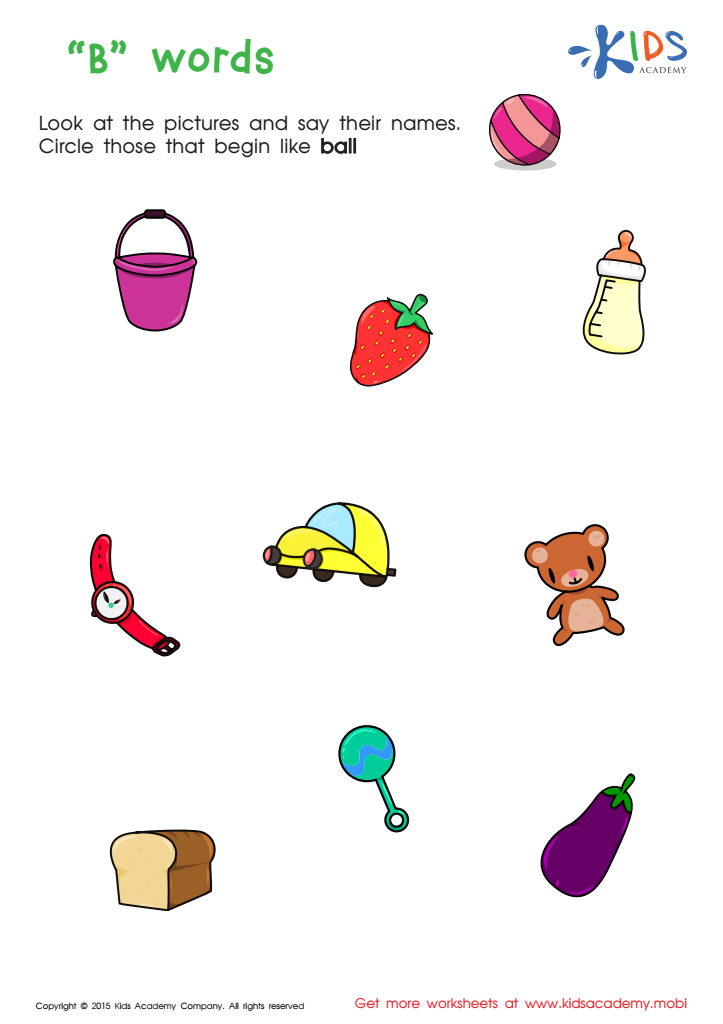
“B” Words Printable Worksheet

First Words Worksheet

Want to help your preschooler learn to read and write? Start with this 'B' words printable worksheet. It will help your child match pictures to the letters they know, sound out words, and build literacy. Once they understand the concept, they can start sounding out words and building reading skills.
First Words Worksheet
Worksheet


Extra Challenge Building Vocabulary for ages 4-9 is crucial because language development forms the foundation for academic success and effective communication. During these formative years, children are naturally inclined to absorb new words and concepts. By focusing on enriching their vocabulary, parents and teachers can empower children to express themselves clearly and confidently, which enhances their overall thinking and comprehension skills.

A robust vocabulary is linked to better reading comprehension, allowing children to thrive in literacy-related tasks as they progress through school. It also fosters a love for reading and encourages curiosity about the world around them. Furthermore, strong vocabulary skills are associated with improved social interactions, as children who articulate their thoughts effectively tend to form better relationships with peers.

Incorporating targeted activities that challenge children to learn new words makes the learning process engaging and fun. Such initiatives can bridge gaps for those who may be at a linguistic disadvantage, supporting inclusivity. Ultimately, investing time in vocabulary development nurtures lifelong learners who are better equipped to navigate their educational journeys and articulate their ideas in a variety of contexts. Thus, prioritizing vocabulary building is an essential component of effective early education, benefiting children holistically.