Extra Challenge Matching Worksheets for Ages 5-7 - Page 2
28 filtered results
-
From - To
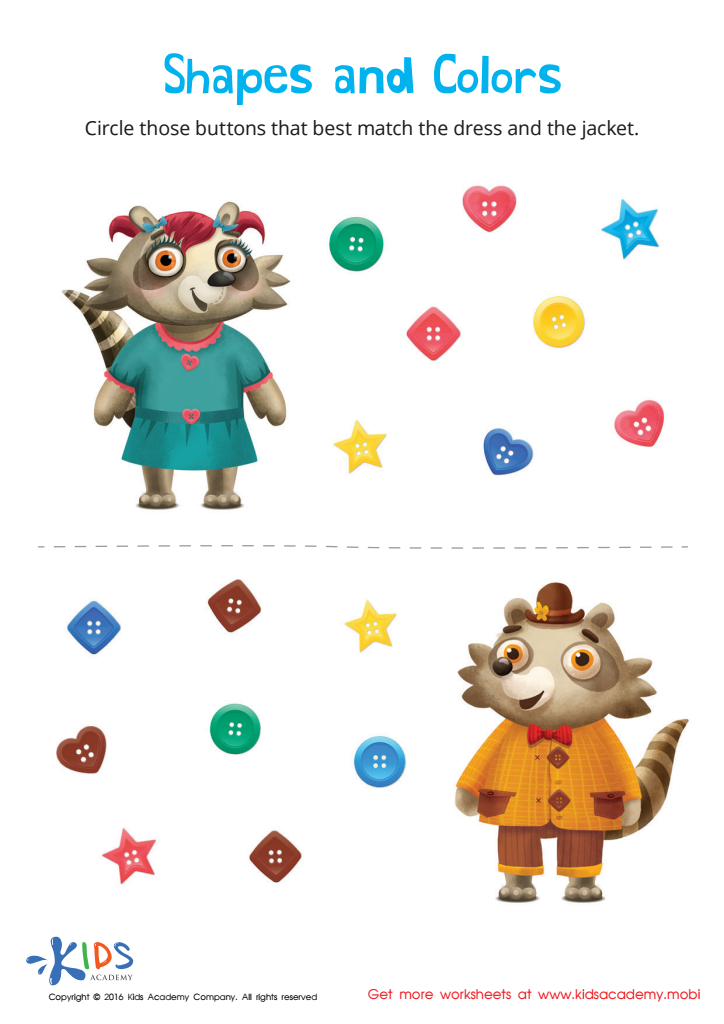
Matching: Shapes and Colors Worksheet
 Assign to My Students
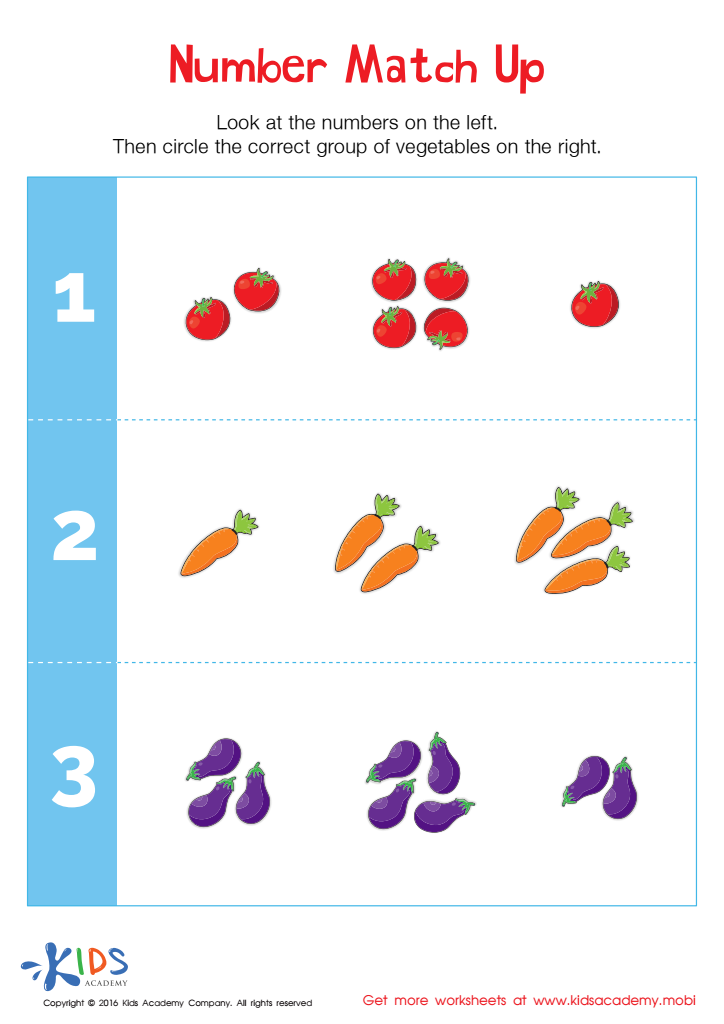
Number Match Up Worksheet
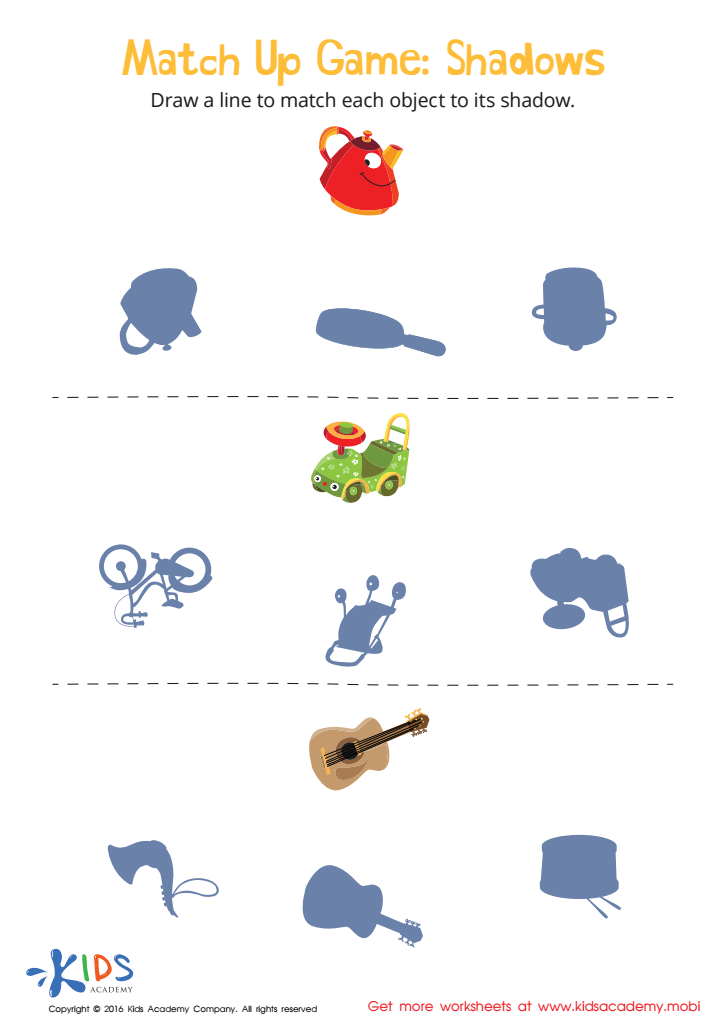
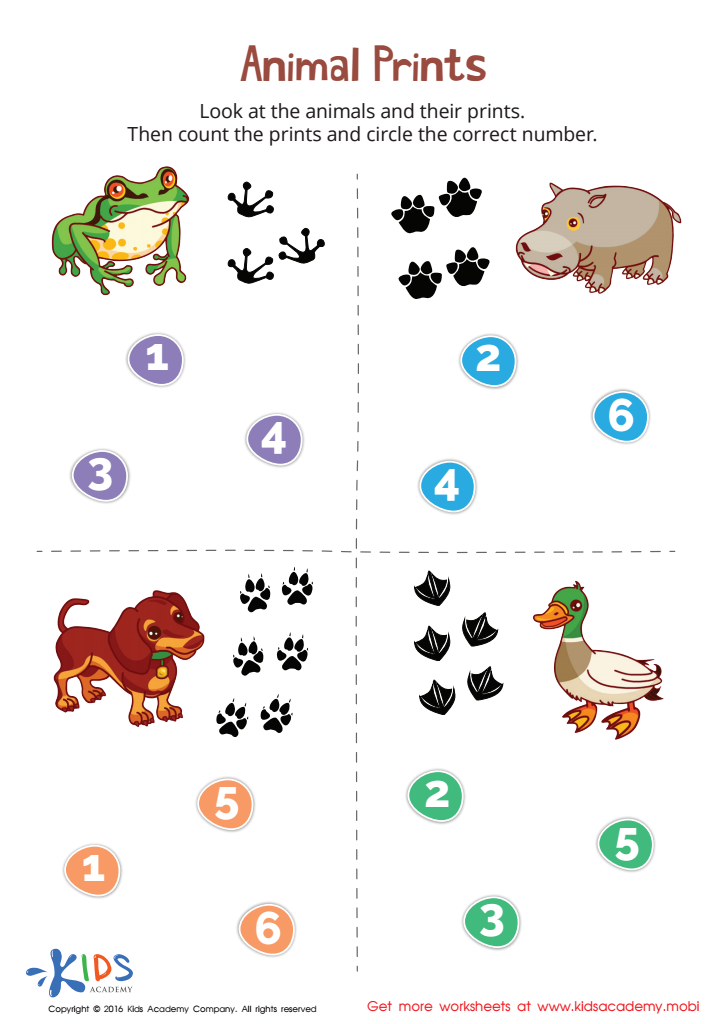
Animal Prints Match-Up Worksheet








Extra Challenge Matching for ages 5-7 is crucial for early developmental and educational growth. At this vibrant age, children's cognitive skills are rapidly evolving, and engaging them through tailored challenges enhances their learning experiences. Extra Challenge Matching provides opportunities that go beyond standard curriculum, fostering critical thinking, problem-solving, and creativity.
Parents and teachers should prioritize this because it supports diverse learning styles and paces. Not every child thrives on the same level, and some may need more stimulating activities to keep them engaged and motivated. Implementing challenging, age-appropriate matching games promotes cognitive flexibility, pattern recognition, and boosts self-esteem as children succeed at tasks that push their boundaries.
Moreover, it creates a fun learning environment that helps normalize difficulty. By introducing extra challenges, we encourage resilience and perseverance in the face of tough tasks, essential skills for lifelong learning.
Ultimately, investing time in Extra Challenge Matching not only aids children's intellectual growth but also strengthens their love for learning. It enables them to take ownership of their educational journey, making parents and teachers key partners in nurturing capable, confident learners.