Extra Challenge Alphabet Worksheets for Ages 6-8 - Page 2
33 filtered results
-
From - To
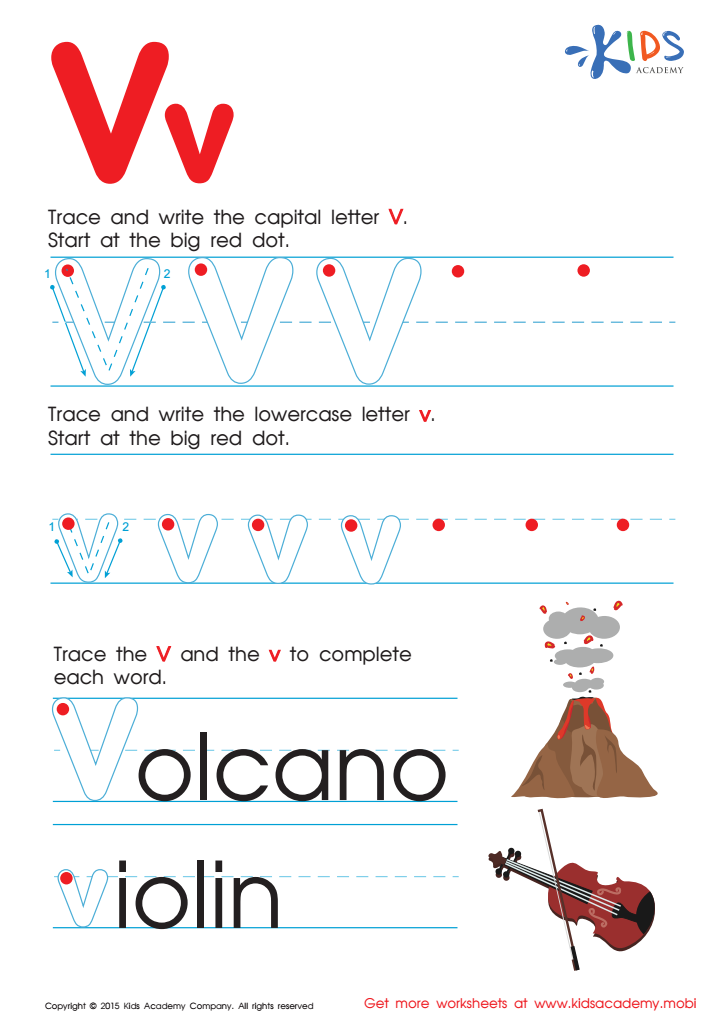
Letter V Tracing Page
 Assign to My Students
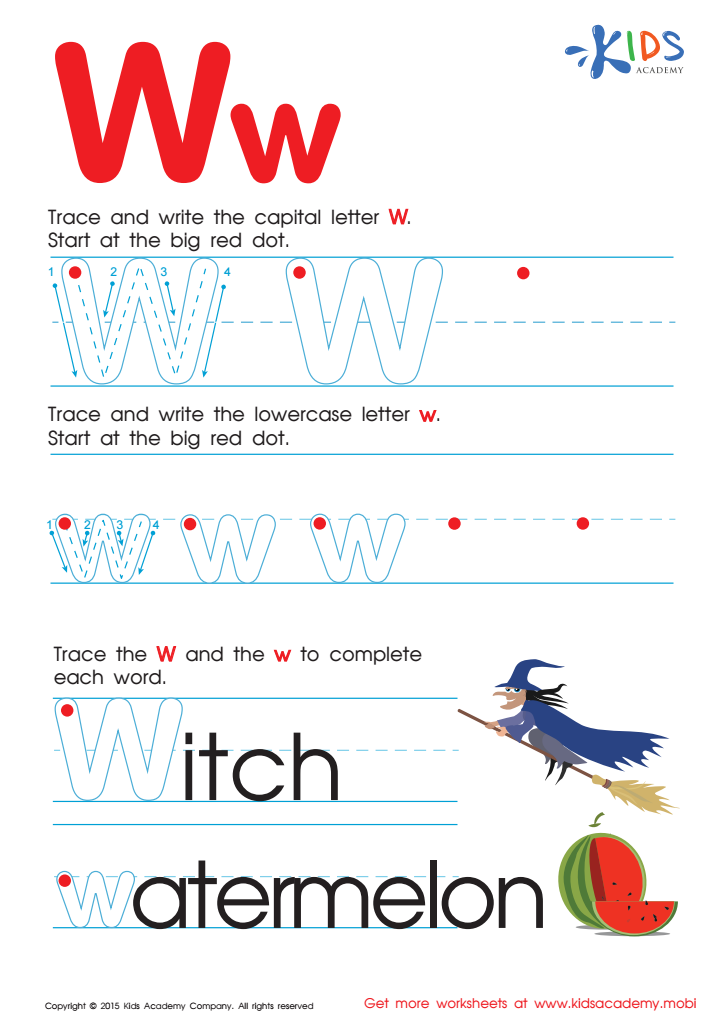
Letter W Tracing Page
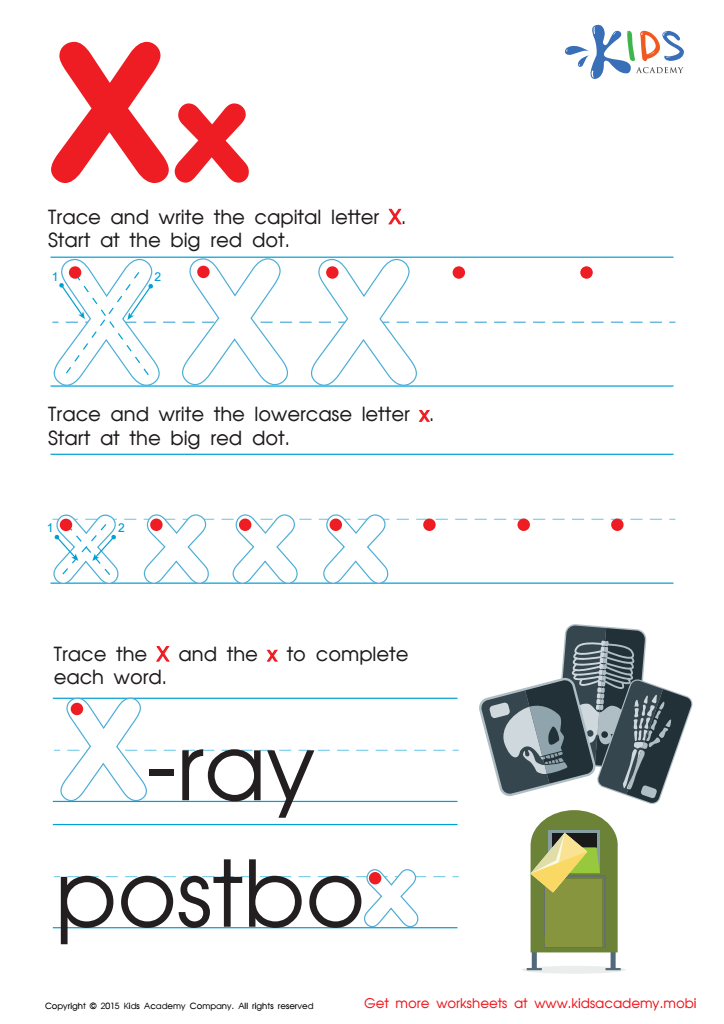
Letter X Tracing Page
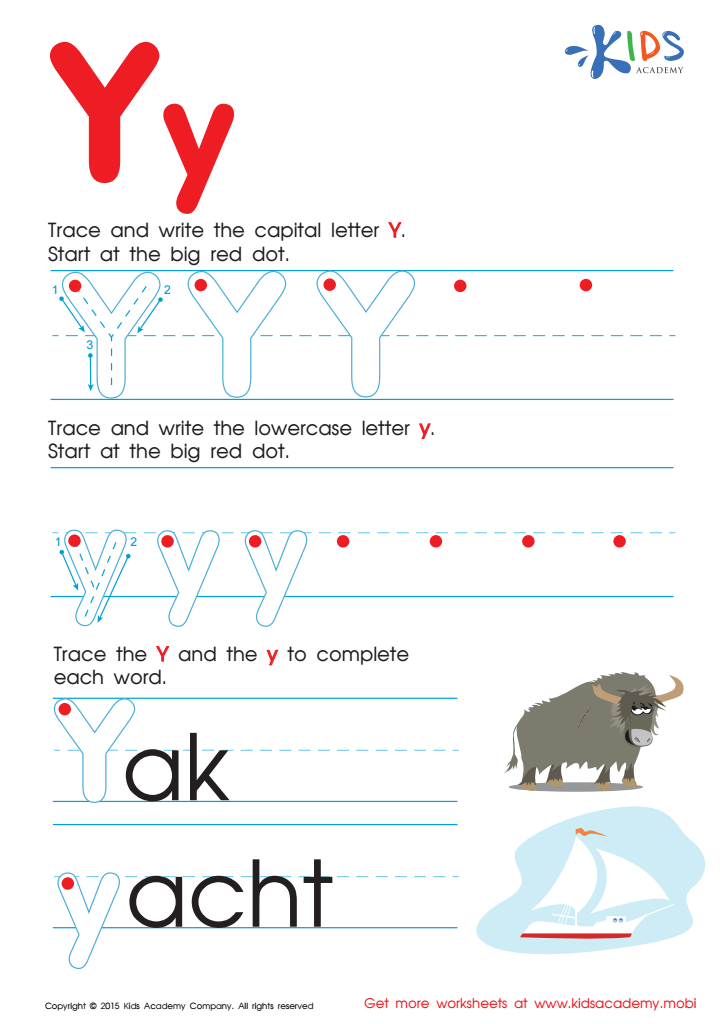
Letter Y Tracing Page
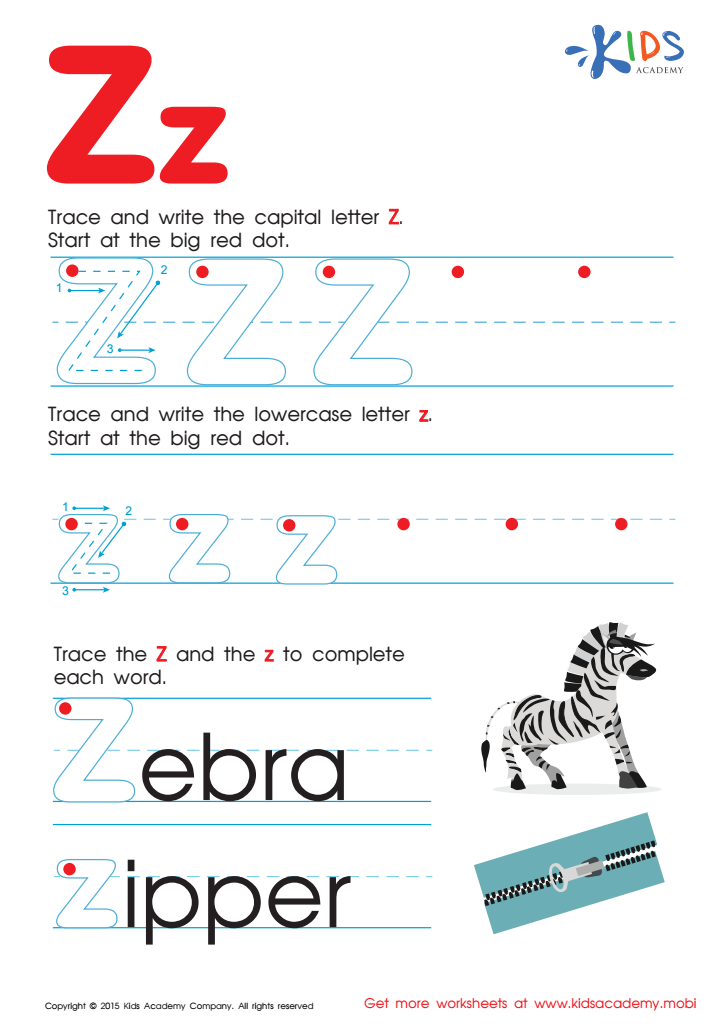
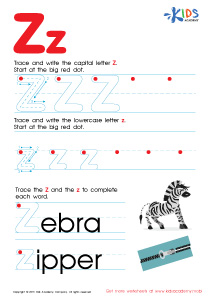
Letter Z Tracing Page
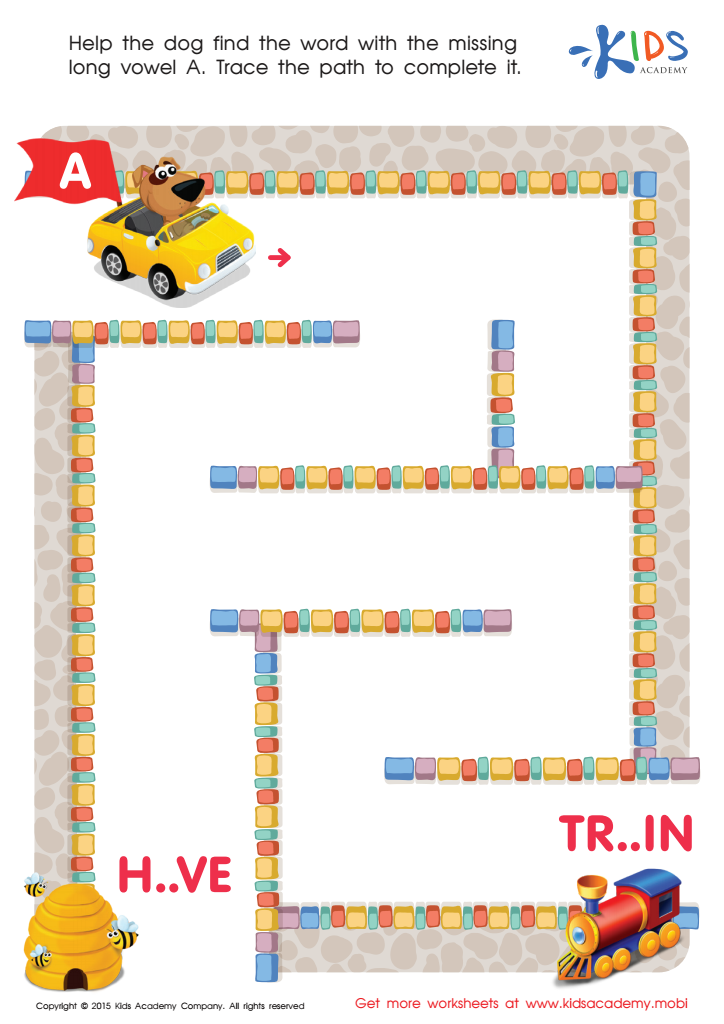
Long Vowel Sound A Worksheet
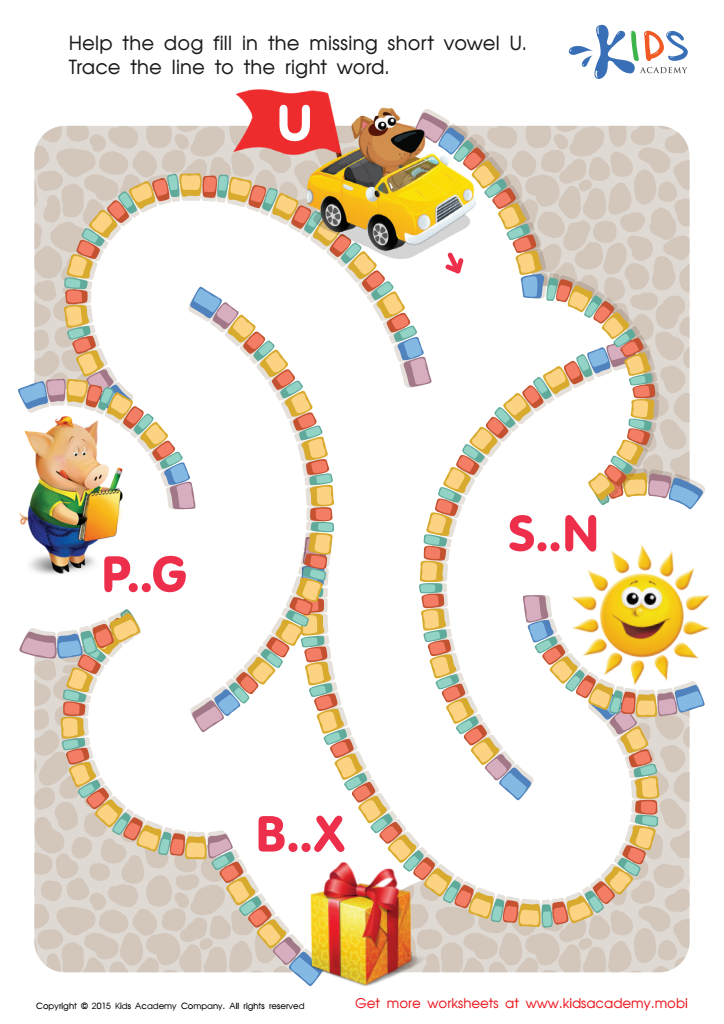
Short Vowel Sound U Worksheet
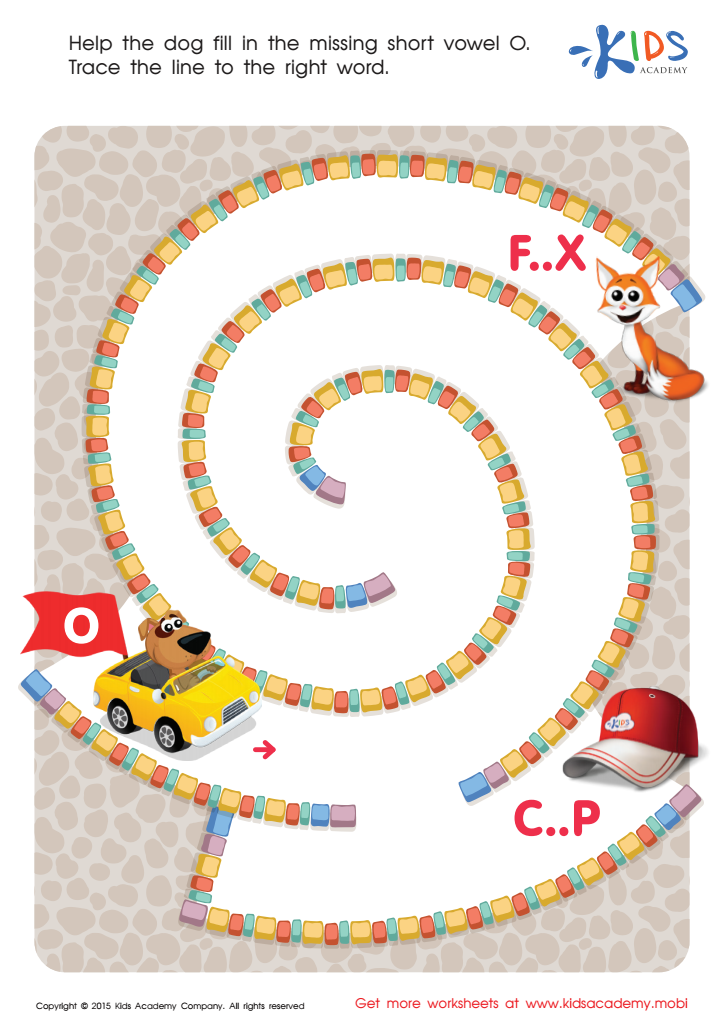
Short Vowel Sound O Worksheet
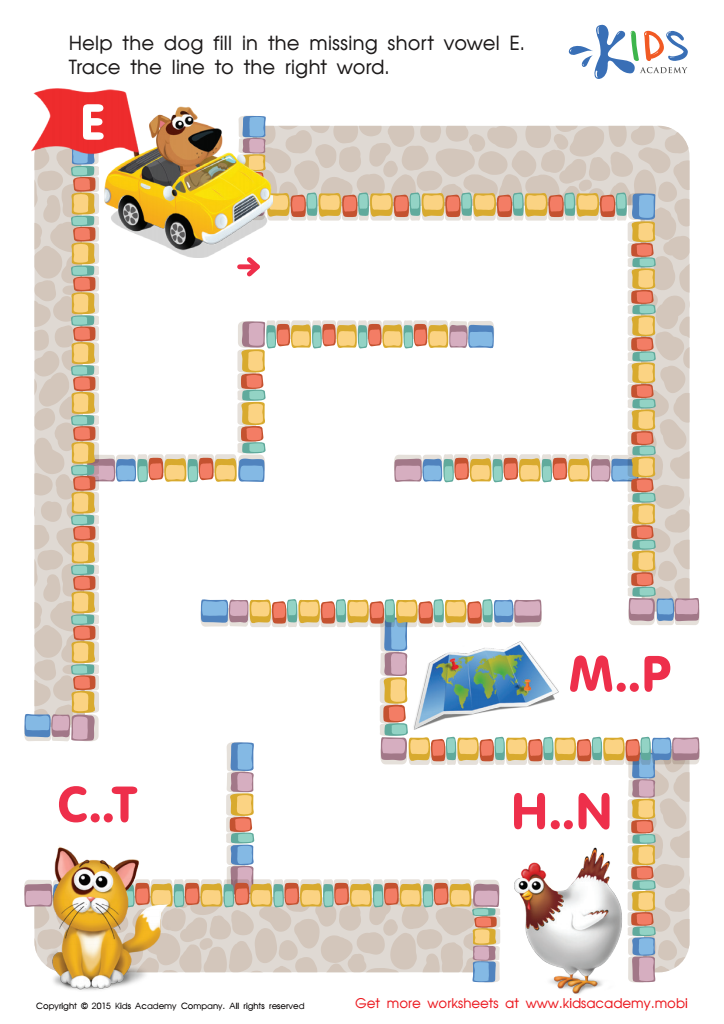
Short Vowel Sound E Worksheet






Parents and teachers should care about providing extra challenges with the alphabet for children aged 6-8 for several vital reasons. At this developmental stage, children are transitioning from recognizing letters to solidifying their understanding of how these letters form words and sentences. By incorporating challenges, we can foster a deeper grasp of phonetics, vocabulary, and even early reading comprehension.
Engaging in more challenging alphabet activities can stimulate a child's cognitive development. These activities promote critical thinking as students need to decode new patterns and sounds. For example, exercises like scrambled words, advanced letter sorting, or creating sentences push children to think analytically, thereby enhancing their verbal skills.
Moreover, challenging alphabet games and activities can boost children's confidence and self-esteem. Success through trying and solving difficult tasks can instill a sense of accomplishment, which is crucial for building a child's belief in their abilities.
Lastly, keeping alphabet learning exciting and challenging can help prevent boredom. Educational activities can be dynamic and joy-inducing, encouraging a lifelong love of learning. Establishing a strong foundation in language can serve children throughout their academic and personal lives, making strong early literacy skills immensely important.