Extra Challenge Measurement Worksheets for Ages 6-9 - Page 2
29 filtered results
-
From - To
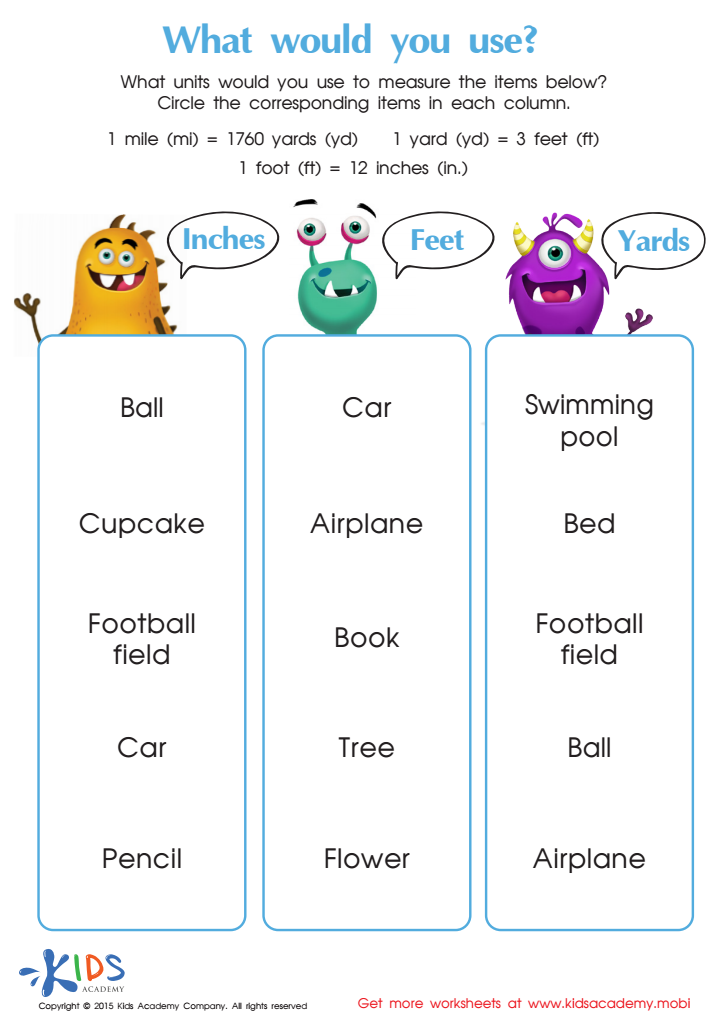
Learning about measuring objects in inches, feet and yards Worksheet
 Assign to My Students
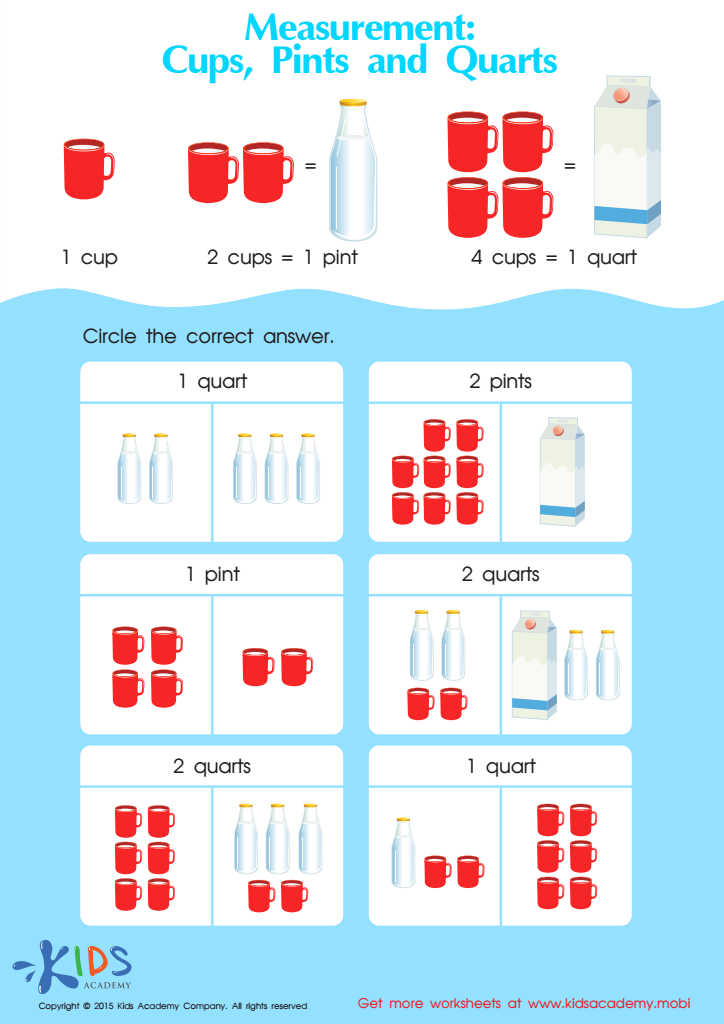
Cups, Pints and Quarts Worksheet
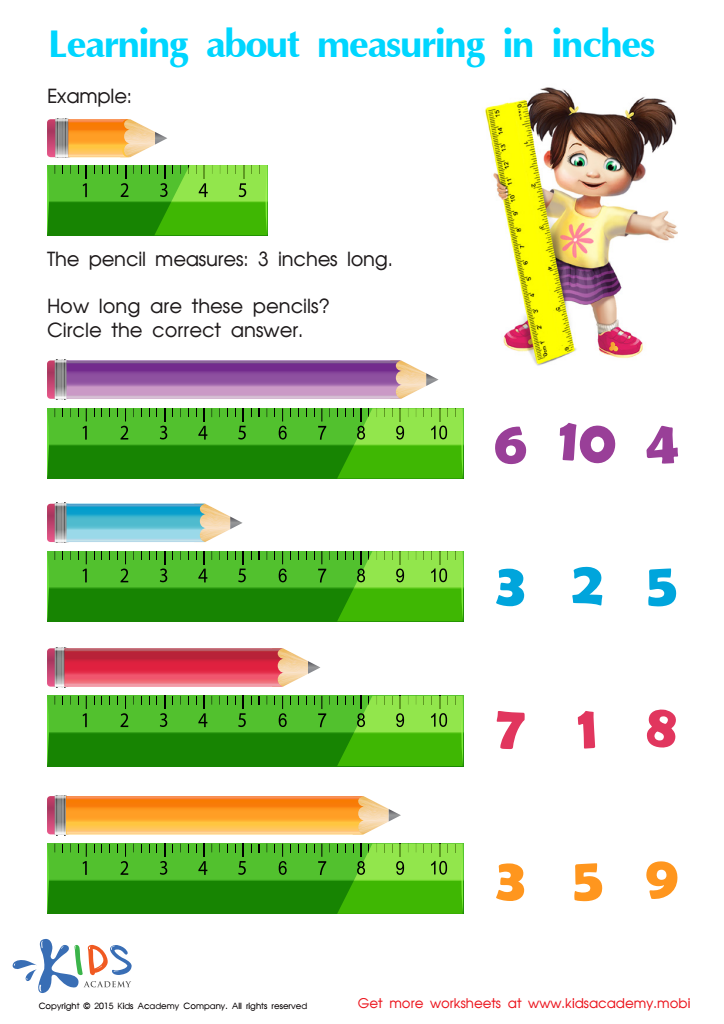
Learning About Measuring In Inches Printable
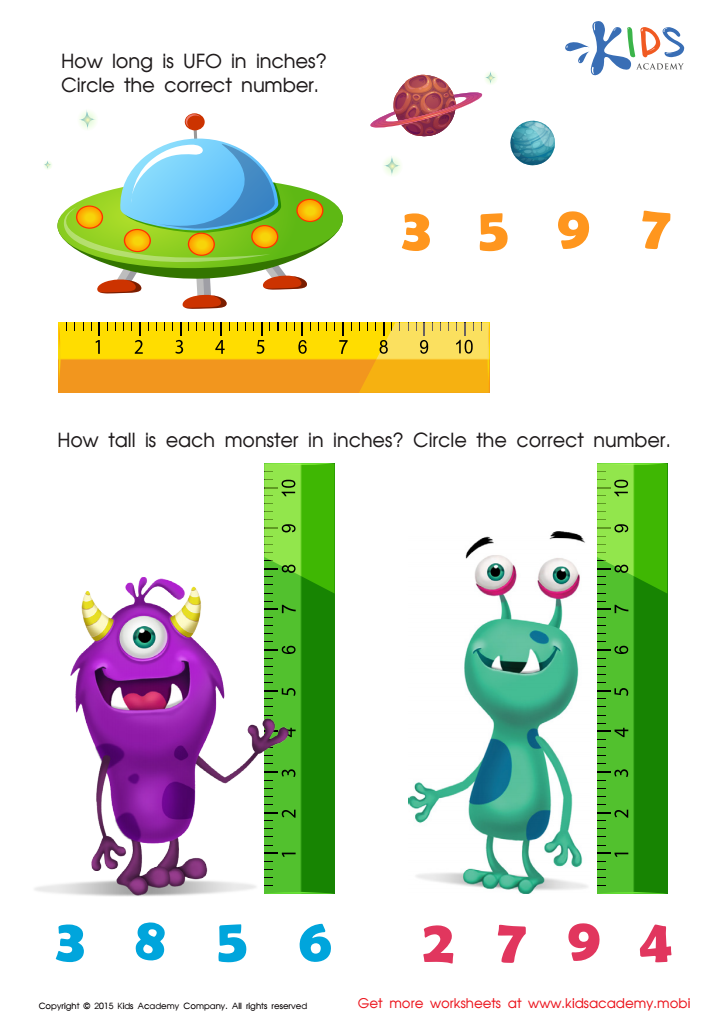
Measuring in Inches Worksheet
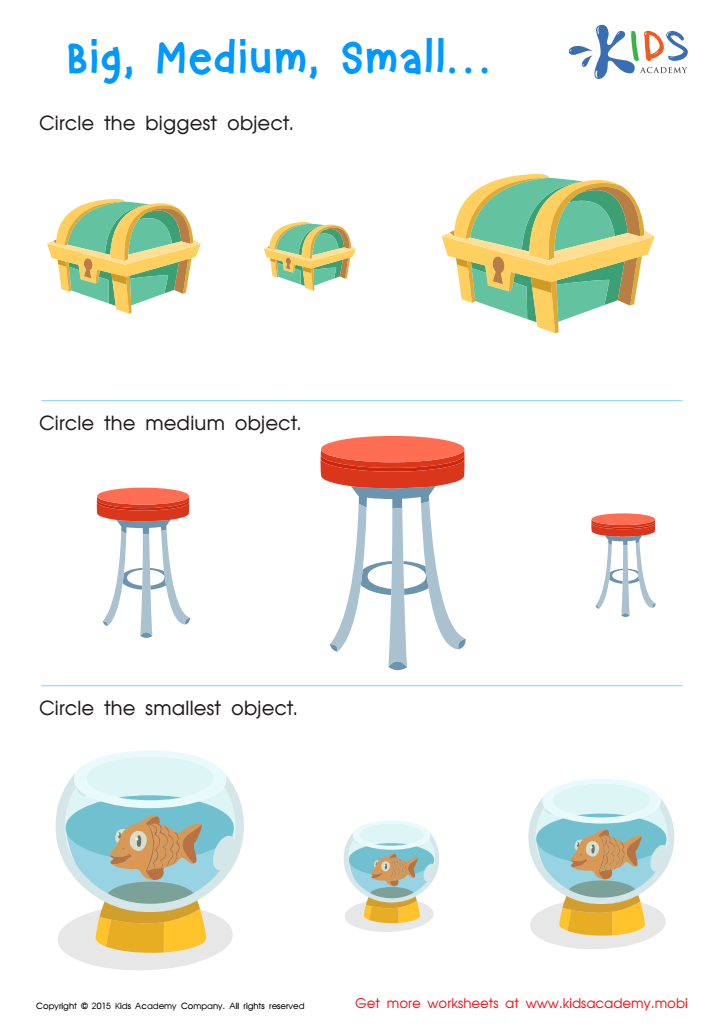
Big Medium Small Worksheet








Extra Challenge Measurement (ECM) for ages 6-9 involves assessing tasks that push children's abilities slightly beyond their current skill level. ECM is important for parents and teachers because it encourages optimal development in young learners.
Firstly, ECM can identify and nurture individual strengths. By providing tailored challenges, educators can help children realize their potential, boosting confidence and fostering a love for learning. It ensures that instructional strategies are appropriate, bridging gaps between what a child already knows and new concepts they are ready to learn.
Secondly, ECM supports cognitive development by encouraging critical thinking, problem-solving, and creativity. When children tackle slightly difficult tasks, they engage more deeply, enhancing brain development. This can be pivotal during the ages of 6-9, a period marked by rapid brain growth and the consolidation of foundational skills.
Thirdly, ECM fosters resilience and motivation. Encountering and overcoming challenges teaches children that effort leads to improvement, instilling a growth mindset. This can be invaluable for future academic and personal endeavors, helping children to persist through difficulties rather than becoming frustrated or disengaged.
Ultimately, ECM promotes individualized learning, cognitive advancement, and emotional resilience, equipping children with the skills and attitudes essential for lifelong success. This collectively benefits not only their academic journey but their overall personal growth.