Normal Letter Recognition Worksheets for Ages 3-6 - Page 3
62 filtered results
-
From - To
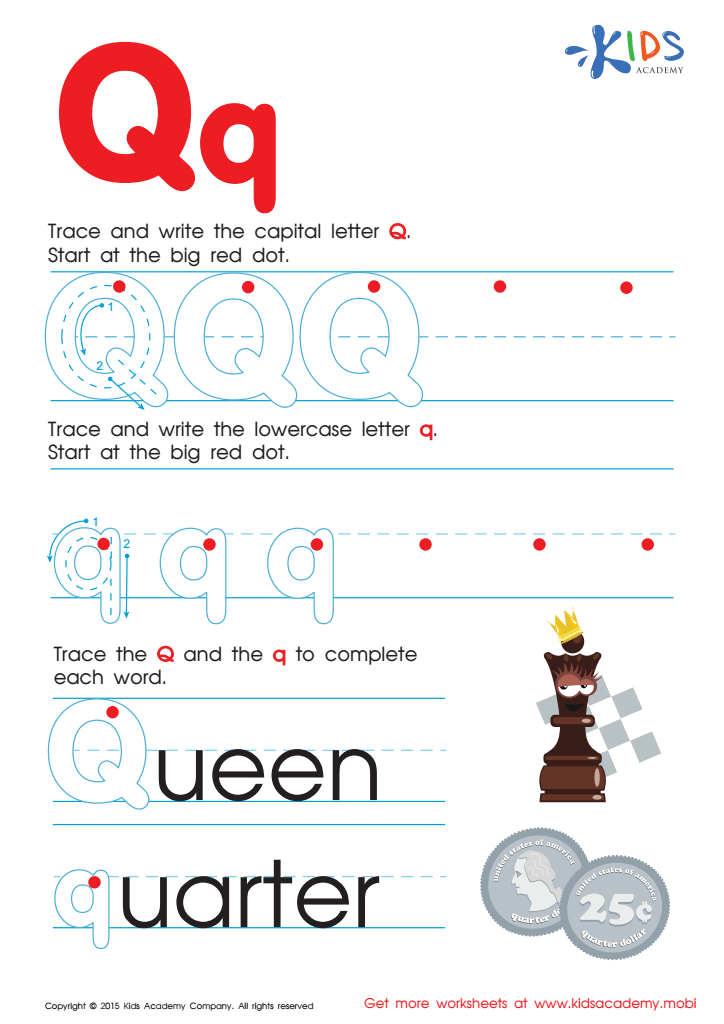
Letter Q Tracing Page
 Assign to My Students
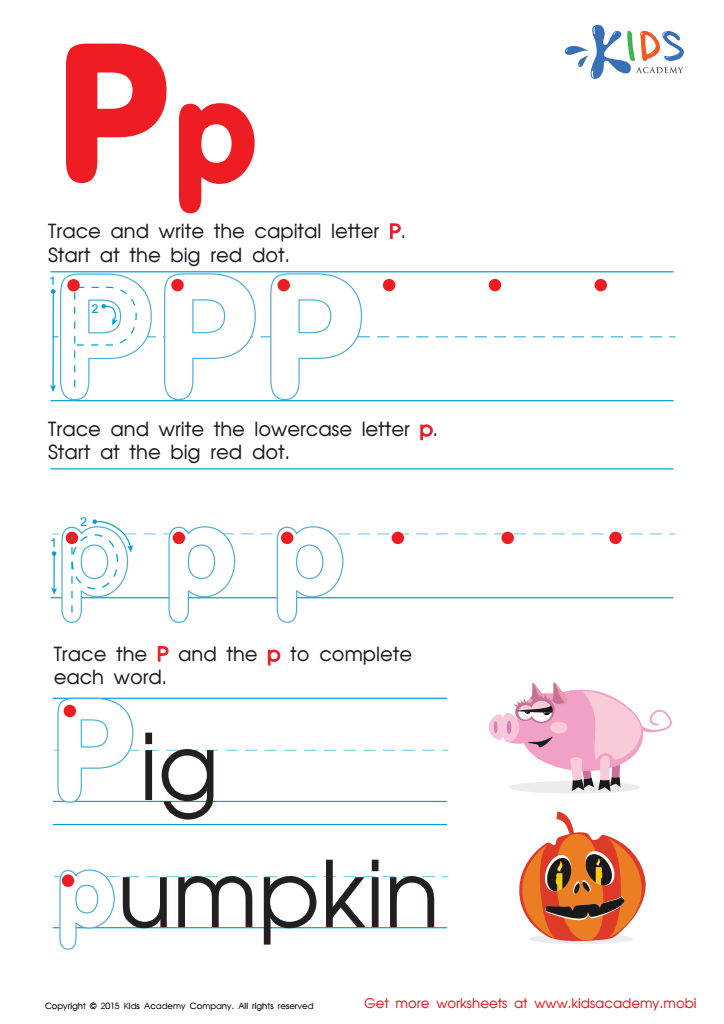
Letter P Tracing Page
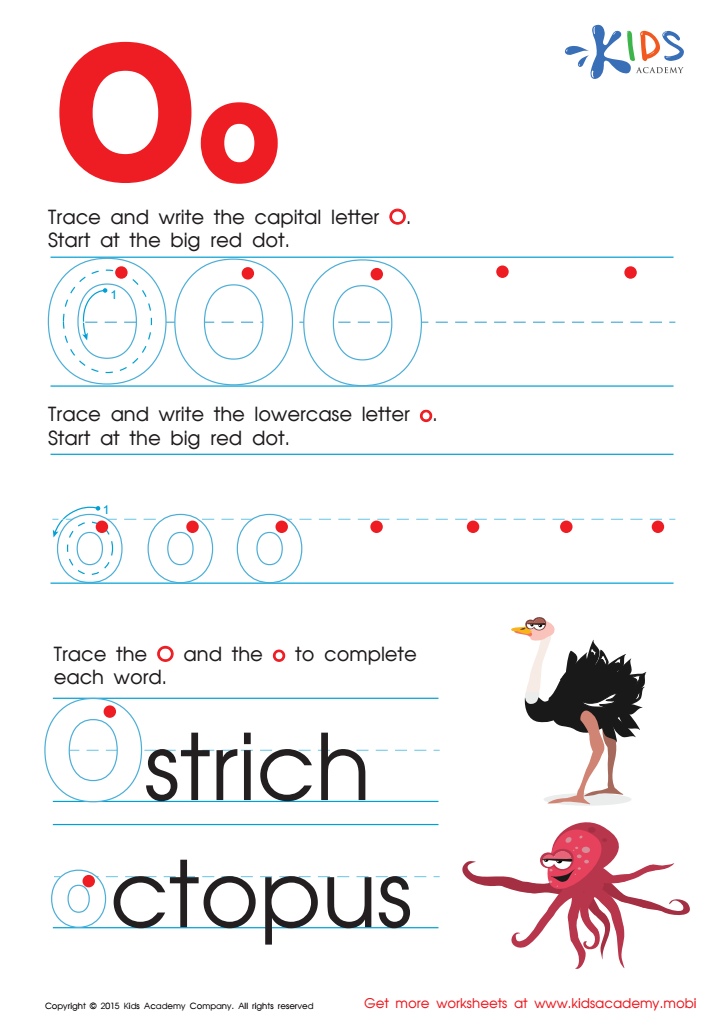
Letter O Tracing Page
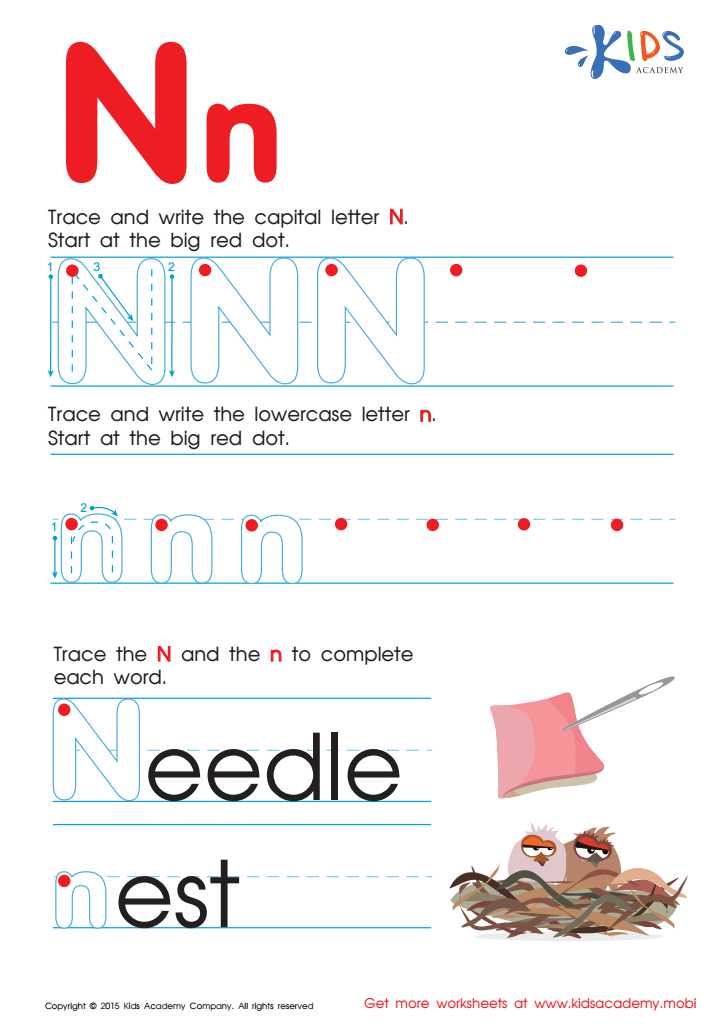
Letter N Tracing Page
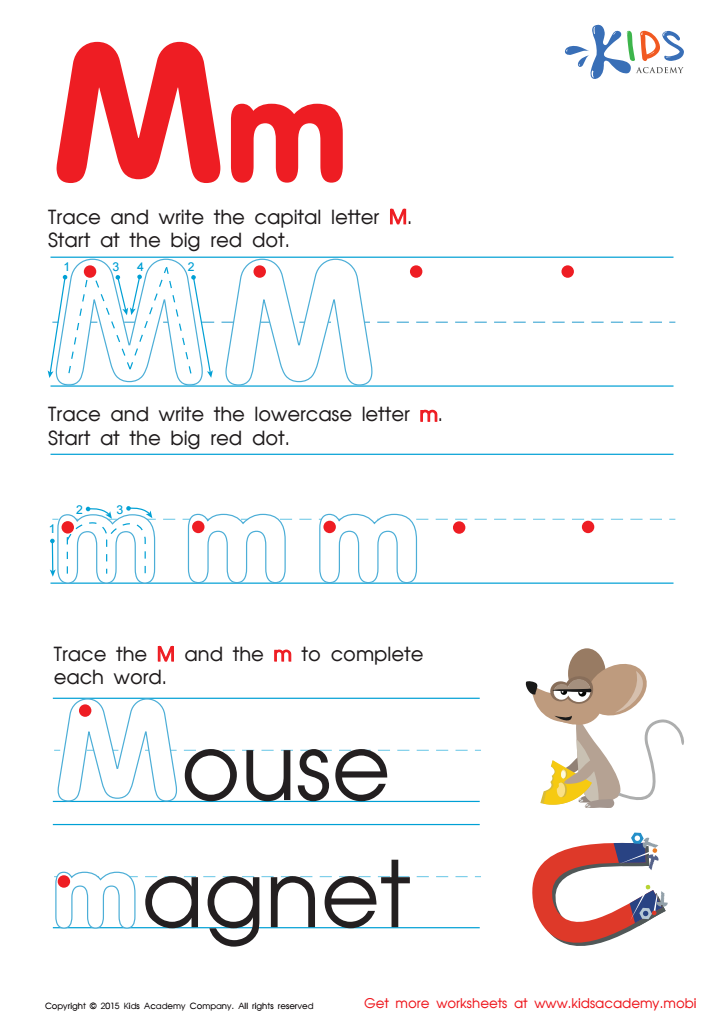
Letter M Tracing Page
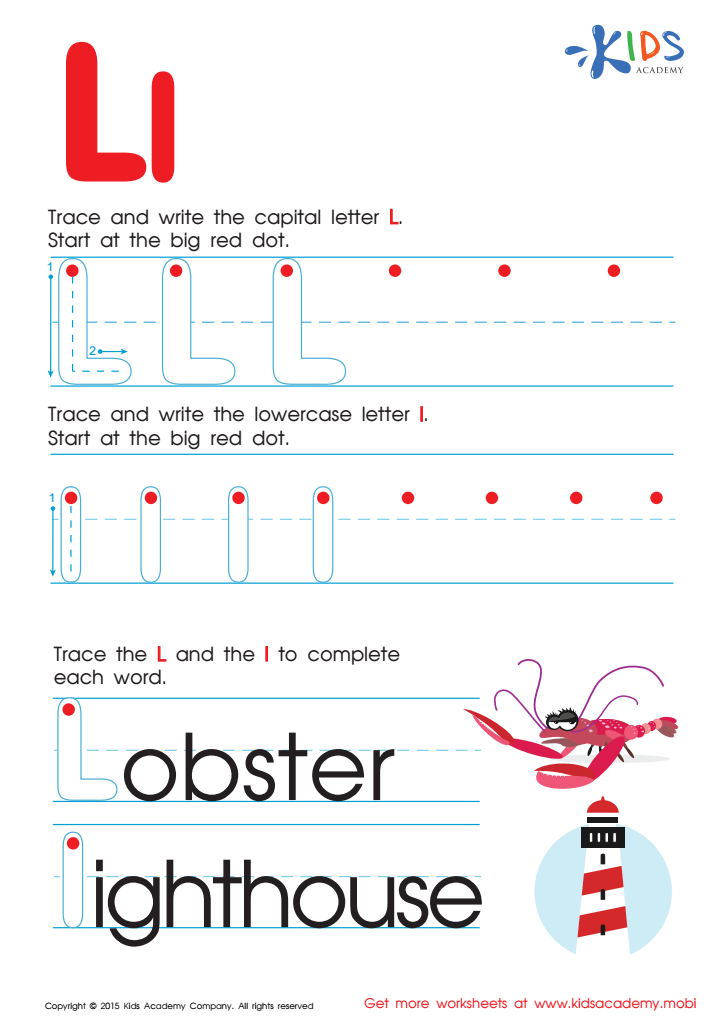
Letter L Tracing Page
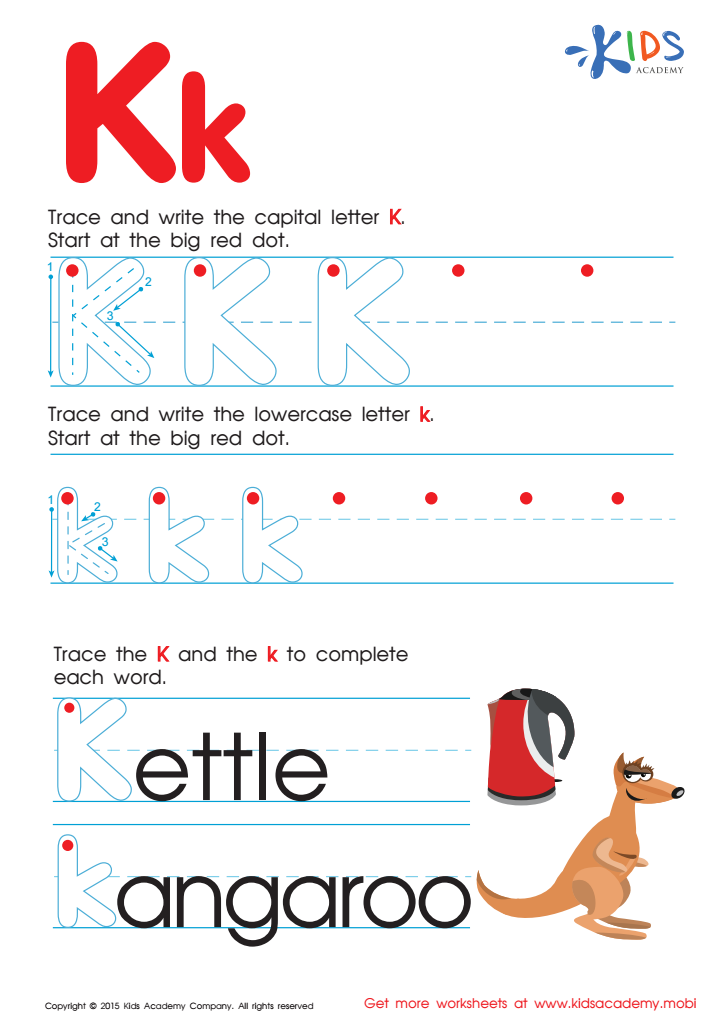
Letter K Tracing Page
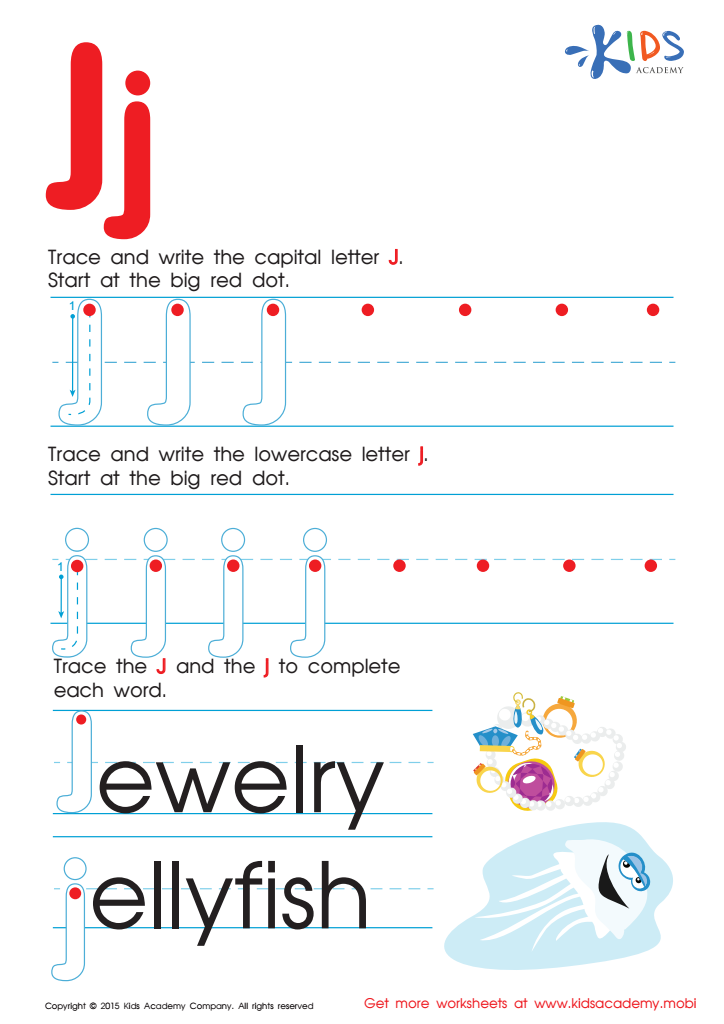
Letter J Tracing Page
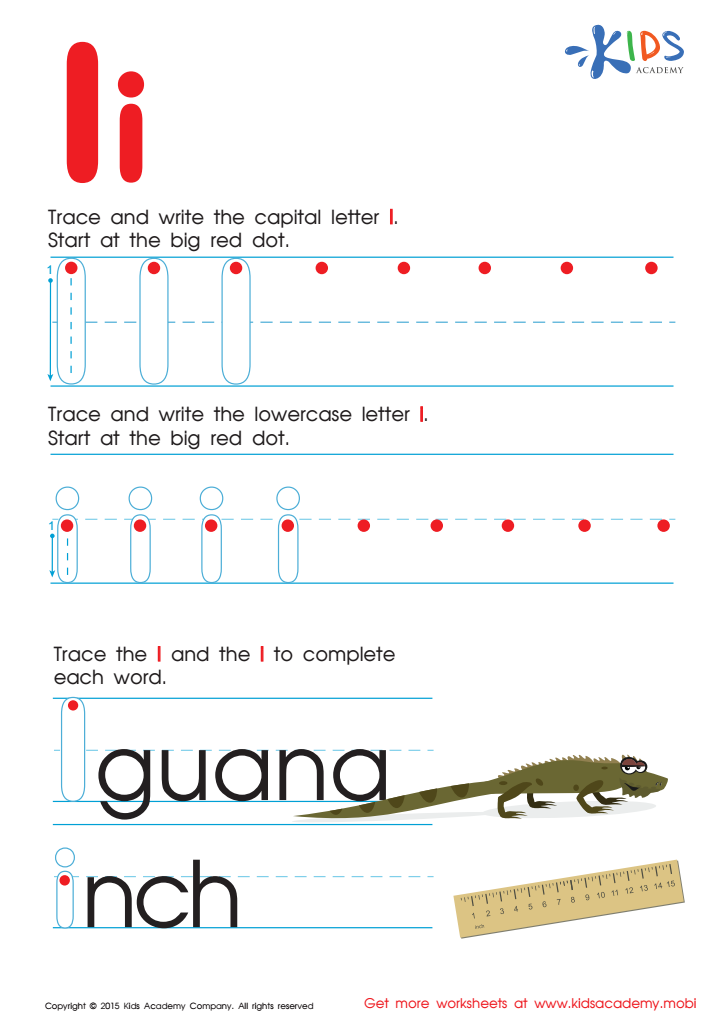
Letter I Tracing Page

Letter H Tracing Page
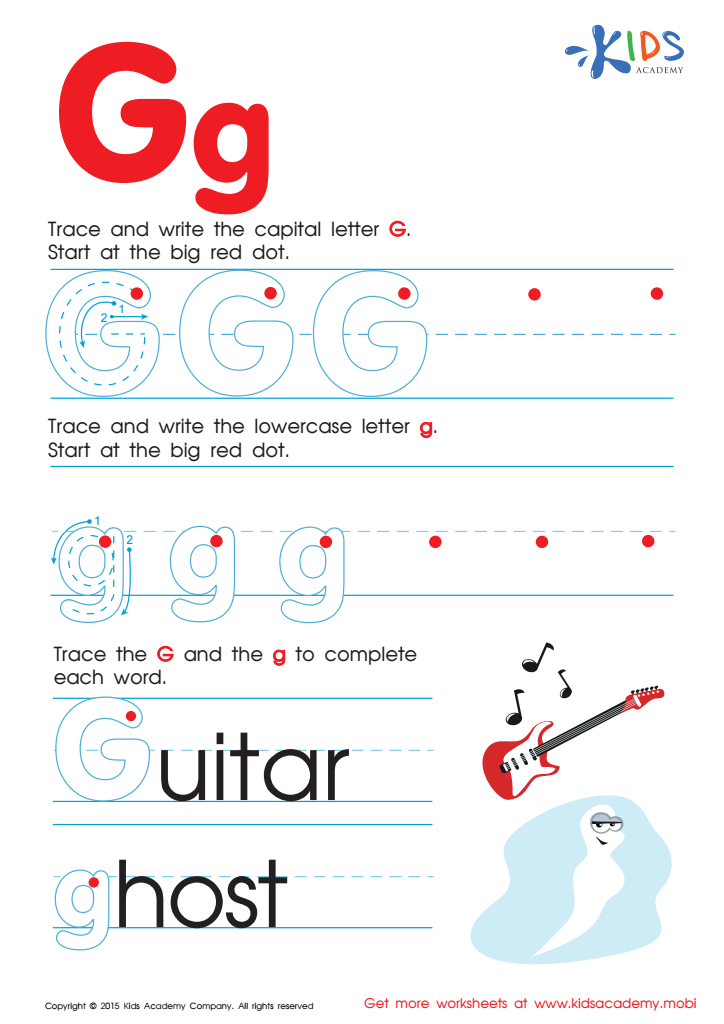
Letter G Tracing Page
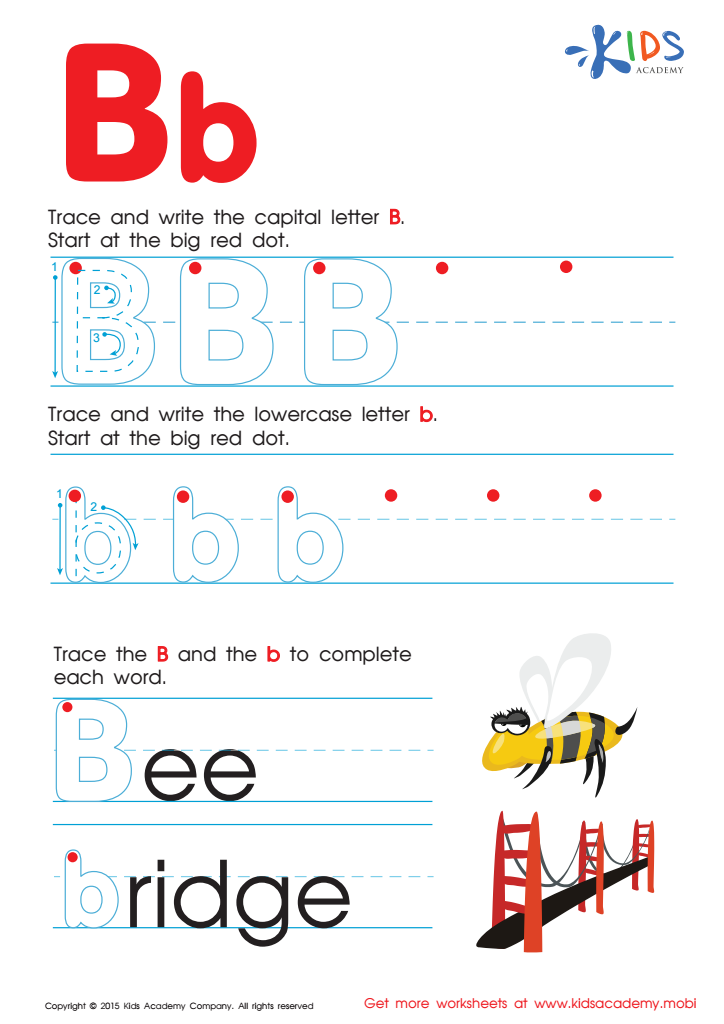
Letter B Tracing Page

Letter C Tracing Page

Letter D Tracing Page








Parents and teachers should prioritize normal letter recognition for children aged 3 to 6 because it is a foundational skill for reading and writing development. Early literacy skills, including the ability to recognize letters, are crucial for academic success as they pave the way for phonemic awareness, which involves the understanding that letters and sounds work together to form words. Mastery of letter recognition at an early age allows children to decode words rapidly and efficiently when they begin formal reading instruction.
Beyond academic performance, developing strong letter recognition skills boosts a child’s confidence and enthusiasm for learning. Kids who can recognize letters without struggle are more likely to participate in literacy activities and enjoy books, leading to a positive attitude towards education throughout their lives. Moreover, early letter recognition supports cognitive development, enhancing memory, concentration, and problem-solving skills.
Parents and teachers have the greatest influence on reinforcing these skills through engaging, age-appropriate activities like singing the alphabet song, playing letter-matching games, and reading storybooks together. These activities make learning enjoyable, ensuring that children develop these essential skills in a supportive, stress-free environment. Understanding and focusing on letter recognition can thus lay down a solid foundation for a child’s educational journey.








