Vocabulary enhancement Normal Worksheets for Ages 3-6 - Page 2
123 filtered results
Difficulty Level
Grade
Age
-
From - To
Subject
Activity
Standards
Favorites
With answer key
Interactive
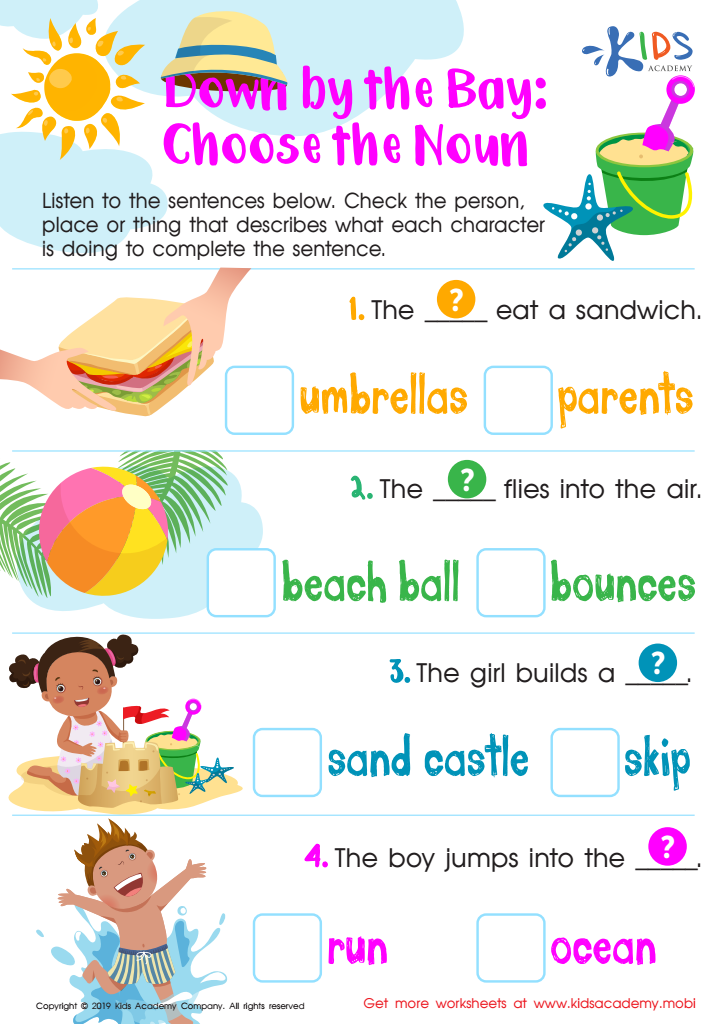
Down by the Bay: Choose the Noun Worksheet
Teach your child the basics of speaking and constructing English, like the parts of speech. Nouns are especially important; they are names of people, animals, objects, places, or things. Go through this worksheet with your kids and have them identify the nouns in the sentences. This exercise will help them understand the concept better.
 Assign to My Students
Down by the Bay: Choose the Noun Worksheet
Worksheet
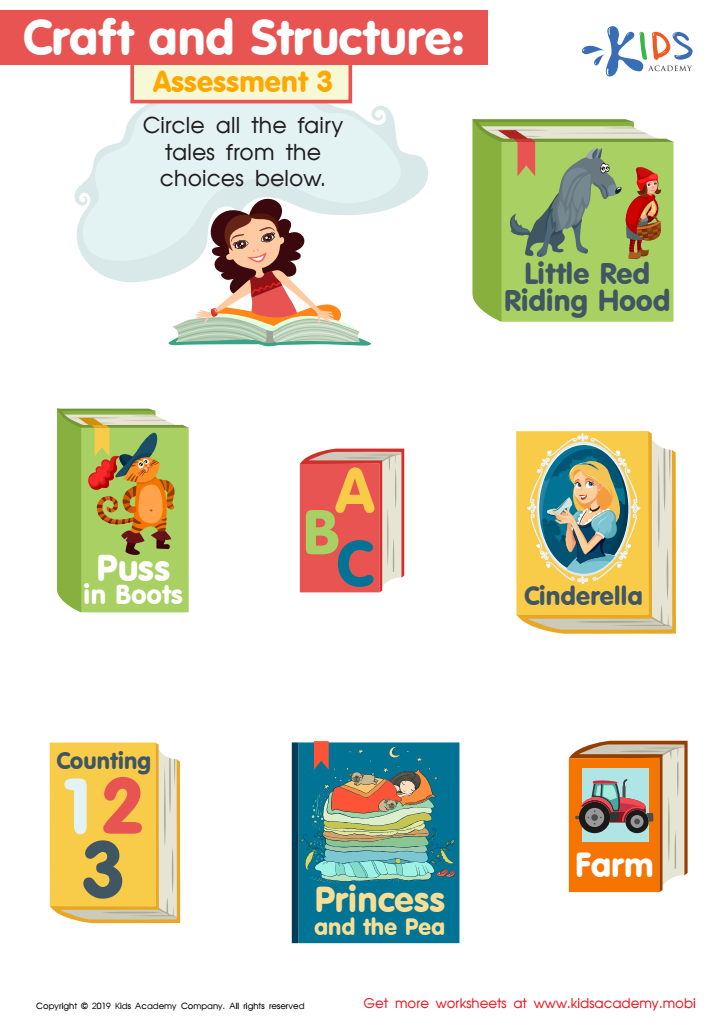
Craft and Structure: Assessment 3 Worksheet
Before starting the worksheet, ask your kids to recall their favorite bedtime stories. What characters and events can they remember? Four popular children's stories are hidden among pictures of other objects - help them search and circle the fairy tales in this PDF.
Craft and Structure: Assessment 3 Worksheet
Worksheet
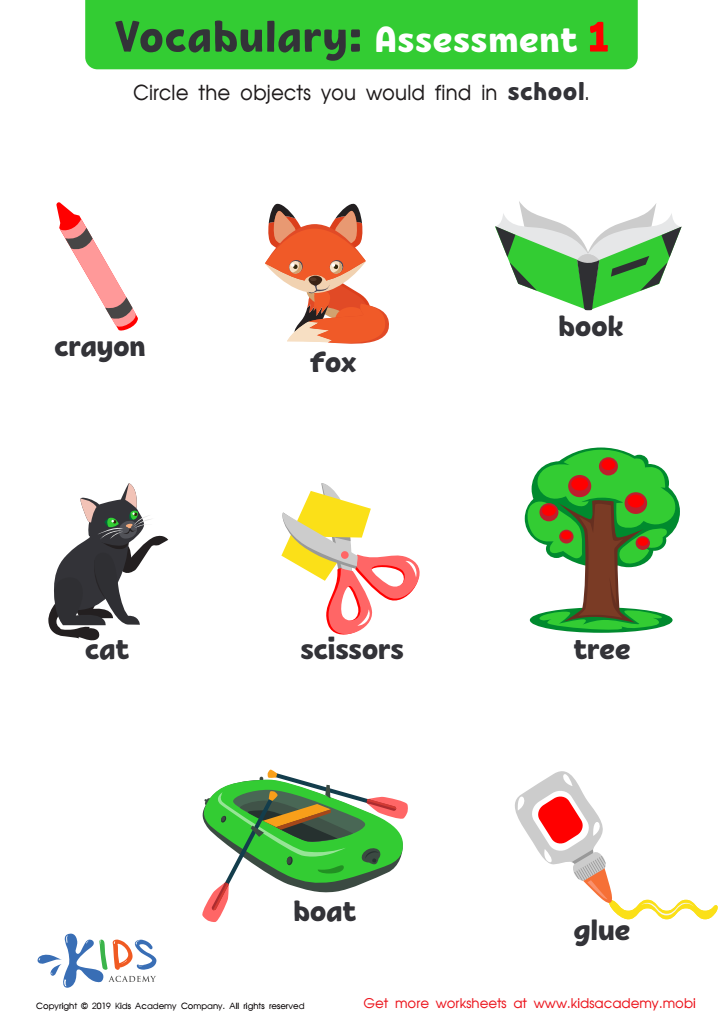
Vocabulary: Assessment 1 Worksheet
Want to check your child's vocabulary? This worksheet has kids identify objects from school through picture clues. It reinforces reading and fine motor skills, while providing an assessment of their reading growth and needs.
Vocabulary: Assessment 1 Worksheet
Worksheet
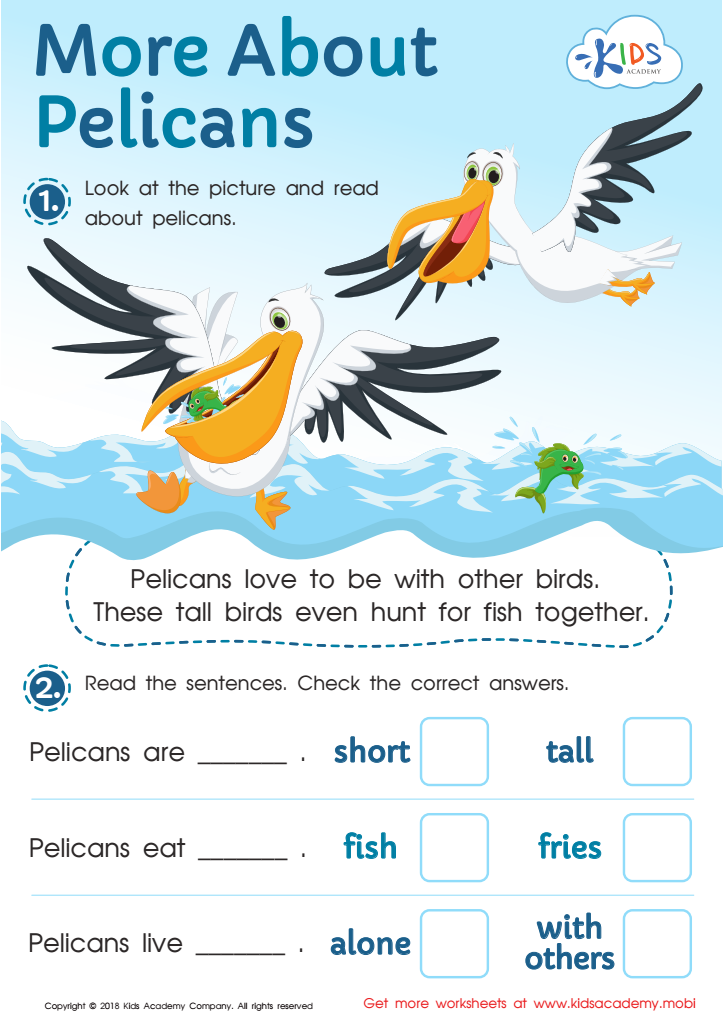
More About Pelicans Worksheet
Train your reader to look for clues in words with this fun worksheet about pelicans! As they read each sentence, they'll learn more about these majestic birds. Once they finish, answer the questions and explore even more!
More About Pelicans Worksheet
Worksheet
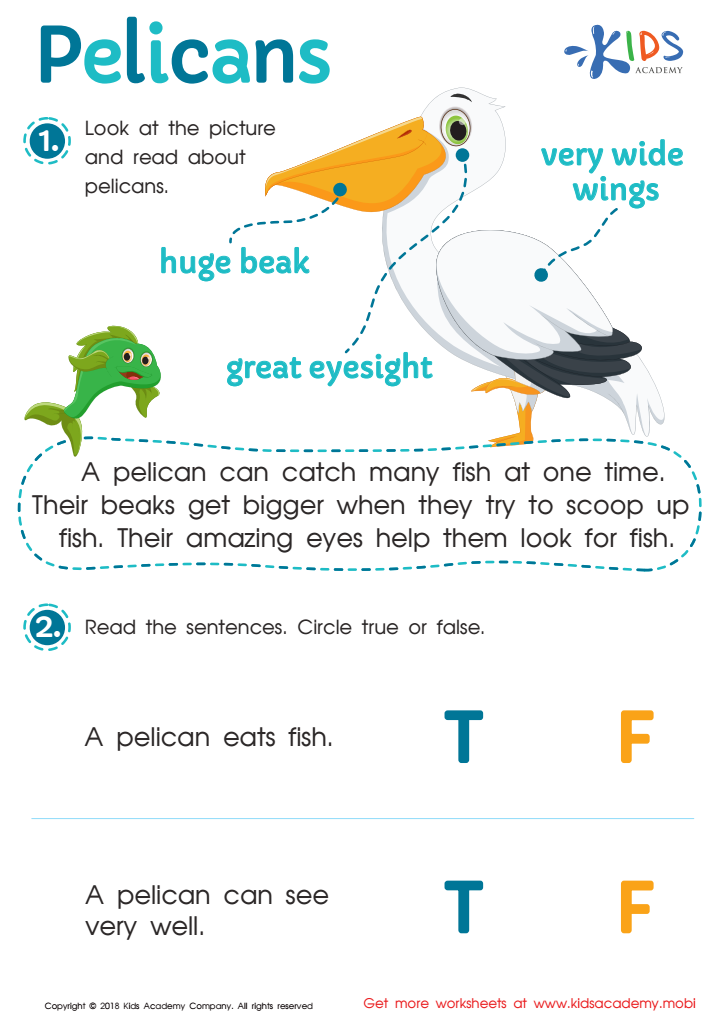
Pelicans Worksheet
This printable worksheet will help your child learn to read and analyze informational passages. It's fun and educational, featuring an animal science topic about pelicans. Read the passage and view the graph, then answer the questions by indicating if the statements are true or false.
Pelicans Worksheet
Worksheet
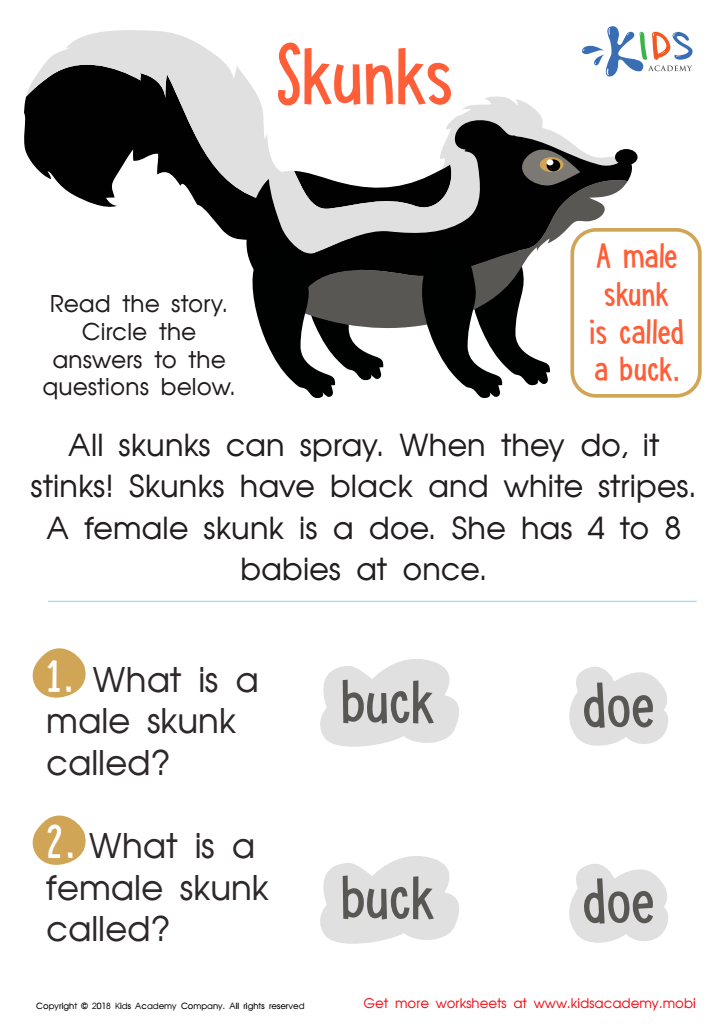
Skunks Worksheet
Kids can learn fascinating information about a beloved and smelly animal with this fun worksheet. They'll read articles, texts, and look at an accompanying picture while reading. Captions and sidebars can give extra details. Finally, answer the given questions by selecting the correct response. Reading is a fun and informative way to gain knowledge!
Skunks Worksheet
Worksheet
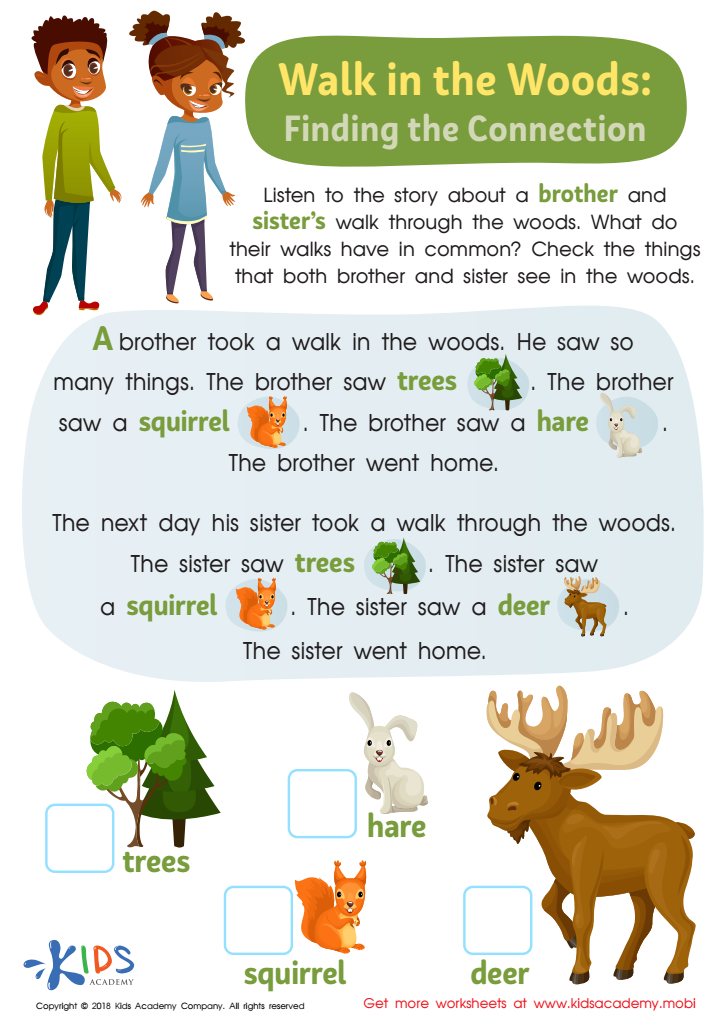
Walk In the Woods: Finding Connections Worksheet
Brother and sister took a walk in the woods to connect with nature and get some exercise. As they went, they noted different things like birds and plants, which they share in this story. Read it to your little ones, and help them check off the items the two saw. It's a great way to learn about nature and enjoy the outdoors.
Walk In the Woods: Finding Connections Worksheet
Worksheet
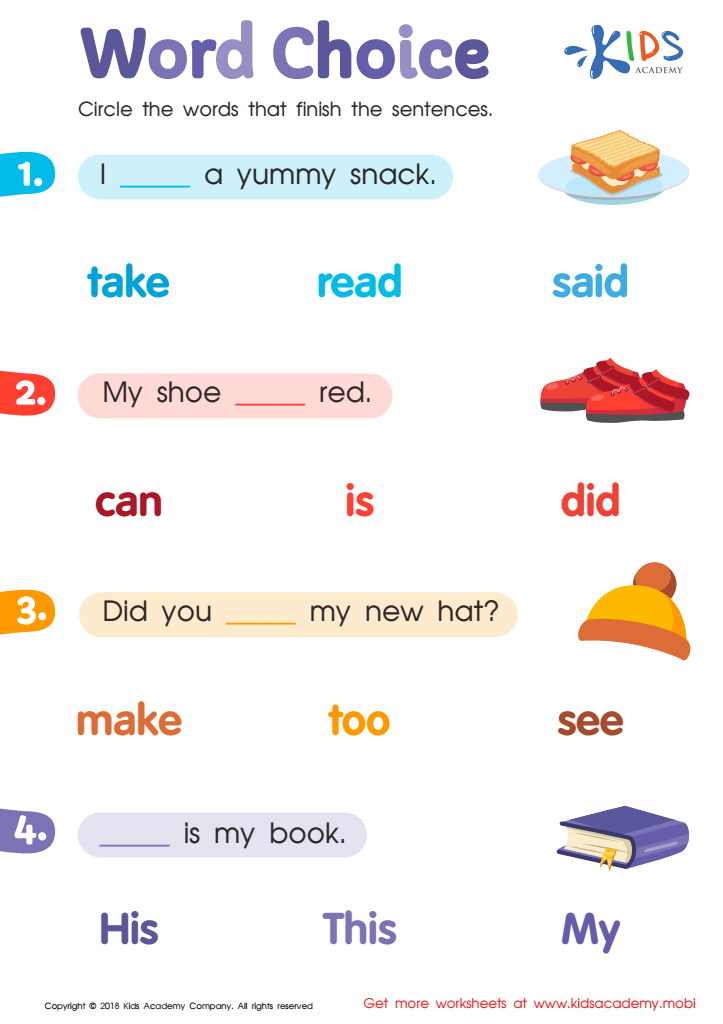
Word Choice Worksheet
This worksheet can help your children become better readers. By now, you should have an idea of their reading level. Read the incomplete sentences aloud and point to the missing piece. Have your students pick the correct word they think best fits the sentence out of the options given.
Word Choice Worksheet
Worksheet
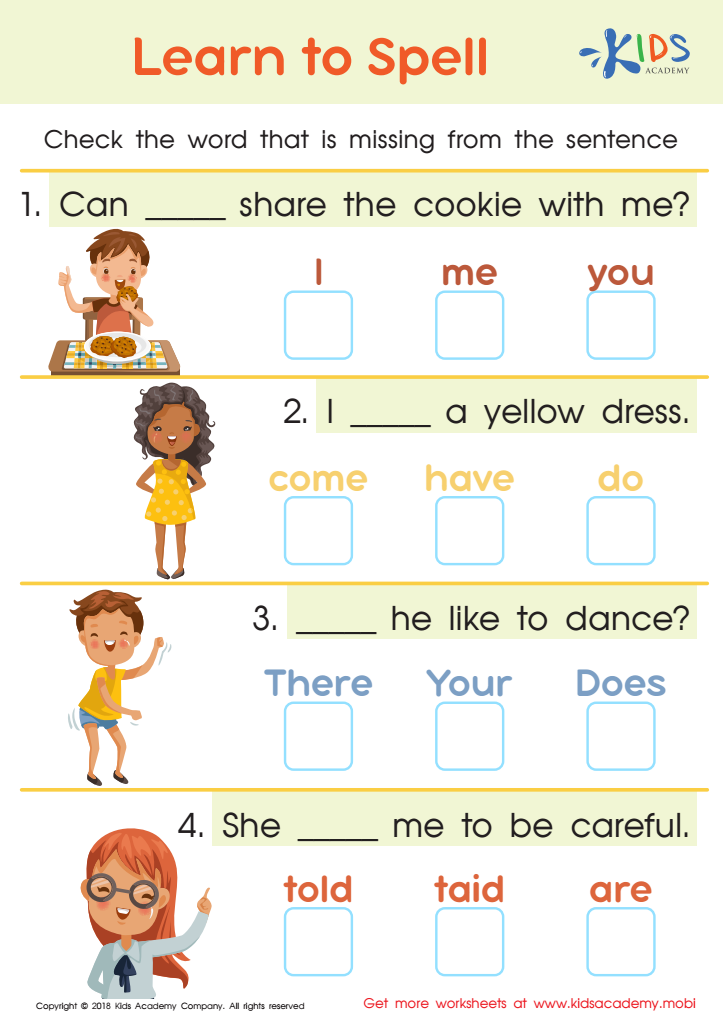
Learn to Spell Worksheet
Help sharpen spelling skills with a simple worksheet. Read sentences aloud and show which word is missing. Ask students to pick the correct word from the options. Ensure they check the missing word for accuracy.
Learn to Spell Worksheet
Worksheet
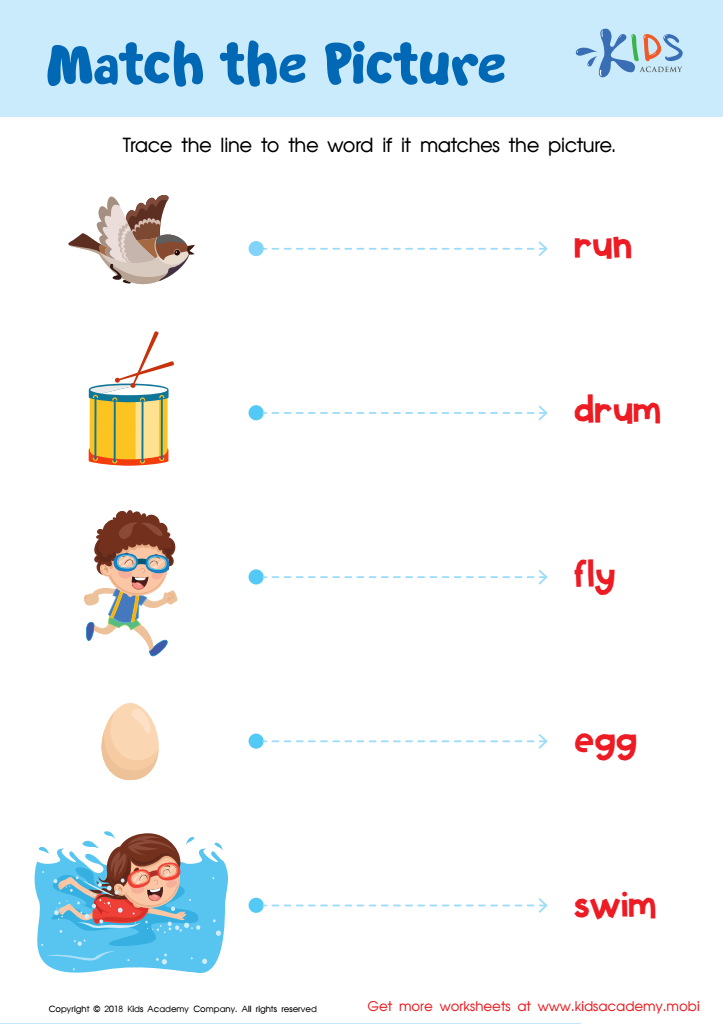
Match the Picture Worksheet
This tracing worksheet is a fun way to teach little ones that learning can be fun! Ask them to name the five images on the left and then read the words on the right. Do they match? Help them trace the line connecting the picture to the word that matches. Learning doesn't have to mean stuffy classrooms and drudgery!
Match the Picture Worksheet
Worksheet
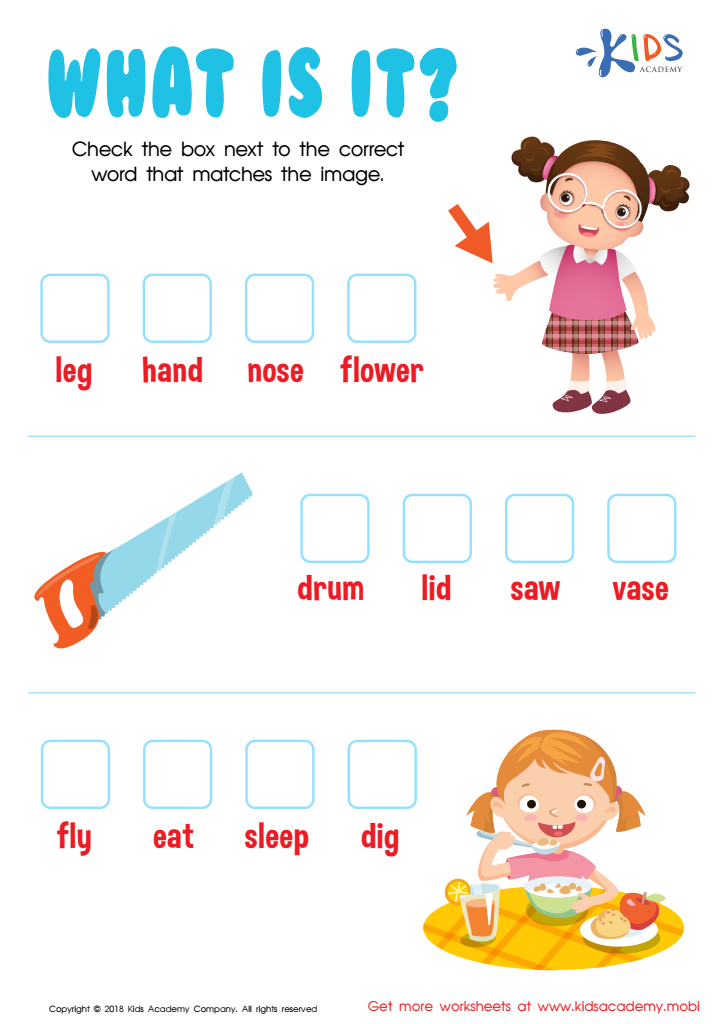
What Is It? Worksheet
Test your kids' object recognition skills with this worksheet. Have them identify each picture, then check the box next to the correct word. Point to the image and ask your child what it is; then help them select the correct answer. It's a great way to see how well they can recognize objects from pictures.
What Is It? Worksheet
Worksheet
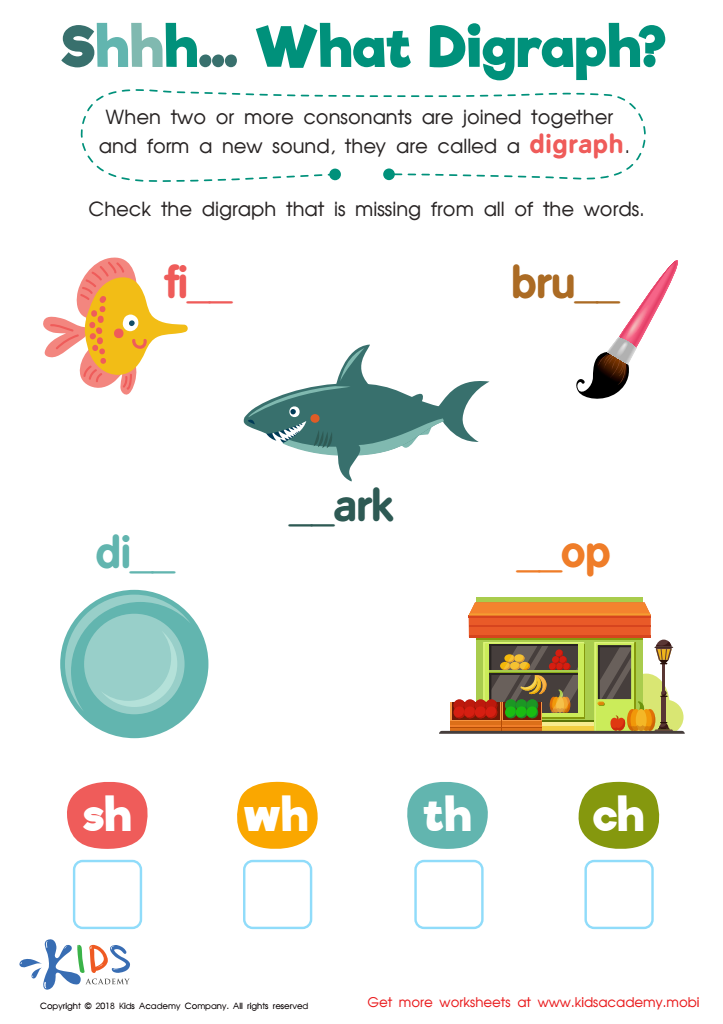
Shhh... What Digraph? Worksheet
Phonetics sounds can be combined to create a new sound - like a digraph. A great example is the /sh/ sound. Words like 'brush' and 'fish' can be heard. Ask your child to provide more examples. Look at the pictures in the PDF and see if they can identify the objects. Additionally, help them find the digraph missing from each word.
Shhh... What Digraph? Worksheet
Worksheet
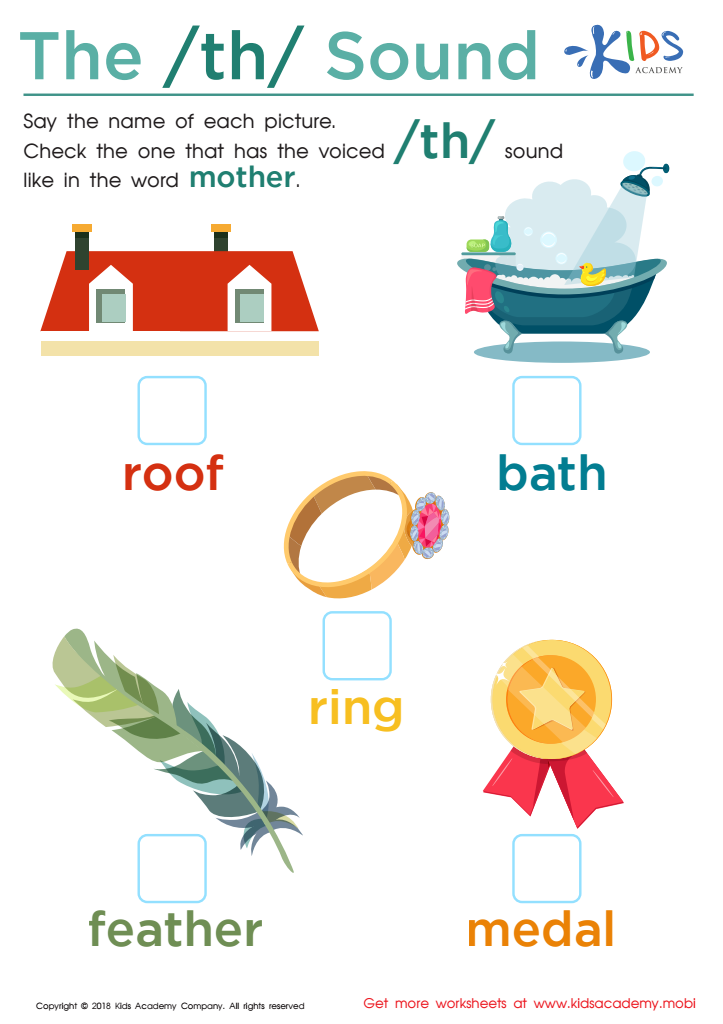
The /th/ Sound Worksheet
Confuse your students no more: have them use this worksheet to understand the /th/ sound and its two variants. With pictures, ask them to say the name of each one. Help them identify the voiced /th/ sound, like in 'mother', by having them say it aloud. Download the pdf to get started.
The /th/ Sound Worksheet
Worksheet
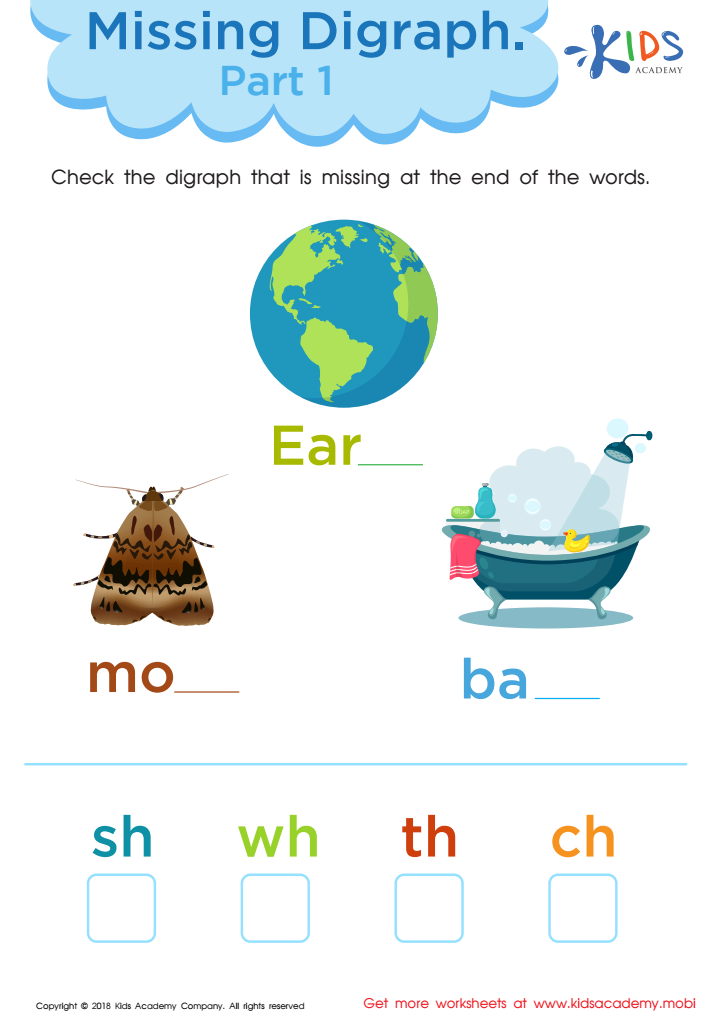
Missing Digraph: Part 1 Worksheet
Practice the 'th' digraph with this worksheet! Ask kids to say the words shown and sound out the letters below each image. Check the box with the correct digraph to complete. Examples include 'earth', 'bath' and 'moth', all ending with the same two letters. Phonics teaches that digraphs are two letters that make one sound.
Missing Digraph: Part 1 Worksheet
Worksheet
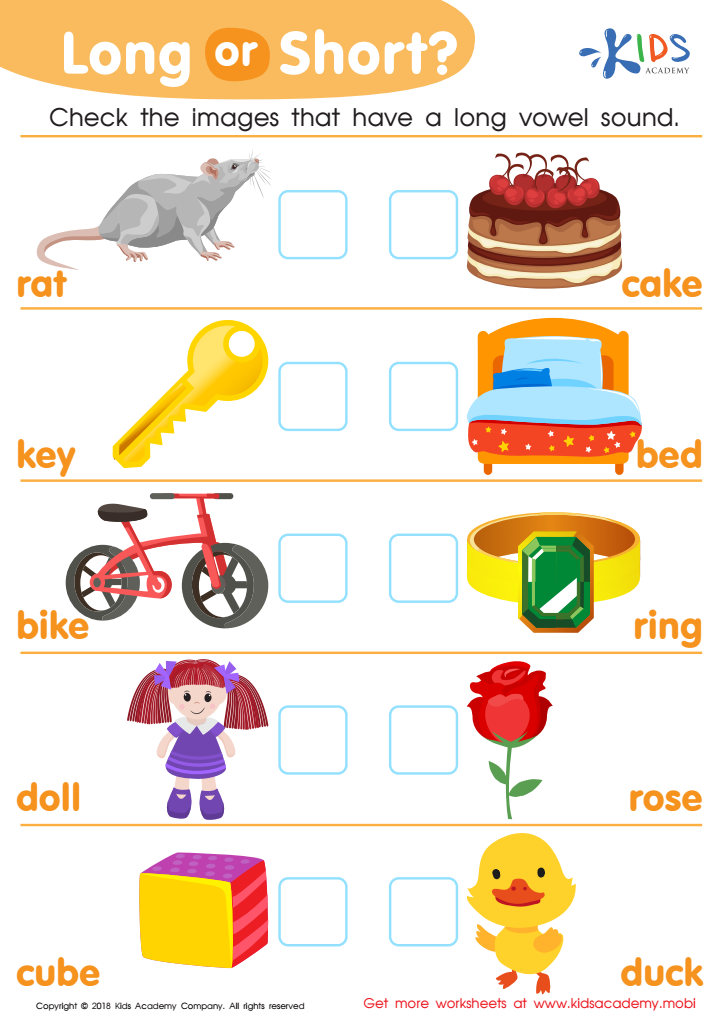
Long or Short Reading Worksheet
Every new reader needs to learn to recognize long and short vowel sounds. This phonics worksheet uses pictures of high-frequency words to help. Kids read the words and then check off images with long vowel sounds. It helps them learn to decode words and improves fine motor skills.
Long or Short Reading Worksheet
Worksheet
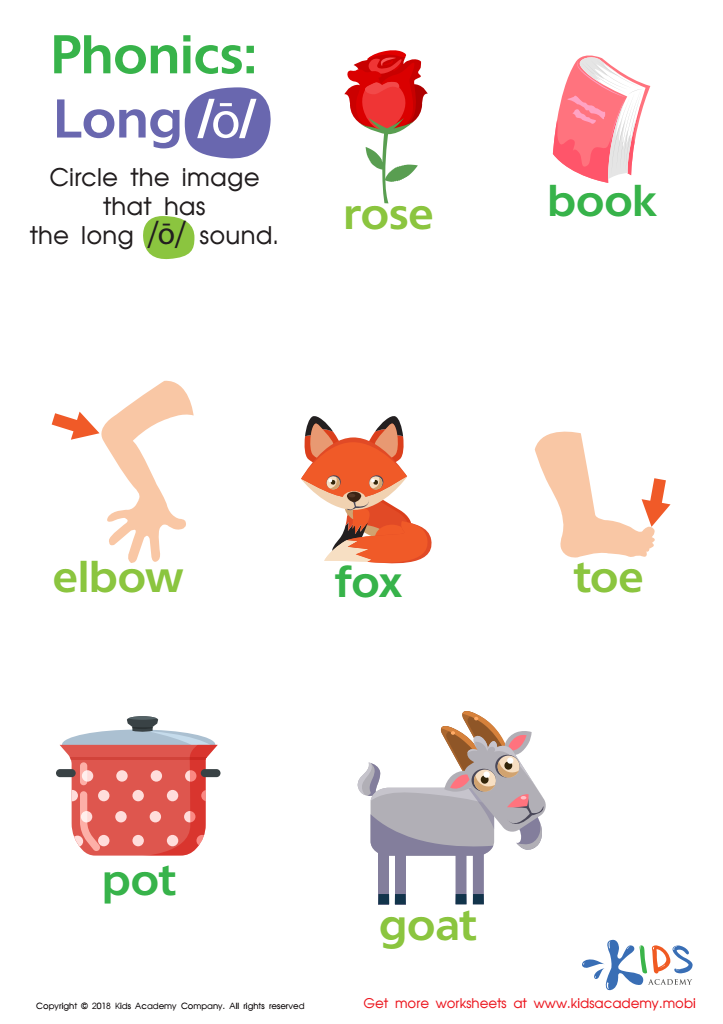
Phonics Long O Reading Worksheet
Are you ready to help your child learn the phonics long «o» sound? This worksheet is designed to aid them in getting familiar with the sound. After completing the exercise, your child should be able to differentiate letters, and recognize words with the long «o» sound. Encourage them to circle the images that have the sound.
Phonics Long O Reading Worksheet
Worksheet
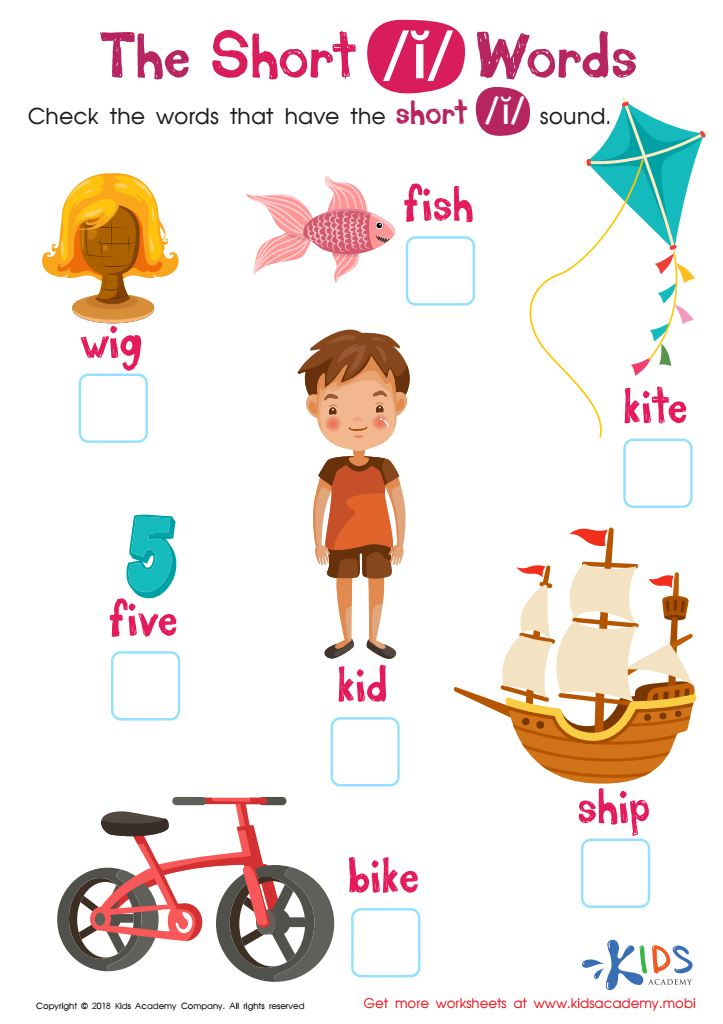
The Short I Words Reading Worksheet
Teach your kindergartner phonics with this printout worksheet! It introduces the short «i» sound and helps them differentiate and articulate sounds and letters of the alphabet. With practice, your child will soon find it easy to classify sounds into long and short vowels.
The Short I Words Reading Worksheet
Worksheet
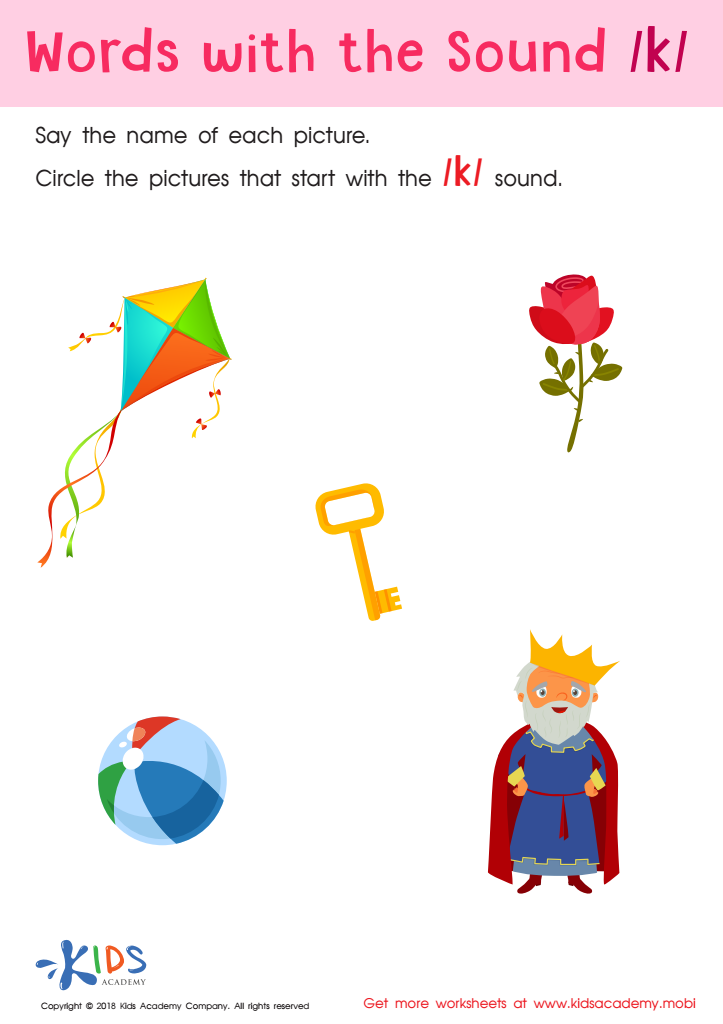
Words with sound k Reading Worksheet
Help your preschooler master the hard "k" sound with this fun worksheet from Kids Academy! Ask your child to say each picture aloud and circle only the pictures that start with "k". This early reading exercise will boost phonics skills and is sure to be loved by your little learner!
Words with sound k Reading Worksheet
Worksheet
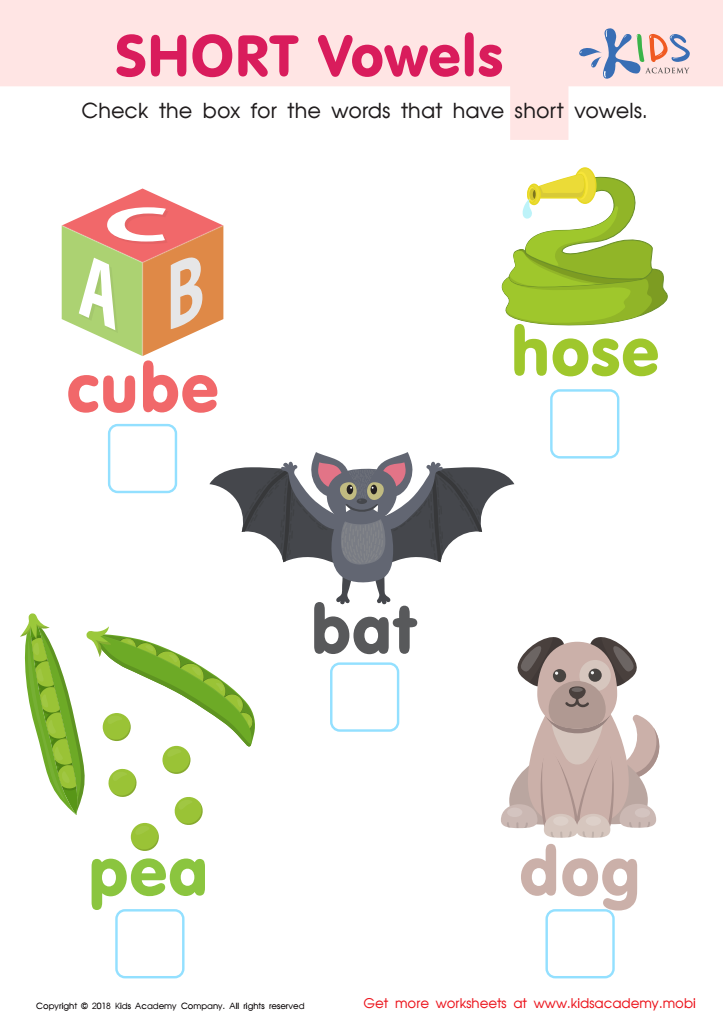
short vowels Worksheet
Say "dog" and notice how long it takes to pronounce the vowel. Is it short or long? Compare it to "pea" and use this worksheet to quickly assess your child's mastery. Have them name each picture and listen for the vowel sounds. Only check the boxes for words with short vowel sounds.
short vowels Worksheet
Worksheet
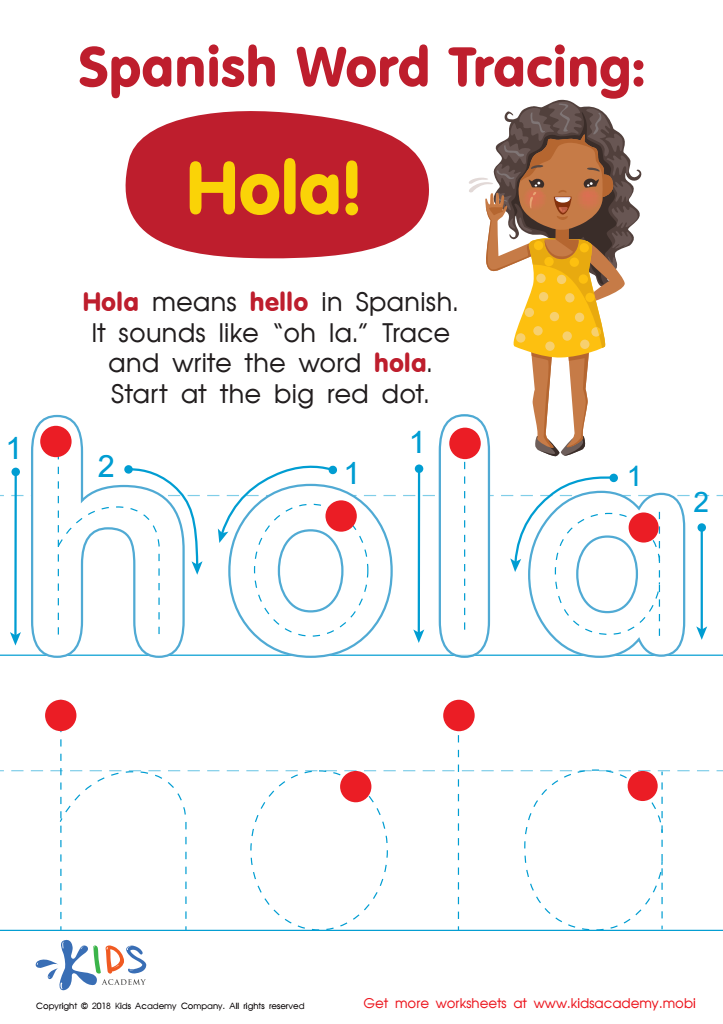
Spanish Word Tracing: Hola Worksheet
This PDF provides a fun way for students to learn "Hola" (Hello) in Spanish! Kids can practice fine motor and handwriting skills while they trace the letters. They'll get the hang of top-to-bottom, left-to-right patterning while they learn how to say and write in Spanish. With practice, they'll soon feel confident speaking and writing Spanish!
Spanish Word Tracing: Hola Worksheet
Worksheet
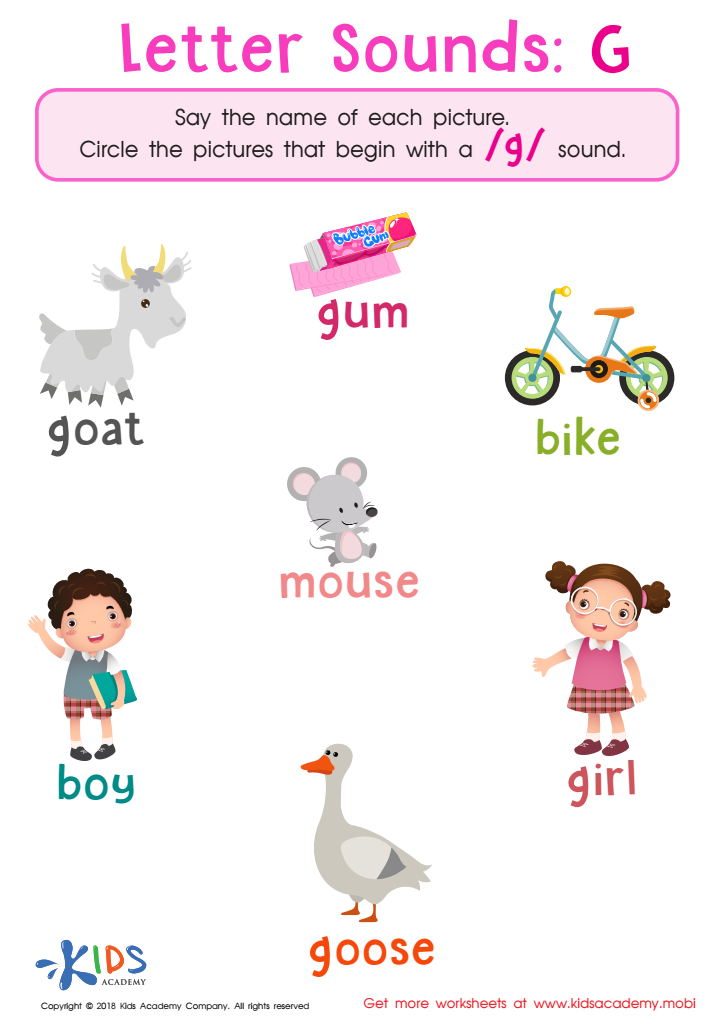
Letter G Sounds Worksheet
Help emerging readers build confidence by giving them practice identifying hard "G" with this free PDF worksheet. They'll use picture clues to name the words, and practice fine-motor skills tracing circles around the corresponding pics. It's a great way to introduce or reinforce hard "G" words.
Letter G Sounds Worksheet
Worksheet
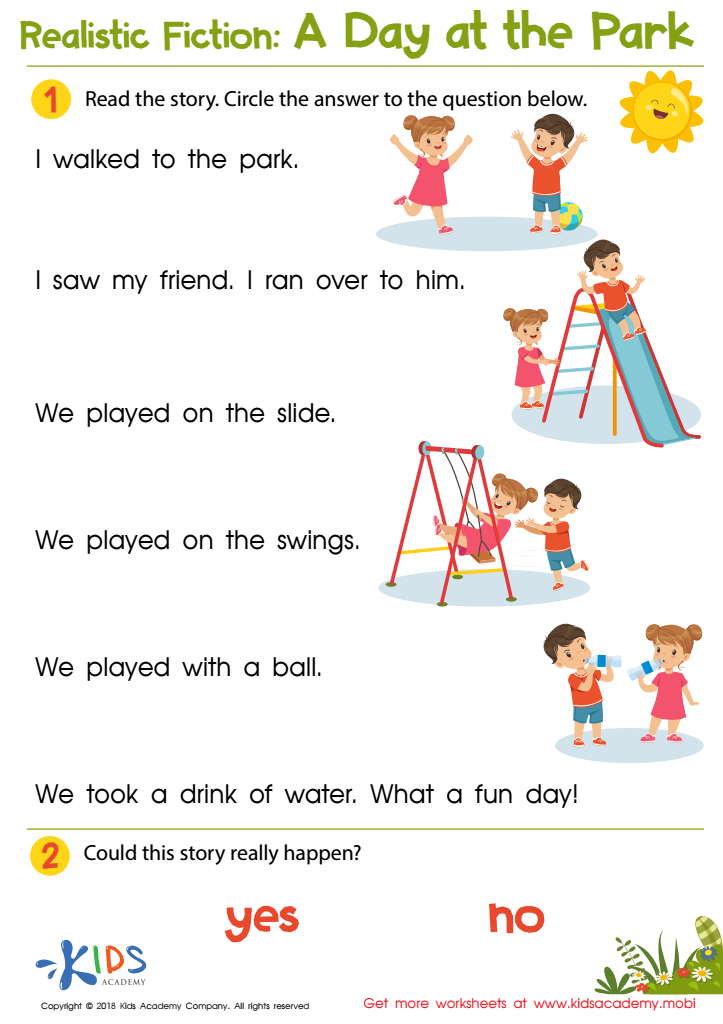
A Day at the Park Worksheet
Kids as young as preschool-age can be taught to evaluate stories! Use this fun worksheet about a day at the park. Read each sentence aloud, looking at the pictures. Ask your child if the events in the story could happen in real life - if yes, circle yes, otherwise circle no. When finished, discuss with them the genre, realistic fiction.
A Day at the Park Worksheet
Worksheet
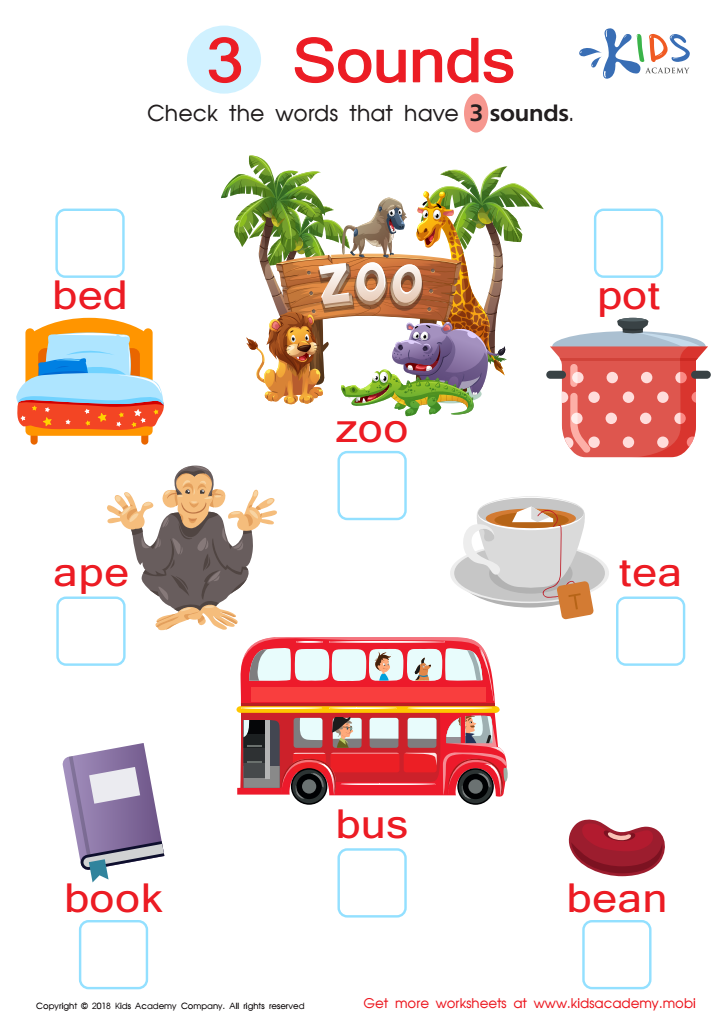
3 Sounds Worksheet
Kids will love learning with this free, colorful worksheet. It's full of familiar words they can name and sound out with three distinct sounds. This helps build decoding skills, plus they get to check off words they read. It's a fun way to teach children to identify and use sounds.
3 Sounds Worksheet
Worksheet
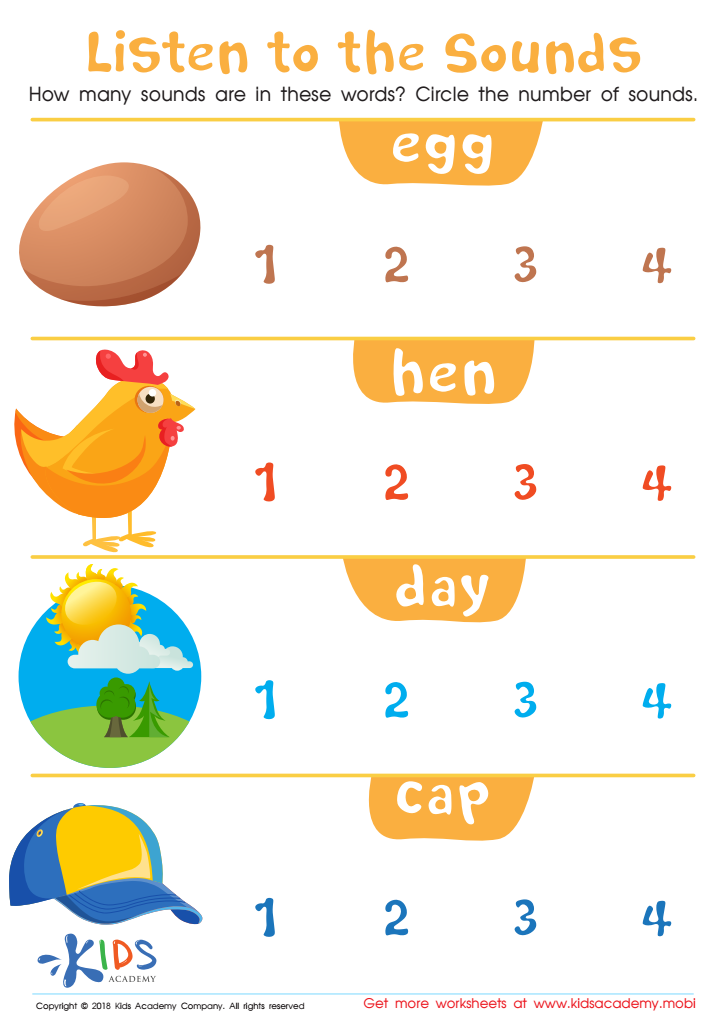
Listen to the Sounds Worksheet
This worksheet builds emerging readers' skills in using sounds for reading and spelling. It helps strengthen auditory processing by having them count the sounds in each word, then trace the corresponding number. Fun and cheerful!
Listen to the Sounds Worksheet
Worksheet
Join Kids Academy for Free
Who is primarily going to use this learning content?