Normal Writing Worksheets for Ages 3-6 - Page 2
88 filtered results
-
From - To
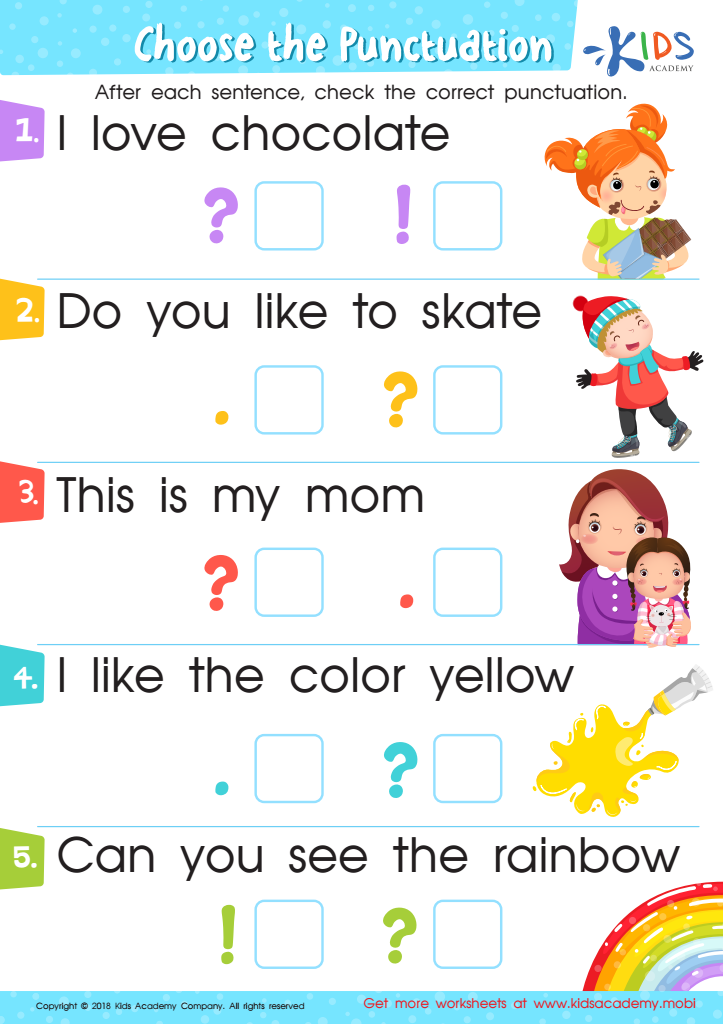
Choose the Punctuation: Assessment Worksheet
 Assign to My Students
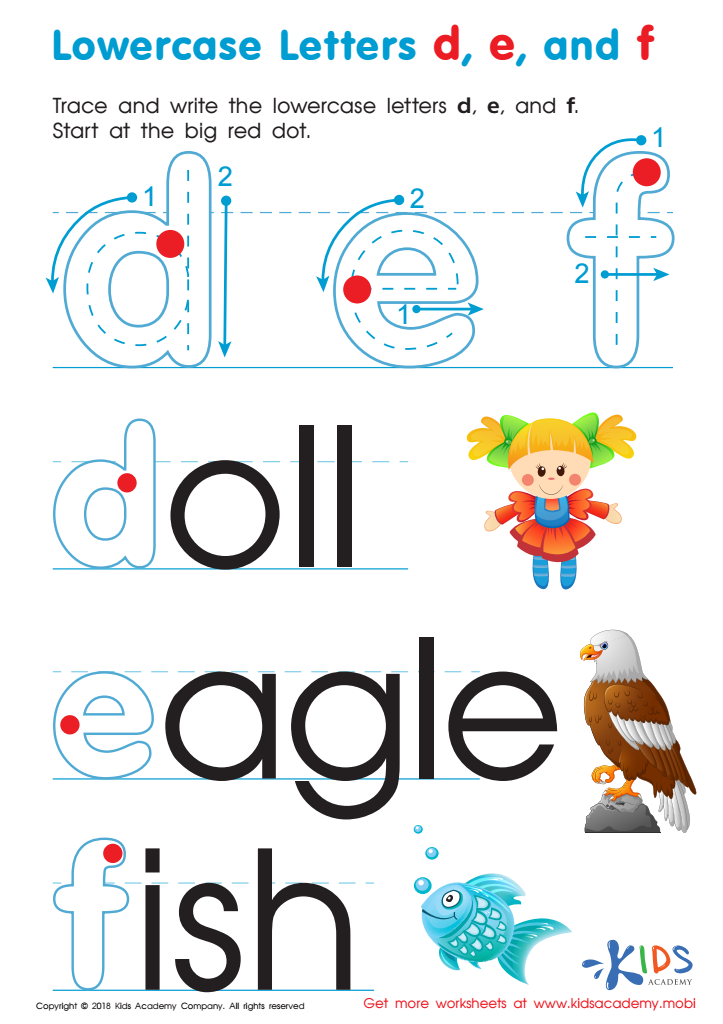
Lowercase Letters d e f Worksheet
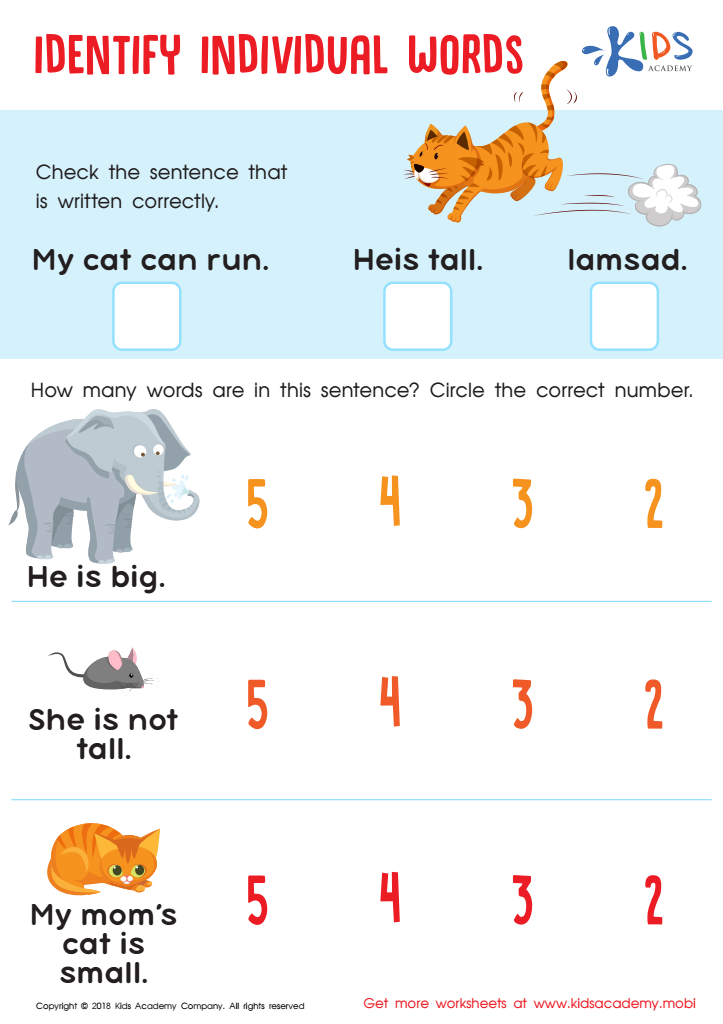
Identify Individual Words Worksheet
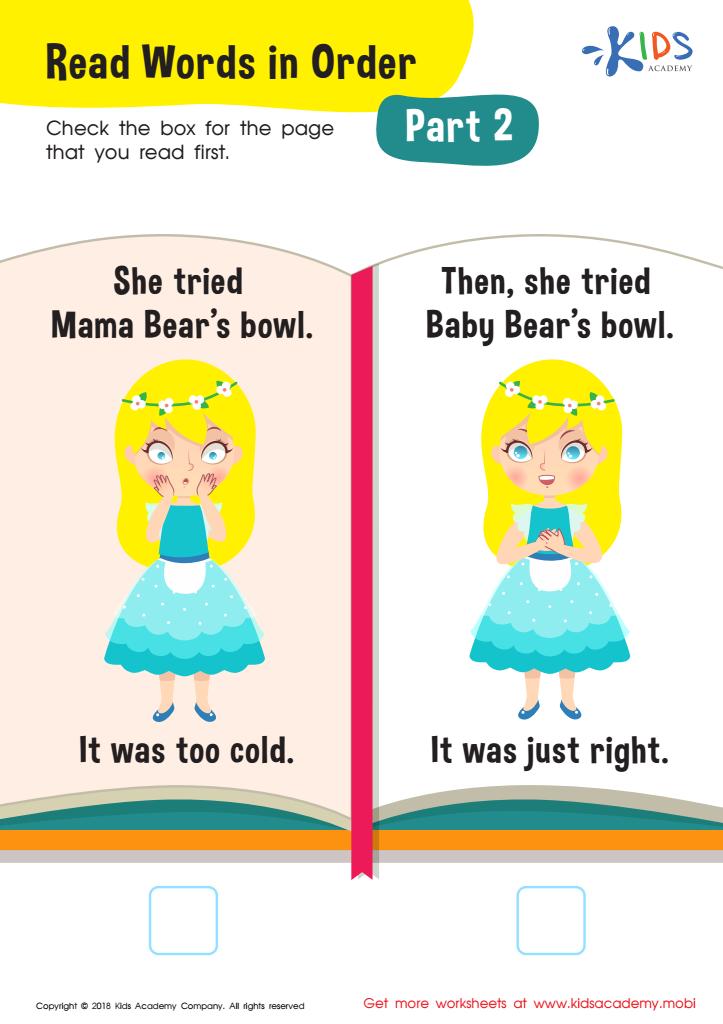
Read Words Order Part 2 Worksheet
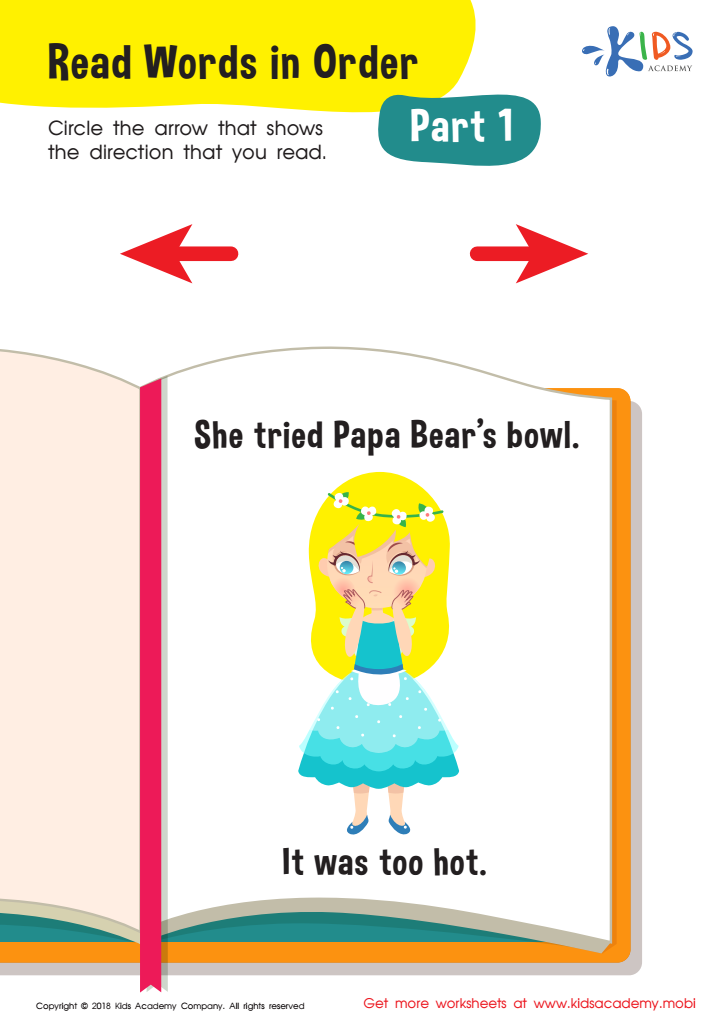
Read Words Order Part 1 Worksheet
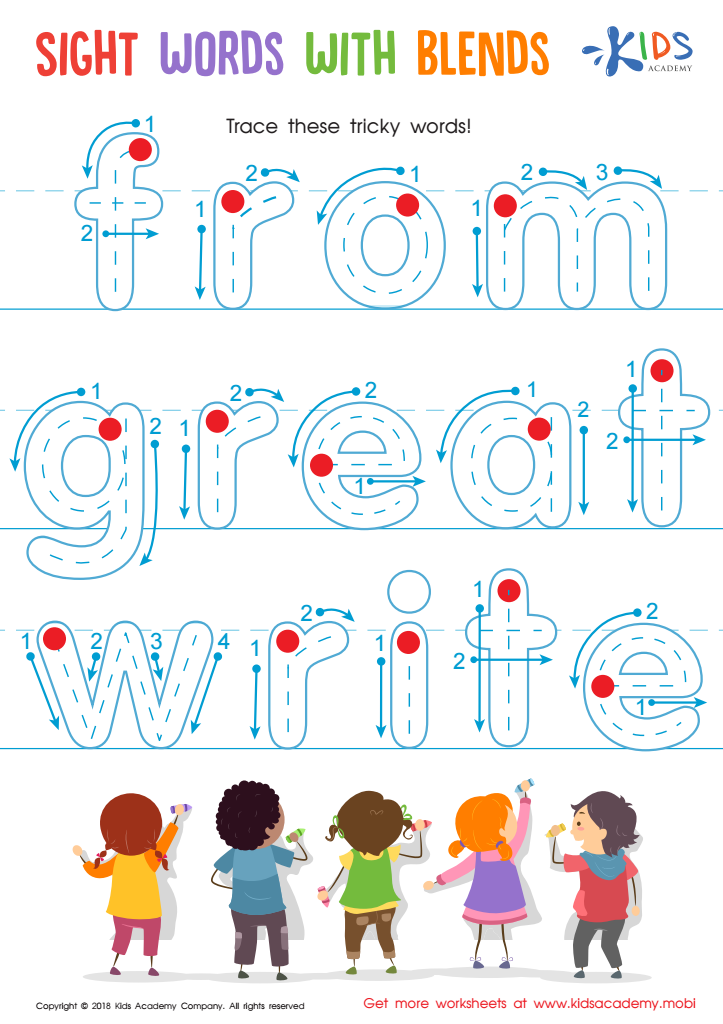
Sight Words with Blends Worksheet
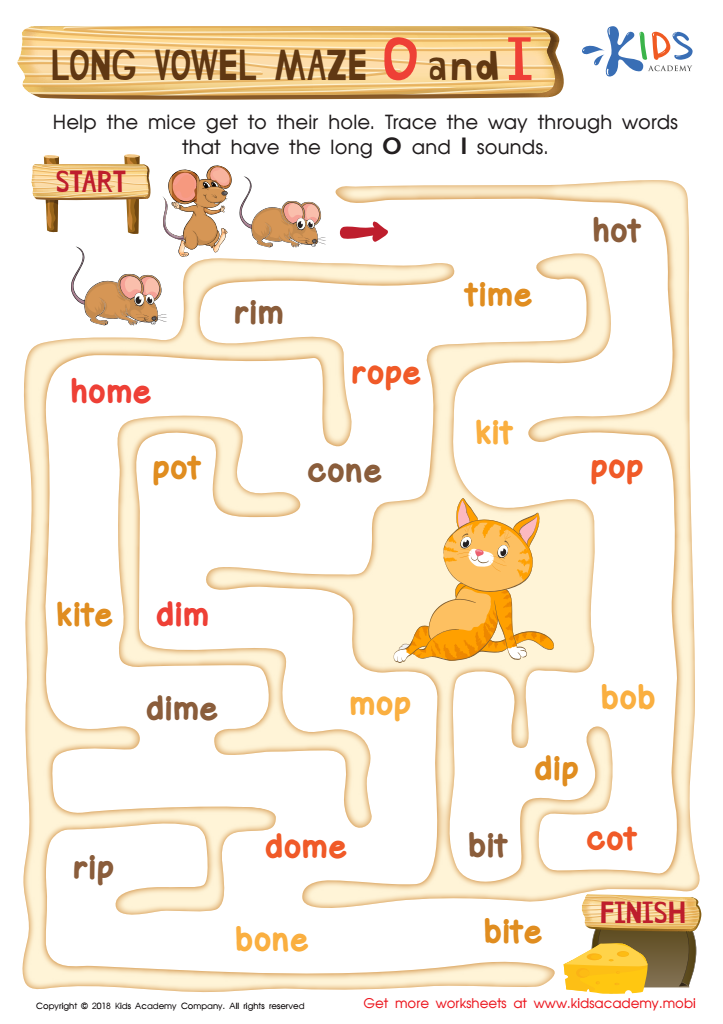
Long Vowel Maze /o/ and /i/ Worksheet
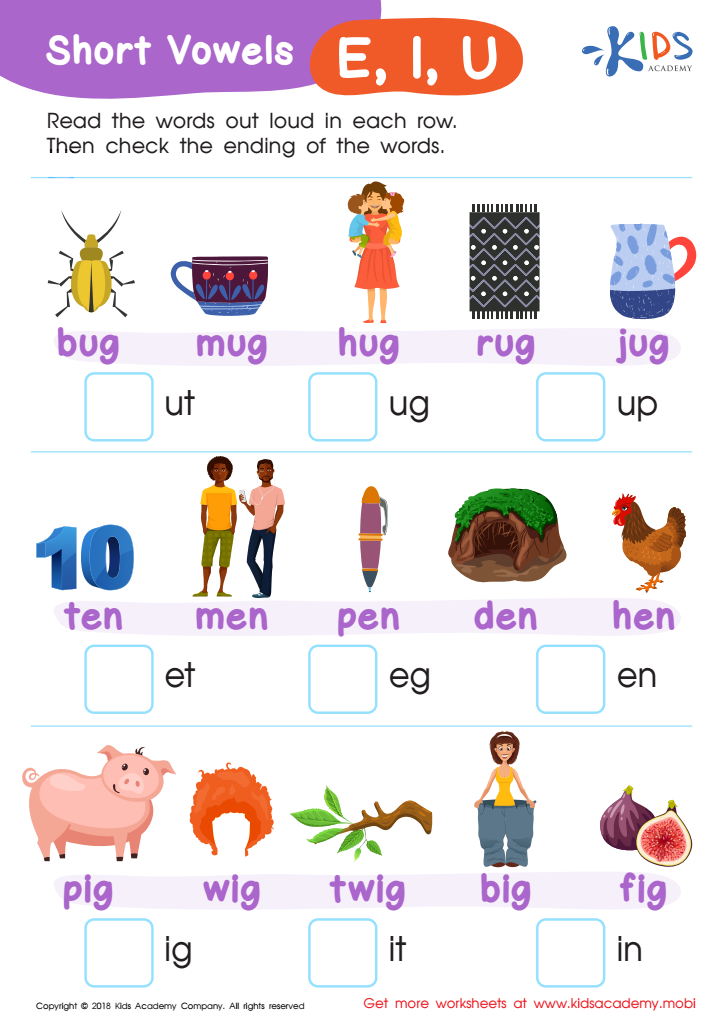
Short Vowels /e/, /i/, and /u/ Worksheet
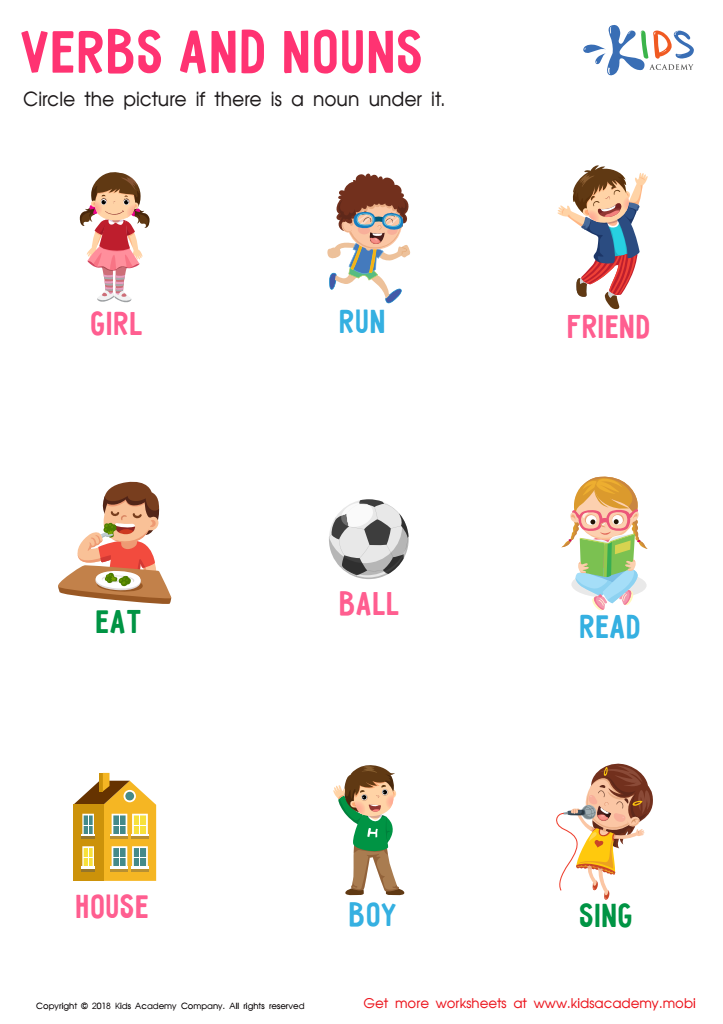
Verbs and Nouns Worksheet
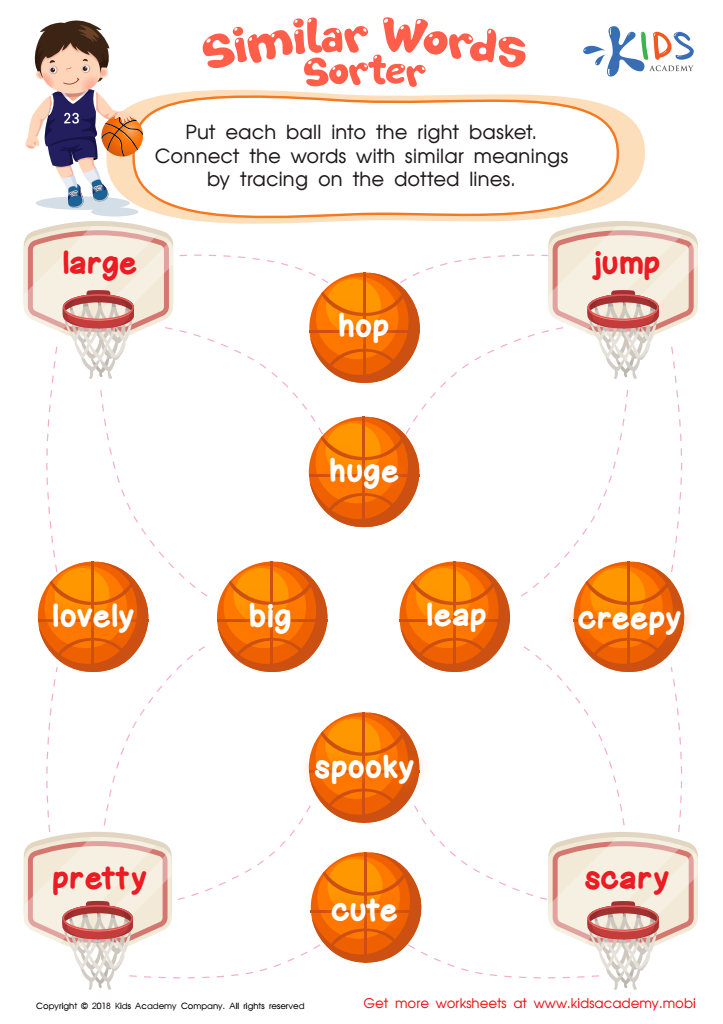
Similar Words Worksheet
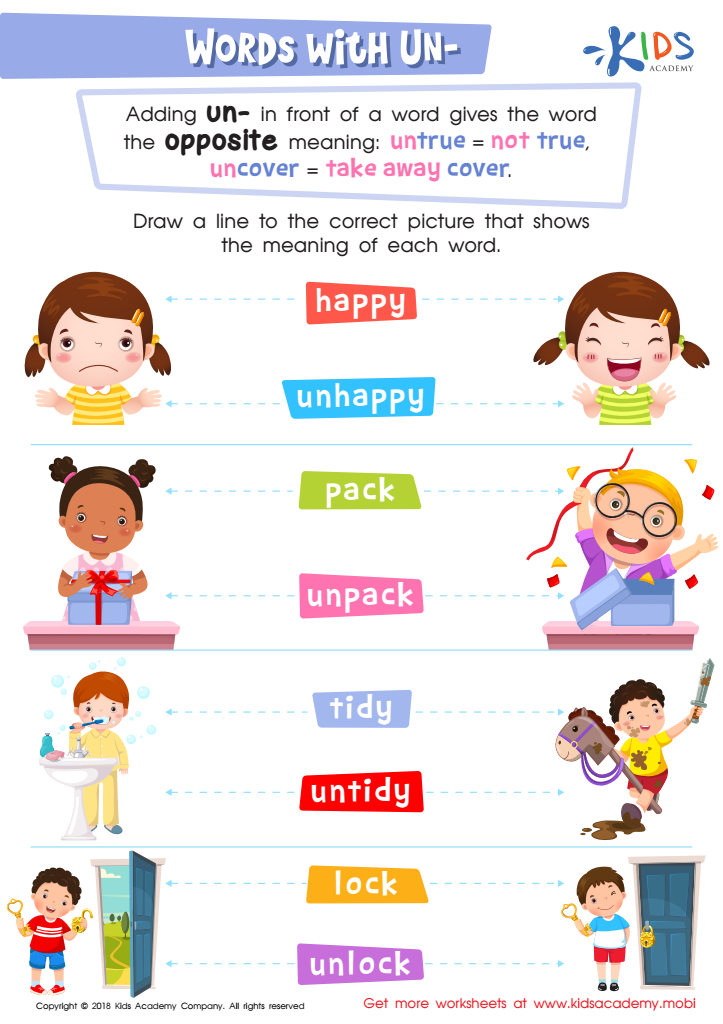
Words with Un– Worksheet
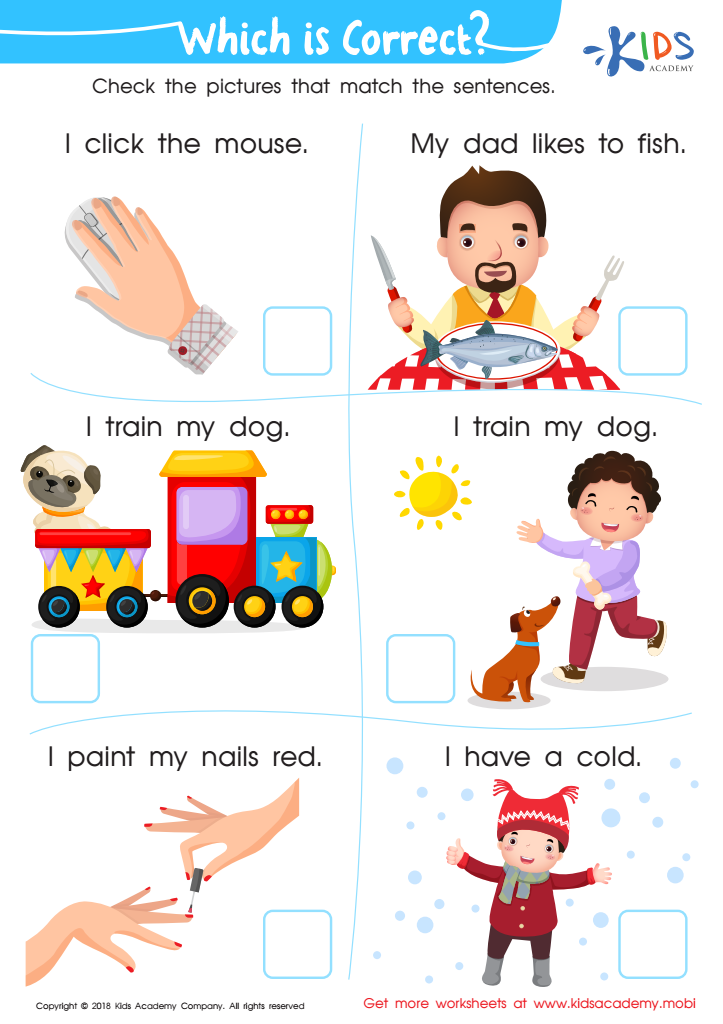
Which Is Correct? Worksheet
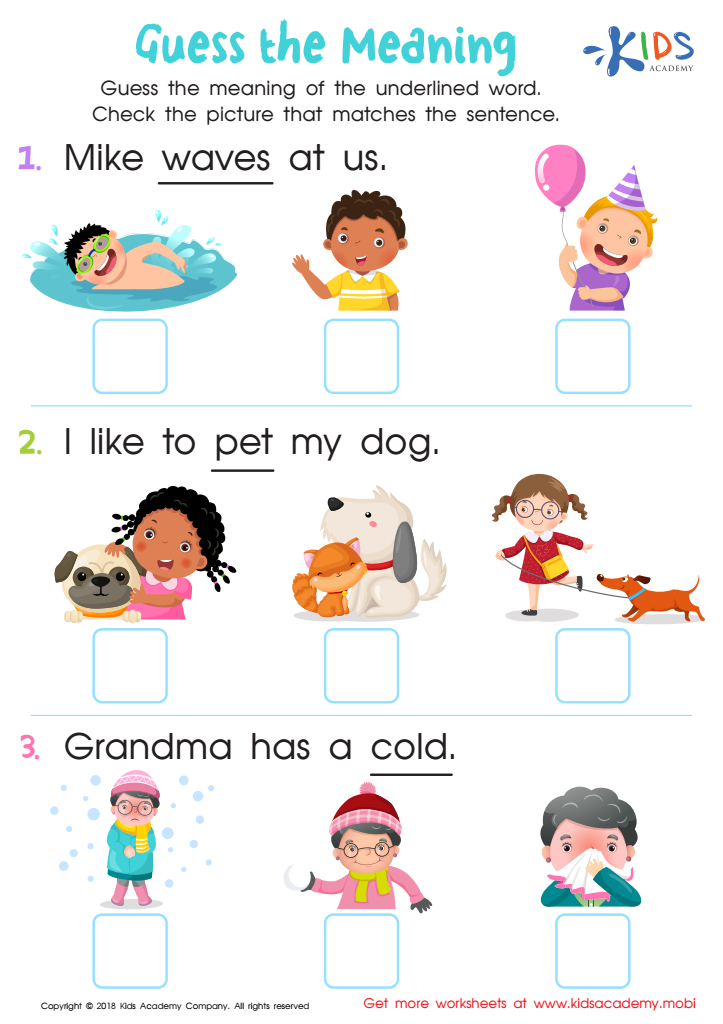
Guess the Meaning Worksheet
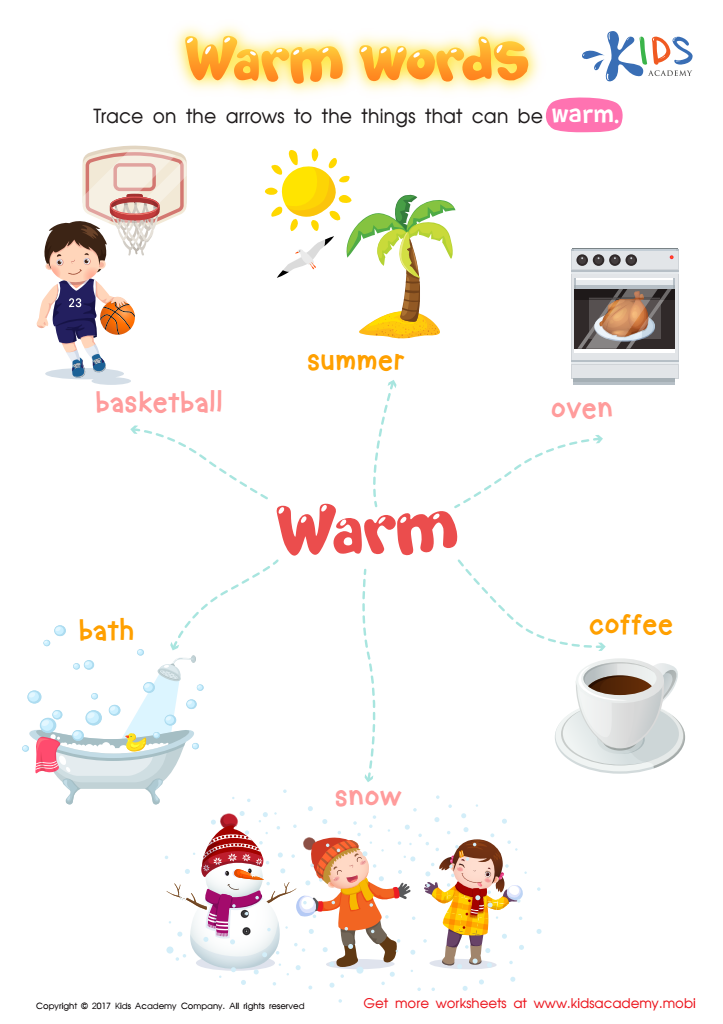
Warm Words Worksheet
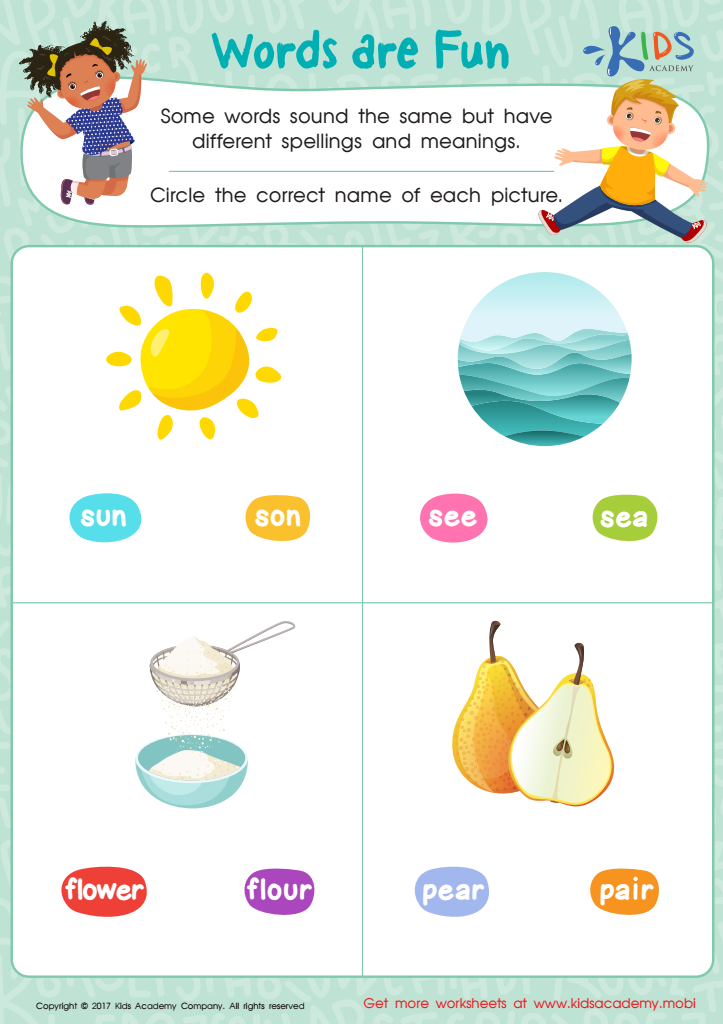
Words Are Fun Worksheet
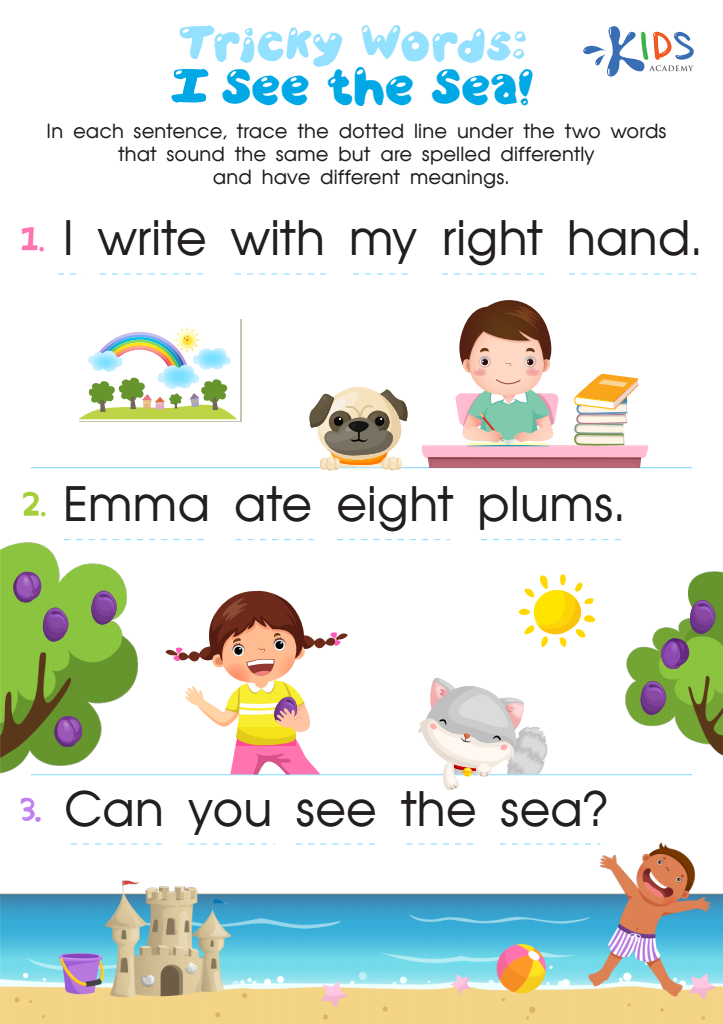
Tricky Words Worksheet
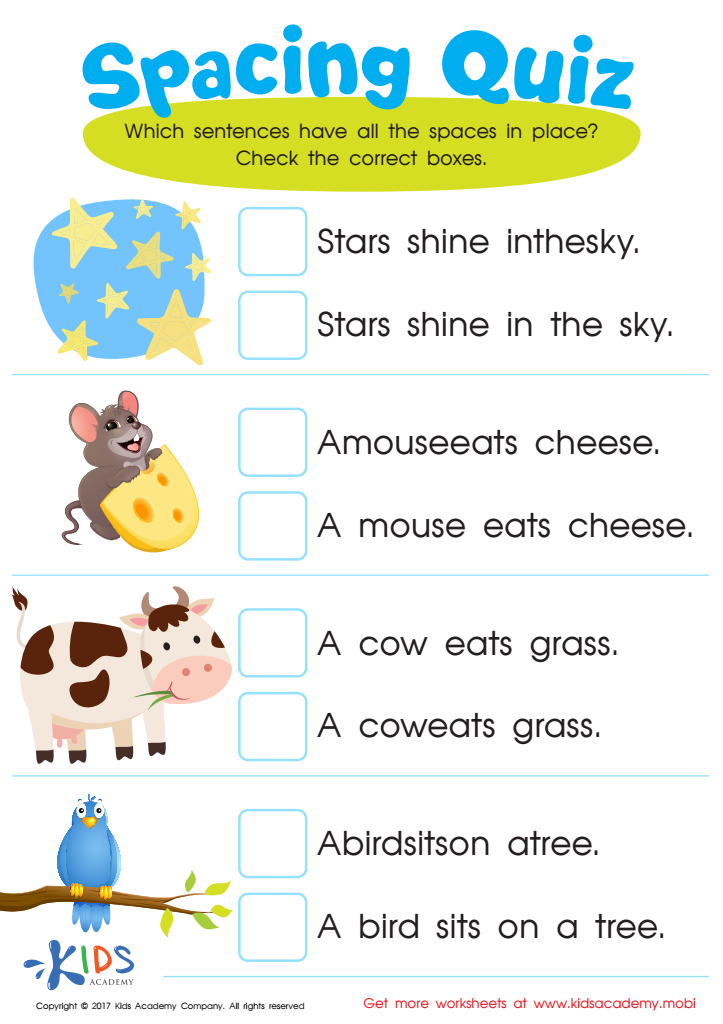
Spacing Quiz Worksheet
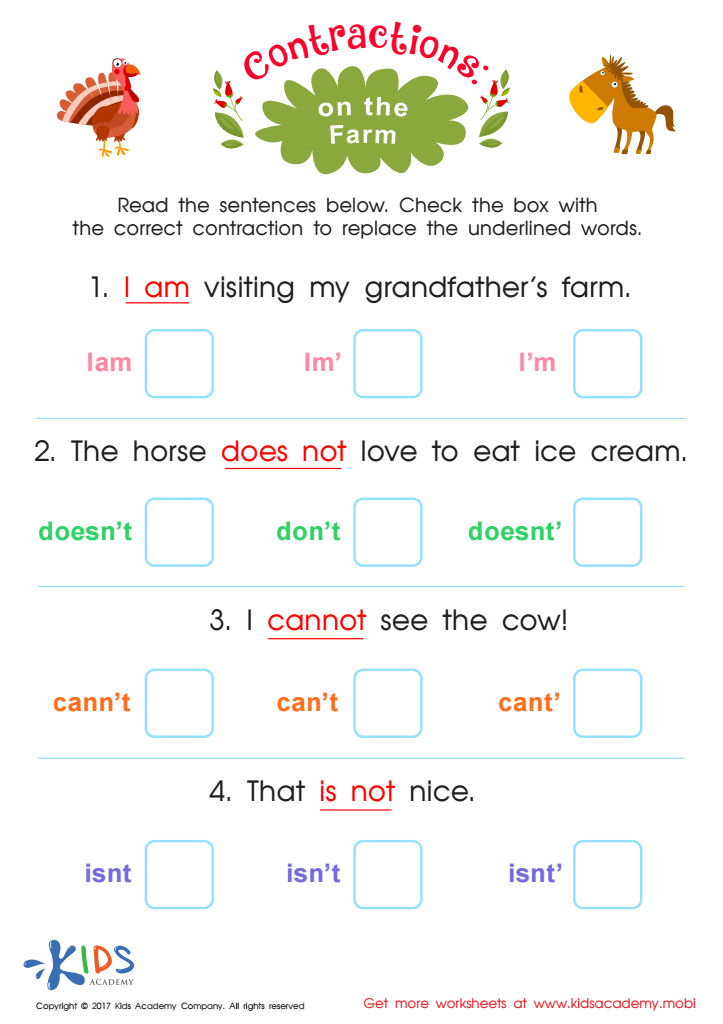
Contractions: On the Farm Printable
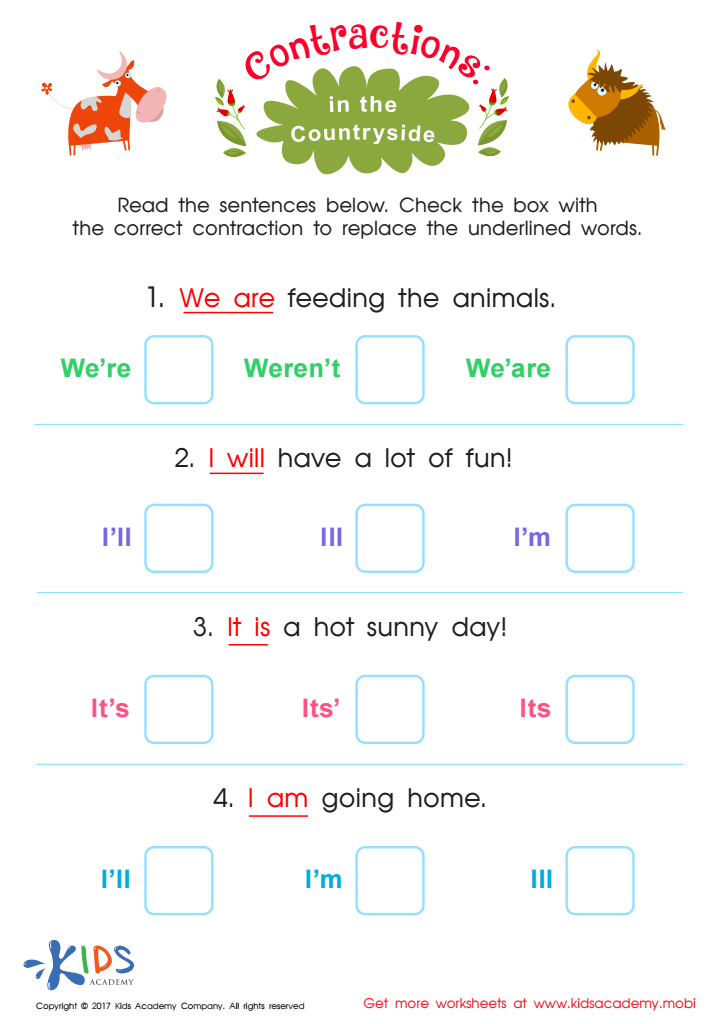
Contractions: In the Countryside Worksheet
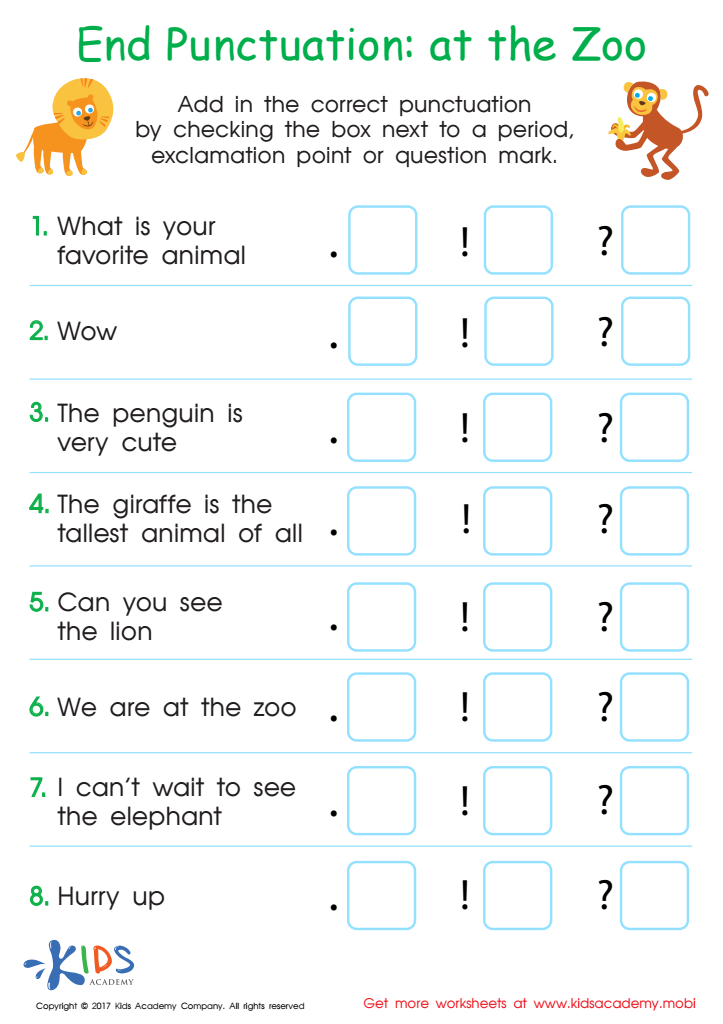
End Punctuation: At the Zoo Worksheet
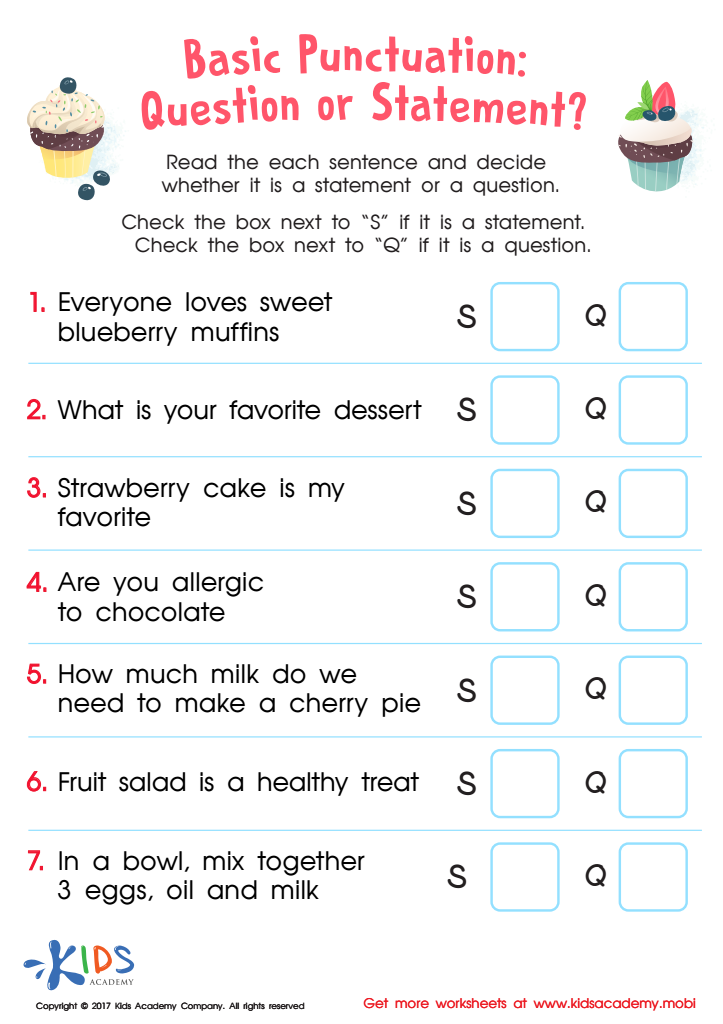
Basic Punctuation: Question or Statement Printable
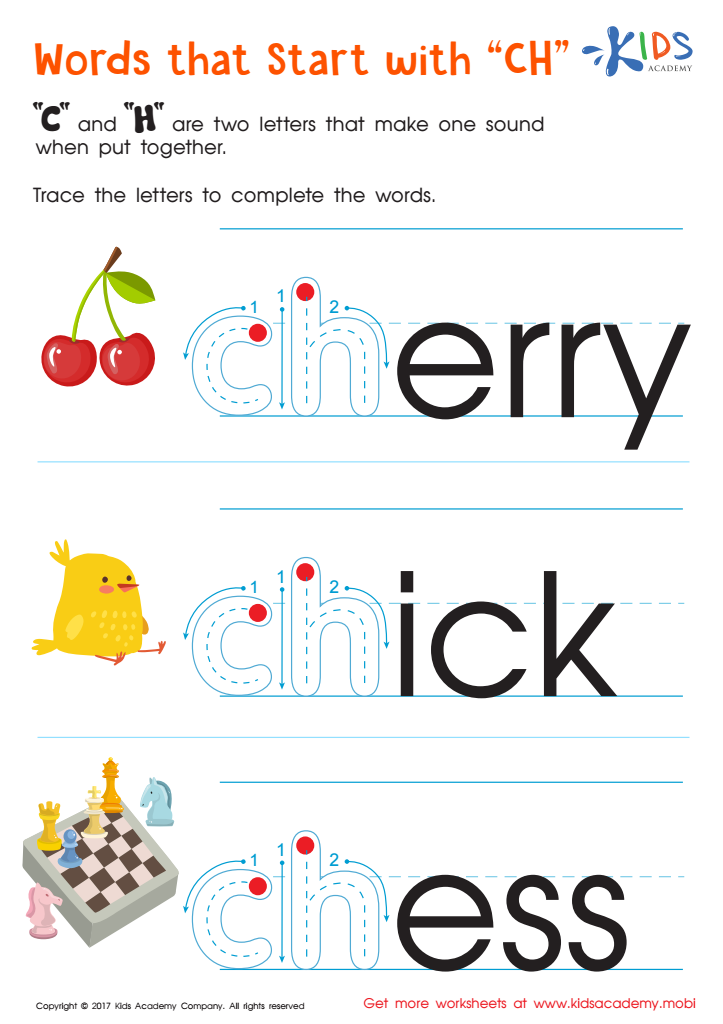
Words That Start with "ch" Spelling Worksheet
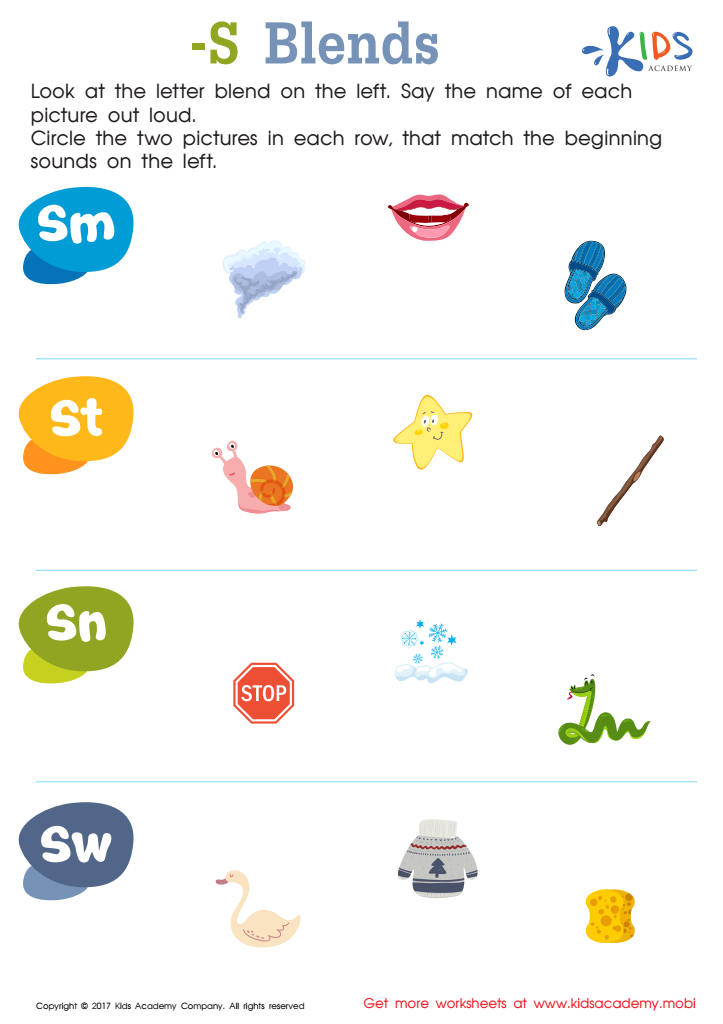
"s" Blends Spelling Printable
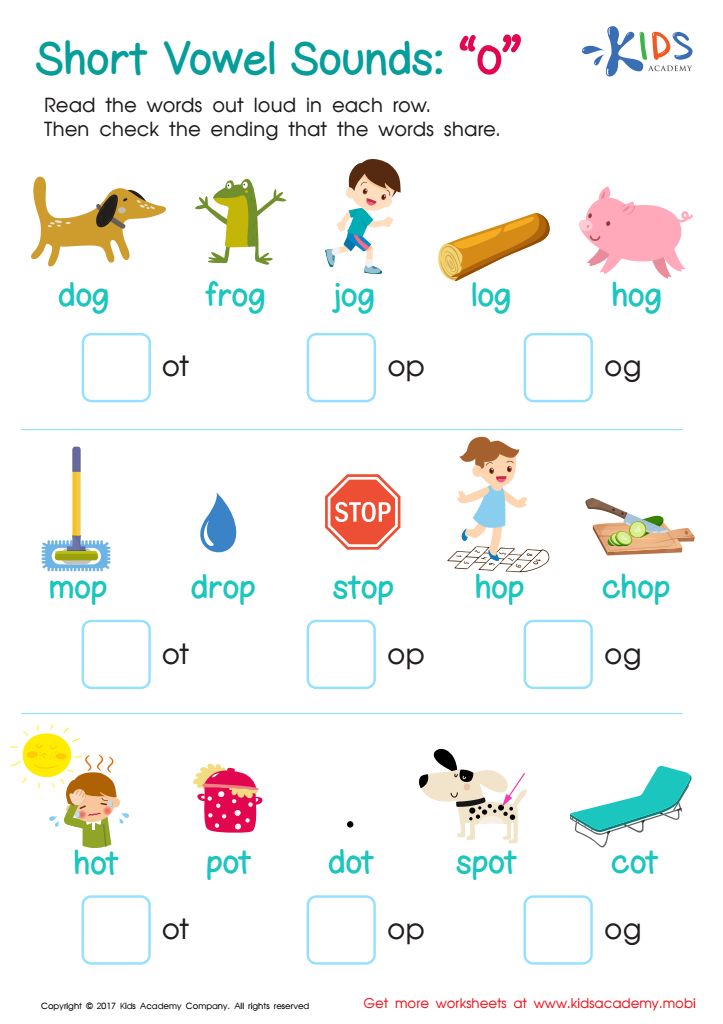
Short vowel Sounds "o" Spelling Worksheet







Nurturing normal writing skills in children aged 3-6 is crucial for several reasons. At this developmental stage, children are in their prime for acquiring foundational skills that will influence their academic and life success. Engaging in writing activities strengthens hand-eye coordination, fine motor skills, and cognitive development, making children more prepared for future learning tasks.
Writing also plays a significant role in literacy development. It is closely linked to reading skills, as understanding how letters form words enhances comprehension abilities. Children who engage in early writing are also more likely to develop a richer vocabulary and stronger language skills, aiding in communication and social interaction.
Furthermore, writing encourages creativity and self-expression. It allows young children to convey their thoughts, feelings, and imagination, which is important for emotional development. Teachers and parents should foster a positive writing environment by providing diverse materials, offering guided practice, and giving constructive feedback.
Creating a stimulating writing culture at an early age builds confidence and enthusiasm towards learning. This supportive environment not only promotes academic excellence but also helps in creating a well-rounded individual. Parents and teachers who prioritize normal writing ensure that children have the appropriate skills and tools to succeed throughout their education and beyond.