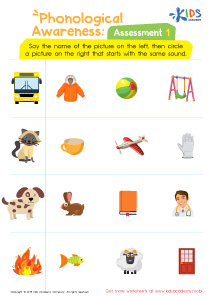
Normal Vowels Worksheets for Ages 3-7 - Page 3
71 filtered results
-
From - To
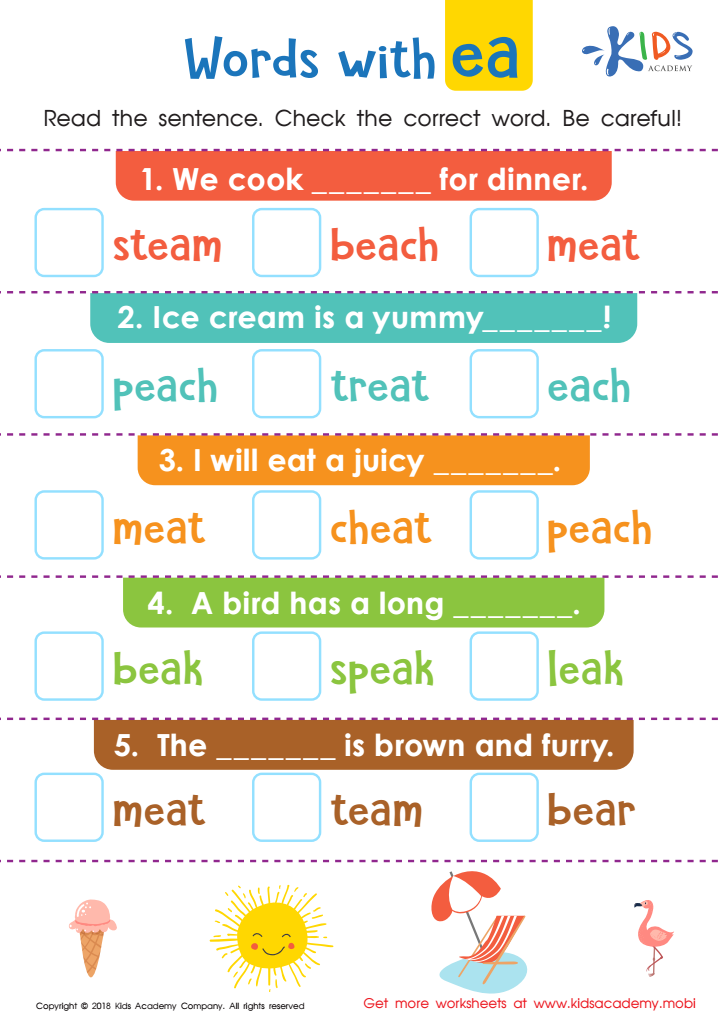
Words with ea Worksheet
 Assign to My Students
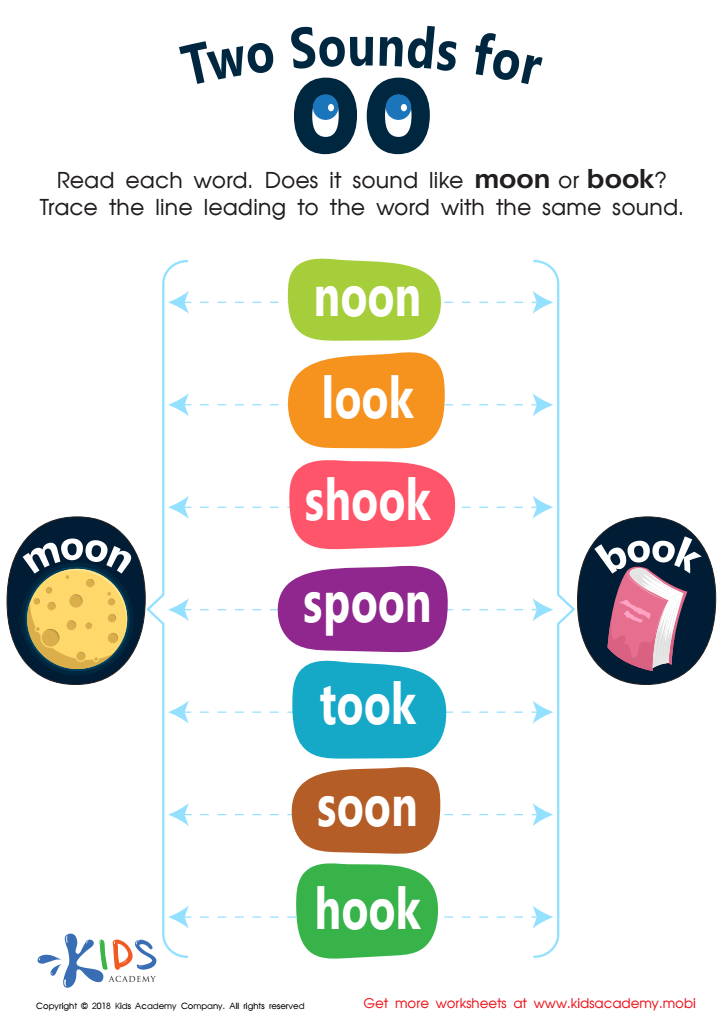
Two Sounds for OO Worksheet
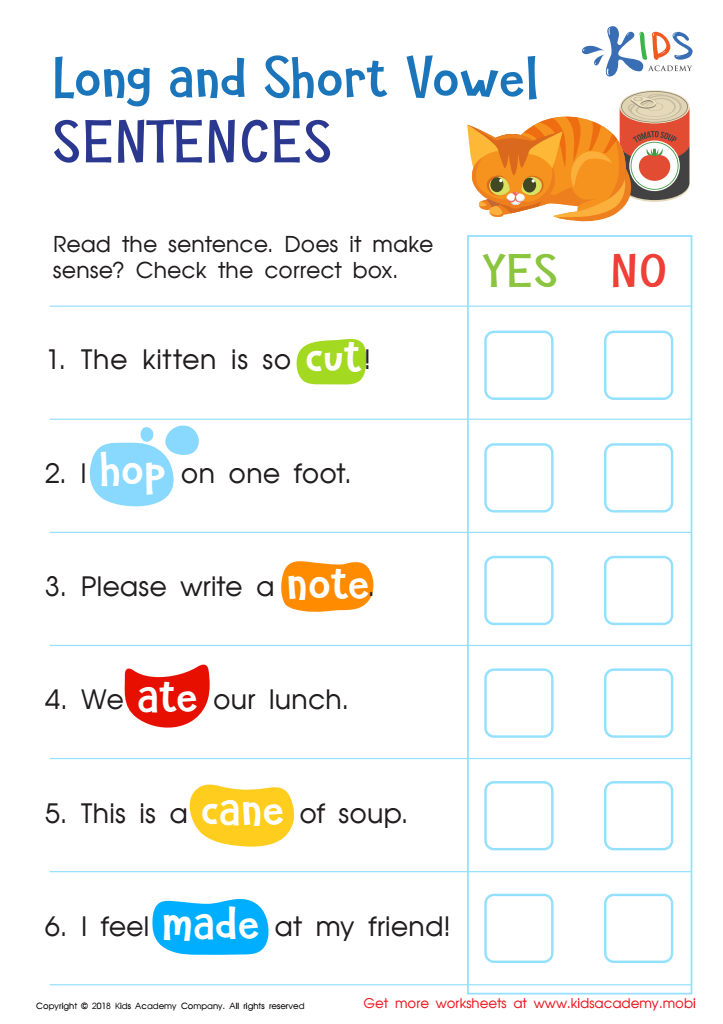
Long and Short Vowel Sentences: Assessment Worksheet
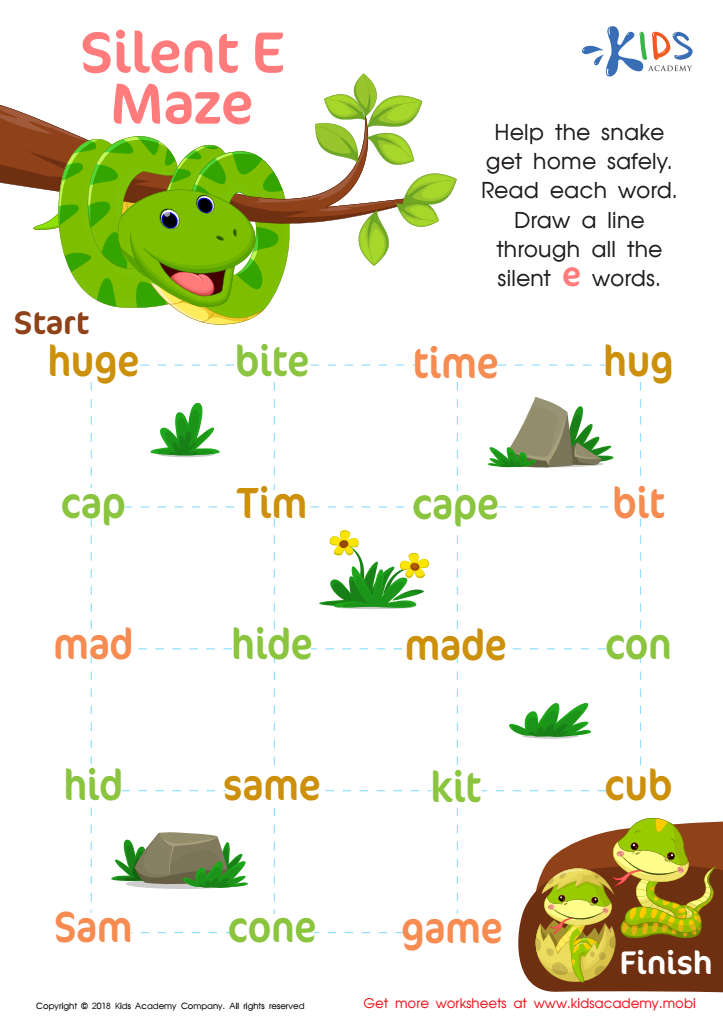
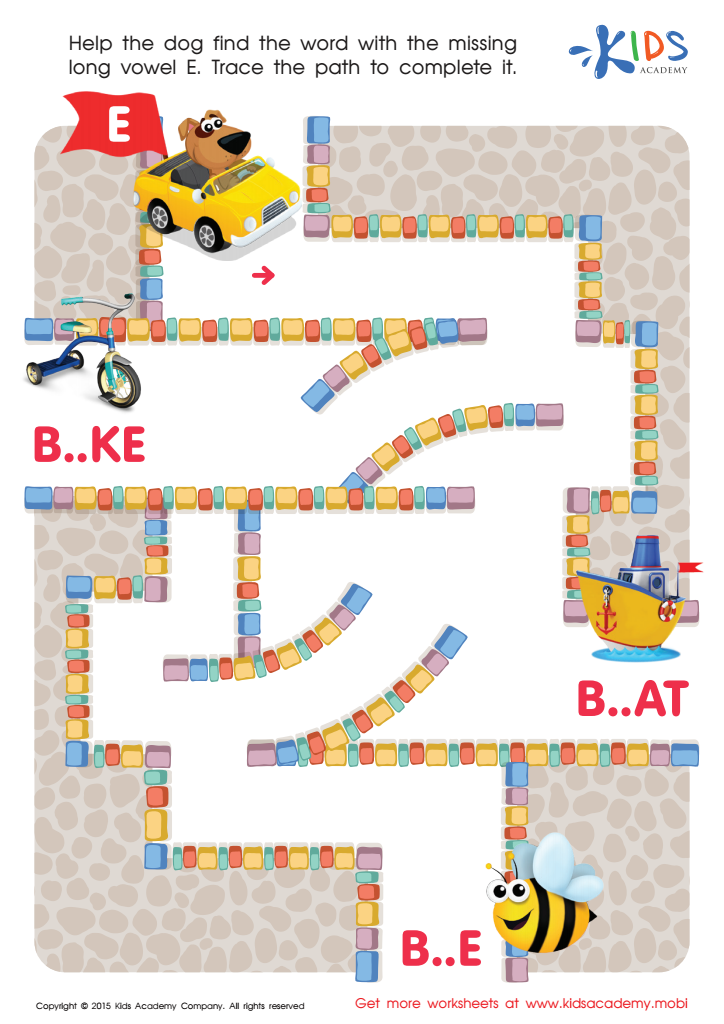
Silent E Maze Worksheet
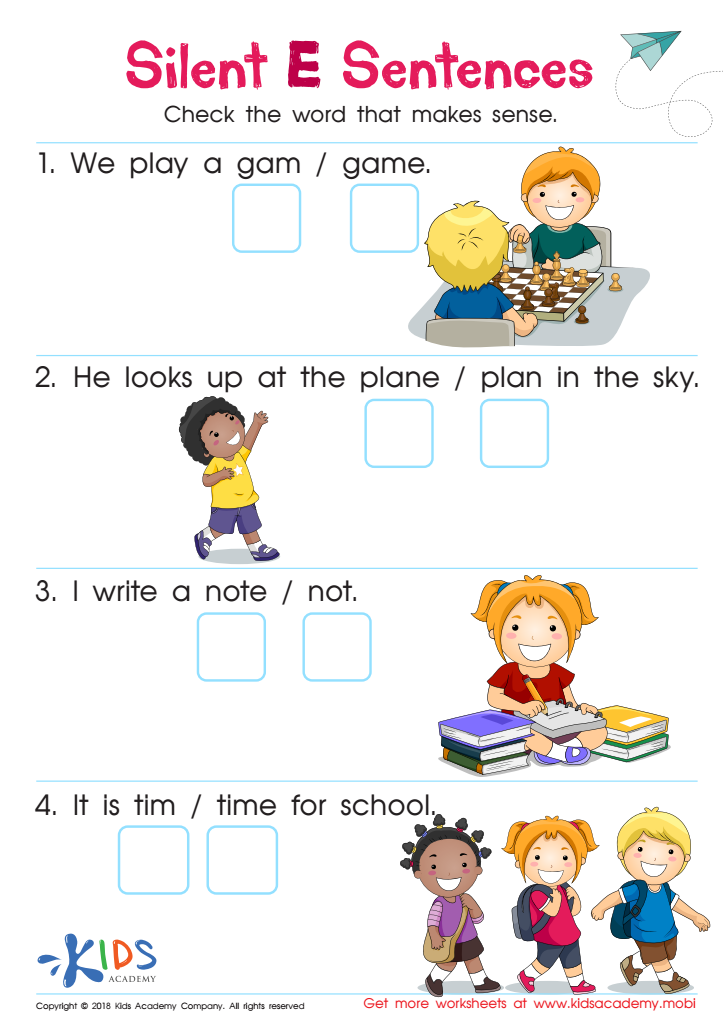
Silent E Sentences Worksheet
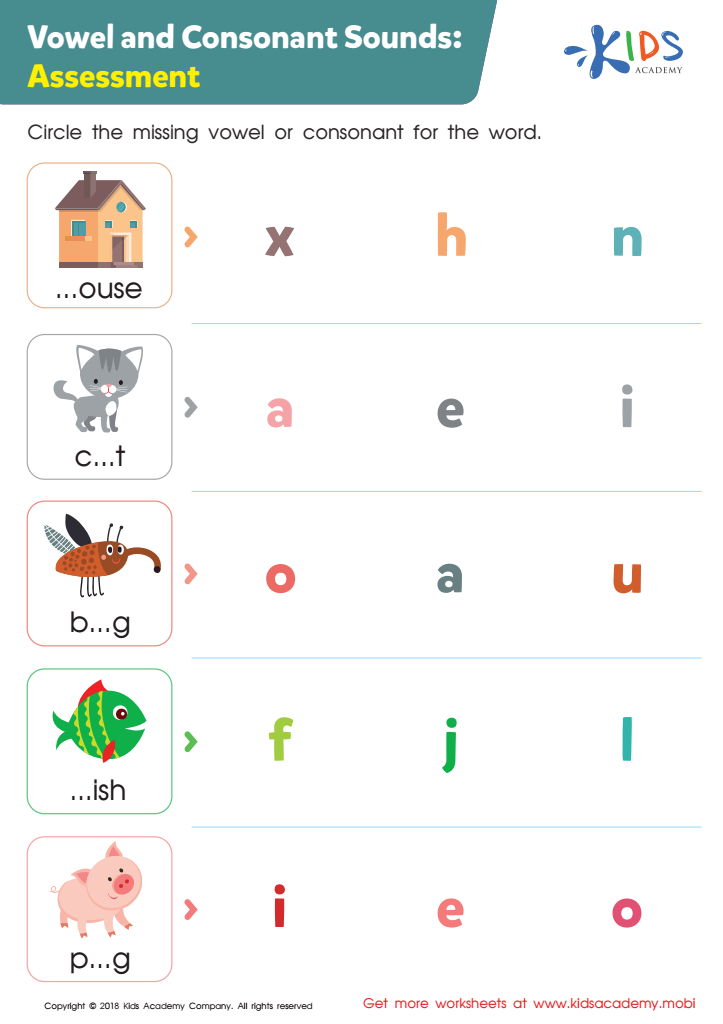
Vowel and Consonant Sounds: Assessment Worksheet
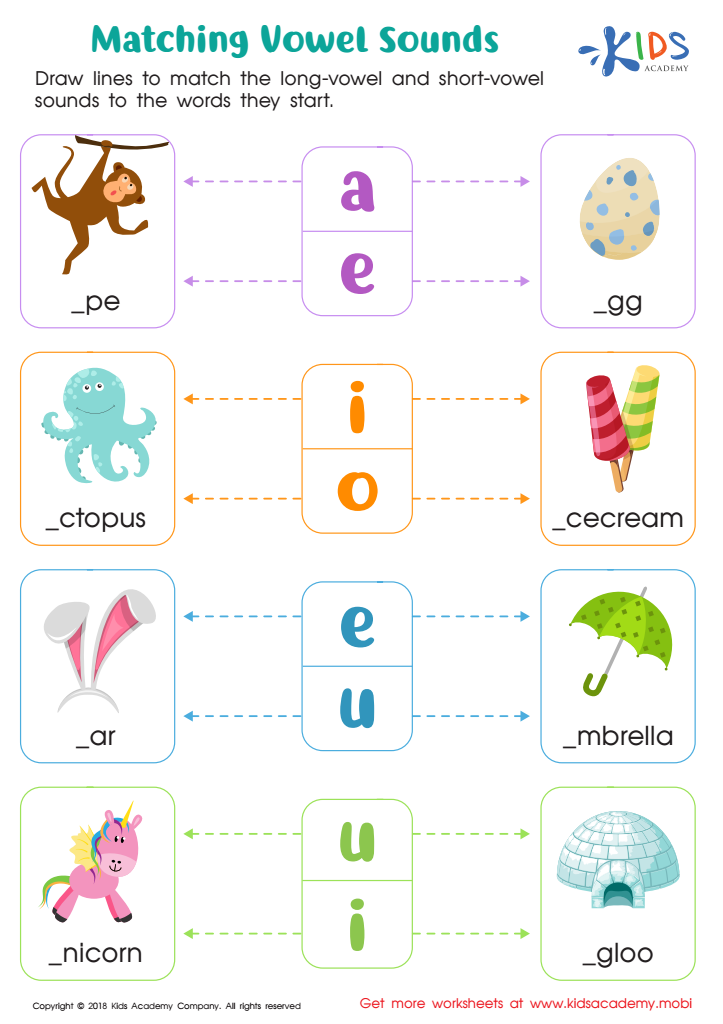
Matching Vowel Sounds Worksheet
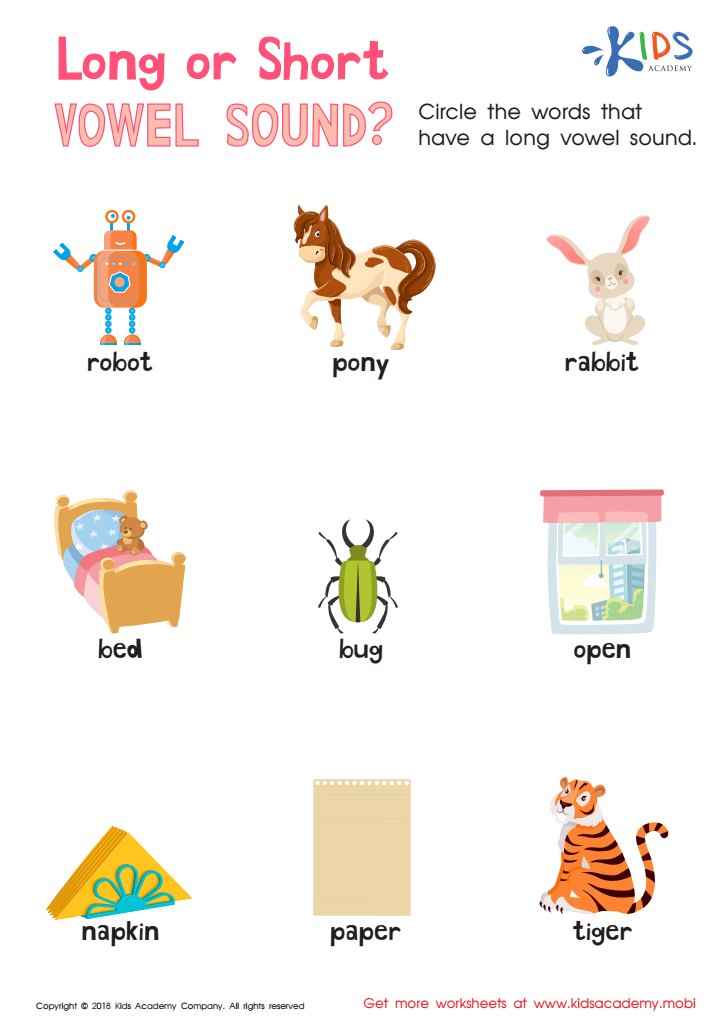
Long or Short Vowel Sound? Worksheet
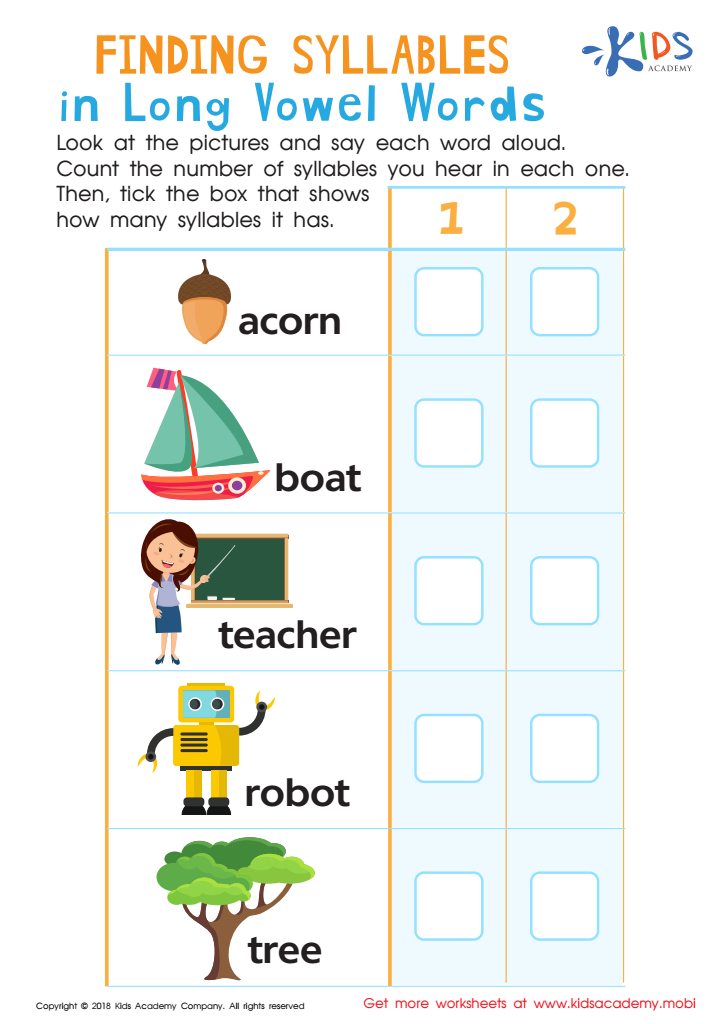
Finding Syllables in Long Vowel Words Worksheet
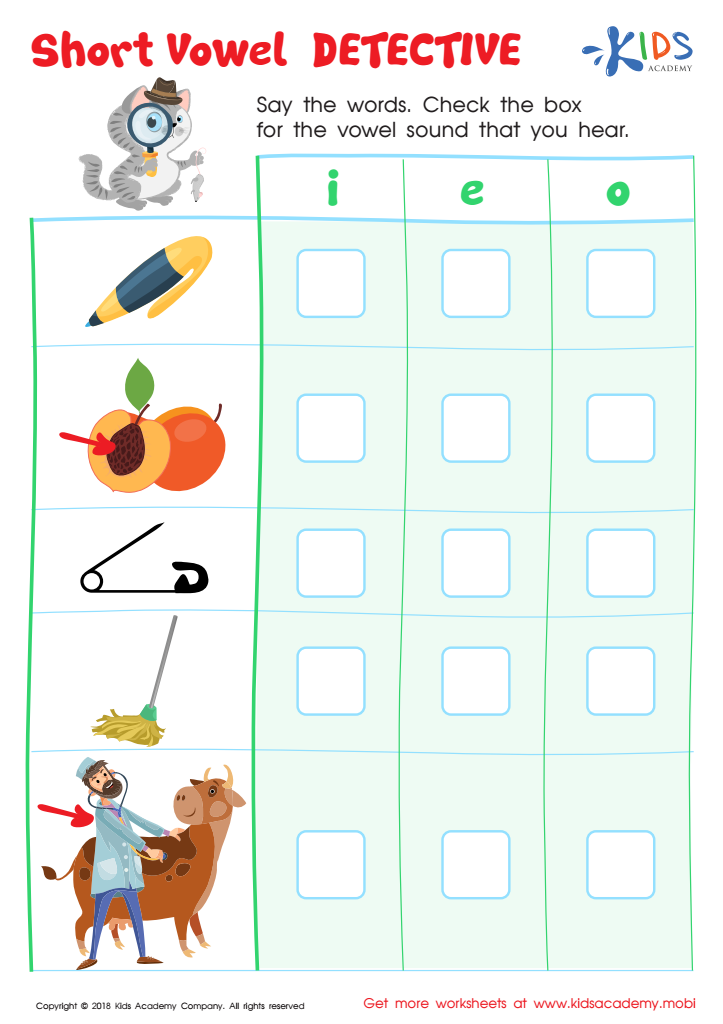
Short Vowel Detective Worksheet
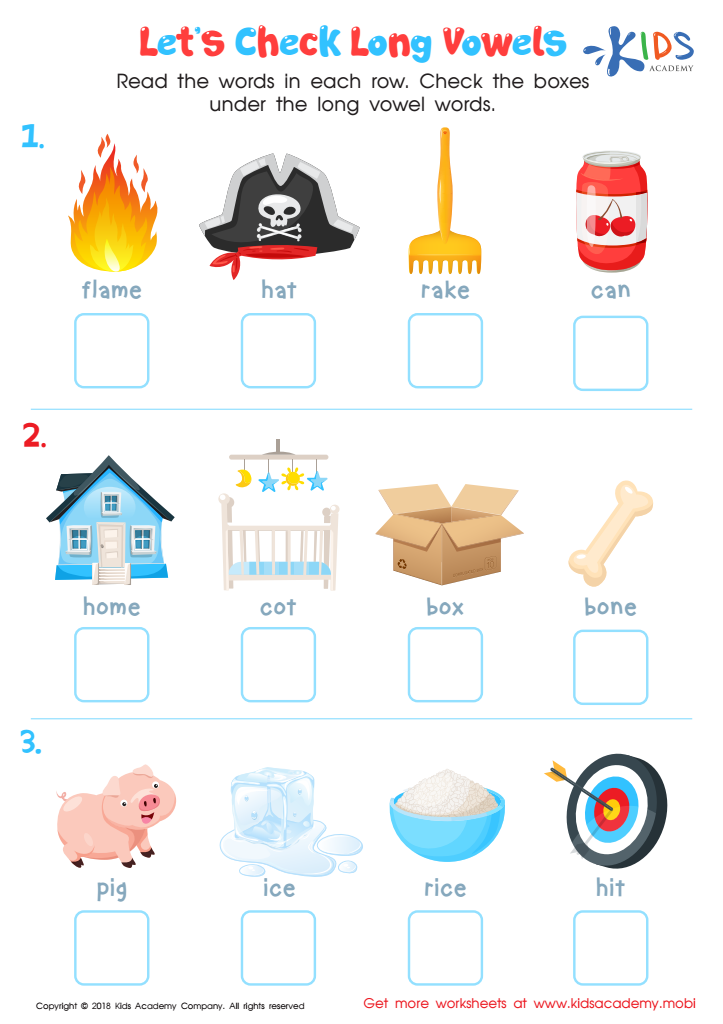
Let's Check Long Vowels: Assessment Worksheet
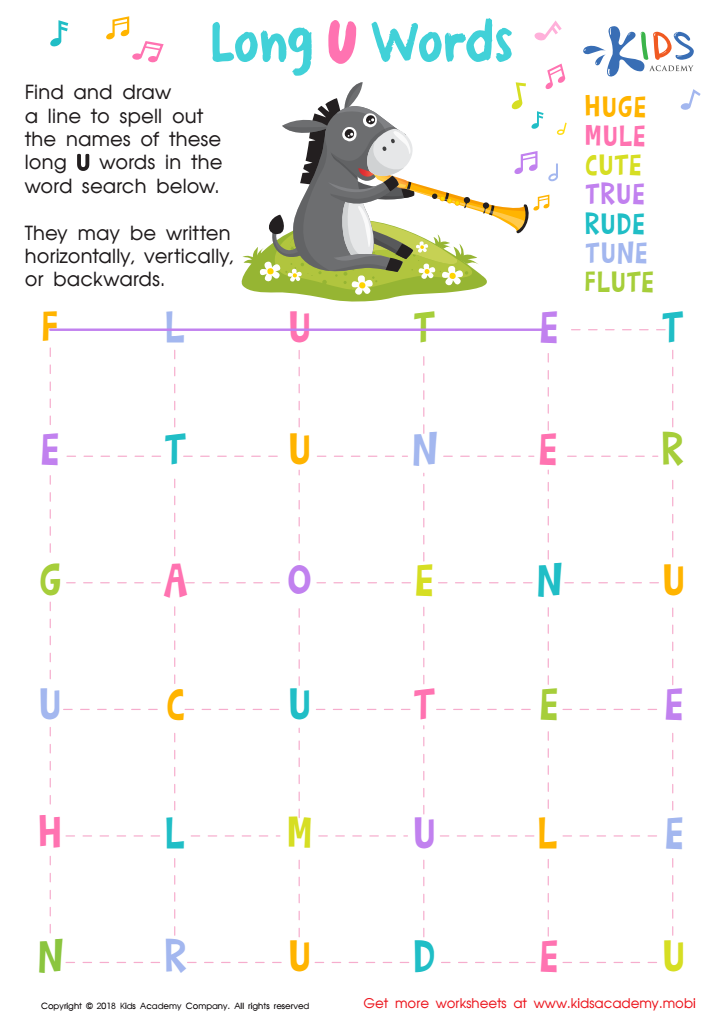
Long /u/ Words Worksheet
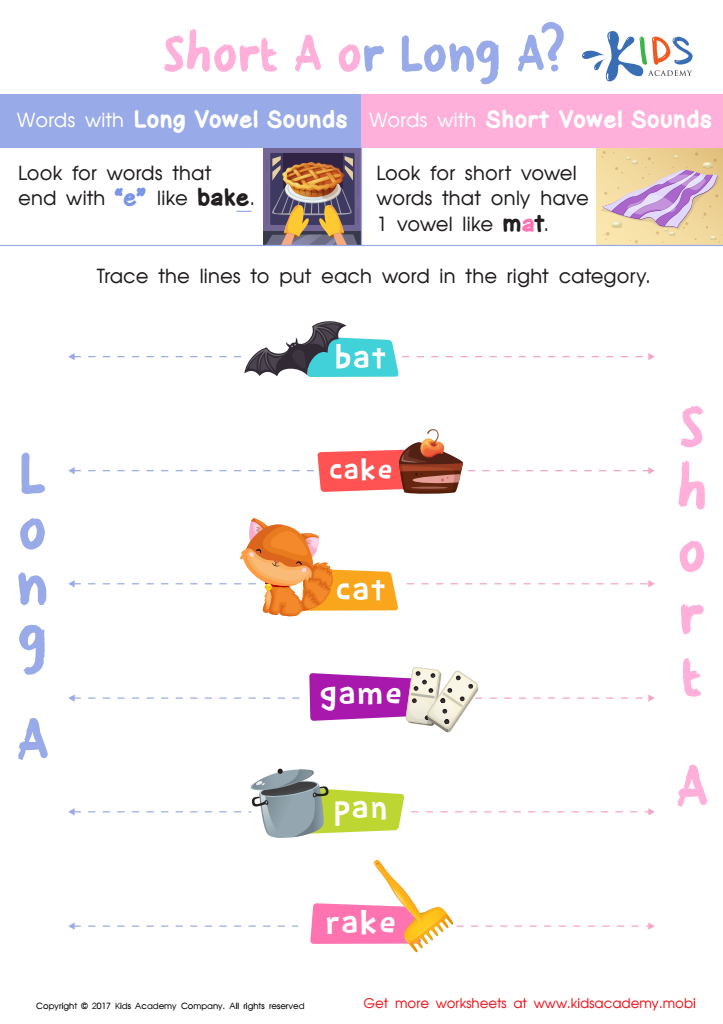
Short /a/ or Long /a/? Worksheet
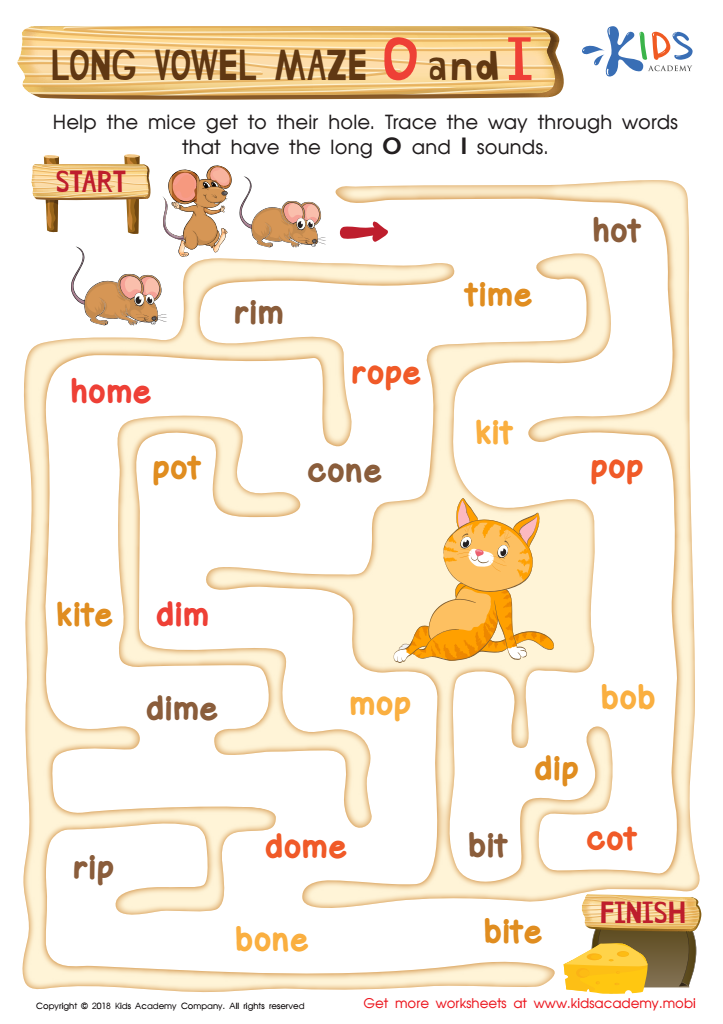
Long Vowel Maze /o/ and /i/ Worksheet
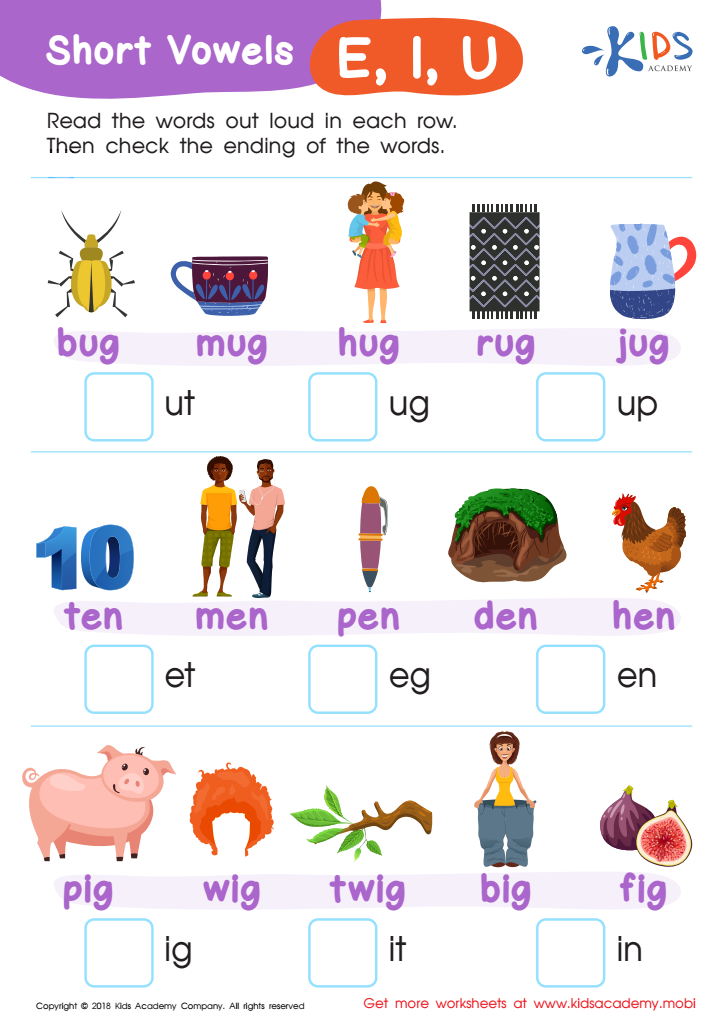
Short Vowels /e/, /i/, and /u/ Worksheet
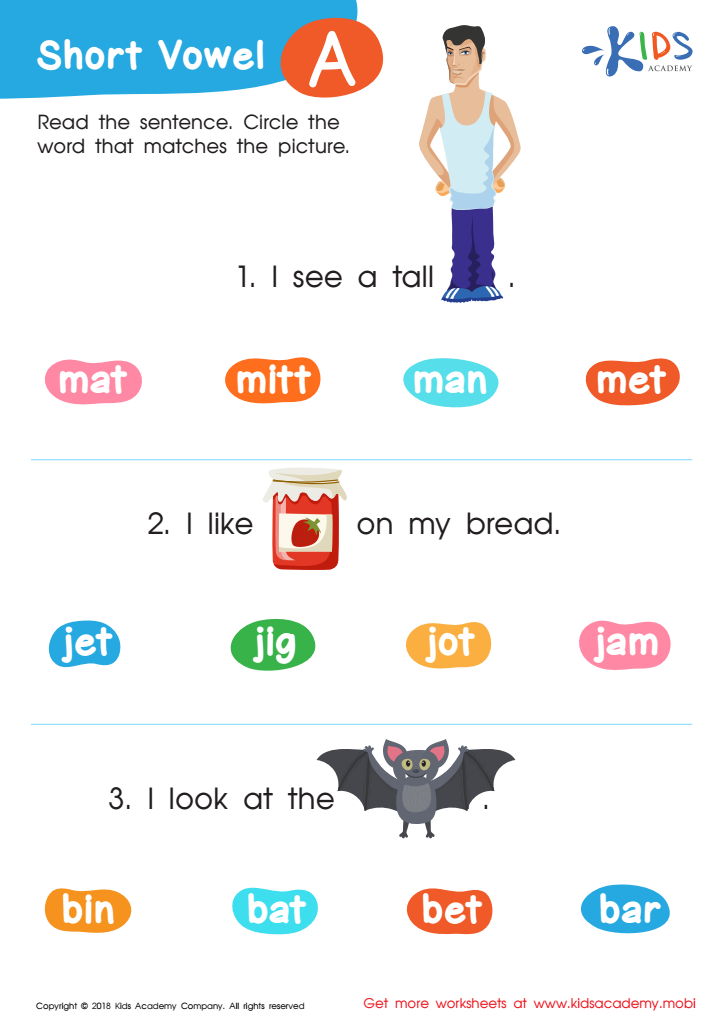
Short Vowel /a/ Worksheet
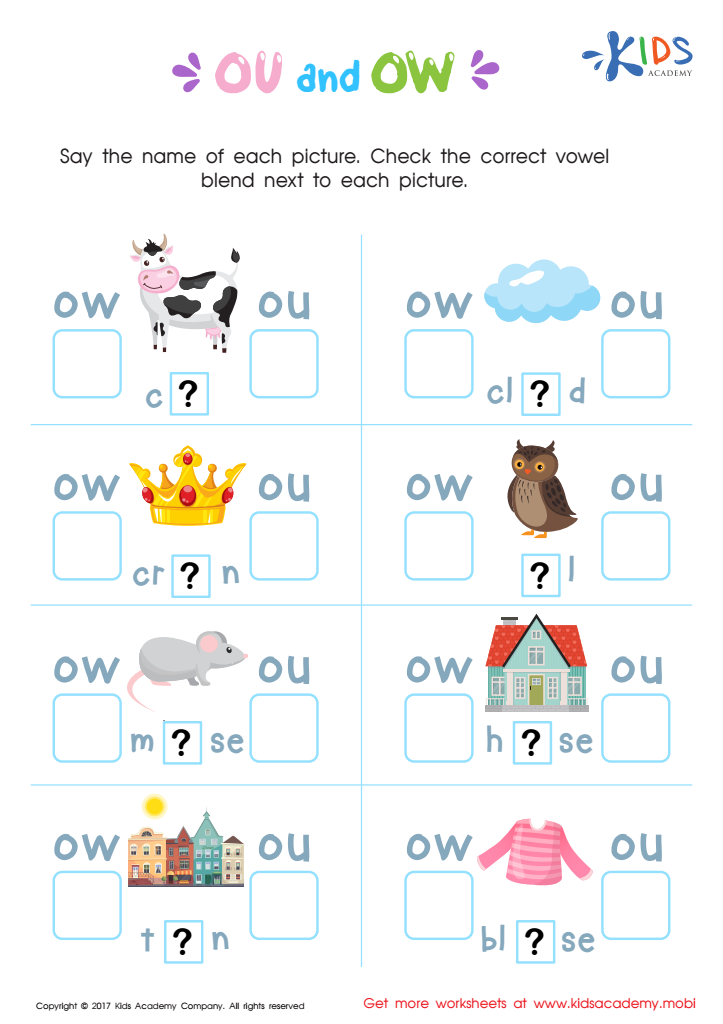
OU and OW Words Worksheet
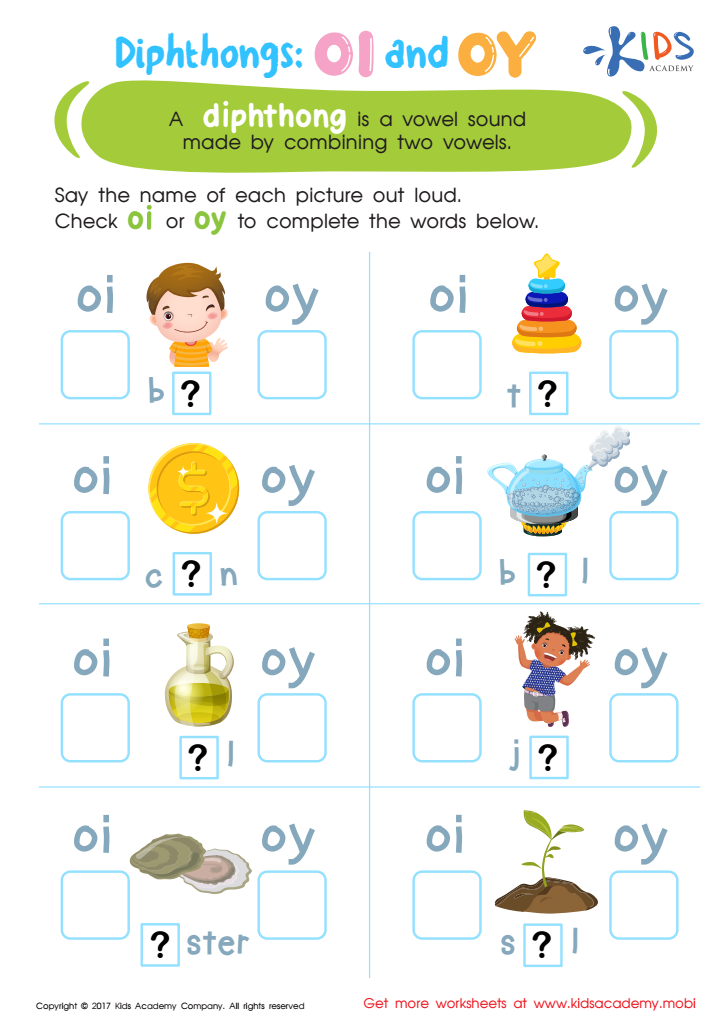
Vowel Diphthongs OI OY Worksheet
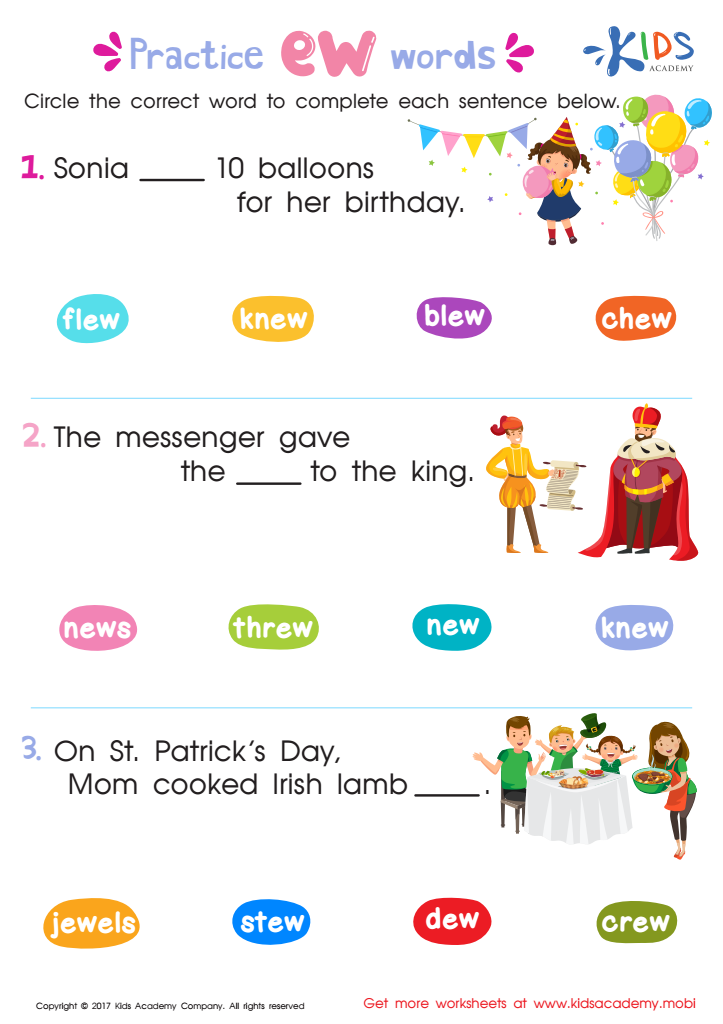
EW Words Worksheet
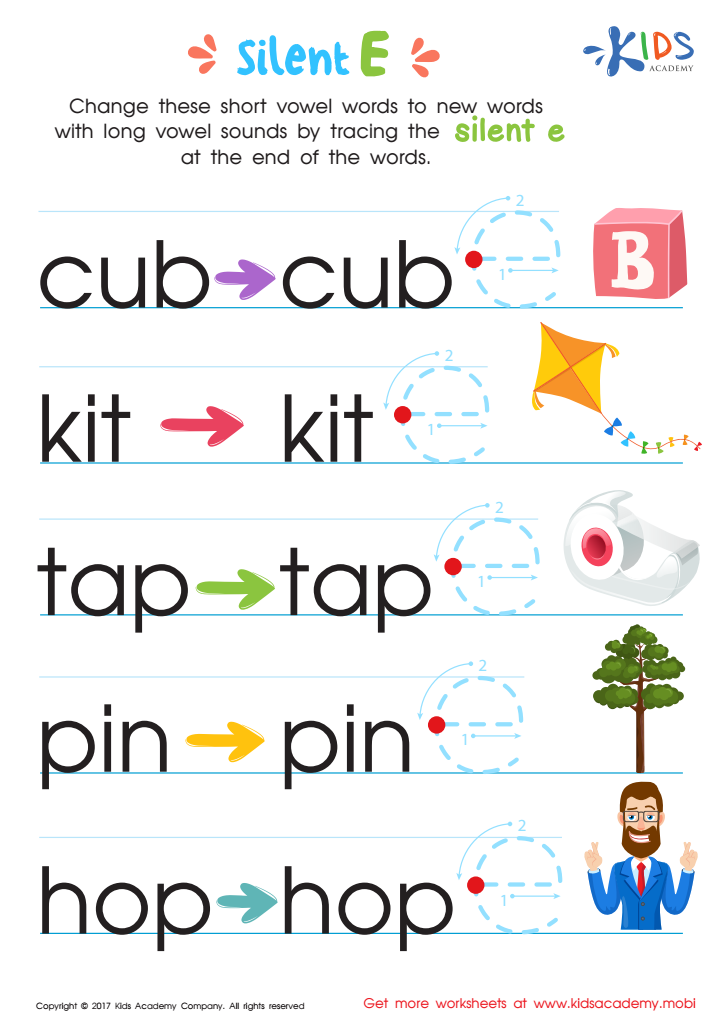
Silent E Words Worksheet
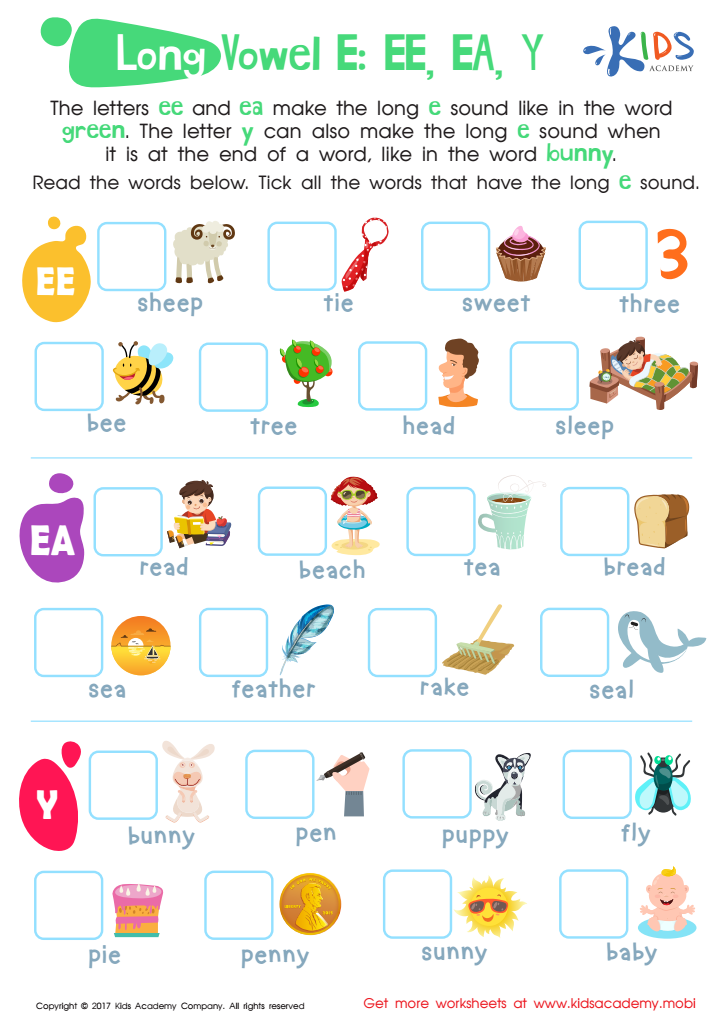
Long Vowel E Printable
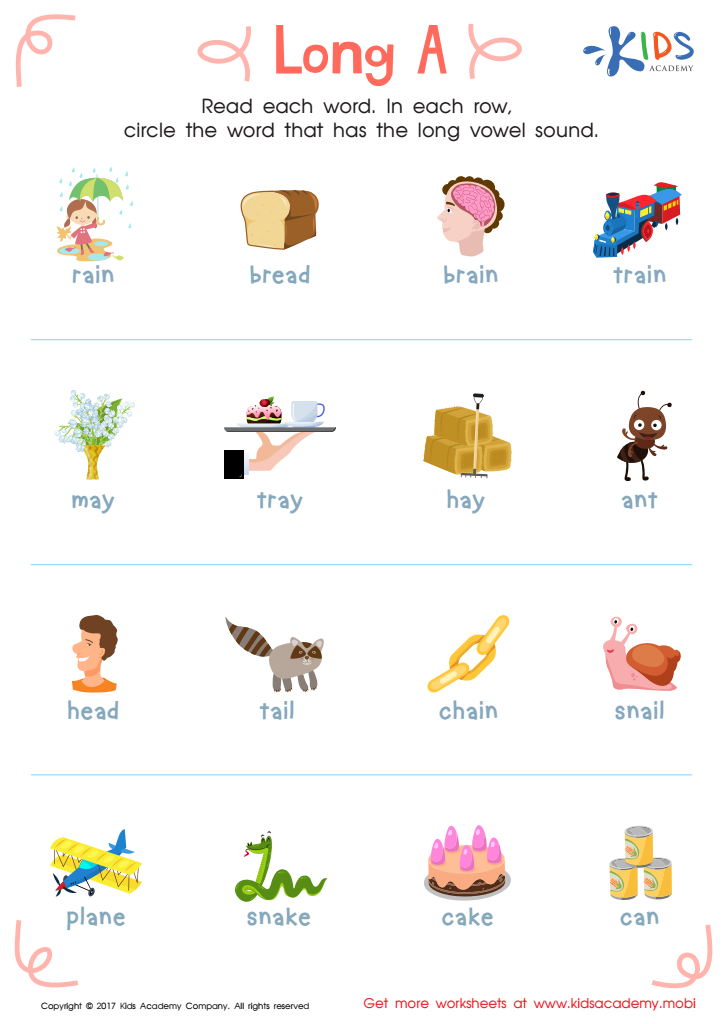
Long Vowel Sound E Worksheet





Understanding and mastering normal vowels is critical for children ages 3-7 as it lays the foundation for essential reading and speaking skills. During this developmental period, children are highly receptive to learning language patterns. Mastery of vowel sounds enables smoother transition into reading proficiency, as vowels constitute a significant portion of phonetic structures in the English language.
Children with a firm grasp on vowel sounds are better equipped to decode words, which contributes to early literacy skills, fostering confidence and enthusiasm for learning. These skills have a long-term impact, facilitating academic success as reading comprehension and fluency are fundamental to all areas of learning.
Parents and teachers play a crucial role in providing an enriched linguistic environment that encourages practice and play with vowel sounds. Engaging activities such as singing, rhyming games, and reading aloud can significantly enhance a child's ability to recognize and produce vowel sounds.
Neglecting this aspect of early education can lead to potential difficulties in phonemic awareness, speech development, and subsequent literacy challenges. Thus, investing time and resources into teaching normal vowels aids in overall language acquisition, setting the stage for a successful educational journey.