Vocabulary expansion Normal Worksheets for Ages 3-7 - Page 3
120 filtered results
Difficulty Level
Grade
Age
-
From - To
Subject
Activity
Standards
Favorites
With answer key
Interactive
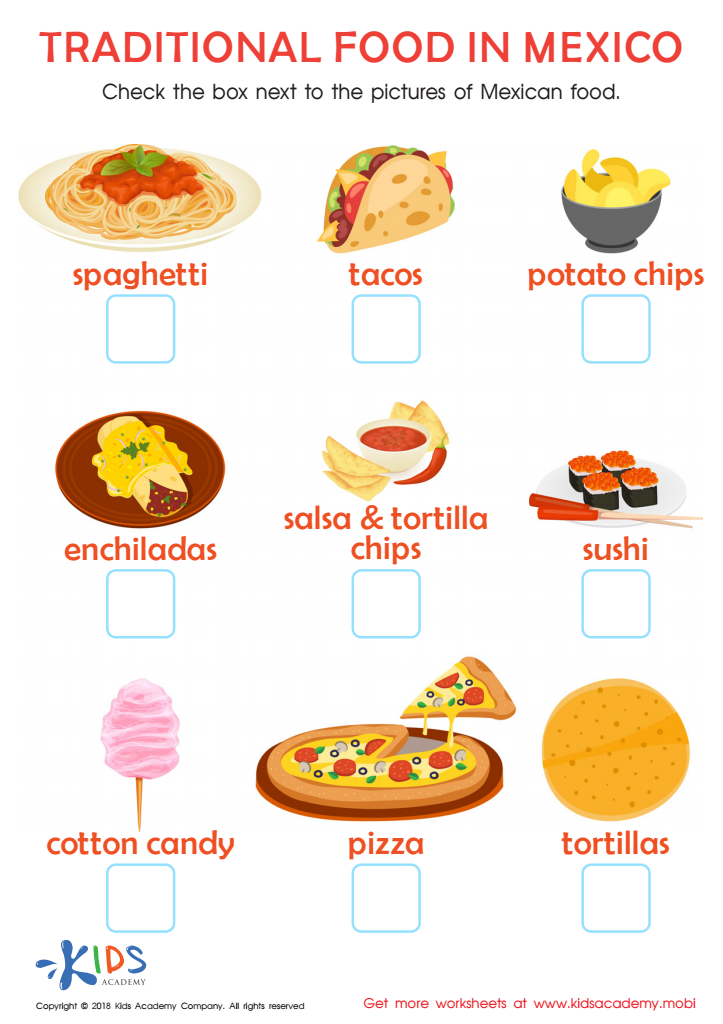
Traditional Food in Mexico Worksheet
This colorful worksheet offers a great opportunity to learn about traditional Mexican foods, build vocabulary and practice visual discrimination. As many of the words are not phonetic, this practice can help improve fluency, vocabulary and comprehension when encountered in reading. Culturally diverse, it's great for readers looking to expand their knowledge.
 Assign to My Students
Traditional Food in Mexico Worksheet
Worksheet
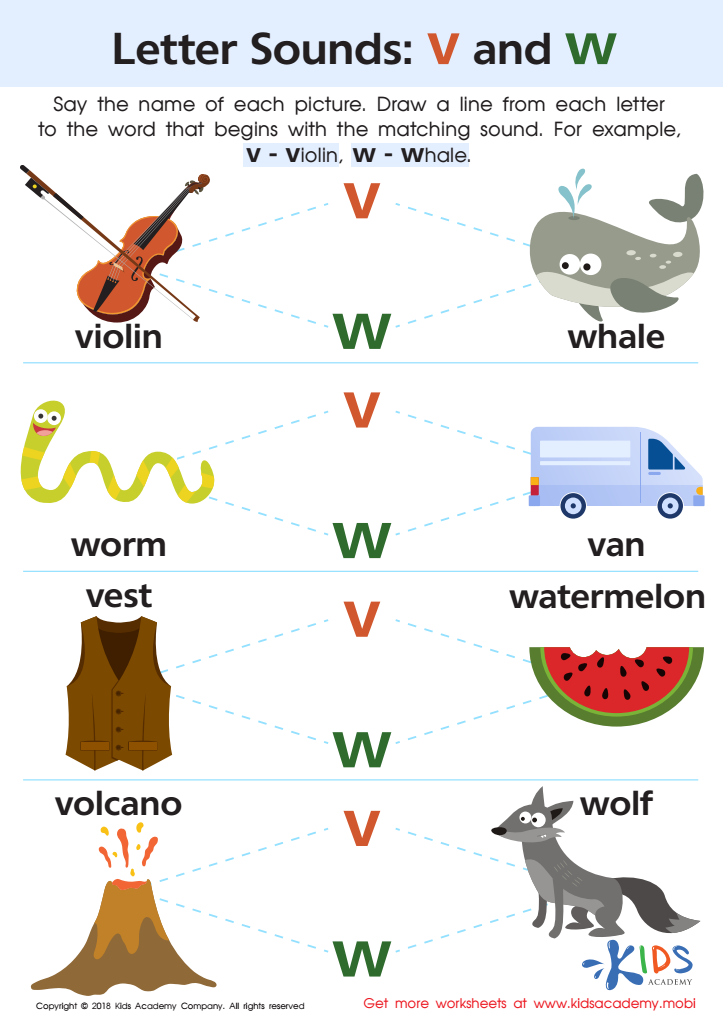
Letter V and W Sounds Worksheet
Help your child master the sounds of W & V while completing this fun phonics worksheet. Have them trace the dotted line from letter to picture while saying words like "worm", "violin" and "van" aloud to notice how each word begins with either W or V. Listen and pay attention to the pronunciation to complete the practice.
Letter V and W Sounds Worksheet
Worksheet
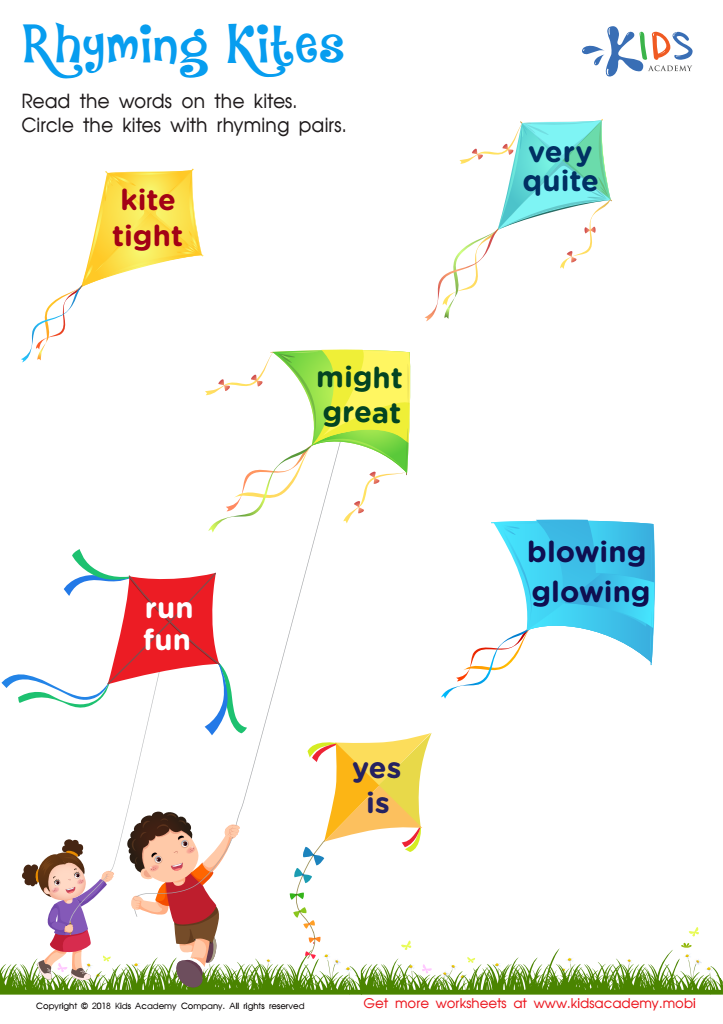
Rhyming Kites Worksheet
On a spring day, fly a kite! Kids Academy has a rhyming worksheet to boost your child's skills. Read the pairs of words aloud. Circle the kites if they rhyme, leave them blank if they don't. Listen carefully and find all the rhyming word pairs to complete this sheet!
Rhyming Kites Worksheet
Worksheet
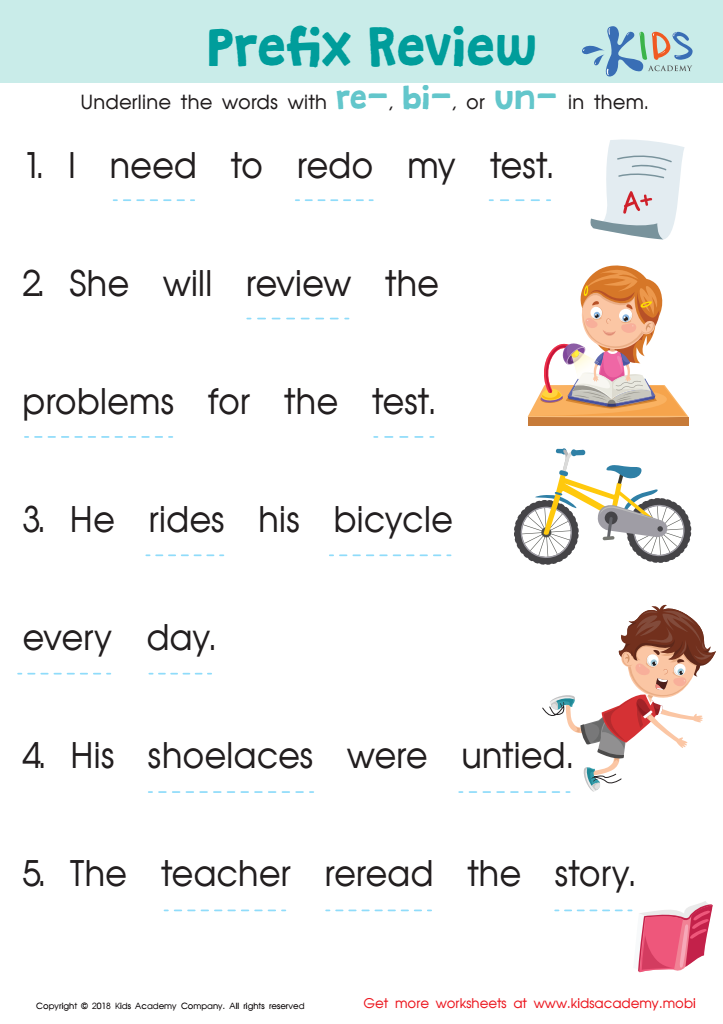
Prefix Review Worksheet
Learning prefixes is key for effective communication. Help your child master re-, bi-, and un- with a Kids Academy worksheet. Ask them to go through each sentence, underlining words with one of the prefixes. This will help them appreciate how prefixes alter the meaning of a root word.
Prefix Review Worksheet
Worksheet
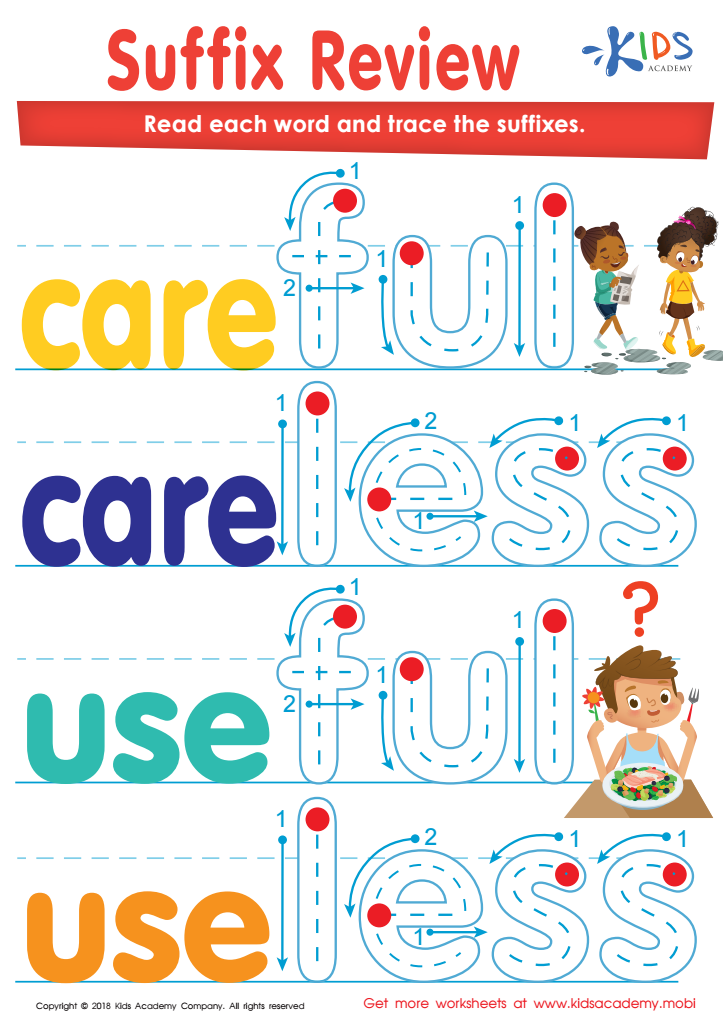
Suffix Review Worksheet
Help your child build language skills by reviewing suffixes with this illustrated worksheet! Trace suffixes and talk about how each change the word's meaning using familiar words. Vivid illustrations make the process fun and engaging. Get the building blocks of language your child needs!
Suffix Review Worksheet
Worksheet
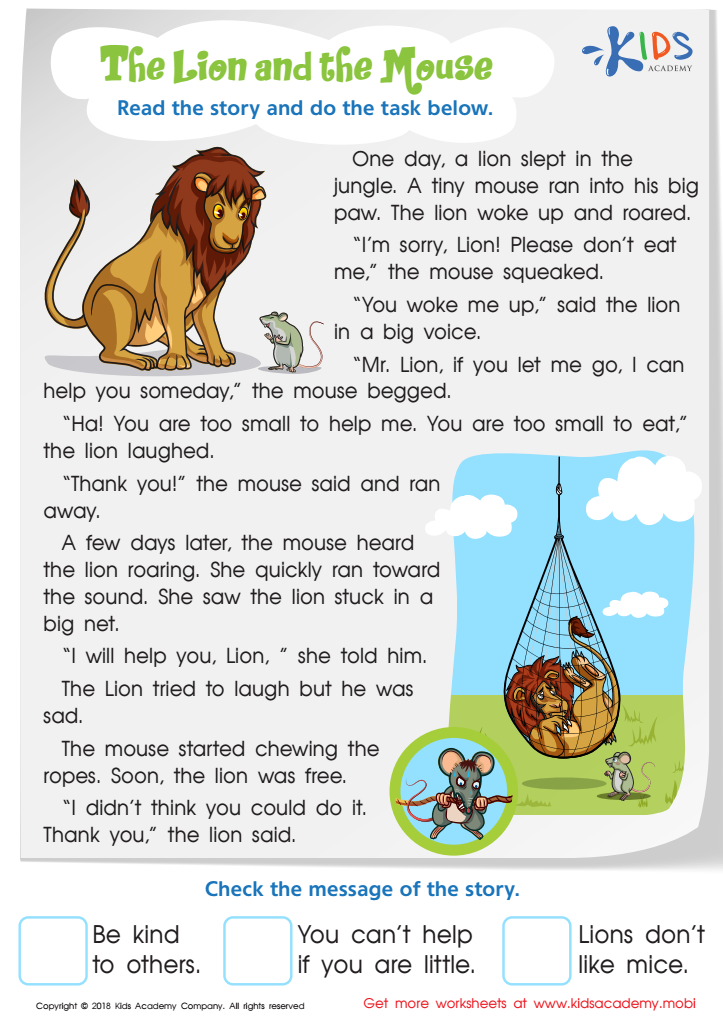
The Lion and the Mouse Worksheet
Writers often have a hidden message or theme in their stories. This printable worksheet helps readers uncover these themes by looking at what characters do and say in "The Lion and the Mouse". It's a great practice resource for learning to interpret stories.
The Lion and the Mouse Worksheet
Worksheet
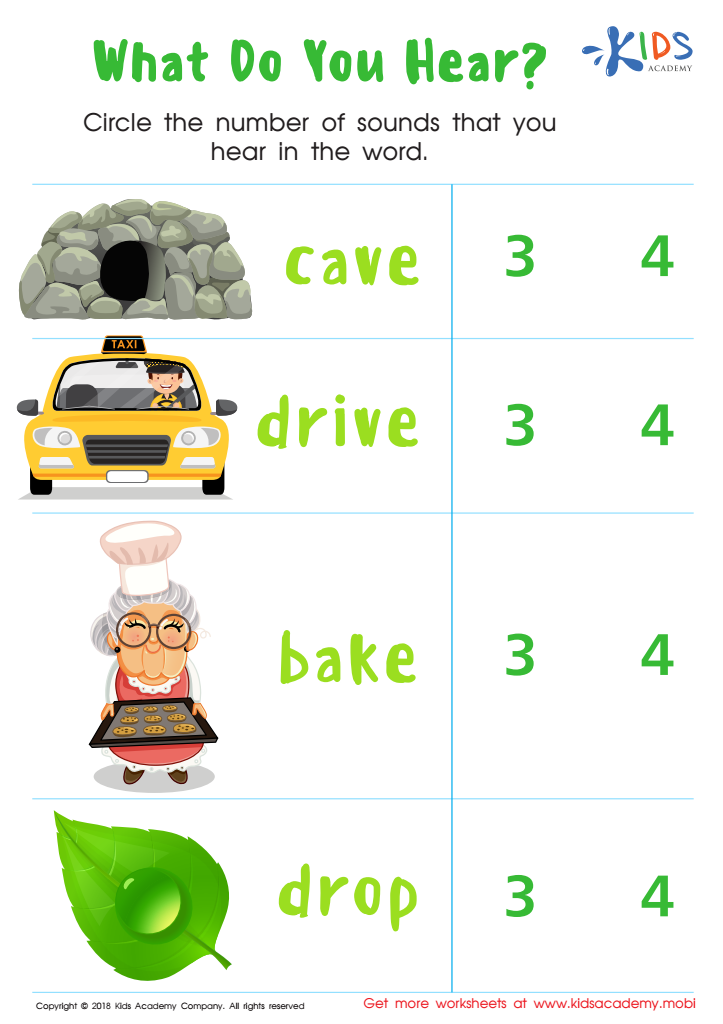
What Do You Hear? Worksheet
New readers can develop phonological awareness with this fun worksheet. They'll isolate sounds in words and count them, then circle the number of sounds heard. It'll help build their auditory discrimination and decoding skills, leading to more fluent reading. Without even knowing it, their reading skills are improving!
What Do You Hear? Worksheet
Worksheet
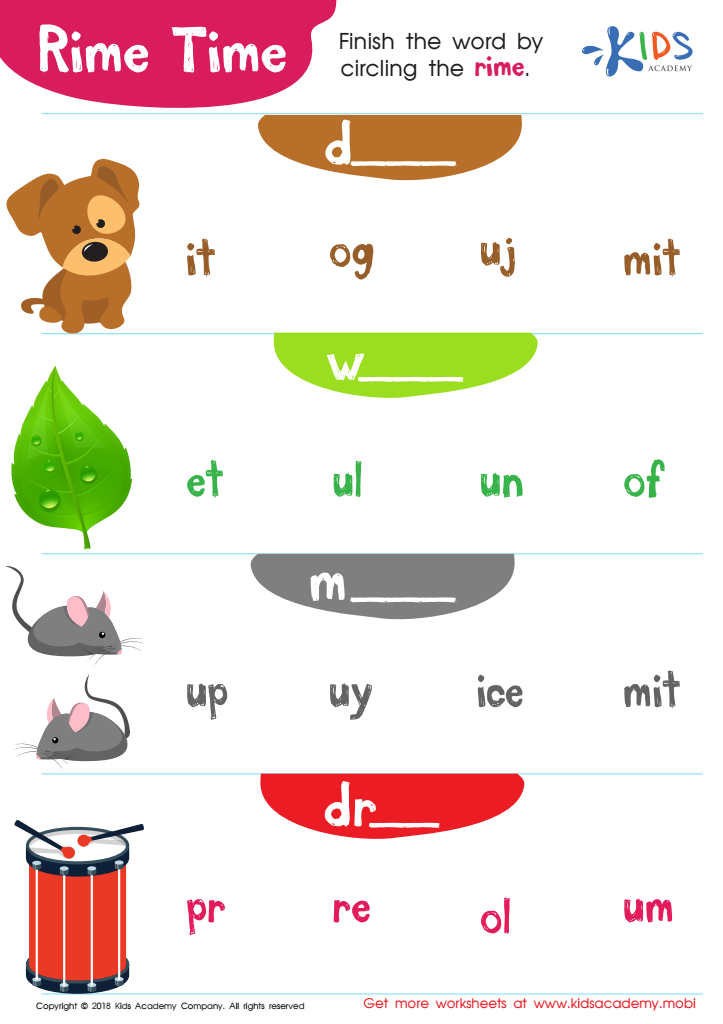
Rime Time Worksheet
This free PDF worksheet helps new and emerging readers identify rimes (the letters after initial consonants) and practice fine motor skills. Kids trace the correct rimes for each picture and increase their fluency and decoding skills with each one!
Rime Time Worksheet
Worksheet
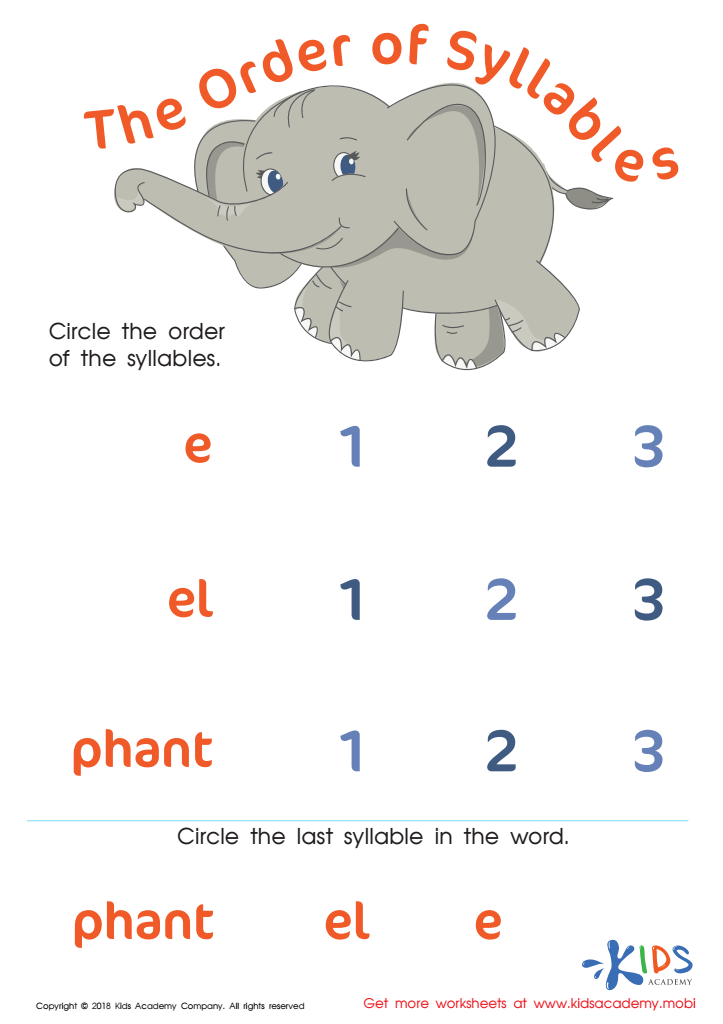
The Order of Syllables Worksheet
Syllabication is vital for prereading and decoding words. Download this fun, free worksheet to help your reader practice breaking words into syllables and arranging them for reading. It also strengthens fine motor skills as they trace the numbers for each syllable, guided by a cheerful elephant!
The Order of Syllables Worksheet
Worksheet
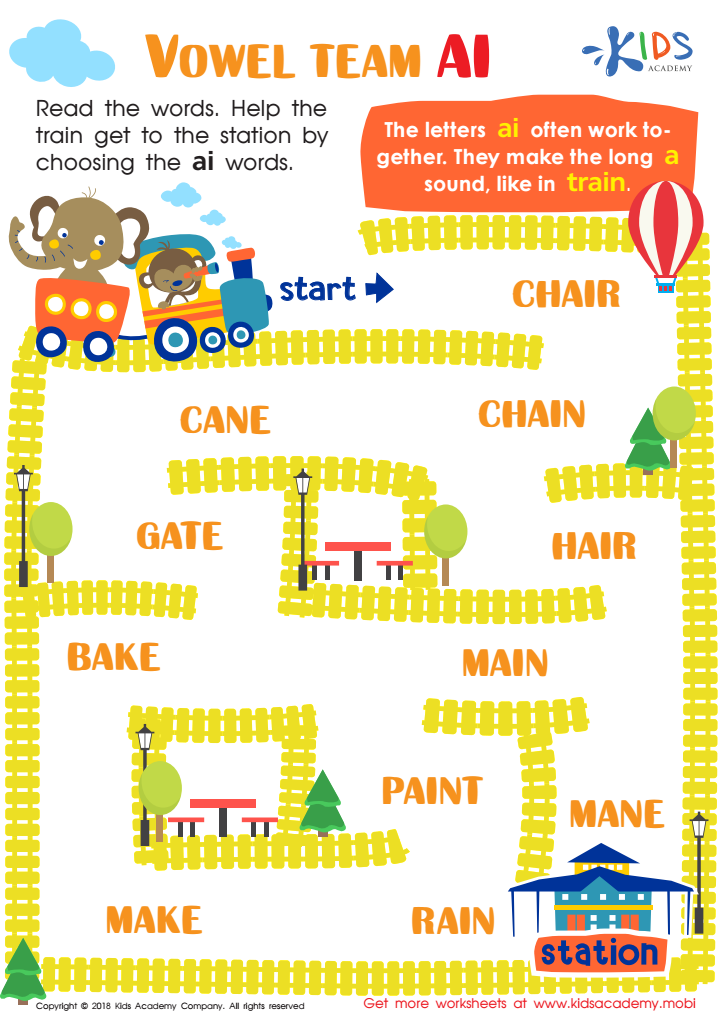
Vowel team ai Worksheet
Kids will have a blast learning about the -ai digraph with this fun worksheet. They'll read words with it and practice their motor skills as they help the animal duo get back to the train station. With success, they'll smile and enjoy the activity!
Vowel team ai Worksheet
Worksheet
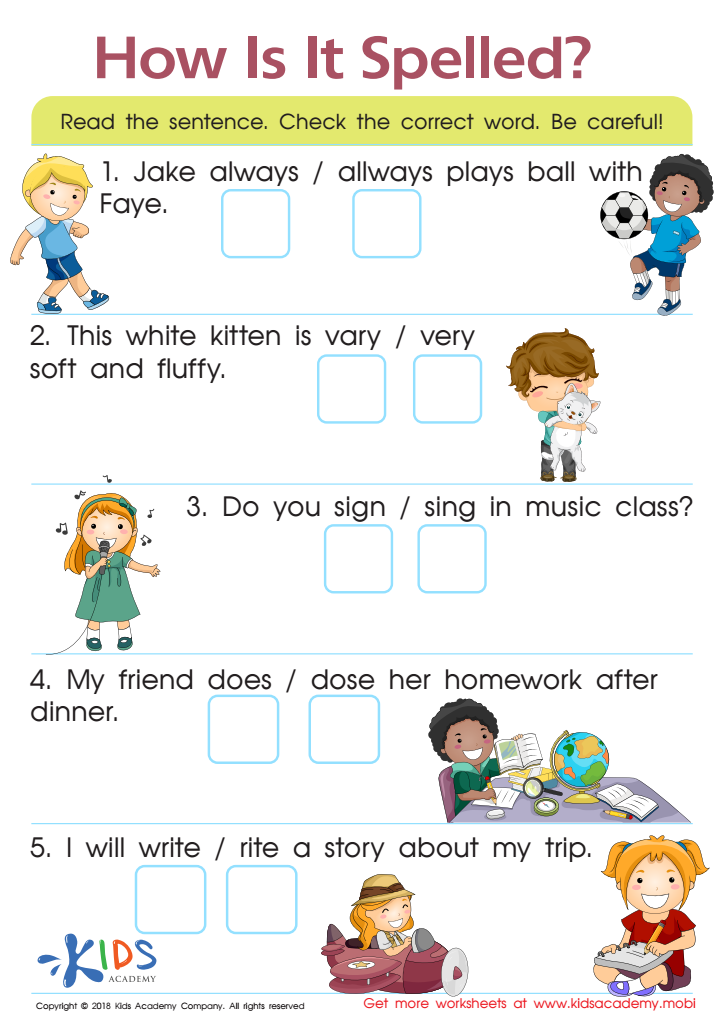
How is it spelled? Worksheet
Perceiving right and wrong spellings is vital for reading, writing and honing editing skills. This stimulating worksheet lets children practice recognizing and selecting wrongly spelled words, which is essential for correct spelling and writing well-polished drafts.
How is it spelled? Worksheet
Worksheet
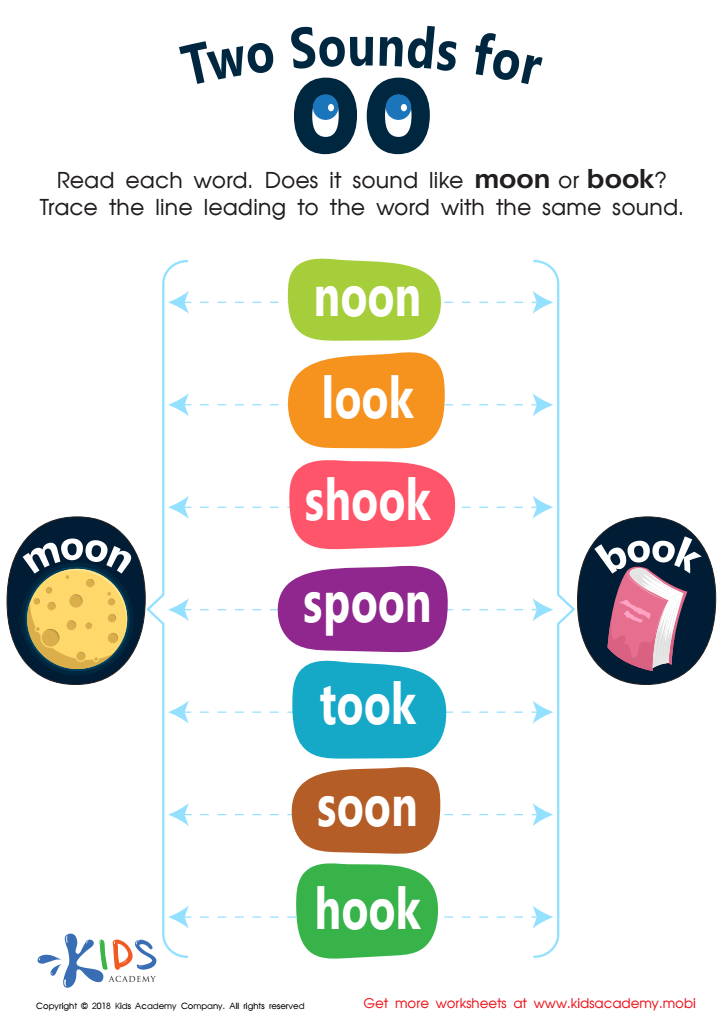
Two Sounds for OO Worksheet
This worksheet helps kids learn the different sounds of the -oo digraph. They match words based on whether they sound like moon or book, plus practice fine motor skills tracing lines. Fun and educational!
Two Sounds for OO Worksheet
Worksheet
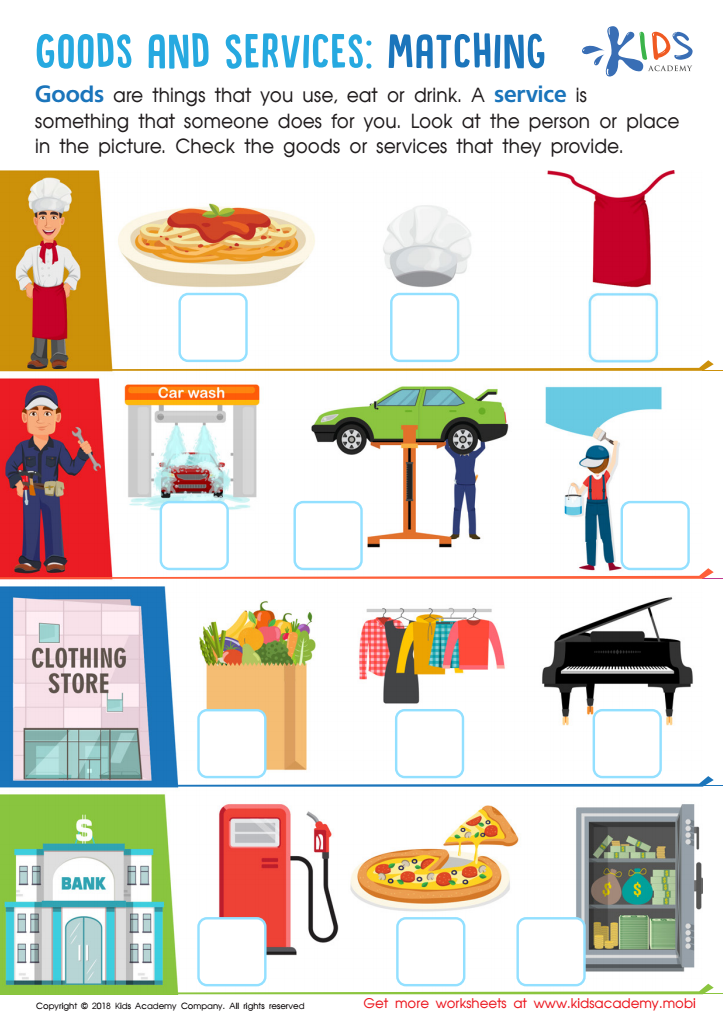
Goods and Services: Matching Worksheet
Goods are things that you use, eat or drink. Ask your kids to give examples of goods and services. Challenge them to identify the people and places in the worksheet, and check the goods or services they provide from the options on the right side.
Goods and Services: Matching Worksheet
Worksheet
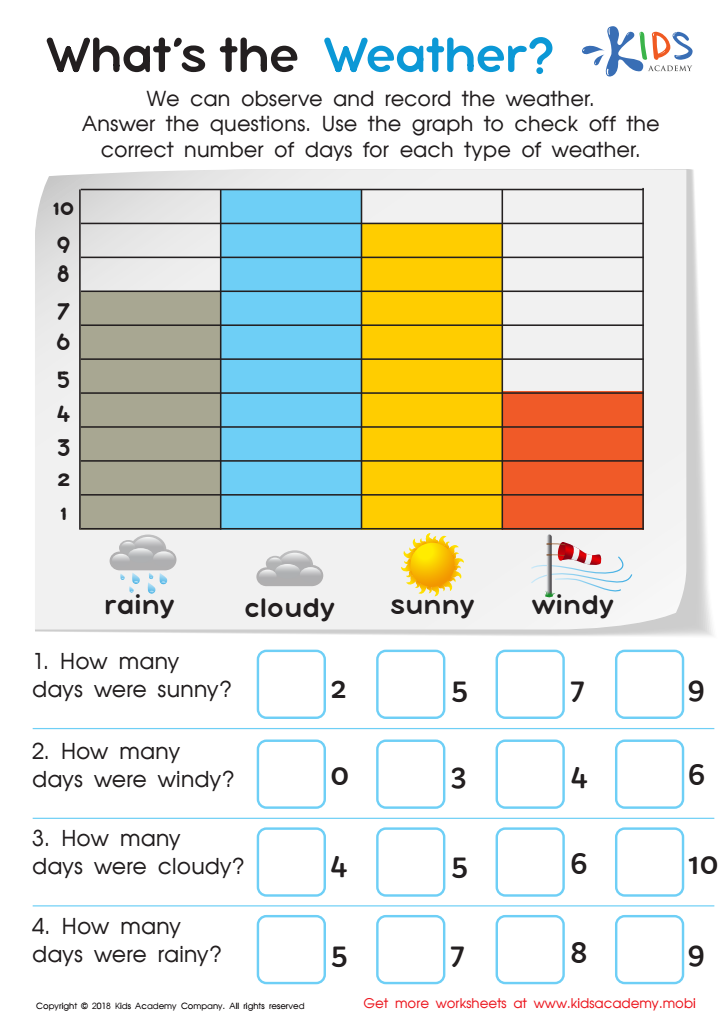
What's the Weather? Worksheet
Check the weather outside. Help kids learn and practice science and math by tracking different types of days using this printable worksheet. Have them count bars next to weather types like cloudy, sunny, windy, and rainy. Answer the questions and take the lesson further by creating a bar graph to show the monthly weather.
What's the Weather? Worksheet
Worksheet
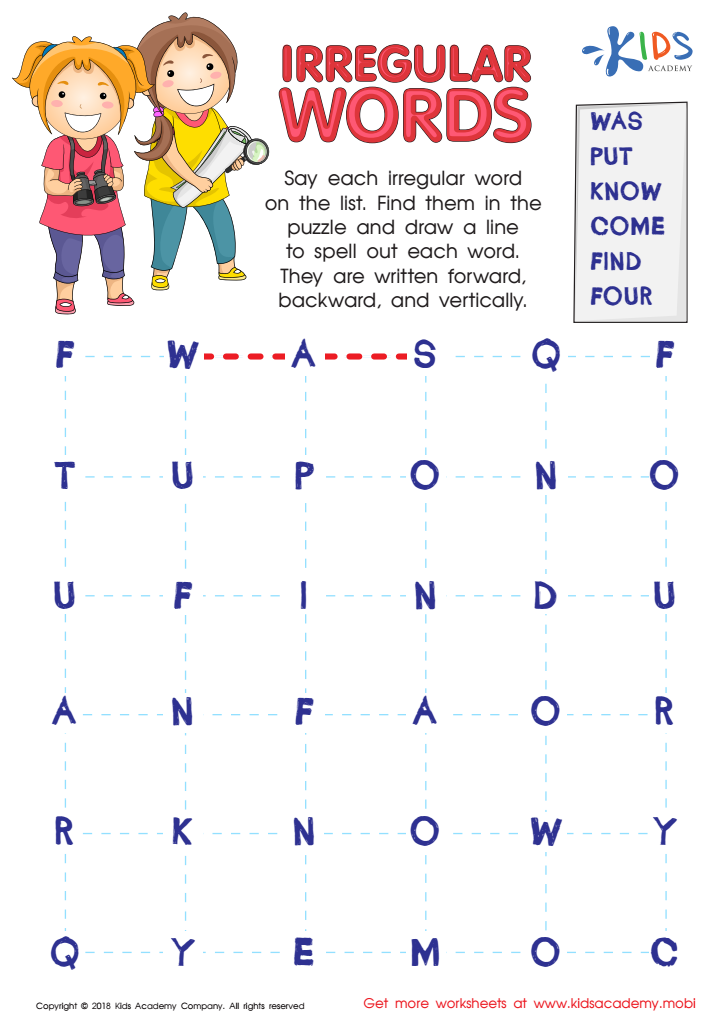
Irregular Words Worksheet
This fun word search worksheet helps kids practice reading irregular words and build their sight word banks. They'll also get practice with visual discrimination and fine motor skills as they hunt down the words.
Irregular Words Worksheet
Worksheet
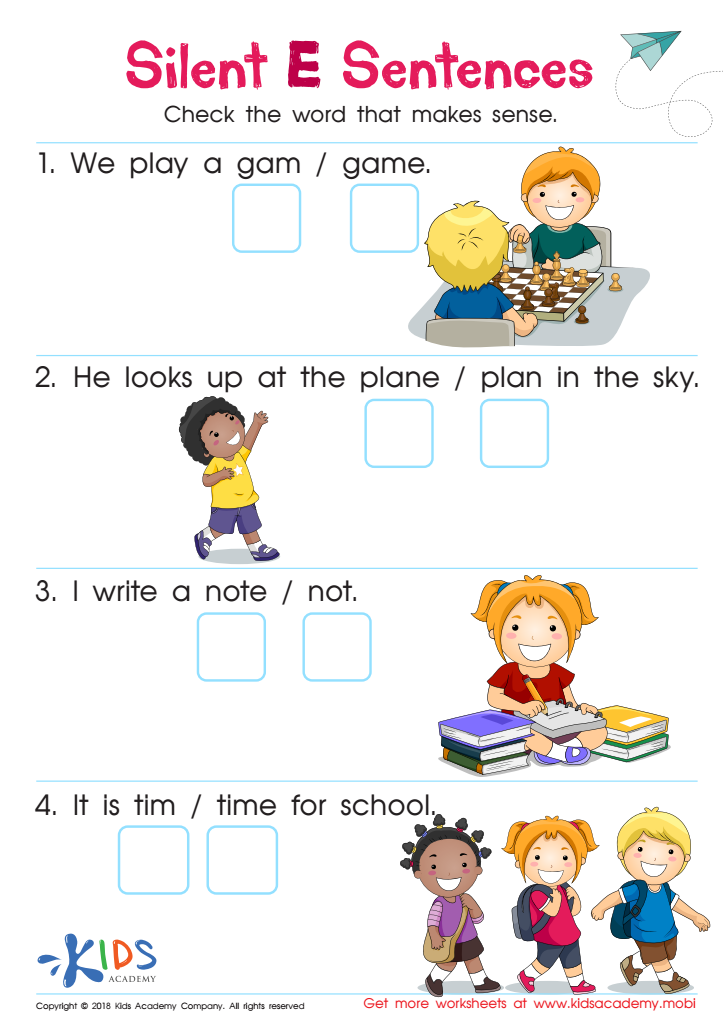
Silent E Sentences Worksheet
Young readers can find learning Silent E tricky, so this helpful worksheet can help! It teaches them to distinguish words that look the same but for the Silent E and choose the right word for sentence blanks. Kids can mark the correct answer and become familiar with closed syllables and words that require the E.
Silent E Sentences Worksheet
Worksheet
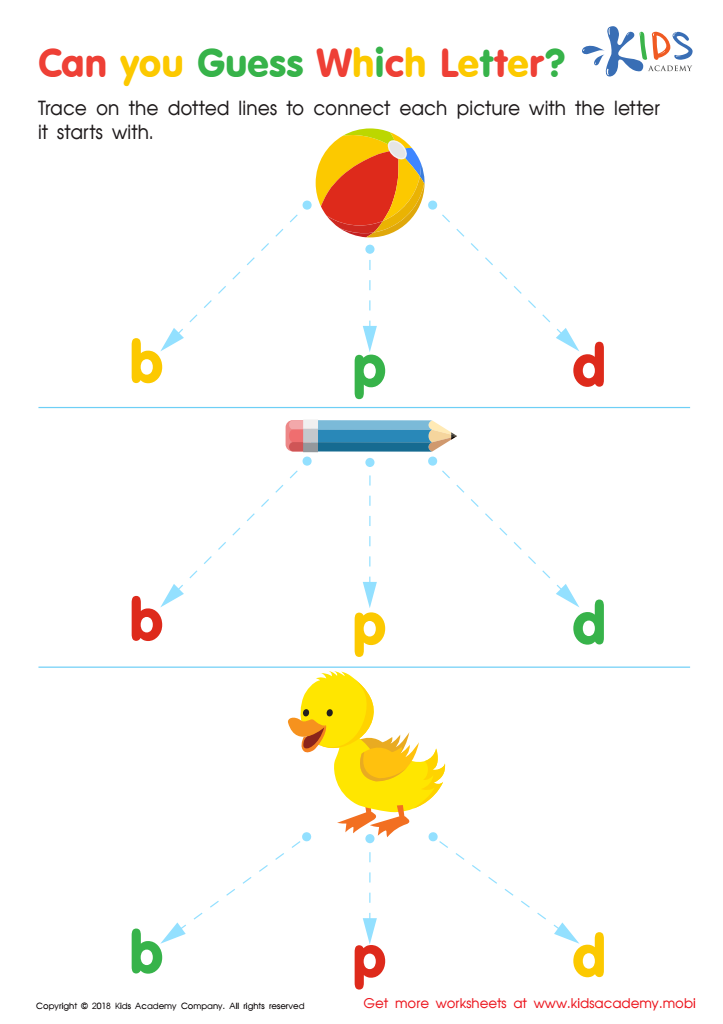
Can you Guess Which Letter? Worksheet
Connect the pictures with their corresponding letters with this fun worksheet! Ask your child what each picture is, then what letter it begins with. Download the PDF for colorful images and engaging texts to hold their attention, making learning an enjoyable activity.
Can you Guess Which Letter? Worksheet
Worksheet
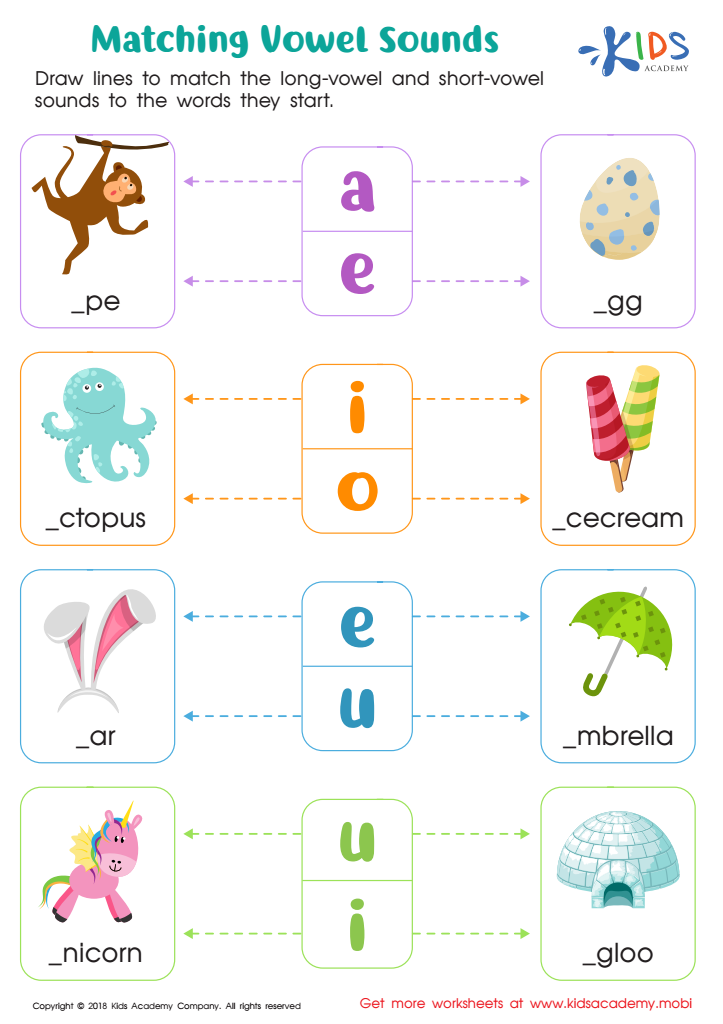
Matching Vowel Sounds Worksheet
Teach your child phonics with a fun worksheet! Ask your child to name a vowel sound and listen if it's long or short. Differentiating between long and short vowel sounds can be tricky, but this matching worksheet makes it easy for kids to understand. Have fun and master phonics - the worksheet will help them understand the difference between long and short vowel sounds!
Matching Vowel Sounds Worksheet
Worksheet
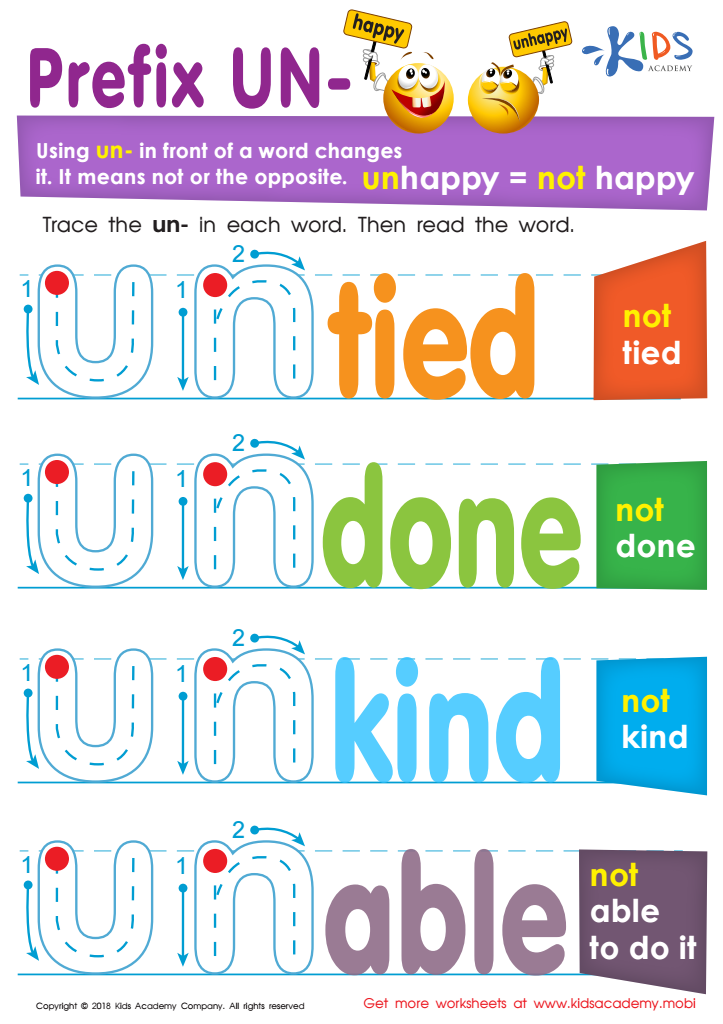
Prefix Un- Worksheet
Help your child understand the concept of adding "un-" to the front of words by giving examples such as "unhappy" (not happy) and "unserious" (not serious). Guide them in tracing the "un-" in each word and read it aloud together.
Prefix Un- Worksheet
Worksheet
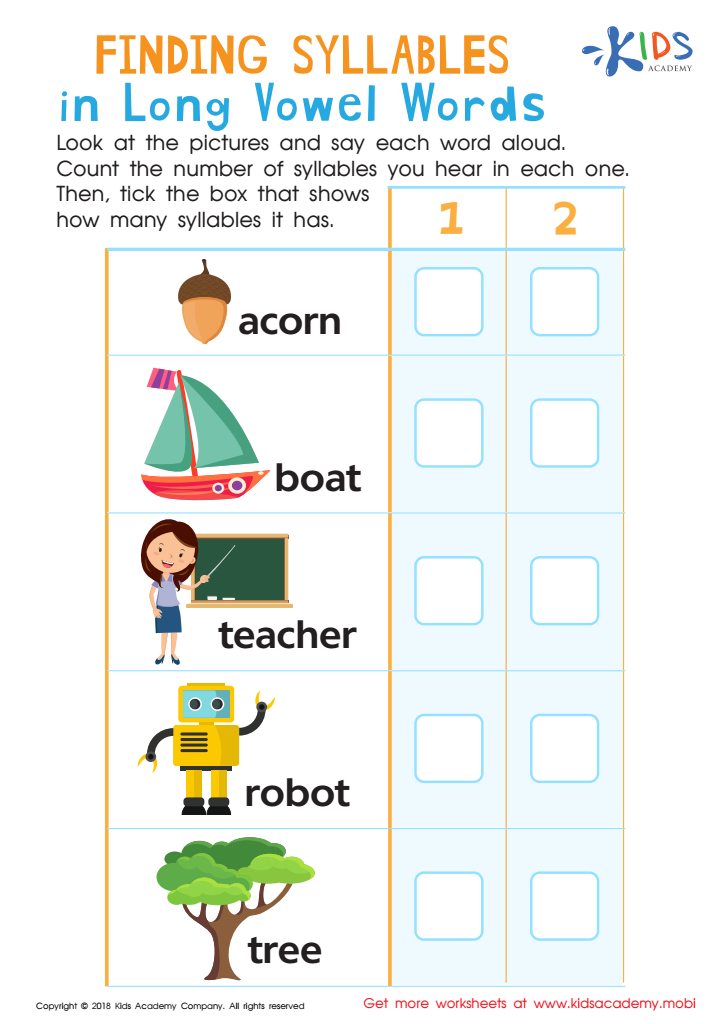
Finding Syllables in Long Vowel Words Worksheet
Help your kids identify objects and better count syllables in words. Look at the printout images with them and have them say each word out loud. Ask them to count syllables and tick the box with the correct number. With this worksheet, your kids will become more skilled.
Finding Syllables in Long Vowel Words Worksheet
Worksheet
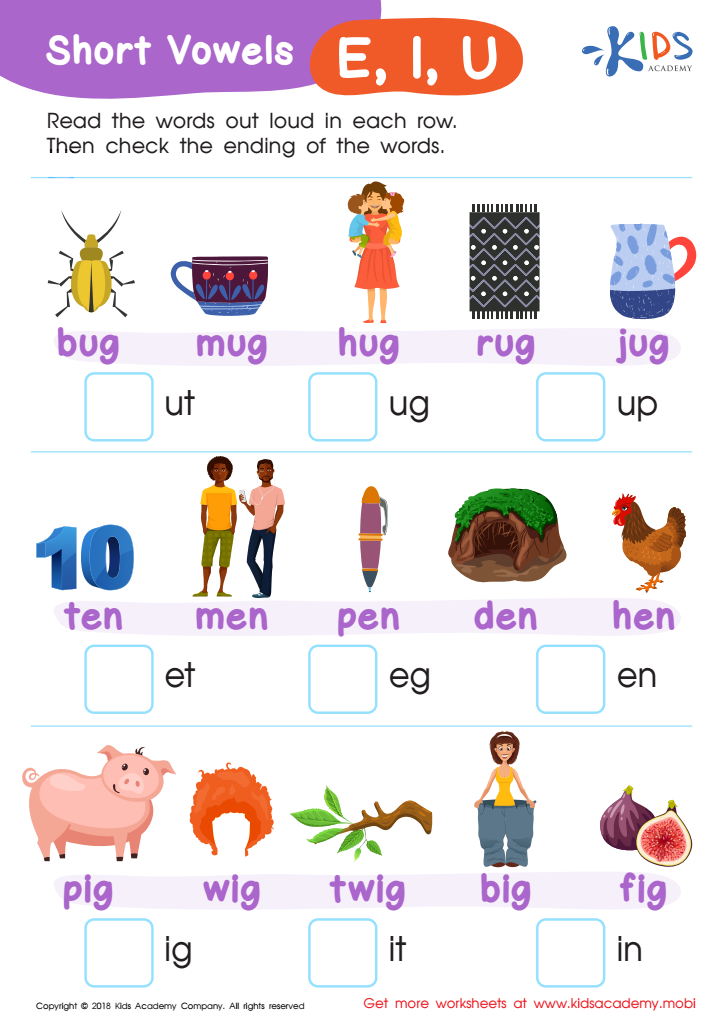
Short Vowels /e/, /i/, and /u/ Worksheet
Your emergent reader can have fun while practicing their short vowel sounds with this free, brightly colored worksheet. They'll identify one-syllable words by their pictures, then match the correct ending for each. They'll gain an understanding of how short vowel sounds vary in closed syllables with different endings, without even realizing it!
Short Vowels /e/, /i/, and /u/ Worksheet
Worksheet
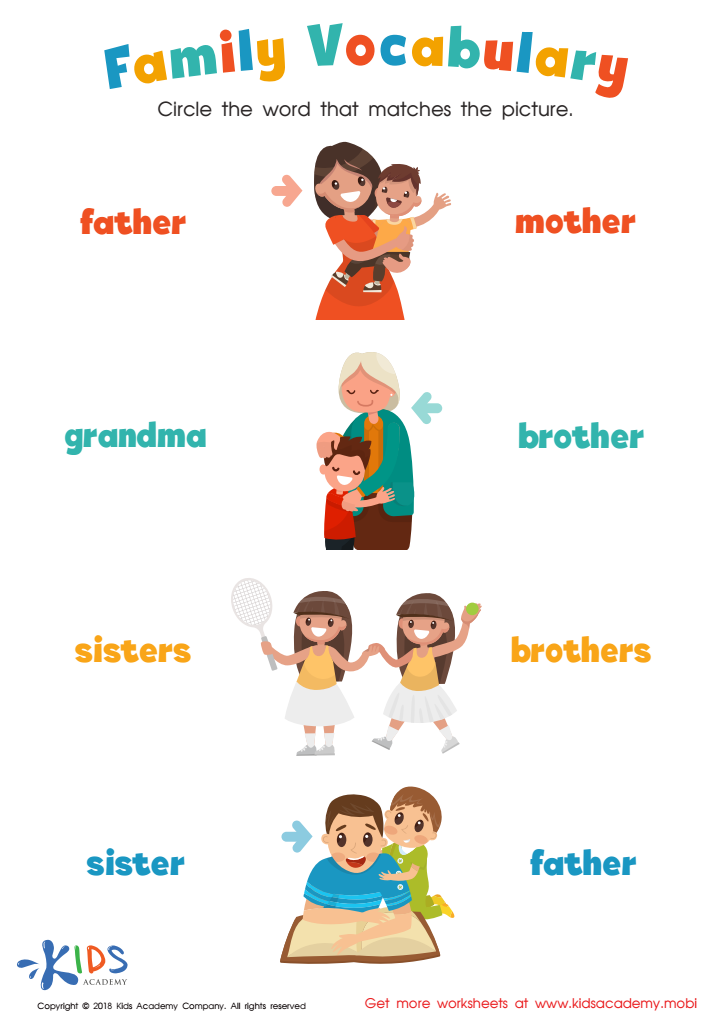
Family Vocabulary Worksheet
Students learn about families in social studies. This worksheet helps them identify family members by looking at a picture and circling the corresponding word. To extend their learning, ask them to talk about their own family members.
Family Vocabulary Worksheet
Worksheet
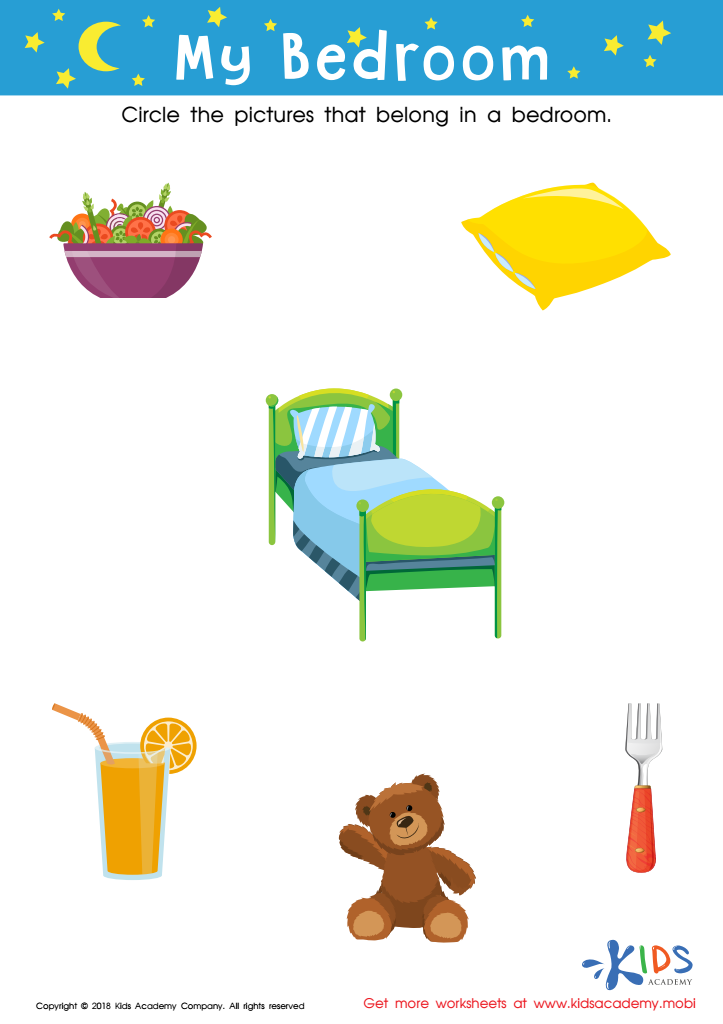
My Bedroom Worksheet
Your child's room is their special space, where only a few are allowed in. You may have let them choose some special decorations, like wall stickers and toys. This exercise will be easy for your child, as they know their bedroom well. Ask them to circle the pictures that belong in a bedroom.
My Bedroom Worksheet
Worksheet
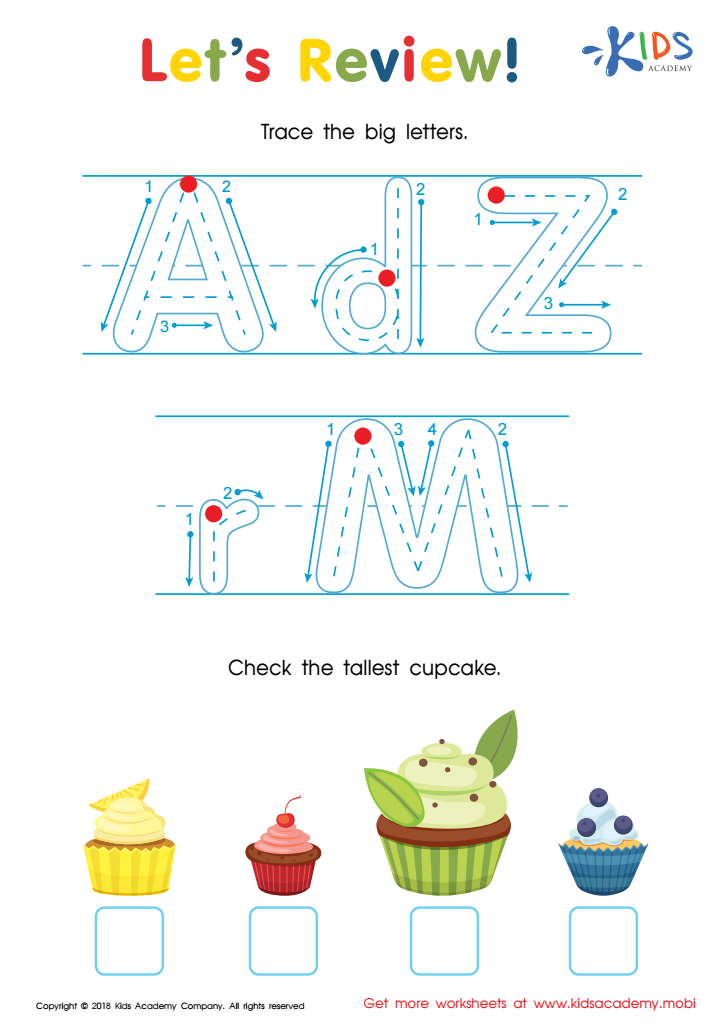
Let's Review! Big Letters Worksheet
Teach your child to read and write big and small letters with Kids Academy's tracing worksheet. Show them how to guide their pencil with each stroke. Reinforce their understanding with fun cupcake pictures and help them choose the tallest one. It's a great way to help them differentiate between uppercase and lowercase letters.
Let's Review! Big Letters Worksheet
Worksheet
Join Kids Academy for Free
Who is primarily going to use this learning content?