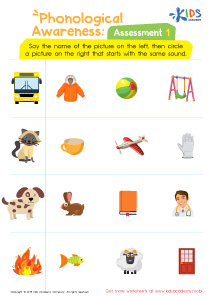
Normal Vowels and Consonants Worksheets for Ages 3-9 - Page 2
26 filtered results
-
From - To
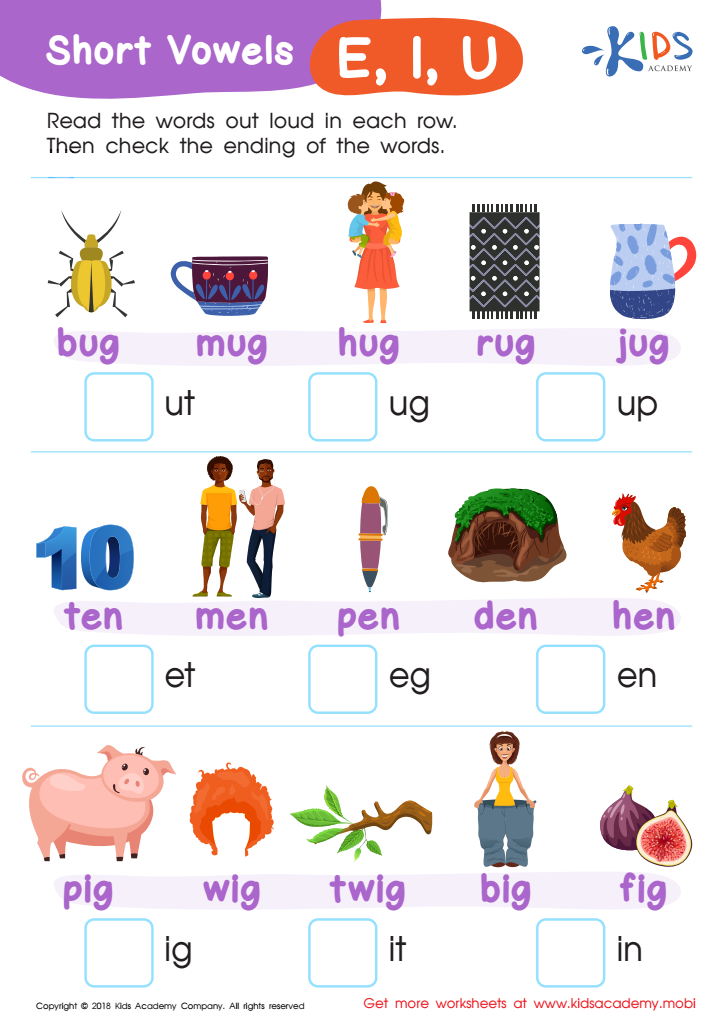
Short Vowels /e/, /i/, and /u/ Worksheet
 Assign to My Students
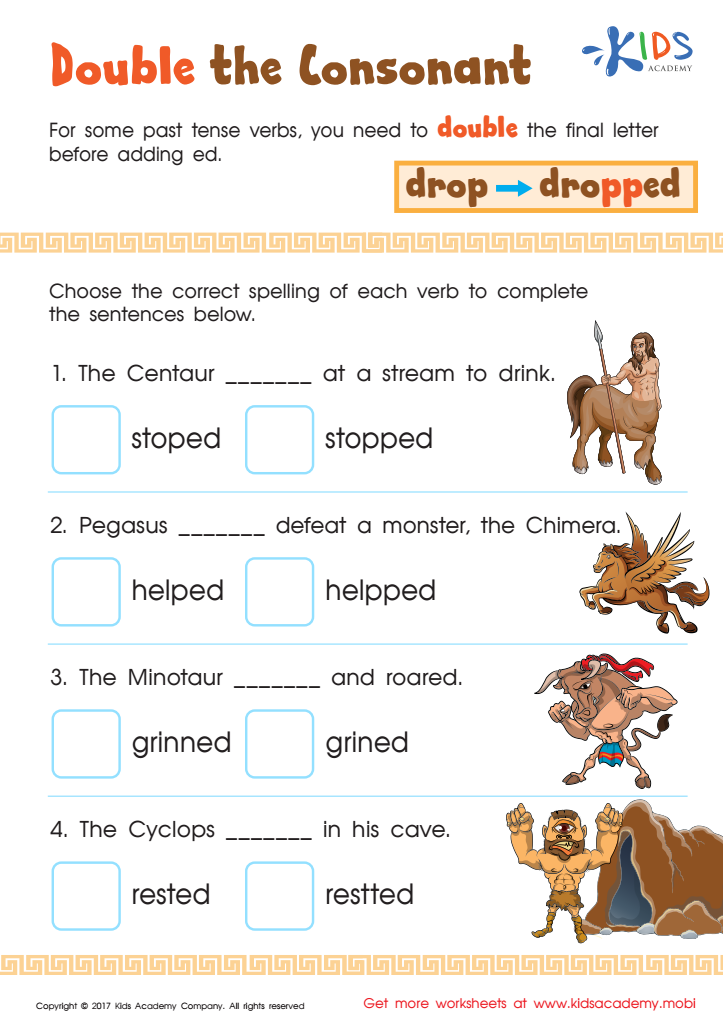
Double Consonant Spelling Worksheet



Parents and teachers should prioritize educating children about normal vowels and consonants for ages 3-9 because it forms the foundation of their language and literacy skills. During these formative years, children's brains are highly receptive to language acquisition, and understanding the basic building blocks of language, such as vowels and consonants, is critical for developing reading and writing abilities.
Normal vowels (a, e, i, o, u) and consonants (like b, c, d, f) are essential components of syllabic structure and phonemic awareness. Mastery of these sounds helps children decode words, a vital skill for reading fluency. Recognizing and differentiating between the various vowel and consonant sounds enhances vocabulary, comprehension, and pronunciation.
Additionally, early exposure to these linguistic elements supports correct spelling and grammar usage, which are indispensable tools for effective communication. Teachers and parents who focus on these skills can identify and address any speech or learning difficulties early, providing targeted support to ensure academic success.
Moreover, a strong grasp of vowels and consonants empowers children with confidence in their speaking and reading abilities, thus fostering a lifelong love of learning. Ultimately, this crucial groundwork supports their educational journey, laying the path to more advanced literacy skills and overall academic achievement.