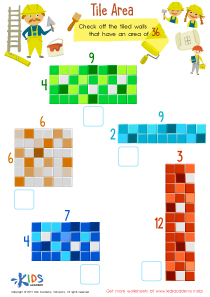
Normal Numbers Worksheets for Ages 3-9 - Page 7
237 filtered results
-
From - To
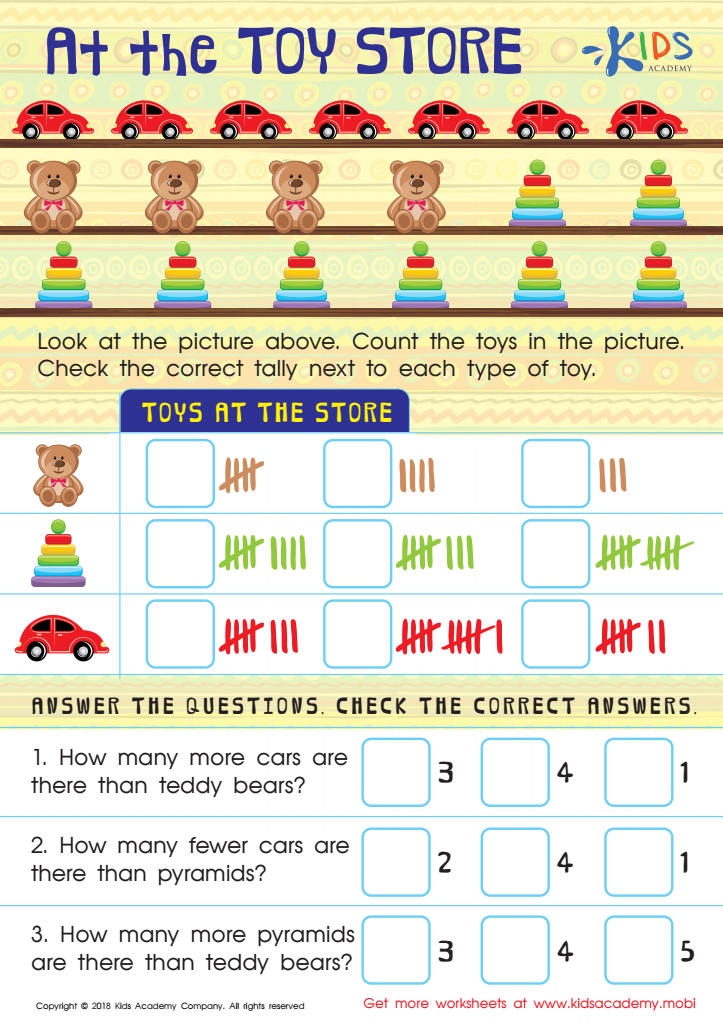
Tally Chart: At the Toy Store Worksheet
 Assign to My Students
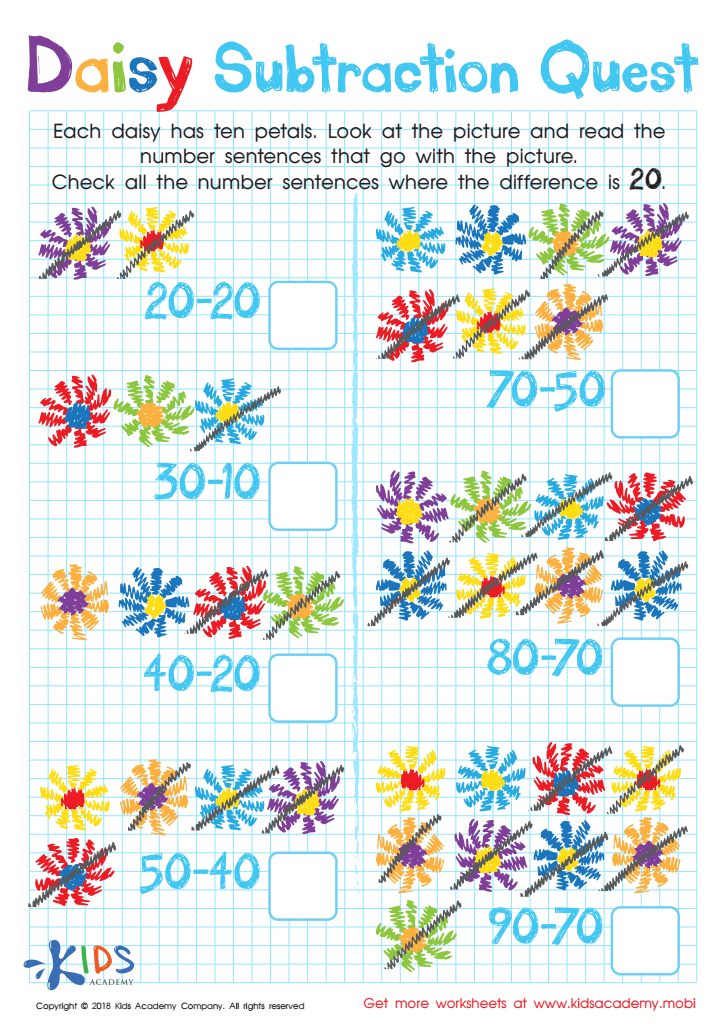
Daisy Subtraction Quest Worksheet
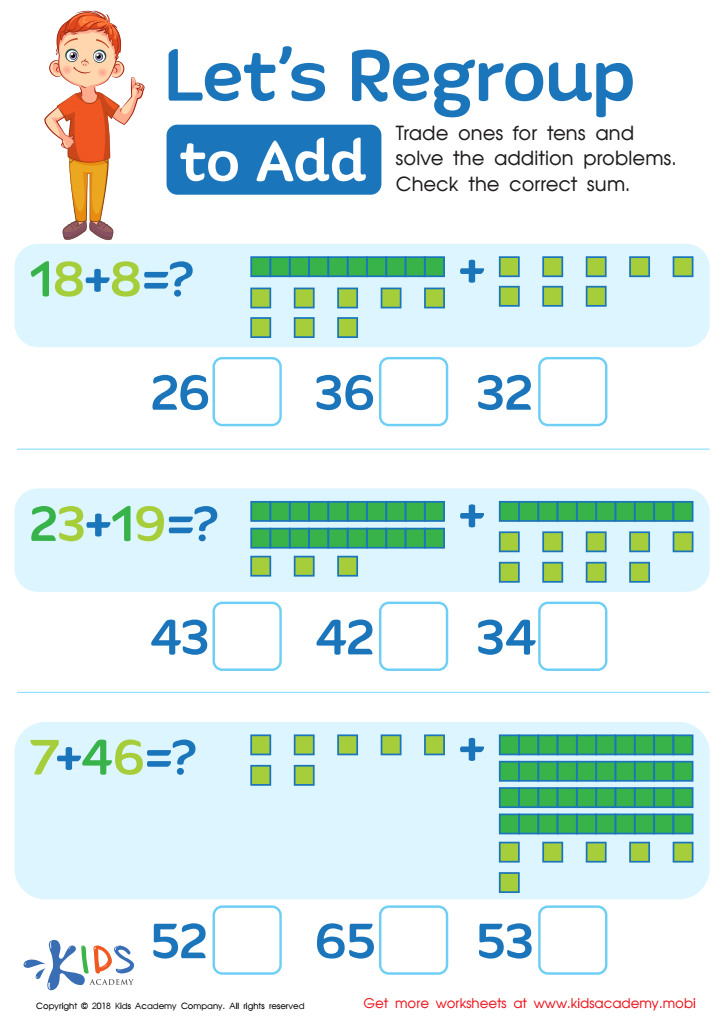
Let's Regroup to Add Worksheet
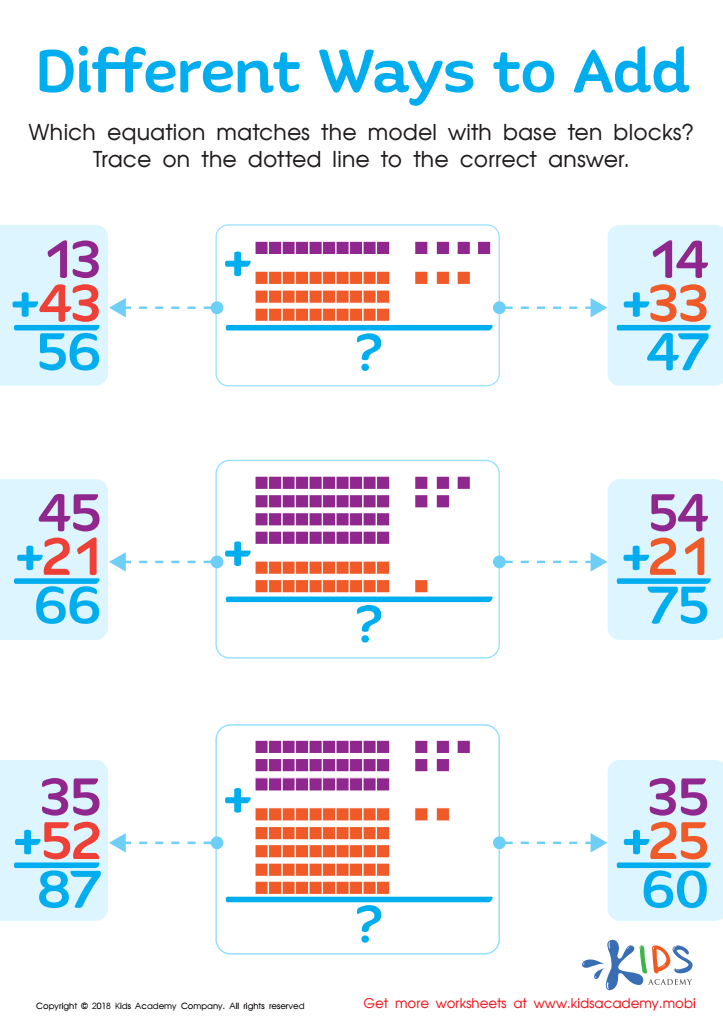
Different Ways to Add Worksheet
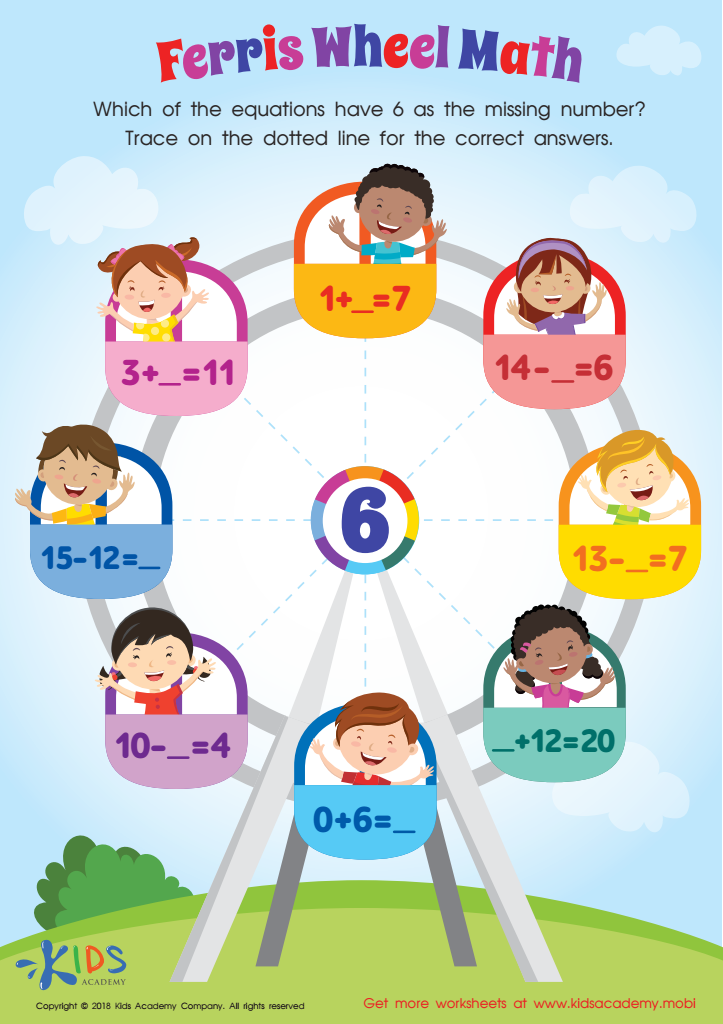
Missing Number: Ferris Wheel Math Worksheet
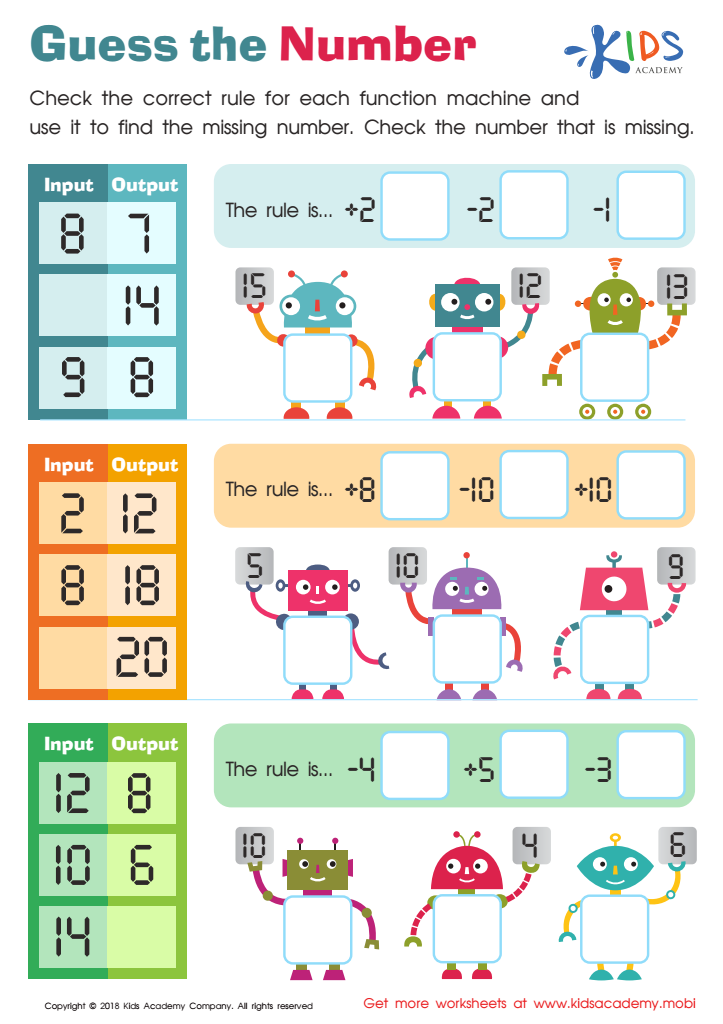
Guess the Number Worksheet
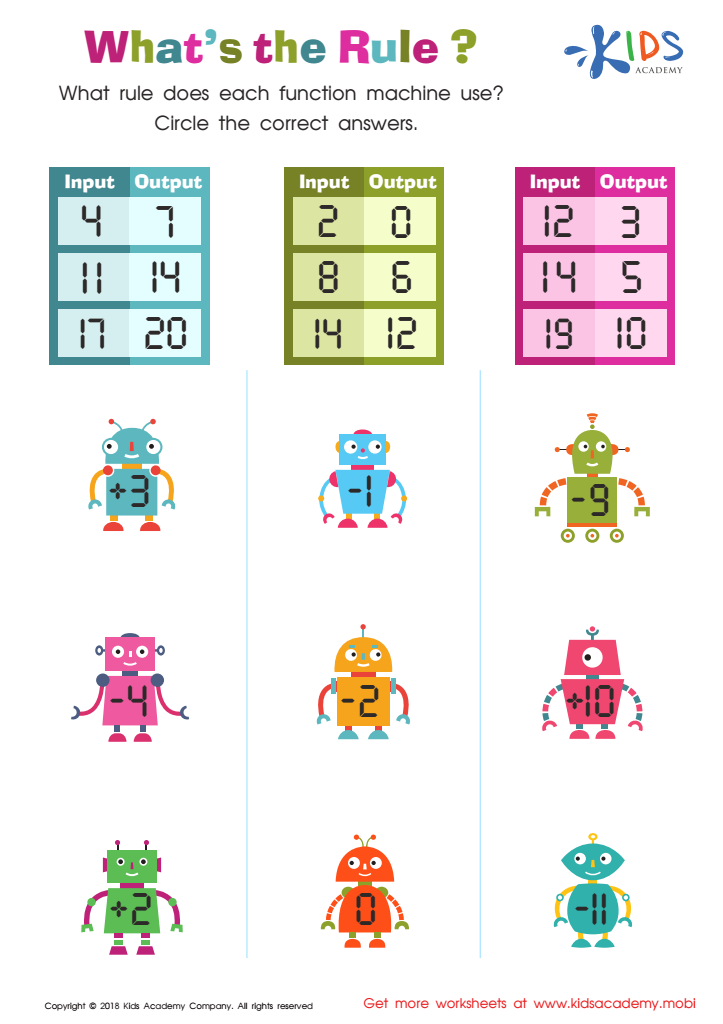
What's the Rule Worksheet
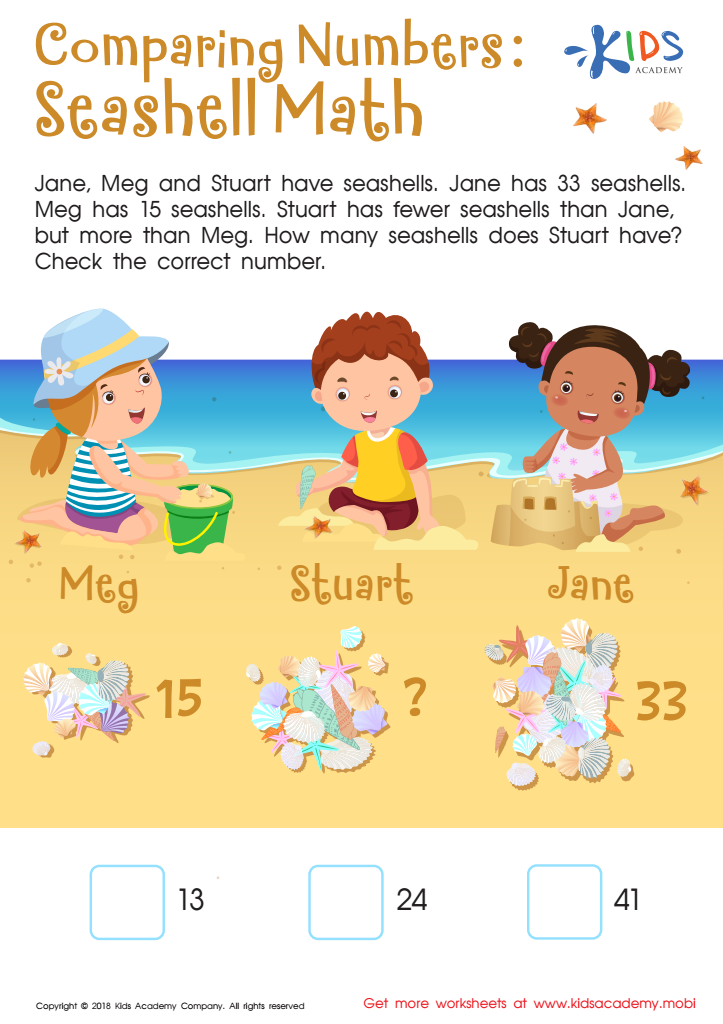
Seashell Collectors Worksheet
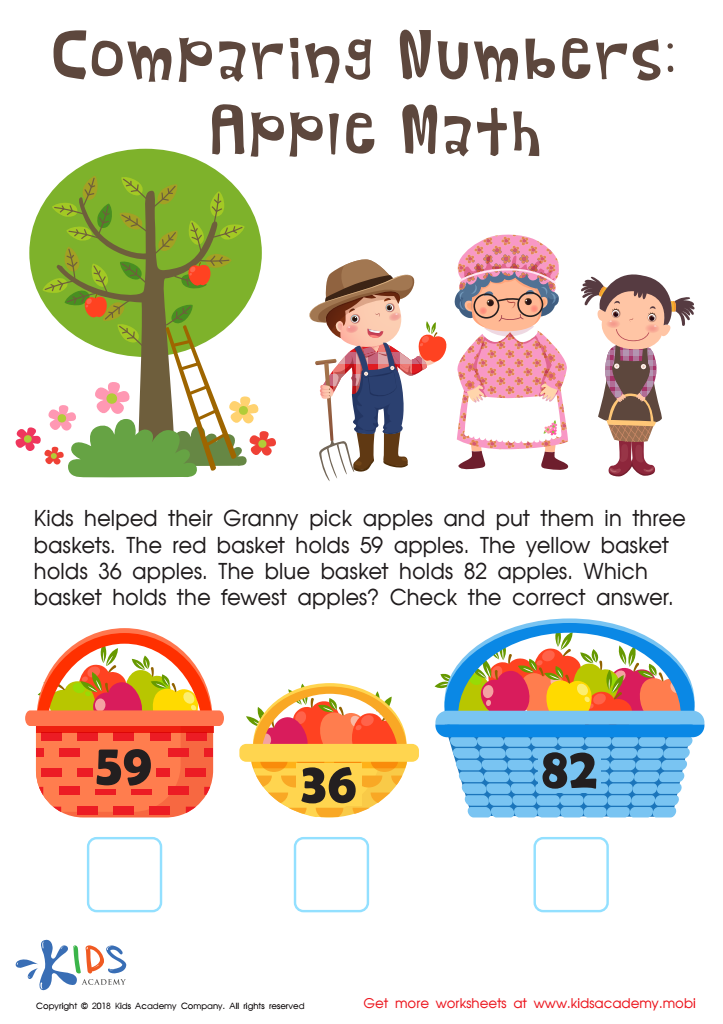
Apple Math Worksheet
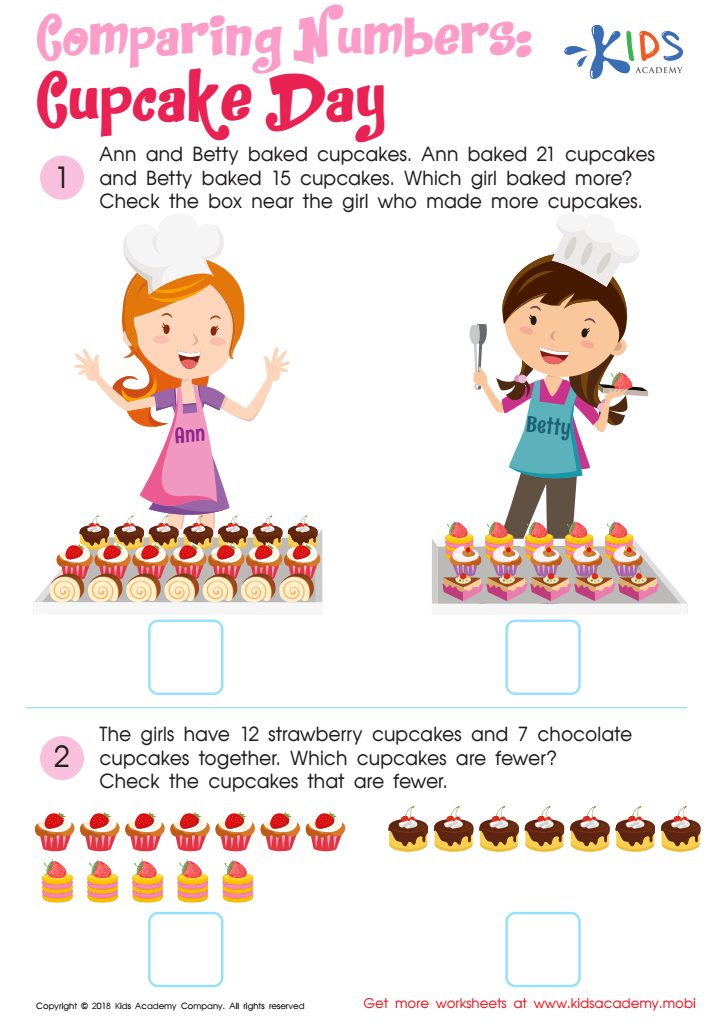
Cupcake Day Worksheet
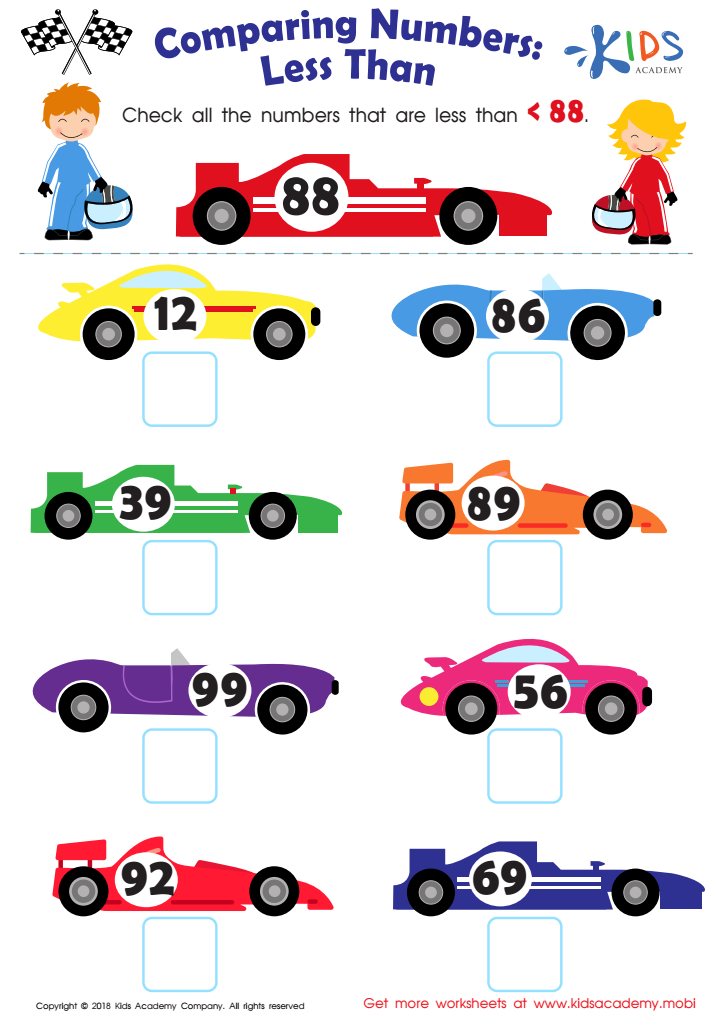
Less Than Worksheet
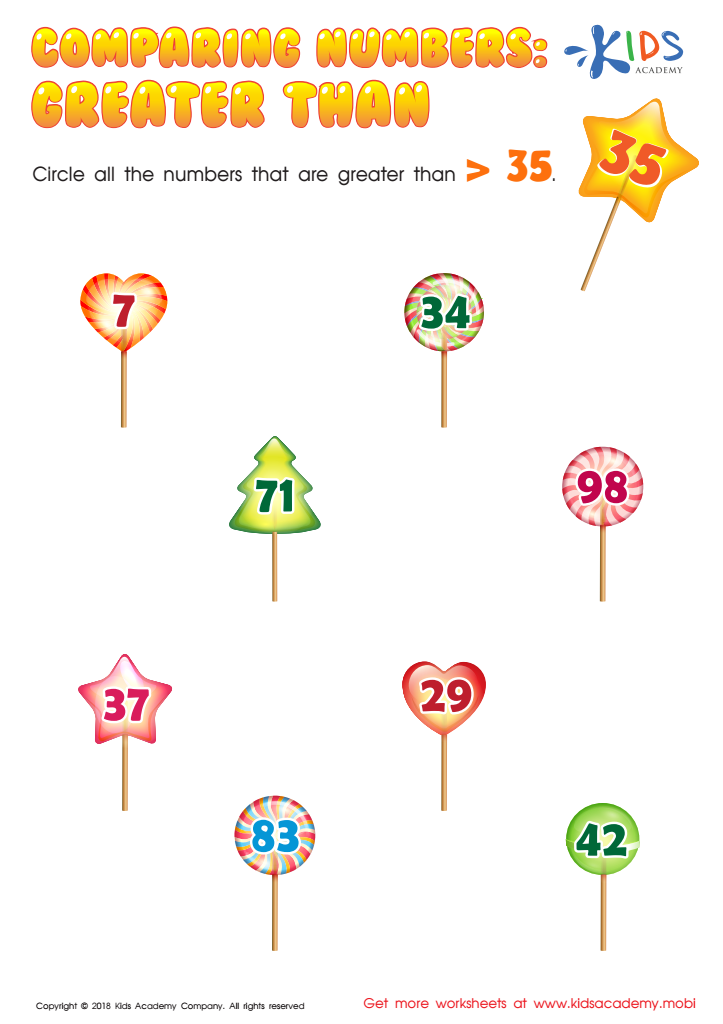
Greater Than Worksheet
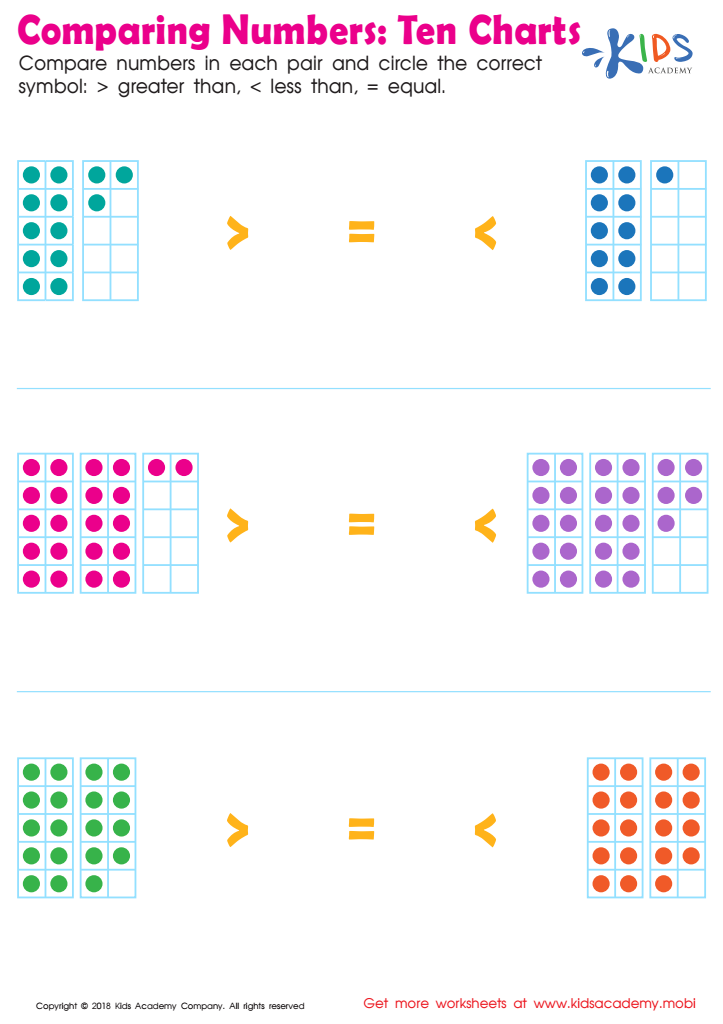
Ten Charts Worksheet
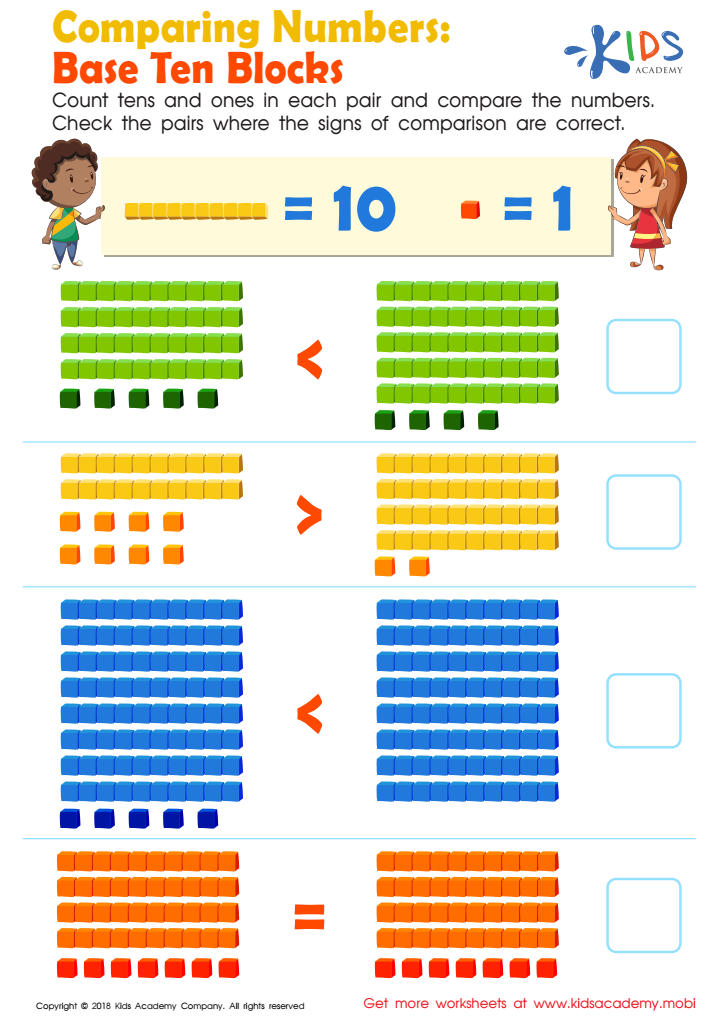
Comparing Numbers: Base Ten Blocks Worksheet
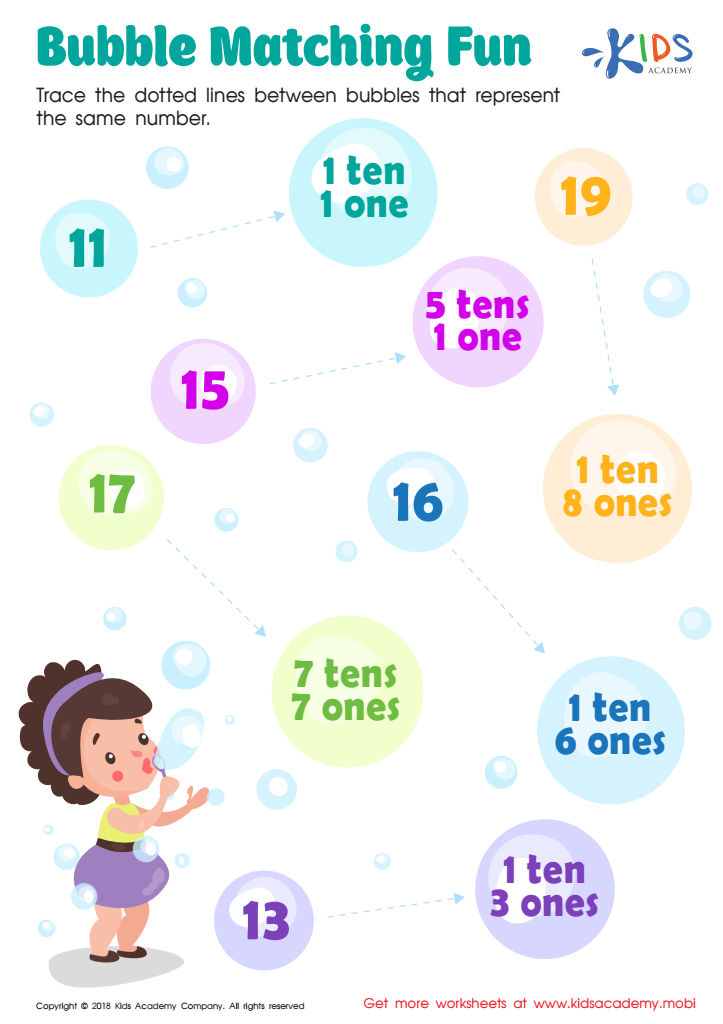
Bubble Matching Fun Worksheet
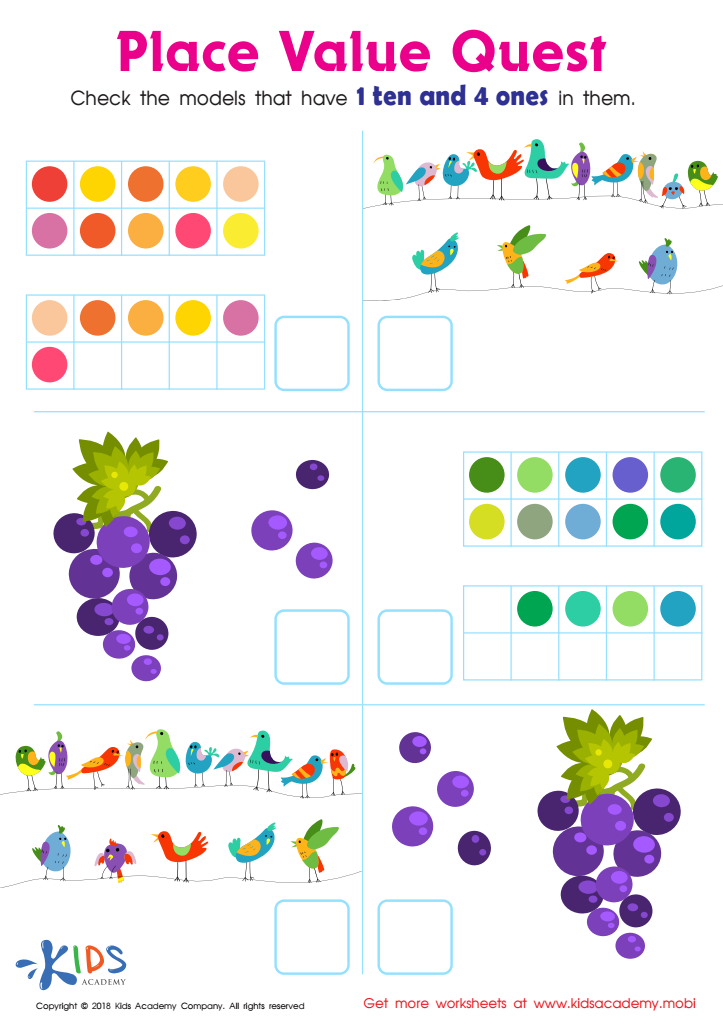
Place Value Quest Worksheet
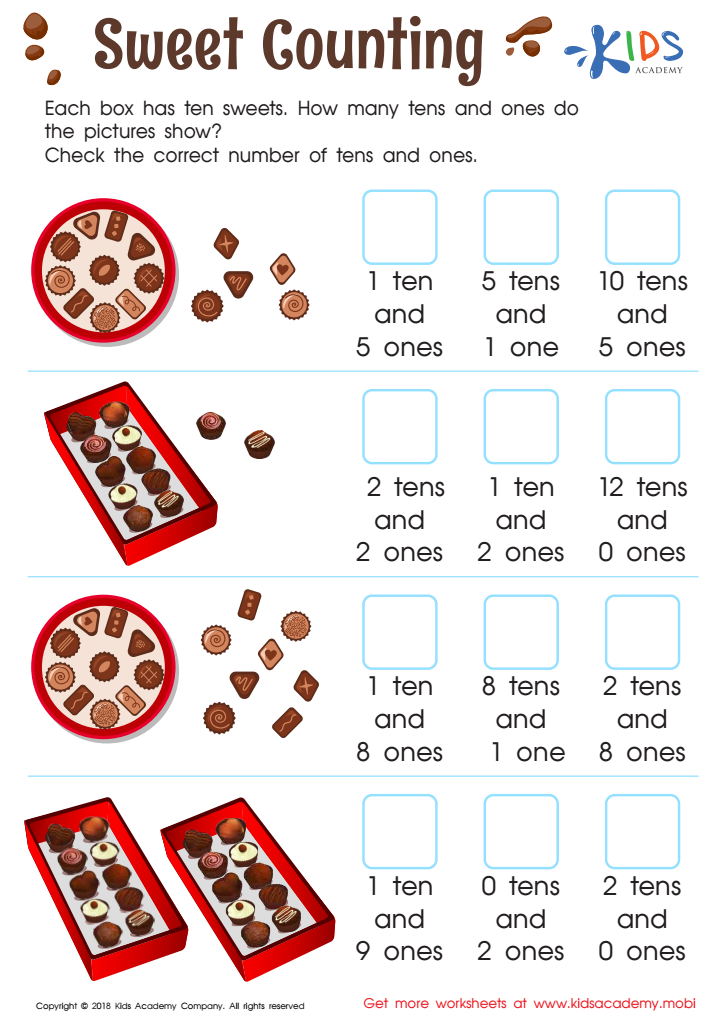
Sweet Counting - Part 2 Worksheet
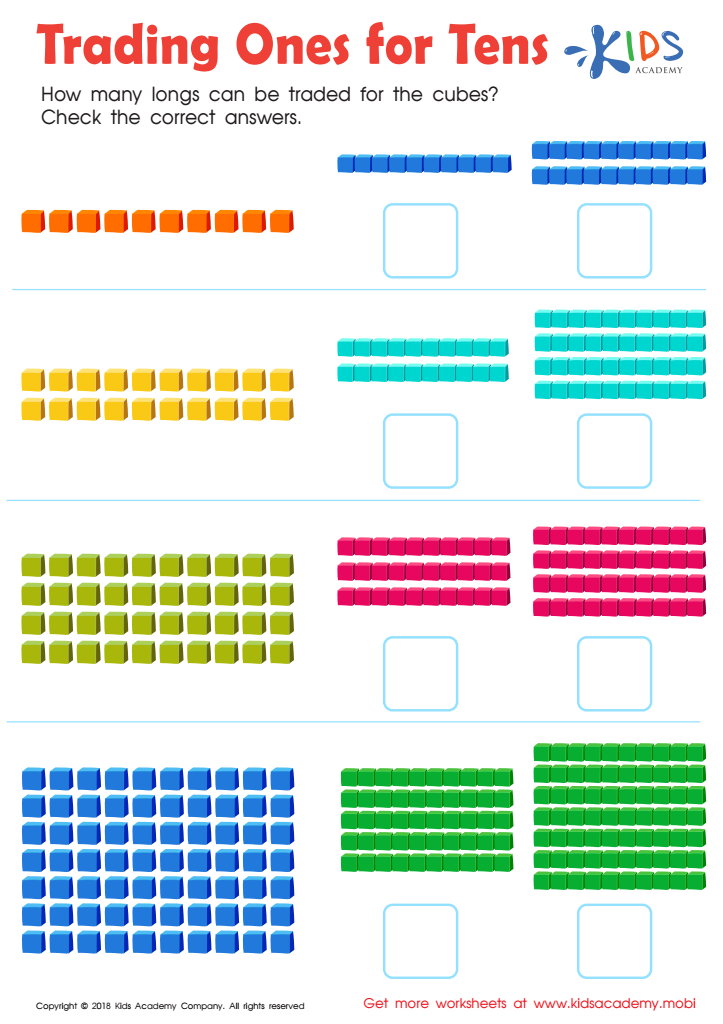
Trading Ones for Tens Worksheet: Part 2
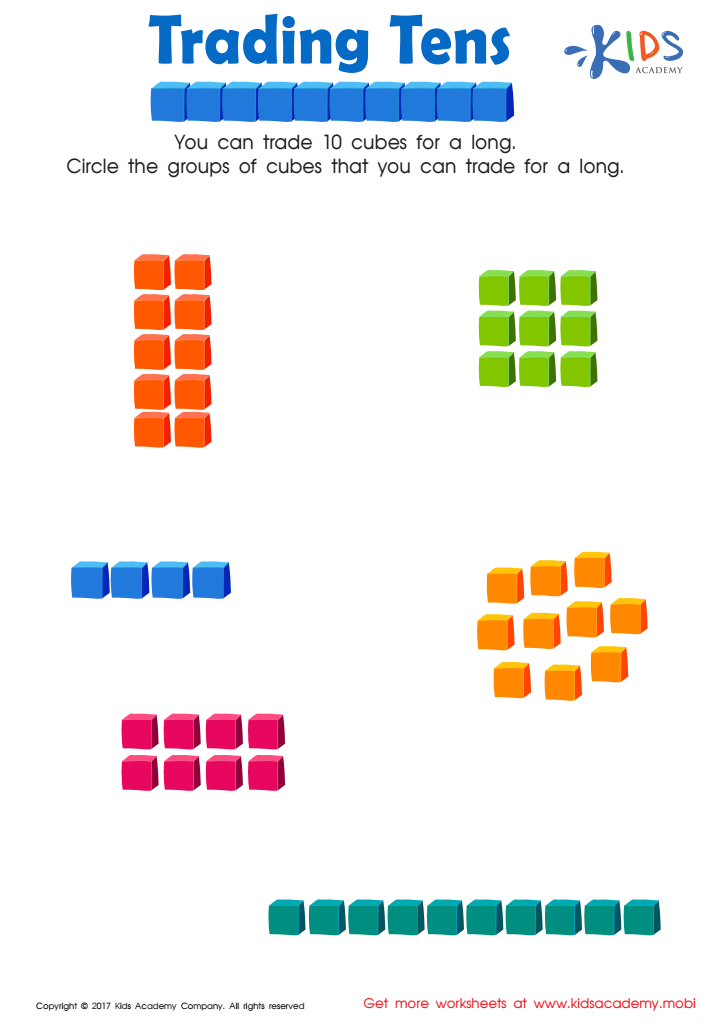
Trading Tens Worksheet
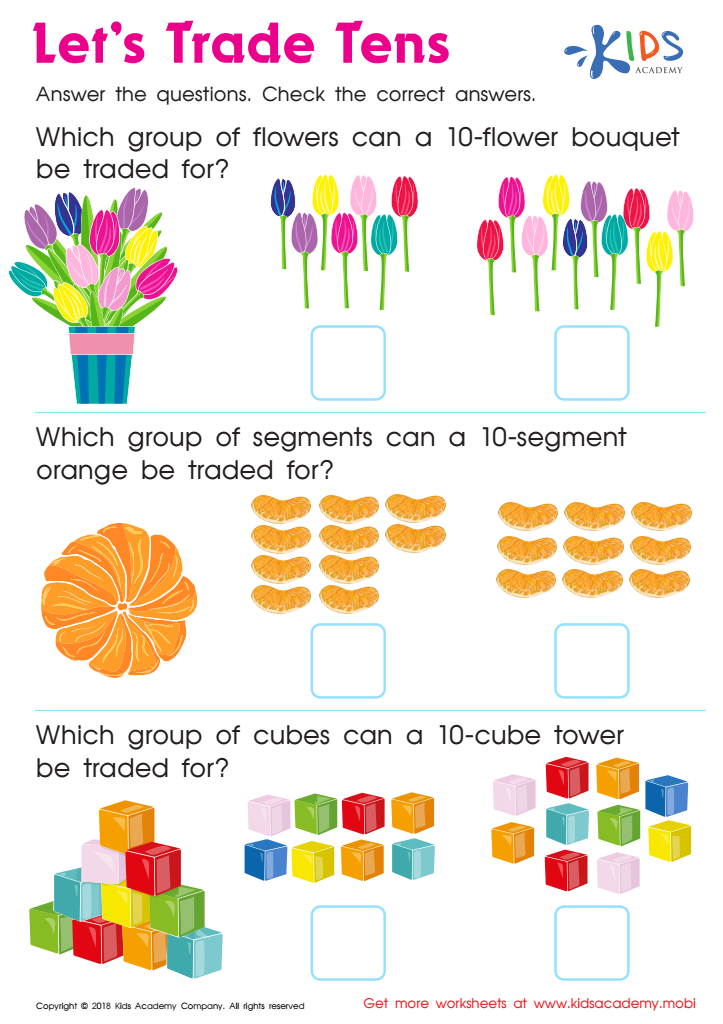
Lets Trade Tens Worksheet
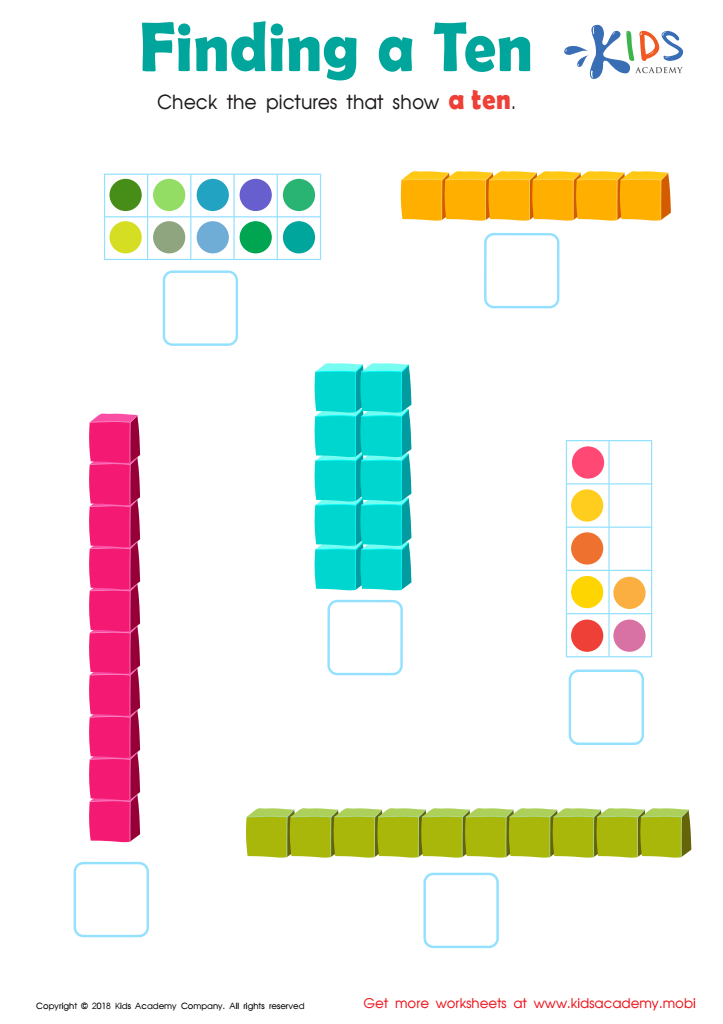
Finding a Ten Worksheet
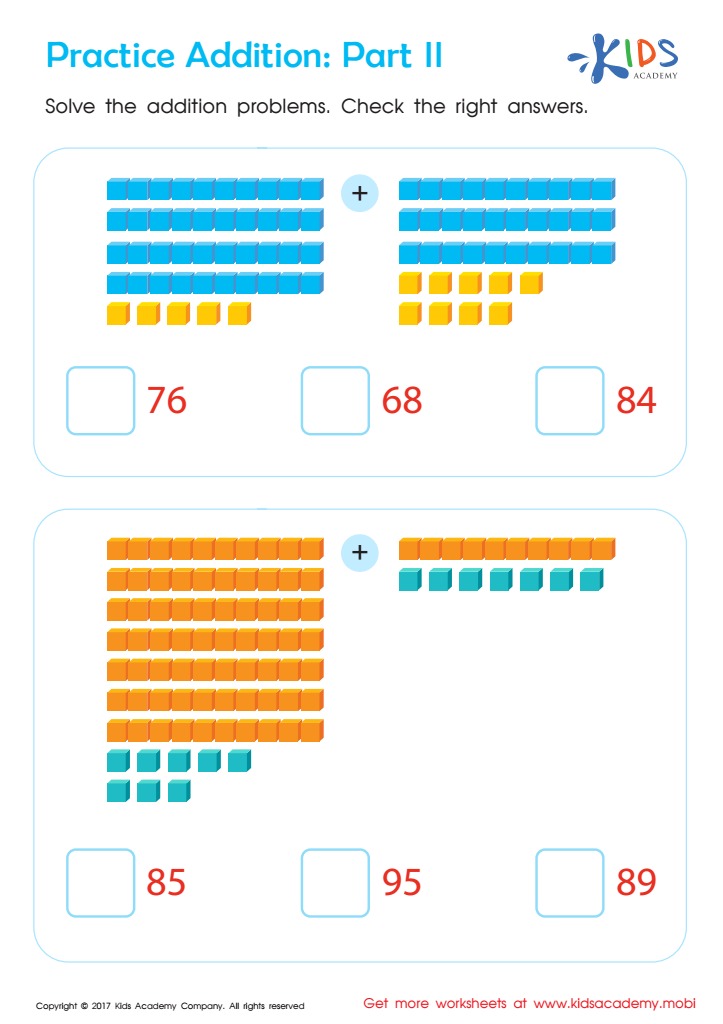
Practice Addition: Part 2 Worksheet
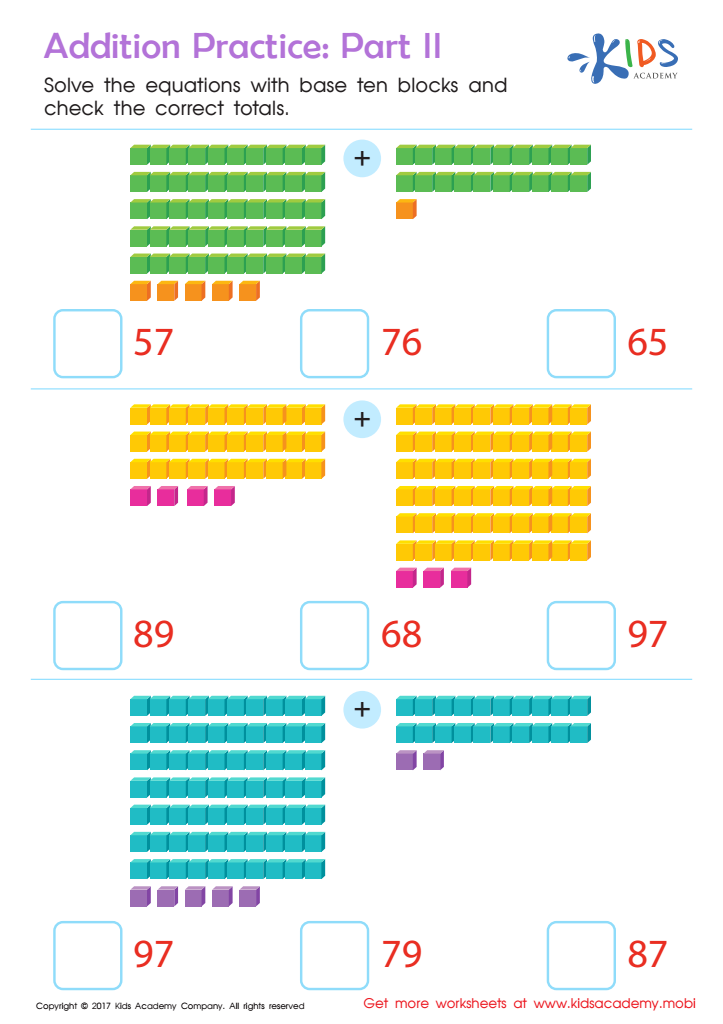
Addition Practice Sheet: Part 2
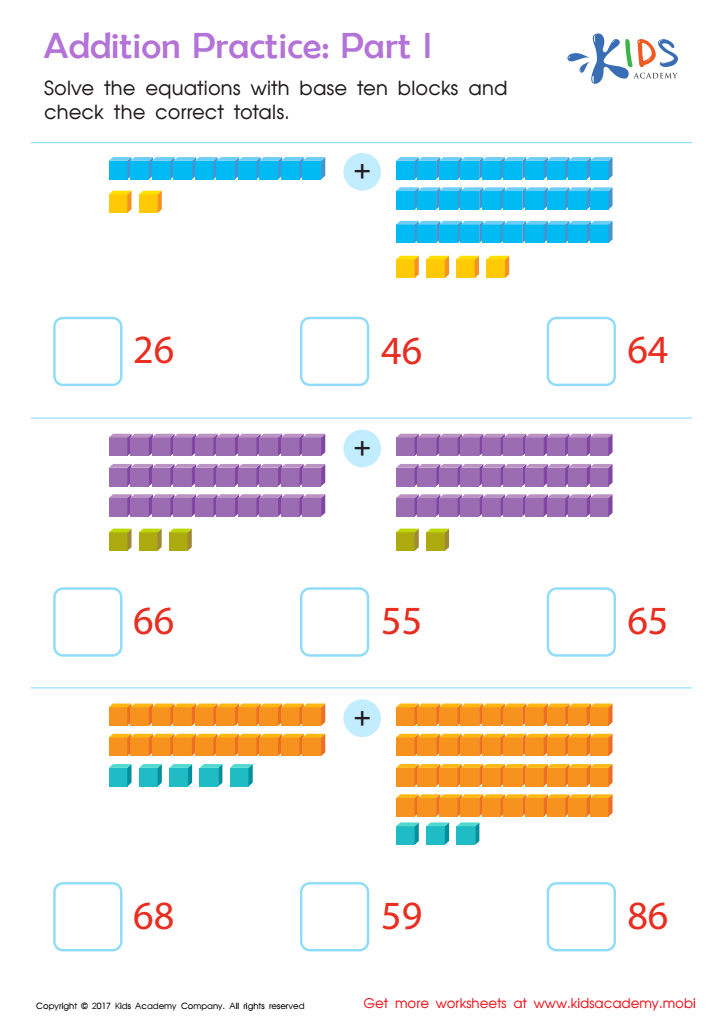
Addition Practice Sheet: Part 1







Parents and teachers should care about the concept of Normal Numbers for children aged 3-9 because early exposure to this mathematical idea can significantly enhance a child's cognitive and numerical skills. Normal Numbers are those where all digits appear with equal frequency in their decimal expansion. Introducing children to patterns and distributions not only makes mathematics more relatable but also develops critical thinking and problem-solving skills.
Engaging young learners with the idea of Normal Numbers encourages exploration and curiosity, promoting a growth mindset about mathematics. Activities that involve counting, sorting, and recognizing patterns lay the groundwork for more advanced mathematical concepts, fostering a deep understanding of number theory, ratios, and statistics.
Moreover, instilling this knowledge at a young age can help demystify mathematical concepts, making kids more comfortable with numbers throughout their educational journey. A foundational grasp of such concepts can spark an interest in mathematics, prompting children to engage in further discovery, thus enriching their overall learning experience. Additionally, recognizing the importance of diverse numerical patterns can expand a child’s perceptual awareness, leading to increased confidence in their mathematical abilities and a better preparation for future academic challenges.