Normal Plants and Animals Worksheets for Ages 3-9 - Page 5
100 filtered results
-
From - To
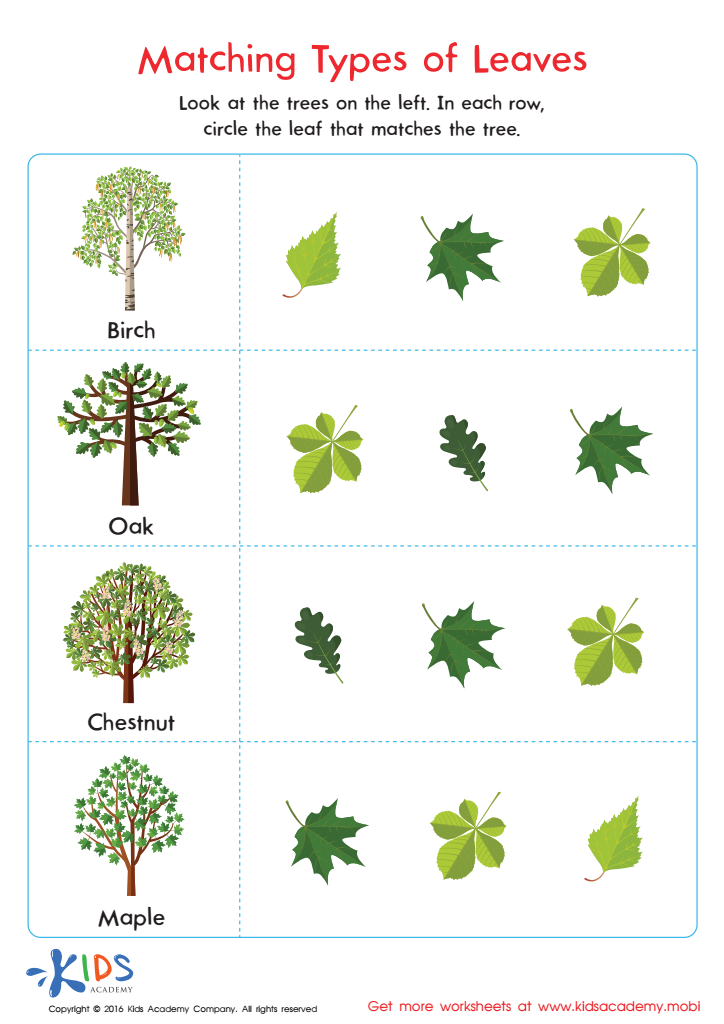
Matching Types of Leaves Printable
 Assign to My Students

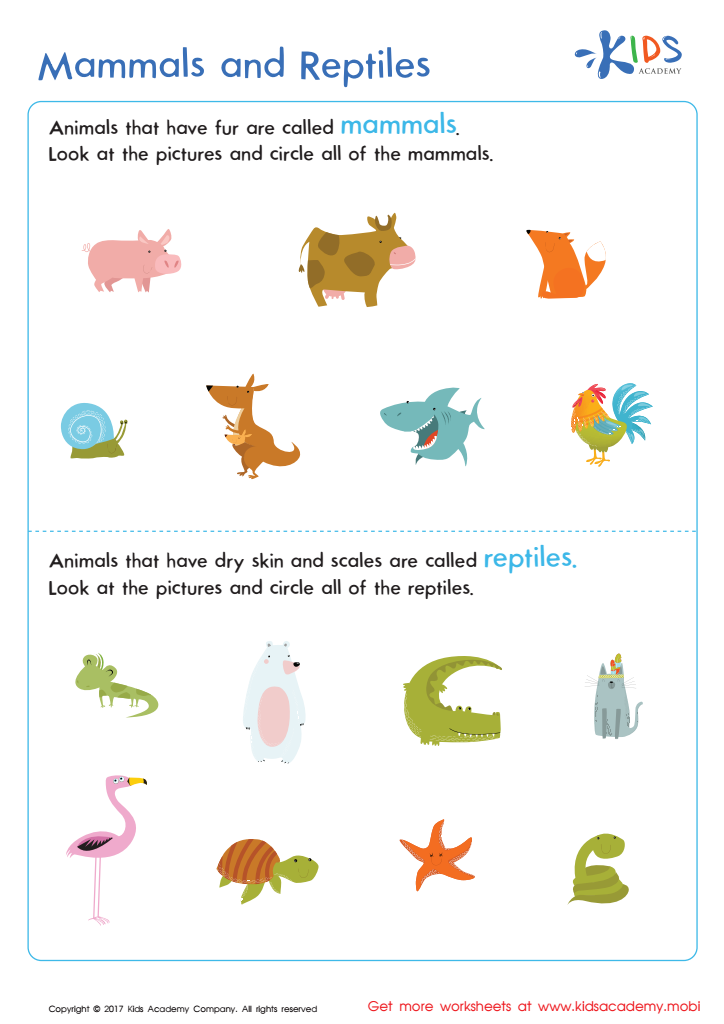
Mammals and Reptiles Worksheet
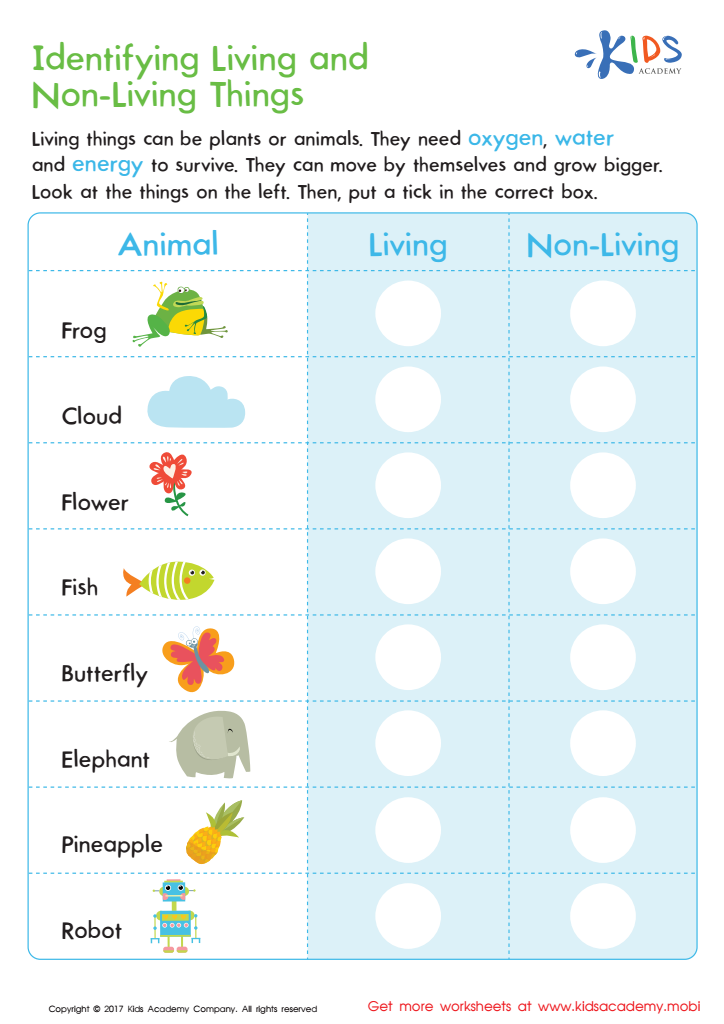
Identifying Living or Non–living Worksheet
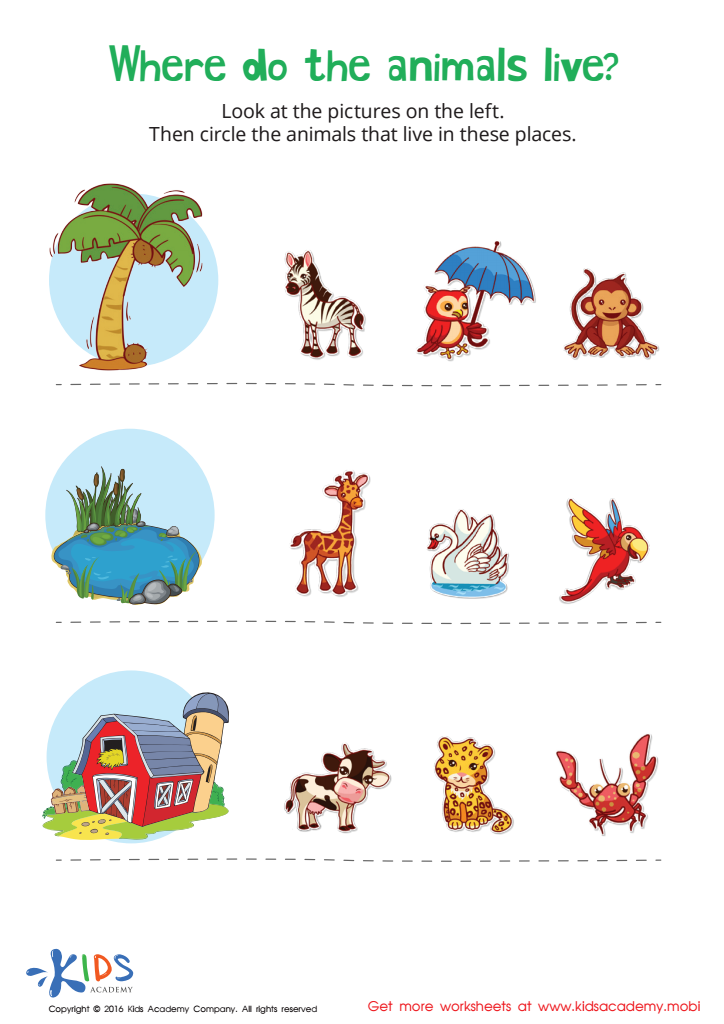
Where Animals Live Worksheet




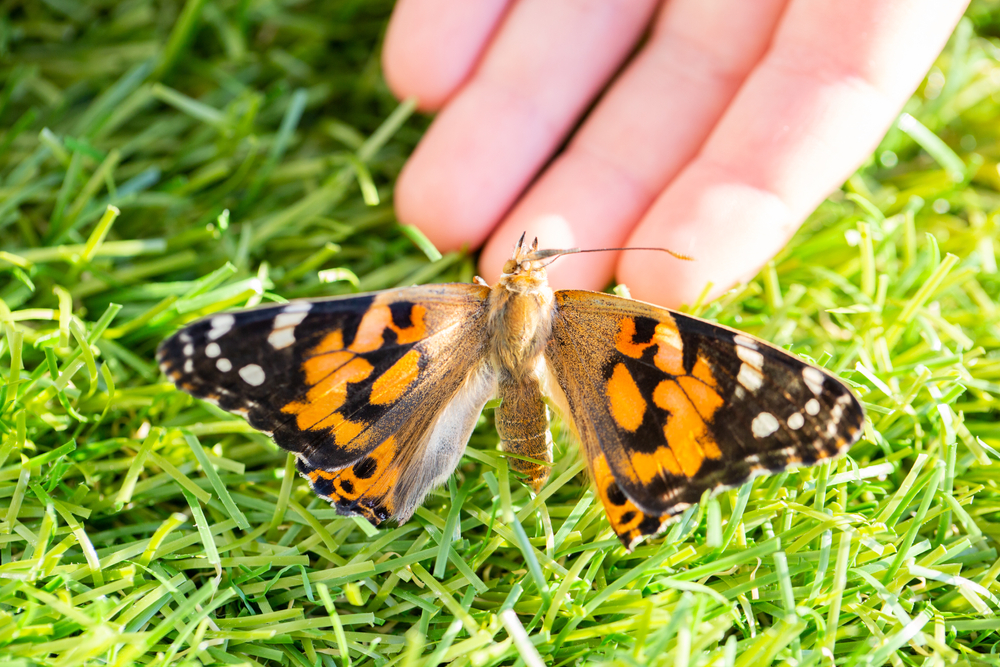

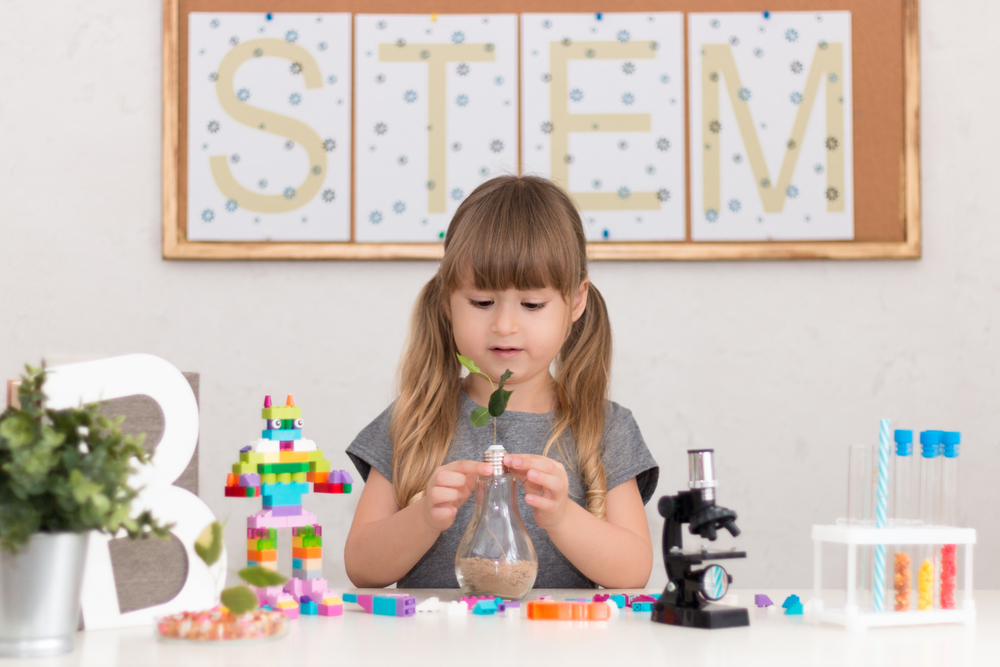

Parents and teachers play a crucial role in shaping young children's understanding and appreciation of the natural world. Introducing children ages 3-9 to normal plants and animals provides numerous cognitive, emotional, and developmental benefits. At this impressionable age, children are naturally curious and have a profound capacity for wonder. By exploring local flora and fauna, they can develop an early interest in science and a foundational knowledge of ecosystems.
Learning about plants and animals helps children appreciate biodiversity and understand the importance of conservation. It also encourages empathy and respect for living beings, fostering a sense of responsibility toward nature that can last a lifetime. Growing plants or observing animals can be hands-on activities that enhance fine motor skills and observational abilities. These experiences can be both educational and entertaining, making learning enjoyable and memorable.
Moreover, time spent in nature has been shown to reduce stress and improve concentration and creativity in children. As the world becomes more urbanized and technology-driven, it is essential to ensure that young children maintain a connection to the natural environment. This connection can encourage outdoor play and physical activity, promoting healthier lifestyles and well-being.
In summary, introducing children to normal plants and animals enriches their learning experiences and cultivates a lifelong appreciation for the environment, benefiting both their personal development and the planet.







