Normal Science Worksheets for Ages 4-6
182 filtered results
-
From - To
Normal Science Worksheets for Ages 4-6
Embark on a thrilling journey of discovery with our Normal Science Worksheets, meticulously designed for young explorers aged 4-6. These engaging worksheets open the door to the wonders of the natural world, laying the foundation for a lifelong passion for science. Through a series of fun and interactive activities, children will learn about basic scientific concepts, fostering their curiosity and enhancing their observational skills. Ideal for both classroom learning and home education, our Normal Science Worksheets make learning an exciting adventure for young minds eager to explore the universe around them. Spark your child's love for science today!
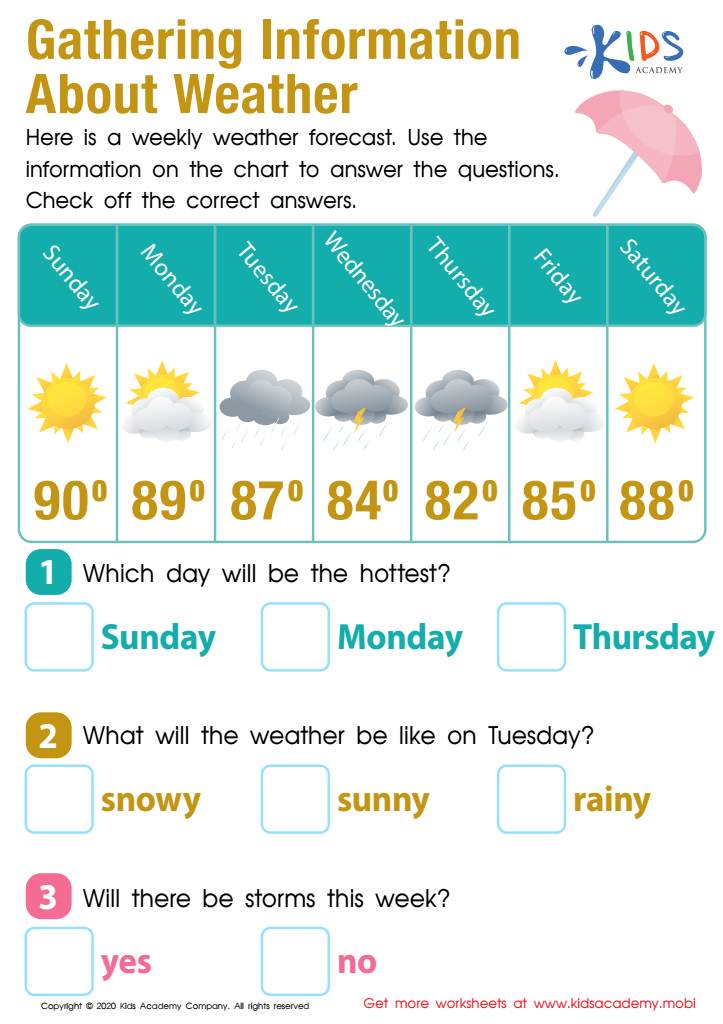
Gathering Information About the Weather Worksheet
 Assign to My Students
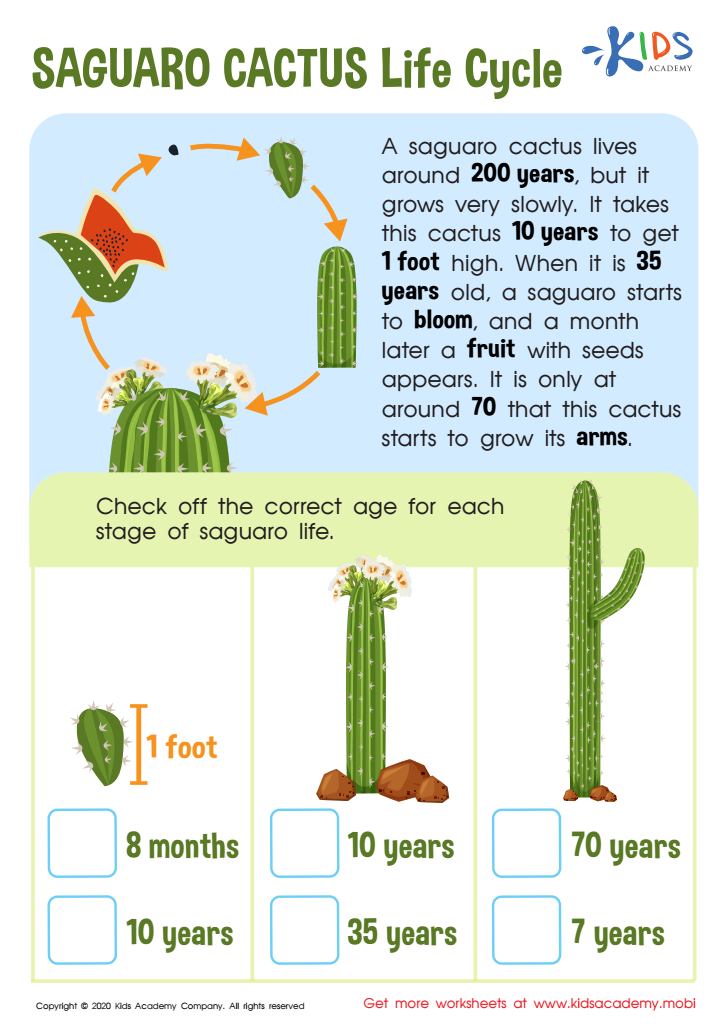
Saguaro Cactus Life Cycle Worksheet
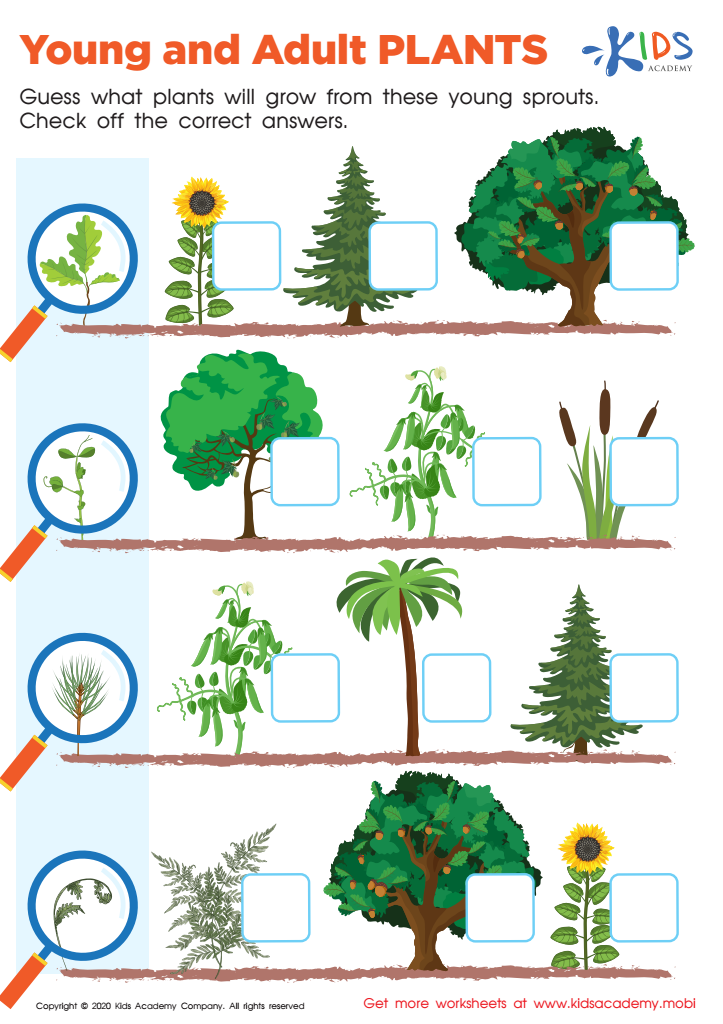
Young and Adult Plants Worksheet
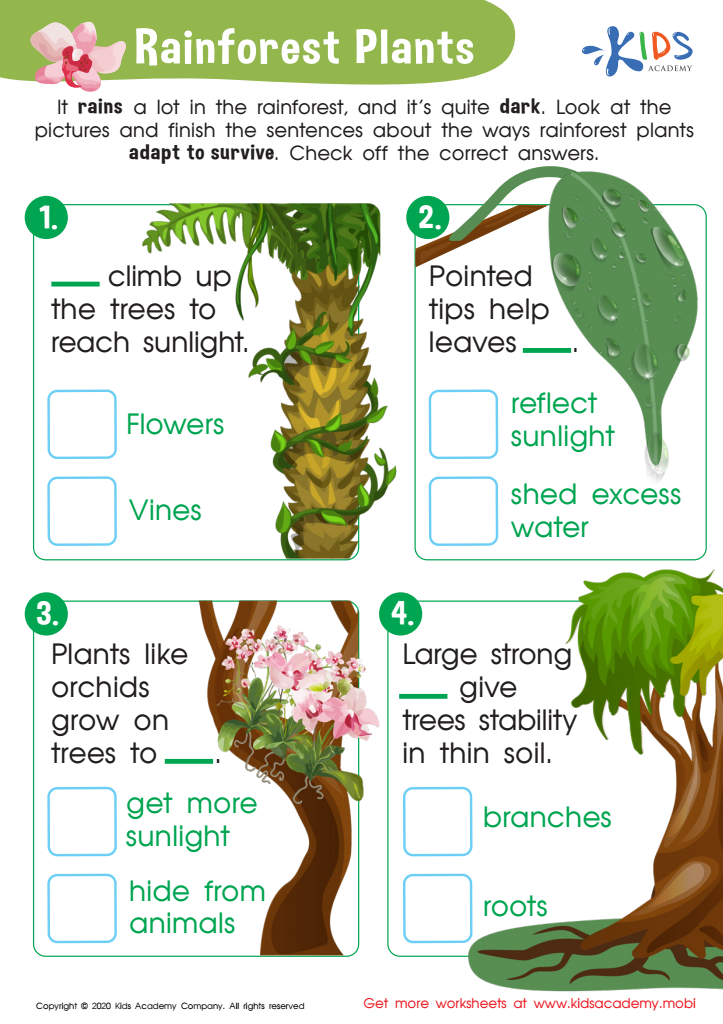
Rainforest Plants Worksheet
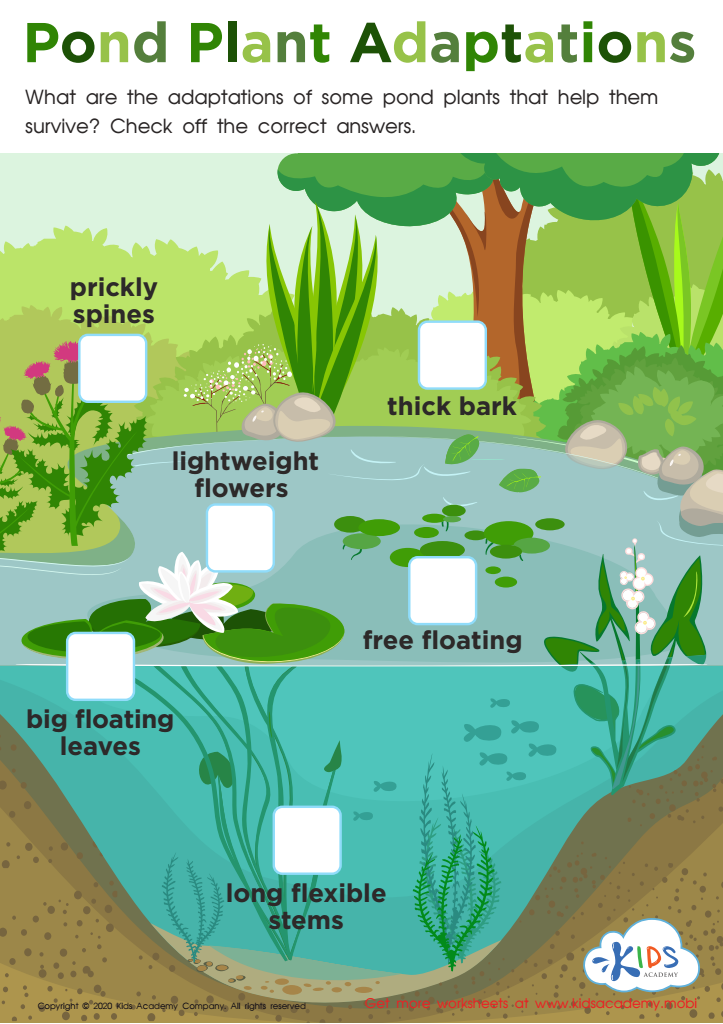
Pond Plant Adaptations
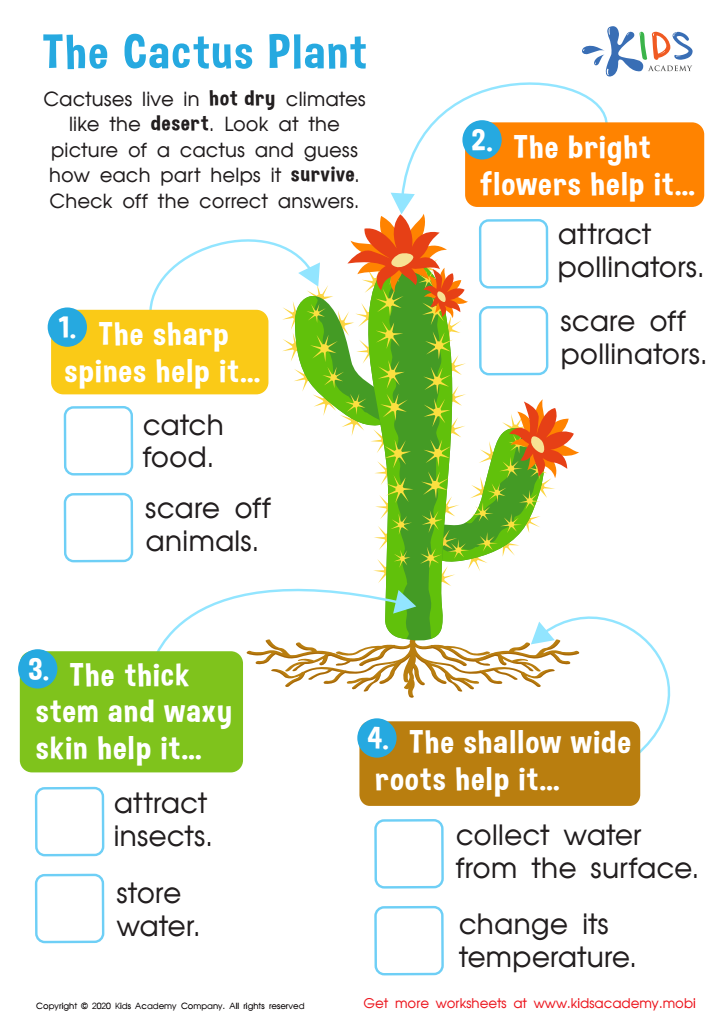
The Cactus Plant Worksheet
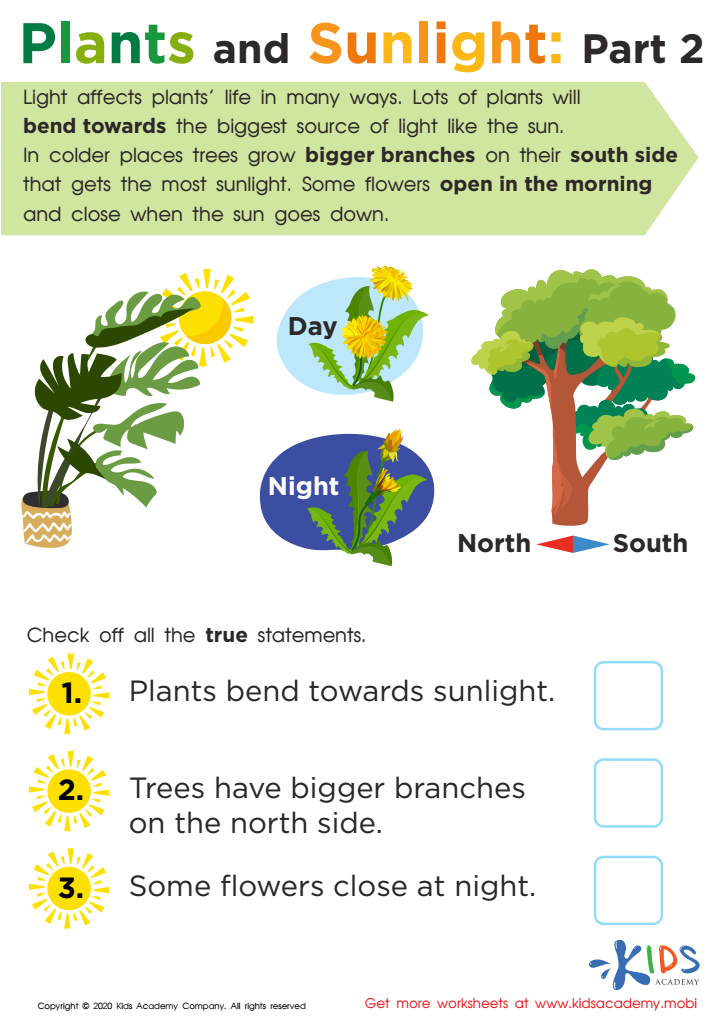
Plants and Sunlight: Part 2 Worksheet
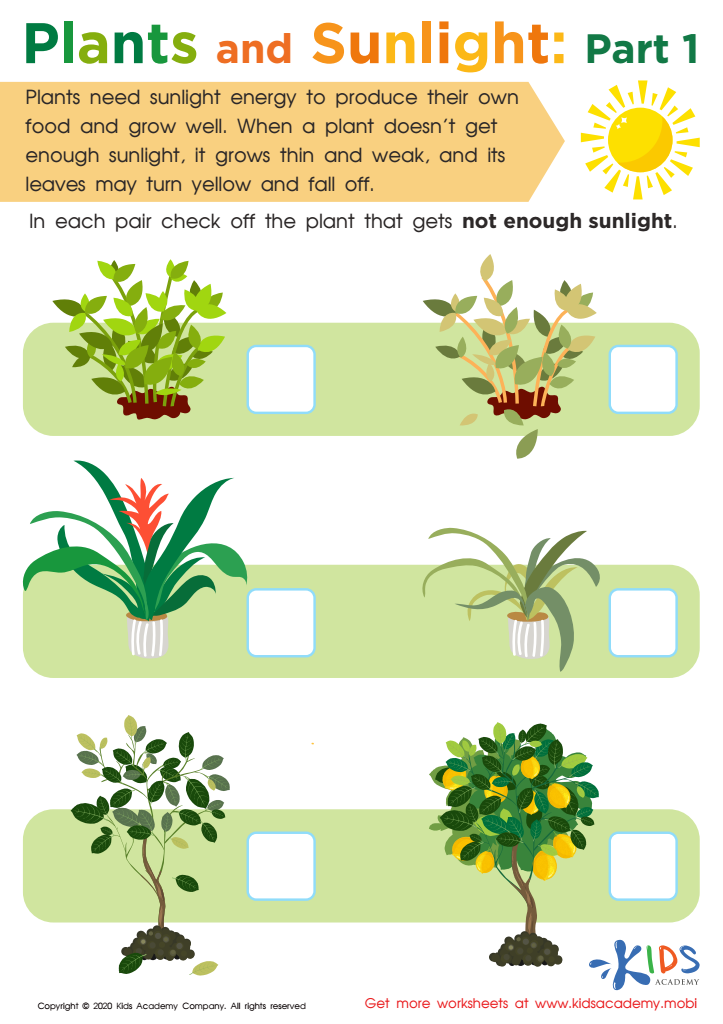
Plants and Sunlight: Part 1 Worksheet
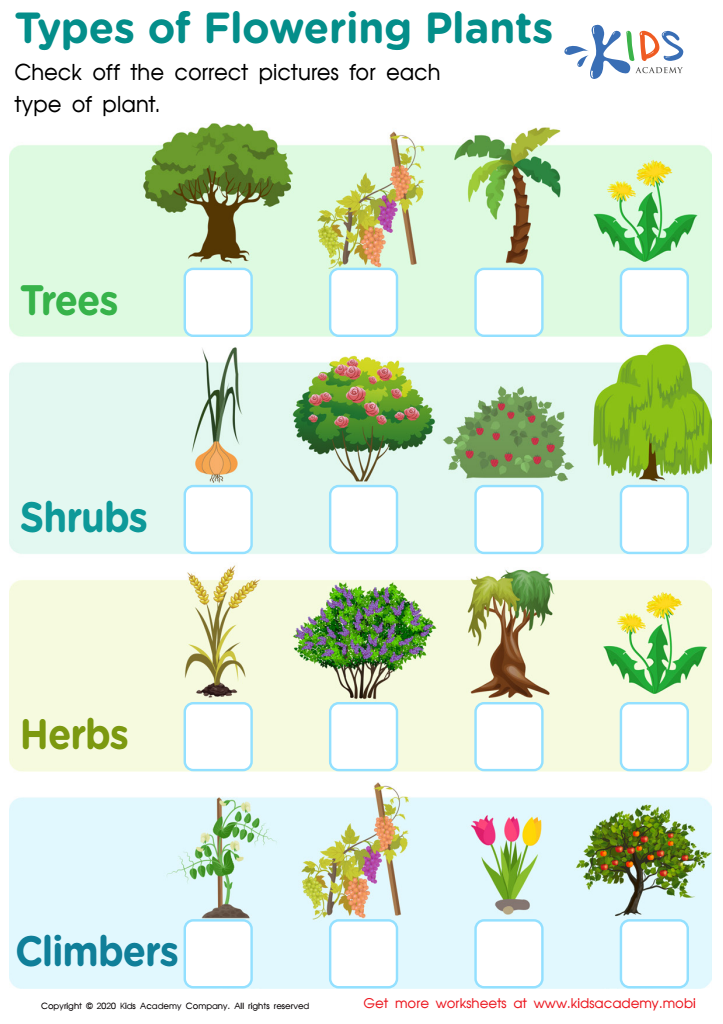
Types of Flowering Plants Worksheet
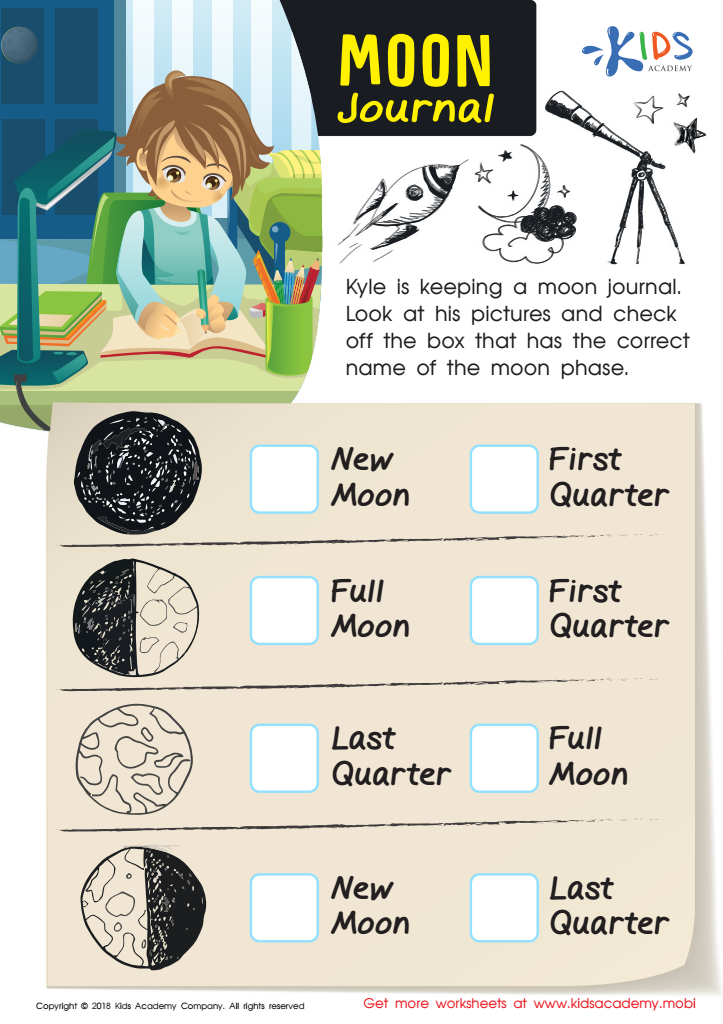
Moon Journal Worksheet
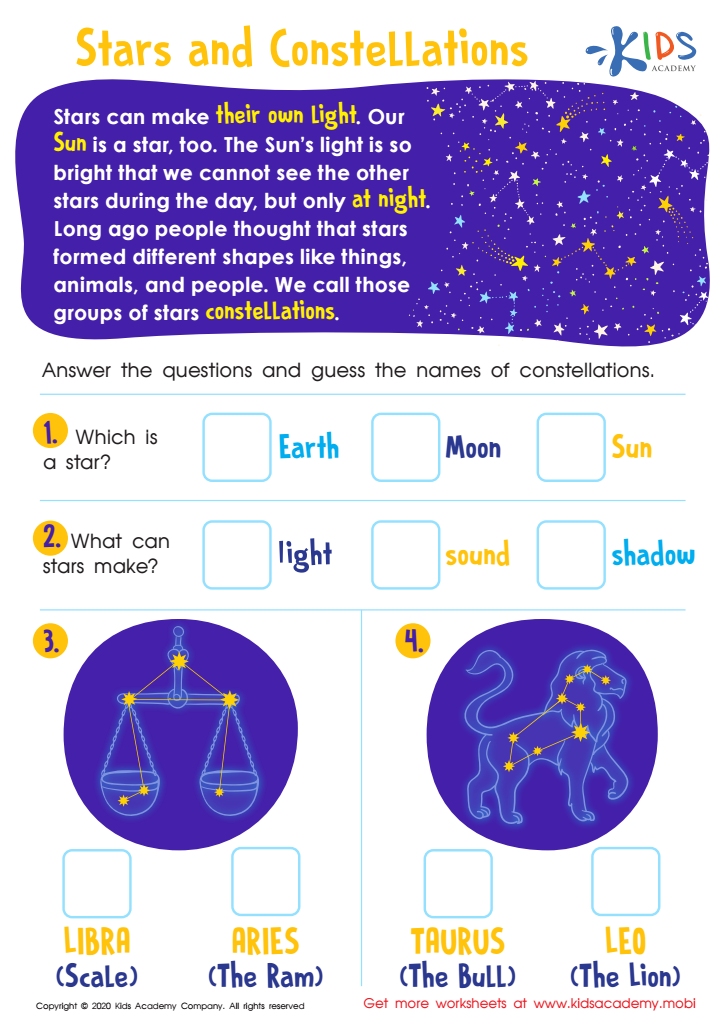
Stars and Constellations Worksheet
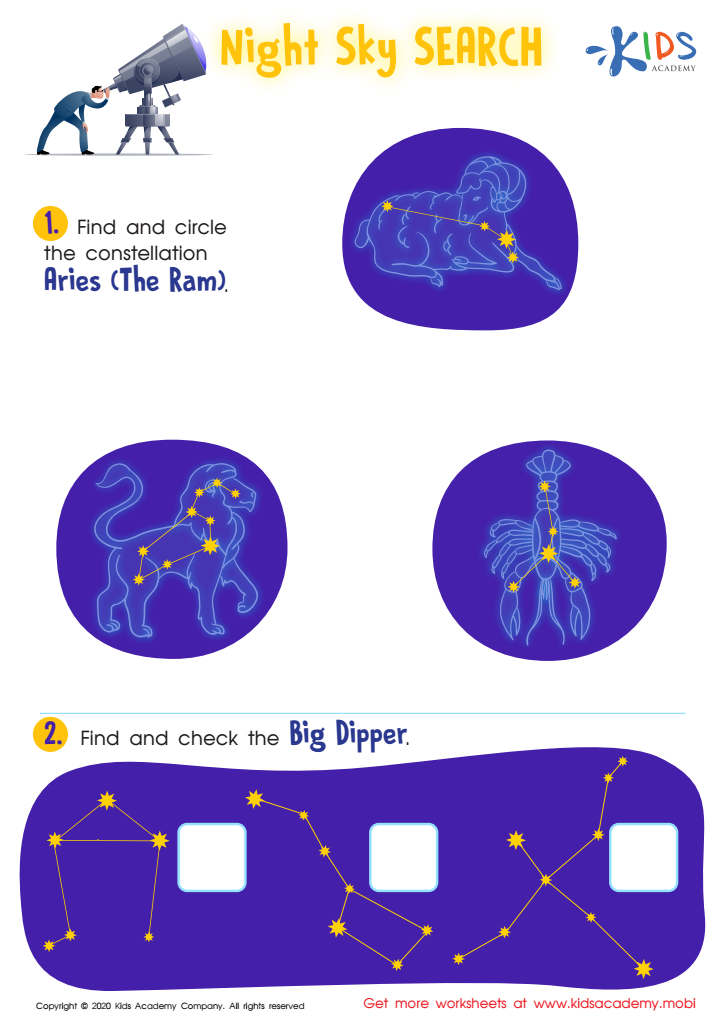
Night Sky Search Worksheet
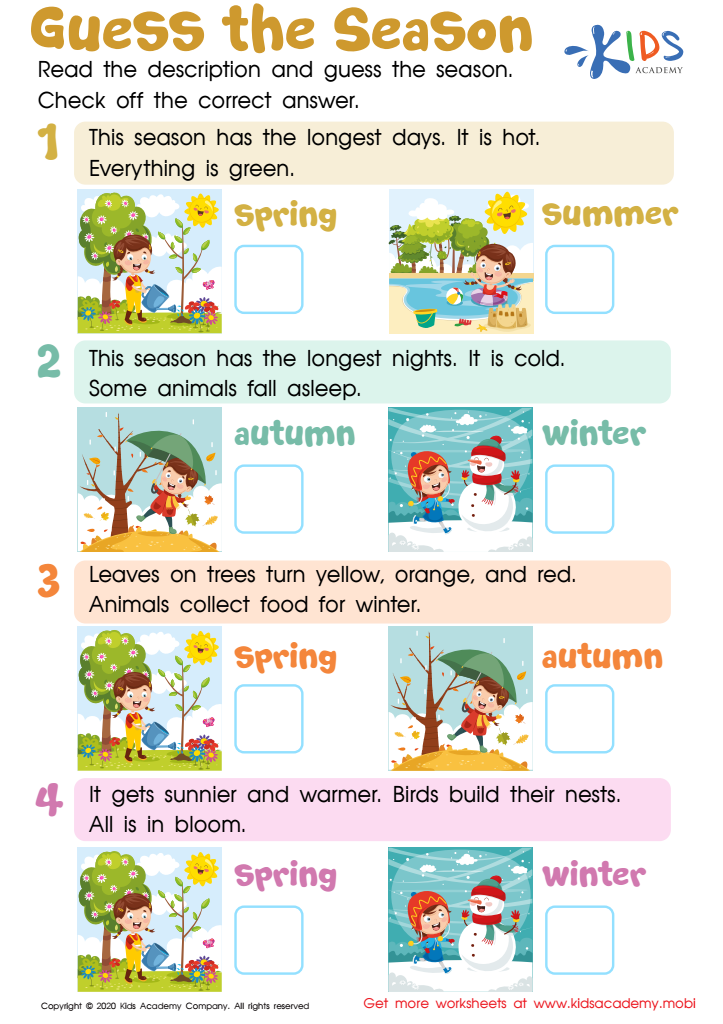
Guess the Season Worksheet
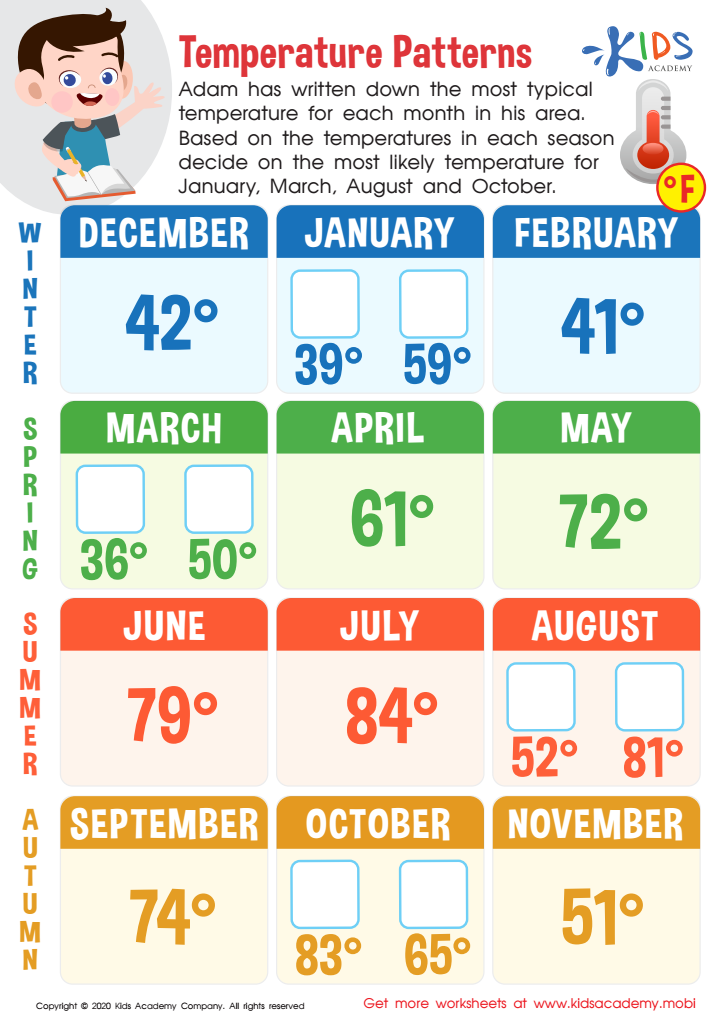
Temperature Patterns Worksheet
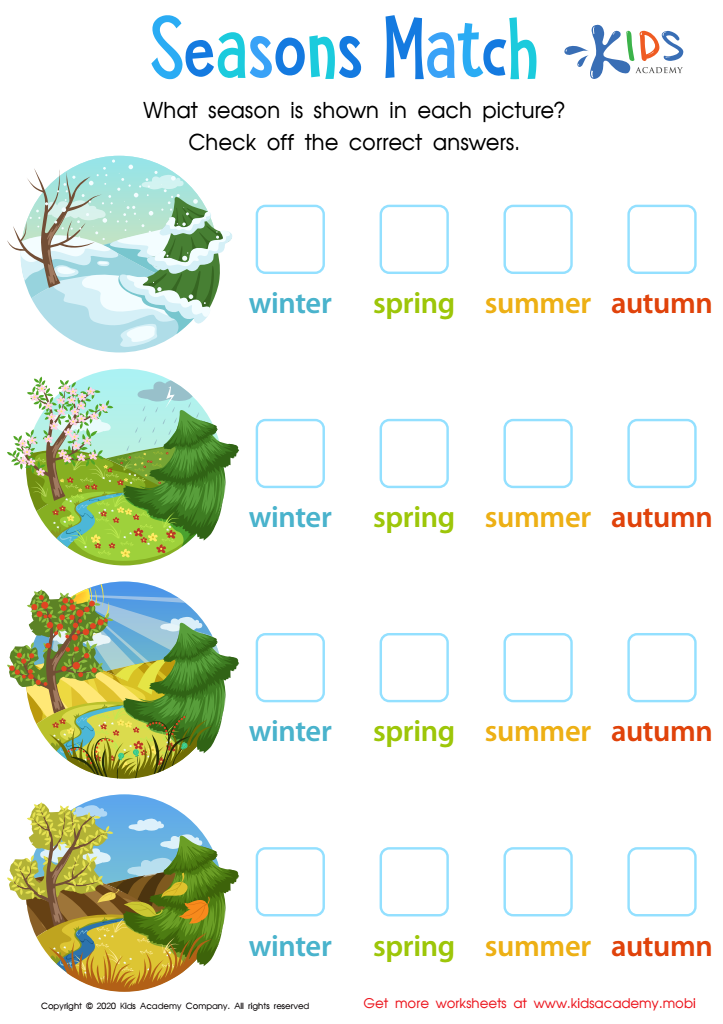
Seasons Match Worksheet
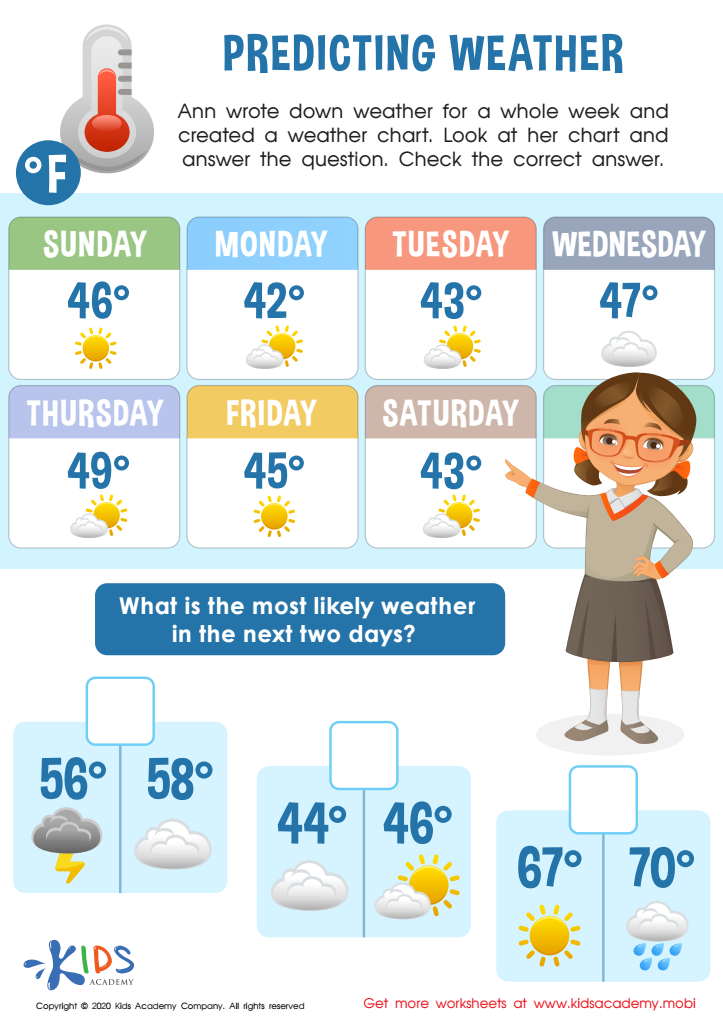
Predicting Weather Worksheet
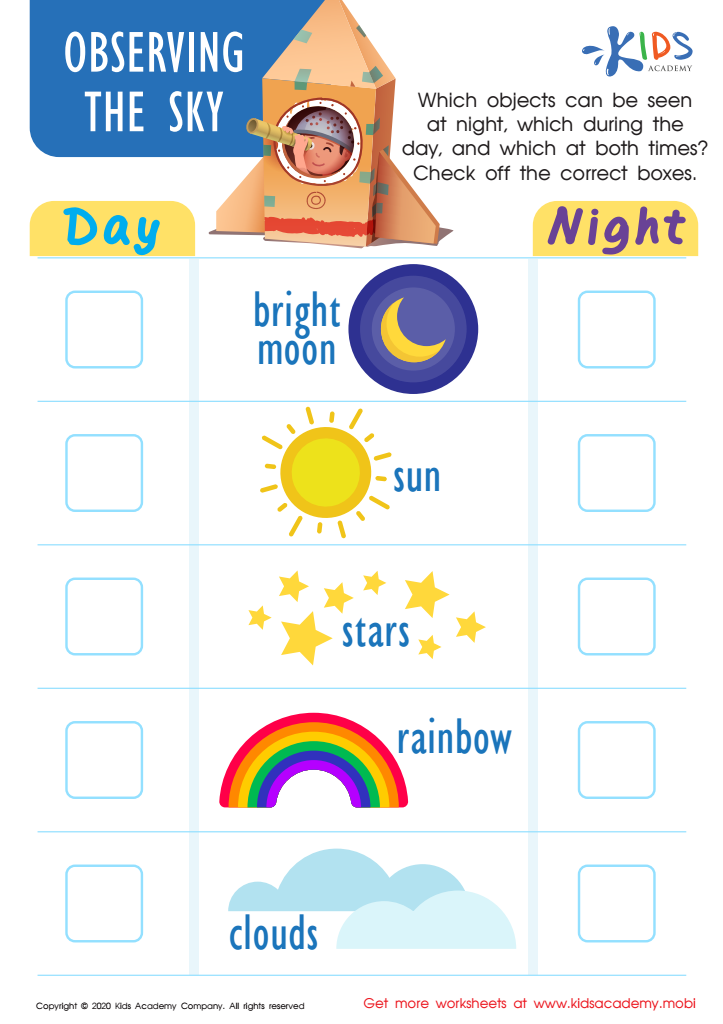
Observing the Sky Worksheet
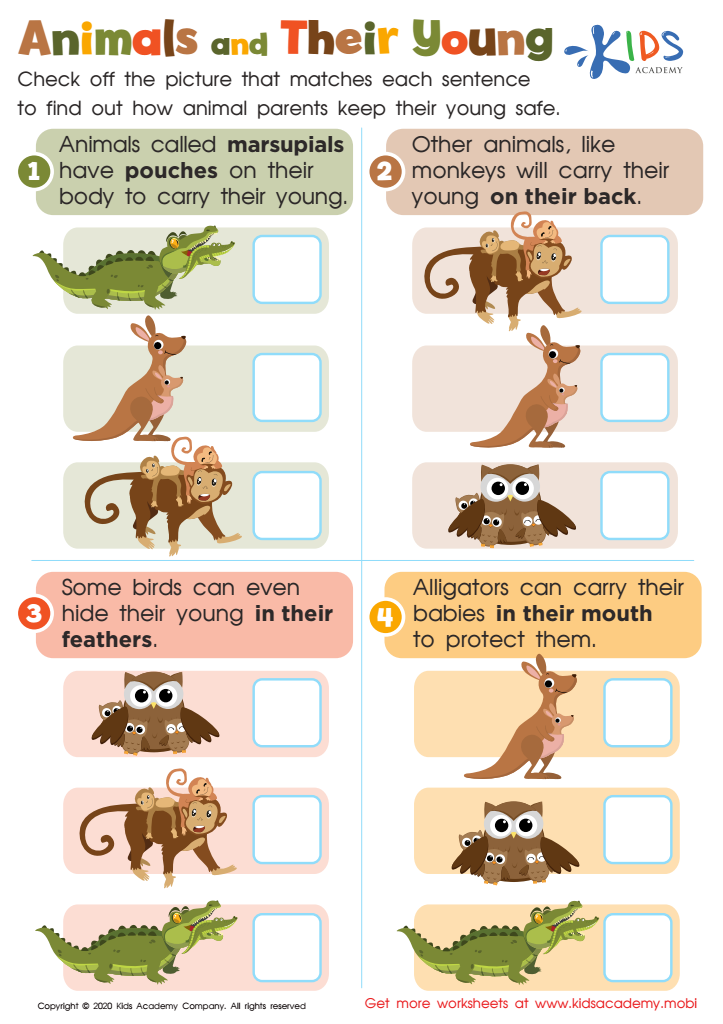
Animals and Their Young Worksheet
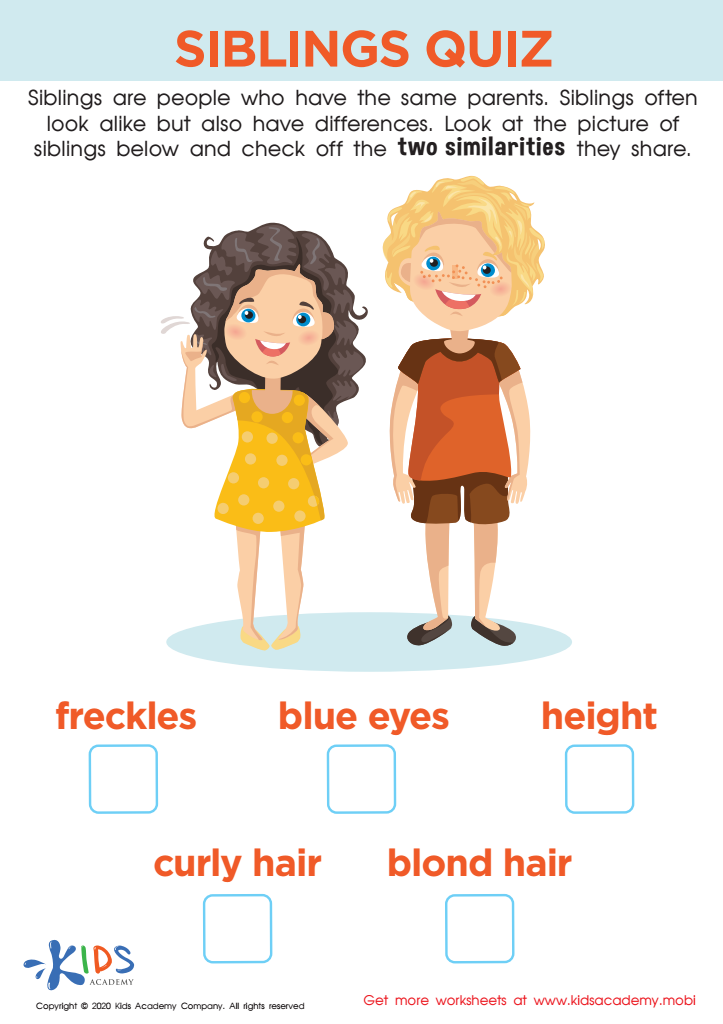
Siblings Quiz Worksheet
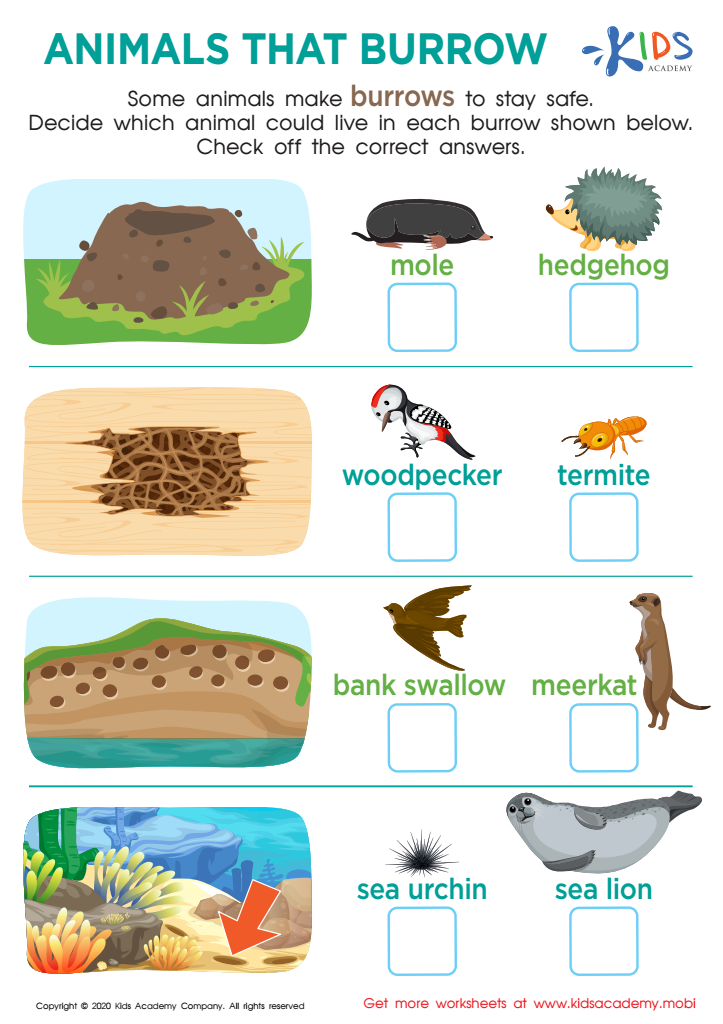
Animals That Burrow Worksheet
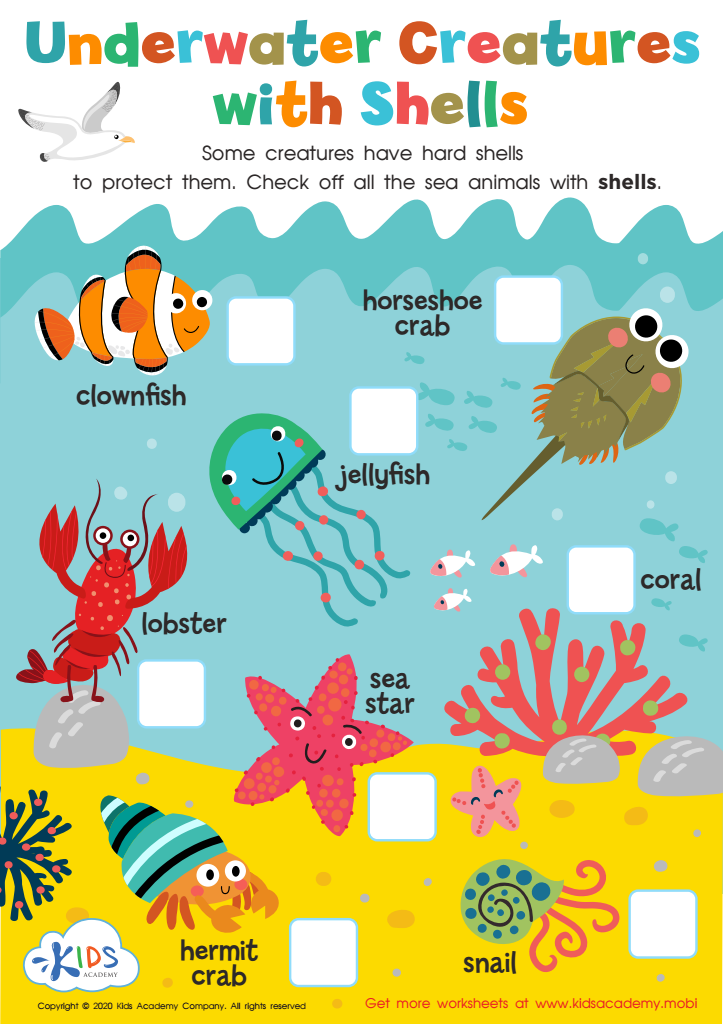
Underwater Creatures with Shells Worksheet
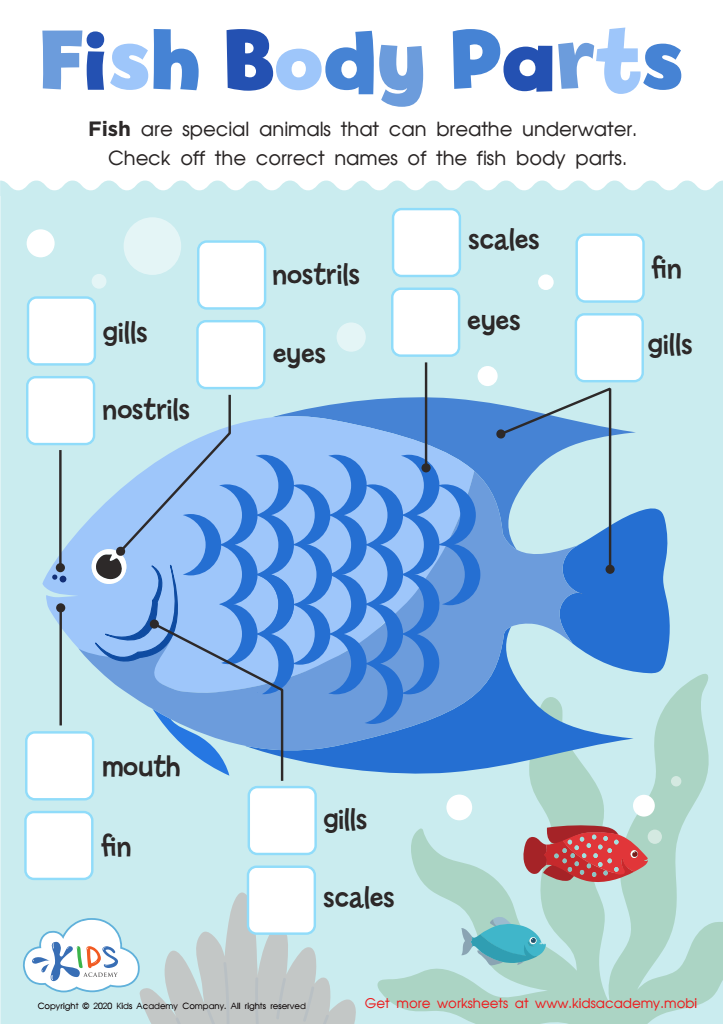
Fish Body Parts Worksheet
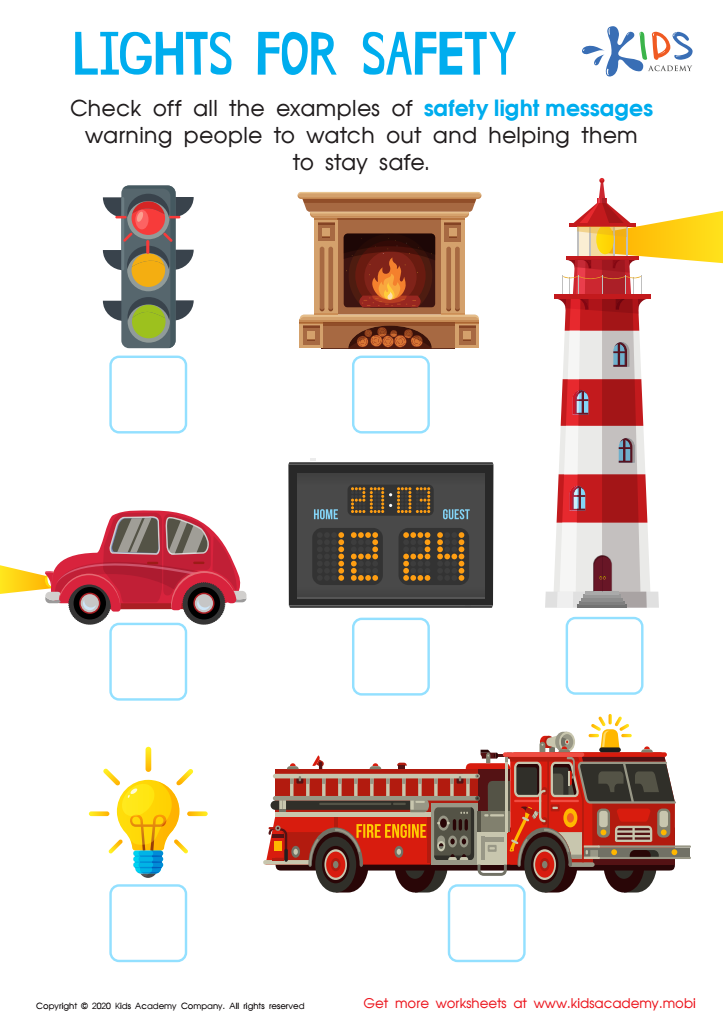
Lights for Safety Worksheet
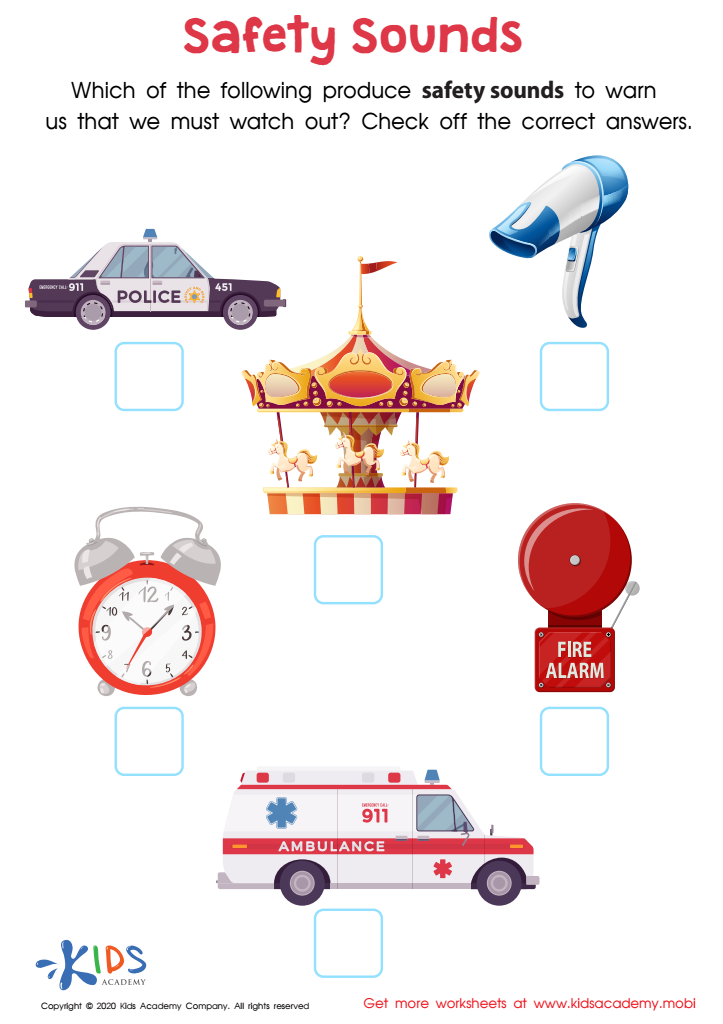
Safety Sounds Worksheet








Normal Science worksheets for Ages 4-6 serve as a foundational tool in the early development stages of a child's education. At this critical age, children are naturally curious and eager to explore the world around them. Introducing them to the wonders of science through age-appropriate worksheets can significantly enhance their understanding and appreciation of the natural world.
These worksheets are designed to cater to the developmental needs of young learners, making complex scientific concepts accessible and engaging. They offer a unique blend of fun and education, ensuring that learning becomes an enjoyable process. By incorporating a variety of activities such as simple experiments, observation exercises, and interactive projects, Normal Science worksheets for Ages 4-6 stimulate curiosity, encourage critical thinking, and foster a love for learning that can last a lifetime.
Moreover, these worksheets are instrumental in developing essential skills such as problem-solving, observation, and analytical thinking at an early age. They provide a structured yet flexible learning environment that allows children to explore at their own pace, making discoveries that spark their interest in science and the world around them.
In summary, Normal Science worksheets for Ages 4-6 are not just educational tools but are pivotal in laying a strong foundation for lifelong learning and curiosity in science. They help young learners understand their environment, cultivate essential skills, and develop a robust interest in the scientific exploration of their world.







