Normal Color Words Worksheets for Ages 4-7
8 filtered results
-
From - To
Explore our engaging Normal Color Words Worksheets designed for children aged 4-7! These worksheets provide a fun and interactive way for young learners to identify and practice essential color vocabulary. Perfect for parents and educators, these resources support language development, enhance reading skills, and promote creativity through colorful activities. Each worksheet features vibrant illustrations and engaging tasks that make learning enjoyable and effective. Use these materials to strengthen color recognition and word association, providing a solid foundation for English as a Second Language learners. Join us in making learning colors an exciting adventure for your little ones!
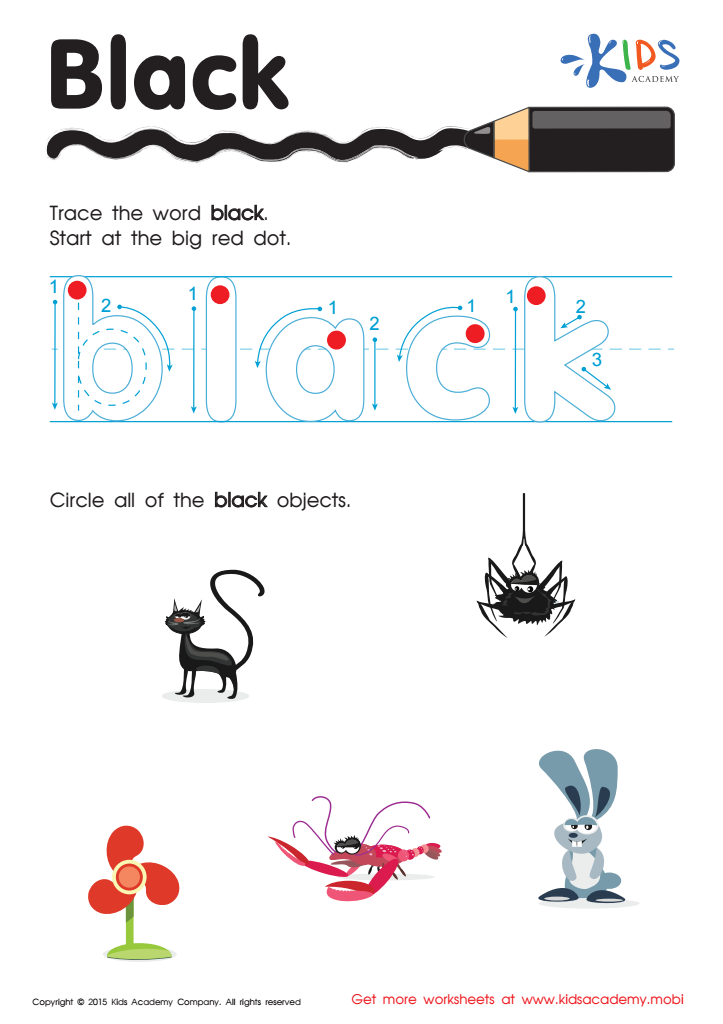
Black Tracing Color Words Printable
 Assign to My Students
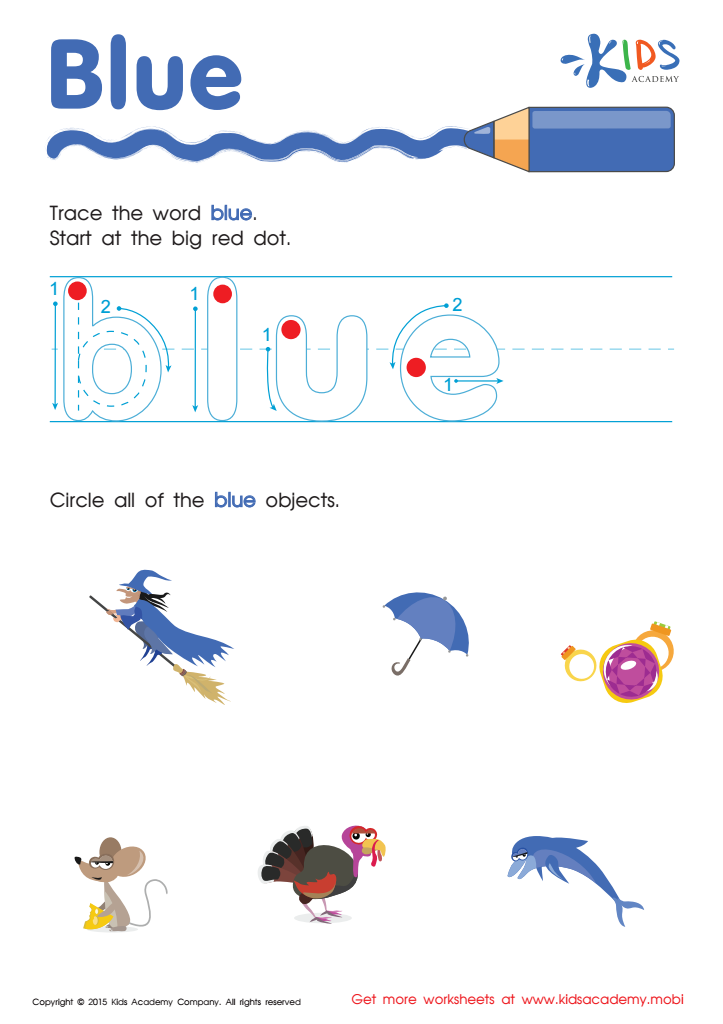
Blue Tracing Color Words Printable
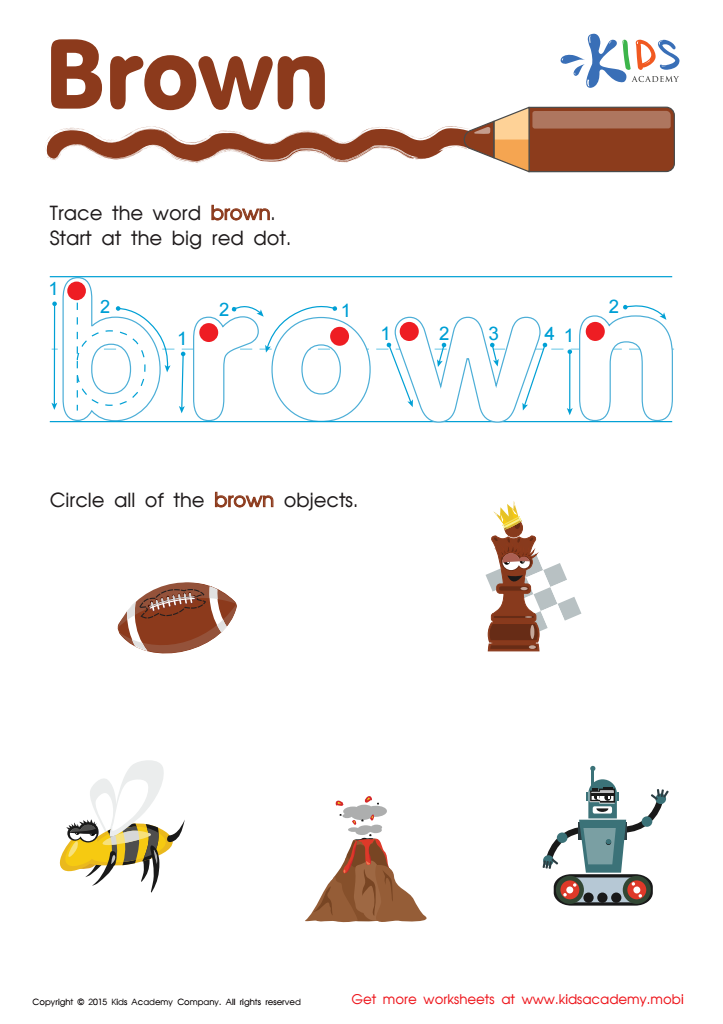
Brown Tracing Color Words Worksheet
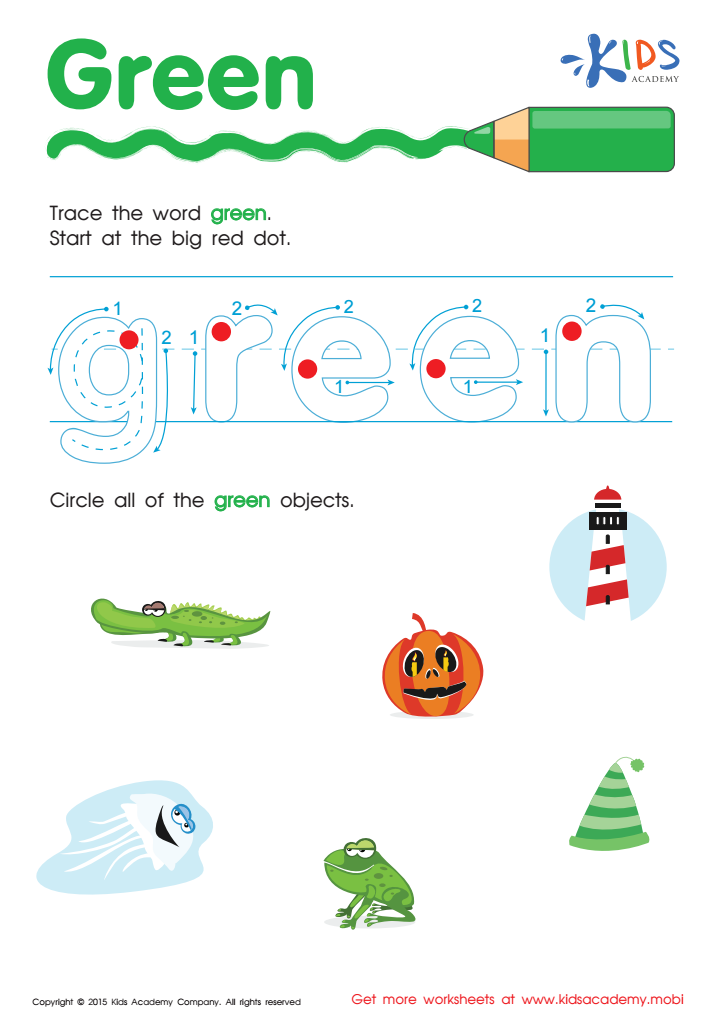
Green Tracing Color Words Worksheet
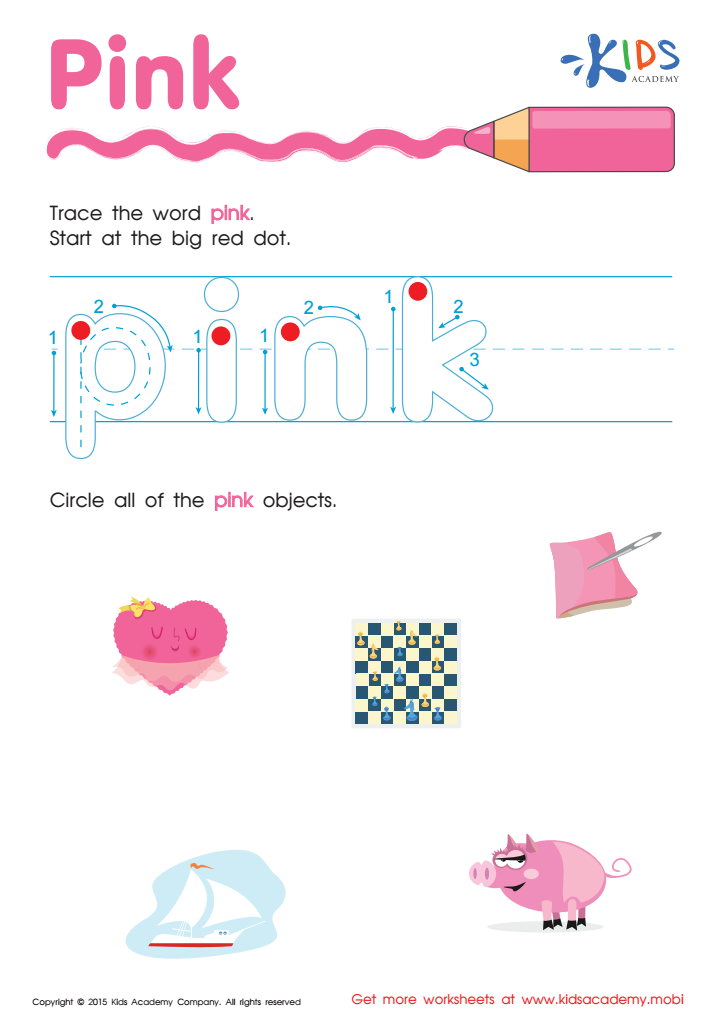
Pink Tracing Color Words Worksheet
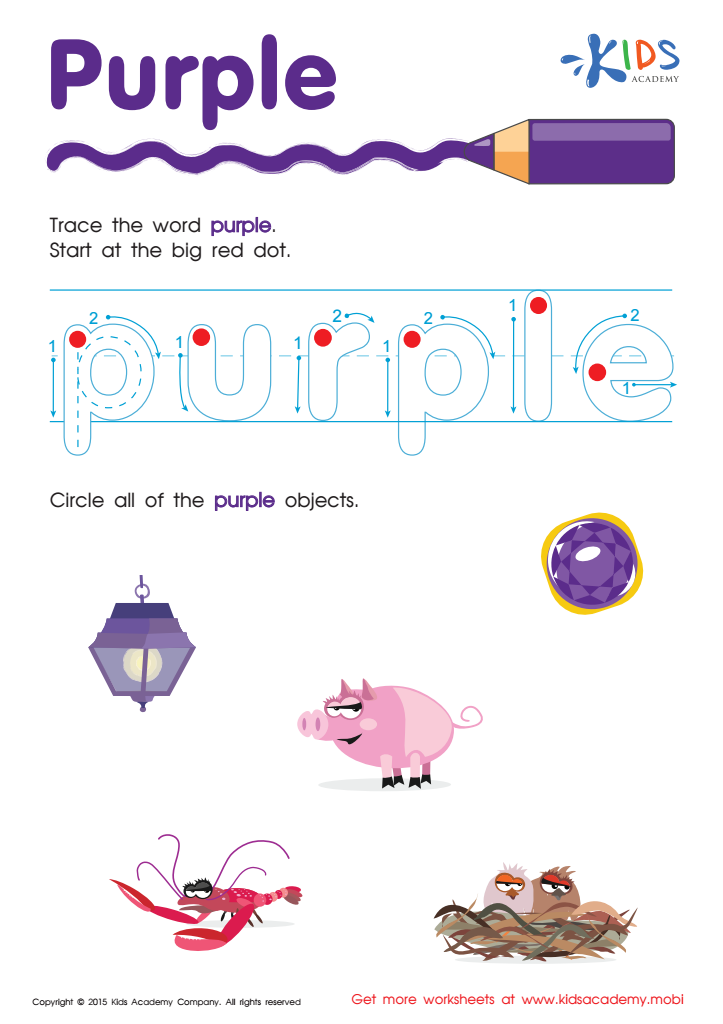
Purple Tracing Color Words Worksheet
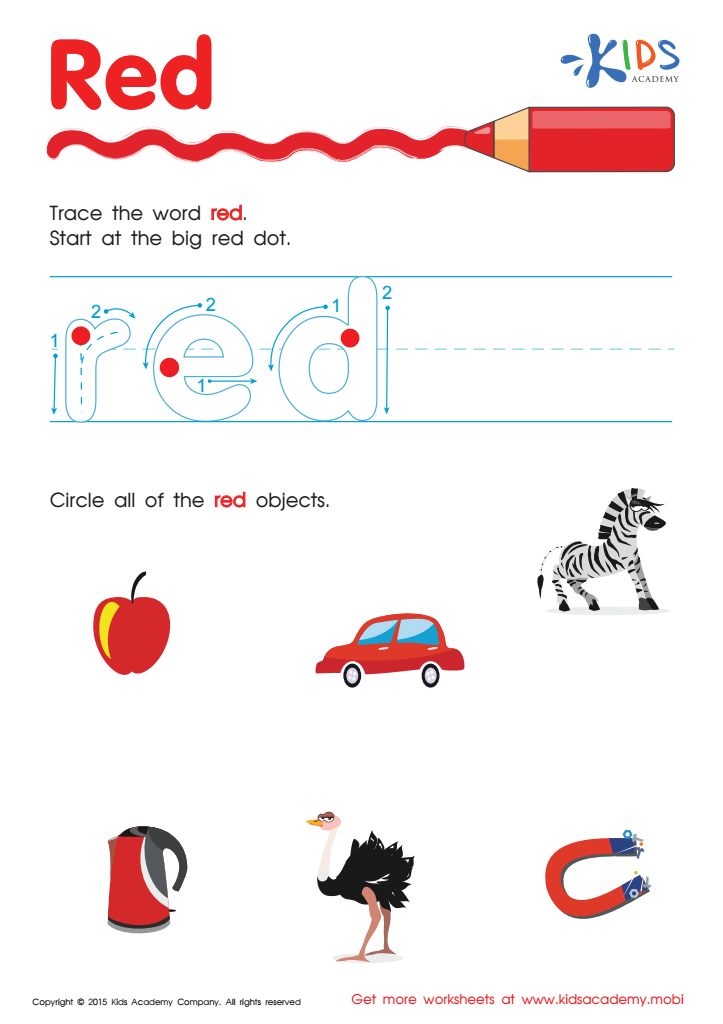
Red Tracing Color Words Printable
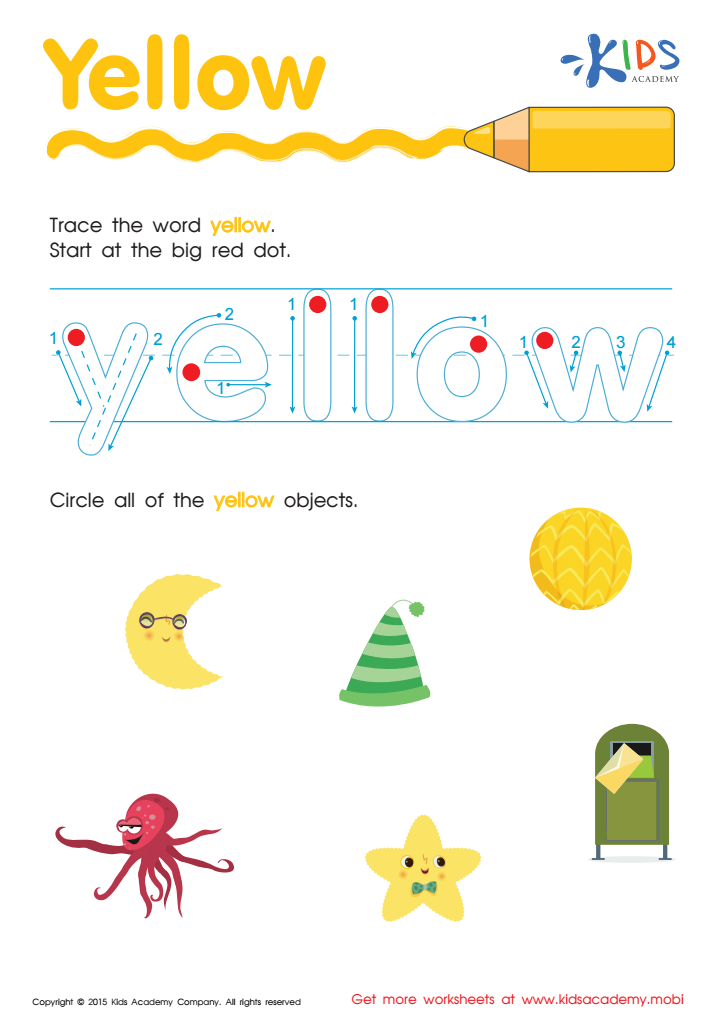
Yellow Tracing Color Words Worksheet



Parents and teachers should pay attention to normal color words for children aged 4-7 because this level of vocabulary is critical for cognitive and social development. Understanding color words lays the foundation for effective communication, enabling children to express themselves clearly and interact meaningfully with peers. Mastery of normal color words enhances language skills, allowing beginners to describe objects, emotions, and experiences more vividly.
Additionally, color vocabulary is closely tied to categorization, which is essential for logical thinking. Recognizing and naming colors helps children classify and sort items, indicating their early understanding of relationships and the ability to organize information. This skill is vital for problem-solving in math and science as well.
In creative contexts such as art and play, knowledge of color terms facilitates imaginative expression and self-confidence. Moreover, engaging with color words during reading activities can improve literacy skills and foster a love for language and learning.
Furthermore, incorporating color words in everyday conversations allows parents and teachers to reinforce learning through play and routine. Ultimately, by emphasizing normal color words, caregivers equip children with essential tools for communication, creativity, and social interaction, thereby nurturing well-rounded development.








