Normal Geography Worksheets for Ages 4-7 - Page 2
43 filtered results
-
From - To
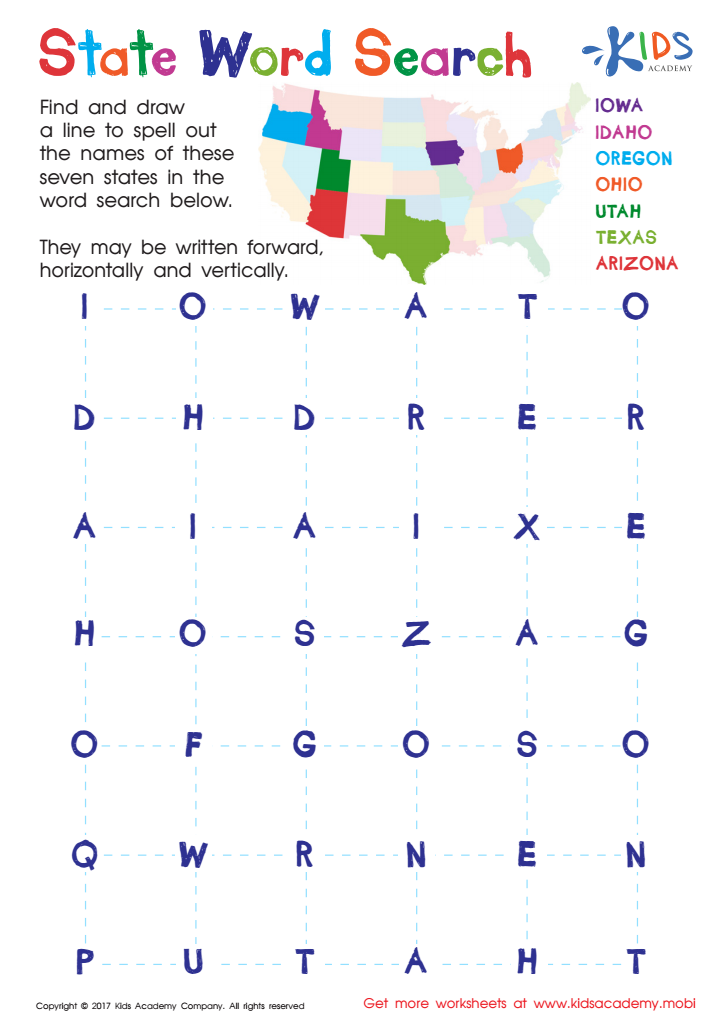
State Word Search Worksheet
 Assign to My Students
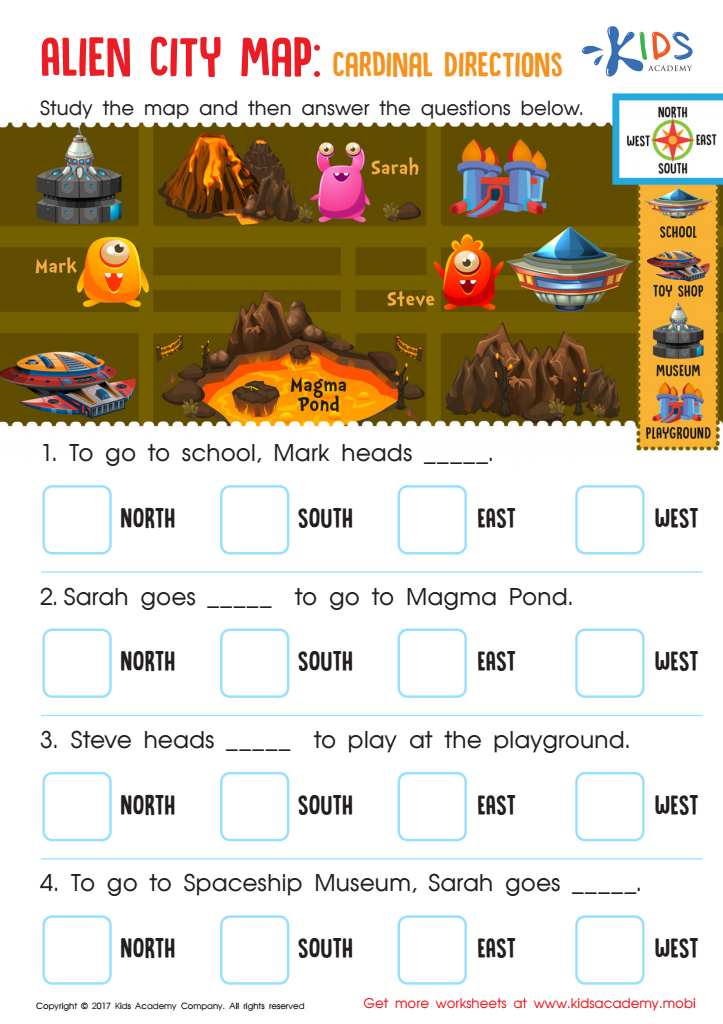
Alien City Map: Cardinal Directions Worksheet
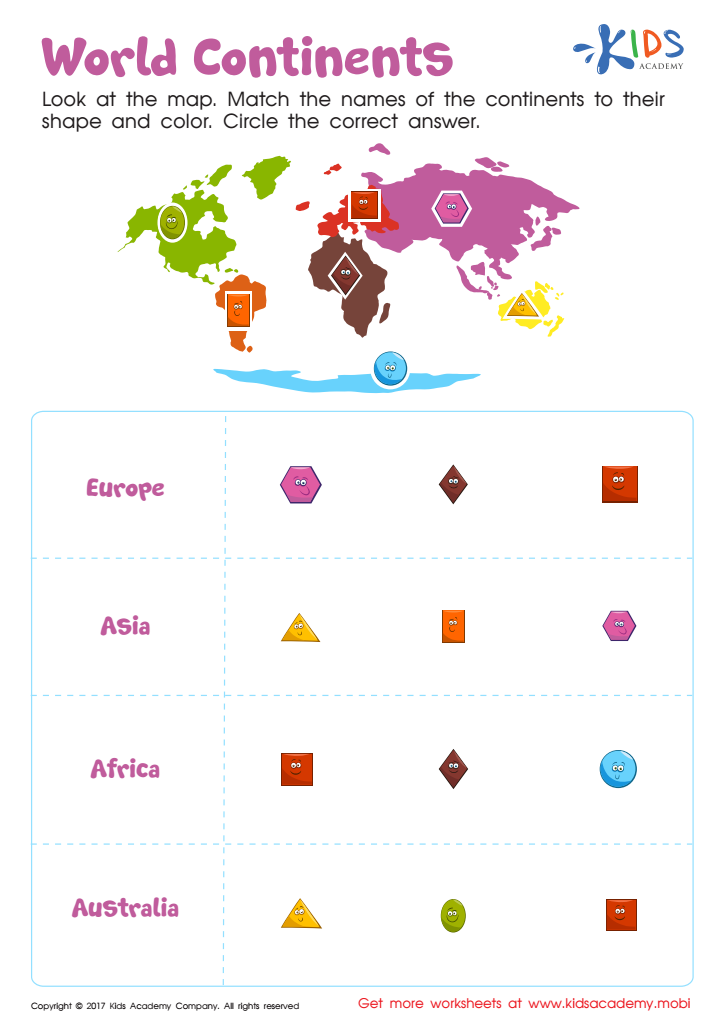
World Continents Worksheet
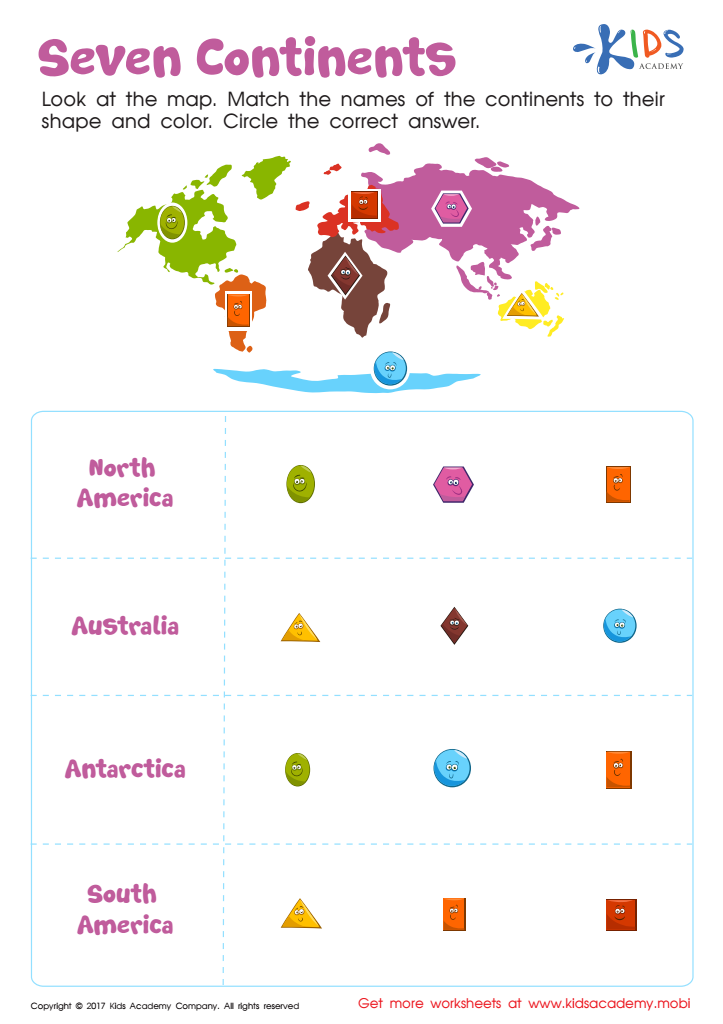
Seven Continents Worksheet
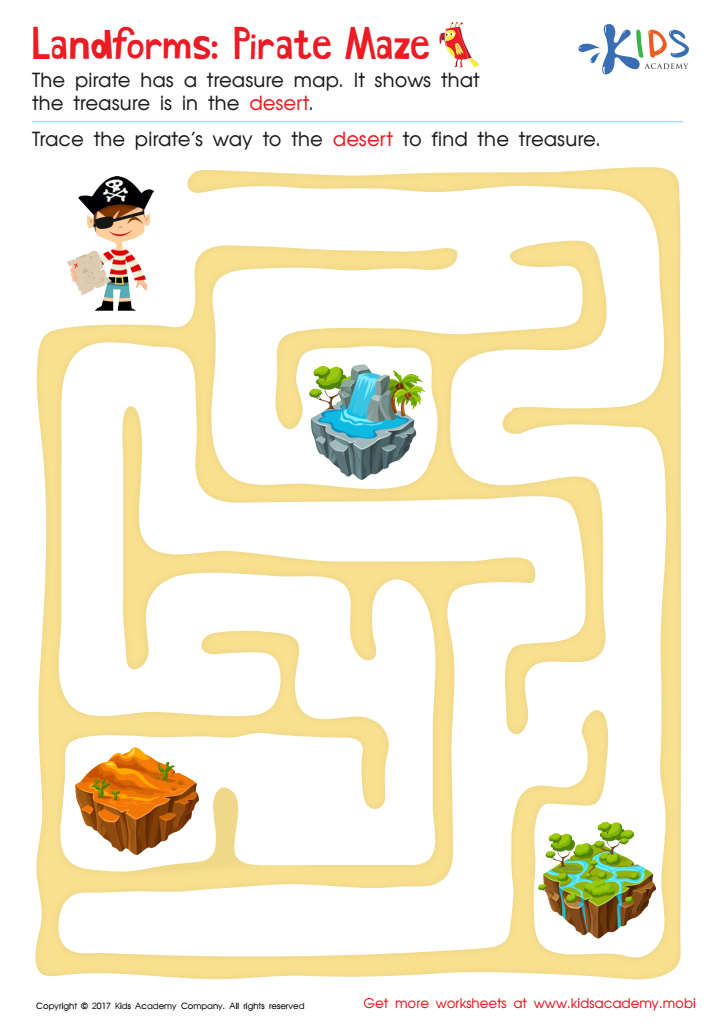
Landforms: Pirate Maze Printable
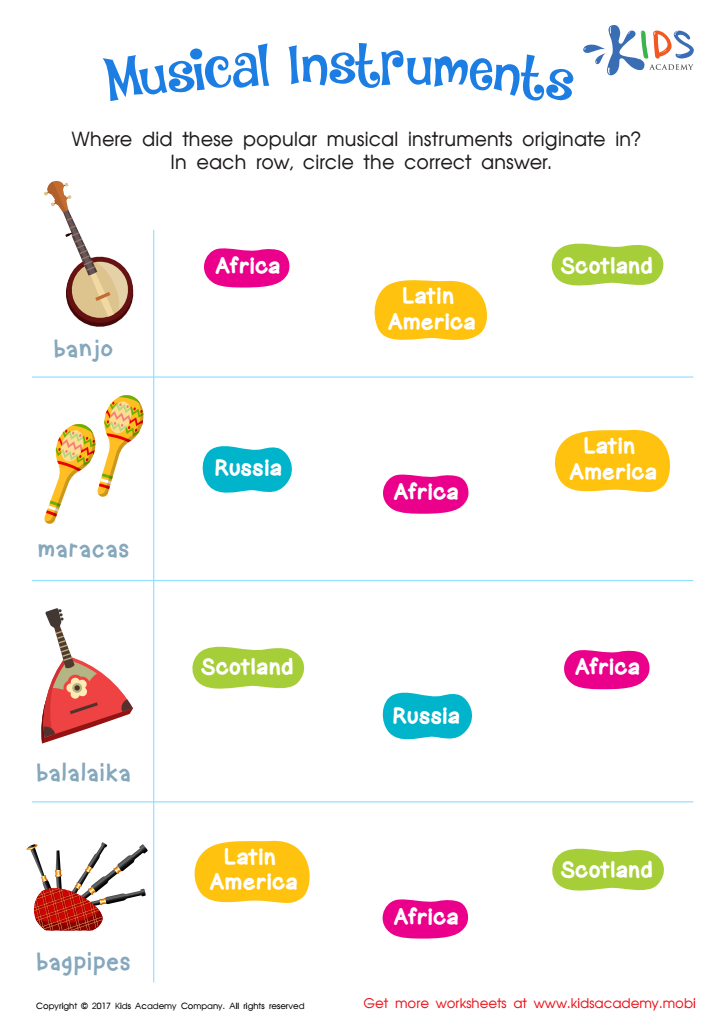
Musical Instruments Printable
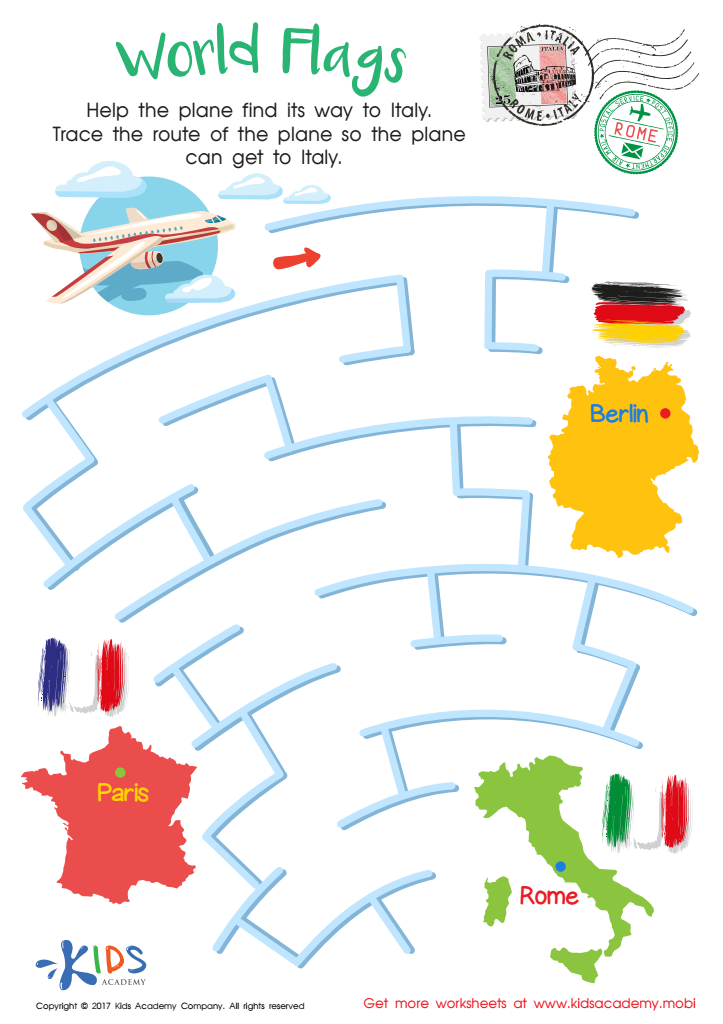
World Flags Maze Worksheet
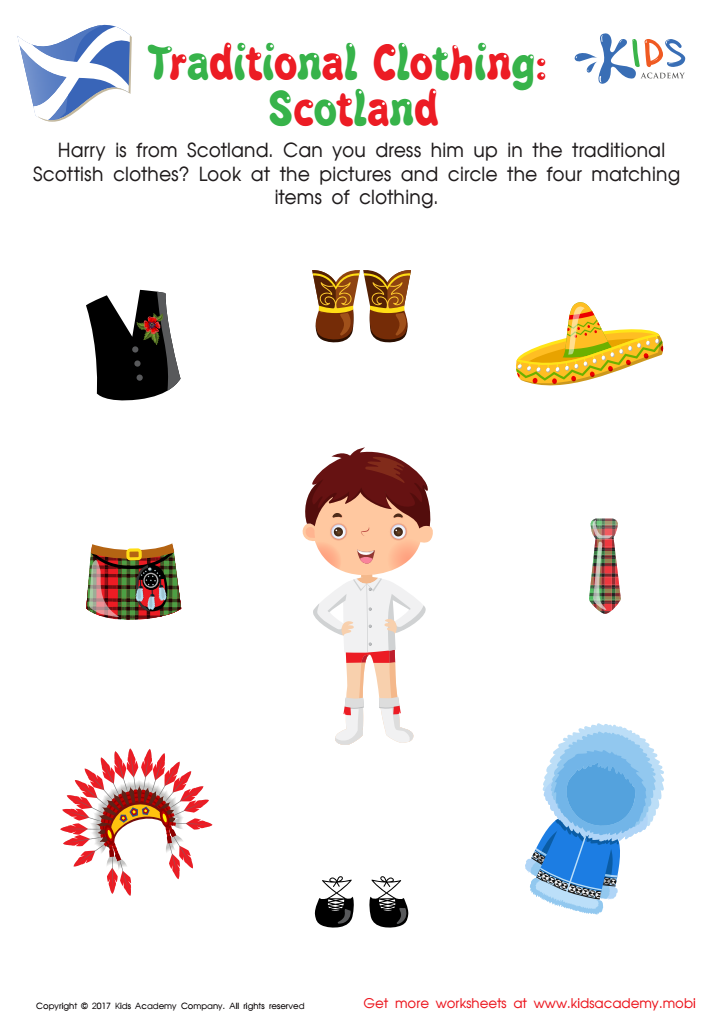
Traditional Clothing in Scotland Worksheet
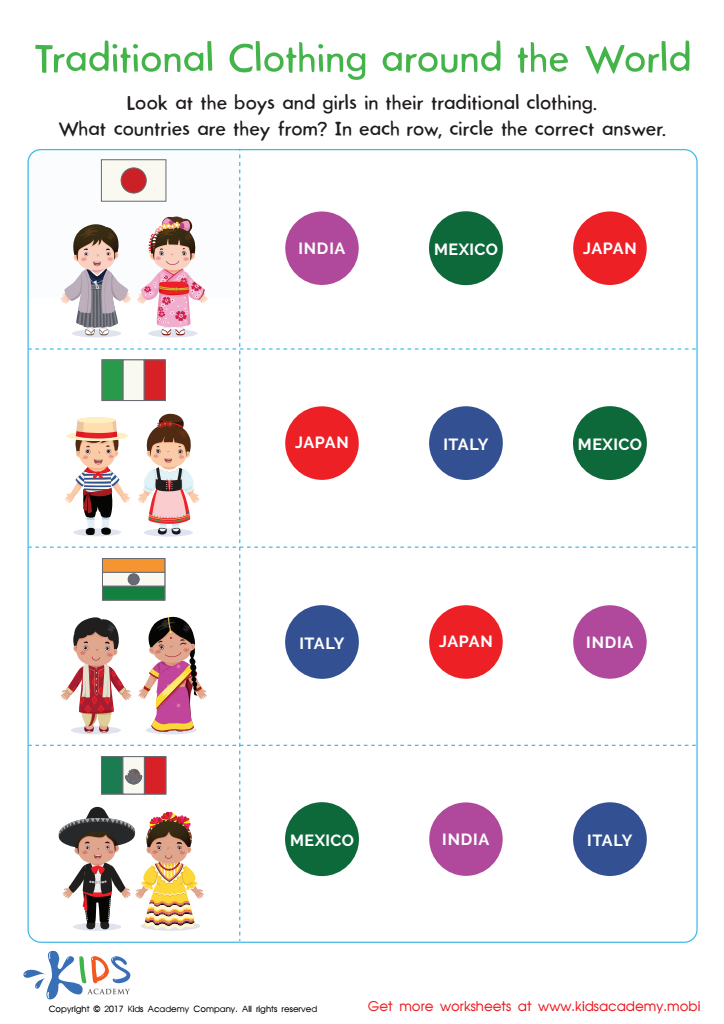
Traditional Clothing Worksheet
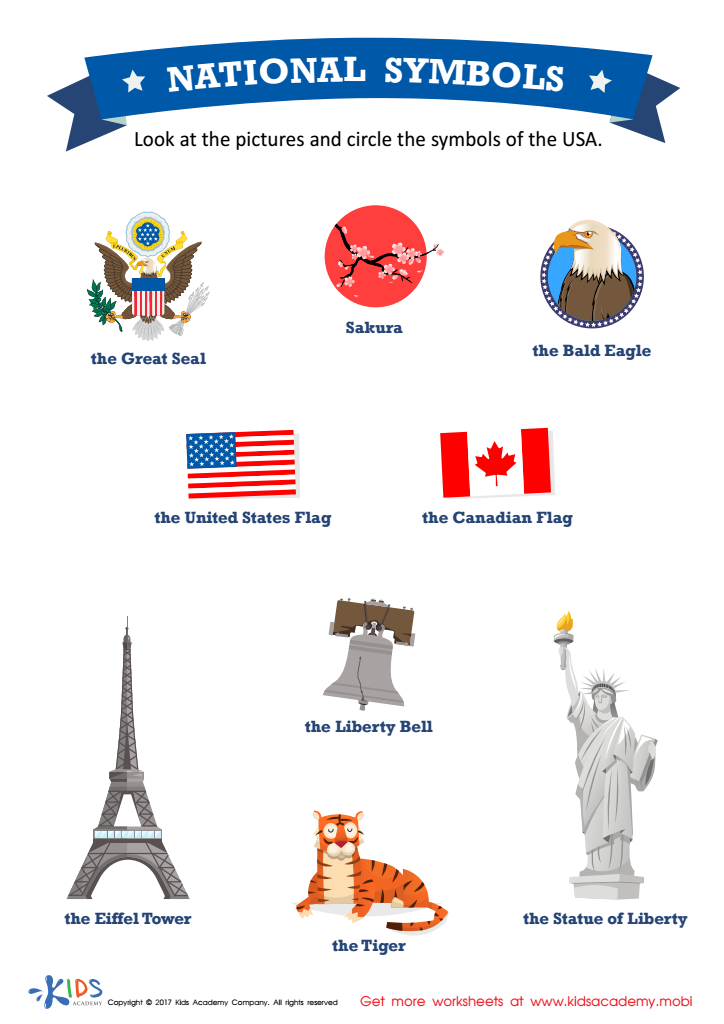
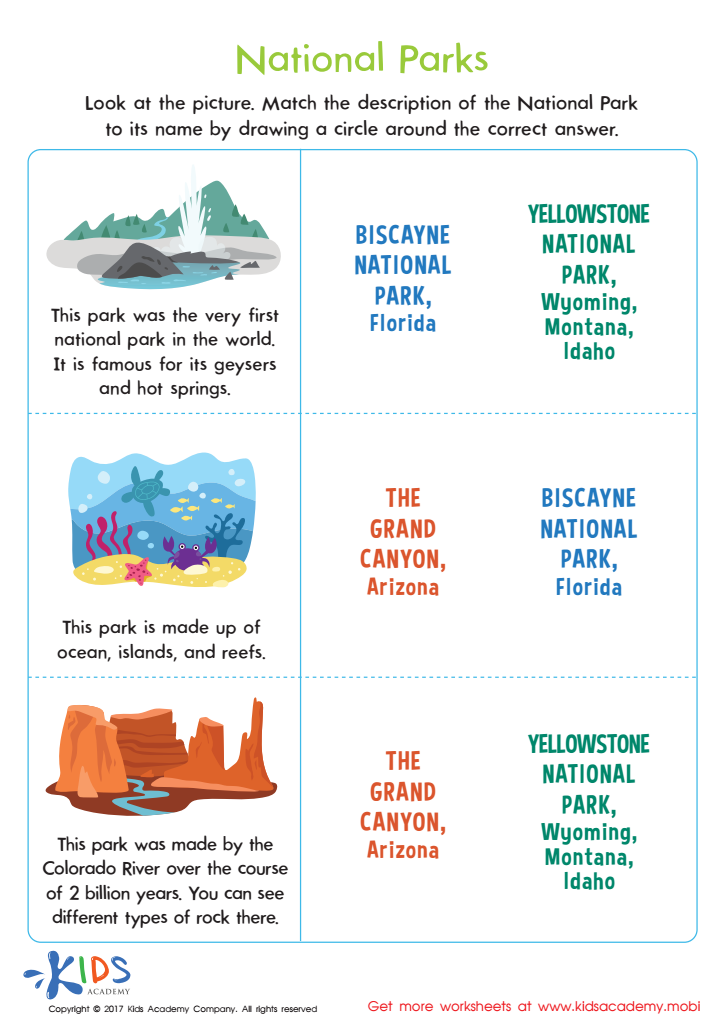
National Parks Printable
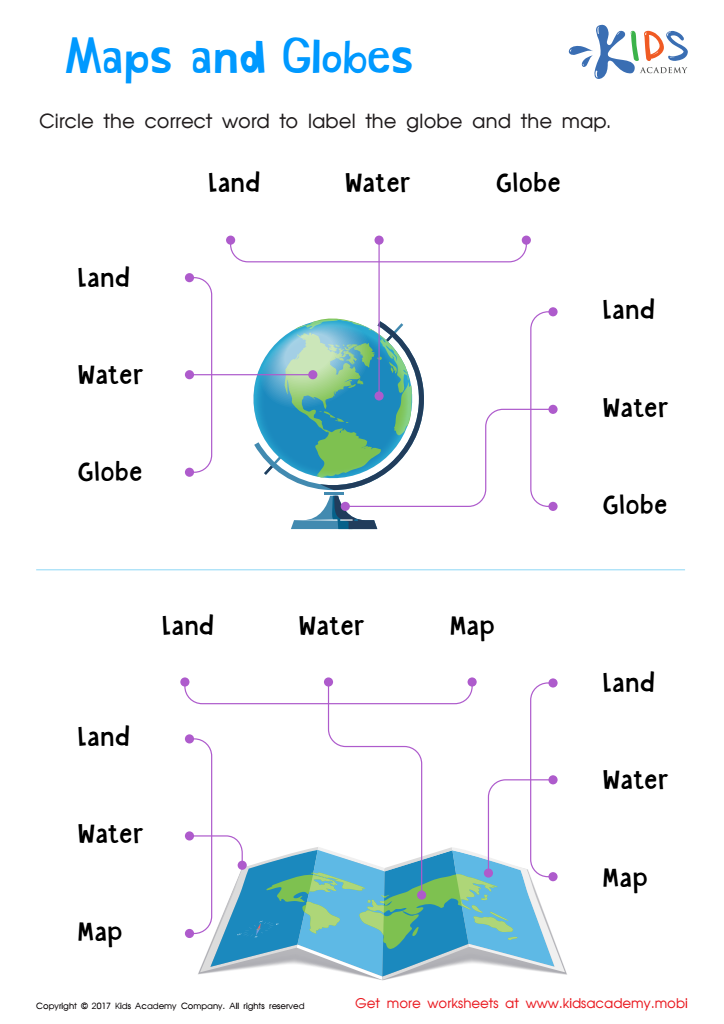
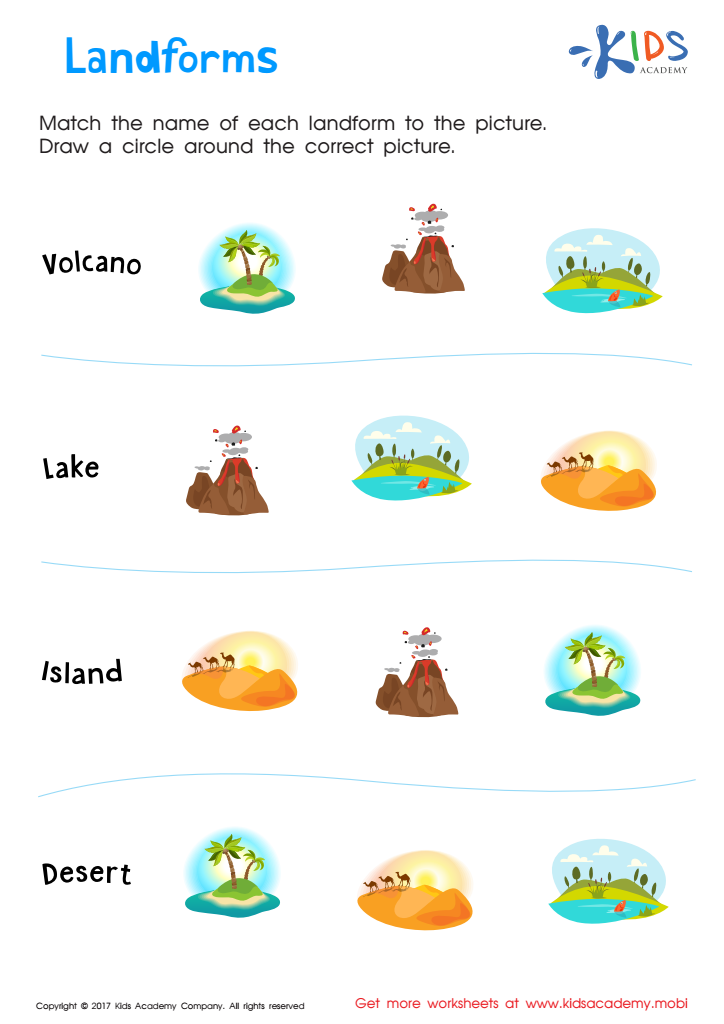
Landforms Printable
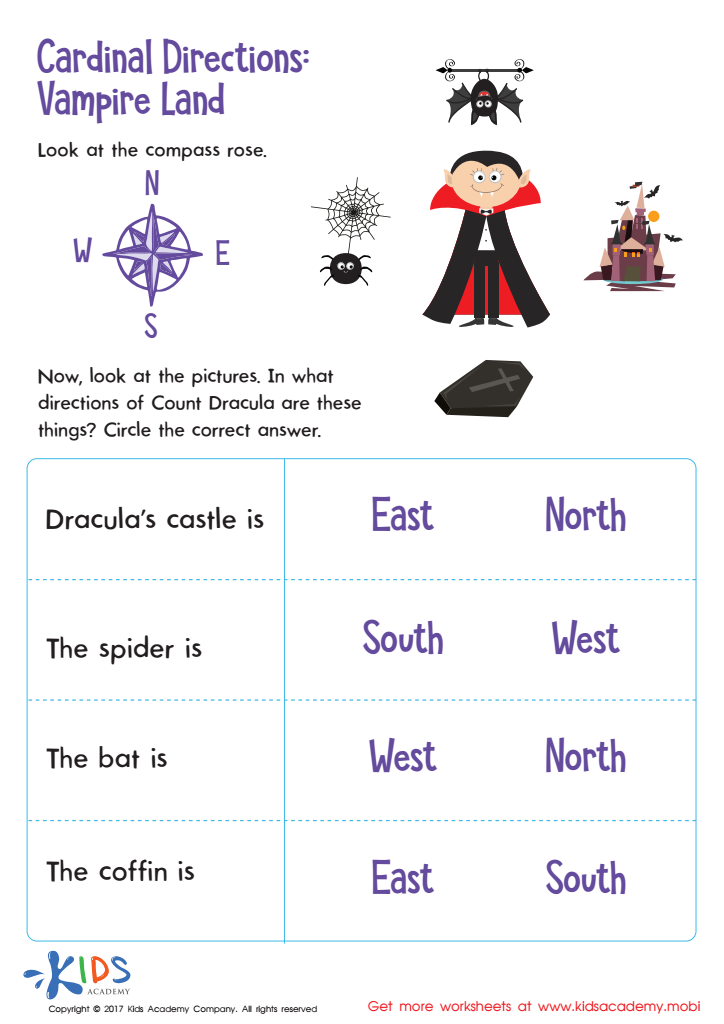
Cardinal Directions Printable
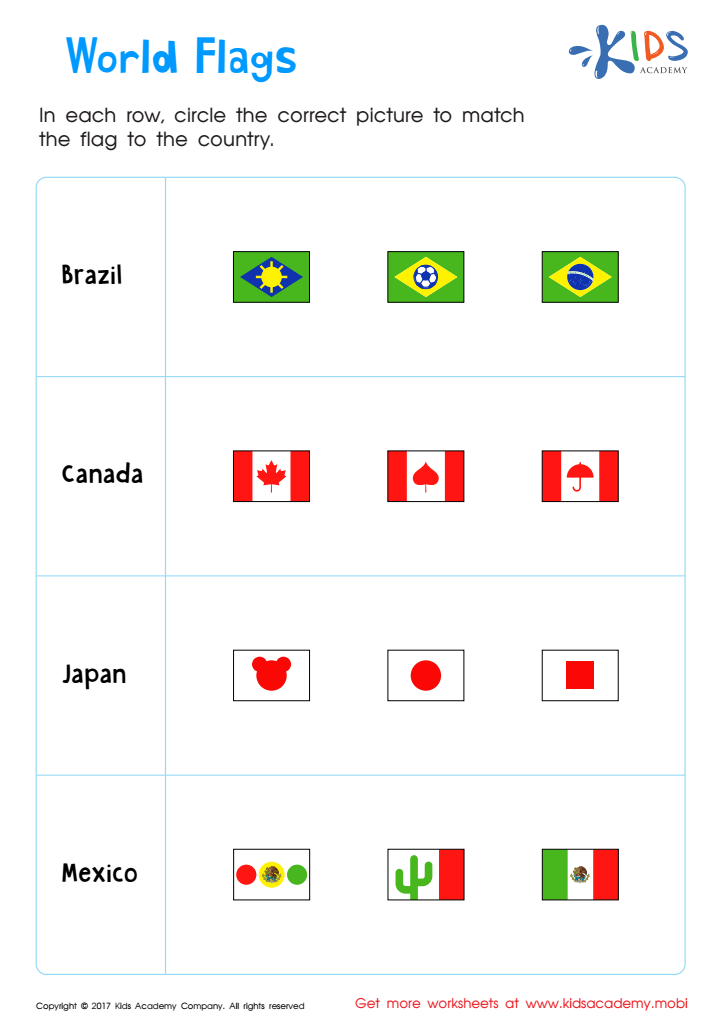
World Flags Printable
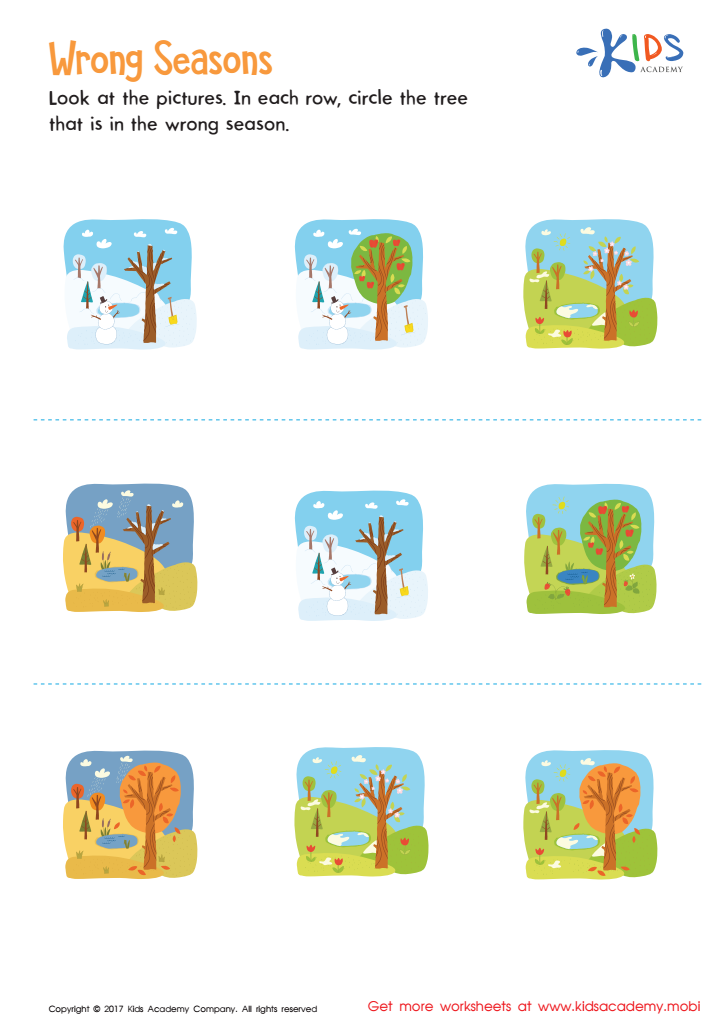
Wrong Seasons Worksheet
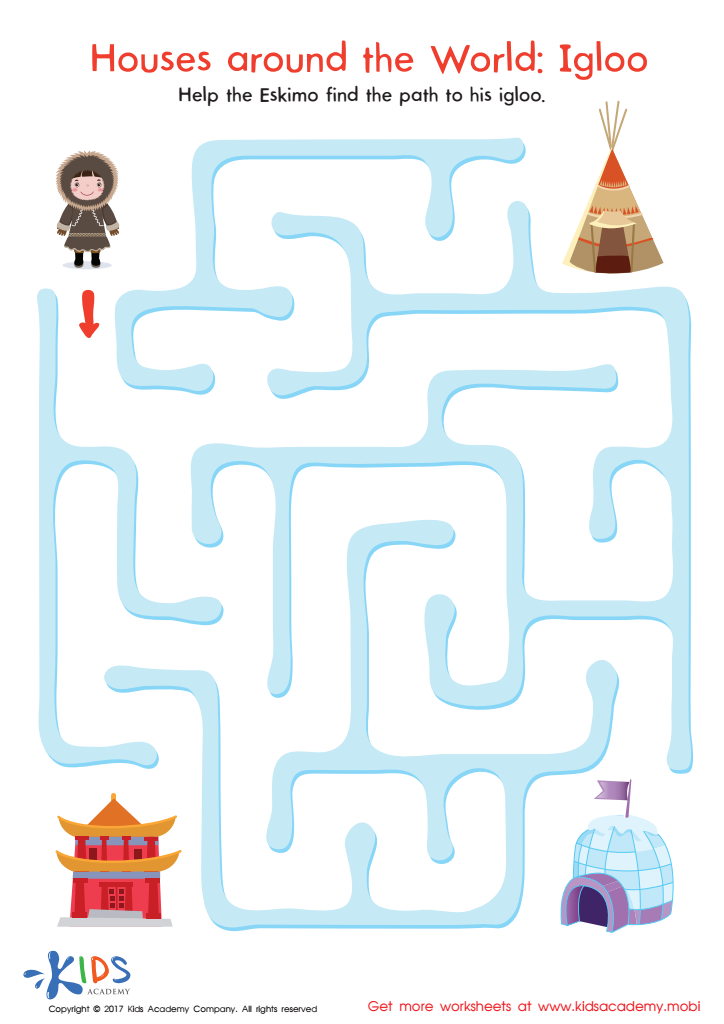
Houses Around the World: Igloo Printable
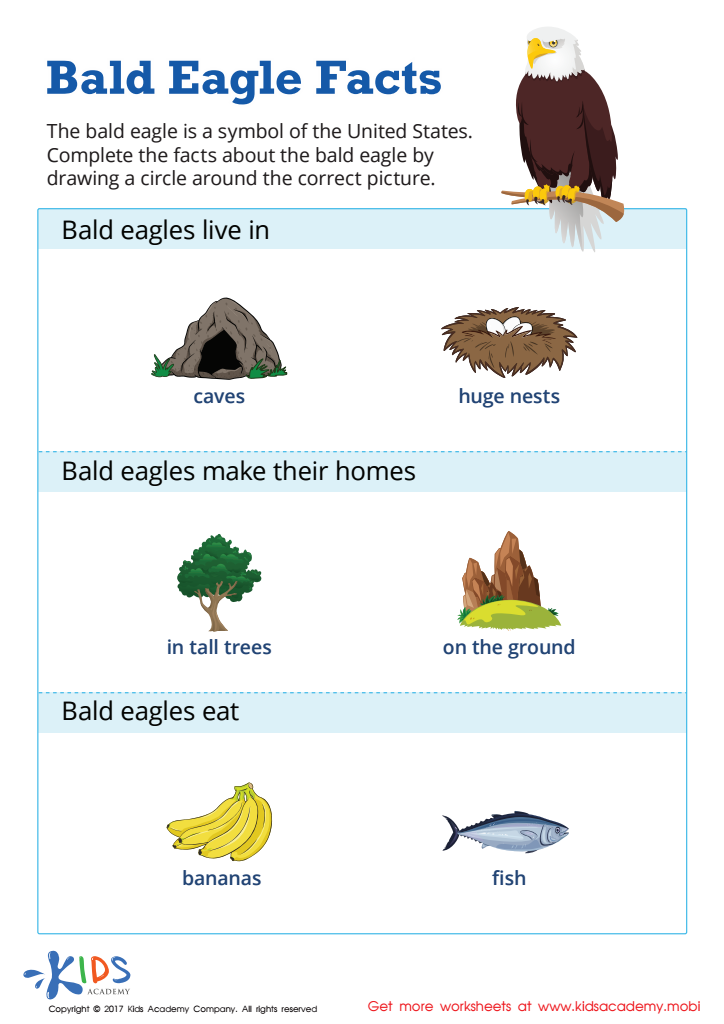
Bald Eagle Facts Worksheet
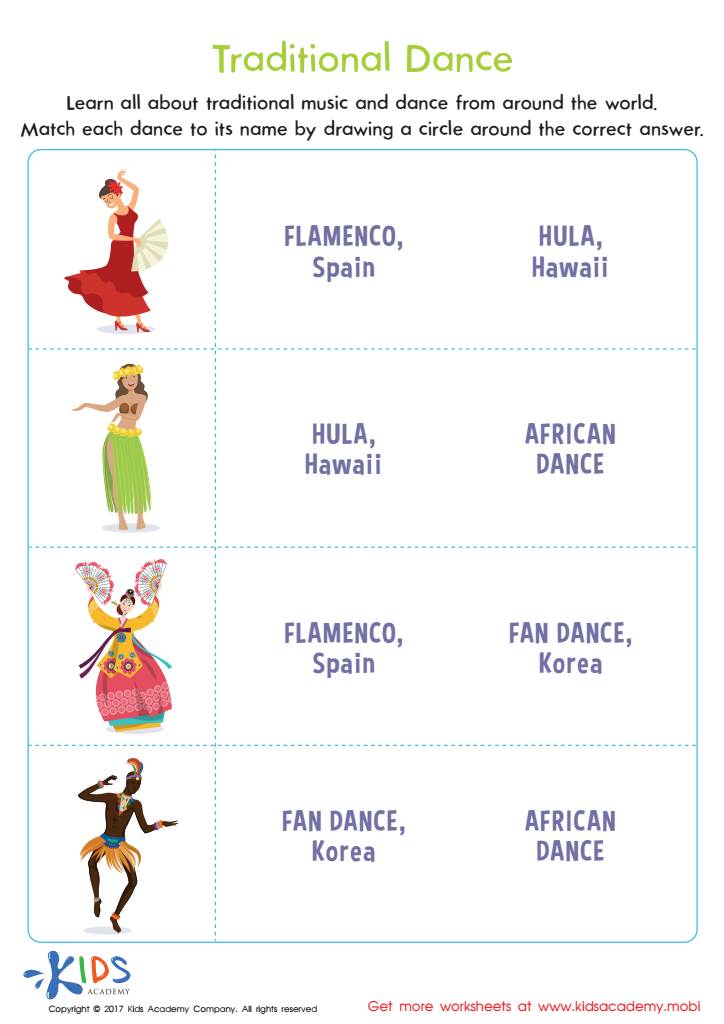
Traditional Dance Printable





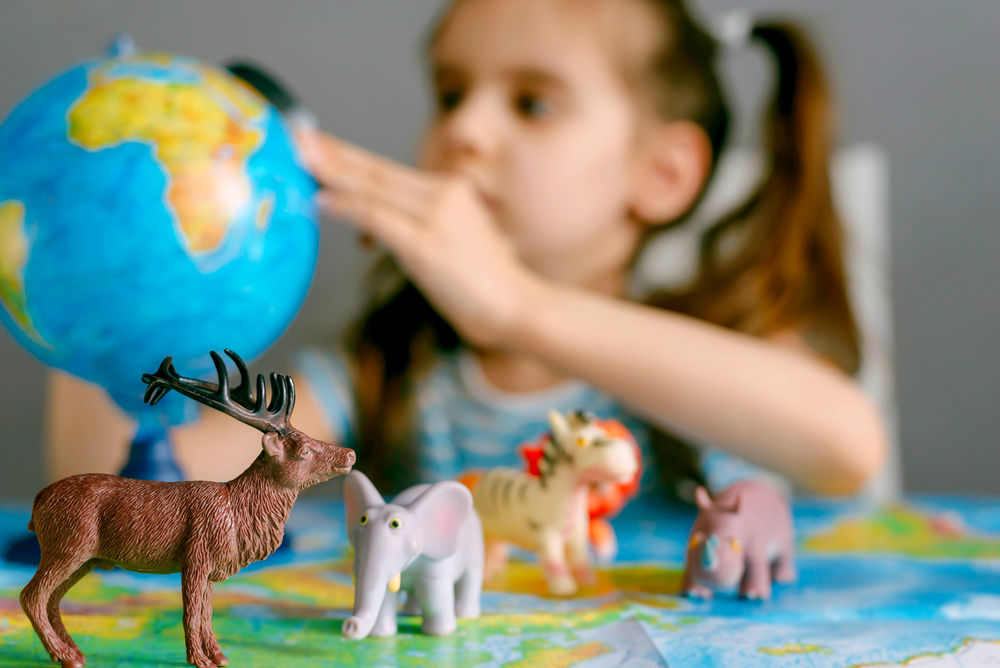

Normal Geography for Ages 4-7 is crucial for early development as it lays the foundation for children's understanding of the world around them. At this age, children are naturally curious about their environment, and introducing them to basic geographical concepts helps satisfy that curiosity. Recognizing landforms, understanding directions, and identifying where they fit into the larger world fosters a sense of belonging and exploration.
Parents and teachers should prioritize teaching geography because it enhances critical thinking skills. Children learn to observe, compare, and analyze different places and cultures, which nurtures their cognitive development. Furthermore, geography education promotes social awareness by introducing concepts of diversity and global citizenship, teaching children to appreciate different cultures and perspectives from an early age.
Incorporating geographical learning through interactive activities—such as map reading, globe exploration, and outdoor experiences—makes learning engaging and fun. Such hands-on experiences not only boost their knowledge but also stimulate creativity and imagination. Ultimately, normal geography nurtures well-rounded, inquisitive individuals who are better prepared to navigate and contribute positively to a diverse world. By caring about this early educational stage, parents and teachers play a vital role in shaping informed and compassionate future citizens.








