Normal Letter Recognition Worksheets for Ages 4-8 - Page 3
67 filtered results
-
From - To
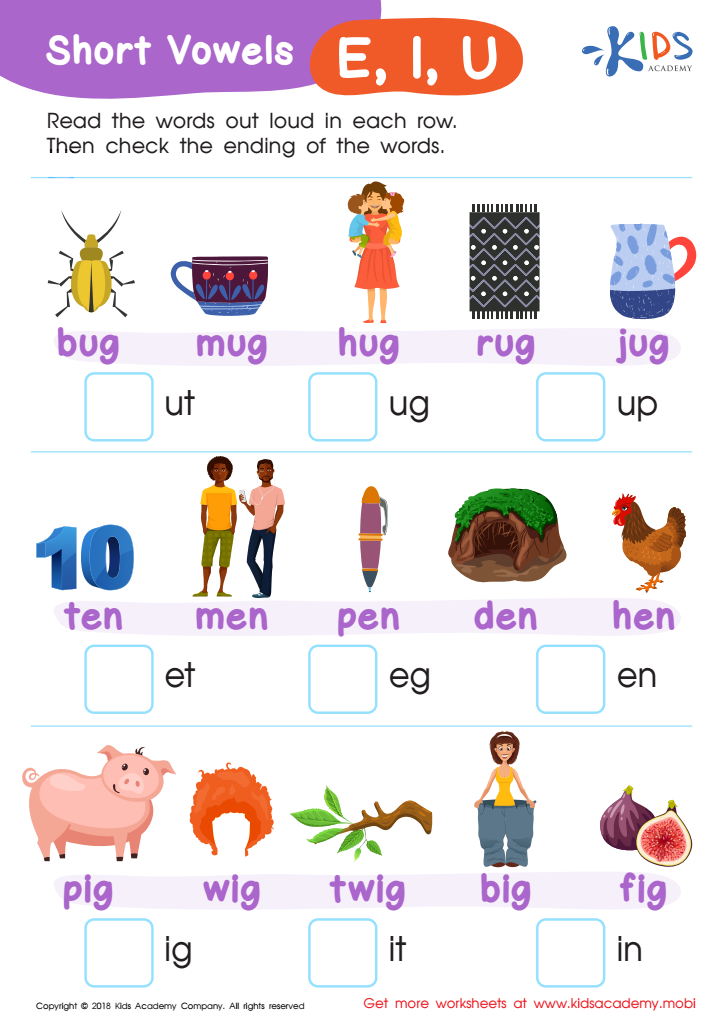
Short Vowels /e/, /i/, and /u/ Worksheet
 Assign to My Students
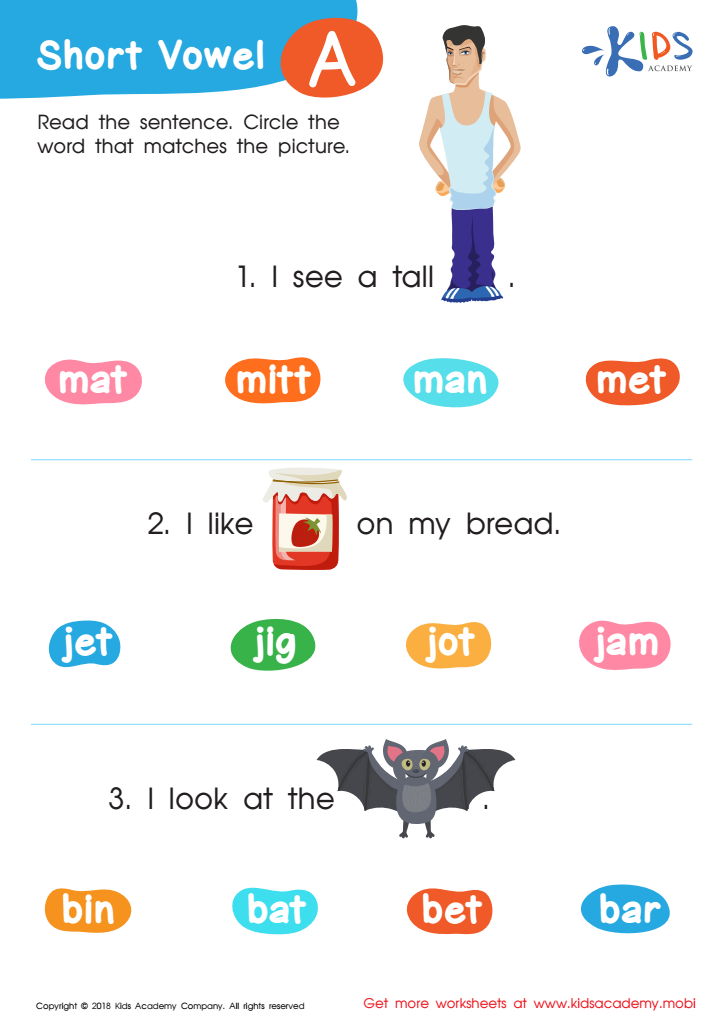
Short Vowel /a/ Worksheet
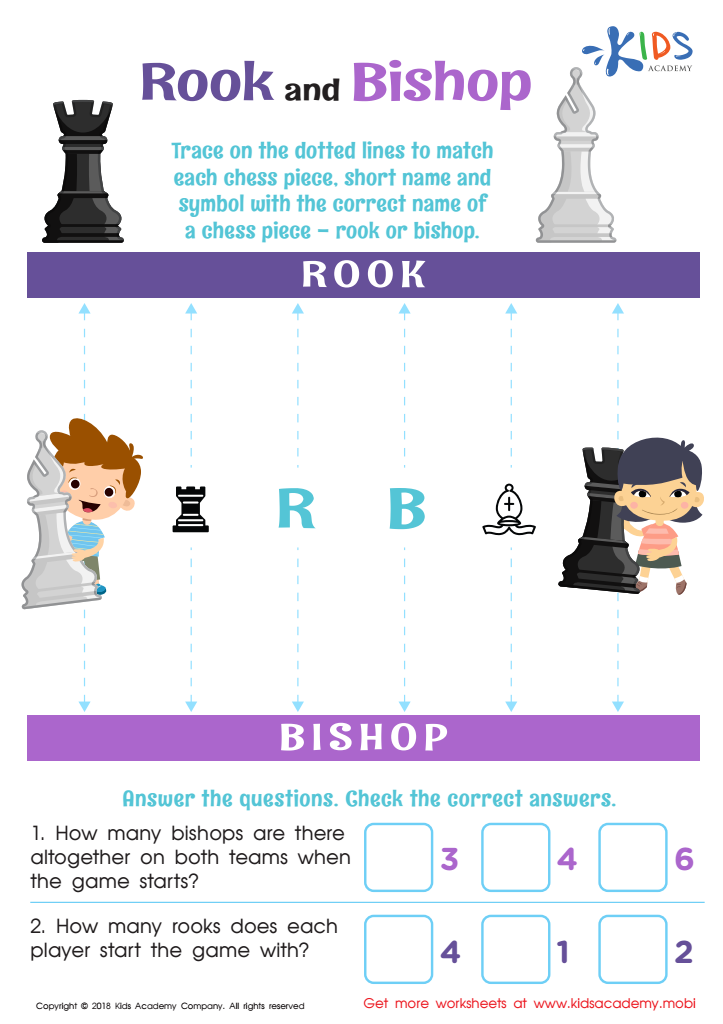
Rook and Bishop Worksheet

Letter E Tracing Page
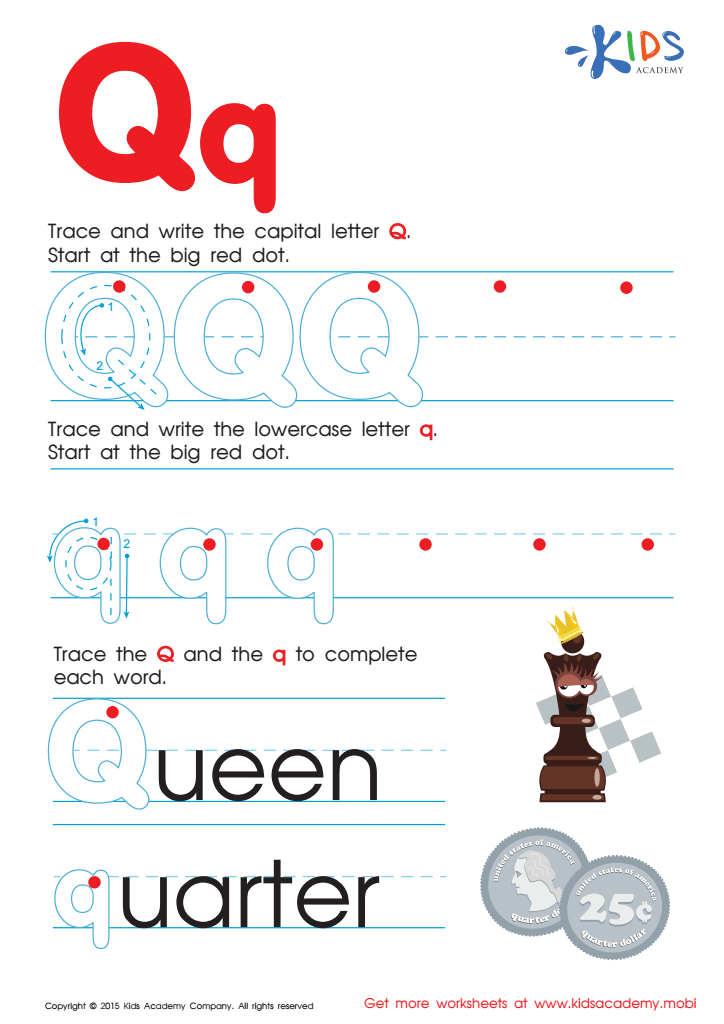
Letter Q Tracing Page
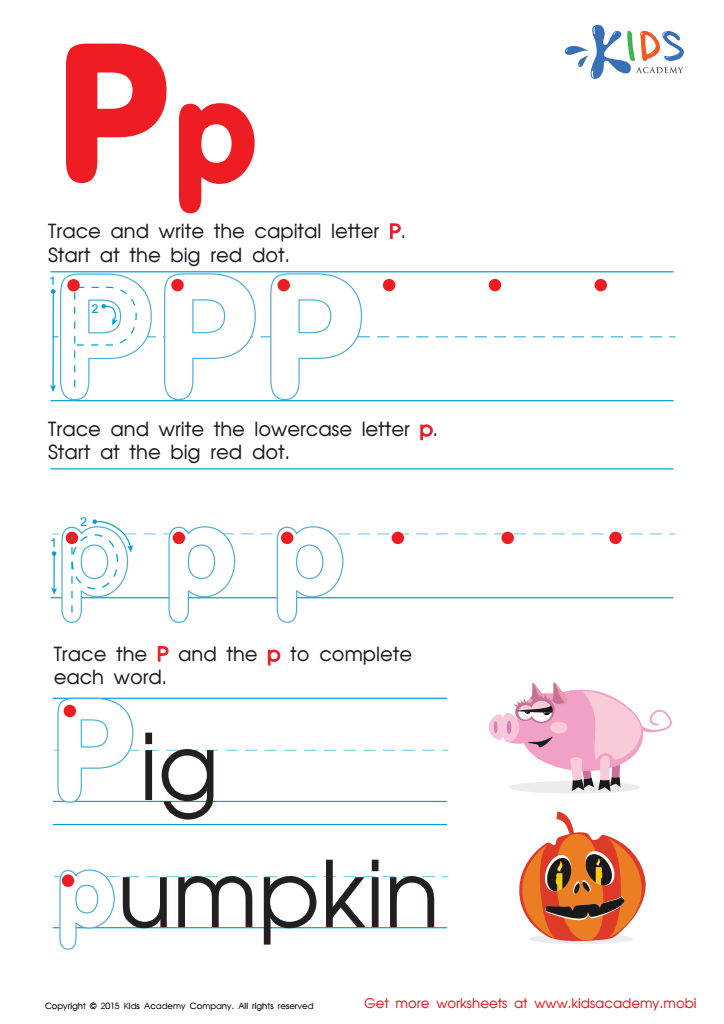
Letter P Tracing Page
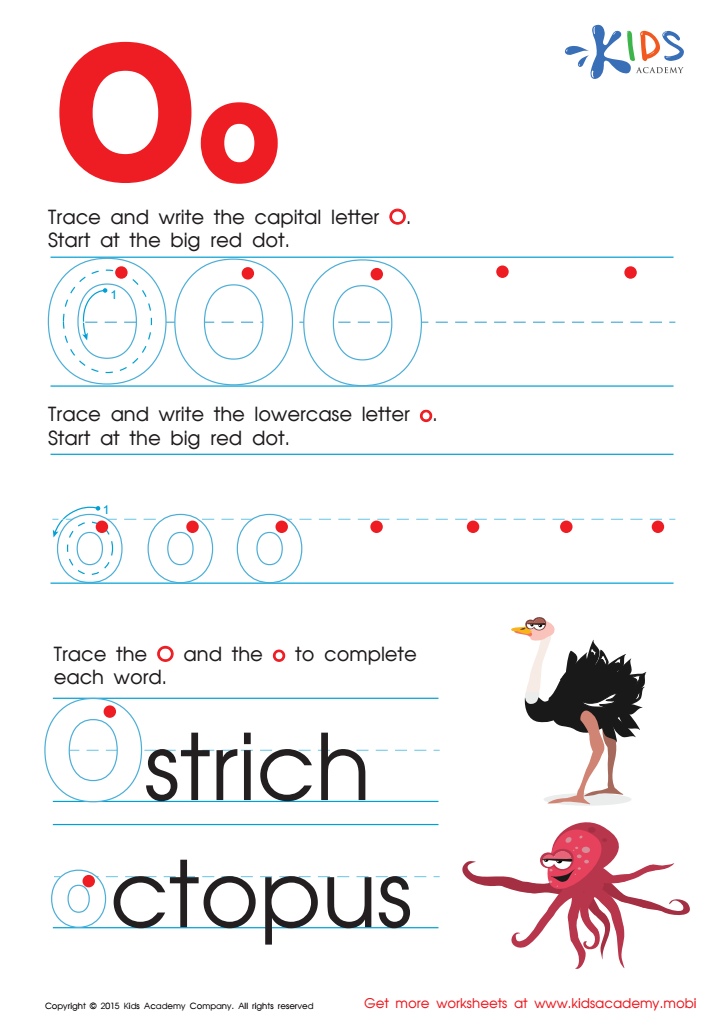
Letter O Tracing Page
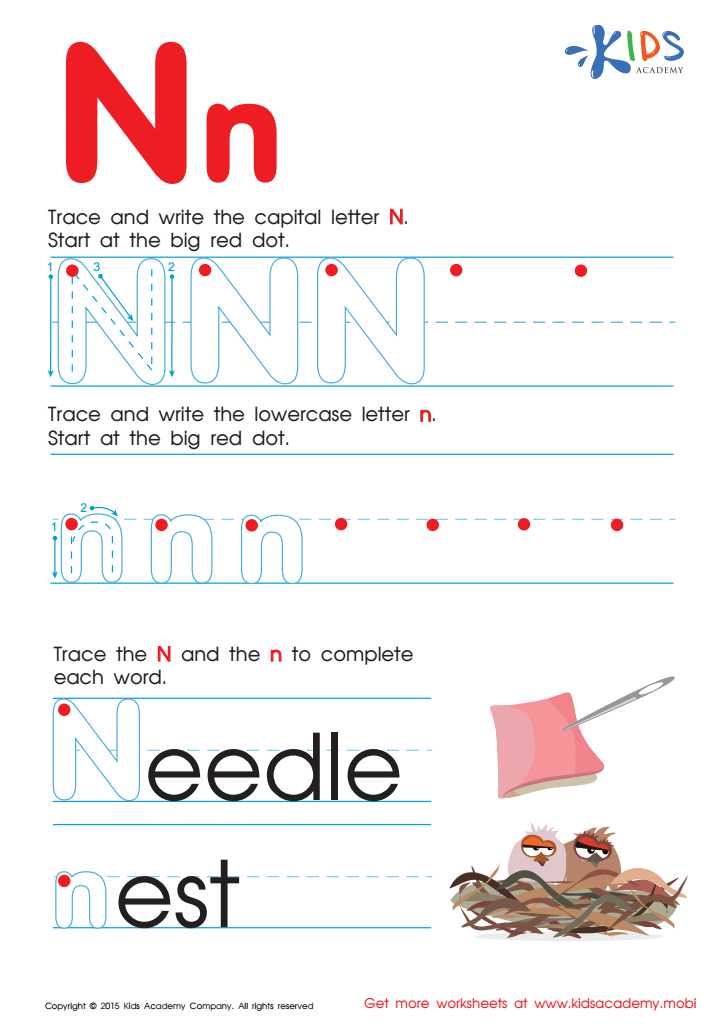
Letter N Tracing Page
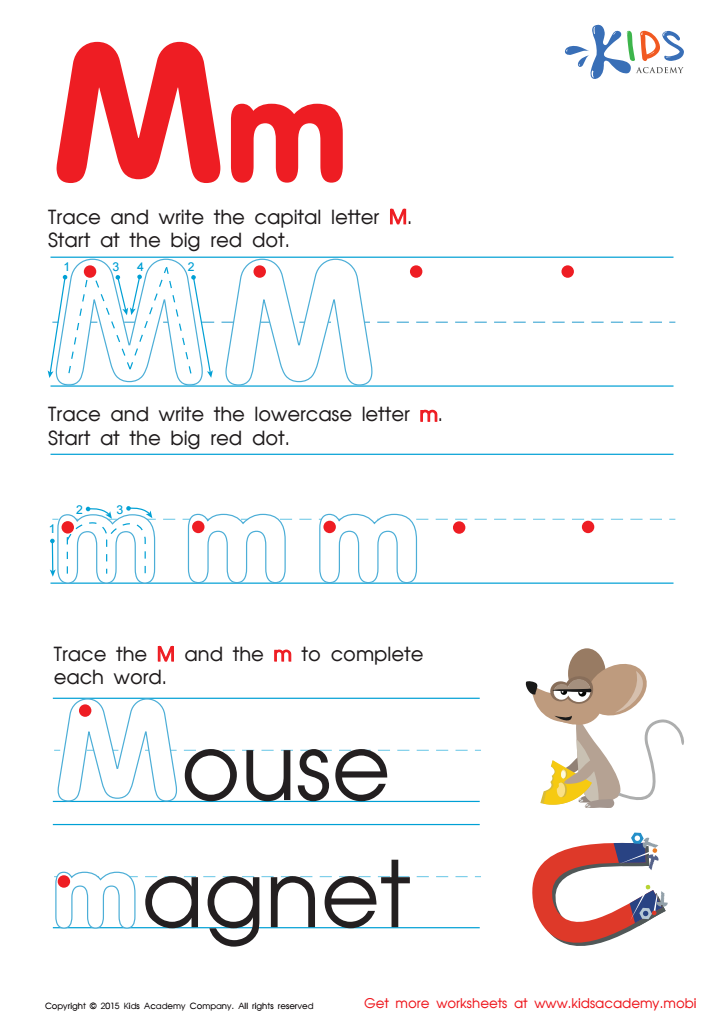
Letter M Tracing Page
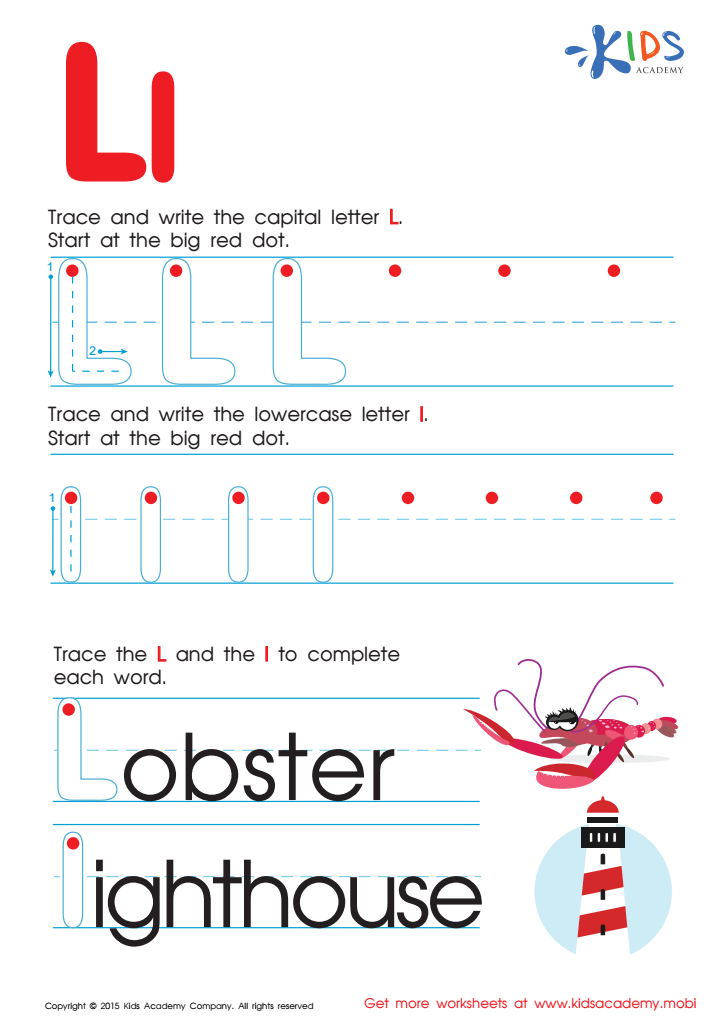
Letter L Tracing Page
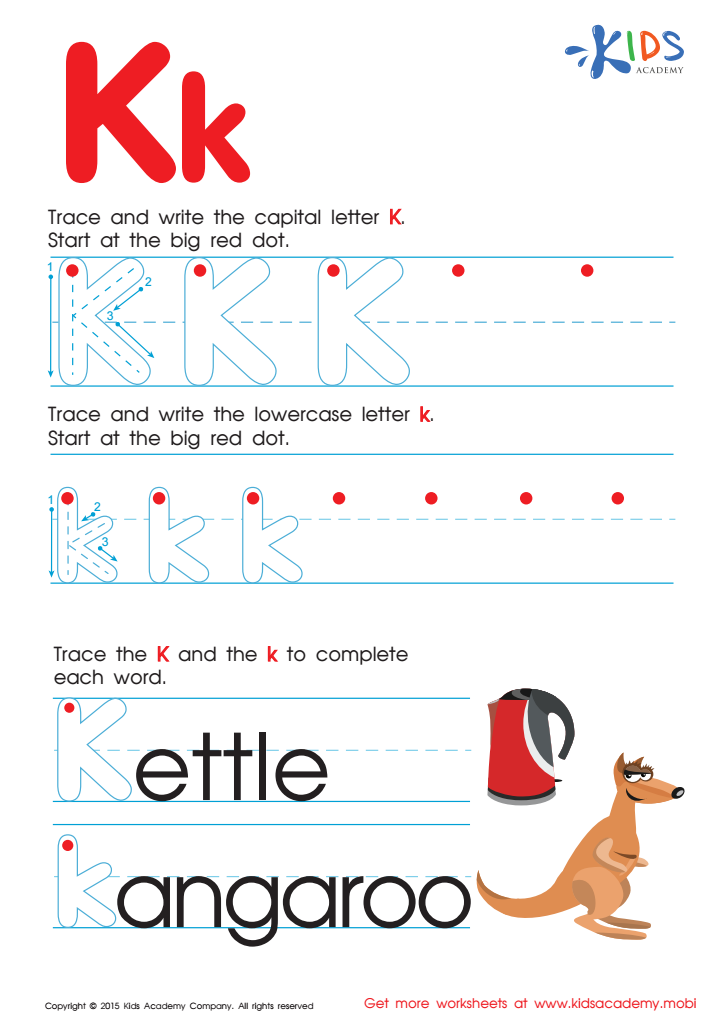
Letter K Tracing Page
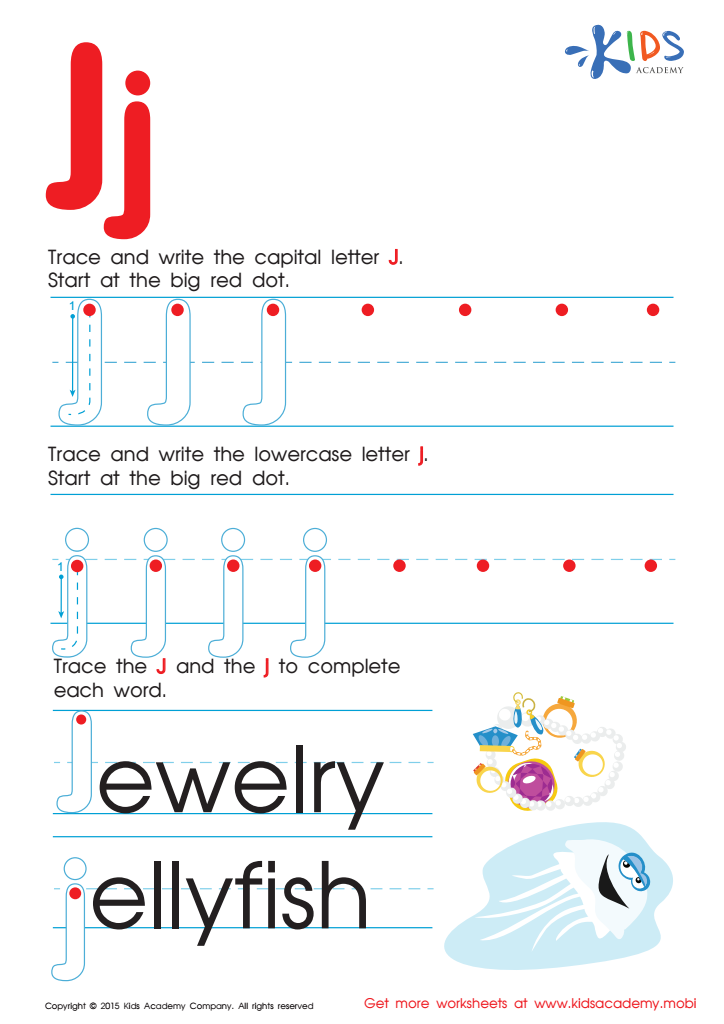
Letter J Tracing Page
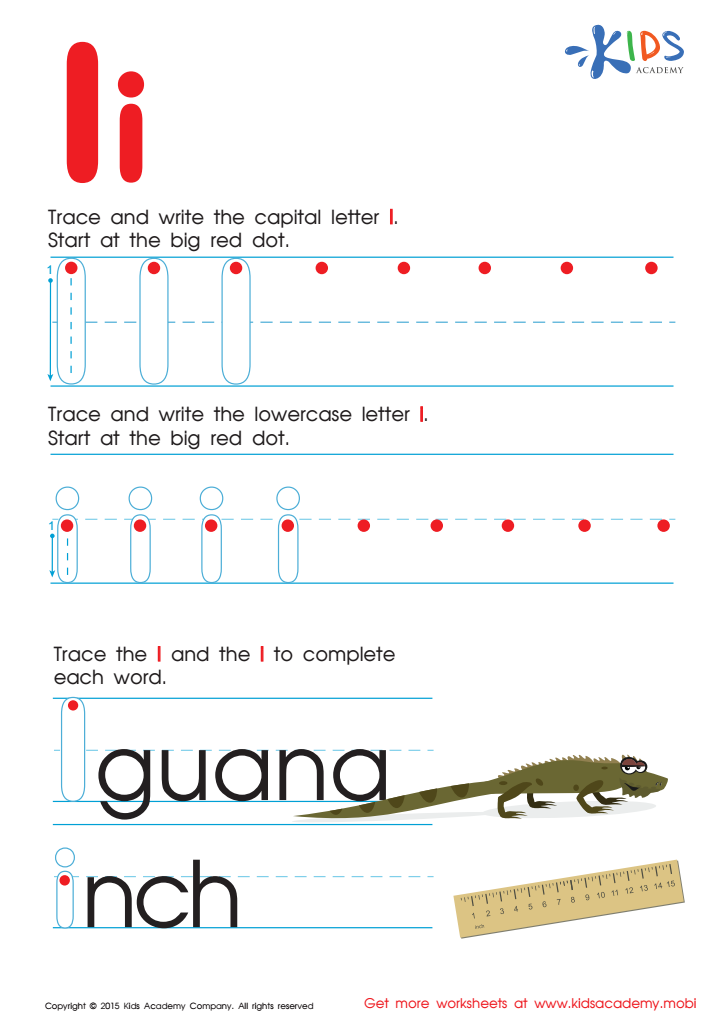
Letter I Tracing Page

Letter H Tracing Page
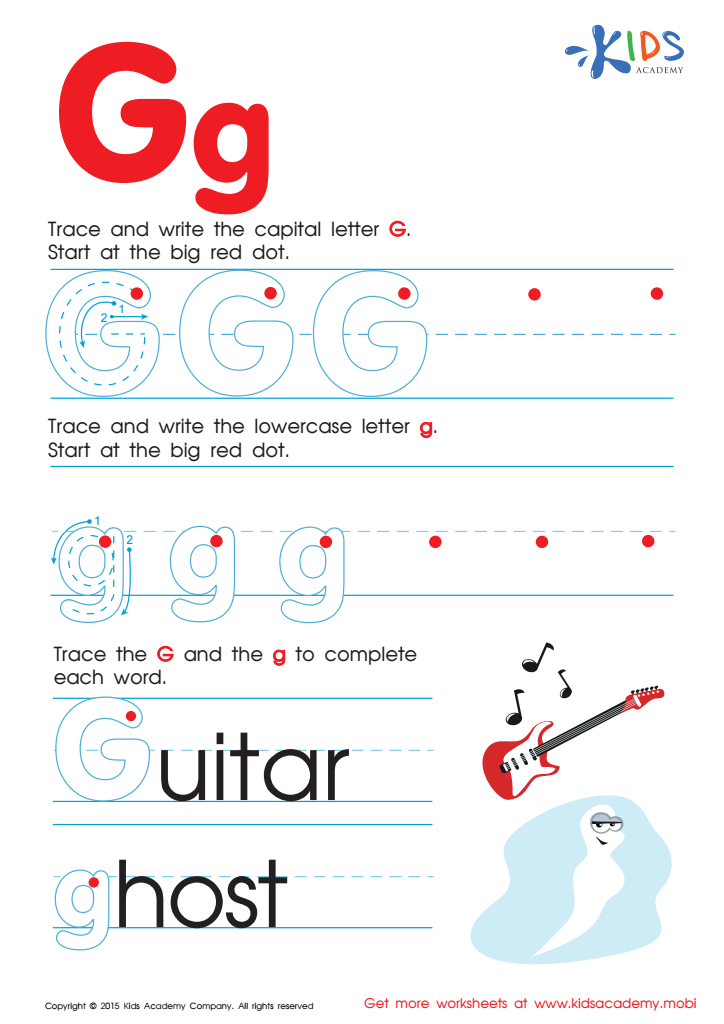
Letter G Tracing Page

Letter B Tracing Page

Letter C Tracing Page

Letter D Tracing Page
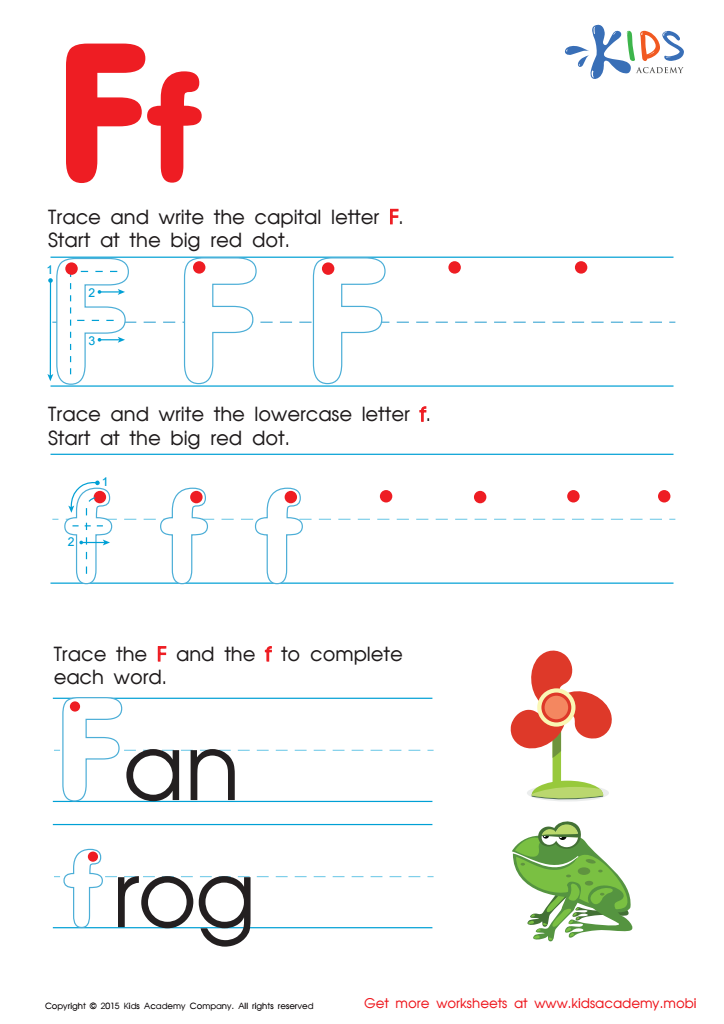
Letter F Tracing Page








Normal letter recognition is a crucial foundational skill for children aged 4 to 8, as it directly influences their literacy development and overall academic success. At this age, children are rapidly developing their cognitive and linguistic abilities. Recognizing letters helps them understand the connection between printed text and spoken language, essential for reading and writing.
When parents and teachers prioritize letter recognition, they foster children's confidence and motivation in learning. Mastery of this skill allows young learners to decode words, which is vital for developing reading fluency. Moreover, recognizing letters lays the groundwork for phonemic awareness—the ability to hear, identify, and manipulate sounds—which is critical for spelling and literacy.
Additionally, the social and emotional aspects of learning cannot be overlooked. Successful letter recognition encourages positive self-esteem and enthusiasm for education, making children more likely to engage with books and written materials. When parents and teachers work together to support these skills—through playful activities, games, and everyday interactions—they provide a rich learning environment that nurtures children's curiosity and developmental progress. So, investing time in letter recognition is not just about letters; it's about shaping competent readers and lifelong learners.








