Normal Letter Recognition Worksheets for Ages 5-8 - Page 3
67 filtered results
-
From - To
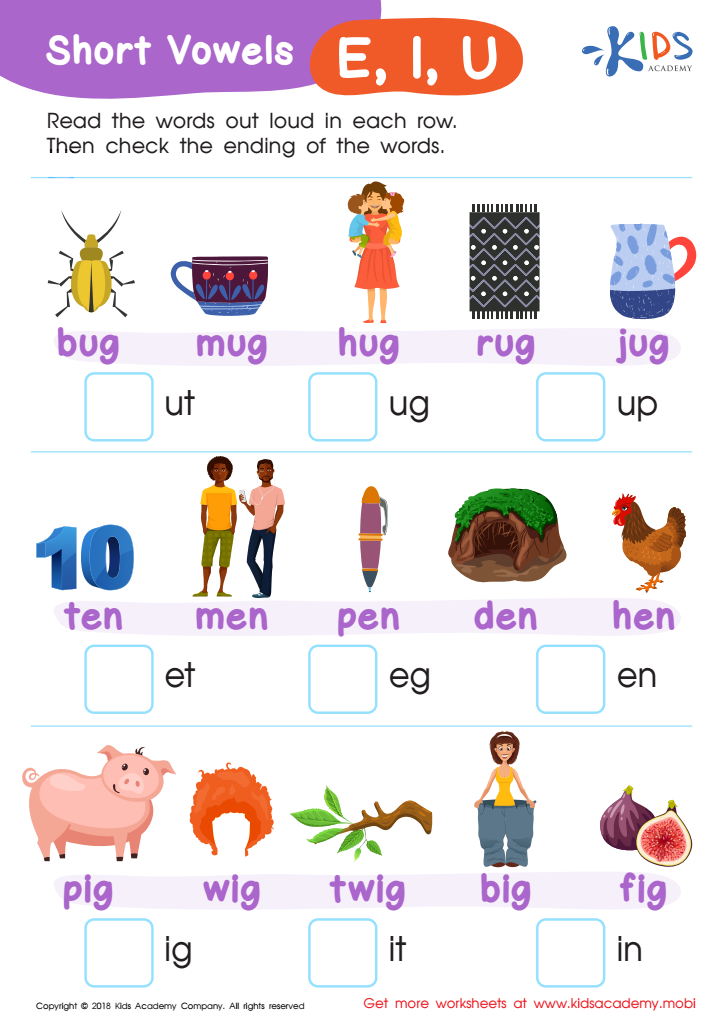
Short Vowels /e/, /i/, and /u/ Worksheet
 Assign to My Students
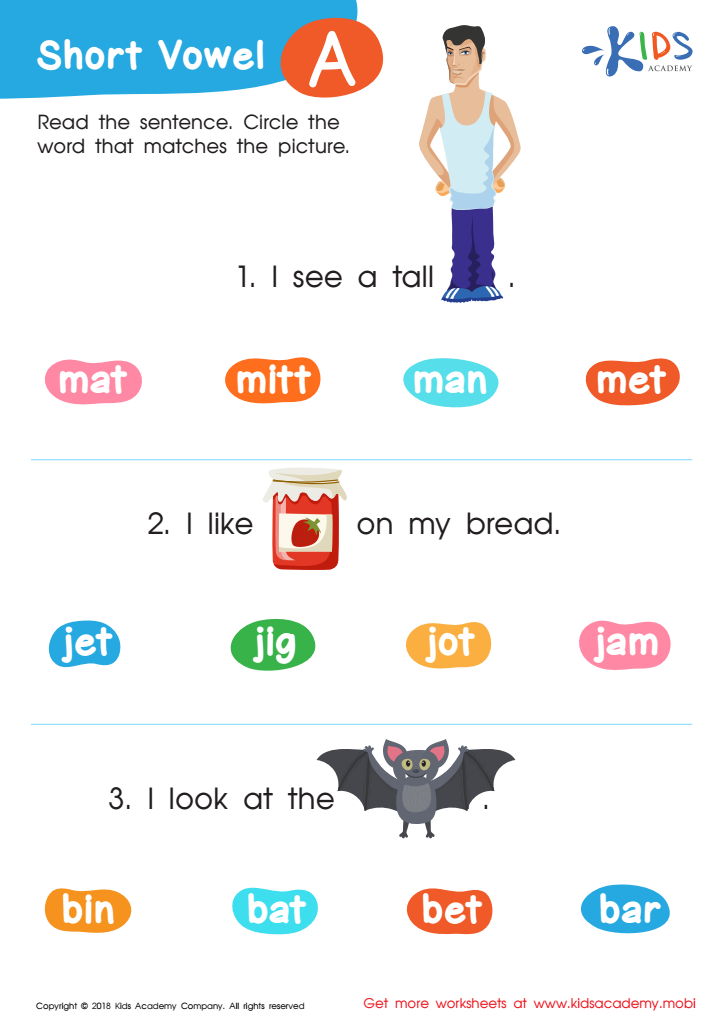
Short Vowel /a/ Worksheet
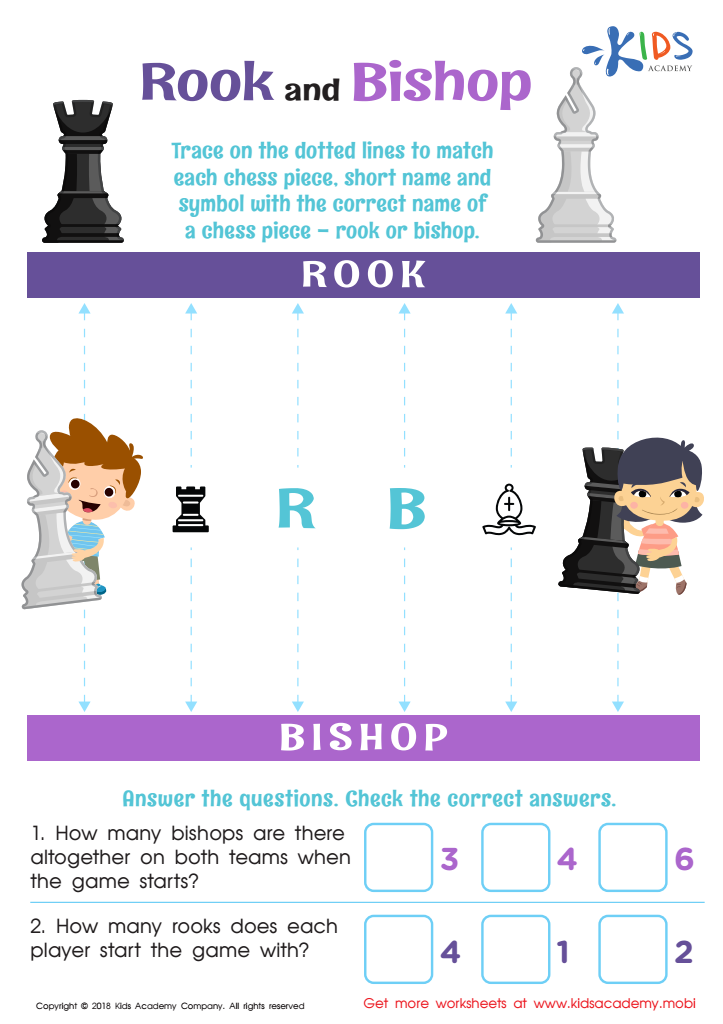
Rook and Bishop Worksheet
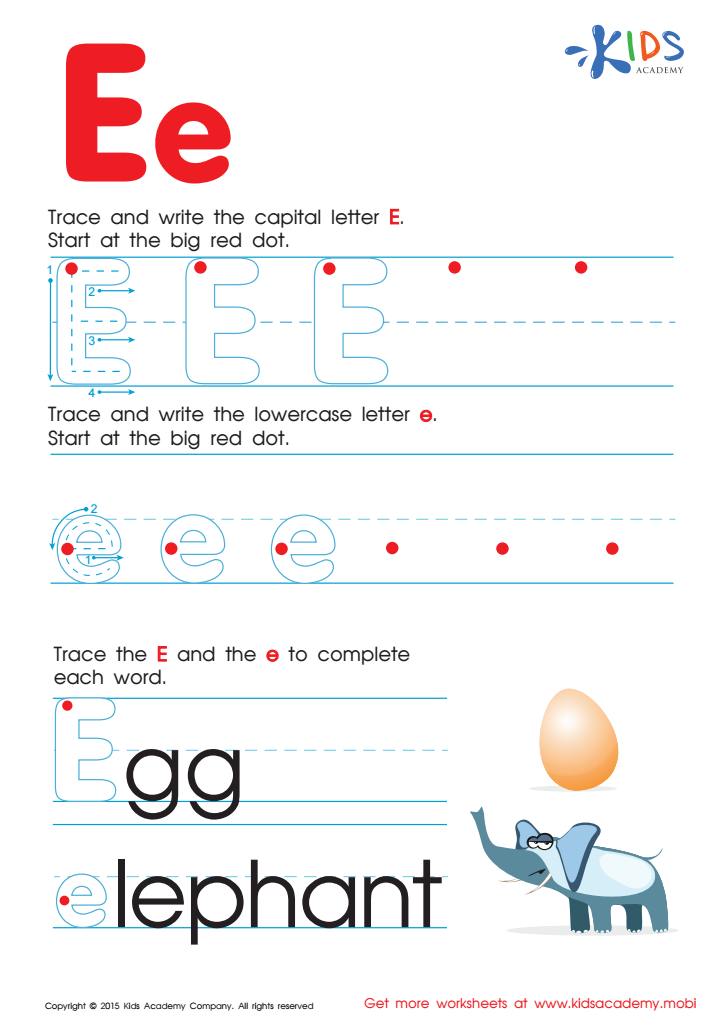
Letter E Tracing Page
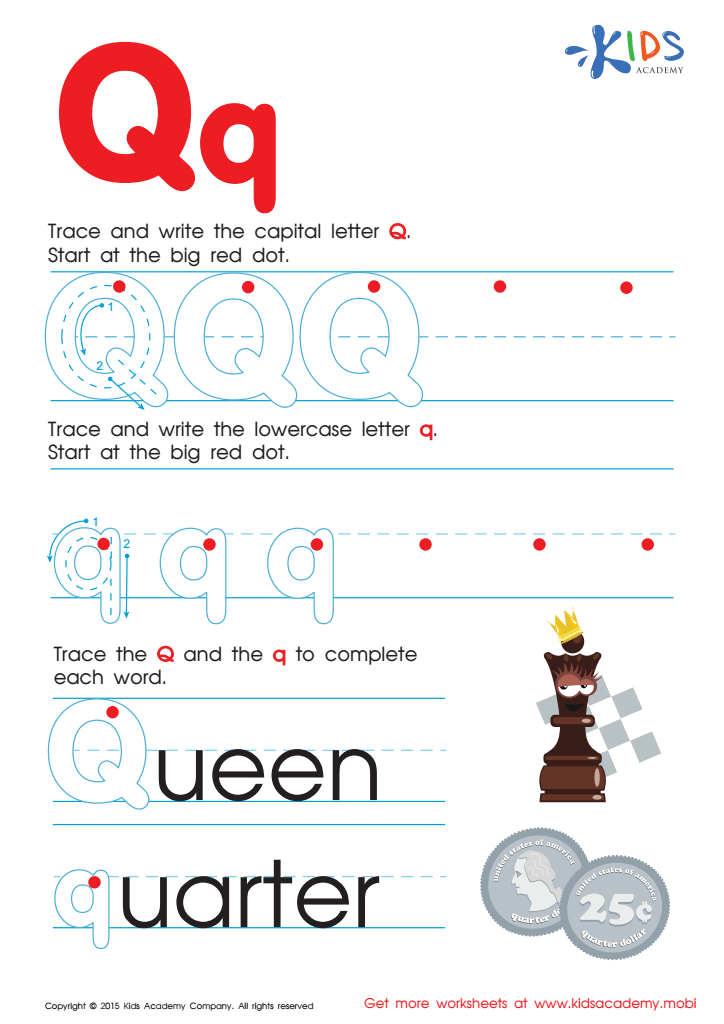
Letter Q Tracing Page

Letter P Tracing Page
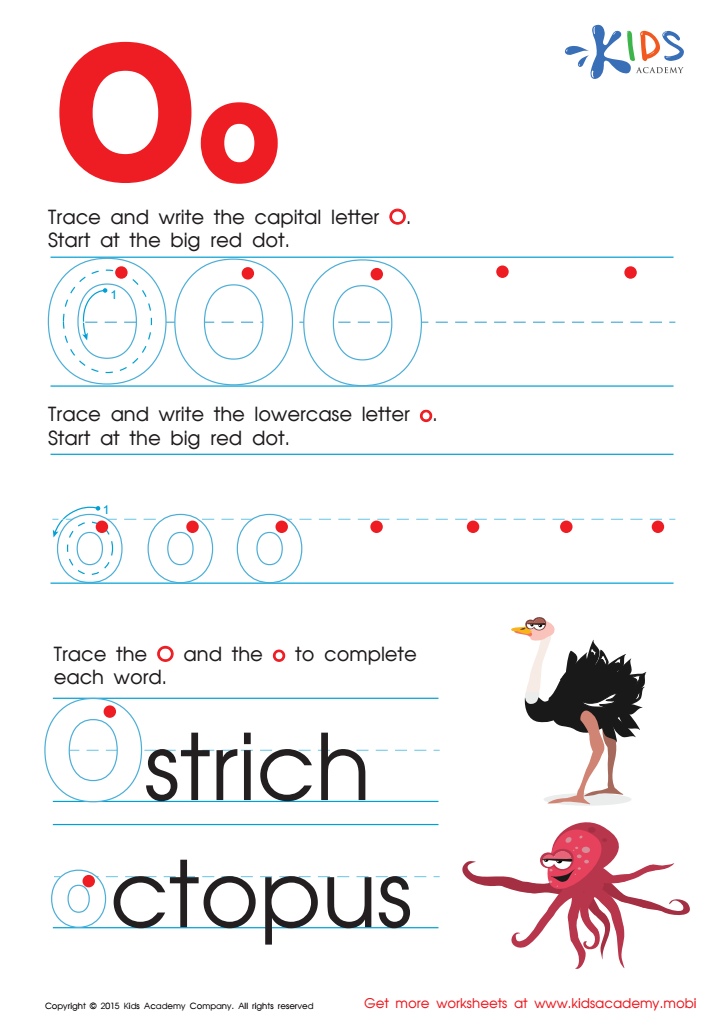
Letter O Tracing Page
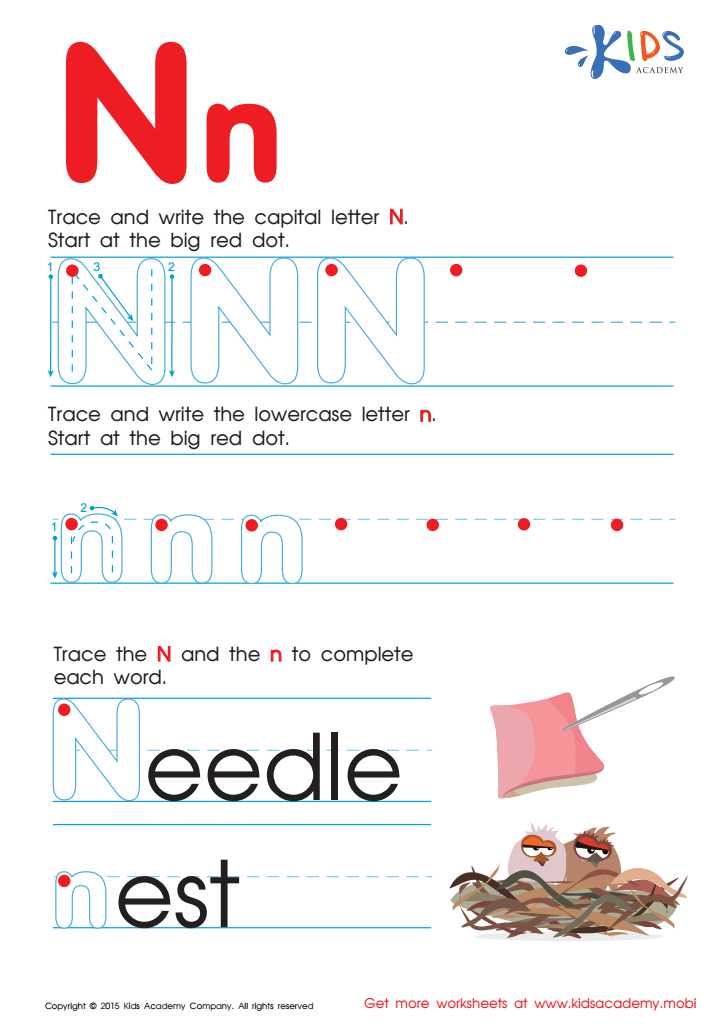
Letter N Tracing Page
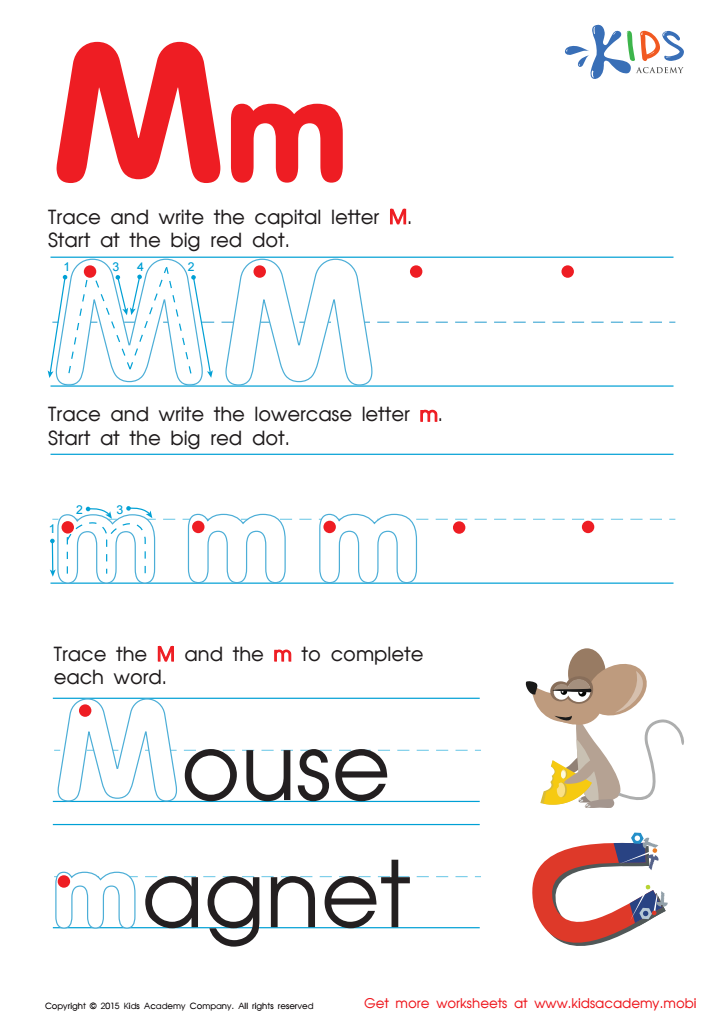
Letter M Tracing Page
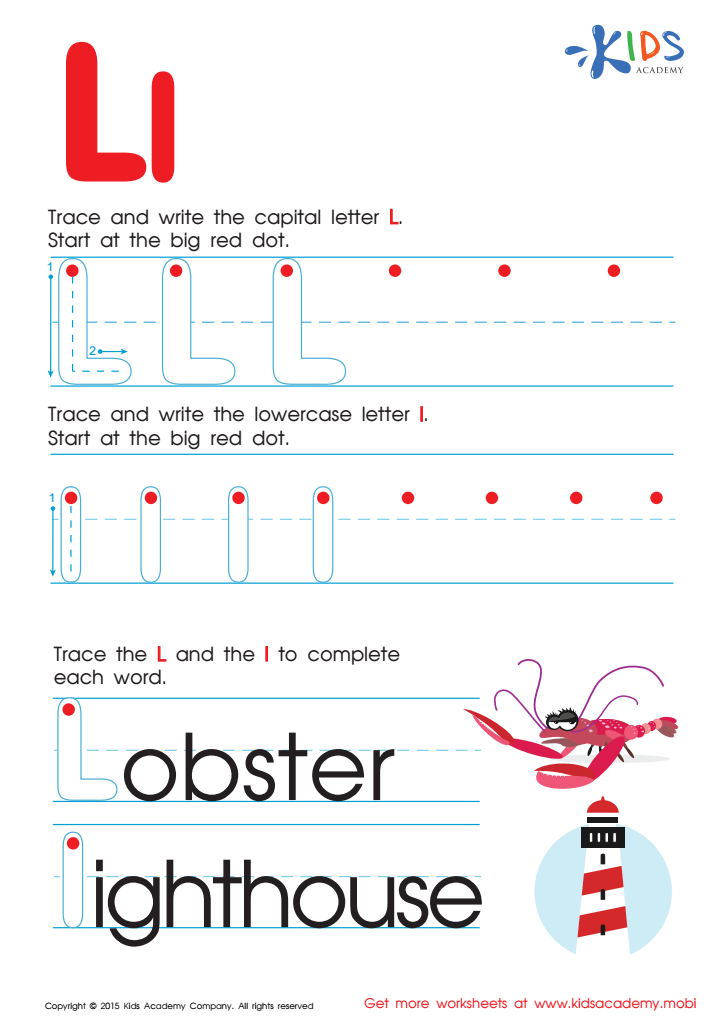
Letter L Tracing Page
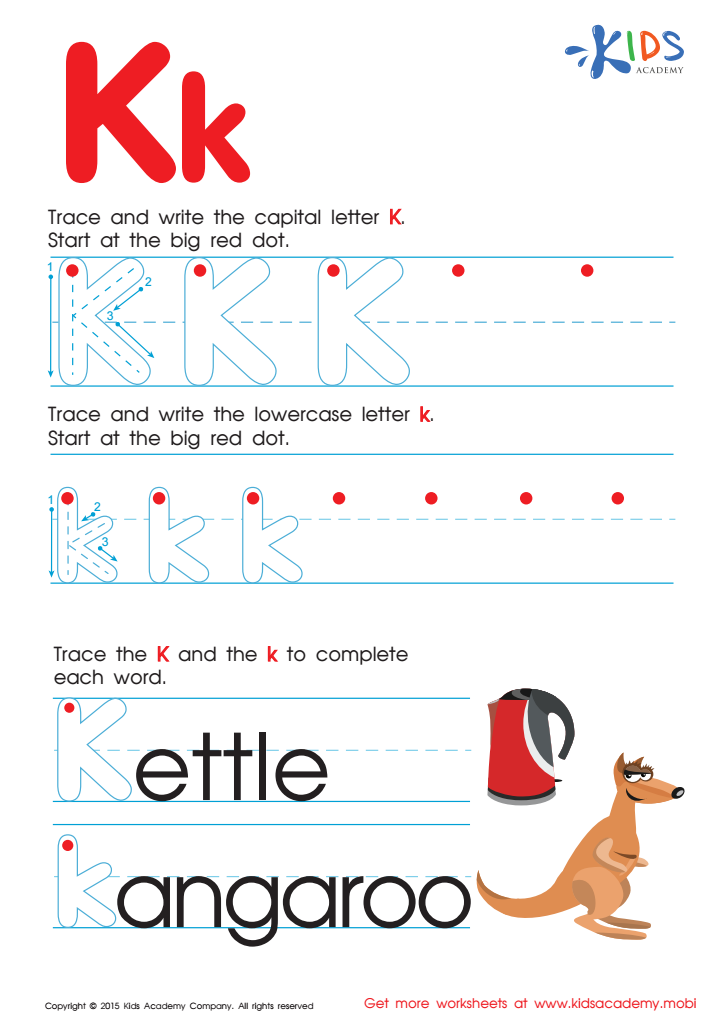
Letter K Tracing Page
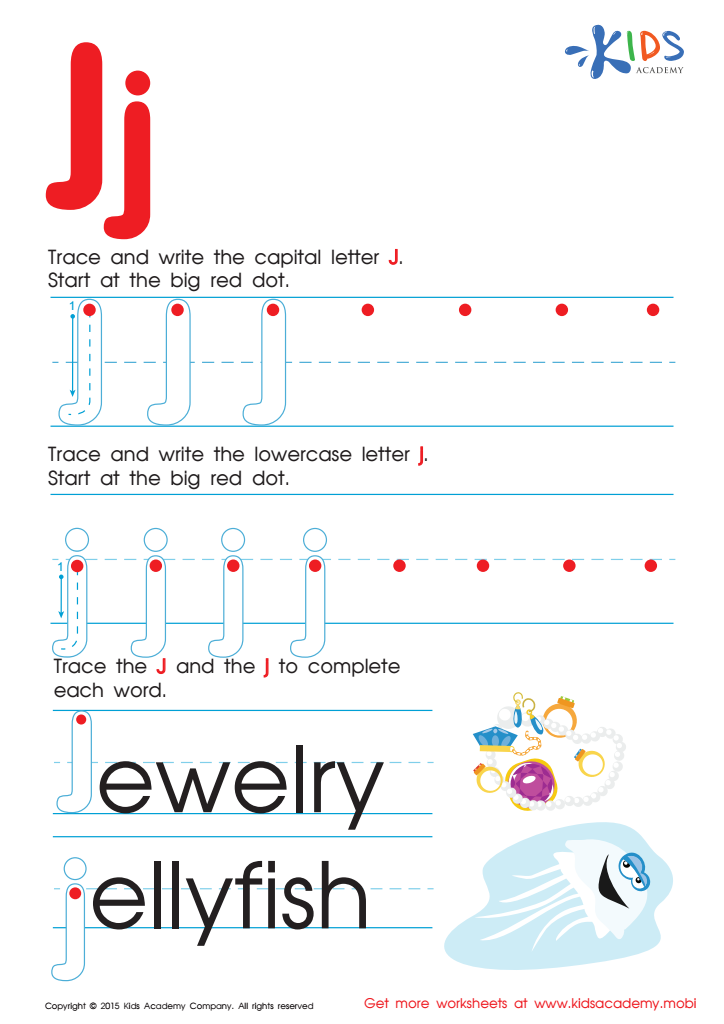
Letter J Tracing Page
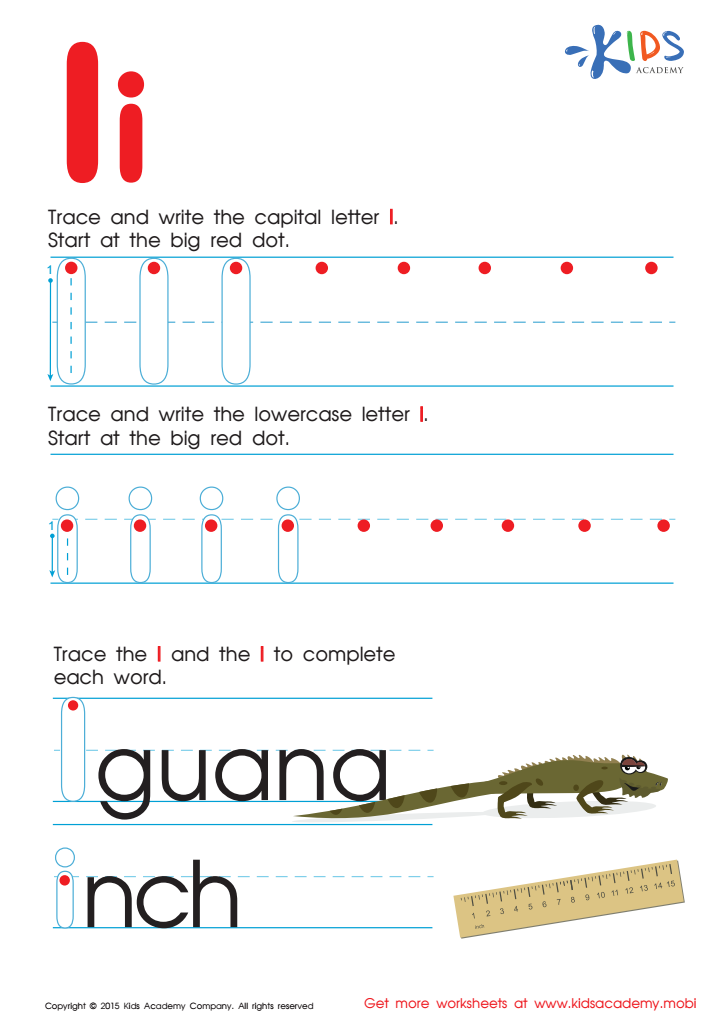
Letter I Tracing Page

Letter H Tracing Page
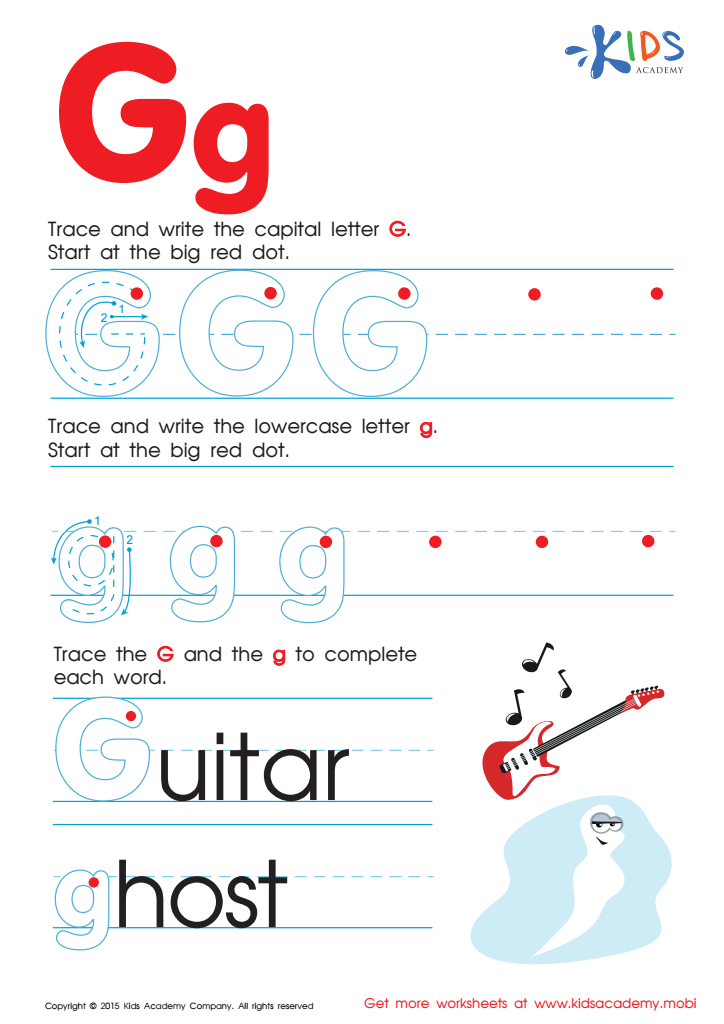
Letter G Tracing Page
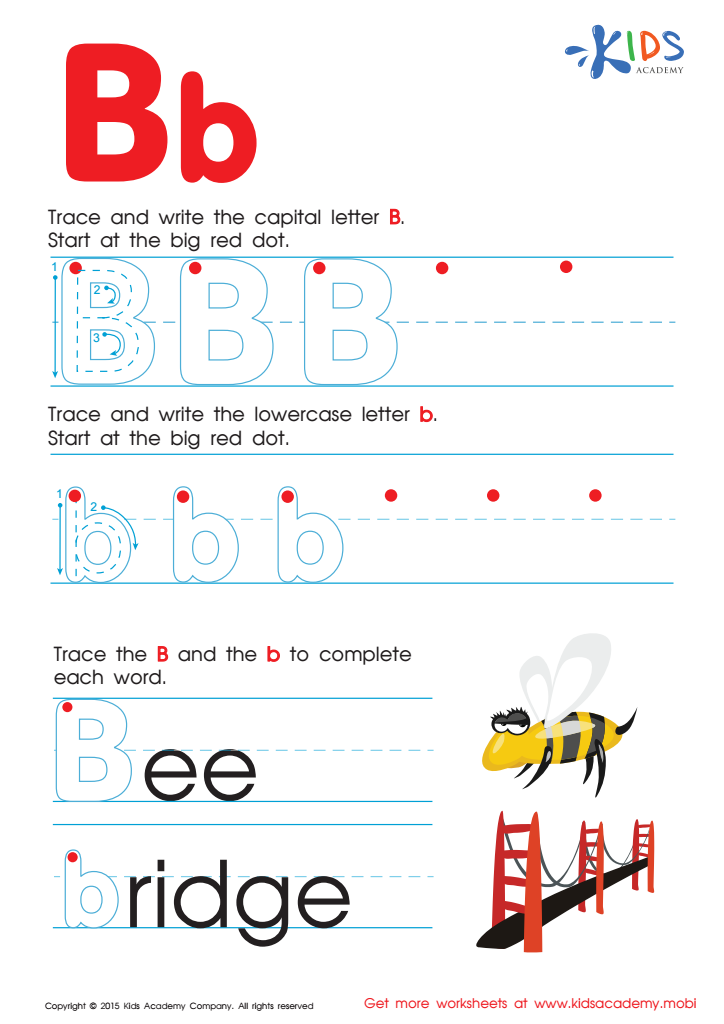
Letter B Tracing Page
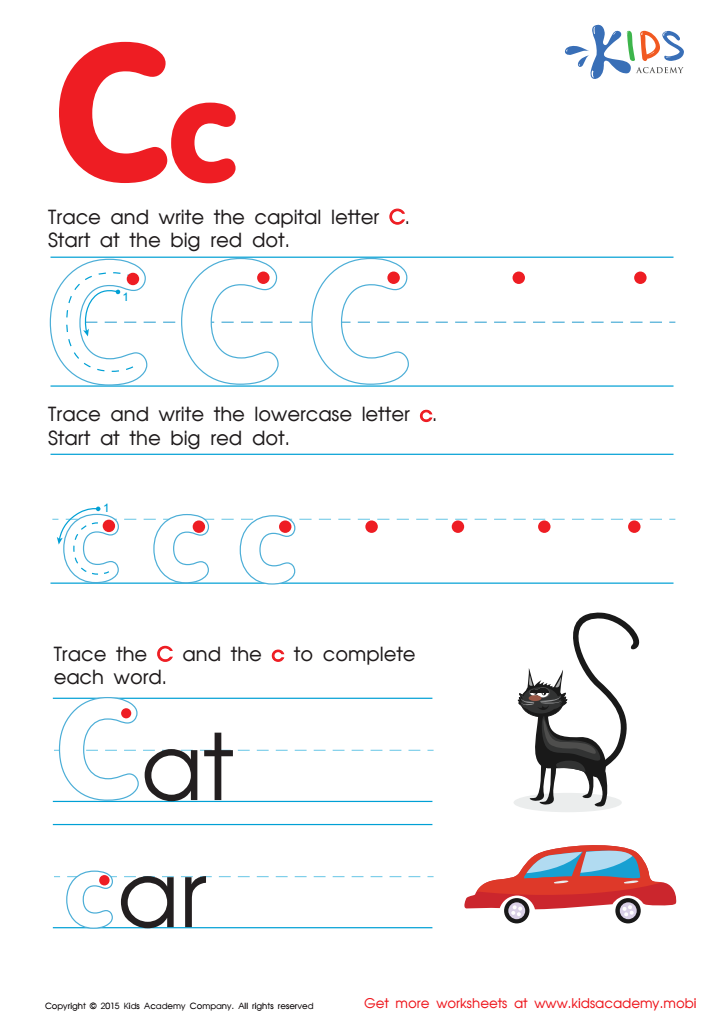
Letter C Tracing Page

Letter D Tracing Page
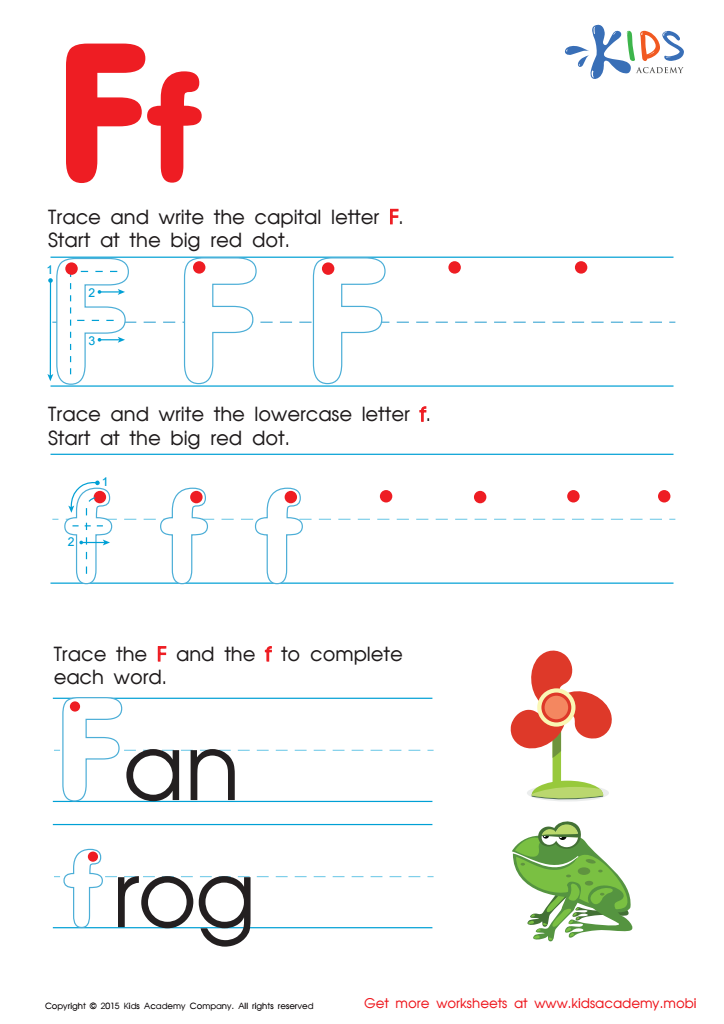
Letter F Tracing Page








Normal letter recognition is a fundamental skill critical to children’s literacy development, especially for ages 5-8. This period is a crucial phase in a child's educational journey, as they transition from recognizing letters to reading and writing proficiency. Understanding and recognizing letters enables children to decode words, which is essential for reading comprehension.
Parents and teachers should care about this skill because it lays the groundwork for other academic subjects. A child who struggles with letter recognition may find it difficult to engage in reading assignments, participate in writing activities, or comprehend instructions, leading to frustration and disengagement in learning. Early mastery can boost a child’s confidence, making them more willing to participate in class discussions, share ideas, and express themselves.
Moreover, children who excel in letter recognition are often better prepared for future academic challenges, including spelling and syntax. Parents and teachers can foster a supportive learning environment by engaging in fun activities, such as letter games, reading together, and practicing writing, promoting a love for language from an early age. By emphasizing normal letter recognition, we empower children with the essential skills they need for lifelong learning and communication.








