Normal Addition and Subtraction Word Problems Worksheets for Ages 5-8 - Page 2
29 filtered results
-
From - To
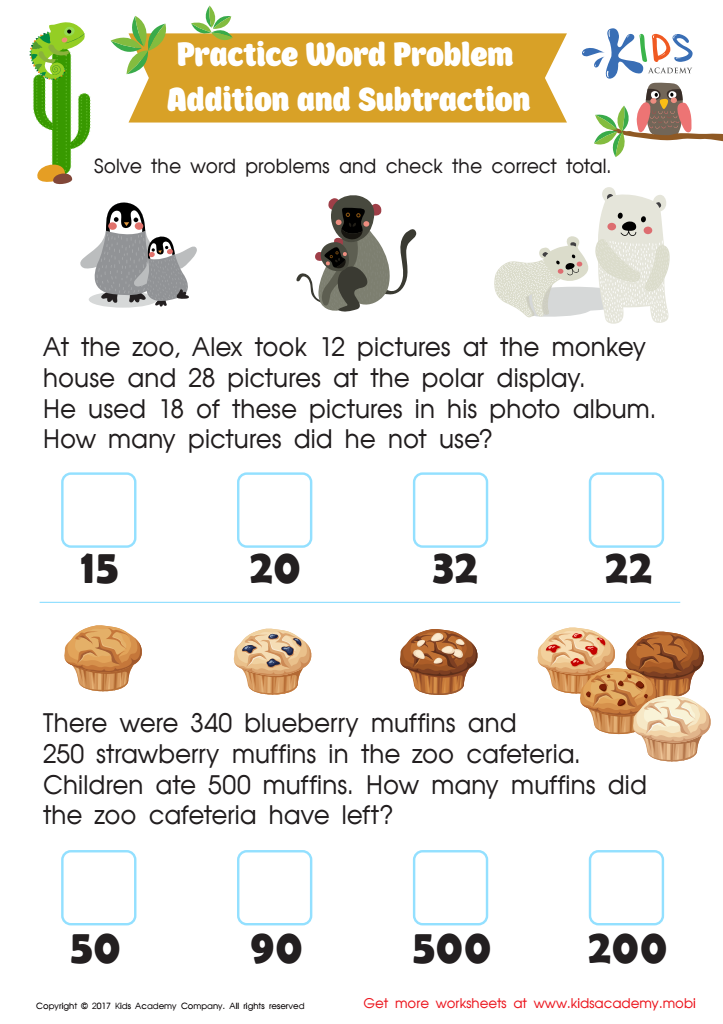
Addition and Subtraction: Word Problems Worksheet
 Assign to My Students
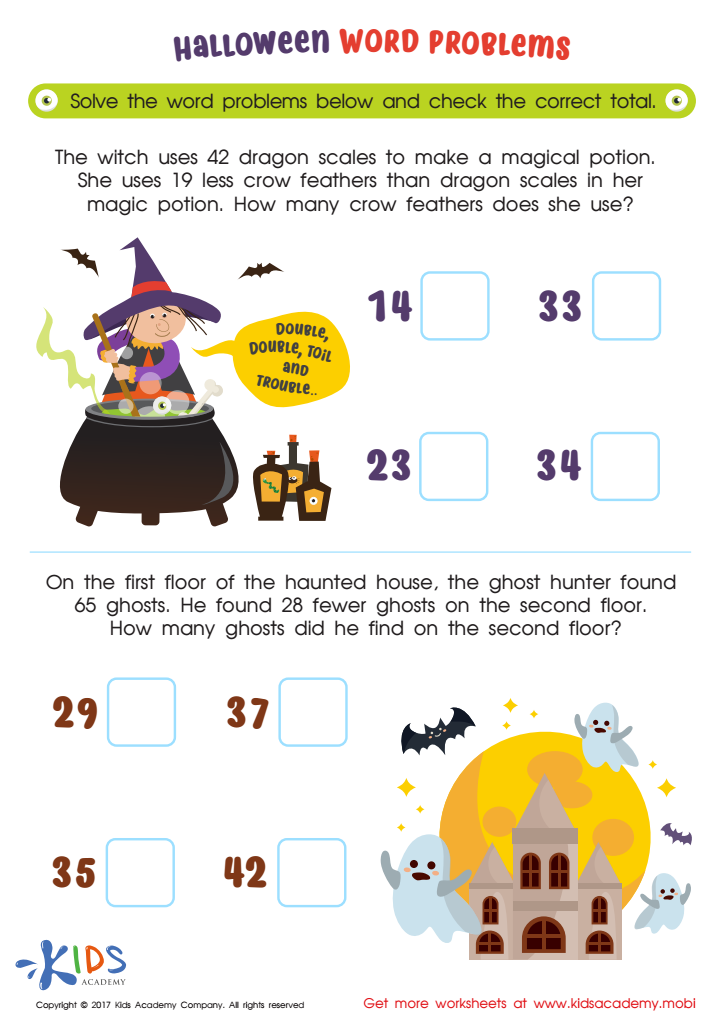
Halloween Word Problems Printable
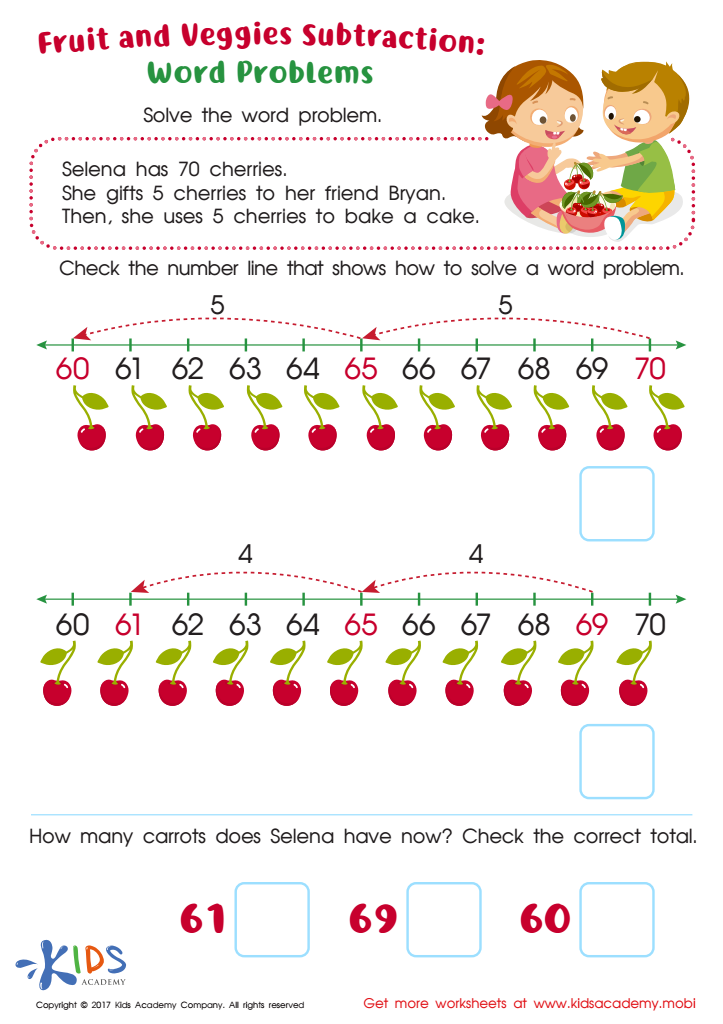
Subtraction Word Problems Free Printable
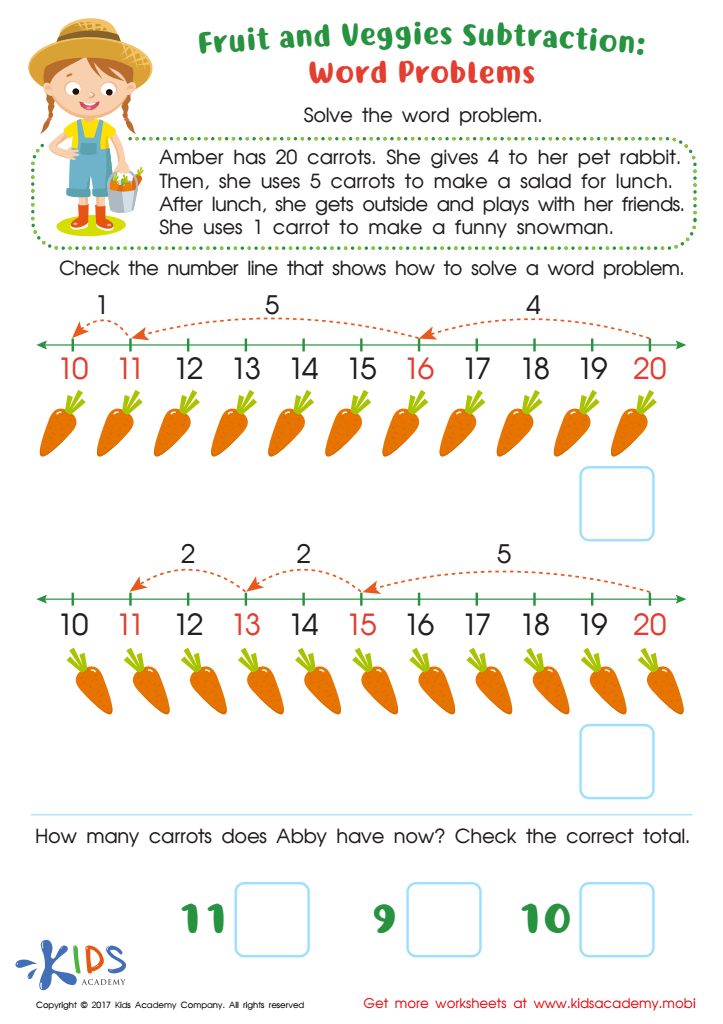
Subtraction Word Problems Printable
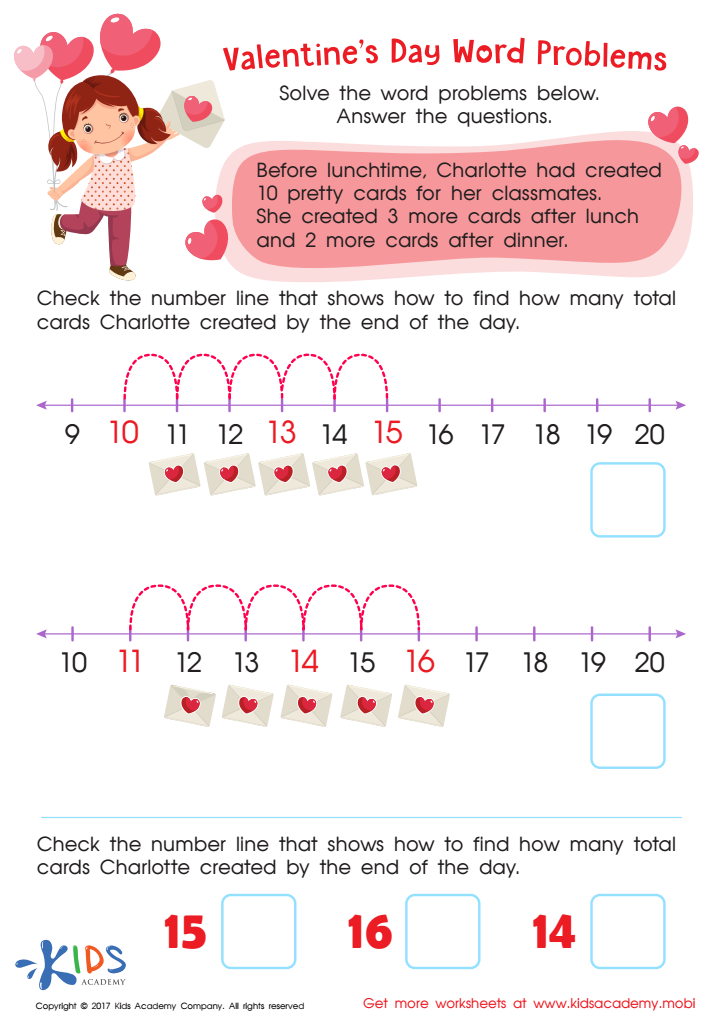
Valentines Day Word Problem Worksheet








Parents and teachers should care about normal addition and subtraction word problems for children ages 5-8 because these problems play a crucial role in developing essential math skills and critical thinking abilities. At this age, children are transitioning from concrete understanding to more abstract reasoning in mathematics. Word problems help bridge that gap by encouraging children to apply their mathematical knowledge to real-world scenarios.
Engaging with these problems enhances comprehension and problem-solving skills. Children learn to interpret information, identify relevant details, and formulate strategies to find solutions. This process fosters analytic thinking and boosts confidence as they tackle challenges.
Furthermore, solving word problems promotes language development and enhances vocabulary. Children learn mathematical terminology and become comfortable understanding instructions, which is vital for their overall educational growth.
Additionally, early proficiency in addition and subtraction sets a solid foundation for future mathematical concepts. Mastery in these areas within realistic contexts resonates with children's daily experiences, making math less intimidating and more enjoyable.
In conclusion, normal addition and subtraction word problems are not merely exercises; they are essential tools that cultivate a well-rounded educational environment, equipping children with skills they will use throughout their academic journey and beyond.