Normal Weather Worksheets for Ages 5-8
15 filtered results
-
From - To
Discover our engaging "Normal Weather Worksheets" designed specifically for children aged 5-8! These interactive resources aim to enhance young learners' understanding of weather concepts in a fun and educational way. Tailored to meet early curriculum standards, our worksheets cover various topics, including weather patterns, seasonal changes, and basic meteorology terms. Each worksheet is crafted to stimulate curiosity and encourage creativity, featuring vibrant illustrations and age-appropriate activities. Perfect for use at home or in the classroom, these materials will help ignite a passion for science while developing essential critical thinking skills. Explore the wonders of weather with our delightful worksheets today!
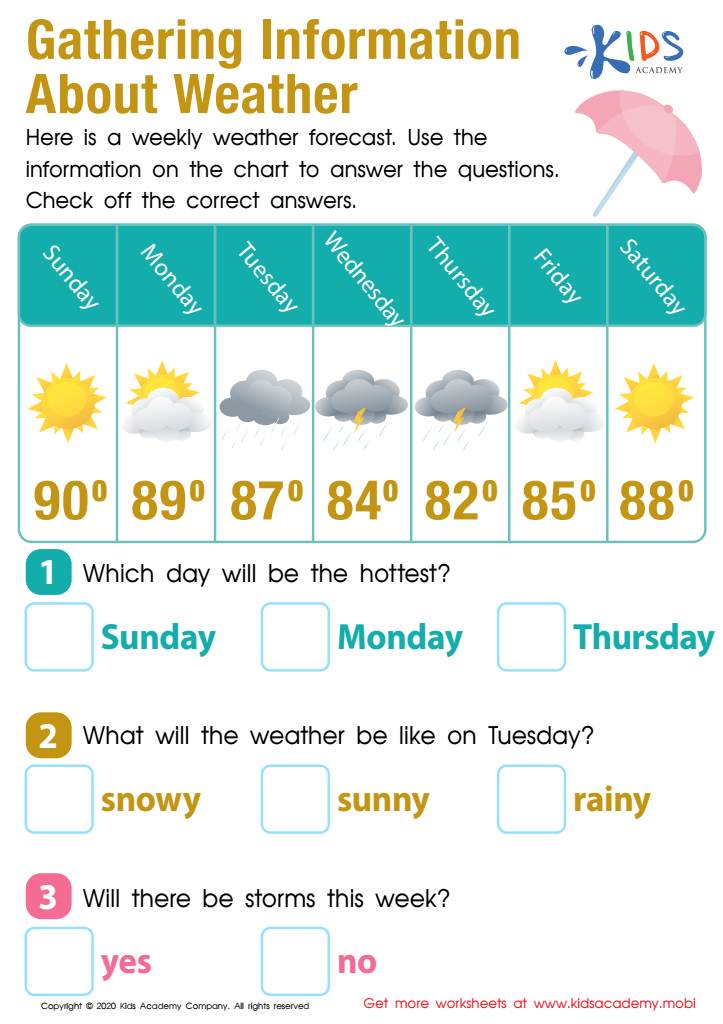
Gathering Information About the Weather Worksheet
 Assign to My Students
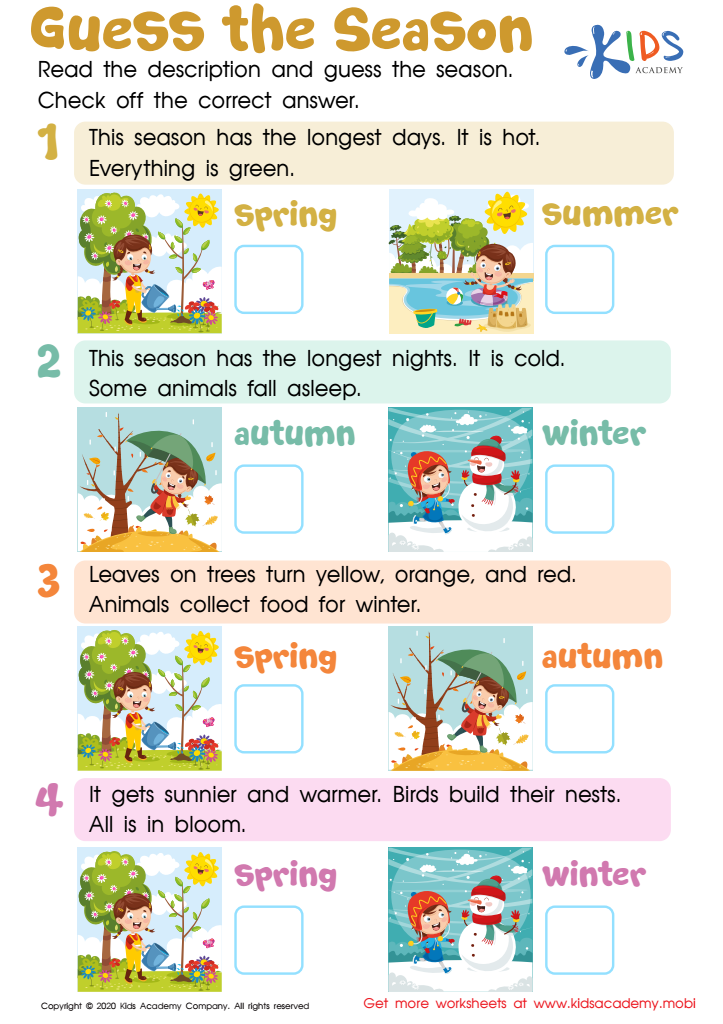
Guess the Season Worksheet
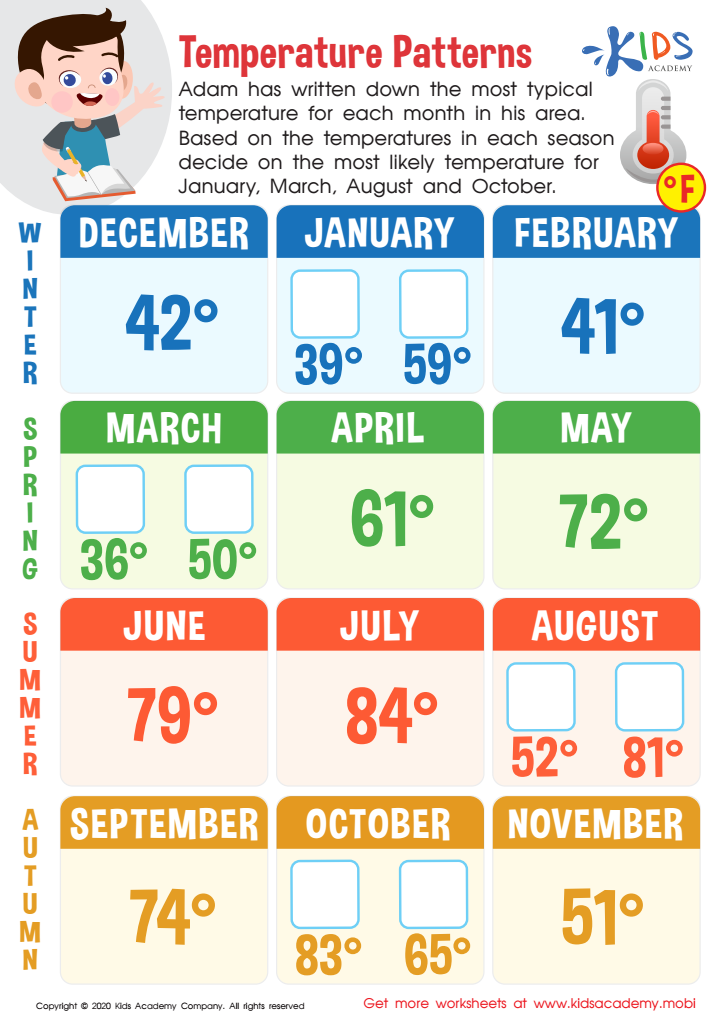
Temperature Patterns Worksheet
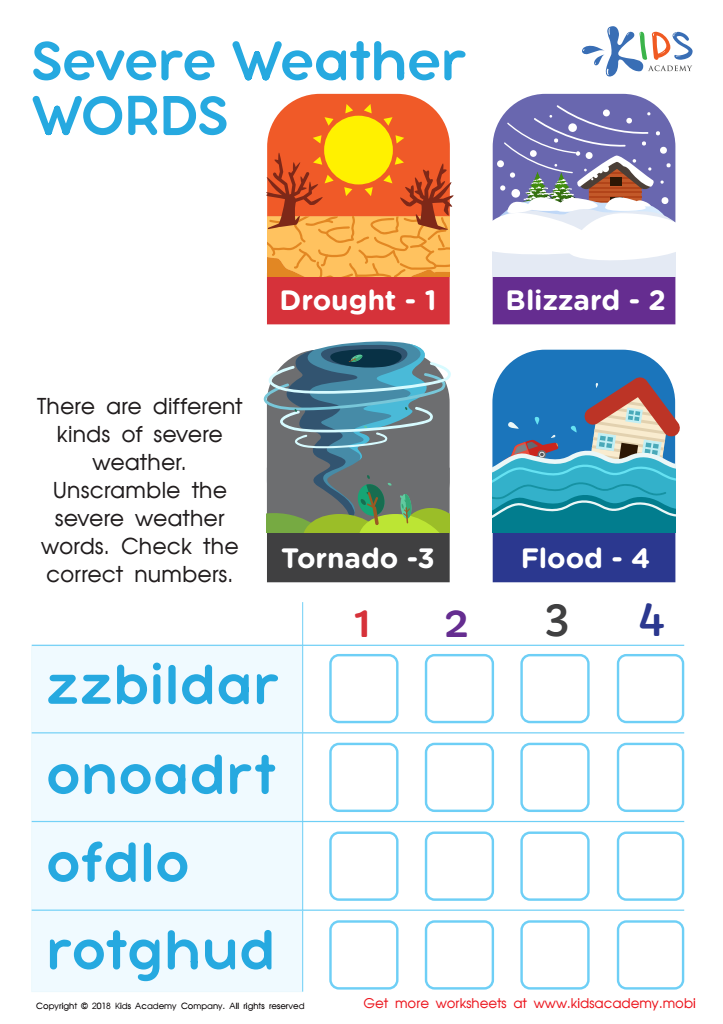
Severe Weather Words Worksheet
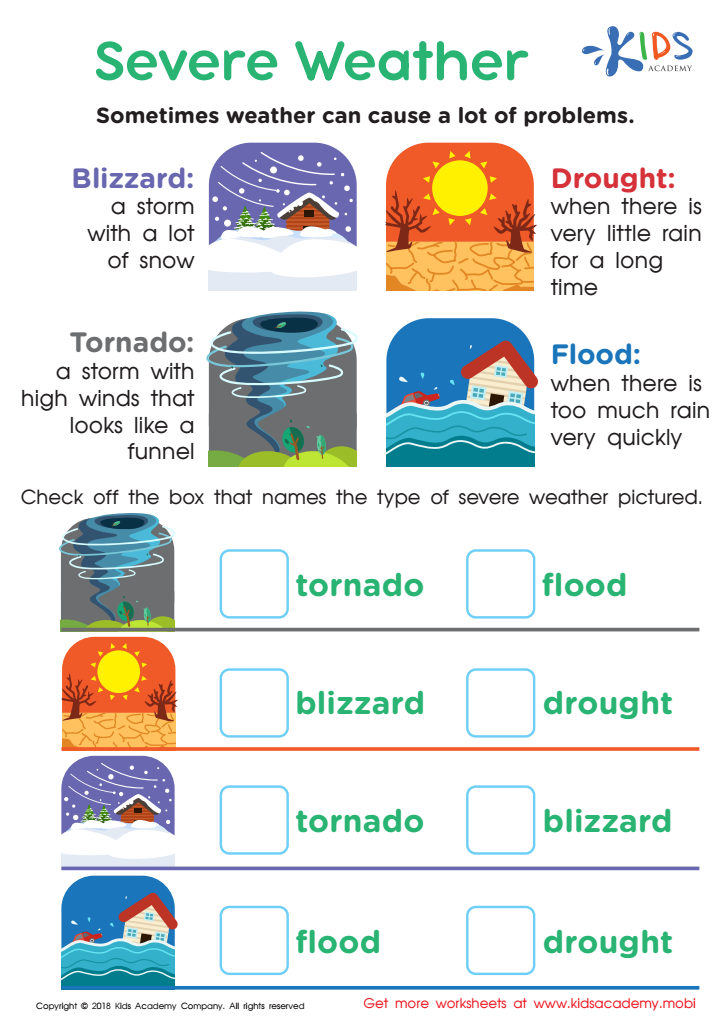
Severe Weather Worksheet
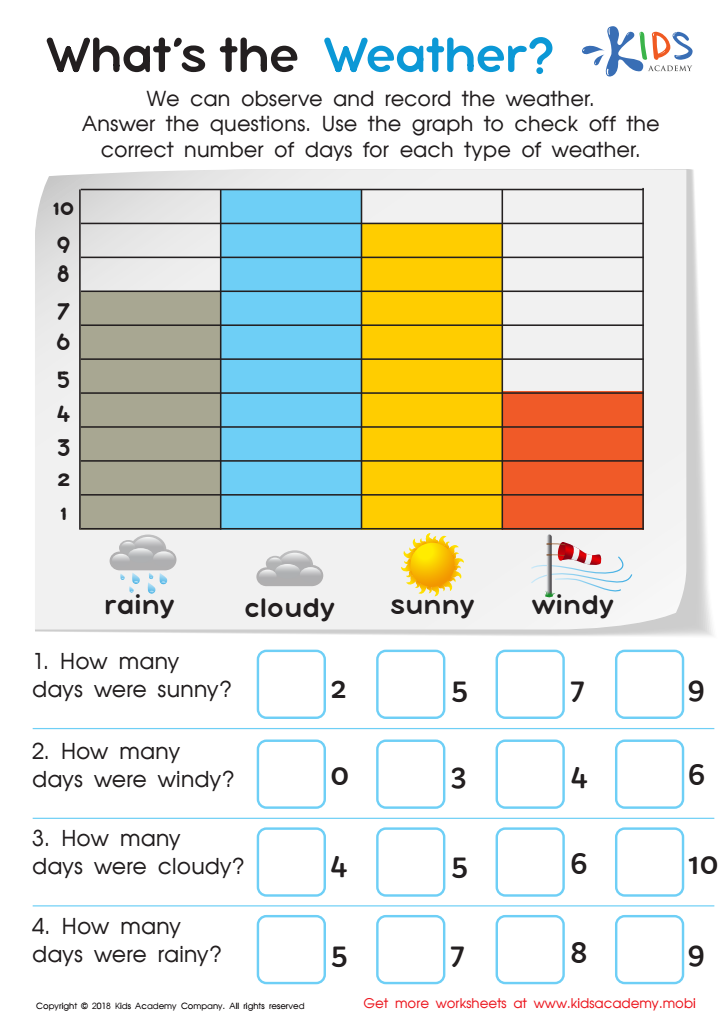
What's the Weather? Worksheet
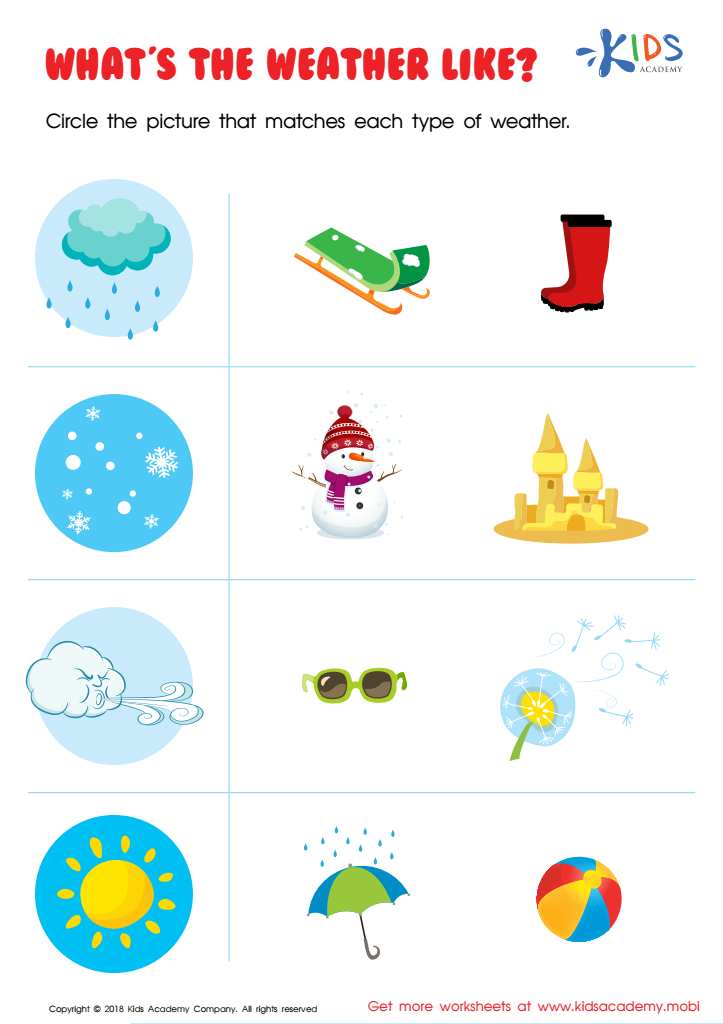
What's the Weather Like? Worksheet
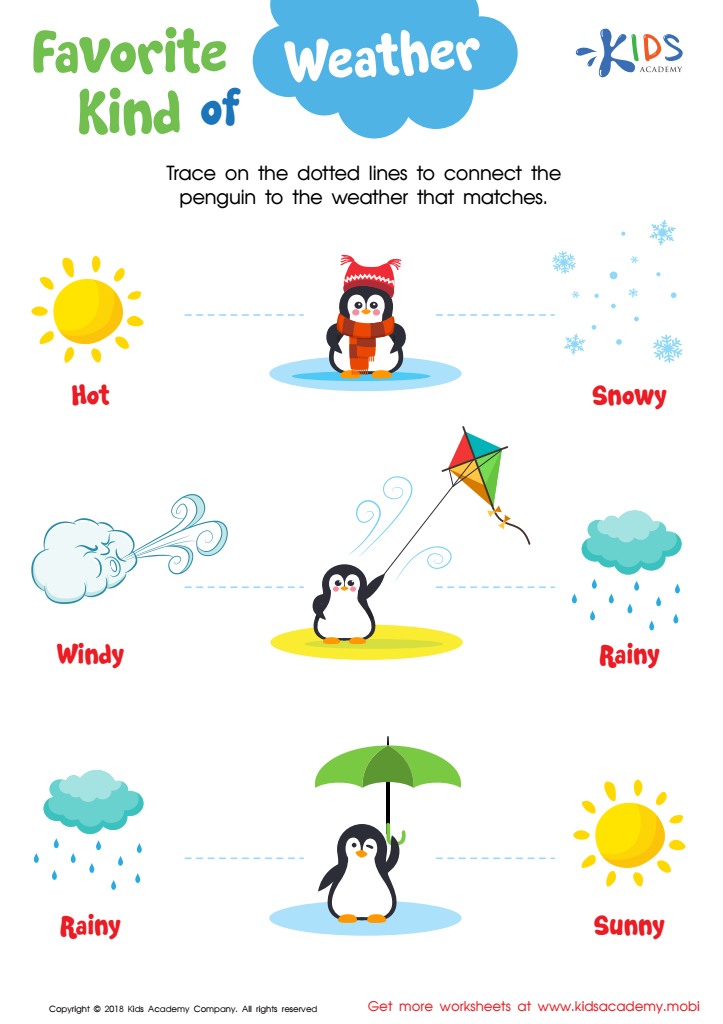
Favorite Kind of Weather Worksheet
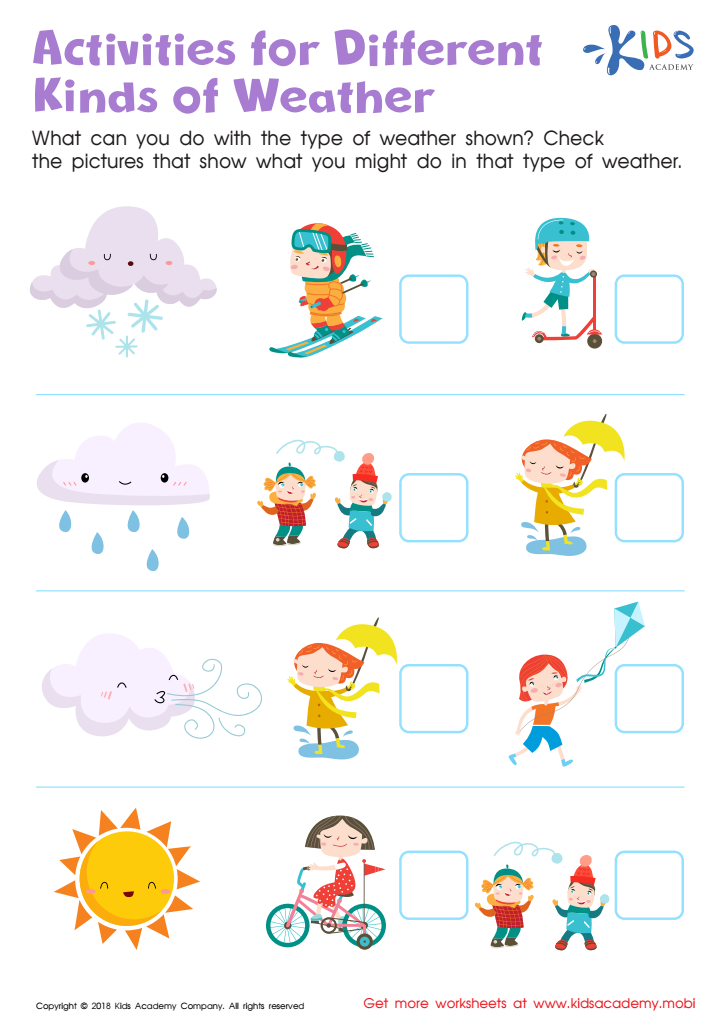
Activities for Different Kinds of Weather Worksheet
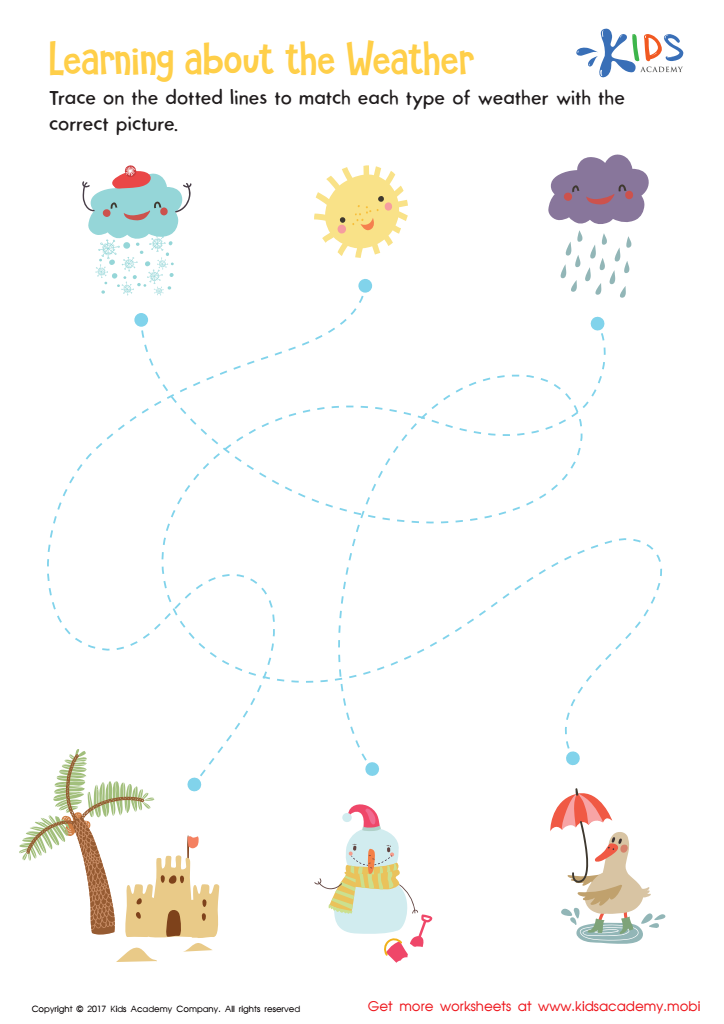
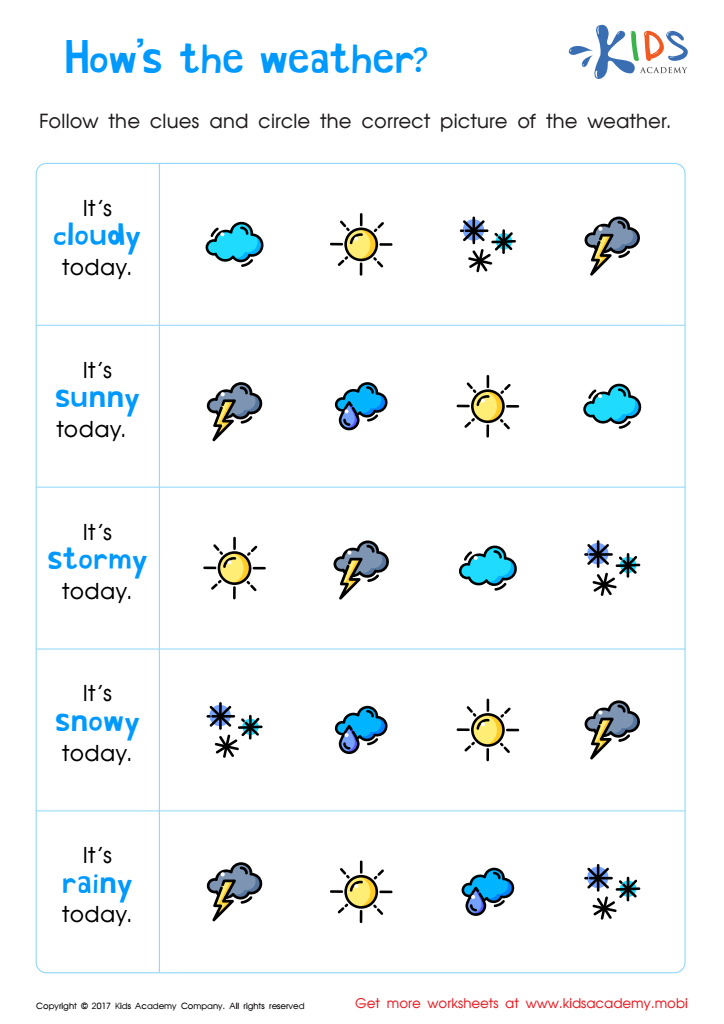
Hows the Weather Worksheet
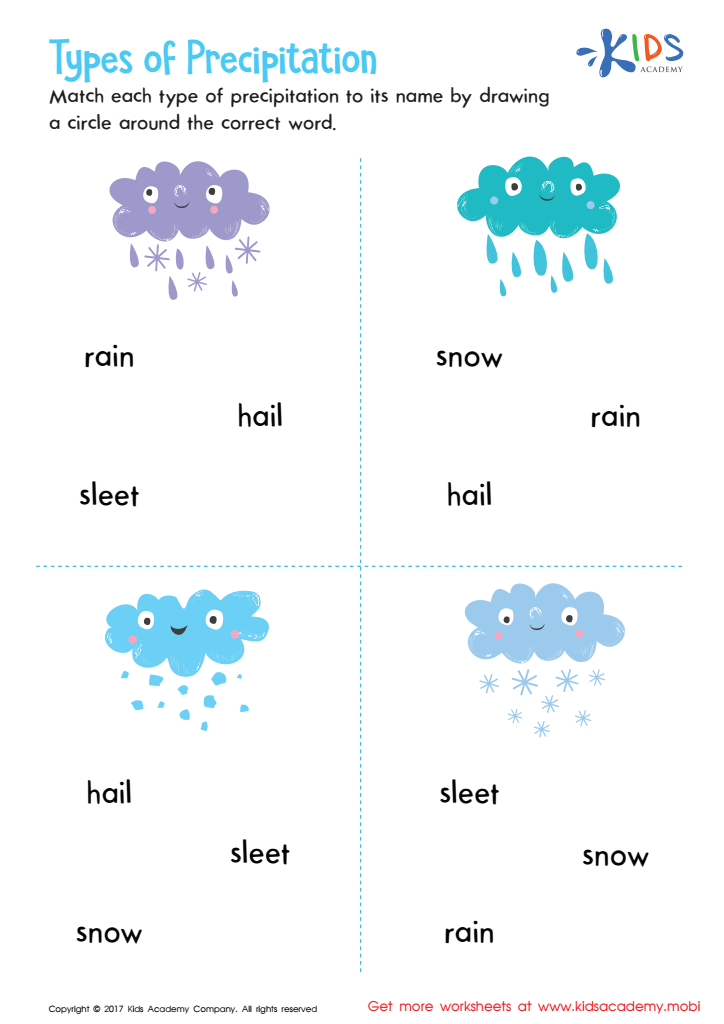
Types of Precipitation Printable
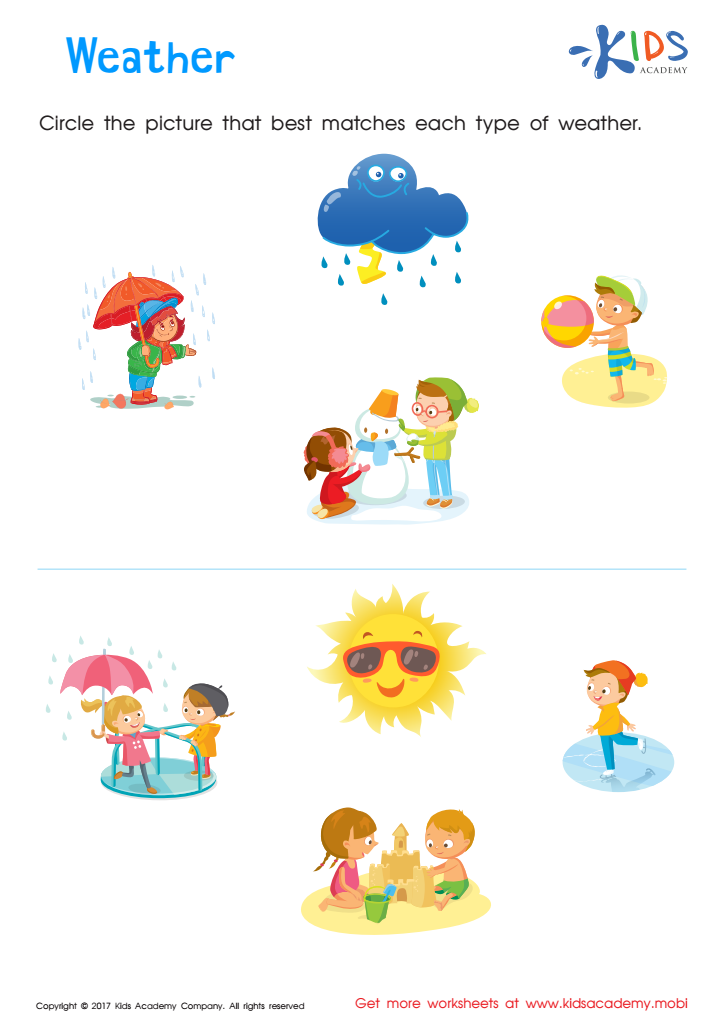
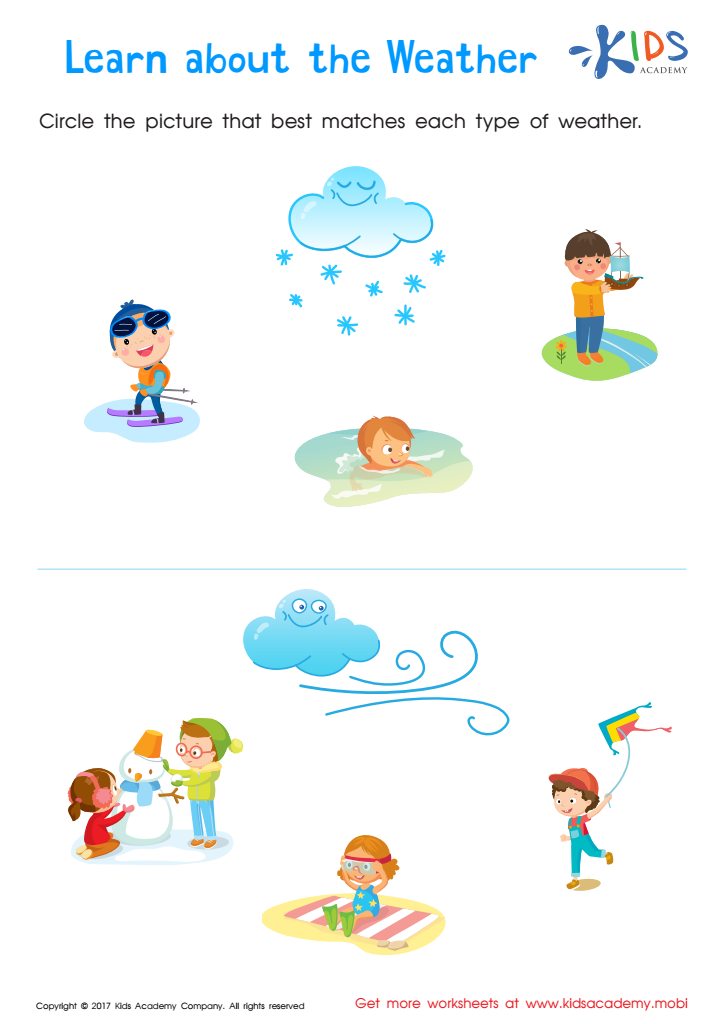
About the Weather Printable
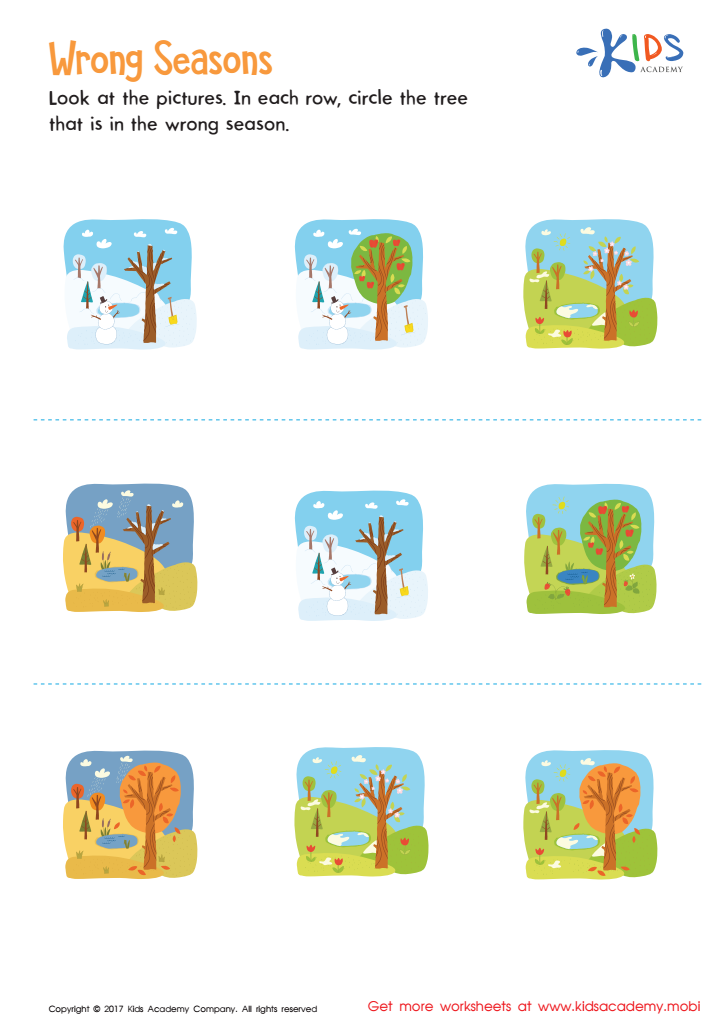
Wrong Seasons Worksheet






%20(1).jpg)

Parents and teachers should care about normal weather because it is a fundamental aspect of children's daily experiences and learning. From ages 5 to 8, children are naturally curious about the world around them, and weather is a tangible way to explore science, nature, and environmental awareness. Understanding normal weather patterns helps kids develop critical thinking skills as they start noticing variations, making connections, and asking questions like "Why is it rainy today?" or "How does the sun affect our day?"
Discussing normal weather also encourages kids to observe their environment more closely, fostering a sense of curiosity and engagement with the world. By integrating weather discussions into lessons, adults can teach concepts such as seasons, temperature differences, and natural phenomena in a fun and relatable context. This knowledge also empowers children to prepare for different weather types, emphasizing safety measures like dressing appropriately or staying indoors during storms.
Additionally, creating fun activities around normal weather, like crafting rain clouds or tracking temperatures, promotes creativity and teamwork. By making weather a topic of exploration, parents and teachers nurture well-rounded learners who appreciate and respect the natural world, which is crucial for fostering future environmental stewardship.








