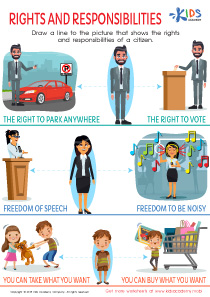
Normal Governance and Civics Worksheets for Ages 5-8 - Page 2
41 filtered results
-
From - To
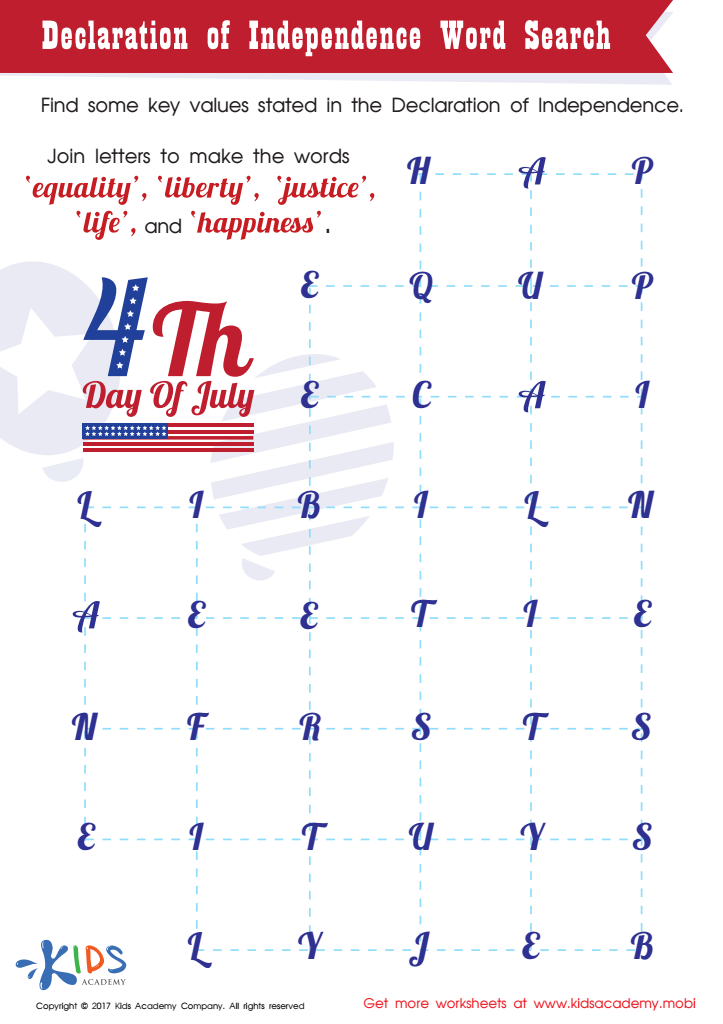
Declaration of Independence Word Search Printable
 Assign to My Students
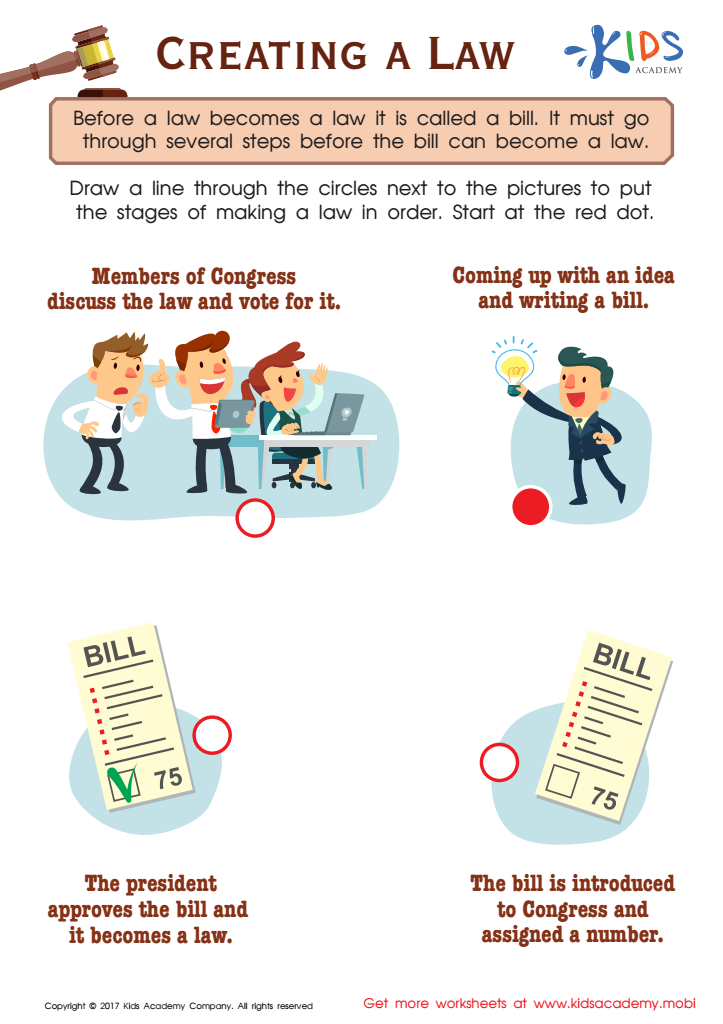
Creating a Law Worksheet
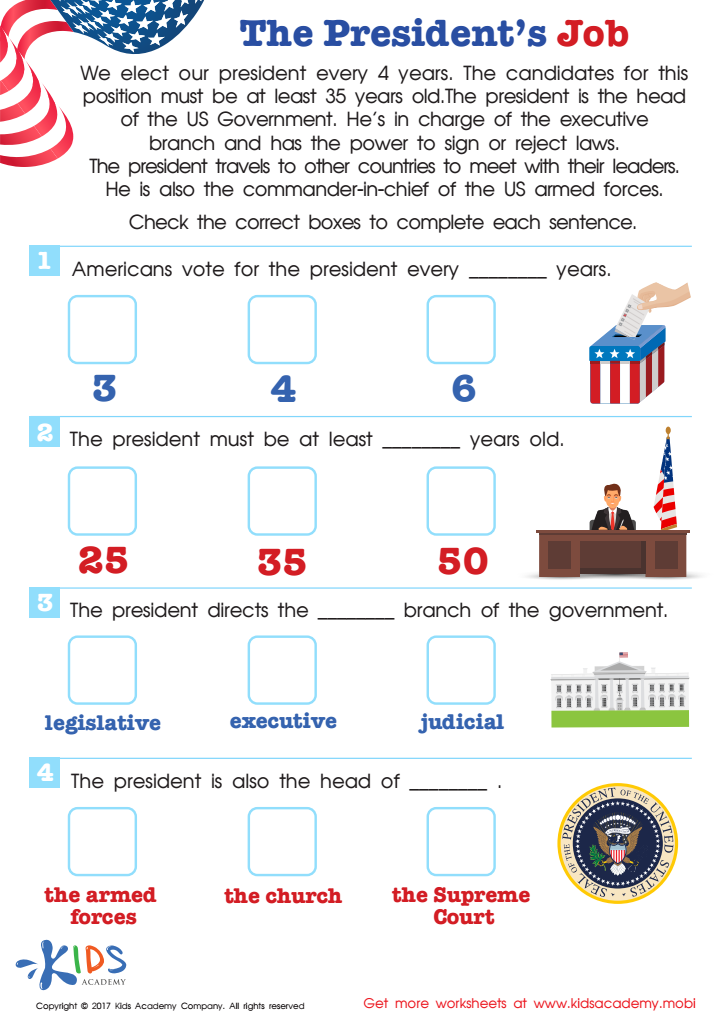
President of the USA Job Description Worksheet
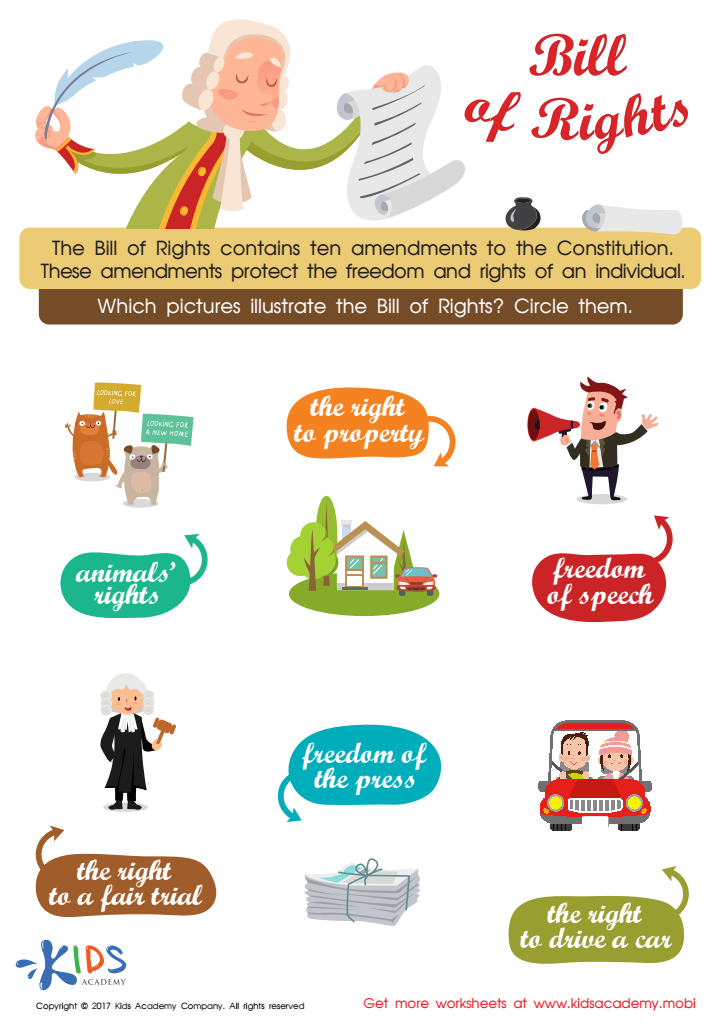
Bill of Rights Worksheet
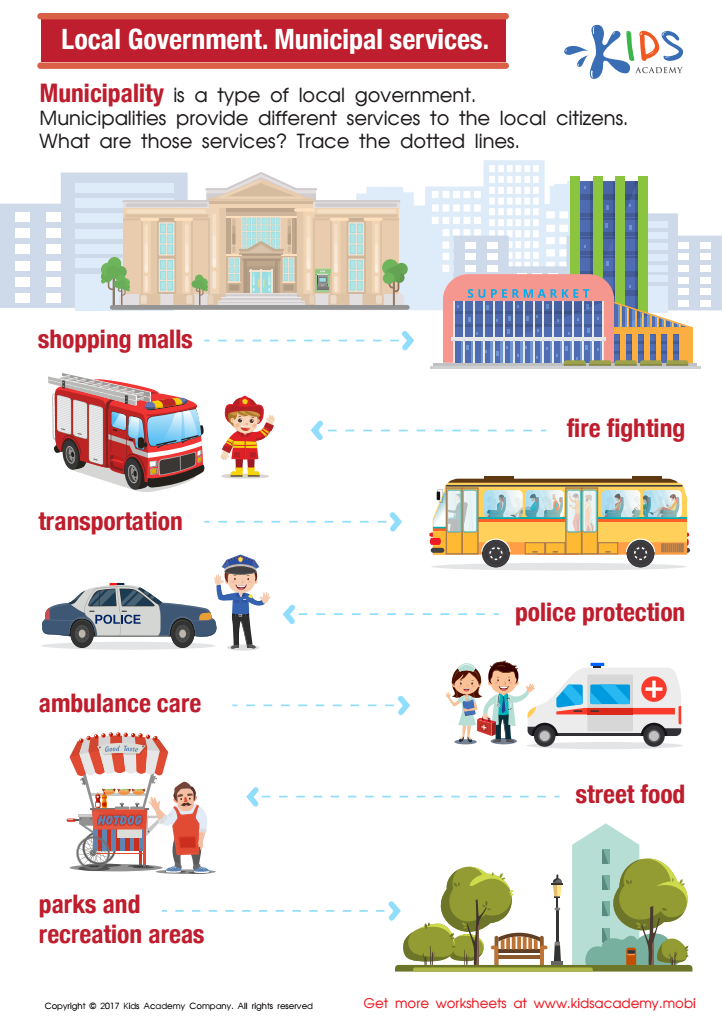
Local Government Worksheet
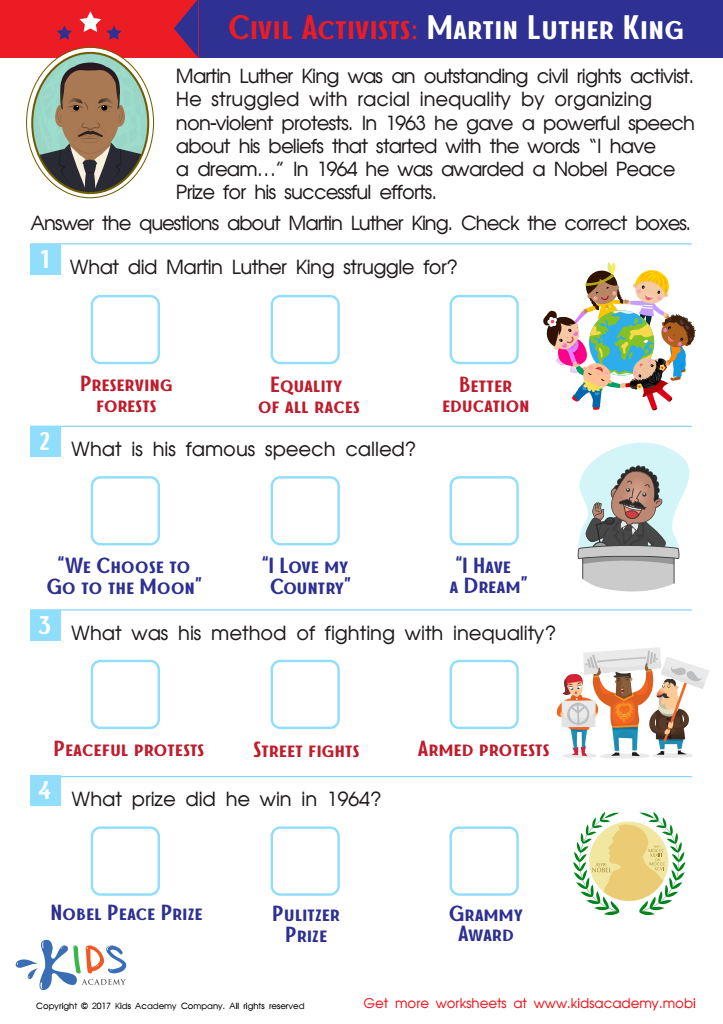
Martin Luther King Worksheet
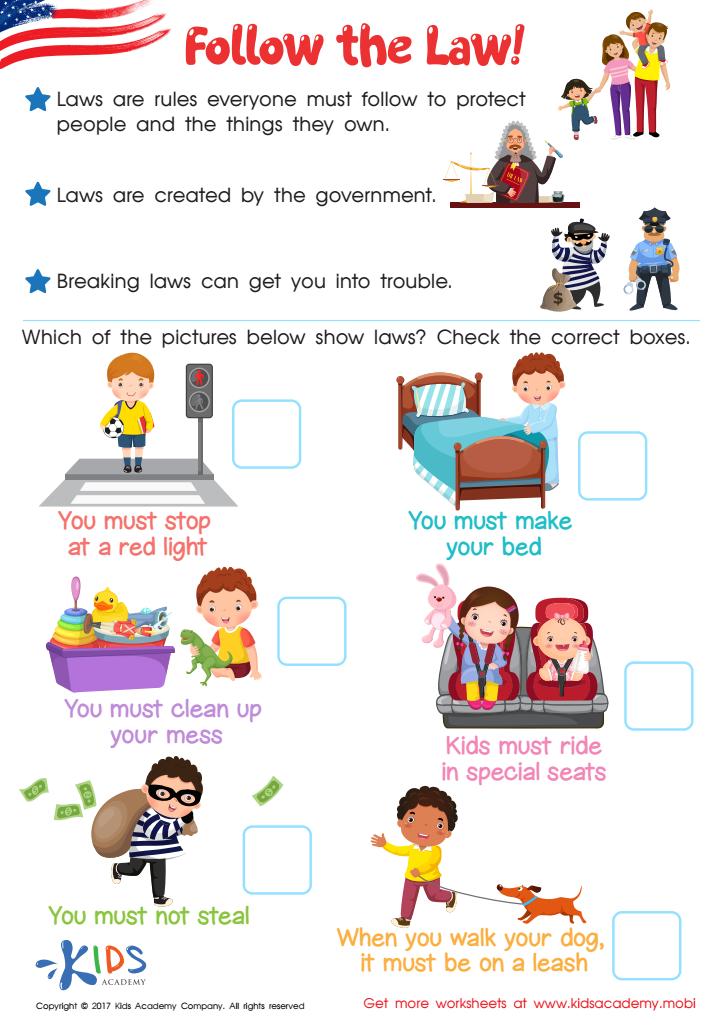
Follow the Law Worksheet
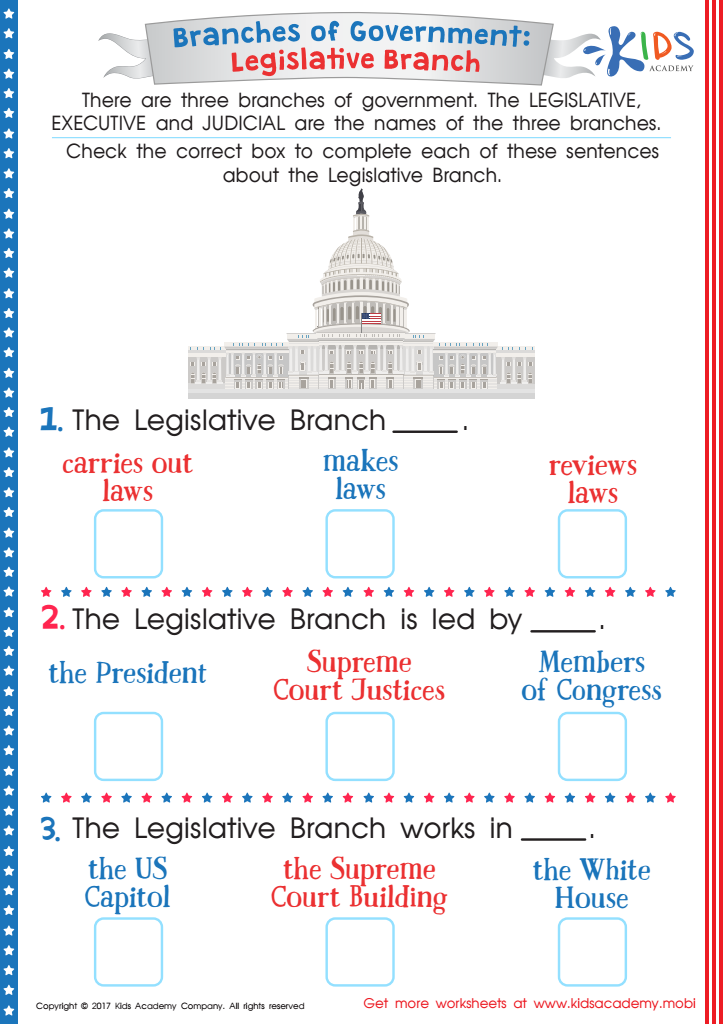
Branches of the Government: Legislative Branch Worksheet
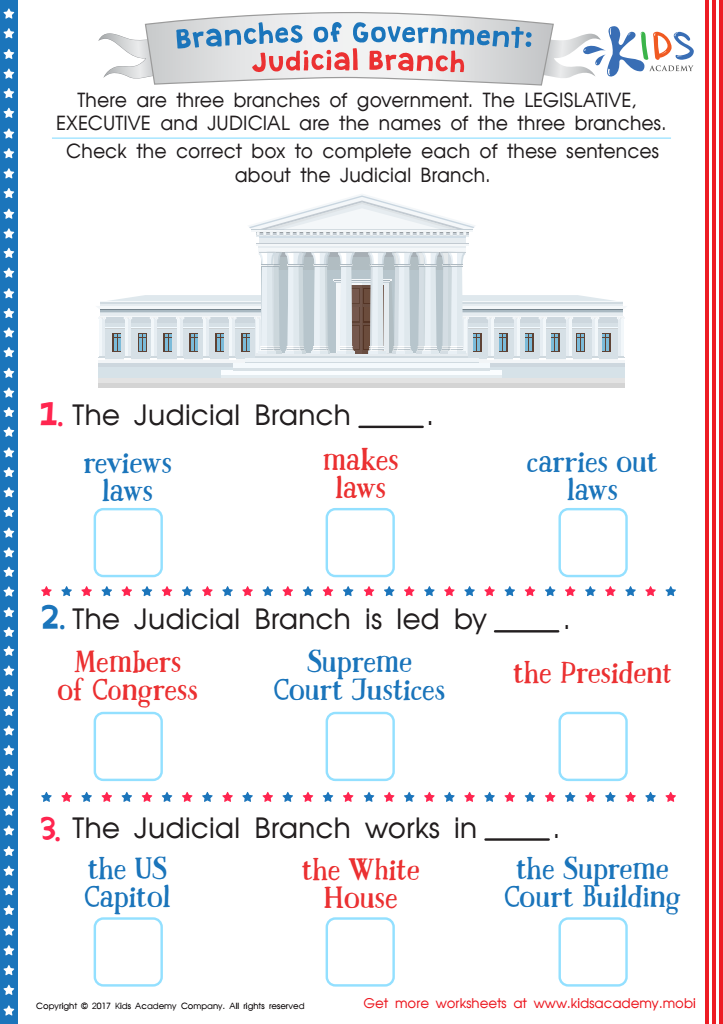
Braches of the Government: Judicial Branch Worksheet
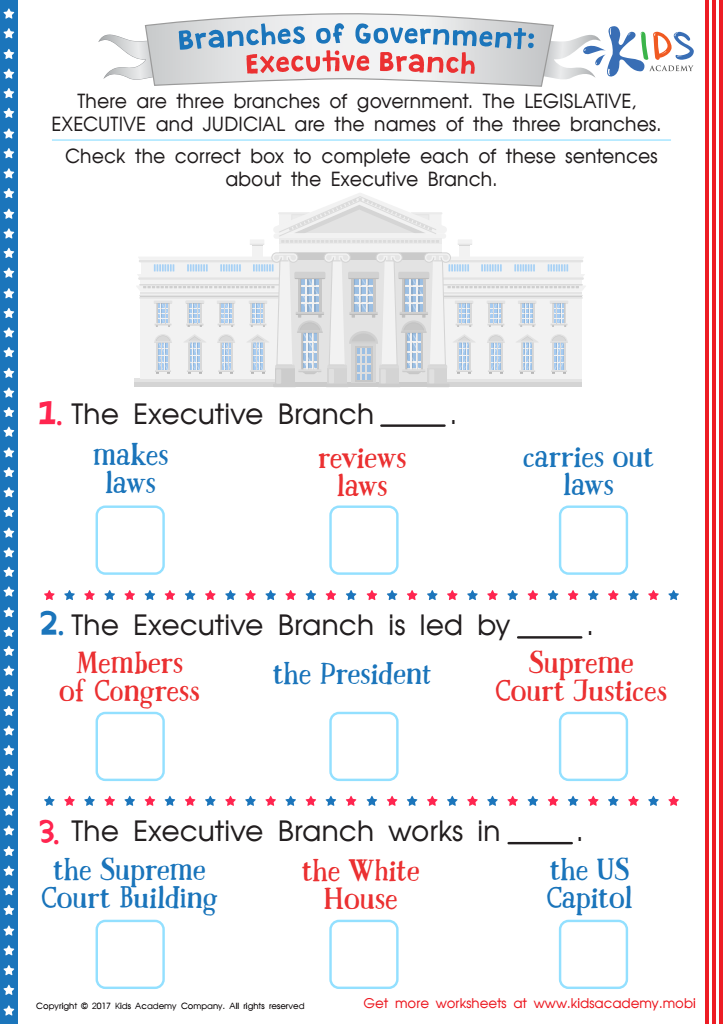
Branches of the Government: Executive Branch Printable
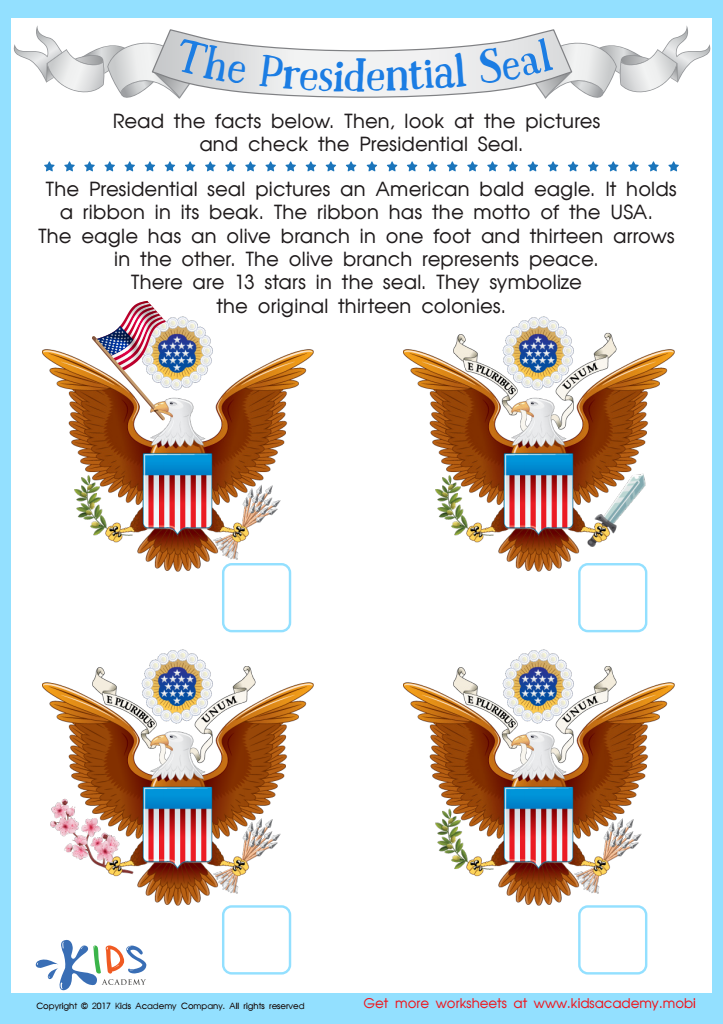
The Presidential Symbol Worksheet
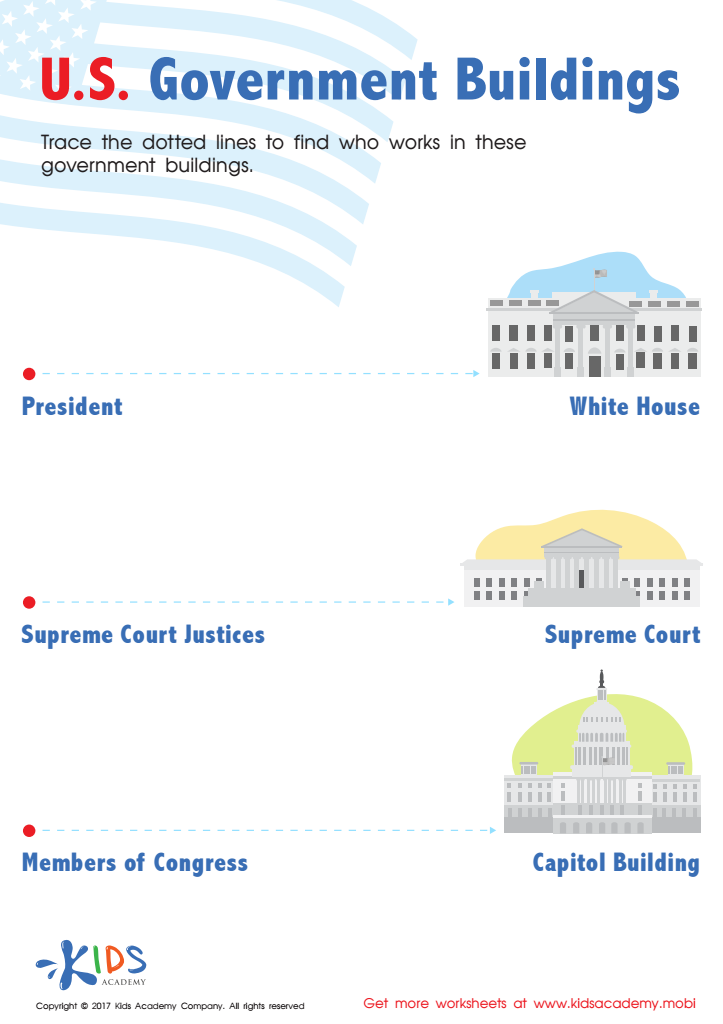
US Government Buildings Printable
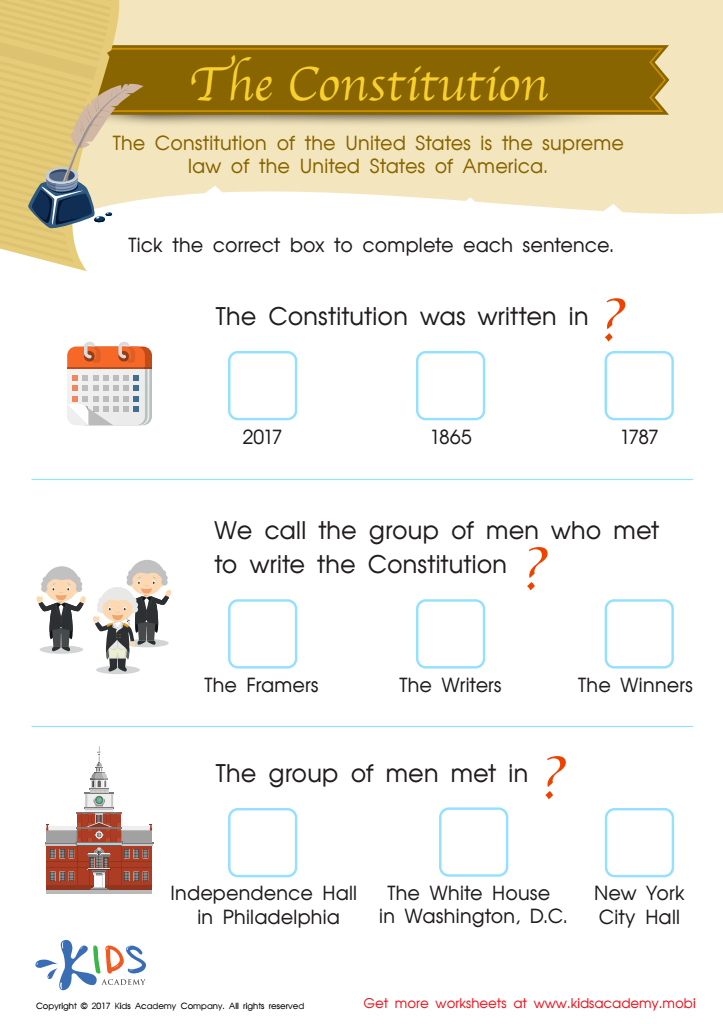
The Constitution Worksheet
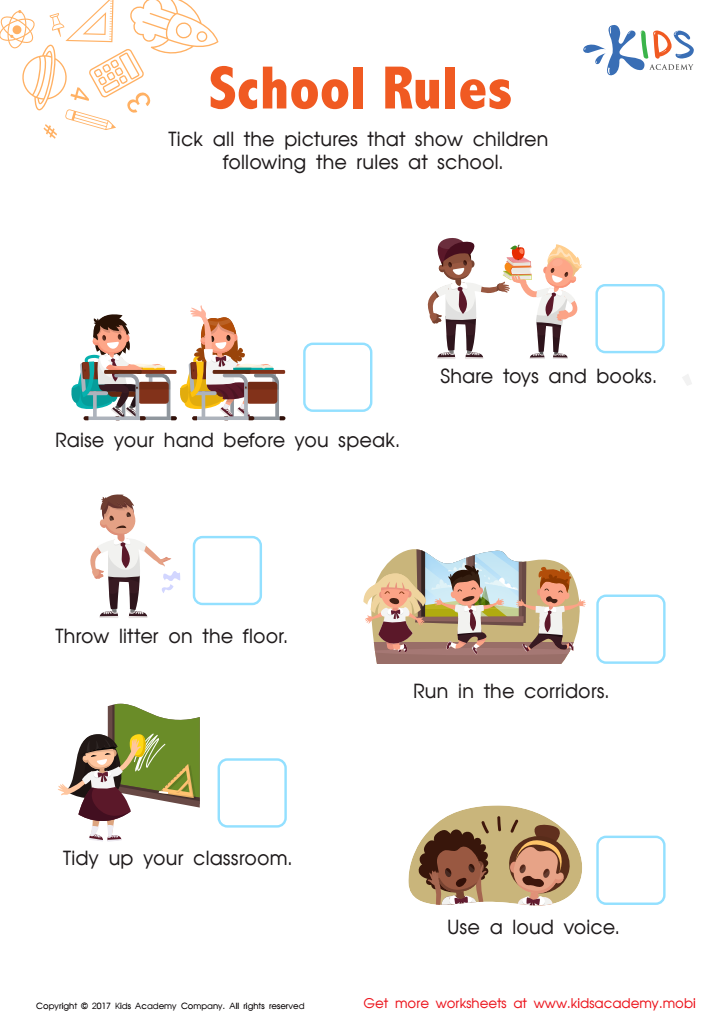
School Rules Worksheet
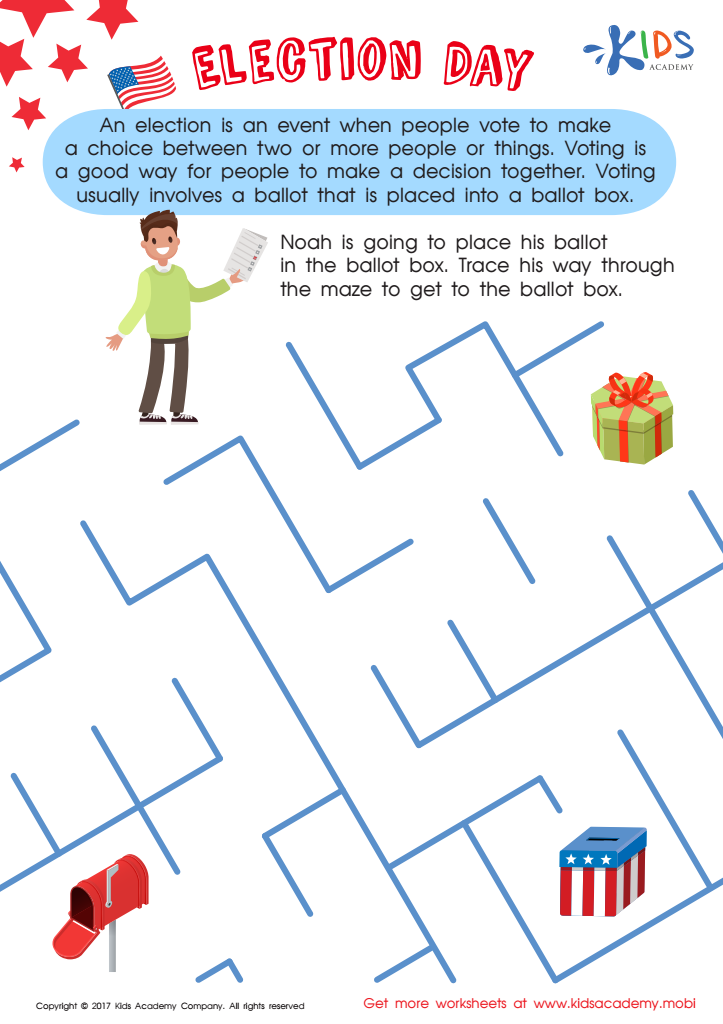
Election Day Worksheet
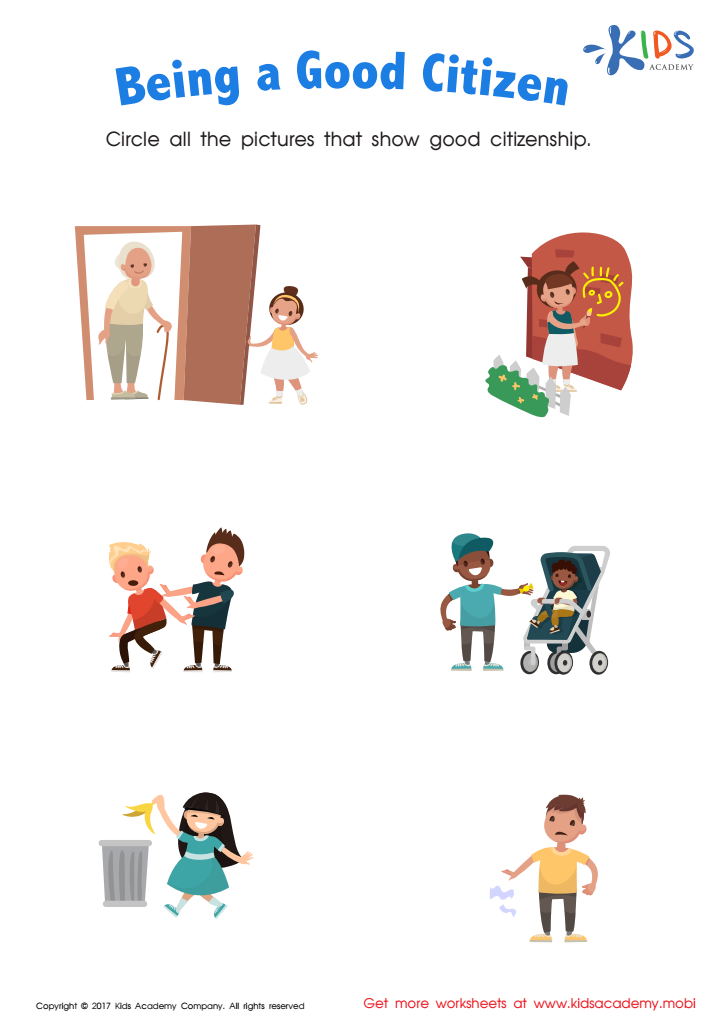
Being a Good Citizen Printable
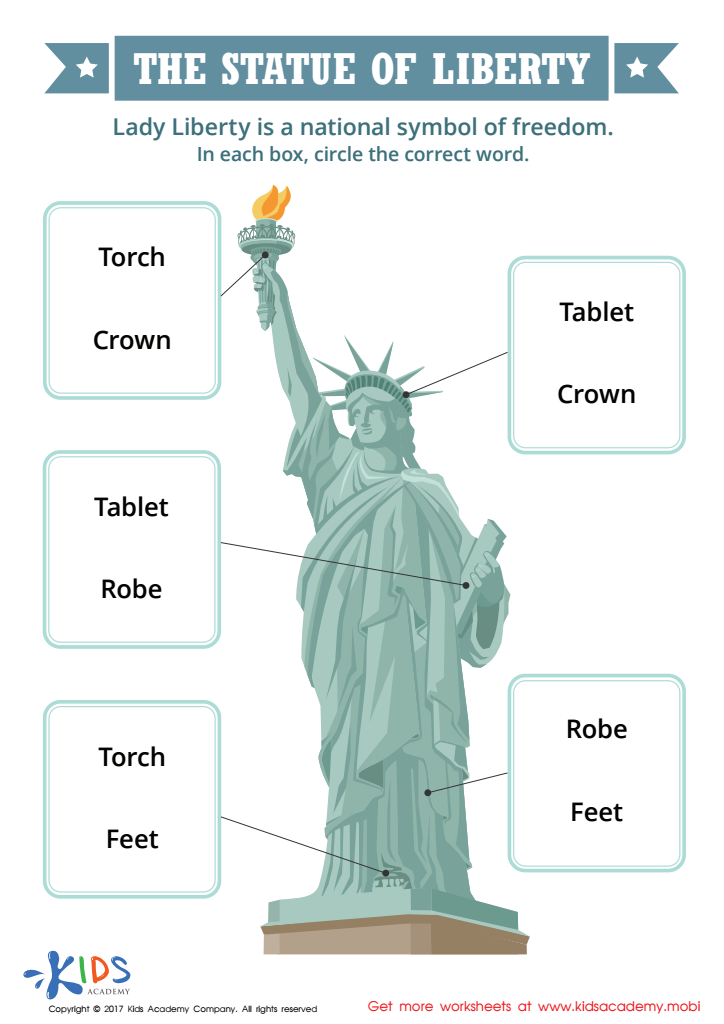
The Statue of Liberty Printable


Teaching Normal Governance and Civics to children aged 5-8 is crucial for several reasons. Firstly, it helps them understand the basic principles of how their community operates, which fosters a sense of belonging and civic responsibility. At this young age, children are naturally curious, making it an ideal time to introduce concepts such as fairness, sharing, and respect for others—all foundational elements of governance.
Moreover, early exposure to civics can enhance children's critical thinking skills. When they learn about rules, responsibilities, and the importance of their voice in decision-making, it encourages them to be active participants in their community, cultivating a lifelong habit of engagement. It instills fundamental values such as empathy, cooperation, and conflict resolution.
Civics education also lays the groundwork for informed citizenship. Understanding governance systems and rights, even at a basic level, helps children recognize the importance of laws and their own roles within a community. Educators and parents who prioritize civics education empower children to become not just competent citizens but also compassionate leaders. By investing in this early education, we better prepare future generations to tackle societal challenges with knowledge and maturity.