
Normal Graphs Worksheets for Ages 5-9
4 filtered results
Difficulty Level
Grade
Age
-
From - To
Subject
Activity
Standards
Explore our comprehensive collection of Normal Graphs Worksheets designed for children ages 5-9. At Kids Academy, we provide engaging and educational resources to help young learners understand and interpret data. Our age-appropriate, printable worksheets cover essential graphing skills such as creating and reading bar graphs, pie charts, and line graphs. These worksheets not only build foundational math skills but also enhance critical thinking abilities. Each activity is crafted to make learning enjoyable and interactive, ensuring kids remain motivated. Perfect for classroom use or supplemental home practice, these worksheets pave the way for future math achievements.
Favorites
With answer key
Interactive
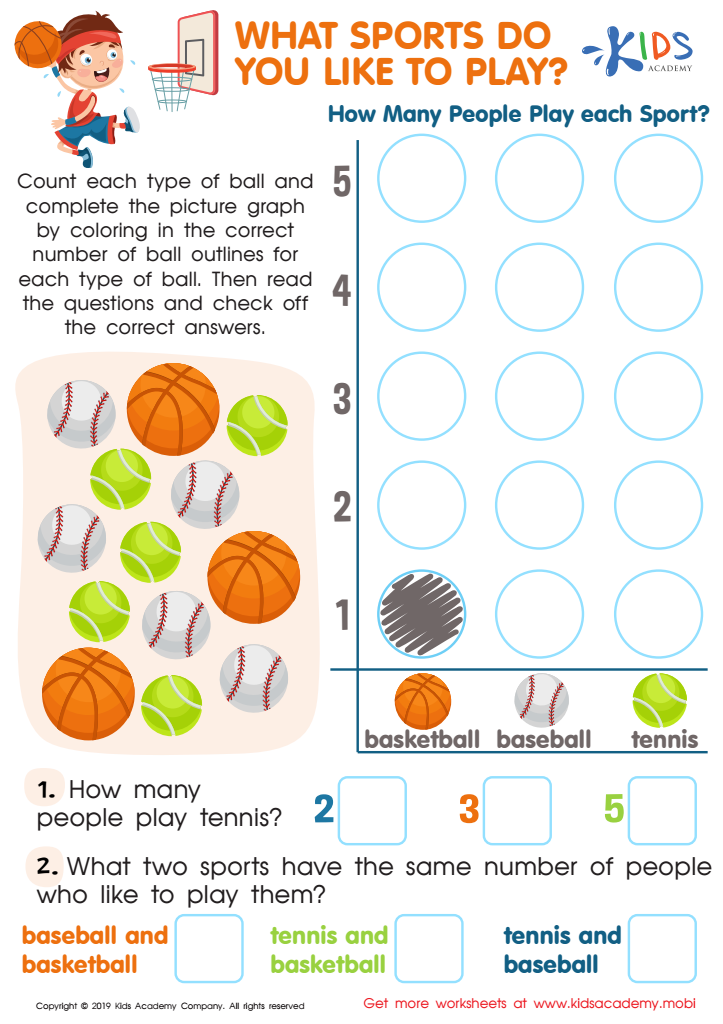
What Sports Do You Like to Play Worksheet
Encourage your kids to complete this fun sports-themed math worksheet! Count each type of ball then help them complete the picture graph. It's a great way to make math a fun, tear-free activity. Download our printable PDF to get started!
 Assign to My Students
What Sports Do You Like to Play Worksheet
Worksheet
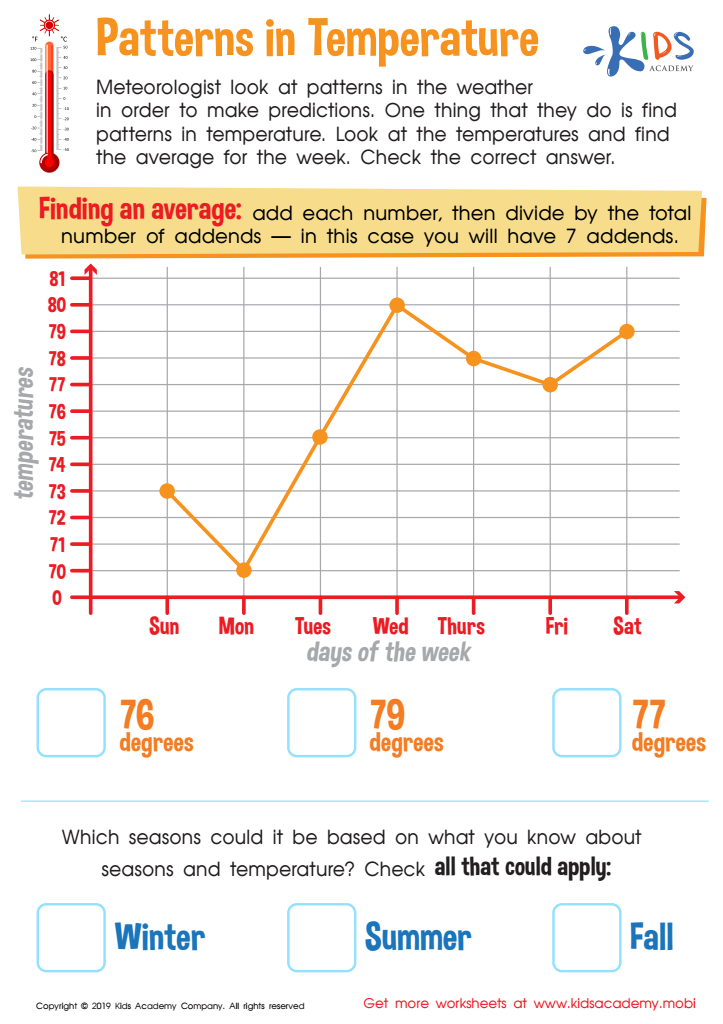
Patterns in Temperature Worksheet
Kids need to learn how to read and interpret data from graphs and charts. This free worksheet on temperature patterns helps them to do just that. They'll practice finding averages and answer questions in multiple-choice format. Plus, it provides a great learning experience!
Patterns in Temperature Worksheet
Worksheet
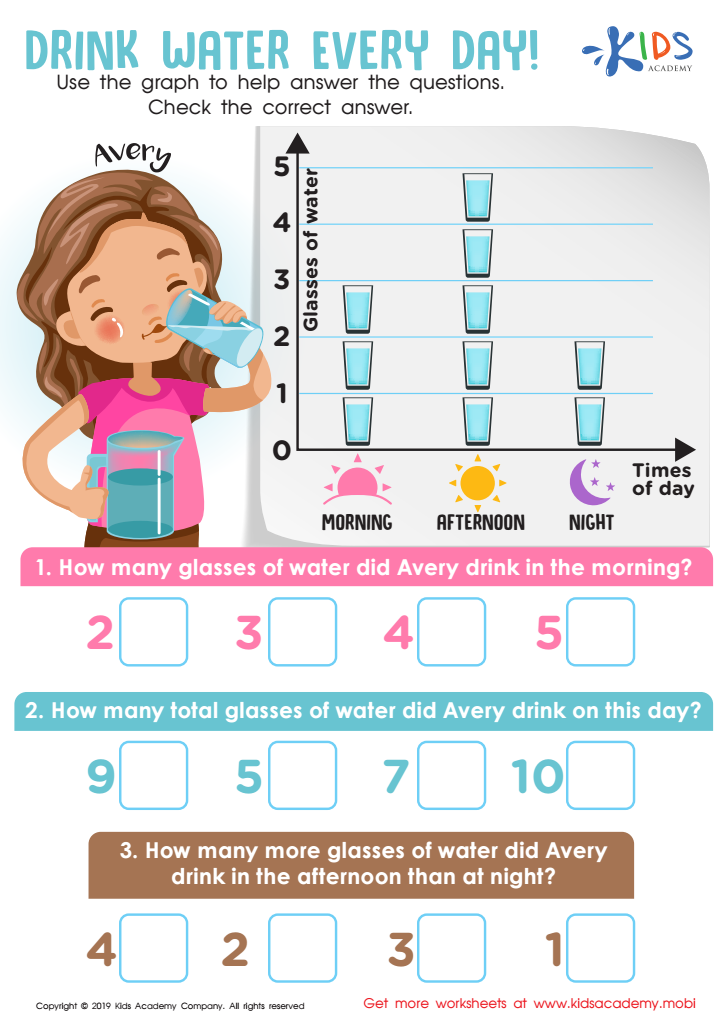
Drink Water Every Day! Worksheet
Water is essential for life. Without it, all living things would die eventually. Drinking it regularly is key to our survival. Help your kids understand the importance of water by looking at the graph in the worksheet together, and help them answer the questions it contains.
Drink Water Every Day! Worksheet
Worksheet
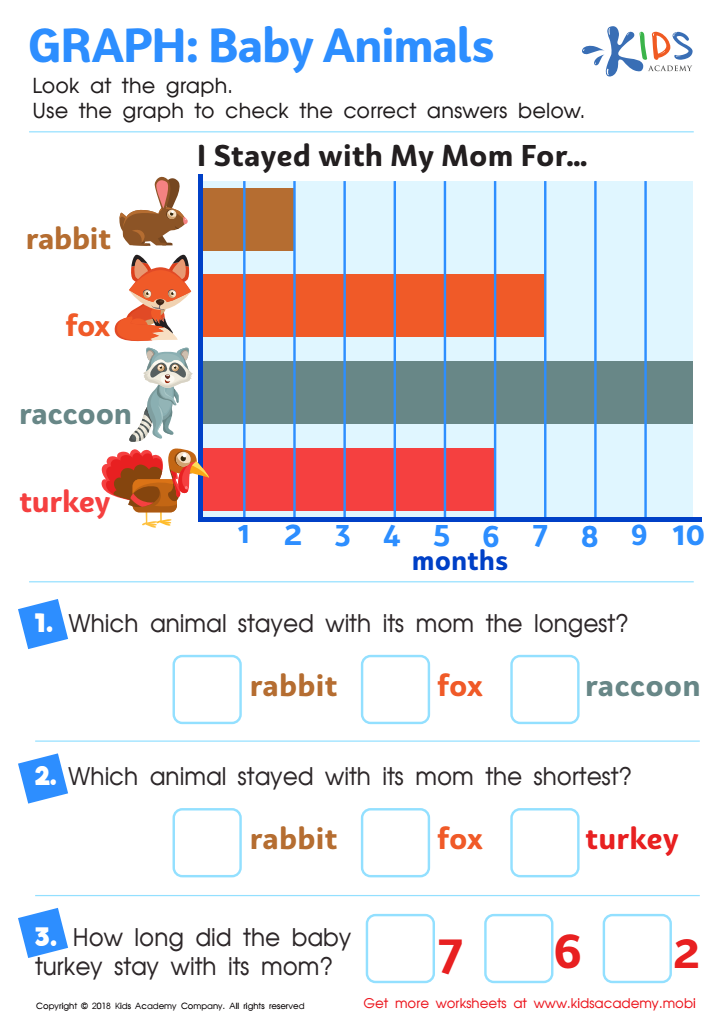
Graph: Baby Animals Worksheet
Graphs are essential for learning in math, science and ELA. This worksheet featuring baby animals is a fun way to practice reading graphs. Look at the graph and answer the questions below it. Check the boxes for the right answers based on the data.
Graph: Baby Animals Worksheet
Worksheet
Join Kids Academy for Free
Who is primarily going to use this learning content?








Understanding normal developmental graphs, also known as growth or development charts, for ages 5-9 is essential for both parents and teachers to ensure that children are progressing as expected. These charts offer valuable benchmarks based on typical developmental milestones in areas such as height, weight, cognitive abilities, social skills, and emotional maturity.
For parents, normal graphs help identify if their child is growing and developing within the typical range, which can alleviate concerns or prompt early interventions if delays are noticed. By having a clear visual of their child’s development, parents can engage more effectively in informed discussions with healthcare providers, ensuring timely support if needed.
Teachers, on the other hand, can use these graphs to tailor their educational strategies to meet the varying needs of children. Understanding developmental stages aids in creating an inclusive classroom environment where every child's pace is respected and nurtured. If a child shows signs of being ahead or lagging behind on these graphs, teachers can adapt coursework and provide additional resources or referrals to specialists.
Overall, normal development graphs serve as a diagnostic and educational tool, helping to foster a supportive environment where every child can thrive according to their individual growth patterns. Early intervention and personalized support can make a significant difference in children's long-term academic and social success.








