Normal Space Worksheets for Ages 5-9 - Page 2
37 filtered results
-
From - To
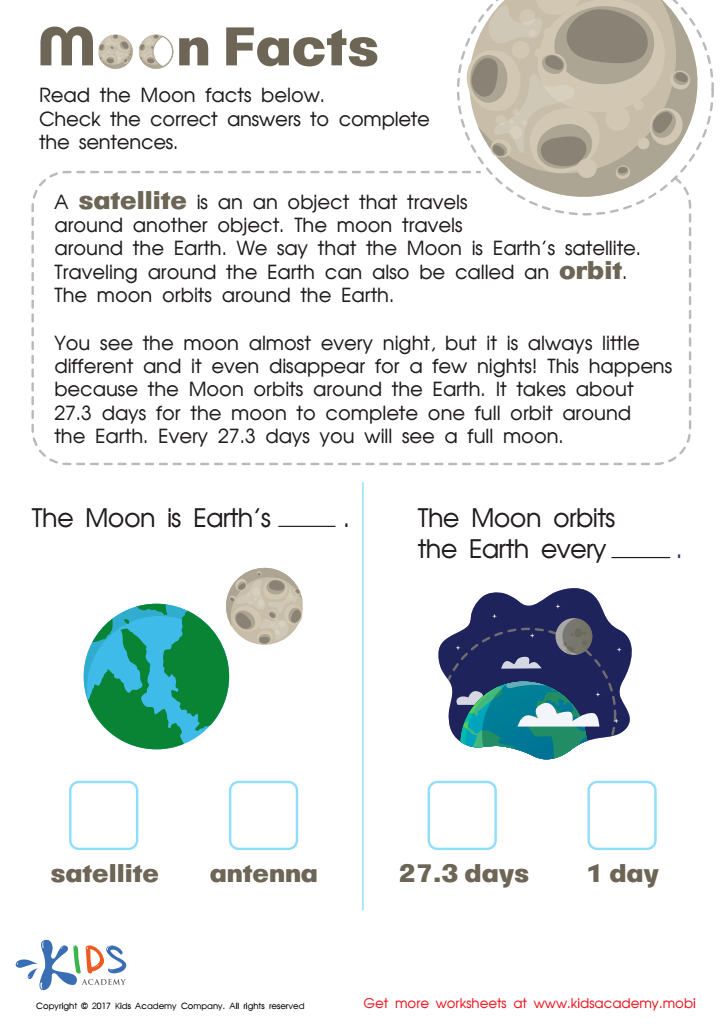
Moon Facts Worksheet
 Assign to My Students
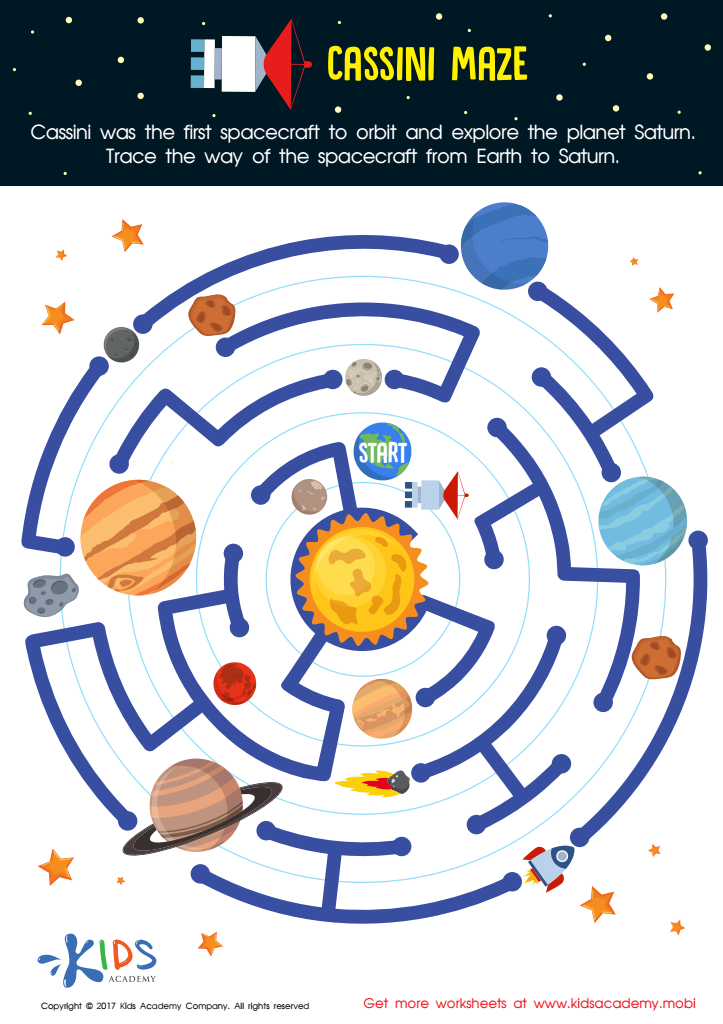
Cassini Printable Worksheet
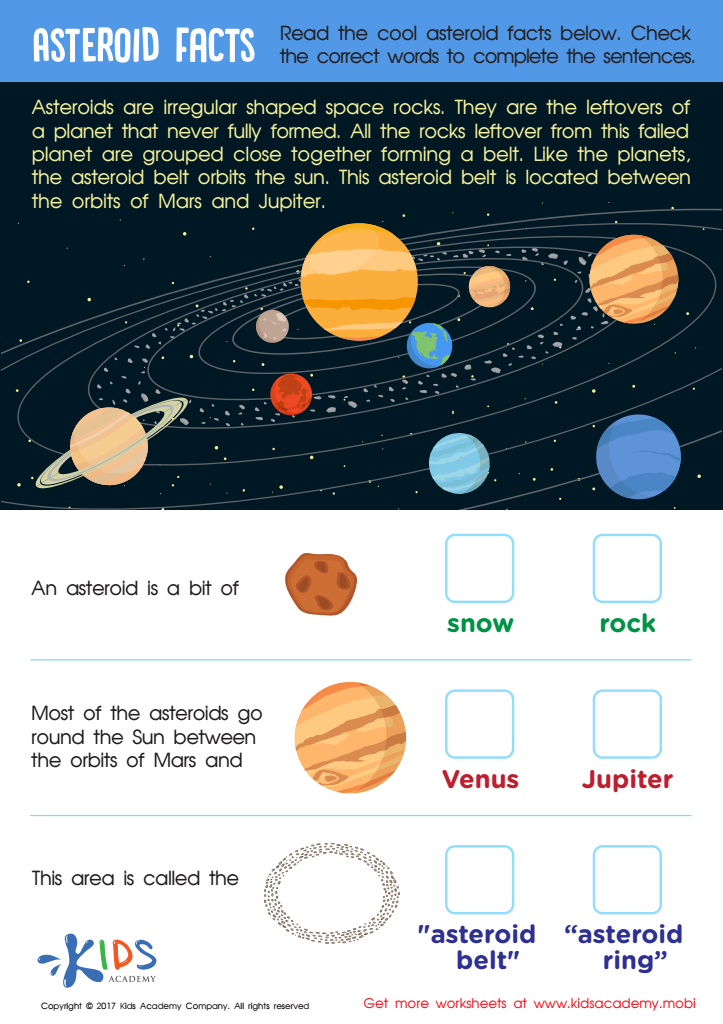
Asteroid Facts Worksheet
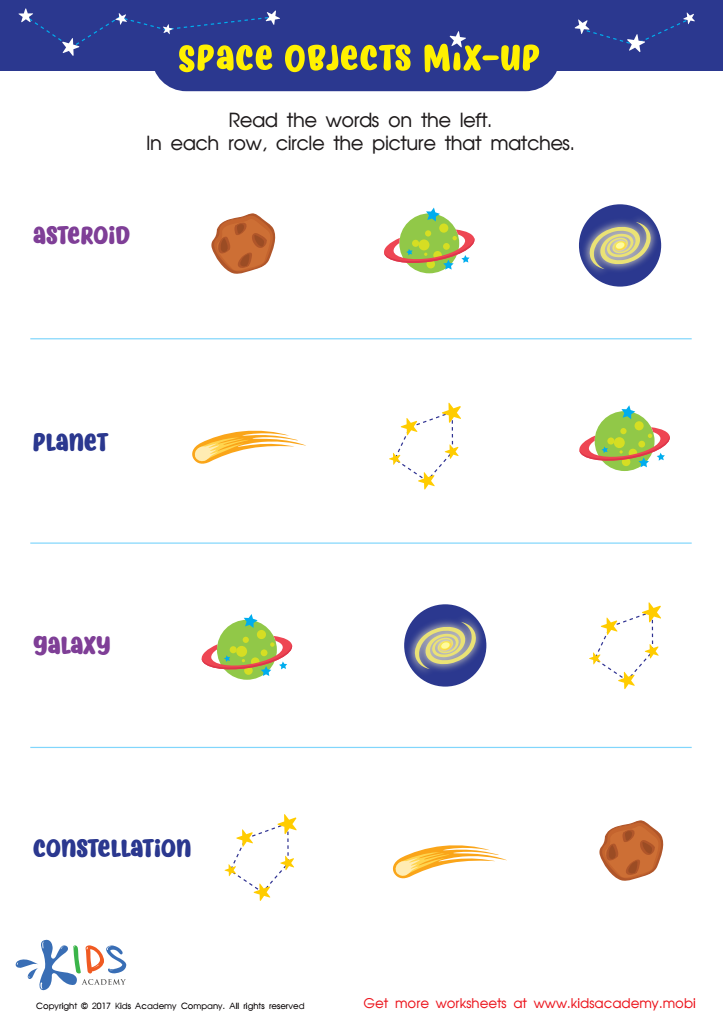
Science: Space Objects Worksheet
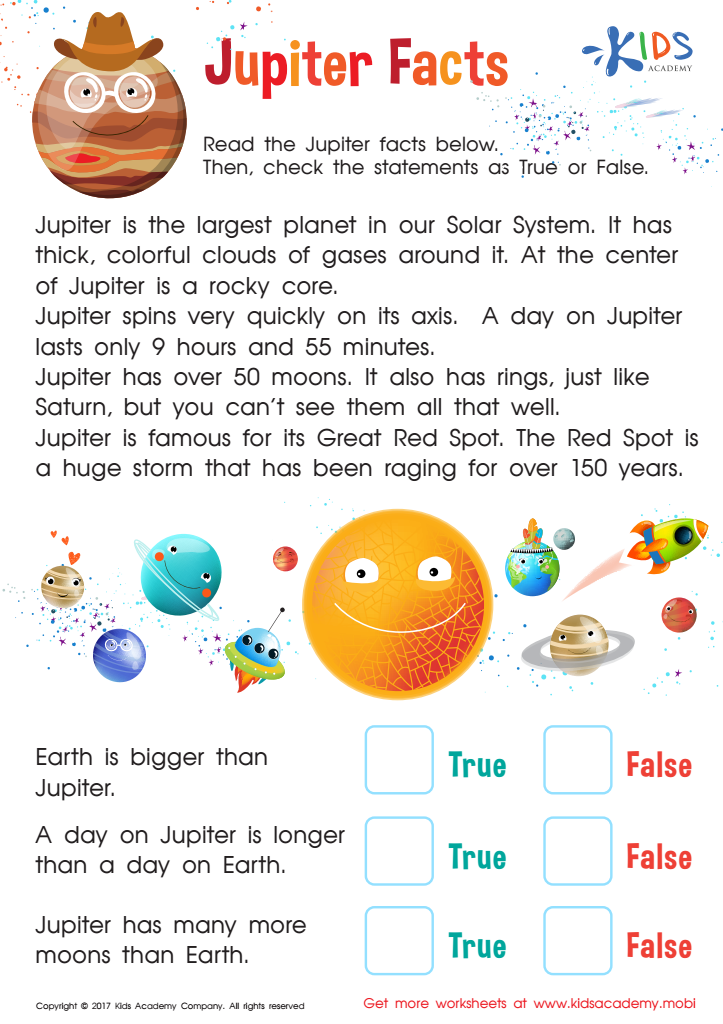
Jupiter Facts Worksheet
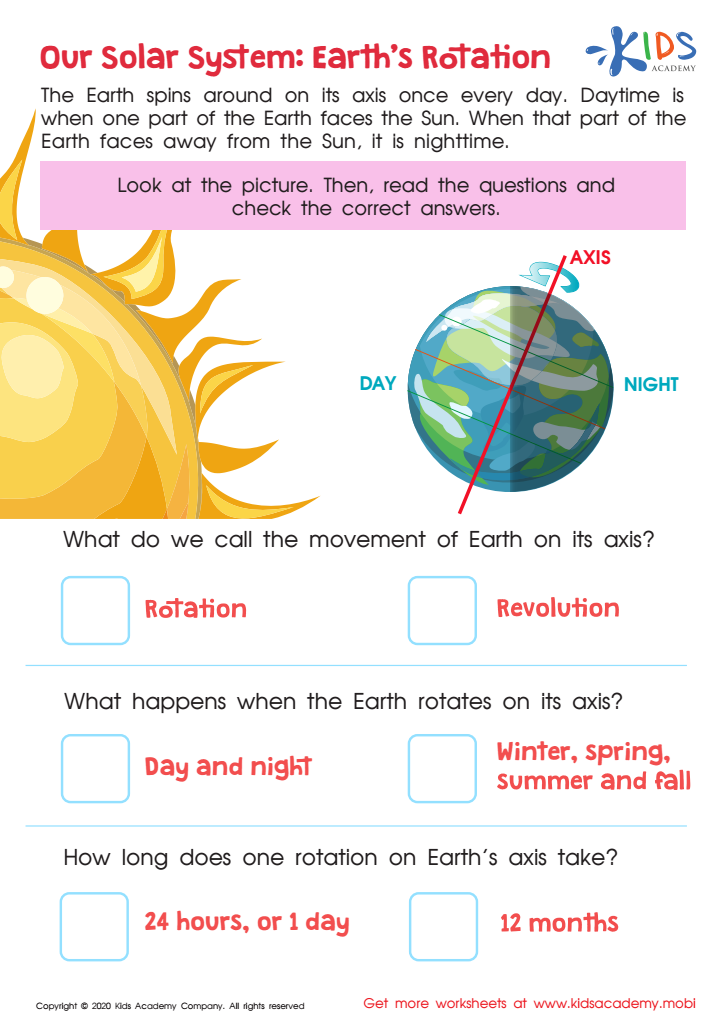
Our Solar System: Earth's Rotation Printable
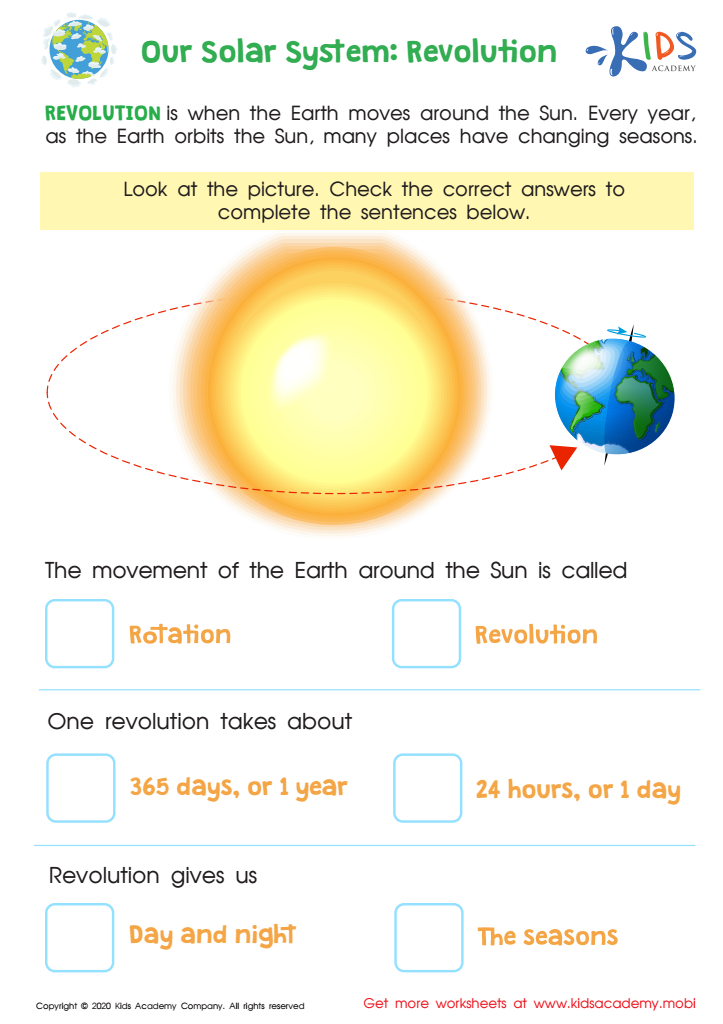
Our Solar System: Revolution Printable
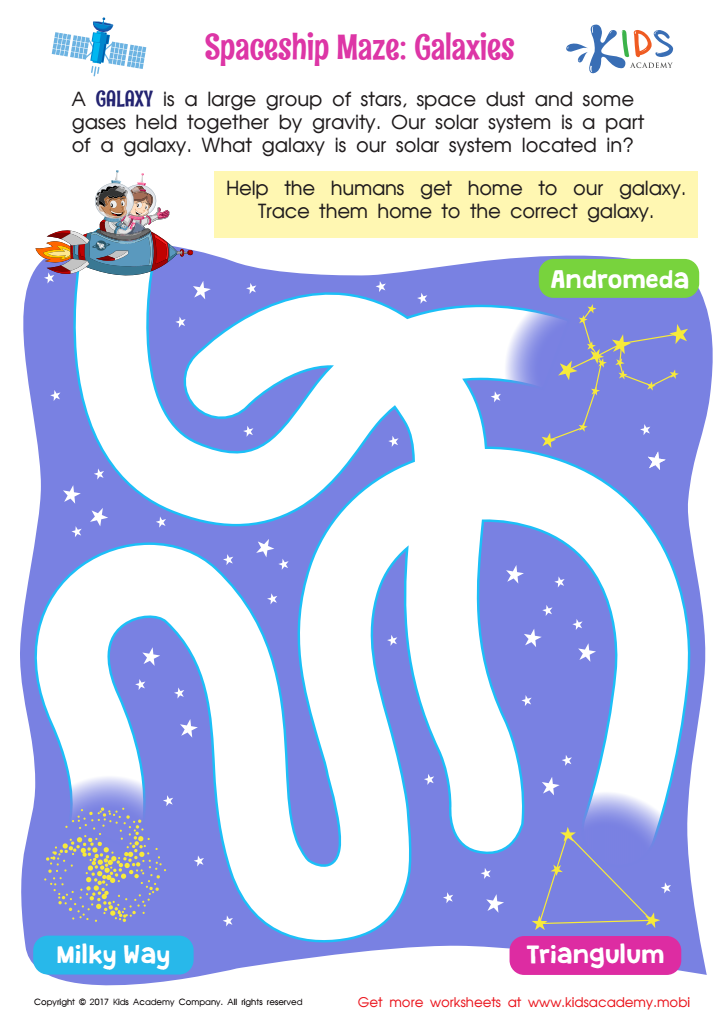
Spaceship Maze: Galaxies Worksheet
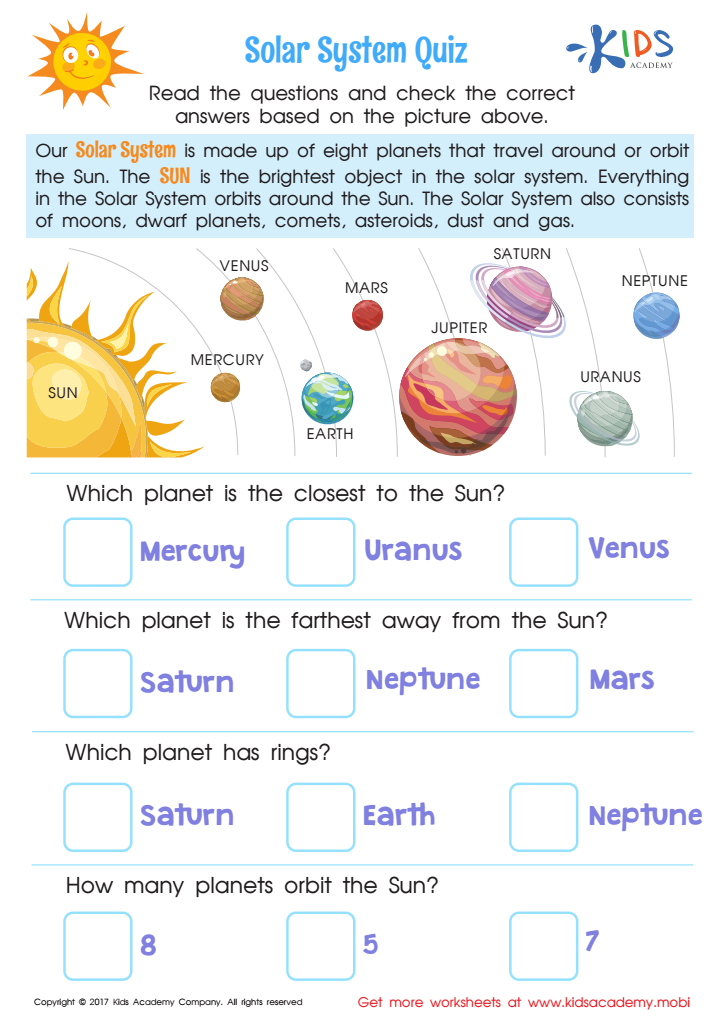
Solar System Quiz Printable
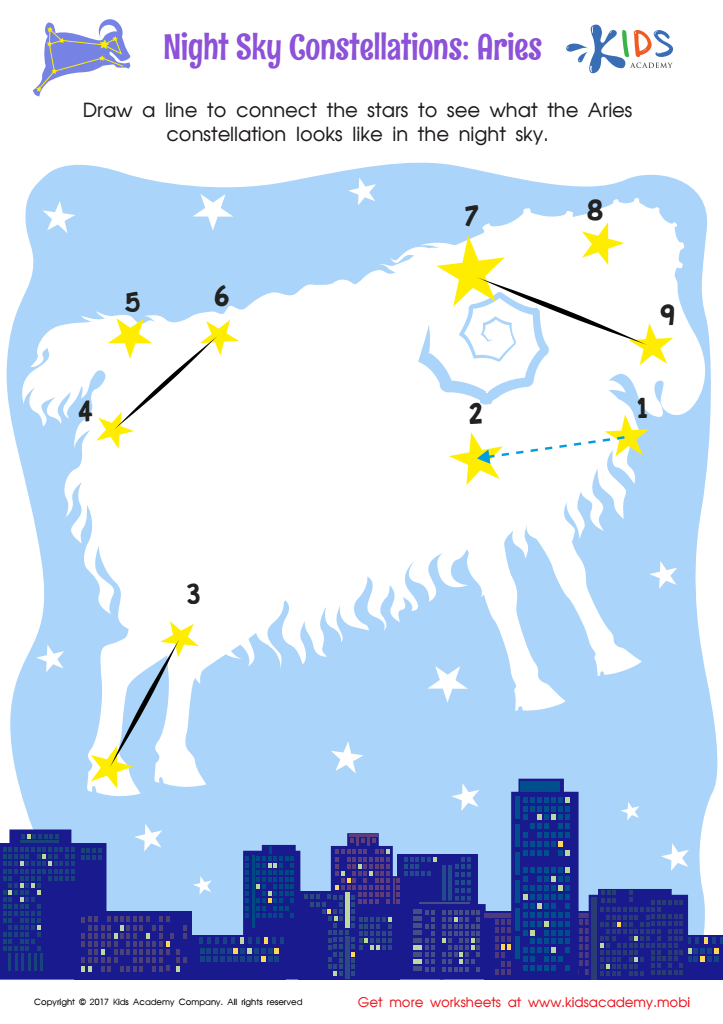
Night Sky Constellations: Aries Worksheet
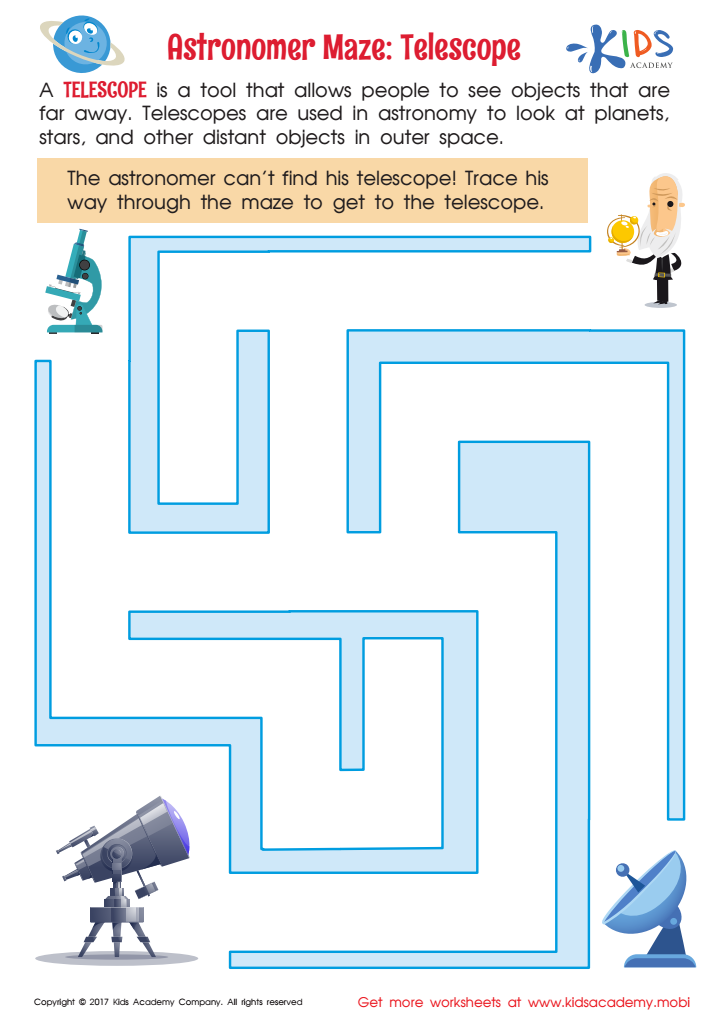
Astronomer Maze: Telescope Worksheet
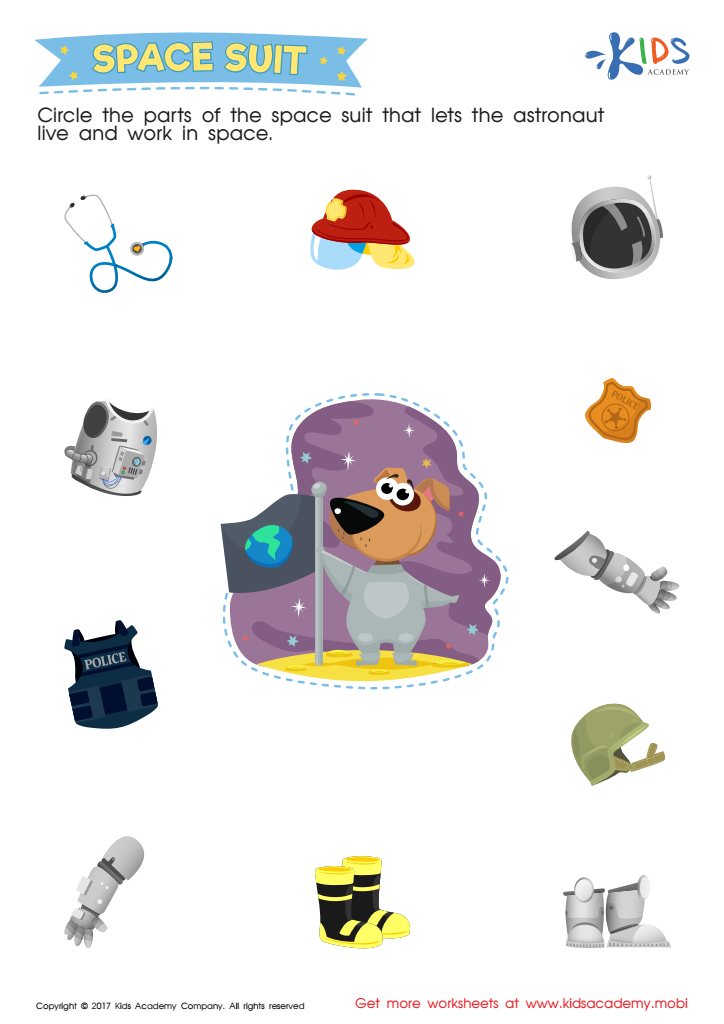
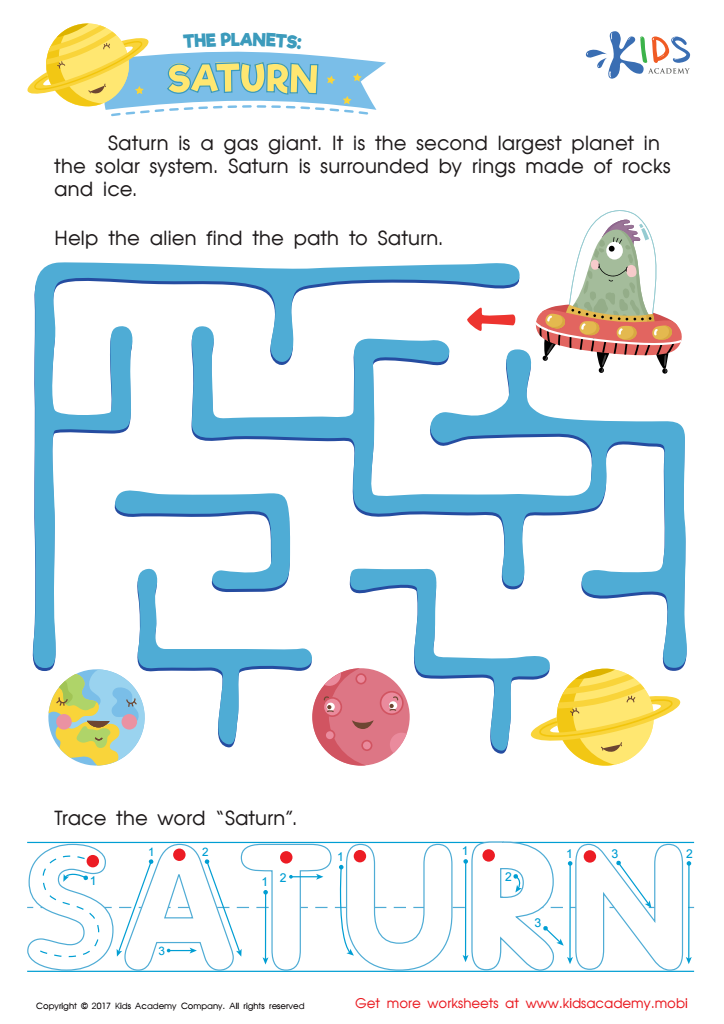
The Planets: Saturn Printable






Normal Space is crucial for children aged 5-9 as it fosters both emotional and social development. At this stage, children are refining their understanding of the world and their place within it. A Normal Space environment is one that allows children to express themselves freely, explore relationships, and develop essential social skills, such as empathy, cooperation, and communication.
Parents and teachers play a vital role in this development. Recognizing the importance of Normal Space means acknowledging that children thrive in environments where they feel safe, valued, and heard. In such spaces, children can explore their identities, test boundaries, and make sense of their emotions without fear of judgment. This can significantly boost their confidence and self-esteem, promoting a positive attitude toward learning.
Moreover, Normal Space allows for collaborative learning experiences, which are fundamental in forming peer relationships. It encourages teamwork and problem-solving skills, preparing children for future social interactions both in and out of school.
By advocating for Normal Space, parents and teachers lay the groundwork for well-adjusted individuals who are capable of emotional regulation and positive interpersonal relationships. Therefore, understanding and promoting Normal Space becomes a critical priority for anyone invested in a child’s holistic development.







