Normal Geography Worksheets for Ages 5-9 - Page 3
51 filtered results
-
From - To
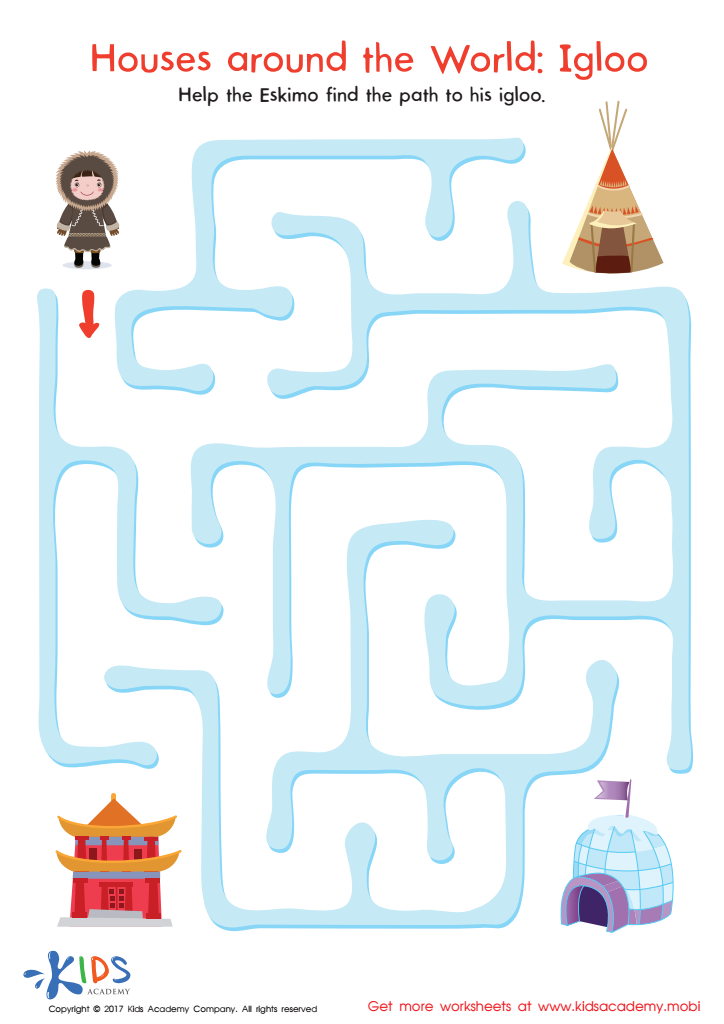
Houses Around the World: Igloo Printable
 Assign to My Students
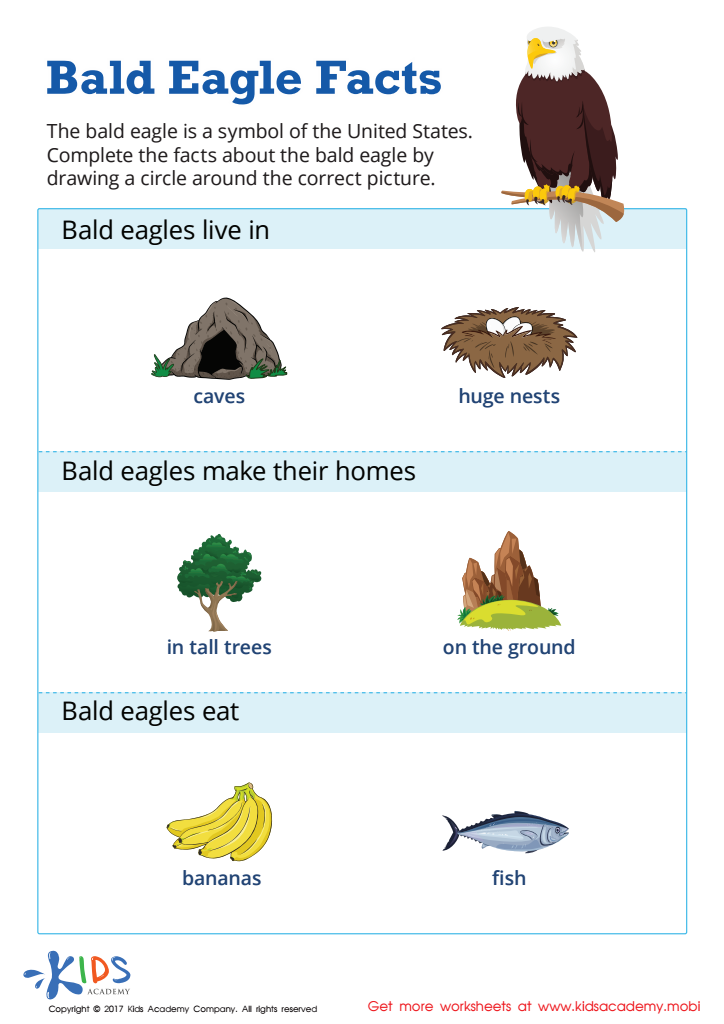
Bald Eagle Facts Worksheet
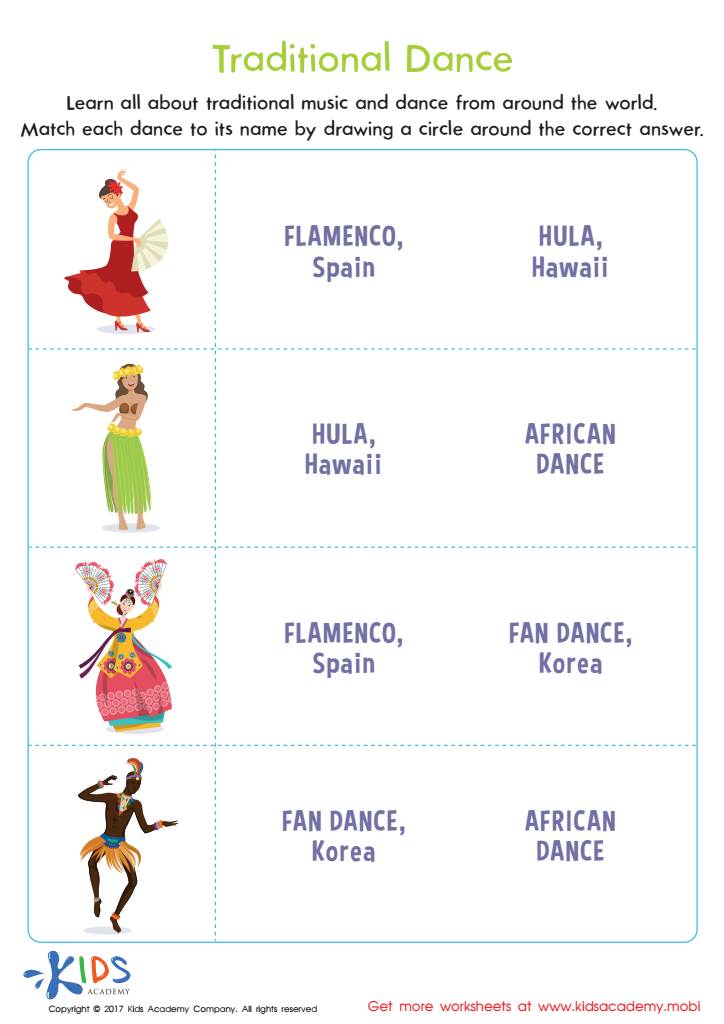
Traditional Dance Printable





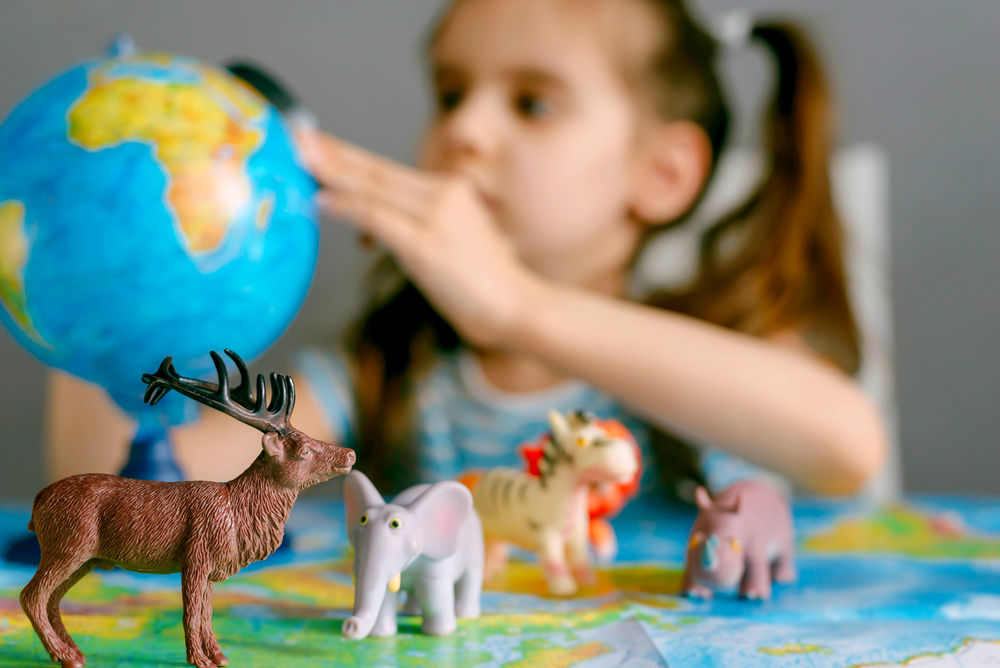

Understanding normal geography is pivotal for young learners aged 5-9 as it lays the foundation for cognitive development, cultural awareness, and practical life skills. At this impressionable age, children are naturally curious about the world around them. Teaching them geography nurtures this curiosity, transforming it into knowledgeable exploration.
Firstly, geography enhances spatial thinking. Early lessons about maps, landforms, and environments help children grasp fundamental concepts about location, distance, and space, which are critical for everyday navigation and advanced learning in subjects like mathematics and science. Furthermore, it reinforces cognitive skills like reading comprehension and critical thinking by encouraging kids to analyze and interpret their observations.
Secondly, discussing various cultures and regions fosters global awareness and empathy. When children learn about different communities, they develop appreciation and respect for diversity, promoting inclusivity from an early age. They begin to understand that people in different parts of the world may have varied lifestyles, traditions, and challenges, which broadens their worldview.
Lastly, knowledge of geography is practical. Understanding basic geographical concepts helps children make informed decisions about their environment. For example, they learn about weather patterns, resource conservation, and sustainability, which instills a sense of responsibility towards their planet.
In summary, integrating normal geography in early education enriches children's academic skills, nurtures cultural understanding, and equips them with practical knowledge for responsible living.