Shape identification Preschool Worksheets
13 filtered results
-
From - To
Discover our engaging Shape Identification Preschool Worksheets, designed to spark curiosity and enhance learning through play! These printable worksheets are perfect for young learners, helping them recognize and differentiate between various shapes including circles, squares, triangles, and more. With vibrant visuals and interactive activities, children will enjoy exploring shapes while developing essential fine motor skills and critical thinking. Ideal for preschool teachers and parents alike, our worksheets provide a fun, structured way to introduce shape concepts. Foster early mathematical foundations and encourage your child’s creativity with our expertly crafted resources, ensuring a delightful learning experience every time! Download and print today!
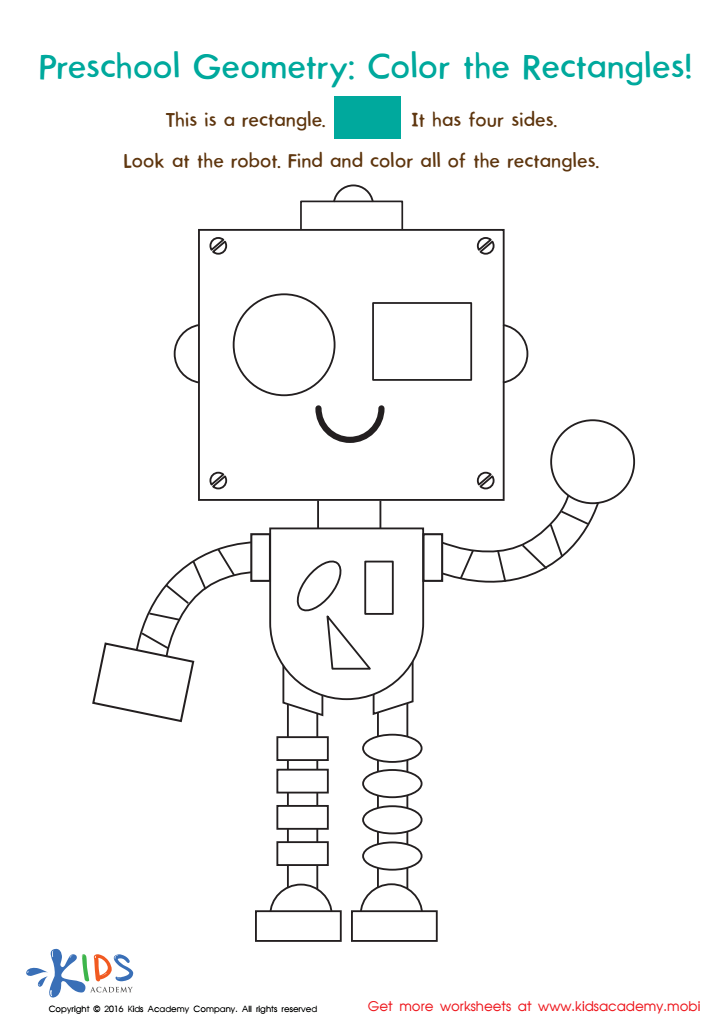
Geometry Worksheet
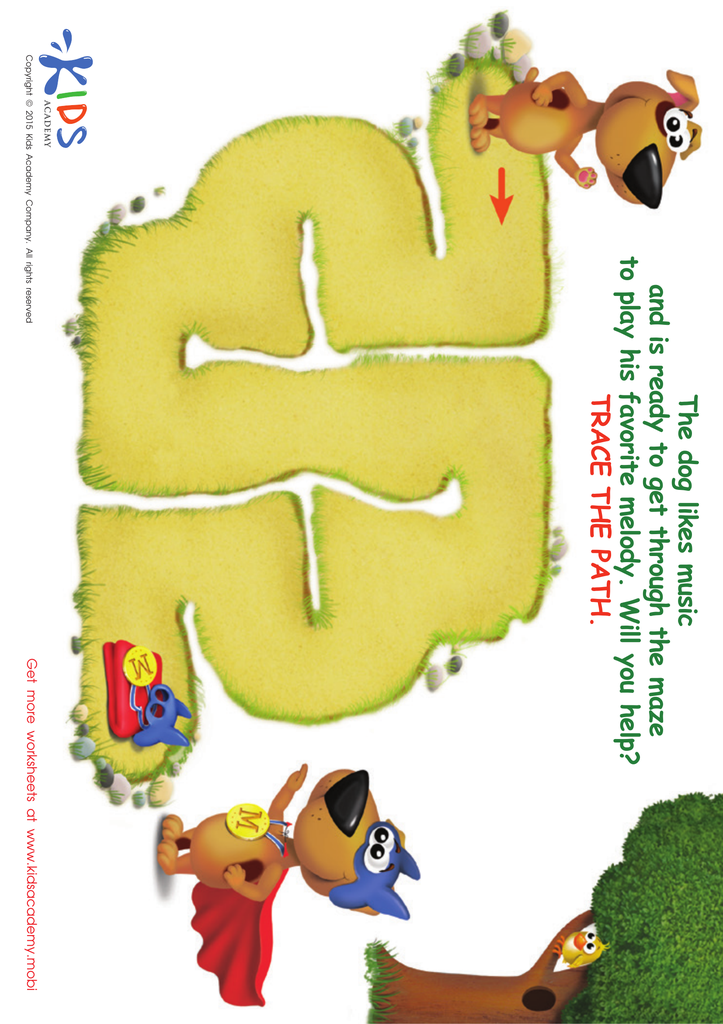
Superman Maze Worksheet
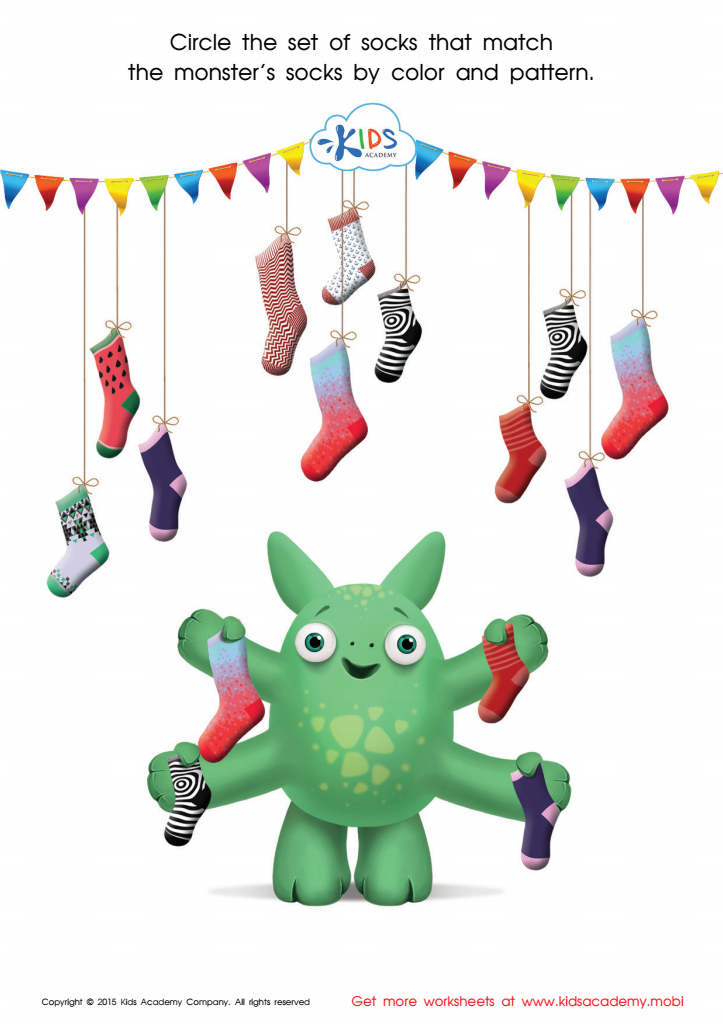
Sort the Monster's Socks Worksheet
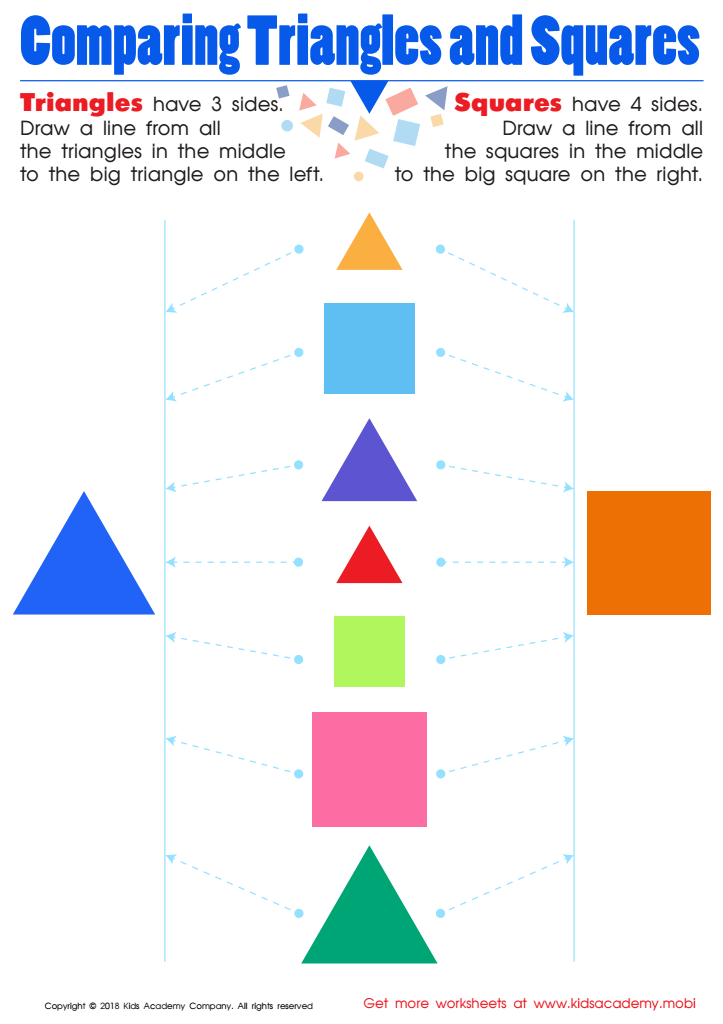
Comparing Triangles Squares Worksheet
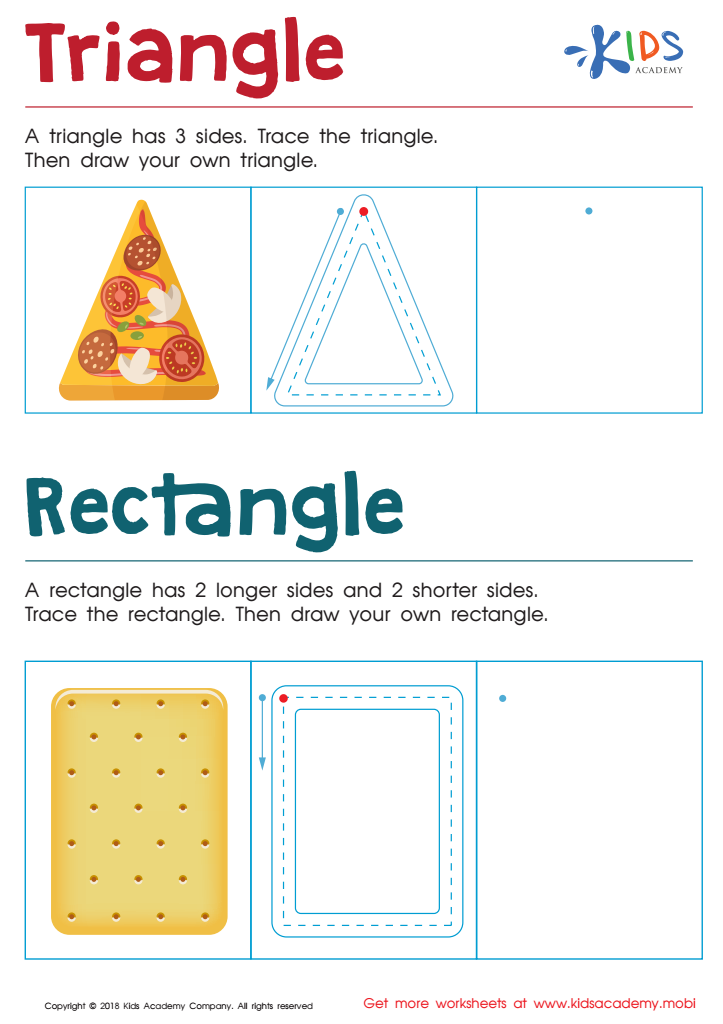
Triangle Rectangle Worksheet
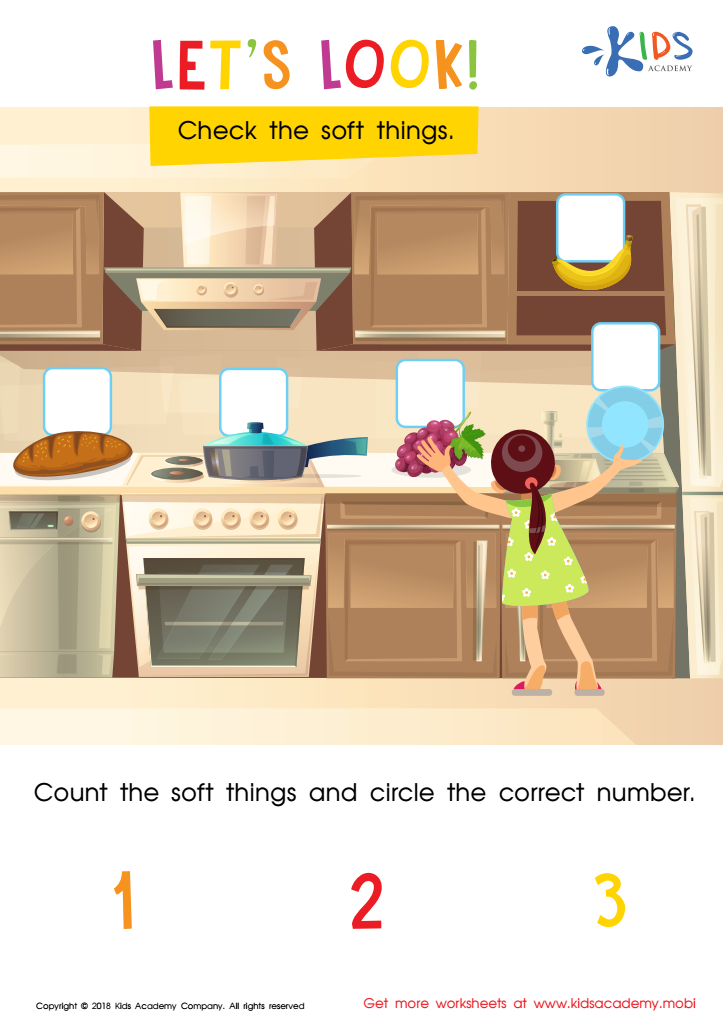
Let's Look! Assessment Worksheet
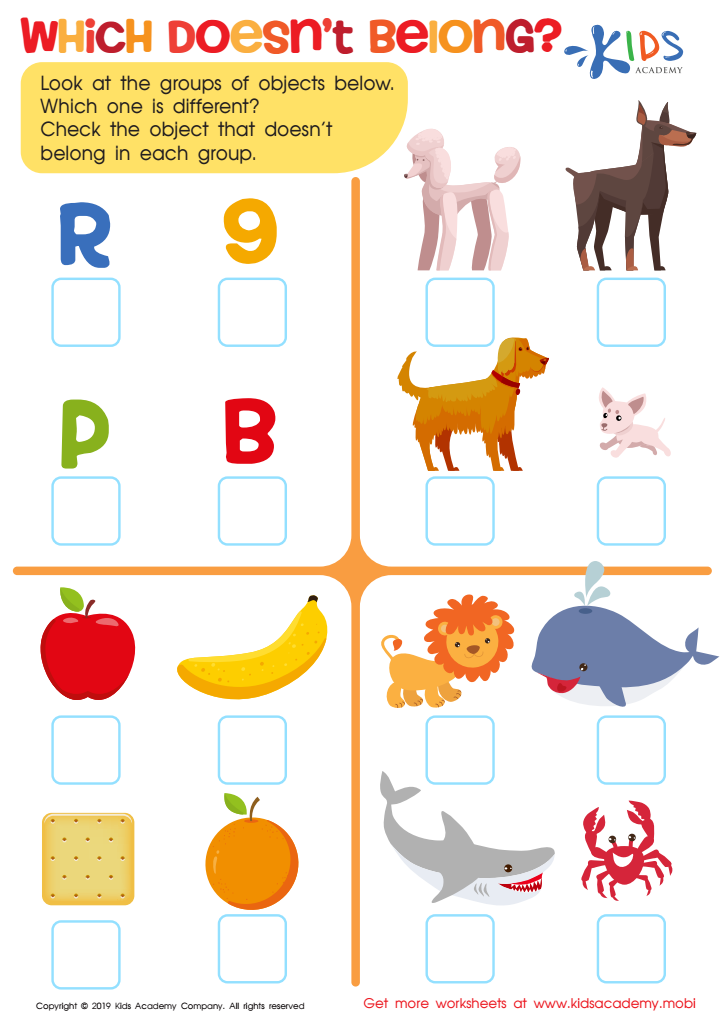
Which Doesn't Belong? Worksheet
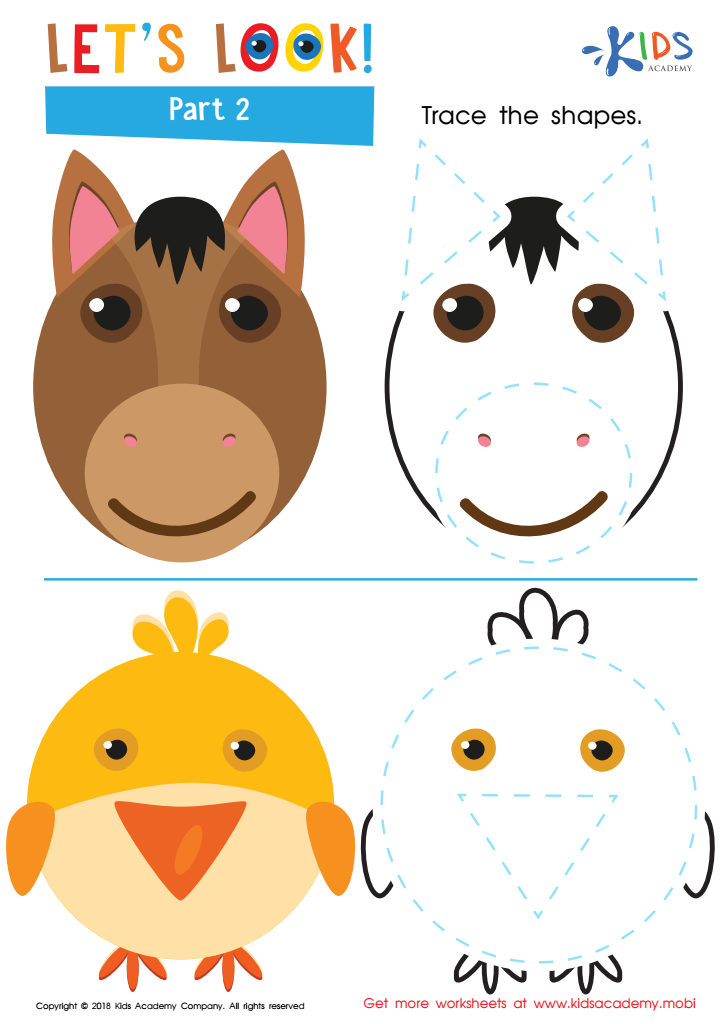
Let's Look! Part 2 Worksheet
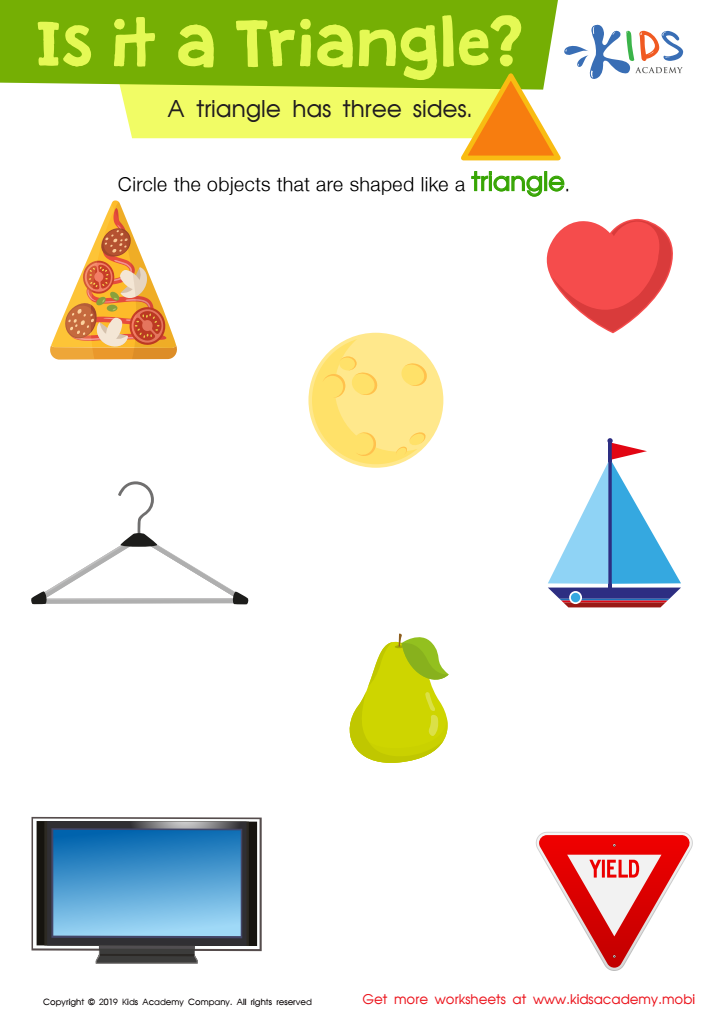
Is It a Triangle? Worksheet
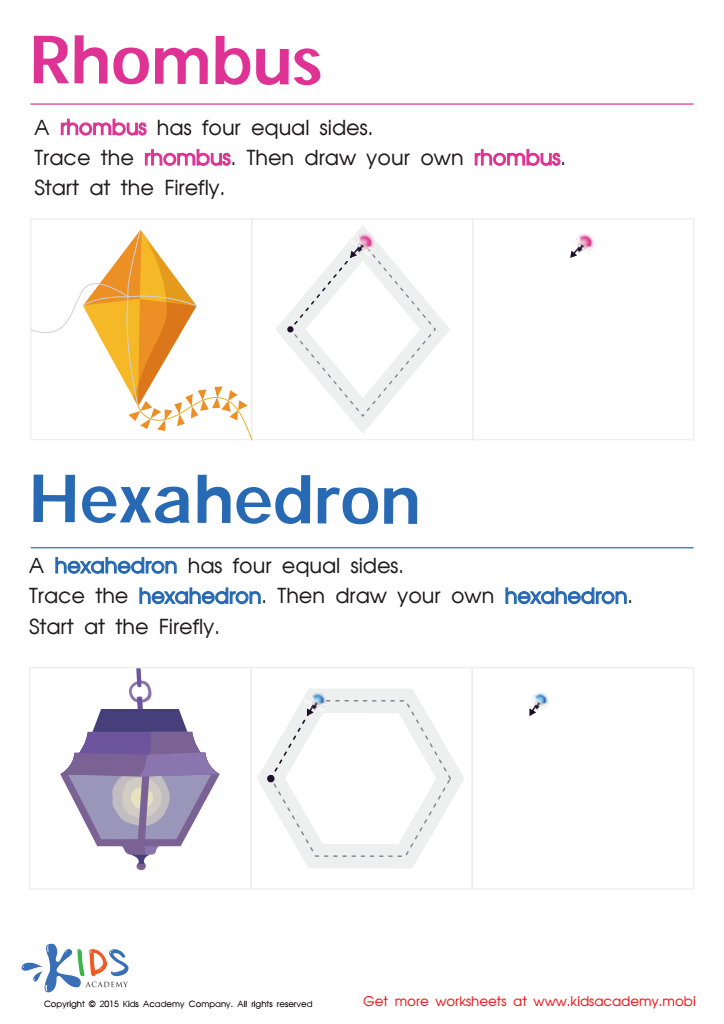
Draw a Rhombus And a Hexahedron Printable
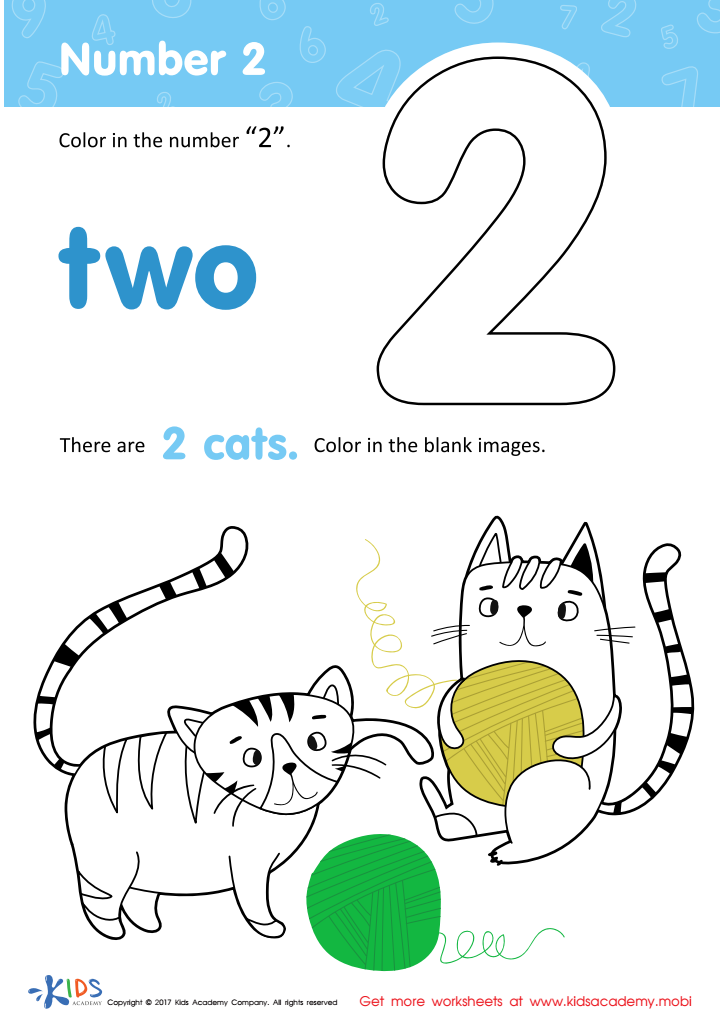
Number 2 Printable
 Assign to My Students
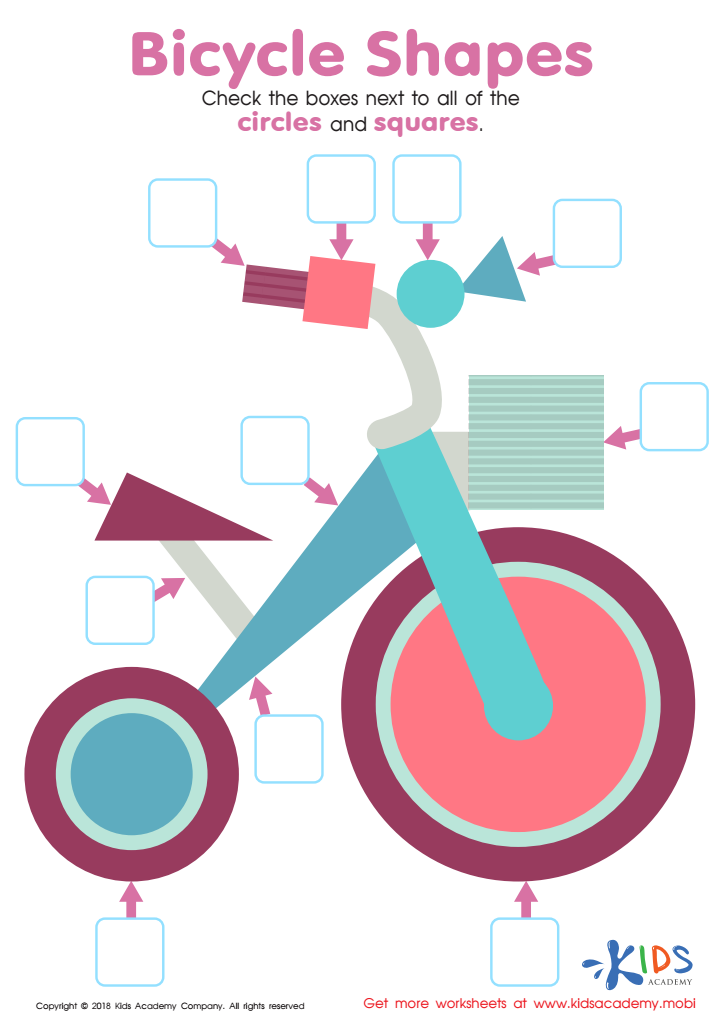
Bicycle Shapes Worksheet
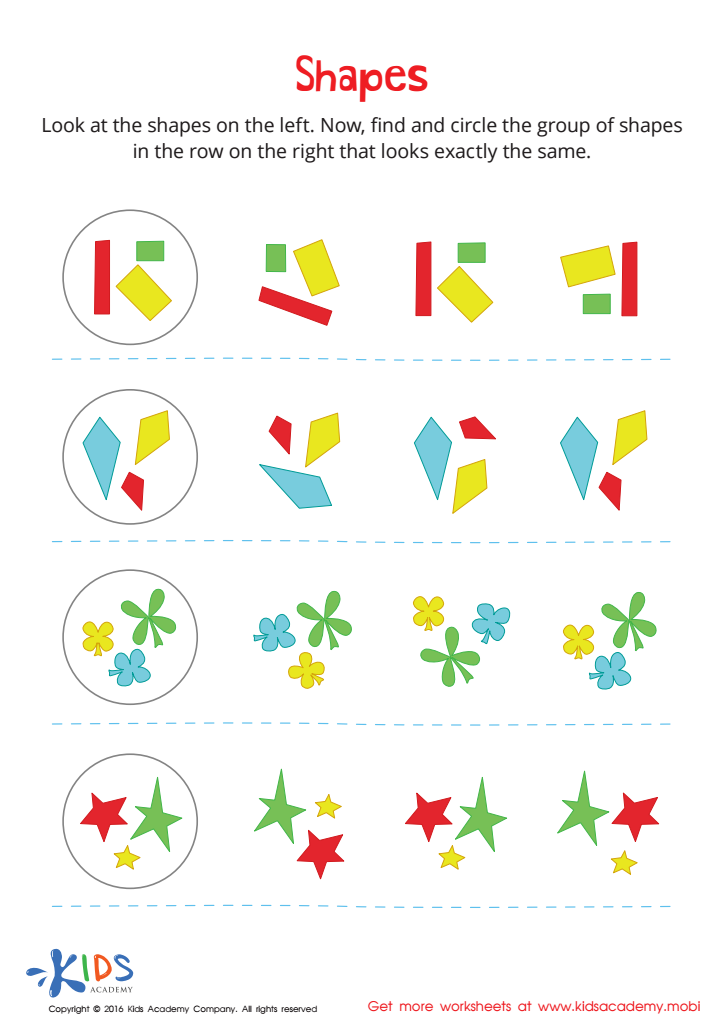
Shapes Worksheet








Shape identification is a fundamental building block of early childhood education that significantly impacts a child's cognitive development. For parents and teachers, nurturing a child's understanding of shapes serves multiple purposes. Firstly, recognizing shapes enhances spatial awareness, which is crucial for later skills in mathematics and geometry. Children learn to identify, compare, and manipulate different shapes, laying the groundwork for critical thinking and problem-solving abilities.
Moreover, shape identification promotes language development. As children describe shapes using specific vocabulary—such as "circle," "square," or "triangle"—they expand their verbal skills and improve their ability to communicate ideas effectively. This practice can also enrich sensory experiences, as children engage with physical objects, fostering motor skills and cognitive connections through hands-on learning.
Additionally, addressing shape identification in preschool sets the stage for a positive learning experience, enhancing children's confidence in their abilities. When children can recognize and categorize shapes, it boosts their self-esteem and encourages a love for learning. Ultimately, shape identification not only fosters essential academic skills but also supports social-emotional growth, making it vital for teachers and parents to prioritize this aspect of early education.